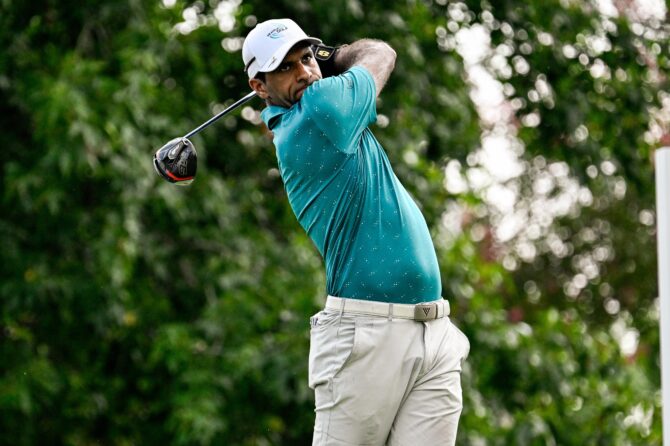
The 2025 Ryder Cup will offer comprehensive, around‑the‑clock coverage across both television and streaming outlets as Europe and the United States gear up for three days of high‑stakes match play. Broadcast and digital rights differ by territory, but viewers should expect live coverage of the opening two days’ foursomes and fourball team sessions and the decisive singles on day three. With 28 points available and 14½ required to win (14 needed to retain),matches will run throughout each day – consult your national broadcaster and the official Ryder Cup website for precise TV windows,streaming links and local kickoff times.
Where to catch the Ryder Cup live in the United States: networks, regional feeds and best channel options
In the U.S., coverage is expected to be led by the NBC Sports family – notably NBC, Golf Channel and the Peacock streaming platform – delivering a mix of network telecasts and digital streams that reach local markets. In areas with thinner cable penetration, local NBC stations frequently carry portions of the weekend coverage while Golf Channel typically handles morning and early‑afternoon live windows; Peacock frequently enough provides full‑event streams and on‑demand replays. Verify your local schedule in advance and prepare your home network – recommended minimums are 5-10 Mbps for HD and 25 Mbps for stable 4K playback – to avoid interruptions. Use shot tracers,replays and featured‑group feeds during the tournament to study choices like flagstick strategy and match tactics and turn those observations into practical drills back at the practice tee.
Watching elite swings on broadcast and slow‑motion can accelerate technique improvements; concentrate on measurable checkpoints such as shoulder rotation (~85-95°), hip turn (~45-55°) and shaft lean at impact (5-10°). To convert what you see into repeatable motion, try short routines during ad breaks or between matches:
- Mirror half‑swings: set up as if hitting a shot and take half swings, checking your shoulder turn toward a target of about 90°.
- Towel connection drill: tuck a towel under the armpits to preserve body connection and reduce casting.
- Impact feedback: place alignment sticks and use impact tape for 20 shots to monitor face angle and aim for center‑face contact.
New or developing players should prioritise fundamentals – a solid setup and consistent tempo – while lower handicaps can leverage televised sequences to fine‑tune late release and face control under pressure.
Short game and putting are heavily featured in match play broadcasts and provide immediately useful practice cues. Pay attention to how pros alter technique for green speed and slope, then work on routines such as a 15-30 ft lag‑putt sequence to cut three‑putts, a 50-60 yard bump‑and‑run for firm surrounds, and alignment drills to limit face rotation on chips. repeatable sessions include:
- Two‑circle putting: sink 10 straight from 6 ft, then 20 from 10-15 ft to hone pace judgment.
- Patch chipping: set targets at 10, 20 and 30 yards with three clubs and log proximity averages aiming to improve by about 6-8 feet.
- Green‑reading practice: pick a televised hole with the same pin placement and reconstruct the line on your practice green to train visualization.
Also observe conceded putts and match‑play etiquette on air – under the rules a conceded putt ends the hole – and recreate those pressure moments with a partner to practice clutch putting.
Format‑specific tactics and course management are on display throughout ryder Cup sessions: foursomes and fourballs alternate across the frist two days (morning and afternoon) before 12 singles matches on the final day.Note how alternate‑shot pairs often favour a conservative tee to leave a preferred approach for thier partner, while fourball allows one teammate to play aggressively.Apply these lessons to your rounds: aim for a 20-30 yard wide target off the tee when hazards are in play, choose a club that leaves an easier yardage into the green (as a notable example, opt for a 6‑iron rather of a 5‑iron if a miss‑left is severely penalised), and adjust club selection by roughly 1-2 clubs per 10-15 mph of wind. Include equipment checks – loft, lie, and ball compression – in pre‑round planning so your gear matches course conditions.
The mental approach and structured practice windows can turn observation into lower scores. Use the Ryder Cup broadcast schedule to create practice blocks that mirror what you watch: after viewing a morning pairing, spend 45-60 minutes on the range recreating those shots; after an afternoon session, work 30 minutes on short‑game scenarios that replicate the greens and pin placements displayed. Set measurable targets – such as, reduce three‑putts to under one per round, raise greens‑in‑regulation to 60%, or aim to trim 2 strokes in 12 weeks.Tailor learning modes: visual learners should use frame‑by‑frame replay, kinesthetic learners should practice mirror and slow‑motion drills, and auditory learners can verbalise a pre‑shot routine. keep a concise pre‑shot checklist (alignment, grip pressure ~4-6/10, pivot, target) and watch how pros apply it during Ryder Cup matches, then adapt those habits to your game.

International viewing and streaming tips: how to reach feeds from Europe, Asia and beyond
Across Europe, Asia and other regions, plan your viewing the same way you’d plan a practice session: check which rights holders cover your territory – historically this has included NBC/Peacock in the U.S., Sky Sports in the U.K. and regional partners such as Eurosport – and confirm pay‑TV or streaming windows well ahead of match day. If you need to access a home‑country stream while abroad, a reputable VPN that reliably unblocks streaming services and maintains low latency can help; common examples used by viewers include ExpressVPN, NordVPN and Surfshark. Connect to the broadcaster’s domestic server at least 15-30 minutes before tee time to avoid geo‑location delays. Remember the event format – foursomes, fourballs and singles across 28 points – and plan your viewing blocks to match local start times. For analysis and instruction, stream at the highest quality available and enable alternate camera angles or featured‑group feeds where offered to better study swing plane, ball flight and short‑game technique.
Treat live coverage as a moving technical clinic: follow a simple analysis sequence – 1) examine address and setup (note ball position and a driver spine tilt of about 5-10° away from the target), 2) observe takeaway and backswing length, 3) inspect transition and impact for shaft lean and face‑to‑path, and 4) review finish and balance. Pause frames and compare them to benchmarks such as centered impact, 30-45° shoulder turn for mid‑irons, and correct driver ball position (off the left instep). transfer these observations to measurable range drills:
- 3×10 half‑swings to stabilise strike and clubhead speed;
- 5×5 tempo sets with a metronome targeting a 3:1 backswing‑to‑downswing rhythm.
These steps turn televised observation into achievable technical goals for all levels.
Short game control often decides international matches and TV coverage offers close‑up examples of green reading and pressure putting. When evaluating putts, watch putter face orientation at impact and the stroke arc – many professionals use a slight arc (~2-4° face‑to‑path) depending on putter type; beginners should focus on a square face through impact and consistent contact. Drills to copy from broadcasts include:
- Gate drill: set tees 1-2 inches apart and make 30 putts the length of a birdie attempt to improve face alignment;
- 3‑2‑1 lag drill: from 30, 20 and 10 yards hit 3, 2 then 1 ball aiming to leave each inside 3 feet.
Translate televised clues on green speed and grain into on‑course adjustments: if the cameras show fast, down‑grain putting surfaces, reduce stroke length by about 10-20% and prioritise controlled launch over aggressive roll. For chips and pitches, study pros’ use of dynamic loft and spin and practise progressive wedge landing drills that move landing zones in 5-10 yard steps to develop touch.
Shot‑shaping and course management are clearly illustrated during Ryder Cup strategy sessions. Watch when players opt for fades or draws to navigate trees or set up uphill approaches and how wind and pin positions influence club choice. Practice drills to build shaping skills include:
- Alignment‑stick path drill – set a rod just outside the target line to encourage an out‑to‑in path for a controlled fade;
- Face‑control tee drill – tee low and vary grip pressure to see how small face rotations alter curvature;
- Wind simulation – hit low punch shots at 50-70% swing length to reduce launch and spin.
Adopt the pros’ conservative mindset: aim for the fat part of the green, use layups to create consistent wedge gaps of 30-60 yards, and plan recovery options (bump‑and‑run vs flop) based on lie and lie angle to turn technique into scoring advantage under pressure.
Equipment, setup and mental routines complete a broadcast‑driven coaching blueprint useful from beginners to low handicappers. Note televised clues about shaft flex, loft adjustments and grip size and test those changes with launch monitors or aim‑points on the range. Build a pro‑style warm‑up: 15 minutes of mobility and activation, 30-40 balls of targeted range work, 20-30 short‑game reps and 10-15 pressure putts. Common corrections seen on live feeds and how to address them:
- Over‑the‑top – use a towel under the armpit to promote an inside takeaway;
- Slice – strengthen the grip and close the face slightly at setup;
- Yips/negative thinking – practise breathing routines and positive visualisation before the stroke.
For international viewers, convert match start times for your time zone, keep any VPN connections ready if needed, and use replays to dissect technique in slow motion – weaving broadcast study into measurable practice will produce consistent on‑course improvements.
Beyond network TV: apps, subscriptions and smart‑TV setups for smooth streaming
If you require uninterrupted access beyond terrestrial and basic cable feeds, prepare your smart TV and home network now. Aim for a sustained bandwidth of at least 25 Mbps for single HD and 50+ Mbps if you’ll run multiple HD streams or 4K. Use Ethernet when possible to lower packet loss and latency. Install the official Ryder cup and broadcaster apps (sign into rights‑holder services in advance),enable auto‑updates and allow background downloads on your devices,and activate DVR/cloud recording so you can review key swings and highlights on demand. These steps create a reliable foundation for both live viewing and technical study.
With streaming stable, leverage multi‑angle and slow‑motion feeds to analyze mechanics like a coach: track clubhead speed (long amateur drivers around 105-115 mph), observe attack angle (drivers often range from -2° to +4°) and review face‑to‑path relationships that create curvature. A practical workflow for converting video to practice:
- note the timecode for a representative swing;
- identify takeaway and transition positions;
- rehearse the wrist set and hip rotation in segmented drills;
- measure changes on a launch monitor or radar (ball speed, launch angle).
Use Ryder Cup replays to benchmark your setup and impact positions versus elite players, then focus drills on producing a repeatable attack angle and centred strikes to gain accuracy and distance.
Close camera work in streaming apps reveals putting and bunker techniques you can copy. Broadcasters often display green speeds in stimp values; target a makeable range of 3 feet for pressure putts and aim to lag within 6-8 feet from 30-40 yards during practice. Drills to transfer broadcast detail to the practice green include:
- Clock putting: place tees at 3, 6, 9 and 12 ft and make 12 consecutive holes to simulate pressure;
- Two‑stage lag: from 40 ft, land the ball at a planned breaking point and stop within 3 ft;
- Bunker contact: practise exploding sand 1-2 inches behind the ball with an open face and a steep (45-55°) attack to match pro contact patterns.
These exercises suit all ability levels and help translate visual analysis into measurable short‑game gains.
Using streams to study strategic shot selection is especially useful in match‑play contexts where risk reward changes. Notice when a player chooses a 3‑wood into a 230-240 yard approach to leave a simpler second shot rather than firing a driver into a tucked green, and mirror that decision making on your course.Adjust equipment choices for conditions – lower‑spin balls in wind, slight forward ball position to shallow attack angles – and practise strategic scenarios such as simulated match play, alternate‑shot drills and pressure games targeting a 10-15% enhancement in fairways hit over a month and increased scrambling from about 50% to 65%.
Combine advanced streaming features with structured training: use picture‑in‑picture or multi‑device casting to display hole maps,wind overlays and leaderboards on a tablet while the main broadcast runs on your TV. Troubleshooting tips:
- Confirm app login details well before tee time;
- clear app caches and reboot devices if buffering occurs;
- enable QoS on your router to prioritise streaming traffic;
- pre‑download highlight packs where available for offline review.
Alongside technical fixes, address swing faults you see on replays – early extension or deceleration through impact – with corrective drills (hip hinge, impact bag) and set goals like reducing missed‑center strikes to under 30% during range sessions. A sturdy streaming setup becomes an interactive coaching resource that turns observation into measurable performance gains.
Weekend viewing plan: which sessions to prioritise and how to structure learning
Make weekend telecasts part of your practice plan by prioritising early team sessions where alternate‑shot dynamics and partnership strategy reveal high‑value lessons. In foursomes, pairs play one ball and alternate tee shots – watch for tee order choices, club selection tendencies and how players handle uneven lies – these insights transfer directly to amateur partner play. Note setup markers such as a small (3-5°) spine tilt toward the target at address, consistent ball position (slightly forward of centre for long irons, just inside the front heel for drivers) and shoulder turn ranges (roughly ~90° for higher handicappers and 100-120° for low handicappers). Use reliable outlets and the ryder Cup schedule to catch the best teaching moments.
After spotting mechanical patterns on broadcast, convert them into measurable practice goals for every skill level.Beginners should prioritise a repeatable setup and a steady tempo (count 1‑2 on the backswing, 3 through), while intermediates and low handicappers refine sequencing and attack angle. useful drills to implement:
- Gate drill to improve path and face control;
- Shoulder‑turn mirror drill to secure consistent 90-120° rotations without sway;
- Lag‑putt practice (20-50 yards) to refine distance control and reduce three‑putts – aim to leave the 40‑yarders inside 6-10 feet).
Record measurable checkpoints – for example, strike 8/10 shots inside your target zone in a 30‑minute block before progressing to pressure reps – and use weekend broadcasts to benchmark pro tempo and sequencing.
Final‑day singles coverage is a laboratory for short‑game decisions and pace control. Watch how players pick landing zones to use slopes and run‑outs and how green speeds (often Stimp ~10-13) affect club choice. translate these observations into routines such as:
- chipping: practice a landing‑then‑roll method with the landing spot 6-12 feet short depending on speed;
- Bunker play: rehearse open‑face swings with a 45°-60° attack to splash the ball softly onto firm greens;
- Putting: use gate drills and a clock‑face routine to build feel for breaking putts under pressure.
These patterns suit newcomers learning distance control and experienced players polishing trajectory and spin under match pressure.
Course management takeaways from televised pairings will sharpen your decision making. Observe how pros adapt risk‑reward choices in match‑play – match scoring often encourages conservative play when protecting a lead and selective aggression when chasing a hole. Apply a safety margin in your rounds: pick a club that leaves a 10-15 yard buffer from hazards in windy or uneven conditions. Tactical checkpoints:
- Identify your “go” and “no‑go” clubs per tee;
- aim for the largest portion of the green when the pin is at the edge;
- adjust for wind by adding or subtracting 1 club per 10-15 mph head/tail wind depending on trajectory.
Practice these choices in similar weather so they become instinctive.
Use broadcasts as mental coaching: singles matches frequently enough hinge on momentum,pre‑shot routines and recovery after mistakes. Observe on‑deck rituals and breathing patterns, then adopt a concise pre‑shot routine that includes visualising the shot, one controlled breath and a single swing thought. Set measurable targets such as cutting unforced errors by 20% across six rounds or halving three‑putts within a month through focused putting work. Adapt approaches for different abilities – golfers with limited mobility can prioritise stability and short‑swing control, while others can add rotational mobility drills to increase shoulder turn.Watch the opening sessions to learn pairing tactics, study singles for pressure management, and turn those lessons into structured practice with explicit metrics, repeatable checkpoints and mental rehearsals.
Match‑play basics and scheduling: scoring, point values and the role of tactical substitutions
Match play is scored hole‑by‑hole rather of by cumulative strokes: winning a hole puts a player or pairing 1 hole up, ties are recorded as halved, and each match in events like the Ryder cup is worth 1 point (with half‑points awarded when matches are all square after 18). Conceded putts and holes are legitimate tactical devices – captains and partners often concede short putts to swing momentum – so practise both holing and graciously accepting concessions in pressure simulations. Watch live examples during the 2025 Ryder Cup broadcasts to study dormie situations,conceded holes and captain decisions in real time.
Player selection and session assignment are pivotal to team performance: captains determine who plays foursomes, fourballs and singles and when to rest players. Substitutions occur between sessions (not during matches except for injury) and let captains exploit form, fitness, handedness and complementary shot shapes.For pairing strategy, combine measurable attributes – pair a long hitter (as an example someone averaging 290+ yards off the tee) with an accurate iron player, or match a high‑loft shot‑shaper with a low‑trajectory bomber to cover varied conditions. Rehearse these formats in practice by alternating 6-9 hole foursomes and fourball matches and rotating partners to build chemistry and simulate tactical substitutions you’ll observe on TV.
Apply match‑play scenarios to shot selection: when dormie or protecting a lead favour conservative trajectories and margin‑oriented choices; when a hole must be won,apply controlled aggression. For shaping shots, focus on target clubface‑to‑path relationships – roughly 3-5° for a draw and 1-3° for a controlled fade – and practise with alignment sticks and a launch monitor. Adjust setup for specific strategies (move the ball back 1-1.5 inches for punch shots, alter shaft lean by ±2-3°, and shorten to a 3/4 swing for finer distance control). Practice drills:
- Targeted shaping: hit 10 intentional draws and 10 fades with a 7‑iron, logging dispersion and curve;
- Distance control: five full, five 3/4 and five 1/2 wedge swings to set yardages and note carry/roll;
- Pressure simulation: play alternate‑shot or match‑play practice with a partner to rehearse clutch choices.
These exercises create repeatable mechanics applicable to televised team match‑play contexts.
Short game and putting usually decide match play outcomes; adopt routines that prioritise speed control and up‑and‑down consistency. Targeted practice could include lag‑putt reps from 30, 25, 20, 15 and 10 feet aiming to leave 8/10 inside 3 feet, and bunker drills focusing on contacting sand 1-2 inches behind the ball and accelerating through. Consider green speed – many championship surfaces run about Stimp 10-12 ft – and adapt your rehearsal to similar speeds. common faults and checkpoints:
- Grip pressure: maintain about 4-5/10 for better feel;
- Setup: eyes over the ball, shoulders level and roughly 60/40 weight forward for wedges;
- Bunker impact: accelerate through and avoid vertical chopping to preserve loft.
Blend mental strategy and measurable goals into your routine to match team event demands: use box breathing (4‑4‑4‑4), a 15-20 second pre‑shot routine and a match‑play log that tracks fairways hit, GIR, putts per GIR and up‑and‑down % (targeting above 60% for dependable short‑game results). Support different learning styles with video review for visual learners, repetitive pressured drills for kinesthetic learners, and concise verbal cues for auditory learners. In short, treat Ryder Cup broadcasts as a live laboratory – study substitutions and pair chemistry, then apply the tactical, technical and mental drills to convert match‑play knowledge into measurable scoring gains.
How to follow live scoring,social updates and second‑screen shot tracking for real‑time analysis
Live scoring services and second‑screen shot‑tracking apps are now essential coaching tools that make viewing interactive. Choose a reliable app or broadcaster stream and enable alerts for metrics you care about – tee‑shot dispersion, approach carry and putt length. For context and session windows consult the Ryder Cup schedule and broadcaster pages; follow foursomes, fourballs and singles to see how players change tactics under alternate‑shot pressure. Use shot‑by‑shot overlays to catalog how pros attack pins in particular wind conditions and export averages to inform your yardage book – pause key shots,compare club choice to carry and roll,and learn practical decision making from match play scenarios.
Shot tracking supplies objective data for diagnosing mechanics. Focus on three core measurements: attack angle (driver typically +1° to +4°, irons around −1° to −5°), launch angle (driver ~9°-14°) and spin rate (driver targets often between 1,500-3,000 rpm). Link data to motion with these drills:
- Impact bag: 20 half‑swings to rehearse compressing through impact for consistent low,forward iron strikes;
- Alignment‑rod plane drill: set a rod for your intended plane and make 30 swings keeping the clubhead relative to that plane;
- driver tee height test: experiment with tee height to achieve repeatable launch and spin numbers.
Record before/after sessions on a second screen to confirm improvement (as an example, reduce side dispersion by 10-15 yards over six weeks). Beginners should prioritise consistent contact; low handicappers can tweak loft, shaft flex and angle of attack to add distance and precision.
Short‑game mastery is where highlights and commentary often reveal crucial, stroke‑saving detail. save clips of pressure putts and bunker recoveries to dissect green speed reading and spin control, then translate those lessons into clear targets – aim to make 70% of 3-10 ft putts and reach an up‑and‑down rate of 60% inside 30 yards. Useful drills:
- Clock‑face chipping: place balls at 3, 6, 9 and 12 o’clock and do 10 reps to refine landing and rollout;
- Ladder putting: tees at 3, 6, 9 and 12 ft, make five in a row at each distance to build speed control;
- Bunker rhythm: 30 balls focusing on an open face and consistent splash contact, measuring exit distance consistency.
Emphasise setup fundamentals – slightly forward weight (~60/40) for chips, ball slightly forward of center for mid‑range putts and a quiet lower body – and correct errors with progressive half‑speed reps before full swings.
Course management is best learned by watching live strategy and rehearsing it at home. When following live scoring and match play, note players’ preferred miss zones, favored slopes for chips and how they react to wind shifts; build a personal yardage and bail‑out map and use it on course:
- pre‑shot: identify two safe target zones – primary (go‑for) and secondary (bail‑out) – with yardages and expected roll;
- Assess conditions: if crosswind exceeds ~10 mph favour a lower trajectory and wider target; when a pin is tucked behind a hazard choose a center‑green miss;
- After the shot: compare intended vs actual dispersion on your second screen and update your yardage book.
Apply these principles to match play formats – in foursomes emphasise safe fairways; in fourballs you can take more risk when partnered with a conservative teammate.
Merge technical data with the mental game for rounded improvement. Use second‑screen expert analysis to learn decision‑making under pressure – how pros manage momentum and recover from errors – and adopt routines that mirror professional planning. Track measurable KPIs: reduce three‑putts to under 10% of holes, cut average proximity to the hole on approaches by 5 yards in eight weeks, and monitor progress with apps or launch monitors.Troubleshooting suggestions:
- If dispersion rises: check grip pressure and stance width; use a metronome to steady tempo;
- If launch is off: change ball position and tee height and verify loft/lie fit to swing speed;
- If short game is inconsistent: increase reps (50 balls from 15-40 yards) and rehearse pre‑shot routines under timed pressure.
combine live scoring, expert commentary and shot‑level data with focused practice to create measurable gains – watch the Ryder Cup to extract tactical and technical lessons, then apply metric‑driven practice plans to lower scores.
Q&A
Q: What is the Ryder Cup?
A: The Ryder Cup is a biennial men’s team golf contest that matches Europe against the United States. Played in match‑play format over three days, it’s one of golf’s most intense team spectacles, known for partisan crowds, national pride and formats not used in standard stroke‑play events.
Q: When and where is the 2025 Ryder Cup?
A: The 2025 tournament is scheduled in the United states during the conventional late‑September window. Confirm exact dates and the host course at rydercup.com or via your national broadcaster as organisers finalise schedules and ticketing.
Q: What is the format for 2025?
A: The expected format follows recent cycles:
– Teams: 12 players on each side (Europe and USA).
– total points: 28 across three days.
– Days 1-2: morning and afternoon sessions of four matches each, mixing foursomes (alternate shot) and fourballs (better ball) as assigned by captains.- Day 3: 12 singles matches.
– Win threshold: 14½ points to claim the Cup; a 14-14 tie lets the current holder retain it.
Q: How are teams chosen?
A: Teams are a mix of automatic qualifiers (points lists and world rankings) plus captain’s picks. The exact split and selection windows are set by the respective governing bodies (PGA of America for the U.S.,European ryder Cup organisers for Europe). Check official team announcements for the 2025 rules and final rosters.
Q: Can LIV players participate?
A: Ryder Cup eligibility is governed by team‑specific criteria rather than tour membership alone. With integration steps taken in 2024-25, players who meet the selection and eligibility rules could be chosen regardless of previous affiliations. Final selections rest with the governing rules and captains.
Q: How to watch in the United States – TV and streaming?
A: U.S. rights have recently involved NBCUniversal platforms. Expect coverage across NBC and cable properties plus peacock streaming. Broadcasters will publish detailed schedules, featured group windows and streaming links – check local listings and broadcaster apps for channel assignments and start times.
Q: How to watch in the UK and ireland?
A: Rights in the U.K. and Ireland have historically been held by pay‑TV sports broadcasters (e.g., Sky Sports) with some highlights or select live windows on free‑to‑air outlets in certain cycles. Confirm 2025 rights and streaming availability through domestic TV listings and official Ryder Cup communications.
Q: What about viewers in other countries?
A: International rights vary. Many territories use major sports networks or the official Ryder Cup digital platforms. The quickest route is the Ryder Cup broadcast partners page or your local sports channel listing.
Q: Typical daily TV schedule?
A: While broadcasters set exact times and local time zones vary:
– Friday: Morning session (four matches),Afternoon session (four matches).
– Saturday: Morning session (four matches), Afternoon session (four matches).
– Sunday: Singles (12) across most of the day.
morning sessions normally begin mid‑morning local time with afternoon sessions starting early to mid‑afternoon; singles run from morning into the afternoon. Broadcasters publish precise local start times ahead of the event.
Q: Can I stream single matches or featured groups?
A: Yes – many rights holders offer multi‑channel streaming and featured‑group feeds so you can follow a specific match or player. Peacock, Sky’s streaming services and other broadcasters typically provide alternate camera feeds, on‑demand replays and featured‑group tracking.
Q: Where to find live scoring, highlights and analysis?
A: Official live scoring, hole‑by‑hole updates, highlights and commentary are available at RyderCup.com and via official mobile apps and social channels. Broadcasters’ apps also provide scoring, condensed replays and expert features.
Q: How much are tickets and how do I buy them?
A: Ticket pricing varies by session and seating tier. Purchase through the official Ryder Cup ticketing partner or authorised sellers. Offers typically include daily general admission, hospitality packages and single‑session tickets; sold‑out sessions may appear on secondary markets. Buy only from official channels to avoid fraud.
Q: Who will commentate and host studio coverage?
A: Broadcasters announce play‑by‑play teams, analysts (often former Ryder Cup players and captains) and studio hosts in the run‑up to the event. Expect experienced golf broadcasters and Ryder Cup veterans on analysis panels; check the rights holder for the confirmed lineup.
Q: What should fans expect from 2025?
A: Fans can anticipate passionate crowds, tactical captain selections and dramatic match‑play moments – from tight foursomes battles to emotional singles. with the changing landscape of men’s professional golf and reintegration of previously excluded players, rosters could feature a wider array of stars than in some earlier cycles.
Q: Where to get definitive updates?
A: For final dates, local start times, TV and streaming rights, team rosters and ticket sales consult:
– Ryder Cup official site (RyderCup.com)
– Your broadcaster’s Ryder Cup pages and apps
– Official Ryder Cup social channels for real‑time updates
Note: Rights and selection rules can change between cycles. Check the official sources above for last‑minute schedule, broadcast and eligibility updates.
As match day approaches, bookmark your local broadcaster and the official Ryder Cup site for full TV schedules, streaming links and session start times. With classic foursomes, fourballs and singles across the weekend, expect continuous live action, expert commentary and flexible on‑demand options to suit global viewers. Monitor organisers and local providers for any late changes so you don’t miss the decisive moments.

Your Ultimate Guide to Watching the 2025 Ryder Cup: TV Times, Streaming Options & Format Explained
rapid reference: what to expect in 2025
- Event: Ryder Cup 2025 (annual team match play competition between Team Europe and Team USA)
- Venue (confirmed): Bethpage Black, Farmingdale, New York
- Likely dates: Late September 2025 (typically a Friday-Sunday format; verify exact dates on the official Ryder Cup website)
- Total matches / points: 28 matches (foursomes, four-ball, singles); 14½ points needed to win, 14 to retain
How the Ryder Cup format works (simple breakdown)
Understanding the format is essential for following the action and knowing how TV and streaming coverage will be structured.
Match types
- Foursomes (alternate shot): Two-player teams alternate shots with one ball; a true team test of strategy.
- four-ball (best ball): Each player plays their own ball; the best score on each hole counts for the team.
- Singles: One-on-one match play between members of opposing teams; decisive for final points.
Typical schedule structure
- Day 1 (friday): Morning session – Foursomes; Afternoon session – Four-ball
- Day 2 (saturday): Morning session – Foursomes; Afternoon session – Four-ball
- Day 3 (Sunday): Singles (12 matches)
TV times & timezone conversions (sample schedule if hosted on US Eastern Time)
Below is a practical TV times table based on a typical Ryder Cup schedule at an East Coast venue (Bethpage Black). Always verify the official start times with your local broadcaster closer to the event.
| Session | Local (ET) | UK (BST) | central Europe (CET) | australia (AEST) |
|---|---|---|---|---|
| Day 1 – Morning (Foursomes) | 08:00 | 13:00 | 14:00 | 22:00 |
| Day 1 – Afternoon (Four-ball) | 14:00 | 19:00 | 20:00 | 04:00 (next day) |
| Day 3 – Singles (Start) | 08:30 | 13:30 | 14:30 | 22:30 |
Note: These conversions assume US Eastern Daylight Time (UTC−4) and the usual late-September daylight saving settings. always check local listings; times can shift a bit with tee-sheet changes.
where to watch: TV broadcasters & streaming options (how to find live golf coverage)
broadcast rights vary by country and may change from event to event. Below is a practical approach to finding authorized TV and streaming options for Ryder Cup 2025.
United States
- Major live coverage for the Ryder Cup has historically been carried by NBC Sports (with additional coverage across networks and streaming services such as Peacock). Expect a multi-network approach: early sessions on cable,and marquee moments on network TV.
- streaming options typically include the broadcaster’s app and subscription services (e.g.,Peacock Premium) – sign up ahead of time and test streaming quality on your device.
United Kingdom & Ireland
- Sky Sports has historically provided live, comprehensive Ryder Cup coverage. If you use a subscription service, confirm Sky’s live channels or NOW membership for streaming.
- Free-to-air highlights and extended coverage may be available via public broadcasters – check the BBC or national listings for highlights packages.
Europe,Asia & Rest of World
- European broadcasters vary: look for Sky (various countries),discovery+/Eurosport in some territories,or local sports networks with golf rights.
- In many countries, the official Ryder Cup website and the Ryder Cup app offer live scoring, clips, and sometimes live streams or signposts to local rights holders.
Official digital options
- Ryder Cup official website and mobile app – live scoring,hole-by-hole updates,highlights,and sometimes live streams or audio feeds.
- PGA TOUR, DP World Tour and related golf apps – complimentary content, analysis, and curated highlights.
How to stream Ryder Cup 2025: practical tips & device setup
- Sign up for the broadcaster’s streaming service ahead of the event (Peacock,Sky Go,discovery+,etc.). Create accounts, verify payment, and test login on all devices.
- Check device compatibility: smart TVs, streaming sticks (Roku, Fire TV, Chromecast), game consoles, and mobile apps often behave differently – install and test each before the big weekend.
- Internet speed: aim for 10-25 Mbps for HD streaming, 25 Mbps+ for multi-device households or 4K streams.
- Have backup streams: if one service suffers outages, a second authorized stream (or official audio feed) can keep you connected.
- Consider a VPN only if you have a legitimate subscription in another country and are traveling – make sure the terms of your service and local laws permit VPN usage.
TV production & coverage to expect
Ryder cup broadcasts are tailored for event drama and team narratives. Expect:
- Multiple concurrent match feeds: broadcasters often show the key holes across matches and provide split-screen or “follow the hole” coverage.
- Expert analysis between shots and during breaks – former players, captains, and commentators break down strategy (especially in foursomes and four-ball).
- On-course reporters and mic’d players during select holes for live insights and player reactions.
- Interactive features on streaming platforms: alternate commentary, player stats, shot-tracking overlays, and replays.
How points are counted & what to watch for
- Each match is worth one point; halved matches award 0.5 points to each side.
- First team to 14½ points wins the Ryder Cup outright; if the contest finishes 14-14, the current holder retains the cup.
- Momentum swings frequently enough happen late on Sunday during the singles. pay attention to match order – captains sometimes place momentum-makers later in the lineup.
fan viewing experience: make it social
Weather watching from home or at a sports bar, here are ways to maximize the Ryder Cup experience:
- Organise a ryder Cup watch party: set up a leaderboard on a second screen, craft a simple match-prediction game, and have refreshments ready for pivotal moments.
- Create a “big shot” notification: set phone alerts for highlight plays, or use a second screen for live scoring while TV shows full coverage.
- Use social media hashtags (e.g., #RyderCup, #RyderCup2025) to follow live reaction and behind-the-scenes clips – but rely on official sources for verified news.
Accessibility,closed captions & multilingual feeds
- Moast major broadcasters provide closed-captioning and multiple audio tracks; check settings in the streaming app for language options.
- Live subtitles, high-contrast UI, and remote control voice search are commonly available on smart TV apps – test these before the tournament.
Tickets vs. TV: when it makes sense to go in-person
attending the Ryder Cup is a once-in-a-lifetime live-spectator experience – here’s what to weigh before you buy tickets:
- Live atmosphere: on-site crowd energy, player walk-ons, and range access (practice days) are unmatched by TV.
- Cost: factor in travel, parking, hospitality, and potential wait times; early purchases often save money.
- Streaming on-site: many venues offer Wi-Fi and companion apps, but streaming reliability can vary – download official apps and check venue connectivity notes.
Checklist for the Ryder Cup viewing weekend
- Create accounts and test Peacock / Sky Go / discovery+ (or relevant regional apps)
- Update streaming device firmware the week before
- Confirm time zone conversions and calendar reminders
- Compile roster and tee times so you know which players are on which tee sheet
- Plan food and breaks around marquee sessions (opening pairings and Sunday singles)
Where to get real-time updates and verified info
- Official Ryder Cup website and official app – for starting times, pairings, live scoring and official news
- Network broadcasters’ official sites and social channels – confirmed TV schedules and streaming links
- Trusted golf media (Golf Channel, PGA TOUR, DP World tour coverage) – in-depth analysis, stats and expert commentary
Final viewing tip (practical)
Set up a dual-screen experience: primary screen for the live broadcast, second screen (tablet or phone) for the Ryder Cup app or live leaderboard.That way you can follow multiple matches, check pairings, and never miss a swing or a swing in momentum.