Contemporary competitive golf demands an integrated framework in which biomechanical insight and physiological capacity are coordinated to optimize performance and mitigate injury. To integrate is to form a coordinated,functioning whole-incorporating and blending movement analysis,tissue-specific conditioning,and metabolic and neuromuscular considerations-so that swing mechanics are supported by the physical systems that produce and sustain force. This synthesis moves beyond isolated skill coaching or generic fitness prescriptions, emphasizing the alignment of movement patterns with strength, mobility, endurance, and motor control tailored to the individual athlete.
This article examines the theoretical foundations and practical applications of combining biomechanical assessment with physiological profiling to inform evidence-based training for golfers. Topics include kinematic and kinetic determinants of the golf swing, musculoskeletal and connective-tissue adaptations, energy-system demands across formats of play, and strategies for injury risk reduction through targeted conditioning. By articulating assessment protocols, periodized interventions, and measurable outcomes, the discussion aims to provide practitioners and researchers with a coherent model for translating interdisciplinary insights into on-course performance gains.
Integrating Movement Science and Physiology to Optimize Swing Mechanics and Power Transfer
The term integrate-to bring parts into a whole-aptly characterizes the multidisciplinary effort required to enhance golf performance. Combining contemporary movement science with physiological profiling produces a coherent framework in which the kinematic sequence, segmental timing, and the kinetic chain are optimized to maximize clubhead velocity while minimizing deleterious load on vulnerable tissues. This synthesis demands that mechanical analyses (e.g.,three-dimensional kinematics,segmental power) be interpreted through a physiological lens (e.g., muscle capacity, rate of force advancement, and neuromuscular coordination), such that technique adjustments are supported by underlying tissue capability rather than transient motor adjustments alone.
Assessment and monitoring should therefore target both mechanical and physiological variables to inform interventions. Core measures include motion-capture derived timing metrics, force-plate measures of ground reaction force and sequencing, surface EMG for activation patterns, and physiological tests of rotational strength, eccentric control, and explosive power. typical assessment targets include:
- Sequencing fidelity – segmental timing from pelvis through shoulders;
- Rotational capacity - thoracic mobility and hip internal/external rotation;
- Explosive strength – rate of force development in rotational and lower-extremity actions;
- Tissue tolerance – eccentric load capacity and tendon resilience.
Training interventions should operationalize principles of specificity, progressive overload, and motor learning by embedding physiological development within technically appropriate movement patterns.Practical strategies include multi-planar strength progressions, loaded rotational velocity work, and integrated swing-drill hybrids that preserve correct sequencing under fatigue. A concise progression table illustrates how objective, exercise selection, and dosage can be aligned for translational application:
| Objective | Example Exercise | Typical Dosage |
|---|---|---|
| Improve hip-thorax dissociation | Band-assisted rotational control | 3×8-12 slow control → 3×6 explosive |
| Increase rotational RFD | Medicine ball rotational throws | 4×4-6 maximal effort |
| Enhance eccentric tolerance | Single-leg Romanian deadlift (eccentric focus) | 3×6-8 slow 3-4s descent |
For sustainable performance gains, prioritize injury prevention and long-term adaptation through load management, movement variability, and recovery optimization. Interdisciplinary collaboration-coaches, physiotherapists, strength and conditioning specialists, and biomechanists-ensures that technical coaching is constrained by physiological reality and that strength/mobility gains transfer effectively to the swing. Routine re-evaluation using the same mechanical and physiological metrics closes the loop, enabling evidence-based adjustments that balance maximal power transfer with durable tissue health.
Joint Mobility, stability and Sequencing: Targeted Assessments and corrective Strategies for injury Prevention and Performance
objective assessment begins with a structured, joint-specific screen that links range-of-motion deficits to motor control limitations and swing faults. Core elements include an ankle dorsiflexion test, hip internal/external rotation measures, thoracic rotation assessment, scapular control and shoulder ROM, and wrist extension/flexion checks. Typical battery components are:
- Ankle: weight-bearing lunge for dorsiflexion and rearfoot mobility;
- Hip: prone rotation and single-leg bridge for gluteal activation;
- Thorax: seated/standing rotation with inclinometer or tape measure;
- Shoulder/scapula: dynamic reach and scapular repositioning tests;
- Balance/sequence: Y-Balance or single-leg stance with trunk rotation.
These measures produce a prioritized list of impairments that can be translated directly into corrective prescriptions.
Corrective strategies should be matched to impairment clusters and follow a joint-by-joint, task-relevant logic: restore mobility where passive and active ROM is limited, then layer stability and motor control in functionally specific positions.Examples include targeted thoracic mobility progressions progressing from foam-roll-assisted rotation to resisted banded chops, hip capsule and gluteal activation drills such as contralateral step-downs with cueing, and rotator cuff/scapular endurance programs for sustained posture through the swing. Emphasize graded loading, motor-learning cues, and integration of breathing to coordinate intra-abdominal pressure with spinal control; together these elements reduce aberrant shear and torque that commonly precipitate overuse injuries.
Efficient power transfer requires an organized kinematic sequence: pelvis → trunk → upper torso → arms → club.When sequencing is disrupted by a joint restriction or timing error, peak clubhead velocity and accuracy decline while joint stress increases. Practical interventions therefore progress from isolated remediation to integrated sequencing drills: isolated hip internal-rotation mobility followed by resisted banded rotation, then medicine-ball rotational throws and finally on-course tempo work. The table below summarizes a concise mapping of common findings to corrective progressions for quick clinical use.
| Finding | Initial Correction | Integrated Drill |
|---|---|---|
| Limited thoracic rotation | Thoracic foam-roll + banded rotation | Seated med-ball throws |
| Hip internal-rotation deficit | Hip capsule mobilization | Step-downs → swing tempo drills |
| Poor scapular control | Low-load scapular pinches | Slow-motion swing with hold |
integrate screening,load management,and on-course variability-recognizing golf’s unique environmental demands (varied terrain and repeated asymmetrical loading as noted in the golf literature)-to reduce injury risk while enhancing the proximal-to-distal sequencing that underpins high-performance ball striking.
Strength and conditioning Protocols Specific to Golf: Periodized Programs, Exercise Selection and Progression Guidelines
Long-term programming should follow a phased, **periodized structure** that aligns physiological adaptation with technical development. Use macrocycles (seasonal), mesocycles (6-12 weeks) and microcycles (7-14 days) to sequence emphases from mobility and hypertrophy in the preparatory phase, to maximal strength and power development pre‑season, and to maintenance and recovery in‑season.Integrate biomechanical checkpoints (e.g., pelvis-thorax dissociation, lead hip extension, and end‑range shoulder stability) as objective targets for moving from one phase to the next, ensuring that increases in load or velocity do not compromise swing mechanics.
Exercise selection must be guided by movement specificity and injury risk mitigation rather than isolated muscle training. Prioritize multi‑planar, functional patterns that replicate golf demands: **anti‑rotation/anti‑extension**, **hip hinge and rotary power**, **single‑leg stability**, and **scapulo‑thoracic control**. recommended modalities include:
- Rotational medicine ball throws – develop high‑velocity torso transfer with controlled deceleration.
- Single‑leg romanian deadlifts and step‑downs – reinforce pelvic stability and force transfer to the lead leg.
- Pallof presses and chops – train anti‑rotation and core endurance under load.
- Loaded carries and farmer walks – improve systemic stability and grip/endurance relevant to course play.
- Thoracic mobility and external rotation drills – preserve shoulder health and optimal swing plane.
Progression follows hierarchical principles: establish movement competency, then add load, then increase velocity or complexity.Use objective metrics (velocity, RPE, bar speed, and movement quality scores) to prescribe progression. Typical parameter ranges for golfer populations are: hypertrophy/structural work (6-12 reps, moderate tempo), maximal strength (3-6 reps, high load, longer rest), and power (1-6 reps, high velocity, low load). The following concise schema illustrates phase targets and representative intensity/repetition ranges:
| Phase | Primary Goal | Intensity/Reps |
|---|---|---|
| Preparatory | Mobility + Hypertrophy | 60-75% 8-12 reps |
| Strength | Maximal Force | 80-90% 3-6 reps |
| Power | Rate of Force Development | 30-60% 1-6 reps (high velocity) |
| Maintenance | In‑season Readiness | Moderate load, lower volume |
Effective implementation requires ongoing monitoring and deliberate recovery strategies to preserve swing mechanics and reduce injury incidence. Employ weekly microcycle modulation (e.g.,heavy,light,reactive,recovery) and scheduled deloads every 3-6 weeks informed by wellness scores and objective load metrics. Rehabilitation and return‑to‑play progressions should mirror training progressions but with more conservative thresholds for load and velocity; emphasize re‑establishing kinetic chain sequencing before restoring full competitive power outputs. Ultimately, programs that balance specificity, progressive overload, and biomechanical fidelity produce the most consistent gains in performance and durability for golfers.
Neuromuscular coordination and Motor Control Training: Drills to Improve timing, Kinematic Sequencing and Shot Consistency
Neuromuscular coordination underpins the consistent transfer of energy from pelvis to shoulders to clubhead, and training must thus prioritize temporal precision of intersegmental coupling rather than isolated strength alone. Effective sequencing relies on coordinated motor unit recruitment patterns that produce a proximal‑to‑distal burst of angular velocity; disrupting this timing degrades clubhead speed and increases shot dispersion. From a biomechanical viewpoint, coaches should evaluate phase relationships (pelvis initiation → trunk rotation → upper‑torso lag → forearm release) and quantify timing windows (ms) and angular velocities to target the narrow bands in which power transfer is optimal. Integrating brief neuromuscular assessments (e.g., simple EMG/accelerometer or high‑speed video) helps establish baseline sequencing and informs individualized drill selection.
Practical drills emphasize reproducible timing, audible/visual cues, and progressive loading to shape motor programs. Key examples include:
- Metronome Tempo Swings – synchronize downswing initiation with a set beat to standardize cadence and intersegmental delay.
- Med Ball Rotational Throws – emphasize explosive proximal‑to‑distal transfer under low‑error conditions to ingrain motor patterns.
- Pause-and-Accelerate – create a fixed pause at transition to train elastic recoil timing and reduce early arm casting.
- Step-through and Weight-Shift Drills – reinforce lower‑body initiation and proper sequencing under dynamic balance constraints.
Each drill should progress from slow/controlled to ballistic, and from isolated patterning to full swing replication with a progressively smaller margin for timing error.
Motor learning principles guide how drills are sequenced and how feedback is delivered. Use a mixture of variable practice and randomization to enhance retention and transfer to the course; prioritize external focus cues (e.g., target line, clubhead flight) over internal, joint‑centric instructions to foster automaticity. Augmented feedback should be faded: frequent feedback during early acquisition, then reduced to encourage self‑organization. implement dual‑task scenarios and mild perturbations to evaluate and train robustness under cognitive load and ecological variability-this better predicts on‑course consistency than sterile, single‑task practice.
Measurement and progression frameworks translate drills into performance change: track simple metrics such as clubhead speed, dispersion (m), and pelvis‑shoulder peak separation (degrees), and use them to set objective progression thresholds. The table below summarizes representative drills, their primary motor targets, and pragmatic progression steps to embed in periodized training plans.
| Drill | Primary Motor Target | Progression |
|---|---|---|
| Metronome Tempo Swings | Consistent downswing timing | Slow → normal → variable tempo |
| med Ball Rotational Throw | Proximal‑to‑distal power transfer | 2kg → 4kg → single‑leg throws |
| Pause‑and‑Accelerate | Transition control & elastic recoil | 2s pause → 1s pause → no pause |
| Step‑through Swing | Lower‑body initiation & balance | Static → walking step → full swing |
Flexibility, Soft Tissue Management and Recovery Modalities: Evidence Based Interventions and Implementation Recommendations
Optimizing joint range and tissue pliability requires a **task-specific and phase-dependent** flexibility strategy. Pre-shot warm-ups should prioritize dynamic, multiplanar mobility that mirrors swing kinematics (thoracic rotation, hip internal/external rotation, and ankle dorsiflexion) to acutely enhance neuromuscular readiness.In contrast, longer-duration static stretching is most effective post-session to consolidate ROM gains without compromising immediate power expression. When prescribing modalities, clinicians should consider the athlete’s chronobiology and competitive calendar: acute pre-round interventions must favor neuromodulatory techniques, whereas off-season programs can incorporate greater loading and longer-duration flexibility work to induce structural adaptations.
Targeted soft tissue interventions complement flexibility work by addressing regional restrictions and pain generators that degrade swing mechanics. evidence supports short-duration self-myofascial techniques (foam rolling,lacrosse ball) and clinician-delivered manual therapy for transient increases in ROM and reductions in perceived stiffness; instrument-assisted soft tissue mobilization can be useful for focal adhesions. Practical implementation:
- Pre-practice: 30-60 s of dynamic soft tissue mobilization for key regions (thoracic spine, gluteal complex, hip rotators).
- Post-practice: 60-120 s of targeted foam rolling or manual release followed by static stretching to consolidate gains.
- Frequency: 3-5 sessions/week for chronic restrictions; daily maintenance for high-volume periods.
Recovery modalities should be selected based on the desired physiological effect and the training-adaptation objective. Sleep optimization and nutrition (protein timing, anti-inflammatory micronutrients) are foundational and have the strongest evidence base for recovery and adaptation. Cold-water immersion and cryotherapy reduce acute soreness and inflammation but may blunt hypertrophic and strength adaptations if used indiscriminately during strength phases. Compression garments and active recovery sessions facilitate symptom relief and circulation without major interference with training adaptations. Use electrotherapeutic and local analgesic approaches selectively for acute pain control, and avoid routine systemic anti-inflammatory suppression during progressive loading blocks.
Implementation framework: integrate screening, objective monitoring, and periodization to align interventions with swing mechanics and training goals. Use validated measures (thoracic rotation ROM,HHD strength,soreness scales,and key swing kinematics) to guide intervention selection and progression.The table below provides a concise dosing guide for common modalities to assist clinical decision-making:
| Modality | Optimal timing | Typical Dose | Implementation Note |
|---|---|---|---|
| Dynamic mobility | pre-session | 6-10 reps/axis | Match swing planes |
| Foam rolling | Pre/post | 30-90 s/region | Reduce focal stiffness |
| Static stretching | Post-session | 60-120 s/stretch | For long-term ROM |
| Cold-water immersion | Post-competition | 8-10 min, 10-15°C | use sparingly during strength blocks |
Cardiovascular Fitness and Metabolic Considerations for Competitive Endurance and Cognitive Function During Play
cardiovascular conditioning underpins the physiological foundation for sustained competitive performance across 18 holes. Improvements in **aerobic capacity (VO2max)** and submaximal efficiency reduce the relative intensity of walking, swing recovery, and decision-related exertion, thereby conserving substrate and delaying peripheral and central fatigue. From a public-health perspective, practitioners should not overlook that cardiovascular disease encompasses disorders of the heart and blood vessels (including atherosclerotic processes) and may influence exercise prescription in older or at‑risk golfers; baseline screening and collaboration with medical professionals are advisable before initiating high‑intensity programs.
Metabolic optimization is complementary to aerobic conditioning: enhancing **metabolic flexibility** (the ability to switch between fat and carbohydrate oxidation) preserves glycogen for cognitively demanding moments (shot selection, pressure putts) and extends endurance. nutritional timing that supports stable blood glucose-periodized carbohydrate intake, strategic mid‑round snacks, and attention to hydration/electrolyte status-mitigates performance decrements from hypoglycemia or dehydration. Practitioners should emphasize interventions that improve insulin sensitivity (e.g., regular aerobic and resistance training) while tailoring energy availability to individual match demands and comorbidities.
the cardio‑metabolic state has direct implications for cognitive function during play: **cerebral perfusion, autonomic balance (HRV), and metabolic substrate availability** jointly determine sustained attention, working memory, and decision speed. Acute cardio load that is well tolerated often enhances arousal and focus, whereas cumulative metabolic strain and heat or hypoglycemia precipitate attentional lapses and suboptimal motor execution. Simple, evidence‑oriented strategies to support cognition during competition include:
- Pre‑round aerobic priming (short moderate effort to raise cerebral blood flow)
- In‑round fueling (low‑GI carbohydrate plus electrolytes spaced to prevent glycemic dips)
- Autonomic recovery techniques (brief breathing/HRV biofeedback between holes)
- Monitoring and screening (HR zones, perceived exertion, and medical clearance for those with CVD risk)
For translation into training plans, combine steady‑state aerobic work (to raise work economy) with targeted high‑intensity intervals (to increase power and anaerobic reserve) and on‑course simulations for ecological validity. Objective monitoring-heart rate, pace, perceived exertion, and selective metabolic markers-guides periodization and load management. The table below offers a concise schema linking training intensity to likely metabolic and cognitive outcomes.
| Training Zone | Primary Metabolic Effect | Expected Cognitive/On‑Course benefit |
|---|---|---|
| Low (50-65% HRmax) | ↑ Fat oxidation, recovery | improved sustainment of attention over round |
| Moderate (65-80% HRmax) | ↑ Aerobic capacity, glycogen sparing | Better decision speed, reduced perceived effort |
| High (80-95% HRmax) | ↑ VO2max, anaerobic reserve | Enhanced short‑term focus under pressure |
Translating Assessment to Practice: Integrative Testing, Individualized program Design and Monitoring Strategies for Long Term Athlete Development
Contemporary practice converts multidimensional assessment into targeted interventions by treating data as an integrative map rather than discrete checkboxes. By synthesizing kinematic outputs (e.g., clubhead speed, segmental sequencing), physiological markers (e.g., aerobic fitness, neuromuscular power) and psychometric indicators (e.g., stress reactivity, focus), practitioners can construct profiles that clarify limiting factors and adaptive capacity. This synthesis aligns with the etymological notion of integrate – to make parts into a whole – and supports unified, measurable objectives across technical, physical and mental domains. Movement quality, energy system capacity, and psychological readiness thus become interdependent targets within a single plan.
To translate profiles into practice, clinicians should prioritize assessment-to-intervention mapping that is both mechanistic and practical. Core domains to test routinely include:
- Movement screening (mobility,stability,and sequencing)
- Power and speed (horizontal/rotational power tests)
- Physiological capacity (aerobic/anaerobic thresholds,recovery metrics)
- Psychological (self-regulation,arousal control,resilience)
Individualized program design should reflect hierarchical priorities derived from assessment: remediate high-risk movement patterns first,then restore and build power,and finally integrate endurance and cognitive resilience into golf-specific drills. Implementation uses periodization principles calibrated to competitive calendars and developmental stage: microcycles emphasize motor learning and tissue adaptation, mesocycles escalate intensity via progressive loading, and macrocycles protect long-term health through planned regeneration. Key strategies include the explicit prescription of dose (intensity, volume, frequency), task specificity (rotational strength applied to swing mechanics) and behavioral supports (goal-setting, biofeedback) to enhance adherence and transfer.
| Assessment | actionable Outcome | monitoring Cadence |
|---|---|---|
| 3D swing analysis | Refine sequencing; prioritize segmental drills | Pre/post 8-12 weeks |
| Rotational power test | Progressive power training; plyometric dosing | Every 4-6 weeks |
| Heart rate variability (HRV) | Adjust load and recovery; detect maladaptation | Daily/weekly |
| Psychometric screen | Implement mental skills; monitor stress | Monthly or pre-tournament |
Long-term athlete development demands continuous monitoring and iterative refinement: use leading indicators (velocity, movement quality) to anticipate change and lagging indicators (injury incidence, performance outcomes) to validate program efficacy. Employ mixed-methods monitoring that combines objective sensors with athlete-reported outcomes and regular re-assessment checkpoints. embed education so athletes internalize why specific interventions follow from their profile; this cultivates autonomy,enhances adherence,and secures durable transfer of biomechanical and physiological gains into consistent on-course performance.
Q&A
Q: What does “integrating biomechanics and physiology” mean in the context of golf fitness?
A: To integrate in this context means to deliberately combine knowledge and methods from biomechanics (the mechanical analysis of human movement) and physiology (the functional capacities of the body) into a single, coordinated approach to training. The term integrate is defined broadly as “to form, coordinate, or blend into a functioning or unified whole” (see Merriam‑Webster; Dictionary.com). Practically, integration entails using biomechanical analysis to identify movement demands and fault patterns and applying physiological testing and training to remediate those deficits so that changes in the body translate to improved swing mechanics and on‑course outcomes.
Q: Why is an integrated approach significant for golf performance?
A: Golf performance depends on highly coordinated, repeatable movement patterns executed under variable environmental and competitive demands. Biomechanics identifies the movement patterns and loading that produce clubhead speed, ball trajectory, and injury risk; physiology determines whether the athlete has the strength, power, range of motion, endurance, and neuromuscular control to execute those patterns reliably. Integration optimizes transfer from the gym to the course,enhances movement efficiency,reduces compensatory strategies that cause injury,and facilitates targeted,evidence‑based training interventions.
Q: What are the principal biomechanical concepts relevant to the golf swing?
A: Key biomechanical concepts include kinematic sequencing (proximal‑to‑distal transfer of angular velocity from pelvis to torso to arms/club), ground reaction force generation and transfer, center‑of‑pressure dynamics, segmental timing and coordination, clubhead kinematics (speed, path, face orientation), and joint loading (particularly of lumbar spine, hips, shoulders, and wrists). analysis typically distinguishes between kinematics (motion) and kinetics (forces/torques) to identify inefficiencies and hazardous loading patterns.Q: Which physiological capacities most strongly influence golf-specific performance?
A: The primary physiological contributors are rotational strength and power (ability to generate torque and rapid angular acceleration), rate of force development, trunk and hip mobility, muscular endurance for prolonged rounds, neuromuscular coordination and proprioception for fine control, and adequate recovery capacity (metabolic and soft‑tissue resilience). Cardiovascular fitness plays a secondary but relevant role for fatigue resistance during tournament play and practice sessions.
Q: How do biomechanical deficits and physiological limitations interact to create performance problems or injuries?
A: A physiological limitation-e.g., restricted thoracic rotation, weak hip rotators, poor gluteal activation, or insufficient deceleration strength-will alter movement patterns, leading to biomechanical compensations such as excessive lumbar extension, early arm casting, or altered weight shift. Those compensations change joint loading and timing, reducing efficiency (less clubhead speed or poorer contact) and increasing cumulative stress on vulnerable tissues, thereby raising injury risk. Conversely, technical faults identified biomechanically can be addressed physiologically if the athlete lacks the tissue capacity to adopt the optimal pattern.
Q: What assessment tools and tests should be included in an integrated evaluation?
A: A comprehensive evaluation combines biomechanical and physiological measures: video and/or 3D motion analysis or IMU sensors for swing kinematics; force plates or pressure mats for ground reaction and weight‑shift assessment; dynamometry and isokinetic testing for strength/torque; range‑of‑motion goniometry or inclinometry for joint mobility; functional movement screens and specific golf screening tests (e.g., rotational power tests, single‑leg stability, anti‑rotation hold); and performance metrics from launch monitors (clubhead speed, ball speed, launch angles). Practical constraints often require prioritizing low‑cost, validated field tests alongside selective laboratory measures.
Q: What are the principles for designing an integrated training program for golfers?
A: design should follow principles of individualization, specificity (train qualities and movement patterns relevant to the swing), progressive overload, periodization, and coordination with technical coaching. A typical progression is mobility and motor control → stabilisation and movement quality → strength and hypertrophy (as needed) → power and speed‑specific training → on‑course/skill transfer work. Sessions should interleave technical swing work with targeted physiological training and include defined monitoring of load and recovery.
Q: Can you give examples of exercises and progressions that integrate biomechanics and physiology?
A: mobility: thoracic rotations and hip internal/external rotation mobilizations to restore swing ROM. Stability/motor control: banded anti‑rotation presses (Pallof press), single‑leg balance with trunk rotation. Strength: deadlifts, Romanian deadlifts, split squats, and horizontal cable/chop patterns to develop hip and posterior chain strength. Power/transfer: rotational medicine‑ball throws, cable woodchops with intent for speed, and short‑range explosive hip hinge drills. Progress by increasing load,velocity,range,and specificity (progress from bilateral to single‑leg,from sagittal to transverse emphasis),and validate transfer with swing speed and ball‑flight metrics.
Q: How should coaches and clinicians manage load and recovery to reduce injury risk?
A: Implement baseline screening to identify tolerance and risk factors, quantify training and practice load (duration, intensity, swing counts), and periodize sessions to avoid abrupt spikes in load. Use objective markers (session RPE, heart rate variability, sleep, pain scores, and strength/ROM tests) to guide recovery. Prescribe active recovery, soft‑tissue techniques, and gradual reintroduction of high‑velocity swings after rest or injury. Communication between fitness staff and swing coaches is essential to align technical changes with physiological readiness.
Q: What objective metrics best indicate prosperous integration and transfer to performance?
A: Performance metrics include increases in clubhead and ball speed, improved smash factor and launch conditions (angle, spin), and on‑course outcomes such as driving distance and dispersion. Physiological and biomechanical indicators include improved rotational power, increased ROM in key segments (thoracic, hip), improved sequencing (earlier pelvis peak angular velocity relative to torso), greater ground reaction force utilization, and reduced aberrant joint moments. Monitoring injury incidence and player‑reported pain or dysfunction is also critical.
Q: What limitations and challenges exist when trying to integrate these domains?
A: Challenges include variability among players (anthropometry, technique, injury history), translating gym‑based improvements into swing mechanics (transfer problem), resource constraints (access to 3D labs, force plates), limited high‑quality longitudinal research specific to golf, and siloed practice where coaches and clinicians do not coordinate. Additionally, overemphasis on isolated metrics without considering the whole‑system coordination can produce suboptimal or counterproductive outcomes.
Q: What areas of future research would most aid evidence‑based integration?
A: Priority areas include longitudinal intervention trials linking specific integrated training programs to on‑course performance and injury rates, validation of wearable sensors and machine‑learning models for individualized biomechanics assessment, dose‑response studies for power and rotational training in golfers, and investigations into neuromuscular mechanisms of transfer from strength/power gains to swing kinematics. Research into sex‑ and age‑specific adaptations would also improve individualized programming.
Q: What practical recommendations can be given to practitioners implementing an integrated approach tomorrow?
A: Start with a concise, prioritized baseline screen (mobility, single‑leg stance, rotational power, swing metrics). Identify the top 2-3 limiting factors and design short, progressive blocks (4-8 weeks) that address those deficits while maintaining swing practice. Use low‑cost objective measures (launch monitor, hand‑held dynamometer, video) to track change. Communicate findings and progression plans regularly with the player and technical coach, and implement load monitoring to prevent abrupt increases in practice or strength training volume.
Q: Summary - what are the key takeaways for integrating biomechanics and physiology into golf fitness?
A: Effective integration merges biomechanical analysis of the swing with targeted physiological development so that tissue capacity, neuromuscular control, and movement quality support optimal mechanics. The approach must be individualized, evidence‑based, and collaborative across coaching and clinical disciplines, employ valid assessment tools, and prioritize transfer to on‑course performance while minimizing injury risk. Continuous monitoring, progressive overload, and attention to recovery complete the model for sustainable performance gains.
an integrated approach that synthesizes biomechanical insight with physiological principles offers the most coherent pathway for advancing golf-specific fitness. By “integrating” – that is, coordinating and blending distinct components into a unified whole (Merriam‑Webster) – practitioners and researchers can move beyond isolated interventions toward programs that simultaneously optimize movement quality, energy-system capacity, and tissue resilience.
Practically, this synthesis mandates comprehensive assessment, individualized prescription, and iterative monitoring: objective biomechanical analysis should inform neuromuscular and mobility training, while physiological profiling should guide conditioning, recovery, and periodization. Multidisciplinary collaboration, judicious use of technology, and fidelity to evidence-based progressions will be essential to translate laboratory findings into on-course performance gains and injury risk reduction.
Looking ahead, priority research avenues include longitudinal trials of integrated interventions, validation of field‑usable biomarkers and wearable metrics that bridge mechanics and physiology, and implementation studies that examine scalability and adherence in real‑world coaching contexts. Establishing common assessment frameworks and outcome measures will accelerate accumulation of transferable evidence.
ultimately, integrating biomechanics and physiology is not merely a conceptual ideal but a pragmatic imperative for those committed to elevating golf performance and safeguarding athlete health.Continued rigorous inquiry and collaborative practice will be required to fully realize the potential of this interdisciplinary paradigm.

Integrating biomechanics and Physiology in Golf Fitness
Why merge biomechanics and physiology for golf fitness?
To play better golf you need more than practice swings-you need movement efficiency and the physical capacity to repeat quality swing mechanics under pressure. Integrating biomechanics (how the body produces motion and force) with exercise physiology (energy systems, muscle function and recovery) creates evidence-based golf fitness programs that improve clubhead speed, consistency, and reduce injury risk.
Core biomechanics concepts every golfer should understand
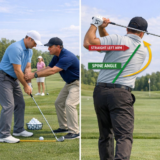
- Kinematic sequence: Efficient energy transfer from ground → legs → hips → torso → arms → club. Breaks in the sequence reduce power and increase injury risk.
- X-Factor & separation: Pelvis-shoulder separation increases stored elastic energy in the torso and rotational power-needs thoracic mobility and hip stability.
- Ground reaction forces (GRF): Effective weight shift and force application into the ground produce higher clubhead speed.
- Stretch-Shortening Cycle (SSC): Pre-stretch of muscles (eccentric loading) improves explosive concentric output-used in rotational medicine ball throws and plyometrics.
- Joint sequencing & timing: Precise timing between hip rotation, core bracing, and upper-body release is vital for consistency.
Key physiology principles for golf performance
- Energy systems: Golf relies on low-intensity aerobic capacity for walking the course and high-intensity, short-duration (anaerobic alactic) bursts for each swing and brief recovery between shots.
- Muscle fiber types: Fast-twitch fibers help with explosive clubhead speed; slow-twitch fibers help with endurance over 18 holes. Balanced training develops both.
- Neuromuscular control: Repeated, specific practice improves coordination and reduces variability in swing mechanics.
- Strength-endurance: Essential for maintaining posture, force production, and control late in a round.
- Recovery & adaptation: Sleep, nutrition and planned rest windows drive performance gains and reduce overuse injuries.
Assessment & screening: the starting point for golf fitness programs
Before designing a program, assess mobility, strength, balance, and movement quality. useful screens include:
- Seated trunk rotation and thoracic mobility test
- Single-leg balance & control (single-leg squat or balance reach)
- Hip internal/external rotation measurement
- Overhead squat or hinge pattern for posterior chain function
- Movement velocity and medicine ball rotational throw for power assessment
Tip: Use Titleist Performance Institute (TPI) inspired screens or a qualified golf fitness pro to identify the limiting physical factors that affect swing mechanics.
Design principles: mobility → stability → strength → power → speed
A progressive framework is effective for golfers of all levels. Each training phase builds on the previous one:
- Mobility & tissue quality: Restore thoracic rotation, hip rotation, and ankle mobility.
- Stability & motor control: Establish anti-rotation core control and single-leg control for force transfer.
- Strength: Build foundational strength in hips, glutes, posterior chain, and shoulders.
- Power & plyometrics: Add rotational med-ball throws, jumps, and explosive lifts to convert strength into speed.
- Speed & transfer to swing mechanics: Integrate swing-specific tempo training, weighted clubs, and on-course simulation.
Sample 8-week microcycle for intermediate golfers (2-3 sessions/week)
Focus: Improve thoracic rotation, hip power, single-leg stability, and rotational speed.
| Week | Focus | Example Session (high level) |
|---|---|---|
| 1-2 | Mobility & activation | Dynamic warm-up, thoracic rotations, hip 90/90, glute bridges, Pallof press |
| 3-4 | Stability & strength | single-leg RDLs, split squats, deadlifts, band rows |
| 5-6 | Strength → power | Romanian deadlift, KB swing, med-ball rotational throws, trap bar jumps |
| 7-8 | Power & swing transfer | Explosive med-ball drills, resisted swings, tempo training on-range |
Example single session breakdown
- Warm-up (10-12 min): Foam roll posterior chain, banded hip CARs, dynamic lunges, thoracic openers, 8-10 practice swings at 50-75% speed.
- Main set (30-40 min):
- Strength: Single-leg RDL 3×6 each leg (moderate load)
- Core: Pallof press 3×10/side
- power: Med-ball rotational throw 4×6/side
- Accessory: band pull-aparts 3×12; glute bridges 3×10
- On-range swing transfer (10-15 min): 10 swings focusing on hip-to-shoulder sequence; 6 max-effort swings with 60-90s rest between.
- Cool-down & mobility (5-8 min): Pec stretch, hip flexor stretch, diaphragmatic breathing.
High-value exercises mapped to biomechanics & physiology
| Exercise | Primary Benefit | Why it helps the golf swing |
|---|---|---|
| Med-ball rotational throw | Rotational power | Improves SSC and sequence for faster clubhead speed |
| Single-leg Romanian deadlift | Hip/posterior chain strength & balance | Enhances stable weight shift and GRF |
| Pallof press | Anti-rotation core stability | Resists unwanted torso collapse during swing |
| Thoracic rotations (band or foam roller) | Upper spine mobility | Facilitates shoulder separation (X-factor) |
| Kettlebell swing | Posterior chain power & hip hinge | Improves explosive extension and tempo |
Injury prevention: common golf injuries and how to reduce risk
Moast golf injuries affect the low back, shoulder, and elbow. Integrating biomechanics and physiology reduces these risks by addressing root causes.
- Low back: Improve hip mobility and posterior chain strength to reduce lumbar hyperextension. Use hinge exercises and anti-flexion core work.
- Shoulder: Build rotator cuff strength, scapular stability, and thoracic mobility. Avoid excessive overuse and sudden ramp-ups in practice.
- Elbow (tendon overload): Improve scapular control and wrist/forearm strength; moderate swing load if pain appears.
- Overuse prevention: Monitor workload (practice swings and range sessions), apply progressive overload, and prioritize recovery.
Nutrition, recovery, and on-course physiology
- Hydration: Maintain fluid balance for neuromuscular performance-dehydration degrades concentration and coordination.
- Fueling: Combine slow carbs + protein for full rounds (e.g., whole-grain sandwich and lean protein). Fast snacks (banana, nut bar) sustain energy between holes.
- Recovery: Sleep,soft tissue work,and day-to-day mobility reduce soreness and maintain swing mechanics across training cycles.
- Load management: Track weekly number of swings and intensity; space max-effort days to allow physiological recovery.
practical tips to transfer gym gains to the golf course
- Always include a sport-specific warm-up before range sessions and rounds-dynamic mobility plus 8-12 warm-up swings.
- Practice under fatigue sometimes; train strength-endurance to maintain mechanics late in a round.
- Use objective measures: clubhead speed, ball speed, and consistency metrics to quantify transfer of training.
- Integrate swing drills that emphasize proper sequence (lead with lower half, then hips, then torso).
- Consult a golf fitness professional or coach to tailor programming to your swing and physiology.
Short case study: 56-year-old amateur gains speed and reduces back pain (8 weeks)
Client profile: 56 y/o male, plays 2-3x/week, mild chronic low-back pain, limited thoracic rotation, clubhead speed ~85 mph.
Program highlights: 8-week integrated program-mobility work, posterior chain strengthening, anti-rotation core, medicine-ball throws, and gradual swing-speed sessions.
| Metric | Pre | Post (8 wk) |
|---|---|---|
| Thoracic rotation (°) | 20 | 35 |
| Clubhead speed (mph) | 85 | 91 |
| Low-back pain (0-10) | 5 | 2 |
| Single-leg RDL (reps balanced) | 8 | 12 |
Outcome: Improved rotational mobility and power led to a 6 mph increase in clubhead speed,better swing consistency,and lower perceived back pain. Key drivers were improved hip-drive and thoracic mobility enabling a safer kinematic sequence.
FAQs: quick answers for golfers and coaches
How often should a golfer train strength & power?
2-3 focused sessions per week produce measurable gains without interfering with on-course practice. Include 1 power day, 1 strength day, and optional mobility/conditioning day.
Is versatility more significant than strength?
Both matter. Mobility without strength yields instability; strength without mobility limits optimal swing positions. Balance is the key.
When should I add weighted clubs or overspeed training?
Introduce these after you’ve established proper mobility,core stability,and basic strength (usually after 4-6 weeks). Prioritize good movement before adding speed overloads.
Action plan: next steps for golfers
- Get a movement screen to find your limiting factors (thoracic, hip, ankle, core).
- Follow a progressive program: mobility → stability → strength → power → swing speed.
- Track 1-2 objective metrics (clubhead speed, thoracic rotation) and reassess every 6-8 weeks.
- Prioritize recovery: sleep, nutrition, and gradual workload progression.