
Golf performance represents a complex interplay of neuromuscular control, musculoskeletal integrity, energy system capacity, motor learning and cognitive-emotional regulation. Contemporary competitive and recreational players alike confront escalating demands for swing repeatability, power generation, course management and injury resilience across increasingly congested competitive calendars and training environments. Traditional, siloed approaches-focused solely on technique or isolated fitness metrics-are insufficient to capture the multi-factorial determinants of on-course performance. Therefore, a transdisciplinary, evidence-informed framework that synthesizes biomechanical analysis, targeted physical conditioning, sports psychology, nutrition, recovery science and clinical care is essential to advance performance, reduce injury risk and support long-term athletic development.The term “integrative” in this context draws on established concepts from integrative medicine and whole-person health, which emphasize coordinated, patient-centered care that attends to biological, psychological and social dimensions and, where appropriate, incorporates complementary modalities alongside conventional interventions (see integrative medicine and integrative health frameworks). Applied to golf, an integrative approach unites the expertise of coaches, biomechanists, strength and conditioning professionals, sports psychologists, physical therapists and medical clinicians to create individualized programs that align technical instruction with an athlete’s physiological profile, movement competencies and psychosocial needs. this model privileges objective assessment (e.g., motion-capture, force-plate, and workload monitoring), periodized training prescriptions, and iterative feedback loops to translate laboratory and clinical insights into on-course outcomes.
This article outlines the theoretical foundations and practical implementation of integrative approaches to golf fitness and performance. We first review the relevant literature in biomechanics, motor learning and exercise physiology as they pertain to golf-specific movement demands. We then discuss practical assessment strategies,evidence-based conditioning and mobility interventions,psychological skills training,nutritional and recovery considerations,and the role of complementary clinical modalities within multidisciplinary care. we present case-based applications and recommendations for integrating these components into coherent,scalable programs for golfers across the performance spectrum.By advancing an integrative paradigm, practitioners can better optimize performance, enhance consistency and promote athlete health over the lifespan.
Integrating Biomechanical Assessment and Movement Screening to Inform Individualized Training Protocols and Prescriptive recommendations
Effective integration of quantitative biomechanical testing with systematic movement screening creates a precise diagnostic framework for golf-specific performance development. Combining **3D motion capture, force-plate kinetics, inertial measurement units (IMUs)** and high‑speed video with validated screens such as the **Y‑Balance, single‑leg squat,** and sport‑specific range‑of‑motion (ROM) tests yields complementary facts: kinematic timing and sequencing from biomechanical analysis, and global movement competency from screening. This multimodal dataset clarifies whether a swing fault is driven by a structural mobility limitation, a stability deficit, poor neuromuscular sequencing, or inadequate power generation-information essential for targeted intervention.
Translating assessment outputs into individualized protocols requires hierarchical decision rules that prioritize safety, movement restoration, and transfer to the kinetic chain. When screening identifies mobility restrictions, interventions should initially emphasize **joint‑specific mobility and fascial resilience** before advancing to loaded strength or explosive work. conversely, when asymmetries, poor single‑leg control, or delayed muscle activation are primary findings, early prescription centers on **neuromuscular re‑education, balance challenges, and timing drills** that reproduce swing demands. Objective benchmarks-ROM degrees, ground reaction force asymmetry, or time‑to‑peak torque-inform progression criteria and reduce subjective guesswork.
Prescriptive recommendations follow a continuum from foundational remediation to golf‑specific performance development. Priority elements include:
- Mobility restoration: targeted thoracic rotation, hip internal rotation, ankle dorsiflexion drills;
- Stability and motor control: single‑leg stance progressions, anti‑rotation bracing, timing of pelvis‑thorax dissociation;
- Strength and power: hip hinge strength, horizontal/rotational medicine‑ball throws, velocity‑based jump and rotational power sets;
- Conditioning and load management: work‑to‑rest ratios that reflect on‑course energy systems and practice volume control.
Each selected exercise includes explicit loading parameters, progression markers, and transfer cues tied to measured deficits.
Embedding assessments into periodized training enables objective monitoring and timely adaptation.The table below demonstrates a concise mapping from common screening findings to exemplar prescriptions and short‑term performance goals, useful for coach-therapist planning and athlete education.
| Screening Finding | Immediate Prescription | 4‑Week Goal |
|---|---|---|
| Limited thoracic rotation | Thoracic mobilizations + rotational foam‑roll drills | +10° active rotation, improved coil |
| Single‑leg asymmetry (>10%) | Step‑downs, RDLs, reactive balance progressions | <5% inter‑limb difference |
| Delayed pelvis‑thorax sequencing | Segmented tempo swings, medicine‑ball sequencing | Smoothed proximal‑to‑distal timing |
Periodized Strength and Conditioning Frameworks Emphasizing Power Endurance and Rate of Force Development for Golf Specific Performance
Contemporary conditioning models for golfers prioritize systematic progression to reconcile maximal force production with sustained repeatability under competitive conditions. A periodized approach sequences training emphases-from tissue tolerance and hypertrophic strength to high-velocity power and sport-specific power-endurance-so that adaptations are both cumulative and transferable to swing biomechanics. Emphasis is placed on the temporal alignment of neuromuscular adaptations with the competitive calendar, using planned mesocycles and microcycles to optimize the interplay between intensity, volume, and recovery.
Programming integrates modality-specific techniques to drive improvements in both peak power and the ability to reproduce high-force outputs across a round. Key training methods include **contrast training**, **velocity-based training (VBT)**, and **complex/plyometric progressions** that preserve movement quality at speed. Representative exercise emphases include:
- Rotational power: medicine-ball rotational throws, band-resisted woodchops
- Vertical and horizontal explosiveness: trap-bar jumps, broad jumps, loaded jump squats
- Strength and transfer: single-leg squats, Romanian deadlifts, heavy isometrics for trunk and hip stiffening
- Power-endurance circuits: short-rest repeat sprints, submaximal plyometric complexes, repeated medicine-ball tosses
| Phase | Typical Duration | Primary Outcome | Intensity/Focus |
|---|---|---|---|
| Accumulation | 4-8 weeks | Strength & Tissue Capacity | Moderate-High load, lower velocity |
| Transmutation | 3-6 weeks | Power & RFD development | Moderate load, high velocity, VBT |
| Realization | 1-2 weeks | Power-Endurance & Competition Readiness | Low volume, high intensity density, speed maintenance |
Robust monitoring strategies are integral to ensure specificity and mitigate overuse risk. Periodic assessments of **rate of force development (RFD)** via isometric mid-thigh pulls, countermovement jump (CMJ) metrics, bar-velocity outputs, and fatigue-sensitive performance tests (e.g., repeated jump or medicine-ball repeatability) inform autoregulatory adjustments. Complementary monitoring includes subjective wellness scales, heart-rate variability (HRV) for autonomic recovery, and movement-quality screens to flag asymmetries.
To maximize transfer,conditioning is synchronized with technical practice and competition demands so that neuromuscular qualities are expressed under sport-like constraints. Individualization is paramount: load progression, inter-set rest, and weekly density must reflect player age, training history, and competitive schedule.Coaches should therefore prescribe phased deloads and targeted maintenance blocks to preserve RFD and power-endurance across long seasons, thereby enhancing performance durability and reducing injury incidence.
mobility Stability and Core Sequencing Strategies to optimize Kinematic Chain Efficiency in the Golf Swing
Optimizing the transfer of kinetic energy through the athlete’s body requires a harmonized relationship among joint mobility, segmental stability, and timed core activation. Contemporary definitions of mobility emphasize the capacity for purposeful movement rather than mere range of motion; when mobility is compromised,compensatory strategies increase distal load and reduce stroke reproducibility. Consequently, interventions should prioritize restoration of functional motion at the hips, thoracic spine, and glenohumeral complex while simultaneously preserving the stability necessary to transmit forces efficiently through the kinematic chain.
Assessment-driven programming begins with objective measures that map deficits to targeted interventions. Common evaluation domains include:
- Passive and active range of motion (hip internal/external rotation; thoracic extension)
- Dynamic stability (single-leg balance with perturbation; Y-balance)
- Core sequencing and timing (EMG or observational sequencing during simulated swings)
These metrics enable prioritization of corrective strategies and provide baseline data for progressive overload and return-to-performance decision-making.
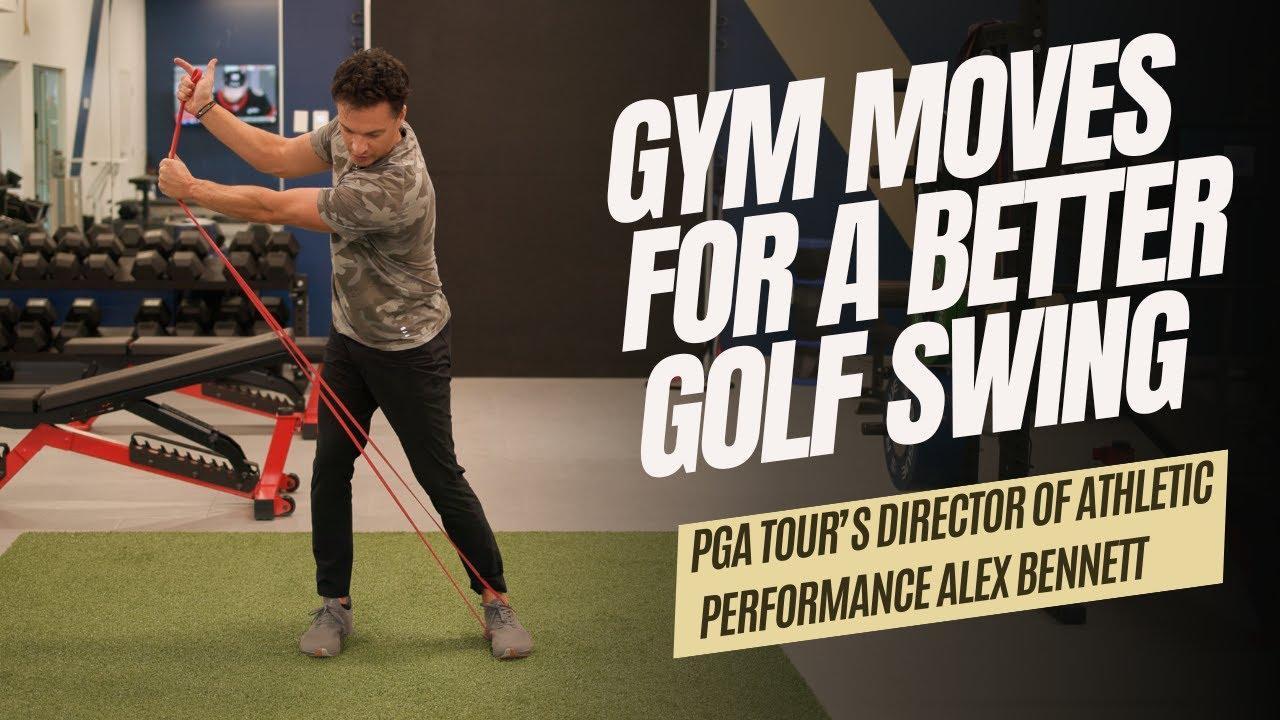
Corrective strategies combine mobility drills, stability reinforcement, and neuromuscular sequencing practice to re-establish efficient force-flow. Effective examples include resisted thoracic rotations for coordinated torso drive, hip capsule mobilizations paired with gluteal activation for pelvic control, and anti-rotation core exercises to train decoupling of upper- and lower-body segments. Emphasis must remain on quality of movement, reproducibility under load, and integration into sport-specific patterns through graduated task complexity.
Programming principles that enhance kinematic chain efficiency revolve around specificity, progressive complexity, and measurable transfer. A concise exercise-to-target table clarifies selection and intent:
| Exercise | Primary Target | Coaching Cue |
|---|---|---|
| banded T-Spine Rotation | Thoracic mobility | “Turn ribs, keep pelvis still” |
| Split-stance Pallof Press | Anti-rotation stability | “Brace core, resist rotation” |
| Single-leg Romanian Deadlift | Hip stability & sequencing | “Hinge from hip, maintain torso alignment” |
Quantifying outcomes and refining interventions requires ongoing monitoring of kinematic and performance indicators. use a combination of field-ready measures (clubhead speed variance,directional dispersion) and laboratory tools when available (3D motion capture,surface EMG) to track reductions in compensatory motions,improvements in segmental timing,and gains in repeatability. Ultimately, a data-informed, iterative approach ensures that mobility gains are consolidated by stability and that core sequencing translates into reliable on-course performance improvements.
Neuromuscular Training and Motor Learning Principles with Practical Drills to enhance Skill Retention and Consistency
Neuromuscular adaptations underpin durable change in golf skill; repeated, task-specific loading reconfigures motor unit recruitment, intramuscular coordination and cortical representations that support reproducible swing mechanics. Evidence from motor control research indicates that improvements in accuracy and consistency reflect both peripheral changes (strength, stiffness, rate of force development) and central changes (enhanced sensorimotor mapping and reduced variability in efferent timing).Designing interventions with a clear theoretical basis-targeting rate coding, intermuscular timing and proprioceptive acuity-maximizes the likelihood that practice will transfer to on-course performance.
Motor learning principles guide the structure of effective practice. Gradual progression through cognitive, associative and autonomous stages requires manipulation of practice variability, feedback frequency and contextual interference. High contextual interference (randomized, mixed conditions) fosters retention and transfer despite poorer immediate performance, whereas blocked practice accelerates initial acquisition. Optimal feedback regimes emphasize faded, summary and bandwidth feedback-shifting from frequent augmented cues to self-generated error detection to promote internal error-correction processes.
Practical drills should be selected to simultaneously challenge neural control and task specificity. Examples include:
- Band‑resisted tempo swings – light elastic resistance emphasizing late‑phase sequencing and rate of force development, 8-12 reps to enhance intersegmental timing.
- Reactive balance impact drill – hitting half‑swings from an unstable surface (cushion or BOSU) to promote proprioceptive adaptation and robustness to perturbation.
- Variable club/target series – alternating clubs and distances within a single practice block to induce contextual interference and improve generalization.
- Dual‑task constraint – performing a cognitive counting or auditory discrimination task during short game repetitions to reduce conscious control and encourage automaticity.
Retention and consolidation are supported by evidence‑based scheduling and recovery strategies. The table below summarizes concise practice archetypes with practical implementation notes for short‑term retention and long‑term consistency:
| Protocol | Typical Frequency | primary Benefit |
|---|---|---|
| distributed practice | Short sessions, 3-5×/week | Enhances retention, reduces fatigue effects |
| Randomized practice | Mixed within sessions | Improves transfer and adaptability |
| Faded feedback | Start high, reduce over weeks | Promotes internal error detection |
Programme integration requires measurable progression and monitoring. Use objective metrics (shot dispersion, clubhead speed variability, swing tempo coefficient of variation) and subjective indices (perceived effort, attentional focus) to guide load and complexity. A pragmatic microcycle alternates neuromuscular loading days (resisted swings, power work), skill variability days (randomized target practice), and consolidation days (low‑intensity focused repetition), with sleep and nutrition prioritized for consolidation. Emphasize periodized increases in contextual interference and reductions in augmented feedback as athletes progress from associative to autonomous performance levels.
Evidence Based Psychological Skills Training and Arousal Regulation techniques for Competitive Resilience
Contemporary performance models emphasize the co‑development of motor mechanics and psychological regulation to sustain performance under competitive pressure. Integrating mental skills within periodized training plans enhances transfer from the practice range to tournament conditions by targeting both attentional control and affective stability. Empirical work suggests that resilience emerges not from singular interventions but from systematic practice of cognitive-behavioral strategies embedded within sport‑specific drills, thereby aligning biomechanical execution with psychophysiological readiness.
Practically effective methods are those with consistent empirical support and clear mechanisms of action. Core interventions include:
- Imagery – rehearsal of sensory and tactical elements to consolidate neural patterns;
- Structured self‑talk – cueing for execution and emotion regulation;
- Goal setting – layered outcome, performance and process targets to direct attention;
- Attentional control training – shifting between broad/narrow and internal/external focus;
- Pre‑shot routines and simulation – durable procedural sequences that stabilize arousal and expectation;
- Mindfulness and acceptance‑based practices – enhancing present‑moment focus and reducing evaluative reactivity.
Each technique should be operationalized with measurable practice prescriptions to permit systematic evaluation.
Regulation of arousal relies on interventions that modulate autonomic and cognitive activation.Evidence supports short, replicable protocols such as diaphragmatic breathing and slow, resonant‑frequency breathing (~5-7 breaths·min⁻¹) to reduce sympathetic dominance; progressive muscle relaxation to down‑regulate somatic tension; and heart‑rate variability (HRV) biofeedback to increase parasympathetic tone and improve recovery between shots. In competition, brief cue‑based strategies (e.g.,a 10-20 second breathing or cue phrase) are practical and empirically linked to performance stabilization when rehearsed under pressure.
| Technique | Primary Mechanism | Expected Outcome |
|---|---|---|
| Resonant Breathing | Autonomic down‑regulation | Reduced pre‑shot arousal, faster recovery |
| imagery Scripts | Neural rehearsal of motor & situational cues | Improved consistency under variability |
| HRV Biofeedback | Cardiac vagal modulation | Enhanced resilience to pressure, quicker physiological recovery |
Implementation requires individualized assessment, iterative monitoring and coach-athlete collaboration. Use objective markers (HRV, shot dispersion metrics) alongside validated self‑report scales to quantify progress; embed mental‑skills blocks into technical practice and create graded pressure exposures to facilitate transfer. coaches should adopt a data‑informed framework: prescribe specific drills, record outcomes, and adjust intensity or techniques based on responsiveness. emphasizing **systematic practice, measurement, and individualization** produces durable competitive resilience and measurable performance gains.
Data Driven Monitoring and Performance Analytics for Load Management and Objective Progression decisions
Contemporary performance programs rely on continuous, multiscale data aggregation to inform load management and objective progression decisions. High temporal resolution and complete coverage-principles familiar from remote-sensing and environmental monitoring-are equally valuable in athlete monitoring: sampling cadence, sensor heterogeneity, and missing-data strategies determine the sensitivity of detection for fatigue, readiness, and technical regressions. Implementing synchronized time-stamping across wearable IMUs, force platforms, and physiological streams preserves temporal fidelity and enables robust cross-modal analyses.
Effective monitoring synthesizes both objective and subjective data streams to create a holistic athlete profile. Key modalities include:
- Biomechanical: 3D inertial measurements, club-head kinematics, ground-reaction forces
- Physiological: heart rate variability, lactate indices, recovery kinetics
- External load: practice volume, shot counts, course metrics
- Internal load & perception: session-RPE, sleep quality, wellness scales
The integration of these modalities permits identification of leading indicators prior to performance decline and informs targeted technical or conditioning interventions.
Analytics should be hypothesis-driven and reproducible: employ rolling-window time-series, change-point detection, and individualized baselines rather than population norms.Emphasize interpretable models-smoothed acute:chronic workload ratios, moving percentiles, and simple classification trees-before deploying black-box methods. Visual analytics dashboards that combine trendlines, variability bands, and discrete event annotations improve practitioner decision latency and support transparent athlete communication.
Data governance is a non-negotiable pillar of scalable monitoring systems. Adopt a living Data Management Plan (DMP) specifying metadata standards,retention policies,and access controls; align practices with FAIR principles (Findable,Accessible,Interoperable,Reusable) and institutional open-data policies where applicable. Version control for processed datasets,standardized variable names,and automated provenance logs ensure that longitudinal analyses and reproducibility requests are tractable for multidisciplinary teams.
Translate analytics into action through predefined decision rules and escalation pathways that couple load metrics to progression objectives. The following table offers a concise mapping of representative metrics to monitoring cadence and typical practitioner actions:
| Metric | Monitoring Cadence | Action Trigger |
|---|---|---|
| Session-RPE deviation | Daily | Reduce volume by 15-25% |
| IMU swing asymmetry | Weekly | Technical session + mobility work |
| HRV rolling baseline | Daily | Increase recovery; avoid high-intensity load |
| Acute:Chronic Load | Weekly | Modify phase progression or deload |
Use these mappings as templates, and calibrate thresholds empirically per athlete to support defensible, objective progression decisions.
Injury prevention and Rehabilitation Pathways Tailored to Common Golf pathologies with Return to Play Criteria
Contemporary clinical audits of golf-related injury profiles emphasize a small set of recurrent conditions-**lumbar spine dysfunction**, **medial epicondylalgia**, **rotator cuff tendinopathy**, **hip/groin impingement**, and **knee overload syndromes**-that cluster around deficits in rotational control, eccentric deceleration capacity, and proximal stability. Early-stage evaluation should therefore integrate objective measures (lumbar and hip range-of-motion, thoracic rotation, scapular kinematics, grip and eccentric wrist strength) with validated screens (movement quality, side-to-side asymmetry, and sport-specific swing assessment) to stratify risk and individualize pathways. Baseline measures provide the comparator for rehabilitation targets and return-to-play thresholds, reducing reliance on time-based criteria alone.
Primary preventive strategies must marry biomechanical remediation with tissue-loading principles to modify injury mechanisms while preserving performance. Key interventions include:
- Movement retraining: thoracic rotation and hip sequencing drills to reduce lumbar shear and elbow valgus loading.
- Progressive eccentric conditioning: for wrist, forearm and rotator cuff tissues to increase tolerance to deceleration forces.
- Load management: planned variations in practice volume and intensity, with monitored metrics (ball-strikes, minutes of range work, RPE).
- Neuromuscular control: single-leg stability and anti-rotation core training to support force transfer.
Rehabilitation should be phase-based and criterion-driven. The typical sequence is: **phase A – Protection/Pain Control**, emphasizing analgesia, edema control, and avoiding provocative mechanics; **Phase B – Mobility and Motor Control**, restoring segmental ROM and initial patterning; **Phase C – Capacity and Strength**, progressive loading with eccentric emphasis and power development; **Phase D – Sport Reintegration**, graded swing exposure, tempo and volume restoration, and on-course simulation. Progression between phases depends on objective milestones (pain ≤2/10 at rest, ROM ≥90% contralateral, strength ≥75% contralateral or normative thresholds, prosperous completion of functional drills) rather than elapsed weeks.
Return-to-play (RTP) decisions should be multidisciplinary and based on reproducible, sport-specific metrics that reflect both tissue readiness and performance competency. Recommended RTP criteria include:
- Pain-free full range of motion in relevant joints during swing simulations.
- Strength/force output ≥90% of the contralateral limb or established norms (isometric/isokinetic testing where available).
- Functional replication: successful completion of progressive hitting protocol with objective swing-speed and accuracy targets and no symptom escalation across 48-72 hours.
- Neuromuscular control: balance and rotational power tests (single-leg hop/stability, medicine-ball rotational throw) within 85-95% of pre-injury values.
| Pathology | Primary Rehab Focus | Representative RTP Criteria |
|---|---|---|
| Low back pain | Thoracic mobility, hip drive, lumbar load tolerance | Full swing pain-free; trunk rotation ≥90% contralateral |
| Medial epicondylalgia | eccentric wrist/forearm loading, strike-volume control | Grip strength ≥90%; pain-free hitting session |
| Rotator cuff tendinopathy | Scapular control, eccentric rotator cuff strength | Isometric strength ≥90%; overhead control in swing |
| Hip/groin | Hip ROM, rotatory power, adductor strength | Single-leg squat symmetry; medicine-ball throw ≥85% |
| Knee overload | Lower-limb alignment, shock attenuation | Pain-free squatting/loading; single-leg hop symmetry |
Interdisciplinary coordination-physician oversight, physiotherapist-guided progression, strength and conditioning input, and coach-lead technical adaptations-ensures that RTP decisions balance tissue healing with performance demands.Continuous monitoring of training load, objective functional tests, and player-reported outcomes completes a closed-loop system that minimizes recurrence while restoring competitive capability.
Multidisciplinary Coaching Models and Implementation Guidelines for Translating Research into Practice
Contemporary coaching frameworks for golf performance privilege a team-based architecture that synthesises domain-specific expertise while maintaining discrete lines of accountability. In practice, this model is most frequently enough instantiated as a **multidisciplinary** configuration-professionals from strength & conditioning, biomechanics, sports psychology, medical practice, and coaching contribute parallel expertise toward shared performance objectives. This configuration differs from fully integrated interdisciplinary models in that each discipline retains methodological autonomy while coordinating outputs through agreed protocols and outcome metrics.
To operationalize such a model, governance structures and communication protocols must be explicit. Establish a clear lead practitioner (frequently enough the head coach or performance director) who is responsible for translational decisions, conflict resolution and resource allocation. Emphasise the creation of a common lexicon and routine case conferences to align intervention logic. The following table maps typical roles to concise responsibilities to facilitate rapid adoption within clubs and high-performance environments.
| Role | Primary Responsibility | Key Performance Metric |
|---|---|---|
| Head Coach | Technical oversight; integrates training plan | shot dispersion consistency |
| Strength & Conditioning | Physical preparation and load management | Power-to-weight; injury-free weeks |
| biomechanist | Movement analysis and technique refinement | Clubhead speed & kinematic sequence |
| Sports Psychologist | Mental skills and performance routines | Pre-shot routine adherence |
Practical implementation requires an evidence-to-practice pipeline that emphasises appraisal, contextual adaptation and iterative evaluation. Core steps include:
- Critical appraisal: synthesize peer-reviewed findings and grade evidence for ecological validity;
- Contextual adaptation: translate protocols to the athlete’s resources, schedule and competition calendar;
- pilot testing: implement small-N pilots to assess feasibility and refine dosage;
- fidelity monitoring: use objective metrics and observational checklists to ensure protocol adherence;
- Iterative scaling: expand successful pilots with ongoing process and outcome evaluation.
Robust data architecture and continuous feedback loops are essential for fidelity and efficacy. Implement integrated data dashboards that synthesise biomechanical outputs, physical performance markers and subjective wellbeing measures to support real-time decision-making. Prioritise a limited set of high-value metrics-e.g., stroke dispersion, clubhead speed, training load and sleep quality-and establish minimum detectable change thresholds to distinguish meaningful adaptations from noise. embed regular cross-disciplinary reviews into the competitive calendar to ensure that research-informed practices are translated into sustained performance gains across coaching cycles.
Q&A
Below is a professional, academically oriented Q&A for an article on “Integrative Approaches to Golf fitness and Performance.” Where relevant, parallels are drawn to principles used in integrative medicine (whole-person, multi‑modal interventions) as described by major clinical centers to illuminate transferable concepts for sport performance (see Cleveland Clinic; Mayo Clinic; Johns Hopkins Medicine).1) What is meant by “integrative approaches” in the context of golf fitness and performance?
– Integrative approaches refer to coordinated, multidisciplinary strategies that address the full constellation of factors affecting a golfer’s performance: biomechanics and motor control, strength and conditioning, mobility and tissue resiliency, nutrition and metabolic support, sleep and recovery, and psychological skills.This mirrors the whole‑person perspective in integrative medicine,which attends to mind,body,and lifestyle rather than a single symptom or modality (e.g., Cleveland Clinic; Mayo Clinic).
2) Why adopt an integrative model for golf training rather than a single‑discipline approach?
– Golf performance is multifactorial: technical skill interacts with physical capacities (power, flexibility, endurance), cognitive-emotional states (decision‑making, anxiety regulation), and recovery processes. an integrative model reduces treatment/ training silos, improves transfer of gains to on‑course performance, enables targeted injury prevention, and supports long‑term athlete availability. Integrative frameworks in health care similarly improve outcomes by combining complementary practices (mayo Clinic).
3) What are the core components that should be included in an integrative golf program?
– Biomechanical/swing analysis and motor learning
– Strength, power, and endurance training specific to golf demands
– Mobility, stability, and soft‑tissue management
– Nutritional strategy and hydration planning
– Sleep hygiene and recovery modalities
– Sports psychology (attention, arousal regulation, course management)
– Medical screening and injury prevention
– Data analytics and progressive monitoring
4) How can concepts from integrative medicine be applied to golf performance?
– Integrative medicine emphasizes individualized care and multiple validated modalities (e.g., movement, nutrition, stress management). Translating this: assessment should identify each golfer’s limiting factor(s) and apply coordinated interventions (e.g., mobility + targeted S&C + mindfulness) rather than monotherapy. Practices common in integrative medicine-such as mindfulness, structured nutrition, and recovery modalities-have direct analogues for performance preparation and resiliency (see Mayo Clinic’s integrative services list).5) What assessment methods are recommended to inform an integrative program?
– Comprehensive baseline should include:
– Musculoskeletal screening (movement screens, joint range, strength asymmetries)
– Swing and biomechanical analysis (3D motion capture or high‑speed video for kinematics)
– Physical performance tests (rotational power, single‑leg stability, aerobic/anaerobic capacity)
– Psychological profiling (stress reactivity, attentional control)
– Nutrition and sleep assessment
– Injury history and medical clearance when indicated
– Use objective markers (force plates, launch monitors, wearable metrics) alongside validated clinical tests to guide priorities.
6) How should practitioners design individualized,periodized programs?
– Use an evidence‑based,athlete‑centered process:
– Identify primary limiting factors from assessment.
– Prioritize interventions that yield highest transfer to performance (e.g., rotational power for driver distance).
– Implement periodization aligned with competition calendar (off‑season: capacity and remediation; pre‑season: power and skill integration; competitive season: maintenance and recovery).
– Ensure interdisciplinary communication among coach, S&C, physical therapist, nutritionist, and sport psychologist.
7) what is the role of sports psychology and mindfulness within an integrative approach?
– Psychological skills training (PST) is essential for shot execution, course management, and stress resilience. Interventions include goal setting, imagery, self‑talk, focus strategies, and arousal regulation. Mindfulness and resiliency training-commonly part of integrative medicine offerings-can reduce performance anxiety,improve attentional control under pressure,and enhance recovery from setbacks (Mayo Clinic; Johns Hopkins integrative resources on mood and resilience).
8) How should nutrition and supplementation be integrated?
– Nutrition supports energy availability, recovery, cognitive function, and injury healing. Key elements:
– Individualized macronutrient timing for practice and competition
– Hydration strategies for cognitive and physical maintenance
– Recovery nutrition (protein + carbohydrate) after training
– Evidence-based supplementation only where indicated and under professional oversight
– The integrative medicine perspective underscores nutrition as a foundational modality; collaborations with a sports dietitian are recommended.9) Which recovery and integrative modalities are useful and what does the evidence show?
– Useful recovery measures: sleep optimization,active recovery,manual therapy,compression,cold/contrast therapies,and structured rest.Integrative modalities (e.g., acupuncture, targeted massage, guided relaxation) are commonly used in health settings; evidence varies by modality and outcome. Practitioners should prioritize well‑supported recovery practices and use adjunctive integrative therapies based on individual response and safety (see integrative medicine clinical overviews).
10) How does an integrative approach reduce injury risk in golfers?
– By addressing upstream risk factors-movement dysfunctions, strength deficits, poor recovery, and inadequate load management-integrative programs reduce compensatory patterns that lead to overuse injuries (lumbar, shoulder, elbow). Early screening, progressive load management, and coordinated rehabilitation with return‑to‑swing criteria improve outcomes.
11) What technologies and objective metrics are valuable in integrative golf practice?
– Useful technologies: high‑speed/video motion analysis, inertial measurement units (IMUs), force plates, launch monitors, GPS/wearables for load monitoring, and psychophysiological measures (HRV). Metrics should be chosen for relevance (e.g., clubhead speed, pelvis‑torso separation, ground reaction force, HRV for recovery) and tracked longitudinally to evaluate intervention efficacy.
12) How should outcomes be measured and evaluated?
– Combine performance outcomes (score, strokes gained, clubhead speed, accuracy), physiological metrics (strength, power, mobility), and well‑being indices (sleep quality, injury days, psychological readiness). Use a pre‑post and longitudinal monitoring framework with statistical and practical significance thresholds to determine meaningful change.
13) What are the ethical and safety considerations when integrating non‑traditional modalities?
– ensure scope of practice: medical treatments should be provided by licensed professionals. Screen for contraindications before using adjunctive modalities (e.g., certain manual therapies or supplements). Maintain informed consent and document interventions and outcomes. Coordinate care with the golfer’s primary medical provider when relevant (consistent with integrative medicine’s emphasis on safe, coordinated care).
14) What are current limitations and gaps in the evidence base?
– While individual components (strength training, psychological skills, swing biomechanics) have robust evidence, integrated multi‑modal interventions specific to golf need more randomized and longitudinal trials to clarify additive effects, optimal dosing, and cost‑effectiveness. Research on long‑term injury prevention and integrative recovery strategies in elite and recreational golfers is notably limited.
15) What practical next steps should coaches and practitioners take to implement integrative programs?
– Start with a standardized, multidisciplinary baseline assessment.
– Build an interdisciplinary team or referral network (coach, S&C specialist, physiotherapist, sports dietitian, sport psychologist).
– Prioritize interventions with greatest transfer to on‑course performance; use periodized plans.
– Implement objective monitoring and regular interdisciplinary reviews.- Educate athletes on whole‑person factors (sleep, nutrition, stress) and engage them in self‑management.
16) How can researchers and clinicians collaborate to advance the field?
– Design pragmatic trials testing integrated interventions versus usual care.
– Share standardized outcome datasets across clinics and academies.
– Investigate mechanism‑based outcomes (neuromuscular adaptations, cognitive indices, recovery physiology) as well as on‑course performance metrics.
– Foster cross‑disciplinary training so practitioners understand both performance and clinical safety considerations.references and further reading (representative resources on the integrative care concept):
– Cleveland Clinic: Integrative Medicine overview (focus on whole‑person care)
– Mayo clinic: Integrative Medicine and Health overview (lists modalities such as movement, nutrition, mindful practices)
– Johns Hopkins Medicine: Integrative medicine resources (on wellness, mood, and complementary modalities)
If you want, I can: 1) convert this Q&A into a formatted FAQ for publication, 2) expand selected answers with citations to peer‑reviewed sport science literature, or 3) draft a sample 12‑week integrative program template for a mid‑handicap golfer. Which would you prefer?
The Conclusion
an integrative approach to golf fitness and performance-one that purposefully combines biomechanical analysis, targeted conditioning, sport psychology, nutritional support, and evidence-based complementary practices-offers a coherent framework for optimizing both skill execution and athlete well‑being. The term “integrative” denotes the purposeful synthesis of multiple disciplines to produce more effective outcomes, a concept consistent with broader integrative health models (see Cambridge Dictionary; Mayo Clinic integrative medicine overviews). When applied to golf, this synthesis encourages practitioners to move beyond siloed interventions and to design individualized programs that address movement efficiency, injury prevention, mental resilience, and recovery in concert.
For researchers and applied practitioners alike, the imperative is twofold: (1) continue rigorous, interdisciplinary inquiry to establish which combinations of interventions yield the best performance and health outcomes for specific golfer populations; and (2) translate these findings into pragmatic, scalable protocols that coaches, trainers, clinicians, and athletes can implement responsibly. existing integrative care settings and counseling services illustrate operational models for coordination and client‑centered delivery that golf professionals can adapt.
Ultimately, advancing golf performance through integrative methodologies demands collaborative scholarship, adherence to evidence‑based practice, and a commitment to athlete‑centered care-an approach that promises not only measurable improvements in play but also sustained physical and psychological health across a golfer’s career.
Integrative Approaches to Golf Fitness and Performance
What “Integrative” Means for Golf fitness
Integrative health combines conventional training (strength, conditioning, biomechanics) with complementary practices (mobility work, nutrition, mindfulness, recovery modalities) to treat the whole athlete – body, mind, and environment. Organizations such as the Mayo Clinic, the National Center for Complementary and Integrative Health (NCCIH), and Johns Hopkins describe integrative medicine as a patient-focused approach that uses multiple disciplines to improve performance and well-being. Applying this to golf creates a lasting, high-performance plan that improves swing mechanics, increases power, reduces injury risk, and sharpens the mental game.
Core components of an Integrative golf Fitness Program
- golf-specific strength and power – build rotational power and stability for longer, more consistent drives.
- Mobility and flexibility – maintain thoracic rotation, hip mobility, and ankle flexibility for an efficient swing.
- Conditioning and endurance – support 18-hole stamina and concentration without fatigue.
- Nutrition and hydration – fuel practice sessions and improve recovery.
- Mental training and sports psychology – reduce course anxiety, improve focus and course management.
- Recovery & complementary therapies – use massage, soft-tissue work, sleep optimization, and targeted recovery strategies to stay fit.
- Screening & injury prevention – identify movement limitations and address asymmetries early.
Strength and Power: The Engine Behind the Swing
Golf power is generated from the ground up – strong legs, a stable core, and rapid rotational transfer are essential.Strength training for golf should be functional, emphasizing multi-joint movements and speed of movement (power).
Key exercises
- Deadlifts and Romanian deadlifts – posterior chain strength and hip hinge mechanics.
- single-leg Romanian deadlift or split squats – address asymmetries and improve balance.
- Anti-rotation core work (Pallof press) – improves stability during swing torque.
- Medicine ball rotational throws (MB chops) – develop explosive rotational power.
- Trap-bar or kettlebell swings – hip extension speed, useful for generating clubhead speed.
Programming tips
- 2-3 strength sessions per week; 1-2 focused power sessions (plyometrics/medicine ball) mixed in.
- Prioritize movement quality and progressive overload; keep swing practice separate from maximal strength days when possible.
- Use speed-strength sets (e.g.,3-5 sets of 3-6 explosive reps) to target clubhead velocity without heavy fatigue.
Mobility & Flexibility: Create Efficient Swing Patterns
Loss of thoracic rotation, hip mobility, or ankle dorsiflexion forces compensatory movement patterns that reduce distance and increase injury risk. mobility is not just about stretching – it’s about restoring usable range of motion for the golf swing.
Priority mobility targets
- Thoracic rotation – seated or quadruped drills, foam-roller extensions.
- Hip internal and external rotation – 90/90 switches, hip CARs (controlled articular rotations).
- Hamstring and glute flexibility – dynamic hamstring swings and loaded eccentric work to maintain swing posture.
- Shoulder stability and scapular control – band pull-aparts, Y-T-Ws to support consistent club path.
Daily mobility micro-session (5-10 minutes)
- Cat-cow + thoracic rotations – 10 reps
- 90/90 hip switches – 8 reps each side
- Band shoulder distractions or wall slides – 10-12 reps
- Dynamic hamstring swings – 8-10 each leg
Conditioning, Endurance & On-Course Fitness
golf is frequently enough underestimated as a physical sport; walking 18 holes, making repeated high-force swings, and maintaining focus in heat or wind demands good conditioning.
types of conditioning to include
- Low-intensity steady-state (LISS) cardio – brisk walking or cycling to build aerobic base and recovery capacity.
- High-intensity interval training (HIIT) – short, intense intervals (e.g., 20-30 seconds) once per week can increase anaerobic resilience for clutch shots.
- Active recovery sessions – mobility, light cardio, and breathwork after heavy practice or tournaments.
Nutrition & Hydration: Fueling Performance and Recovery
Proper nutrition supports training adaptations, improves concentration on the course, and accelerates recovery. Integrative programs often combine evidence-based sports nutrition with individualized strategies such as timing, anti-inflammatory foods, and targeted supplementation when appropriate.
Practical nutrition guidelines for golfers
- Prioritize whole-food carbohydrates and lean protein before long rounds (e.g., oatmeal + egg whites; rice bowl with lean protein).
- during the round: small carbohydrate snacks every 4-5 holes (bananas, energy bars) and water or electrolyte beverage to avoid dips in energy and concentration.
- Post-round recovery: 20-30 g of protein with a mix of carbs and anti-inflammatory foods (fish, berries, leafy greens).
- Consider vitamin D, omega-3s, and joint-support nutrients if inflammation or joint pain is an issue – consult a clinician or sports dietitian.
Mental Game & Integrative Mind-Body Skills
Mental training is crucial for golf performance. An integrative approach uses mindfulness, breathing techniques, visualization, and sports psychology to keep nerves, course management, and pressure situations under control.
Simple mental practice tools
- Pre-shot routine – consistent physical and mental steps that cue focus and rhythmic breathing.
- Visualization – rehearse successful shots and positive outcomes for 2-5 minutes before practice or competition.
- Box breathing (4-4-4-4) – reduces stress and helps reset focus between holes.
- goal-setting – process goals (e.g., pre-shot routine adherence) rather than only outcome-based goals (score).
Recovery & Complementary Therapies
Integrative recovery blends sleep hygiene, manual therapies, and active recovery to keep the golfer available and performing week after week.
Evidence-based recovery strategies
- Sleep: prioritize 7-9 hours and a consistent schedule for neuro-muscular repair and cognitive performance.
- Self-myofascial release: foam rolling for large muscle groups and lacrosse ball for glutes/shoulders.
- sports massage and myofascial therapy: reduce stiffness and speed recovery between tournament rounds.
- Cold water immersion and contrast baths: use strategically after intense training sessions (not necessarily after every round).
- Yoga and breath work: improve mobility, core control, and mental calm.
Many integrative clinics (e.g., Mayo Clinic, Johns Hopkins) include services like acupuncture, massage, and movement therapies as part of a whole-person plan. Use these as adjuncts when they help reduce pain or improve function.
Injury Prevention, Screening & Movement Assessment
Regular screening for swing-related asymmetries or mobility deficits prevents overuse injuries and preserves longevity. work with a golf fitness professional or physiotherapist for assessments such as:
- Functional movement screens (single-leg squat, deep squat, hurdle step)
- Rotational power and thoracic rotation tests
- Hip internal/external rotation and ankle dorsiflexion measures
- Grip strength and shoulder stability checks
Early intervention for tendon pain (e.g., elbow/golfer’s elbow) or low back stiffness can often be managed with load modification, eccentric strengthening, manual therapy, and a graduated return-to-swing protocol.
Sample Weekly Integrative Golf Fitness Plan
| Day | Main Focus | Short Session |
|---|---|---|
| Monday | Strength (Lower + Core) | squat variation, deadlift, anti-rotation core |
| Tuesday | Mobility + Short Game Practice | Thoracic mobility, hip CARs, putting drills |
| Wednesday | Power + Conditioning | Medicine ball throws, kettlebell swings, 15-min HIIT |
| Thursday | Active Recovery | yoga, foam roll, 30-min walk |
| Friday | Strength (Upper + Balance) | Single-leg rows, banded pull-aparts, split squats |
| Saturday | On-course Play / Simulation | 9-18 holes, practice pre-shot routine |
| Sunday | Rest or Light Mobility | Breathwork, light mobility, recovery nutrition |
Practical Tips & Integrative checklist
- Blend training modalities: combine strength, mobility, and mental work rather of isolating one area.
- Prioritize recovery before adding more volume – performance gains happen in recovery.
- Keep a training log: track loads, sleep, hydration, nutrition, and perceived fatigue to fine-tune the plan.
- Test on-course carry and dispersion periodically to quantify transfer from training to performance.
- Work with multidisciplinary professionals when possible: golf coach,strength coach,sports dietitian,and physiotherapist.
Case Study: integrative Change for a Mid-Handicap Golfer
Background: A 46-year-old mid-handicap golfer struggled with inconsistent drives and mid-round low back stiffness. After a 12-week integrative program they:
- Completed a structured strength/power plan focused on hip and core (2x/wk).
- Added daily 8-10 minute mobility routines to restore thoracic rotation.
- Adopted a simple pre-shot breathing routine and post-round protein snack.
Results: Clubhead speed increased ~5 mph, average driving distance improved by 12-15 yards, and low back discomfort decreased significantly. The player reported better focus on closing holes and less fatigue on the back nine.
FAQs: Speedy Answers
How often should I do mobility vs. strength work?
Mobility: daily micro-sessions (5-10 min). Strength: 2-3 weekly sessions. Power: 1-2 weekly sessions. Titrate based on fatigue and competition schedule.
Can yoga replace strength training for golf?
Yoga improves mobility, balance, and body awareness, but it does not typically provide the high-load stimulus needed to build maximal strength and power. Use yoga as a complement, not a replacement.
When should I seek a clinician or integrative specialist?
If pain alters your swing, or if mobility deficits persist after self-care, see a physiotherapist or integrative medicine clinician. They can provide targeted manual therapy,diagnostic guidance,and coordinated care plans.
Resources & Best Practices
- Refer to integrative medicine overviews (e.g., Mayo Clinic, NCCIH, johns Hopkins) for evidence-based complementary therapies and how they fit into a holistic program.
- Use sport-specific testing and periodic reassessments to ensure training is translating to improved golf performance.
Integrative golf fitness is about creating a personalized, sustainable plan that combines strength, mobility, conditioning, nutrition, and mental strategies.When these elements are coordinated, golfers of all levels can see measurable improvements in distance, consistency, resilience, and enjoyment of the game.