
Contemporary demands on competitive and recreational golfers have expanded beyond traditional swing mechanics to encompass a broader constellation of physical, cognitive, and recovery-related factors. Golf-specific fitness now requires not only strength and mobility tailored to the kinetic chain of the swing, but also integrated strategies for motor control, injury prevention, energy system conditioning, nutrition, and psychological resilience. As the field moves toward multidisciplinary, evidence-informed practice, adopting an integrative framework-one that purposefully synthesizes multiple domains of knowledge and intervention-offers a coherent pathway for optimizing performance and long-term athlete health.
The term “integrative” denotes an orientation toward combining and coordinating complementary elements into a unified approach (Merriam-Webster). In health sciences, integrative models emphasize whole-person care and the blending of modalities-physical, psychological, and lifestyle-focused-to address complex, interacting determinants of function and well-being (Psychology Today; notre Dame School of Integrative Health; Cleveland Clinic).Applied to golf-specific fitness, this viewpoint encourages coordinated assessment and intervention across biomechanics, neuromuscular conditioning, cardiovascular and metabolic conditioning, nutrition, sleep and recovery, and sport psychology, delivered through collaborative, practitioner-led teams and individualized programming.
This article synthesizes current theoretical foundations and practical applications of integrative approaches to golf-specific fitness. It will (1) define key components and assessment strategies relevant to golf performance, (2) review evidence-based training and recovery interventions across physical and psychological domains, and (3) propose a framework for interdisciplinary practice and future research priorities. By framing golf fitness within an integrative, whole-person paradigm, the goal is to provide practitioners, coaches, and researchers with actionable guidance to enhance performance outcomes while minimizing injury risk and promoting athlete longevity.
Foundational Principles of Golf Specific Functional movement and Mobility
Principles of specificity,integration,and balance form the theoretical backbone of effective golf conditioning. Training must prioritize motion that mirrors the kinetic chain and temporal demands of the swing: controlled axial rotation, coordinated weight transfer, and repeated high-velocity deceleration. Emphasizing joint-by-joint roles-where mobility and stability alternate through the chain-reduces compensatory loading and improves transfer of force from ground to club.Programs designed on these premises systematically link tissue capacity to sport-specific task demands rather than treating mobility and strength as isolated attributes.
Applied prioritization focuses on the joints and movement qualities that most influence swing mechanics. Key targets include thoracic rotation, hip internal/external rotation, ankle dorsiflexion, and scapular-thoracic control. The following unnumbered list summarizes practical priorities for assessment and early intervention:
- Thoracic rotation: resistive and active mobility to enable clean shoulder turn without cervical compensation.
- Hip mobility: preserve rotary range for coiling/uncoiling while maintaining lumbopelvic stability.
- Ankle and foot: dynamic dorsiflexion and arch stiffness for effective ground reaction force transmission.
- Shoulder blade control: orientation and stability to fine-tune clubface control during impact and follow-through.
Movement pattern training should progress from isolated restoration to integrated expression under load and speed. Typical progressions follow the sequence: mobility restoration → motor control drills → loaded strength endurance → speed-specific transfers. Emphasize anti-rotation and rotary strength, hinging mechanics to protect the lumbar spine, and unilateral lower-limb work to reproduce golf’s asymmetrical demands. Within-session sequencing that places unloaded neuromuscular control before higher-velocity swing rehearsals maximizes motor learning and reduces injury risk.
| Dysfunctional pattern | Simple Test | Corrective Emphasis |
|---|---|---|
| Limited thoracic rotation | Seated rotation ROM | Thoracic mobility + anti-extension control |
| Hip rotation deficit | Supine hip ER/IR | Hip capsule work + gluteal activation |
| Poor ankle dorsiflexion | Knee-to-wall test | Calf mobility + single-leg balance |
Program design must integrate performance metrics, periodization, and on-course transfer. Employ objective measures (ROM degrees, single-leg stability time, rotational medicine-ball velocity) and subjective workload monitoring to guide progression. Prioritize concurrent training strategies that maintain movement quality when increasing intensity: brief technique-focused warm-ups, targeted corrective sets mid-session, and swing-integration drills at the end. the ultimate metric of success is reproducible, efficient movement under the temporal and environmental constraints of play-capacity that emerges from consistent, integrated work across mobility, stability, strength, and power domains.
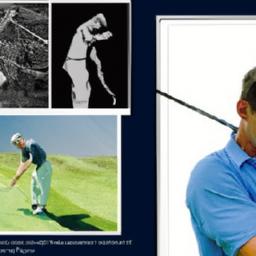
Integrating Biomechanical Analysis into Strength and Power Development for the Swing
High-fidelity biomechanical assessment grounds training decisions in objective performance drivers. Tools such as 3D motion capture, force plates, and inertial measurement units (IMUs) quantify segmental sequencing, ground reaction force profiles, and temporal coordination that underpin effective swing mechanics.Typical outcomes from these assessments include kinematic sequencing (pelvis → torso → arms → club), peak angular velocities, center-of-pressure excursion, and intersegmental timing deficits-data that convert qualitative swing observations into measurable targets. Practitioners should synthesize these outputs into a prioritized problem list that directly informs exercise selection and progression.
Translating biomechanical metrics into strength and power priorities requires specificity across force, velocity, and timing domains. for example, reduced pelvis-to-torso separation (X-factor) suggests emphasis on eccentric hip control and explosive rotational strength, whereas delayed peak vertical force may indicate programming that targets rate of force development (RFD) through ballistic lower‑body work. Effective prescriptions therefore pair a primary mechanical deficit with a corresponding neuromuscular quality-eccentric control, explosive concentric power, or improved intersegmental timing-and set objective, testable targets for each training block.
Exercise selection and periodization should reflect the mechanical demands revealed by analysis. Below is a concise mapping to bridge assessment findings and training practice.
| Metric | Training Focus | Representative Exercise |
|---|---|---|
| Peak rotational velocity | Rotational power | medicine-ball rotational throw (off‑ground) |
| RFD during drive | Explosive lower-body output | Trap-bar jump / fast concentric squats |
| Eccentric deceleration control | Eccentric strength & landing mechanics | Slow tempo split-squat → reactive step |
Programming should integrate progressive complexity: start with isolated strength and eccentric control, advance to mixed-modality power work (medicine ball, olympic derivatives, loaded jumps), and ultimately embed into swing-specific transfer drills under temporal constraints. Motor learning principles-task specificity, variable practice, and faded augmented feedback-enhance retention of improved mechanics. Clinicians and coaches must deliberately schedule on-course or simulated swing exposures to bridge neuromuscular adaptations with real-world performance demands.
Ongoing evaluation closes the loop between analysis and training. Use a combination of periodic biomechanical reassessment, standard performance tests (clubhead speed, carry distance), and pragmatic monitoring (soreness scales, movement screens). Recommended monitoring tools include:
- Quantitative reassessment every 6-12 weeks (motion capture or IMU)
- RFD and jump testing biweekly during power blocks
- Subjective and clinical markers for tissue load tolerance and pain
Cohesive integration of these data streams supports evidence-based progression criteria and reduces injury risk while maximizing transfer of strength and power gains to the competitive swing.
Periodization Strategies for Golf Conditioning and Performance Optimization
Periodized conditioning for golf reframes training as a sequenced system that deliberately manipulates load,specificity,and recovery to maximize on-course performance. Rather than ad hoc workouts, a periodized approach aligns physiological targets-such as maximal strength, power endurance, and mobility-with technical priorities from the practice tee. This model emphasizes individualization: age, injury history, competitive calendar, and swing characteristics determine the architecture of macro-, meso-, and microcycles. The result is a coherent roadmap for progressive adaptation that balances performance gains with risk mitigation.
effective institution commonly follows four functional phases tuned to golf demands: a general preparatory phase for foundational capacity; a specific readiness phase emphasizing golf-related strength and rotational mechanics; a pre-competition phase focused on power, tempo, and on-course simulation; and a transition (deload) phase to consolidate gains and prevent overtraining. Below is a concise reference table outlining typical emphases and approximate durations for an annual plan:
| Phase | Typical Duration | Primary Focus |
|---|---|---|
| Preparatory | 6-12 weeks | Strength & General Conditioning |
| Specific | 4-8 weeks | Rotational Power & Mobility |
| Pre-Competition | 2-6 weeks | Power, Tempo, Skill Integration |
| Transition | 1-4 weeks | Recovery & Maintenance |
Manipulating intensity, volume, and frequency across cycles is central to inducing the desired adaptations while preserving swing quality. Use objective and subjective markers to guide progression: rate of perceived exertion (RPE), heart rate variability (HRV), swing speed trends, and movement-quality screens. Practically, increase load (intensity) with concurrent reductions in volume as competition nears; conversely, build volume with moderate intensity during foundational phases to expand work capacity. Implement weekly microcycles that alternate harder and easier days to promote supercompensation without technical degradation.
Transference to the swing requires exercise selection that prioritizes integrated, golf-specific patterns: multi-planar medicine ball throws, unilateral loaded carries, hip hinge progressions, and thoracic rotation mobility. Emphasize the sequence of the kinetic chain-**proximal stability** enabling **distal speed**-and prioritize exercises that replicate the temporal demands of the golf swing. Sample microcycle components include: a maximal-strength session (lower frequency, high load), a power session with ballistic and rotational drills, an aerobic/conditioning session at low intensity for recovery, and dedicated technical sessions on the course or simulator to preserve skill under fatigue.
Monitoring and adaptive decision-making are critical for long-term outcomes. Schedule periodic reassessments (every 4-8 weeks) of strength,power,mobility,and on-course metrics to validate progression and recalibrate cycles. Plan intentional deloads after intensive mesocycles and before peak competition windows to optimize readiness. For amateurs, emphasize gradual progression and injury prevention; for elite players, prioritize marginal gains and precise recovery interventions informed by technology such as launch monitors and wearables.The overarching principle remains evidence-based moderation: periodization should promote enduring gains in performance while minimizing risk.
Core Stability and Rotational Strength Protocols with Exercise Progressions
Core integrity is the biomechanical fulcrum for efficient swing mechanics: it mediates force transfer between the ground and the club and stabilizes the torso during high‑velocity rotation. Research‑informed protocols prioritize the interplay of local stabilizers (transverse abdominis, multifidus) and global rotators (obliques, erector spinae) to reduce energy leakage. Clinicians should target both the capacity to resist unwanted motion (anti‑rotation) and the ability to generate controlled transverse torque; together these qualities optimize sequencing, minimize compensatory lumbar extension, and support repeatable ball striking.
Progression must follow a continuum from isometric control to high‑velocity torque production. Core training should be organized around three progressive objectives: • Stabilize (iso holds, controlled breathing), • Coordinate (anti‑rotation with integrated limb movement), and • Express (rotational power and deceleration). Exemplary progressions include:
- Stabilize: supine diaphragmatic breathing → dead‑bug with band tension → 45° side plank holds
- Coordinate: half‑kneeling Pallof press → standing cable anti‑rotation with narrow stance → split‑stance woodchop at controlled tempo
- Express: med‑ball rotational throws (from squat and from split stance) → standing cable chop accelerations → unloaded high‑speed torso snaps
To operationalize progressions in practice, use objective benchmarks and simple thresholds. The table below offers a concise progression template for a 6-12 week mesocycle; advance when technical criteria and duration/velocity targets are met.
| Level | example Drill | Key Metric |
|---|---|---|
| Intro | Dead‑bug w/ 10s hold | 3×10s perfect breathing |
| Intermediate | Pallof press 8-12 reps | 3×12 @ RPE ≤6 |
| Advanced | Med‑ball rotational throw | 3×6 measured distance |
Programming should integrate specificity and recovery: prescribe core work 2-4×/week with varied intensity (e.g., stability days vs. power days). Typical sets/reps: stability (3×30-60s holds or 3×8-12 slow control reps), coordination (3-4×8-12), power (3-6×4-8 explosive reps). Monitor progress with simple tests-anti‑rotation hold time,single‑arm med‑ball throw distance,and subjective RPE-and emphasize coaching cues such as “maintain neutral spine,” “breathe into the abdomen,” and “lead with the hips,not the shoulders.” integrate these protocols into warm‑ups and on‑course preparation to translate core gains into consistent rotational mechanics and improved shot fidelity.
Designing Aerobic and Anaerobic Conditioning for endurance and Recovery
Contemporary conditioning for golf reconceptualizes endurance as a dual requirement: sustained low-intensity locomotion with intermittent, high-power expulsions. empirical frameworks emphasize the integration of aerobic capacity for prolonged course demands and autonomic recovery, with targeted anaerobic training to preserve swing speed, clubhead acceleration, and repeated explosive efforts during tournament play. This integrative stance aligns with definitions of integrative practice-combining distinct modalities into a coherent whole-to maximize functional transfer to on-course performance.
Program design should be governed by specificity, progressive overload, and measurable markers of adaptation. Core prescription elements include:
- Aerobic base work (long-duration, low-moderate intensity to improve fat oxidation and recovery kinetics);
- High-intensity interval training (HIIT) for cardiometabolic efficiency and improved VO2 kinetics;
- Short anaerobic power bouts (5-15 s maximal efforts) to maintain neuromuscular output relevant to swing demands;
- Active recovery sessions to accelerate lactate clearance and autonomic restoration.
Intensity can be scaled via heart rate reserve (HRR), RPE, or power-equivalent metrics where available; frequency and volume should be periodized across preparatory, competitive, and transition phases.
| Session | Structure | Primary Goal |
|---|---|---|
| Aerobic Base | 45-75 min continuous, Zone 2 HRR | Endurance & recovery |
| Tempo Intervals | 4×8 min at moderate-high effort, 3 min active rest | VO2 kinetics & stamina |
| Anaerobic Power | 8-10×10 s sprints or med-ball throws, 60-90 s rest | Explosive capacity |
Recovery modalities must be embedded within the conditioning plan to preserve training quality and competitive readiness. Evidence-supported strategies include **active recovery** (low-intensity aerobic work to expedite metabolic clearance), periodized sleep opportunity, and targeted nutritional support (timed carbohydrate-protein intake to promote glycogen resynthesis and muscle repair). Adjunct interventions-compression garments, pragmatic cold-water immersion post-exertion, and structured mobility sessions-should be individualized and scheduled to avoid blunting adaptive signaling when hypertrophy or power gains are prioritized.
Robust monitoring and progressive adjustment underpin long-term efficacy. Employ objective (HRV, submaximal HR, GPS-derived work rate) and subjective (RPE, wellness questionnaires) metrics to detect fatigue, adaptation plateaus, or overreach. Periodic field or lab testing (time-trials,repeated-sprint ability,swing-speed assessment) refines anaerobic and aerobic targets and informs microcycle loading. Ultimately, a data-informed, integrative conditioning model-responsive to athlete-specific responses-optimizes endurance, accelerates recovery, and sustains on-course performance.
Implementing Flexibility and Tissue Quality Interventions to Reduce Injury Risk
Contemporary biomechanical and clinical evidence indicates that targeted improvements in joint range-of-motion and soft-tissue quality materially reduce the incidence of golf-related musculoskeletal injury by restoring efficient force transfer through the kinetic chain. Reduced thoracic rotation, limited hip internal rotation, and elevated posterior chain stiffness are repeatedly associated with compensatory lumbar loading and shoulder/elbow strain during the swing. Accordingly, an integrated program that simultaneously addresses mobility deficits and tissue adaptability is a logical preventive strategy in both recreational and competitive golfers.
Assessment should be objective and repeatable: use goniometric or inclinometric measures for key segments (thoracic rotation, hip IR/ER, shoulder horizontal adduction), quantify soft-tissue stiffness via validated palpation or instrumented measures where available, and incorporate movement screens that capture swing-specific constraints.from an intervention design perspective,prioritize *specificity*,*dosage*,and *temporal sequencing*: interventions administered proximal to training or play should facilitate motor output (dynamic mobility),whereas restorative or remodeling interventions can be applied post-session or on recovery days (tissue quality work and progressive loading).
Evidence-based modalities include: **dynamic mobility drills** that replicate swing kinematics (e.g.,thoracic windmills,golfer’s lunge with rotation),**targeted static stretching** only when indicated for persistent ROM deficits (applied outside of immediate pre-performance windows),and **tissue quality techniques** such as foam rolling,self-myofascial release,percussion therapy,and clinician-applied instrument-assisted soft-tissue mobilization for focal adhesions. For tendinopathies, incorporate **eccentric and heavy slow-resistance loading** as a primary rehabilitative strategy rather than passive modalities alone. Integration with neuromuscular control exercises ensures that gained ROM translates into improved movement patterns.
Practical implementation should follow a periodized template: short-duration dynamic routines (5-10 minutes) before play to optimize power and motor coordination; targeted tissue quality sessions (5-15 minutes) after practice or on off-days to reduce localized stiffness; and structured corrective mobility sessions (20-30 minutes) 2-4 times weekly for persistent deficits.Avoid prolonged static stretching immediately before maximal-effort tasks; instead, schedule static or contract-relax techniques during cool-down or separate mobility sessions to promote lasting ROM changes without acute performance decrements.
Monitor effectiveness through objective ROM re-testing, patient-reported outcomes (pain scales, perceived stiffness), and swing-based metrics (rotation asymmetry, clubhead speed variability). Exercise progression should follow a graded exposure model: increase complexity (rotational speed, loaded-end range) only after pain-free acquisition of basic mobility and control.Key precautions include avoiding aggressive soft-tissue work in the presence of acute inflammation, recognizing red flags (neurological signs, unexplained swelling), and coordinating interventions with concurrent strength and load-management plans to ensure adaptations reduce rather than redistribute risk.
- Progression principles: control → range → load → speed
- Timing: dynamic mobility pre-play; tissue remodeling post-play or on recovery days
- Outcome metrics: ROM change, pain reduction, swing symmetry
| Modality | Frequency | Typical Duration |
|---|---|---|
| Dynamic mobility (swing-specific) | Daily before play/practice | 5-10 min |
| Foam rolling / SMR | 3-5× week | 5-12 min |
| IASTM / Manual therapy | 1-2× week (as indicated) | 10-20 min |
Assessing Movement Patterns and Performance Metrics for Individualized Programming
Comprehensive baseline evaluation establishes the empirical foundation for targeted interventions and reduces the reliance on prescriptive, one-size-fits-all routines. Objective measures – including three-dimensional kinematic capture, force-plate ground reaction profiling, and standardized mobility screens – provide quantifiable insight into how an athlete generates, transfers, and dissipates energy throughout the golf swing. Prioritizing reliable, repeatable metrics such as **clubhead speed**, **ball launch parameters**, and **rate of force development** allows practitioners to align physical training with on-course performance demands.
A robust battery should interrogate both global movement strategies and localized deficits. Core components to include are:
- Rotational capacity: thoracic rotation and hip internal/external range with load tolerance
- lower-limb stability: single-leg balance and asymmetry screening
- Force expression: vertical and horizontal force profiling via jump/press tests
- Scapulothoracic control: dynamic shoulder rhythm under resistance
- Mobility-stability balance: ankle dorsiflexion and lumbopelvic control during loaded rotation
Interpreting results requires an evidence-informed decision hierarchy: identify impairments that most restrict efficient energy transfer,then determine whether deficits are most appropriately addressed through corrective mobility,targeted strength,or power development. Use **magnitude of asymmetry**, **functional transfer to swing-specific tasks**, and **rate-of-change across training blocks** as decision criteria when assigning interventions. Programming should sequence remediation into short-term corrective phases and progressive, golf-specific strength and power phases to optimize transfer to the swing.
| Assessment | Practical Implication | Sample Intervention |
|---|---|---|
| Thoracic Rotation (seated) | limited turn; reduces coil | Quadruped thoracic rotations + medicine ball chops |
| Single-leg Balance (30s) | Asymmetry in weight transfer | Split-stance RDLs,lateral step-downs |
| Countermovement jump | Power output deficit | Loaded jumps → plyometric progressions |
Longitudinal monitoring closes the loop between assessment and performance.Implement periodic re-testing with the same protocols to quantify adaptation, and translate results into **objective KPIs** for both coach and athlete (e.g., percent change in clubhead speed, asymmetry reduction).Multidisciplinary dialogue – coach, strength professional, physiotherapist – ensures that technical swing changes and physical progress are synchronized, enabling a periodized pathway from impairment reduction to optimized on-course performance.
Translating Fitness Gains into On Course Performance through Transfer Drills and monitoring
Translating physiological adaptations into improved scoring requires an explicit focus on task specificity and motor learning. Contemporary evidence supports the principle of specificity of training: gains in strength, power, or mobility only transfer when practice replicates the sensory, temporal, and mechanical constraints of the swing. to operationalize this, practitioners must design interventions that preserve the kinematic patterns and temporal structure of on-course actions while layering in progressively challenging fitness demands.Emphasis on retention tests and delayed performance measures provides an empirical method to verify transfer rather than relying solely on gym-based improvements.
Effective transfer drills embody representative practice and constraint manipulation to bridge gym to green. Drill design should incorporate: variability to encourage adaptable motor solutions, task-relevant loading to stimulate the desired physiological quality, and contextual pressure to simulate performance conditions. Examples of high-utility drills include:
- Speed-to-Accuracy Ladders: successive drives at incremental clubhead-speed targets with dispersion feedback to train the speed-accuracy trade-off.
- Fatigue-Fidelity Series: short aerobic/strength bursts followed immediately by targeted wedge and short-iron sequences to reproduce late-round neuromuscular constraints.
- Reactive Short-Game Circuits: randomized target calls for chips and putts to develop decision-making under time pressure and motor variability.
- Loaded-to-Unloaded Swing Progression: medicine-ball rotational throws → half-swings with weighted club → full swings, preserving swing rhythm while increasing power capacity.
Monitoring transfer requires a blend of objective and subjective metrics that map directly to on-course outcomes. Use high-fidelity measures where possible: launch monitor data (clubhead speed, carry dispersion, launch/angle), shot dispersion patterns on-range funnels, and standardized on-course scoring drills (e.g., constrained pars from defined yardages). Complement these with internal-load indicators such as session RPE and neuromuscular readiness tests to manage fatigue and recovery. The following succinct table offers practical mapping between common metrics and their applied benchmarks.
| Metric | Applied Use | benchmarks |
|---|---|---|
| Clubhead Speed | Predicts distance; track change post-power training | +2-5% (meaningful) |
| Carry Dispersion | Accuracy under transfer drills | ≤10% increase desired |
| Session RPE | Manage workload and readiness | Maintain ≤7/10 on peak days |
Integrating transfer drills within a periodized plan ensures progressive overload while maintaining technical integrity. Initiate with a baseline technical and physiological assessment, move into a transfer-focused block where gym sessions are immediately followed by representative on-range tasks, and schedule regular retention tests (e.g., 72-hour delayed on-course scoring) to evaluate consolidation.Coaching feedback should shift from prescriptive to outcome-focused cues, allowing athletes to self-organize movement solutions under evolving constraints. this sequenced approach minimizes negative transfer and enhances long-term skill retention.
Practical implementation emphasizes simplicity, measurability, and athlete adherence. Typical microcycles might include two targeted transfer sessions per week: one emphasizing power-to-distance and one emphasizing precision-under-fatigue, coupled with one maintenance technical range session. Use a concise checklist to guide sessions: objective metric targets, representative drill selection, fatigue monitoring, and post-session reflection. By aligning fitness objectives with on-course demands through structured drills and systematic monitoring,practitioners can convert gym-based gains into reproducible performance improvements.
Q&A
Q: What is meant by an “integrative approach” to golf-specific fitness?
A: An integrative approach combines multiple domains-biomechanics, physiology, strength and conditioning, motor learning, psychology, nutrition, and rehabilitation-into a coherent program aimed at improving golf performance and reducing injury risk. The term “integrative” connotes combining elements to form a functional whole (see dictionary definitions: Cambridge Dictionary; Dictionary.com; collins Dictionary). In the golf context, integration emphasizes transferability of physical training to the golf swing and on-course demands rather than isolated fitness gains.
Q: Why is an integrative approach preferable to traditional, single-discipline training for golfers?
A: Traditional training that focuses solely on strength, cardio, or technical swing practice may yield limited transfer to on-course performance. An integrative approach aligns physiological qualities (e.g., rotational power, endurance), biomechanical efficiencies (e.g., kinematic sequencing), motor control, and psychological readiness so that adaptations are specific, functional, and durable. This synergy optimizes performance variables such as clubhead speed, consistency, and resilience to fatigue, while addressing injury risk factors that are multifactorial.
Q: Which physical capacities are most relevant for golf performance and how should they be prioritized?
A: Key capacities include mobility (spinal and hip rotational range), dynamic stability (core and single-leg control), rotational power and speed, maximal and explosive strength (lower body and posterior chain), aerobic and anaerobic conditioning for sustained performance and recovery, and movement symmetry. Prioritization should be individualized based on assessment: for example, a novice may require foundational mobility and motor control first, whereas an advanced player may focus on rotational power and recovery capacity.
Q: What objective assessments should form the basis of an integrative golf-fitness program?
A: A comprehensive assessment battery should include: movement screens for mobility and stability (e.g., hip and thoracic rotation, single-leg balance tests), neuromuscular control tests (single-leg squat, Y-balance), strength and power metrics (isometric mid-thigh pull, countermovement jump, rotational medicine-ball throws), endurance and recovery indicators (submaximal aerobic tests, HRV trends), and swing-specific performance measures (clubhead speed, ball speed, smash factor, launch parameters). Baseline musculoskeletal screening and injury history are essential for risk stratification.Q: How can biomechanical analysis be integrated with physical training?
A: Biomechanical analysis identifies swing inefficiencies and mechanical constraints (e.g., limited thoracic rotation, late hip rotation) that can be targeted through specific physical interventions. Integrative planning maps biomechanical deficits to corrective modalities: mobility routines for range deficits, neuromuscular drills for sequencing, and power training for energy transfer. Iterative testing (re-assessing swing metrics after blocks of training) ensures that physical changes translate to biomechanical improvements and performance gains.
Q: What program design principles underpin integrative golf-specific fitness?
A: Core principles include specificity (training qualities that transfer to swing mechanics),individualization (based on assessment and goals),progressive overload (systematic increases in challenge),periodization (planned variation across macro-,meso-,and microcycles to peak for competition),multi-modality (strength,power,mobility,conditioning,and skill work),and recovery management (sleep,nutrition,load monitoring). Interdisciplinary communication among coach, S&C specialist, therapist, and psychologist is crucial.Q: How should training progress from rehabilitation to high-performance phases?
A: Progression should follow stages: tissue protection and pain reduction; restoration of basic range and motor control; progressive loading to build capacity (strength and endurance); development of power and speed specific to rotational demands; and integration with on-course and swing-specific practice. Objective milestones (e.g., pain-free ROM, symmetry, force-production thresholds) guide progression and reduce re-injury risk.
Q: How do you ensure transfer from gym-based exercises to on-course performance?
A: Emphasize movement-specific exercises (rotational medicine-ball throws, single-leg power work), incorporate variable practice that mimics swing contexts, use load and velocity profiles that reflect on-course demands, and schedule concurrent skill practice after or within training sessions to exploit acute neural priming. Regularly measure swing metrics (clubhead speed, ball flight) to quantify transfer, and adapt training based on observed discrepancies.
Q: What role does motor learning and skill acquisition play in an integrative program?
A: Motor learning principles (distributed vs. massed practice, variability of practice, augmented feedback, and contextual interference) should be leveraged to consolidate changes in movement patterns. Strength and conditioning should be coordinated with technical coaching so that new physical capacities are embedded within the golfer’s motor repertoire, avoiding the creation of non-transferable movement patterns.
Q: How should injury prevention be addressed within an integrative framework?
A: Injury prevention is multifactorial: regular movement and load screening,addressing asymmetries and mobility deficits,structured strength and conditioning (especially posterior chain and rotator cuff),workload management (monitoring practice and play volume),and early intervention for pain or dysfunction. Integration with medical and therapeutic practitioners ensures evidence-based rehabilitation and return-to-play decision-making.
Q: What monitoring strategies are recommended to manage training load and recovery?
A: Use a combination of objective (session volume/intensity, wearable metrics, HRV trends, strength/power outputs) and subjective measures (RPE, wellness questionnaires, sleep quality). Track acute:chronic workload ratios cautiously, and adjust training when markers indicate elevated fatigue or injury risk. Periodic re-testing allows calibration of training stimuli and recovery needs.Q: How should strength and power training be structured for golfers seeking increased clubhead speed?
A: Emphasize multi-joint strength exercises (deadlifts, squats, hip hinge patterns) for force capacity, and plyometric/ballistic rotations (medicine-ball throws, rotational jump variations) for rate of force development and velocity. Use a block approach: build maximal strength, then convert strength into power using higher-velocity, sport-specific movements. maintain movement quality and integrate unilateral work for stability and transfer.
Q: What nutritional and recovery strategies complement an integrative golf-fitness plan?
A: Adequate energy availability, macronutrient balance (protein for tissue repair, carbohydrates for training intensity), hydration strategies for on-course play, and targeted supplementation when indicated (e.g., vitamin D, omega-3s) support training adaptations and recovery. Sleep hygiene, planned deloads, and active recovery modalities (light aerobic work, mobility sessions) are integral to sustaining performance across tournaments and practice cycles.
Q: How can psychological skills be integrated into fitness programs?
A: Incorporate psychological skills training (goal-setting, arousal regulation, focus strategies, imagery) alongside physical conditioning. Use simulated pressure training, pre-shot routines reinforced during fitness-conditioned fatigue, and cognitive tasks during practice to enhance decision-making under load.Collaboration with a sport psychologist ensures tailored mental skill development.
Q: What are common limitations and research gaps in current integrative approaches?
A: Limitations include heterogeneity in study designs, small sample sizes in golf-specific research, and variable translation of lab-based findings to on-course performance. Gaps exist in longitudinal RCTs comparing integrative versus isolated training, optimal periodization models for different player levels, and individualized thresholds for safe progression. Emerging technologies (wearables, biomechanical modeling, machine learning) offer promising avenues but require validation.
Q: How should practitioners implement an integrative program in a pragmatic setting?
A: Start with thorough assessment and clear goal-setting. Build a prioritized plan that sequences foundational mobility and motor control, capacity development, and sport-specific power and skill integration. Maintain close communication among technical coaches, therapists, and S&C staff, and use simple, reliable monitoring tools (RPE, performance metrics, movement screens). Emphasize education so players understand rationale and can self-manage aspects of the program.
Q: what outcome measures indicate success in integrative golf-fitness interventions?
A: Success should be measured across multiple domains: objective swing metrics (increased clubhead and ball speed, improved launch conditions), measurable physical improvements (increased rotational power, strength, balance), on-course performance indicators (strokes gained, consistency under pressure), reduced injury incidence, and athlete-reported outcomes (confidence, reduced pain, perceived readiness).
Q: What future directions should researchers and practitioners pursue to refine integrative golf-fitness models?
A: Priorities include large-scale, longitudinal trials of integrative vs. traditional training, development of validated field-based assessment batteries linked to performance outcomes, individualized load-prescription algorithms, and integration of biomechanical and physiological data streams to create adaptive, real-time training prescriptions. Interdisciplinary research that bridges laboratory findings with on-course measurements will advance evidence-based practice.
References:
– Definitions of “integrative” (combining elements into a whole): Cambridge Dictionary; Dictionary.com; Collins Dictionary (see provided sources).
In Retrospect
In sum, an integrative approach to golf-specific fitness reframes performance enhancement as a multidisciplinary, person-centered endeavor. Drawing on the established meanings of “integrative” as oriented toward synthesis (merriam-Webster) and on models from integrative therapy and medicine that attend to mental, physical, and emotional domains (Psychology Today; Cleveland Clinic), practitioners are encouraged to combine biomechanics, strength and conditioning, motor learning principles, nutrition, and sports psychology into coherent, individualized programs. Such synthesis not only targets swing mechanics and power production but also addresses injury prevention, recovery, and the cognitive and affective factors that sustain consistent performance.
Practically, this demands collaborative practice across specialties, rigorous assessment and monitoring using validated metrics, and the application of evidence-based interventions tailored to the golfer’s goals, developmental stage, and health status. For researchers, clinicians, and coaches alike, priorities include conducting controlled trials of integrative protocols, standardizing outcome measures relevant to both performance and health, and exploring mechanisms by which combined interventions yield additive or synergistic effects.
By situating golf-specific fitness within an integrative, whole-person framework, the field can advance toward interventions that are not only more effective but also more sustainable and ethically responsive to the athlete’s broader wellbeing. Continued cross-disciplinary dialogue and empirical inquiry will be essential to translate integrative theory into reliably improved outcomes for golfers at every level.

Integrative Approaches to Golf-Specific Fitness
Why an integrative approach matters for golf fitness
Golf-specific fitness is more than hitting the gym. Optimizing your golf swing, increasing driving distance, preventing injury, and improving on-course stamina requires an integrative approach that blends strength training, mobility and flexibility work, cardiovascular conditioning, recovery, nutrition, and the mental game. Integrative medicine and integrative therapy principles emphasize treating the whole person - body,mind,and surroundings – which maps perfectly to how serious golfers should train for peak performance.
Key components of an integrative golf fitness program
- Assessment & testing: movement screens, mobility tests, strength and power baselines, balance and stability checks, and golf swing analysis.
- golf strength training: targeted resistance work for posterior chain, glutes, hips, and upper back to improve clubhead speed and consistency.
- Mobility & flexibility: thoracic rotation, hip internal/external rotation, ankle dorsiflexion, and shoulder mobility to enable a full, safe backswing and follow-through.
- Core & rotational power: integrated core stability and anti-rotation training that transfers force through the kinetic chain during the golf swing.
- balance & proprioception: single-leg drills and perturbation work that stabilize the body during weight shift and transition.
- Conditioning & on-course stamina: low-impact aerobic work and interval conditioning to maintain focus and physical output for 18 holes.
- Recovery, nutrition & lifestyle: sleep, hydration, anti-inflammatory nutrition, active recovery, and evidence-based integrative therapies.
- Mental skills & integrative therapy: breathing, visualization, mindfulness, pre-shot routines, and cognitive strategies to maintain calm under pressure.
Assessment & baseline testing
Start every integrative golf-specific fitness plan with objective testing. Common tests include:
- Functional movement screen (FMS) or golf-specific movement assessments
- Thoracic rotation measurement and seated trunk rotation
- Hip internal/external rotation and single-leg squat quality
- Single-leg balance/unipedal stance time and dynamic balance tests
- Power tests: medicine ball rotational throws, vertical jump
- Cardio baseline: 6-12 minute walk/run or submaximal bike
These results guide exercise selection and show progress over time.
Golf strength training: what to prioritize
Golf strength training should be specific,progressive,and functional. Focus on:
- Posterior chain strength: deadlifts, Romanian deadlifts, hip thrusts to improve hip extension and stability.
- Rotational strength: cable chops, Pallof presses, landmine rotations to build controlled power through the torso.
- Upper back & scapular control: rows, face pulls and banded pull-aparts for better shoulder position and a stable lead arm.
- Single-leg strength: split squats, Bulgarian split squats to enhance weight transfer and balance during the swing.
Sample weekly strength structure
- 2 lower-body focused sessions (posterior chain + single-leg work)
- 1-2 upper-body/rotation sessions (rowing, anti-rotation)
- 1 mobility + core-focused session
Mobility, flexibility & thoracic rotation
Stiffness in the thoracic spine and hips negatively impacts swing width and increases compensations elsewhere (lower back, shoulders).Mobility work should be brief, consistent, and golf-specific:
- Thoracic rotations on all fours and with a dowel
- 90/90 hip switches and hip CARs (controlled articular rotations)
- Deep lunge with overhead reach for hip flexor and thoracic extension
- Soft-tissue work: foam rolling and targeted lacrosse ball release for lats and glutes
Core stability & rotational power
Golf relies on transferring ground reaction force through the hips and trunk to the club. Train both stability and explosive rotational power:
- Anti-extension & anti-rotation: planks, pallof presses, dead bugs
- Rotational power: medicine ball rotational throws, band-resisted swings, and cable wood chops
- Tempo work: slow eccentrics for control, followed by explosive concentric efforts to mimic swing acceleration
Balance, proprioception & on-course mechanics
Balance drills are vital for weight transfer and consistent contact:
- Single-leg RDLs and single-leg balance reaches
- Unstable surface drills (BOSU or foam) for proprioception
- Dynamic balance circuits that incorporate rotation and reach
Conditioning & on-course stamina
A golfer’s conditioning should support 18 holes without compromising swing mechanics late in the round. Recommended strategies:
- Low-impact steady-state cardio (walking, cycling) 2-3x/week for base aerobic fitness
- High-intensity interval training (HIIT) onc per week to improve recovery between high-effort shots
- Golf-specific metabolic circuits: short bursts of loaded carries, medicine ball slams and mobility breaks to mimic walking the course with a bag
Nutrition, hydration & recovery – integrative strategies
nutrition and recovery are often overlooked but dramatically affect energy, focus, and inflammation.
- Hydration: sip water and electrolyte drinks during rounds; dehydration reduces concentration and swing speed.
- pre-round fueling: balanced carbs + protein (e.g., oatmeal with nuts, or a whole-grain sandwich) 60-90 minutes pre-play.
- On-course snacks: easy-to-digest options like bananas, mixed nuts, or energy bars-to maintain blood sugar.
- Anti-inflammatory nutrition: omega-3 rich fish, colorful vegetables, and polyphenol-rich foods for recovery.
- Sleep & restorative practices: aim for 7-9 hours; use active recovery (walking, mobility) and evidence-based integrative therapies where appropriate.
Integrative medicine resources emphasize individualized plans that combine lifestyle, nutrition, and mind-body practices to support physical training and reduce injury risk.
Mental game & integrative therapy techniques
Mental skills are central to consistent performance. Integrative therapy approaches (mindfulness, cognitive strategies) can be blended into training:
- Pre-shot routines: consistent cues that include breathing and visual anchors
- Mindfulness & breathing: 4-4 breathing or box breathing to lower heart rate during pressure shots
- Visualization: rehearsing the shot’s trajectory and feel
- Short reflection sessions: journaling or brief post-round reviews to improve focus and process over outcome
Practical programming: sample 8-week block
This sample block blends strength, mobility, conditioning and mental practice. Adjust volume for fitness level and consult a professional for personalized plans.
| Week | Focus | Key Sessions (per week) |
|---|---|---|
| 1-2 | Assessment & foundation | 2 strength, 2 mobility/core, 2 cardio (easy) |
| 3-4 | Build strength & mobility | 3 strength (incl. rotational), 1 HIIT, 2 mobility |
| 5-6 | Power & conditioning | 2 strength (power-focused), 1 HIIT, 2 golf-specific circuits |
| 7-8 | Peak & integrate | 2 maintenance strength, 2 golf-mobility, 2 on-course practice sessions |
Short exercise library (quick reference)
Here are practical movements to include in weekly sessions:
- Hip thrust – builds glute-driven hip extension for powerful downswing
- Romanian deadlift – strengthens hamstrings and posterior chain
- Medicine ball rotational throw – develops rotational power
- Pallof press - anti-rotation core stability
- Single-leg RDL – improves balance and weight transfer
- Thoracic windmill – enhances thoracic rotation mobility
injury prevention and red flags
Integrative programs reduce injury risk, but golfers should watch for:
- Persistent low back pain during rotation – seek professional evaluation
- Shoulder impingement or sharp pain with overhead motion
- Hip pain with rotation or weight bearing – modify until assessed
Use periodization and recovery days; progressive overload should be gradual to avoid flare-ups.
Case study: integrating the pieces (brief)
Amateur player “A” struggled with loss of distance and late-round inconsistency. After baseline testing,the integrative plan included:
- 4-week mobility block for thoracic rotation and hip ROM
- 8-week strength block focusing on hip thrusts and single-leg stability
- Weekly mindfulness and pre-shot routine coaching
- Nutrition adjustments for stable energy on the course
Results: increased clubhead speed,reduced lower back discomfort,and improved confidence late in rounds. Small, consistent changes in multiple domains produced measurable gains.
Practical tips for coaches and golfers
- Test,train,retest: objective metrics show progress and drive adherence.
- Prioritize mobility before power – improved range enables safer force production.
- Small doses daily beat long, infrequent sessions – 10-15 minutes of mobility and core work on off days adds up.
- Integrate mental skills into physical training - practice breathing and visualization during physical drills.
- Consider multidisciplinary support: strength coach,physiotherapist,sports psychologist,and integrative medicine practitioner.
Medical disclaimer: This article is informational and not medical advice. Consult a qualified health professional before starting any new exercise, nutrition or integrative therapy program.