
Mastering the Fundamentals of the Uphill Chip Lie Drill for Consistent Contact
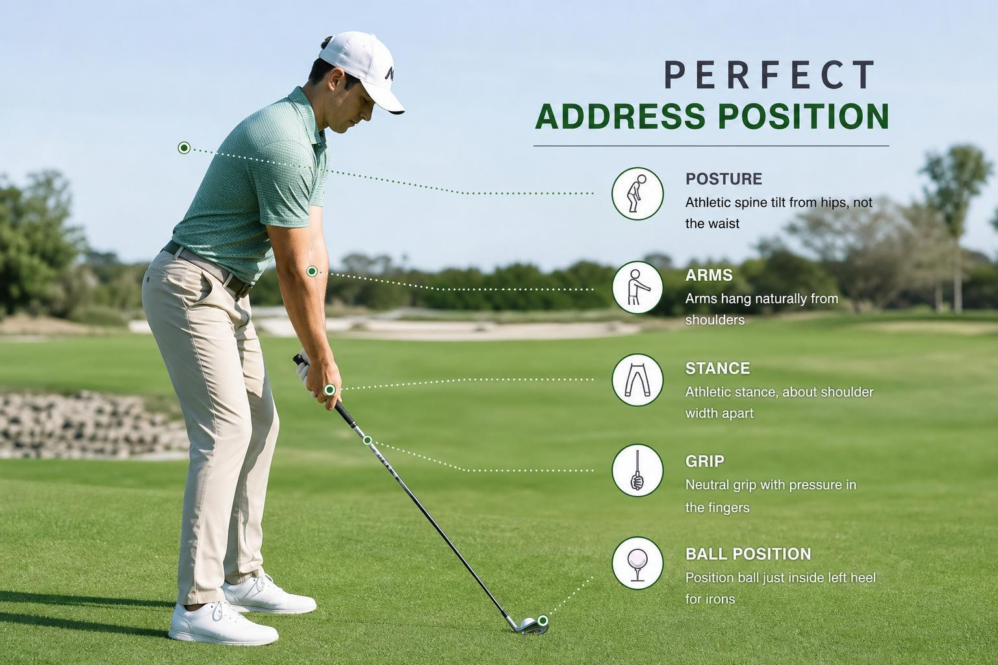
When approaching an uphill chip shot, the setup and fundamentals are critical to achieving consistent contact and control. Start by positioning the ball slightly back in your stance-about one to two inches behind center-to encourage a downward strike that accounts for the slope. Your weight should lean 60-70% on your front foot, ensuring stability on the incline and promoting a steeper shaft angle at impact. Align your shoulders and hips slightly open to the target line to help compensate for the natural body tilt the slope creates.Additionally, select a lofted club like a pitching wedge or sand wedge, depending on the length of the chip and the desired trajectory. Maintaining a narrow stance enhances control,and gripping the club with a slightly lighter tension helps prevent tension-induced mishits common on uneven lies.
Swing mechanics on an uphill chip require subtle adjustments to maintain rhythm and precision. Focus on a three-quarter backswing, wich generates enough clubhead speed without sacrificing control-critical for delicate short game shots. The shaft should lean slightly forward at setup and remain so through impact, encouraging a crisp downward strike and avoiding fat or thin contacts that can occur when the ground slopes upward. Practicing a smooth, accelerating stroke with minimal wrist hinge promotes solid contact and trajectory consistency.Integrate drills such as the “towel under the lead arm” exercise to foster arm connectedness and prevent independent hand action that can lead to erratic strikes. Advanced players can experiment with varying ball positions and swing lengths to manipulate trajectory, especially useful when judging chip shots over uphill grass or obstacles.
Implementing this drill on the course teaches valuable lessons about shot selection and course management. Uphill lies often require a conservative approach; prioritize landing the ball softly and letting it roll out rather than trying to carry it long. Pay close attention to grass length and firmness,as these surface conditions greatly affect roll and spin. For beginners, practicing uphill chips on different slopes during practice rounds builds confidence and situational awareness, which translates to better scoring opportunities. Lower handicappers can refine their competitive edge by combining technical mastery with mental focus, including visualization of shot shape and commitment to the swing. Encourage yourself to apply these principles regularly, measuring improvement by consistency in landing zones within a three to five foot radius from the target, and track progress using video feedback or wearable swing sensors. This comprehensive approach-blending setup, swing adjustment, and strategic course play-will elevate your short game and overall scoring efficiency.
How the Uphill Lie Impacts Your Swing Path and What You Can Do to Adjust
When addressing an uphill lie, understanding how the slope alters your swing path is essential for maintaining consistency and control. The incline naturally shifts your body’s balance forward, prompting a tendency to swing more “inside-out” as your weight favors the front foot. This adjustment can cause the clubface to close prematurely, increasing the likelihood of a hook or push-hook. To counteract these effects, align your shoulders parallel to the slope and slightly widen your stance by about 10-15%. This setup promotes stability and helps you maintain a more neutral swing plane. additionally,focusing on a smooth tempo rather than aggressive acceleration allows for better rhythm,which is crucial when dealing with uneven lies that disrupt your usual mechanics.
One practical method to improve your performance from uphill lies is the “Chip Uphill Lie Drill,” which emphasizes controlled contact and proper weight distribution. Begin by positioning a tee or alignment stick along the slope to visualize the adjusted swing path required. Take a few half swings, focusing on striking the ball slightly first, with the club’s descending arc matching the incline angle, typically between 5-10 degrees. This encourages crisp contact and reduces the chance of hitting behind the ball, a common hopper in such scenarios. For beginners, it’s useful to concentrate on the feel of staying centered and balanced rather than reaching for power. Advanced players can incorporate this drill into varied shot routines by experimenting with ball position adjustments-typically playing the ball 1-2 inches forward in stance to accommodate the slope’s effect on low point control.
Beyond technique, course management plays a vital role when navigating uphill lies during play.Assess the lie’s severity and adjust club selection accordingly; an uphill stance effectively adds distance because the ball launches higher and spins more. Many golfers find it helpful to add an extra club-often one more than normal for the measured yardage-to compensate for the uphill trajectory and reduced roll-out. Practicing on undulating turf and varying slopes prepares you for these variable conditions. Incorporate mental visualization where you imagine the ball’s flight arc rising slightly and landing softly, which builds confidence. Remember, consistent practice with targeted drills and focus on setup nuances directly translates to improved scoring on challenging uphill shots, making these adjustments a critical component of your tactical skillset.
Simple Practice Techniques to Build Confidence and Improve Your Putting Accuracy
To build confidence and improve putting accuracy, begin with a strong focus on setup fundamentals. position your feet shoulder-width apart and ensure your eyes are directly above the ball to promote a straight putting path. Maintain a slight knee flex and tilt your spine slightly forward to encourage a smooth pendulum stroke with minimal wrist action. A critical checkpoint here is to keep your putter face square to your intended line throughout the stroke, which significantly reduces the chances of a mis-hit. Incorporate the Chip uphill lie drill into your routine by practicing putts or chips from a gentle uphill slope, typically around 3-5 degrees. this drill sharpens your feel for pace adjustments and reinforces solid contact even when the ball is presented on uneven ground-simulating realistic course conditions. for beginners, focus on consistent ball striking and understanding pace, while low-handicappers can refine their stroke rhythm and face control using this elevated challenge.
To enhance your green reading and course strategy, adopt a practice routine that emphasizes distance control and break recognition. Incorporate drills where you place tees or markers at measured intervals-say every 5 feet up to 30 feet-and challenge yourself to stop the ball within a 12-inch radius of each marker. This drill cultivates precise speed control, crucial for navigating varying greens with different grass lengths and moisture conditions. Additionally, practice reading the slope and grain by observing subtle indicators like grass color changes and surface texture during your drills.Combine this with the Chip uphill lie drill, which trains you to adjust your stroke length and force depending on the degree of incline, reinforcing mental adaptability. For advanced players, integrating a intentional pre-putt routine that includes visualizing the ball’s path helps commit to a confident stroke, reducing hesitation and improving overall scoring consistency.
Effective practice also requires addressing common mistakes such as deceleration through the ball and inconsistent alignment. Use mirror drills or alignment aids to ensure your shoulders, hips, and feet are aligned parallel to the target line, a crucial factor in stroke accuracy. When practicing the Chip uphill lie drill, pay special attention to maintaining a steady tempo and allowing your lower body to remain stable-this prevents unwanted sway that can cause off-line putts. For players with varying physical abilities or learning styles, try integrating auditory feedback, like tapping a metronome at 60-70 beats per minute, to improve timing or video analysis to review stroke mechanics. Ultimately, combining these physical and cognitive approaches nurtures a reliable putting stroke that translates directly to better scoring opportunities and strategic course management, ensuring measurable improvement in both practice and play.




