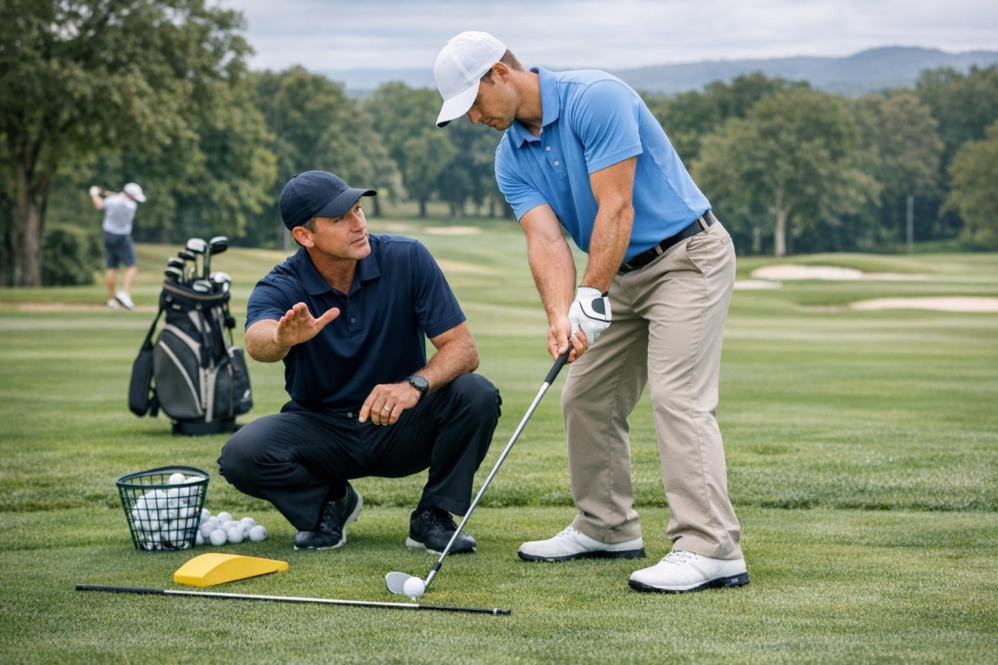
Master Your Swing by Anchoring Your Feet for Ultimate Stability
Establishing a stable foot base is fundamental to generating consistent power and control throughout your golf swing. Begin with a stance width approximately shoulder-width apart to ensure balance while allowing freedom of movement. Your feet should be firmly planted, creating a solid foundation with subtle weight distribution-about 60% on the lead foot during the backswing and transferring to 70% on the trail foot through the downswing. This deliberate weight shift promotes efficient energy transfer through the kinetic chain, preventing sway or lateral shifting that commonly leads to errant shots. Additionally, flex your knees slightly, maintaining athletic posture to absorb ground reaction forces effectively. To improve foot anchoring,practise swings barefoot on a firm surface or use balance trainers,focusing on feeling the ground beneath your toes,heels,and the balls of your feet evenly engaged.
Incorporating foot stabilization techniques transforms your ability to control clubface angle and swing path-critical for precision in both swing phases and short game shots alike.for example, during approach shots requiring delicate control, anchoring your feet lessens excessive body movement, allowing your wrists and arms to manipulate clubface loft and alignment with higher accuracy. Coaches frequently enough recommend the “toe flare” adjustment where toes point slightly outward (around 15 degrees) to increase hip rotation and ground contact. This setup adjustment not only enhances stability but also naturally promotes greater shoulder turn without compromising balance. Integrate foot positioning checkpoints into your pre-shot routine to ensure reproducibility under pressure, especially on tight fairways or elevated greens where stance adjustments are necessary for both consistency and strategic shot placement.
To translate grounded stability into reliable on-course performance, employ drills emphasizing foot pressure awareness and control throughout your practice sessions. One effective routine involves using pressure mats or smartphone apps with force sensors to monitor and adjust your weight transfer patterns in real time. Additionally, the “pause-and-hold drill”-pausing for two seconds at the top of the backswing with feet fully rooted-helps reinforce muscle memory for anchored feet. This drill enhances neuromuscular coordination and prevents unneeded foot lift, which often destabilizes swing mechanics in variable weather conditions like wind or wet turf. Remember, mastering foot anchoring aids not only driving distance by stabilizing force output but also improves putting stroke steadiness by reducing lower body movement, thus contributing to improved scoring consistency across all skill levels.
How Grounded Footwork Enhances Driving Distance and Accuracy
Proper foot grounding during the golf swing is fundamental to generating both greater driving distance and enhanced accuracy. Maintaining solid contact between the feet and the ground creates a stable base that allows for efficient energy transfer through the legs and hips,ultimately maximizing clubhead speed. For beginners, this means focusing on a balanced stance where weight is evenly distributed across the heel, mid-foot, and ball of the foot. More advanced players should aim to feel a purposeful pressure shift-from the inside of the back foot during the takeaway to the inside of the front foot at impact-while keeping the feet firmly planted to prevent unnecessary lateral movement. This grounding facilitates a more powerful coil and uncoil action of the torso, which reduces sway and improves directional control of the driver.
Incorporating grounded footwork into your setup involves precise alignment and posture cues. Begin by setting your feet approximately shoulder-width apart, with toes pointing slightly outward at about a 15-degree angle to promote hip rotation. Engage your leg muscles lightly to maintain stability without tension. During the backswing, practice the feeling of pressing your inside heel into the ground to anchor the movement, while on the downswing, aim to transfer weight smoothly to the front foot, holding the front heel down to prevent early lifting. Key drills to develop this include hitting shots while barefoot on a firm surface to increase foot sensitivity and balance board exercises that emphasize lower body stability. Such practices not only improve physical grounding but also enhance proprioception, aiding players of all levels in consistent ball striking and trajectory control under varied course conditions.
Effective foot grounding also plays a critical role in strategic shot-making,especially when factoring course topography and weather challenges like firm lies or gusty winds. For example, on firm fairways, a grounded front foot helps hitters maintain their posture and prevent “coming over the top,” which often leads to hooks or slices. Likewise, players facing a strong crosswind can use a slightly wider stance and more deliberate foot pressure to stabilize their swing path, improving shot accuracy.For ongoing advancement,golfers should monitor their swing tempo and balance through video analysis or pressure-sensing insoles,targeting a balanced finish position where the majority of weight rests on the lead foot with toes still in contact. This not only signals efficient energy transfer but also better readiness for the next shot, contributing to lower scores through improved driver consistency and course management.
Step-by-Step Tips to Keep Your Feet Firm and Improve Putting Precision
Maintaining firm footing during a putting stroke is essential to consistent accuracy and control. Start with a stable stance by placing your feet shoulder-width apart, ensuring your weight is balanced evenly between both feet. A slight flex in the knees helps absorb subtle movements,while keeping your feet grounded prevents unnecessary lateral sway,which can disrupt the club path. For most golfers, the ideal setup angle involves tilting the spine slightly forward at about 15 degrees, allowing the shoulders to rotate naturally without excessive upper body movement. This posture promotes a smooth, pendulum-like stroke, minimizing wrist breakdown and helping your putter face stay square through impact. Beginners should focus on feeling solid pressure under the balls of their feet, whereas more advanced players can experiment with subtle weight shifts to enhance tempo without losing stability.
Practicing drills that emphasize foot stability can translate retained balance into improved putting precision on different greens. One effective exercise is the “foot rocker:” set up to putt normally, then intentionally raise the heel of your back foot slightly (about one inch off the ground) during practice strokes. Repeat this motion untill you become aware of how much sway occurs when your feet aren’t steady.Next, return both feet firmly to the ground and notice how a stable base yields a cleaner, more consistent roll. Incorporate this drill into your warm-up routines or short game sessions to reinforce muscle memory. Additionally, playing on varying turf conditions or sloped greens demands a solid stance to adapt your stroke without compensating for balance loss, directly impacting your ability to read breaks and control pace during competitive rounds.
Beyond physical setup, maintaining foot firmness plays a significant role in managing course strategy, notably when addressing pressure situations like crucial putts under tournament conditions. When external factors such as wind or uneven footing come into play, grounding your feet can help stabilize your mental focus, reducing anxiety linked to inconsistent strokes. For golfers seeking to fine-tune their technique further,employing subtle variations in stance width or foot flare-turning your lead foot slightly outward by about 10 to 15 degrees-can increase comfort and promote a more repeatable stroke arc. Remember that equipment choices, like putter sole weighting or grip texture, should complement your stance to enhance overall feel and control.Regularly evaluating your balance through video analysis or professional feedback allows for continuous improvement, ensuring that your feet remain the foundation of a reliable and precise putting game that lowers scores and builds confidence on any course.