
The putting stroke is a fundamental aspect of the game of golf, and achieving a consistent stroke is crucial to improving one’s putting efficiency. Maintaining a consistent putting stroke requires careful consideration of the mechanics involved, including the grip, stance, backswing, downswing, and follow-through. Establishing a repeatable routine that adheres to these principles can enhance accuracy and reduce variability in putting.
Firstly, a proper putting stroke involves a light and steady grip on the club. The hands should be positioned evenly on the putter, balancing the weight of the club. The ball should be placed in the center of the stance, while the head should remain stable throughout the stroke to ensure accuracy. The backswing should be smooth and deliberate, with the clubhead lifted to a consistent height each time. The downswing should mirror the backswing, with the clubhead traveling along the directed path for acceleration through impact.
The follow-through is equally important, involving a smooth and controlled motion. The clubhead should continue moving in the direction of the target after striking the ball. Fidelity to these principles provides a foundation for a repeatable and reliable putting stroke, facilitating more accurate and consistent shots on the green.
1. Grip Maintenance: Establishing a Balanced Holding
Laying the foundation for a consistent putting stroke begins with a deep understanding of grip maintenance and the principles that govern effective gripping techniques. Establishing a balanced hold on the putter is paramount to achieving accuracy and reducing variability on the greens. Proper grip dictates that the putter be held lightly with both hands, ensuring that the weight of the club is distributed evenly between them.
At the heart of grip maintenance lies the delicate balance struck between tightness and freedom. A grip that is too tight can inhibit the natural flow of the stroke, while a grip that is too loose can lead to inconsistencies in putting. By maintaining a light and balanced grip, the golfer can promote a smooth and deliberate backswing, followed by a controlled downswing that accelerates through impact.
To achieve a balanced grip, pay meticulous attention to the positioning of your hands. The left hand should be placed on the putter’s grip with the thumb resting lightly on top and the fingers curled comfortably around the shaft. The right hand should mirror the left, with the palm facing the target and the fingers interlocking securely with the left hand’s.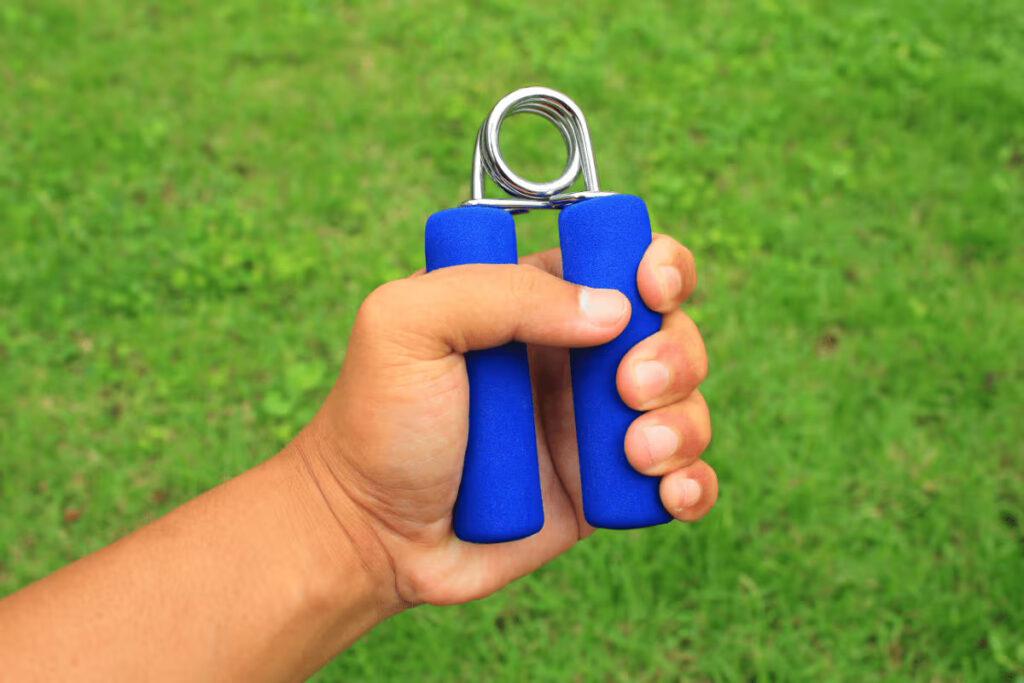
2. Precision in Stance: Aligning the Ball and Stabilizing the Head
Positioning the ball in the precise center of the stance is critical for consistent putting. This ensures that the clubface contacts the ball squarely at impact, resulting in accurate and predictable roll. The ideal stance width varies from golfer to golfer, but it should be wide enough to provide stability while allowing for a fluid and unrestricted swing. Additionally, maintaining a stable head position throughout the stroke prevents the body from swaying and promotes a consistent and repeatable motion.
Tips for Precise Ball Alignment
- Use alignment aids such as a laser pointer or a putter with alignment markings.
- Stand behind the ball and look down the target line to ensure the putter is directly facing the hole.
- Check the position of the ball relative to your feet, ensuring it is equidistant from both toes.
Benefits of Stabilizing the Head
- Improved Focus and Concentration: A stable head position helps golfers focus on the line of the putt and the impact point.
- Reduced Sway and Rotation: By maintaining a stable head, golfers can minimize unwanted body movements that disrupt stroke consistency.
- Enhanced Distance Control: A stable head position promotes a more controlled and precise stroke, leading to better distance control and putting accuracy.
3. Rhythm and Accuracy of Backswing: Achieving Consistency and Height
The backswing is a crucial aspect of a consistent putting stroke, as it sets the tone for the rest of the motion. Achieving consistency in the backswing requires meticulous attention to rhythm and accuracy in both the length and height of the swing.
Rhythm
A consistent rhythm in the backswing ensures that the clubhead travels at the same speed and with the same timing every time. To achieve this, focus on maintaining a steady pace throughout the movement, avoiding any sudden accelerations or decelerations. A metronome can be a valuable tool for practicing and maintaining a consistent tempo.
Accuracy
Accuracy in the backswing refers to the height and length of the swing, which should be the same each time. A consistent height ensures that the clubface strikes the ball consistently and squarely, while a consistent length helps control the distance of the putt. Visualize a specific target for the backswing and practice hitting that target consistently.
4. Smooth Downswing: Mirroring the Backswing for Precision
The downswing is the second phase of the putting stroke, immediately following the backswing. Just like a flawless backswing, a smooth downswing is critical for precise putting. The downswing should mirror the backswing in both tempo and path to maintain consistency and improve accuracy. Here are a few key pointers for achieving a smooth downswing:
- Maintain Head Position:
Throughout the downswing, keep your head still and stable. Avoid swaying or jerking to maintain a clear focus on the ball’s path.
- Consistent Path and Tempo:
Swing the putter along the same path as the backswing, gradually accelerating through impact. A pendulum-like motion can help maintain a consistent tempo and accuracy.
- Controlled Follow-Through:
After impact, continue the swing in the direction of the target. A fluid and controlled follow-through ensures the ball rolls smoothly and consistently towards the hole.
Here is a table summarizing the key aspects of the downswing and its impact on putting performance:
| Characteristic | Impact |
|---|---|
| Smooth Downswing | Maintains Tempo and Consistency |
| Mirrors Backswing | Ensures Precise Path |
| Controlled Follow-through | Enhances Ball Roll Accuracy |
The follow-through plays a crucial role in maintaining the clubhead’s direction and imparting control to the putt. By adhering to the following principles, golfers can enhance their consistency and accuracy:
-
Maintain Head Position: Throughout the follow-through, the head should remain steady, allowing the eyes to track the ball’s trajectory. Tilting or lifting the head can disrupt the stroke’s smoothness, potentially leading to misalignment and poor distance control.
-
Continue Clubhead Acceleration: As the clubhead strikes the ball, it should continue to accelerate smoothly. This ensures that the ball receives sufficient energy to reach its intended target. Conversely, decelerating the clubhead can result in reduced distance and a loss of accuracy.
-
Extend Follow-Through: Extensively follow through after striking the ball. This helps stabilize the clubhead’s path and prevents abrupt changes in direction. A fluid and controlled follow-through is indicative of a solid stroke and promotes consistent results.

In summation, the mechanics of a consistent putting stroke are paramount to reliable putting cadence. By adhering to meticulous techniques such as appropriate grip, stable head position, and a consistent backswing, downswing, and follow-through, individuals can cultivate a repeatable and effective putting stroke that enhances their accuracy and reduces variability. These principles provide a solid foundation for golfers seeking to improve their overall putting performance.