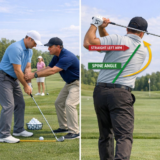
The modern game of golf now demands a coordinated mixture of accuracy, explosive output, and durability. No longer viewed solely as a technical craft,both competitive and recreational players face substantial biomechanical and physiological challenges across the lifespan. Measurable performance outcomes-clubhead speed, dispersion, and repeatability-are tightly linked to identifiable biomechanical factors such as proximal-to-distal sequencing, hip-shoulder separation, and the generation and control of ground reaction forces. At the same time, common injury patterns (especially low‑back, shoulder, and elbow complaints) reflect accumulated exposure to repeated high‑speed rotational loading. Therefore, improving golf performance requires more than swing coaching: it calls for targeted conditioning that aligns with the sport’s distinctive movement demands and injury profile.Recent progress in motion capture, force measurement, and neuromuscular testing has sharpened our understanding of the mechanical and physiological foundations of an effective swing. Research emphasizes coordinated kinetic‑chain transfer, appropriate segmental stiffness regulation, and the capacity to rapidly produce force to increase velocity while protecting joints.Individual differences in mobility,maximal strength,motor control,and prior injuries make individualized assessment and programming essential. Blending biomechanical insights with exercise physiology, motor learning, and strength & conditioning principles creates a practical pathway to craft training that improves on‑course outputs and lowers injury risk.
This piece integrates current empirical evidence and applied practice to present an evidence‑driven blueprint for golf‑specific fitness. It highlights biomechanical drivers of swing economy, outlines physiological targets for strength, power, and mobility work, and sets out periodization and monitoring approaches suitable for players at different levels. Practical guidance on assessment protocols, exercise choices, and prevention strategies is included, with emphasis on individualization and transfer to the course. Gaps in the literature are noted to direct future research and refine applied models.
Kinetic‑Chain Fundamentals: Turning Biomechanics into Golf‑Specific power
Power in the golf swing arises from the interaction of several body segments working in sequence, not from the strength of any single muscle. The hallmark concept is proximal‑to‑distal sequencing: force is driven by the feet and hips, transmitted and amplified through the trunk, and finally expressed through the arms into the clubhead. Mechanically, this requires coordinated ground reaction force production, efficient transfer of intersegmental torques, and controlled release of energy at impact. Breakdowns anywhere along that chain-restricted hip mobility, poor pelvic dissociation, or delayed torso rotation-diminish leverage and undermine both clubhead speed and shot repeatability.
To convert these biomechanical principles into training, programs must emphasise neuromuscular control, rapid force generation, and elastic energy reuse. Priority areas include:
- Mobility – adequate thoracic rotation and hip range to allow ideal sequencing;
- Transverse‑plane strength – capacity to produce rotational torque through the trunk;
- Reactive power – stretch‑shortening proficiency for quick deceleration/acceleration transitions;
- Segmental control – single‑leg and anti‑rotation stability to keep force vectors aligned.
These priorities help ensure that gains in maximal strength convert into swing‑relevant power without compromising timing or encouraging compensation.
Exercise choices and training tempo should reflect golf’s multi‑planar, high‑velocity demands with controlled deceleration. Useful modalities include rotational medicine‑ball variations, loaded anti‑rotation chops, single‑leg Romanian deadlifts progressed toward loaded rotational step‑throughs, and resisted hip‑drive patterns that emphasize rapid force transfer. The table below links body regions to pragmatic training examples suitable for inclusion in a periodized plan.
| Target Segment | Training Emphasis | Representative Drill |
|---|---|---|
| Lower body | GRF production & hip dissociation | Split‑squat with an explosive upward drive |
| Core / Trunk | Rotational torque & eccentric‑to‑concentric control | Medicine‑ball rotational throw (short‑to‑long progression) |
| Upper body | Deceleration capacity & delivery precision | Cable high‑chop with a decelerative finish |
Objective tracking completes the cycle between biomechanical insight and training outcomes. Track clubhead and ball speed, segmental angular velocities (pelvis vs trunk), and transfer‑efficiency metrics that quantify proximal‑to‑distal power transmission. Routine screening – single‑leg hop symmetry, seated thoracic rotation, and velocity‑based med‑ball throws – highlights asymmetries that raise injury risk. Feeding these measures into a sport‑specific periodization plan helps ensure neuromuscular changes transfer to the swing while protecting tissue health.
Thorax-Pelvis Interaction: screening, Imbalances, and Staged Corrections
Thoracic and pelvic mechanics form the rotational core of the golf swing: the torso provides rotational amplitude while the pelvis times initiation and sequencing. Viewing the trunk as an integrated structure (rib cage, spine, abdominal wall) helps explain how dysfunction in any subregion or at the pelvis‑spine junction reduces torque transfer and increases injury susceptibility.Optimal performance relies on a controlled posterior‑to‑anterior rotational wave-force rising from the feet into pelvis rotation and a thoracic counter‑rotation-so angular velocity peaks proximally and energy is safely offloaded through the arms and club. Detecting timing or range anomalies is therefore critical for both performance and injury prevention.
Combine clinical tests with on‑field kinematic measures to identify mobility restrictions and strength asymmetries. Important assessment components include:
- Active and passive thoracic rotation in seated and standing tests to identify side‑to‑side differences;
- Pelvic rotation and control tests (single‑leg stance, supine screening) to assess lumbopelvic timing;
- Hip internal/external rotation and gluteal strength to detect poor force coupling;
- Dynamic sequencing analysis with slow‑motion video or wearable IMUs to time pelvis‑to‑trunk accelerations;
- Neuromuscular control checks (Pallof presses, anti‑rotation holds) to measure anti‑rotational capability under load.
| Assessment | Target Range / Goal |
|---|---|
| Seated thoracic rotation | ~45-60° each direction where possible |
| Standing pelvic rotation | ~20-30° toward the lead side |
| Hip internal rotation | ~30-40° typical target |
| Anti‑rotation hold | 10-20 s under progressive load |
Corrective work should follow phases: restore usable range, rebuild concentric/eccentric capacity, and then reintroduce timing under golf‑specific demands. Start with mobility (thoracic rotations with rib‑cage expansion, targeted hip mobilisations, soft‑tissue work for the posterior chain), move to isolated strength (banded glute medius work, single‑leg Romanian deadlifts, Pallof progressions), and finish with integrated sequencing and power drills (rotational med‑ball throws, cable chops from split stance, resisted pelvis‑first rotation patterns). Use motor‑learning cues that encourage pelvis‑led initiation with coordinated thoracic follow‑through and re‑test objectively (ROM, timed sequencing, pain/function scores) to guide load increases.
Lower‑Limb Role & Ground Reaction Forces: Building Force Output and Stability for the Swing
The legs are active force generators in the transition and downswing; they do more than support posture. Generating and redirecting ground reaction forces (GRFs) enables the proximal‑to‑distal cascade that accelerates the trunk and arms. Biomechanical analyses indicate an eccentric load on the trail leg followed by an explosive concentric drive from the lead leg increases angular velocities in the pelvis and thorax, while controlled center‑of‑pressure behavior limits lateral sway. In short, magnitude and vector control from the feet through the hips are foundational to efficient kinetic sequencing and to avoiding compensations that raise injury risk.
Training should address both force capacity and the ability to stabilize under multi‑planar load.Emphases include unilateral strength to correct side‑to‑side differences, rate‑of‑force‑development (RFD) for the explosive downswing, and lumbopelvic control to preserve transfer efficiency. Practical examples:
- Unilateral loaded squats (Bulgarian split squats) - develop single‑leg torque and hip extension strength;
- Plyometric step‑downs and hops – improve eccentric control and RFD for rapid center‑of‑pressure shifts;
- isometric holds with perturbations (single‑leg stance with lateral band pulls) – build reactive stability against shear and rotation.
To translate gym gains into better swings, integrate neuromuscular training that mirrors timing and directionality of the swing. Drills should rehearse the sequence (trail‑leg loading → lateral transfer → lead‑leg push) and incorporate reactive elements to sharpen feedforward and feedback control. The table below maps exercises to targets and simple prescriptions appropriate for players progressing through a periodized plan.
| Exercise | Primary Benefit | suggested Dose |
|---|---|---|
| Single‑leg hex‑bar deadlift | Unilateral hip extension & balance | 3×6-8 per side at moderate load |
| Lateral bounds to stabilise | RFD & lateral COP control | 4×5 explosive reps; focus on soft landings |
| Single‑leg isometric holds with perturbation | Reactive stability & proprioception | 3×30 s per side; increase perturbation gradually |
Assessment and progression should be objective and cyclical. Use field tests (single‑leg hop distance, timed step‑downs) or instrumented metrics (peak GRF, COP excursion, RFD) to set baselines and measure adaptation. Progress training along a continuum: capacity (strength/endurance) → power (velocity‑specific outputs) → specificity (directional and timing fidelity to the swing). Apply load‑management strategies and prehabilitation to address common hip and lower‑limb issues; ensuring balanced hip abduction/adduction strength and adequate ankle dorsiflexion is often decisive for sustaining performance and injury resilience.
Neuromuscular Coordination & Motor Control: Drills and Feedback for Consistent Swings
Consistent timing and force transfer in the swing depend on integrated sensorimotor control rather than isolated strength. A baseline profile-drawing from clinical neuromuscular evaluation (history, movement observation, and focused tests)-helps determine whether variability stems from motor‑learning issues or neuromuscular deficits. Cataloguing functional motor patterns (sequencing, timing, intersegmental coordination) before prescribing drills clarifies which exercises will reinforce useful synergies and which warrant remedial work or medical input.
Progressive drill sequences should build reproducible timing and robust intersegmental coupling while reducing compensations. Useful progressions include:
- Tempo gating: practice swing segments to a metronome to stabilise phase durations;
- Segmental sequencing drills: slow,exaggerated X‑factor and lead‑arm/hip separation movements to reinforce proximal‑to‑distal activation;
- Perturbation reactive swings: light manual or ball‑delivery perturbations to enhance rapid corrective responses and dynamic balance;
- Dual‑task stability: add a cognitive element (simple counting,decision cues) to swing practice to improve automaticity under pressure.
Advance each drill by increasing velocity, adding variability, or reducing external feedback to foster internal consolidation.
Choosing feedback modalities wisely is key for long‑term motor learning. Early on, use augmented feedback (slow‑motion video, metronome pacing, simple EMG or pressure‑mat cues) and then shift toward intrinsic or summary feedback to support retention. Practical feedback tools include:
| Tool | Primary submission | Example Cue |
|---|---|---|
| Slow‑motion video | Examine kinematics & sequencing | “Hold the top; feel the hips initiate” |
| Metronome | Stabilise tempo | “Two counts back, one count down” |
| Pressure‑mat / force plate | Weight‑shift symmetry | “Drive pressure to the lead foot by impact” |
| EMG / biofeedback | Muscle timing & activation | “Initiate glute contraction before downswing” |
Integrate coordination work within a periodized plan with objective progression criteria and scheduled variability. Monitor both variability metrics (standard deviation of clubhead speed, impact‑location spread) and clinical markers (balance duration, reactive step latency). If persistent atypical motor patterns, fatigue‑resistant weakness, or neurological signs appear, refer for a formal neuromuscular assessment. Key implementation points:
- Session frequency: 2-4 coordination sessions per week blended with strength and mobility work;
- Progress markers: reduced movement variability, improved timing consistency, and observable transfer to on‑course performance;
- Outcomes to track: swing variability, force‑transfer symmetry, and retention after reduced feedback.
Following this structure helps convert drill practice into durable motor control rather than short‑lived changes dependent on external cues.
Periodized Strength & Power: Practical Prescriptions for Off‑season and In‑Season
Annual structure should align training emphases with competition schedules: the off‑season is best used to build hypertrophy and maximal strength (raising the force ceiling), a conversion block focuses on RFD and specificity, and the competitive season prioritises power maintenance, freshness, and injury prevention. Evidence supports sequencing from higher‑volume, moderate‑intensity work toward lower‑volume, high‑intensity power training to enhance swing velocity and repeatable performance. Frame programs as mesocycles (4-8 weeks) inside macrocycles, and manipulate microcycles to control acute fatigue and practice load.
Typical loading prescriptions differ by phase.The summary below reflects commonly used ranges in applied settings and supports practical planning:
| Phase | Primary aim | Load / Rep Range | Weekly Freq |
|---|---|---|---|
| Off‑Season (Base & Build) | Hypertrophy → Max Strength | ~65-85% 1RM, 6-12 → 3-6 reps | 3-4 |
| Pre‑competition (Conversion) | Power & RFD specificity | 30-60% 1RM explosive + plyometrics | 2-3 |
| in‑Season (Maintenance) | Power retention & recovery | >85% 1RM very low volume or ballistic work | 1-2 |
Choose multi‑joint strength movements (squat variations, hip hinge patterns, single‑leg work) and rotational power drills (medicine‑ball throws, cable chops, advanced Pallof progressions) to maximise transfer. A practical off‑season microcycle might include one heavy strength day, one power/ballistic day, and one mobility/rehab or movement‑quality day. Manipulate intent (maximal concentric effort for power), inter‑set rest (2-4 minutes for high‑intensity lifts), and session density during the season to manage residual fatigue.
Monitoring and autoregulation are vital to balance gym stimuli with on‑course demands. Use objective tests (countermovement jump, velocity profiling, HRV) and subjective tools (session RPE, wellness questionnaires) to inform load adjustments. Velocity‑based thresholds or RPE cutoffs help protect power during busy competition windows. Schedule regular deloads and include targeted prehab (rotator cuff, thoracic mobility, hip external rotation) to limit injuries while preserving qualities most predictive of ball speed and consistency.
Injury Prevention & Management: Screening, load Control, and Rehab Pathways
Baseline screening should precede interventions: combine medical history with functional tests capturing spinal rotation, hip range, scapular control, single‑leg balance, and thoracic mobility. Use validated screening batteries adapted for rotational sports to quantify asymmetries and flag early warning signs-side‑specific hip rotation loss, recurring low‑back pain after heavy practice, or declining clubhead speed with strength loss. Store baseline data for trend analysis and timely reassessment.
Prevention rests on deliberate load management and periodized planning: control weekly swing volume, vary practice intensity, and schedule recovery. Practical markers for load include perceived exertion, pain provocation, and objective swing counts; GPS/accelerometer data can add precision when available. tactical elements to incorporate:
- Weekly swing cap: individualise by conditioning and history (start conservatively; increase by ≤10% weekly);
- Intensity rotation: alternate high‑velocity power work with technique and low‑intensity range sessions;
- Deloading: planned every 4-6 weeks and following tournaments or long travel.
Rehabilitation should progress through defined stages with objective criteria: protect tissue and control pain, restore mobility, rebuild graded strength, then reintegrate power and sport mechanics. Use an interdisciplinary team (physiotherapist, strength coach, swing coach) and advance only when functional milestones are met (e.g.,pain ≤2/10 during activity,near‑symmetrical ROM,force/velocity targets). The table below summarises a phase, goal, and progression criteria framework for clinical use.
| Phase | Primary objective | Progression Criteria |
|---|---|---|
| Acute | Pain control & protection | Pain ≤2/10; able to complete basic ADLs |
| Restorative | Mobility & foundational strength | ROM ~90% of contralateral; single‑leg balance ~20 s |
| Performance | Power, coordination, return‑to‑swing | Asymmetries <10%; RFD and force targets met; pain‑free practice |
Operational success requires continuous surveillance and clear communication: schedule re‑screening (pre‑season, mid‑season, post‑season, and after injury), adopt simple red‑flag rules for expedited referral, and align coaching language with rehab goals to avoid conflicting movement cues. Combine objective monitoring (load logs, swing‑velocity spot checks, patient‑reported outcomes) with prioritised, measurable functional gains rather than waiting solely for symptom resolution. A data‑driven, multidisciplinary approach reduces recurrence and supports a safer, performance‑focused return to play.
Performance Testing & Benchmarks: Valid, Reliable Measures and Practical Targets
Choose measurement tools with the same care you apply to interventions: prioritise validity, reliability, and ecological relevance. Select metrics that reflect the physical capacities most tied to golf outcomes-rotational power, RFD, balance under load, and joint ROM-rather than convenient but less meaningful proxies.Establish test-retest reliability and minimal detectable change for each measure so observed differences reflect true adaptation and not measurement noise. standardised protocols, calibrated instruments, and trained testers help reduce error and enable meaningful longitudinal comparisons.
Combine laboratory instruments with field‑ready tests to balance precision and feasibility. Recommended assessments include:
- 3D motion capture or inertial sensors to quantify swing kinematics and timing;
- Force‑plate testing (single‑leg force-time characteristics, weight‑transfer metrics) for GRF profiling;
- Rotational power measures / med‑ball throws for torque and rate‑of‑torque development;
- Countermovement jump & reactive strength index to index lower‑limb explosiveness;
- Y‑Balance or dynamic balance tests for postural control under perturbation;
- Isokinetic or handheld dynamometry for concentric/eccentric trunk and hip strength.
Pick tests with known links to on‑course outcomes (clubhead speed, ball speed, consistency) and that are feasible within your coaching environment.
| Metric | Novice | Intermediate | Advanced |
|---|---|---|---|
| Clubhead speed (mph) | 75-90 | 90-105 | 105+ |
| Rotational power (W) | <100 | 100-150 | 150+ |
| Y‑Balance (% composite) | <80% | 80-92% | >92% |
| Trunk rotation ROM (°) | <30 | 30-45 | >45 |
Turn test results into action with an athlete‑centred dashboard that pairs quantitative KPIs with short narrative summaries. Create targeted performance plans to close gaps: set SMART micro‑goals, prescribe focused training blocks, and document interventions and outcomes. Provide regular written feedback to contextualise numeric change-evidence shows narrative interpretation helps motivation and understanding beyond raw numbers. Schedule reassessments at logical points (baseline, post‑block, end‑season) and apply thresholds (minimal detectable change, small‑to‑moderate effect sizes) to decide when to progress, regress, or alter prescriptions.
Q&A
Note on search results: Search snippets provided earlier were unrelated to golf fitness; the Q&A below is therefore derived from current practice and scientific principles in biomechanics, exercise physiology, and strength & conditioning.Q1: What is the primary biomechanical aim when improving golf performance?
A1: Produce the most efficient transfer of force from the ground through the kinetic chain into the clubhead (proximal‑to‑distal sequencing) while avoiding unnecessary compensations and excessive joint loading. This requires coordinated muscular timing, adequate ROM across hips, thoracic spine and shoulders, and the ability to generate force quickly (RFD).
Q2: Which physiological qualities most influence clubhead speed and distance?
A2: Maximal strength (especially hip and trunk extensors), explosive power (RFD), transverse‑plane rotational power, and reactive strength (effective stretch‑shortening cycle). Aerobic conditioning plays a smaller direct role in single‑shot power but supports practice volume and recovery capacity.
Q3: Which assessments form an evidence‑informed golfer evaluation?
A3: A layered battery including: movement screens (single‑leg squat, thoracic rotation, hip rotation, Y‑Balance), ROM measures (hip, thoracic, shoulder), strength checks (1RM or estimated 1RM squat/hinge, isometric mid‑thigh pull), power tests (CMJ, medicine‑ball rotational throw), force‑plate/weight‑transfer analysis where available, and on‑course metrics (clubhead/ball speed, dispersion).
Q4: How should training be prioritised across the season?
A4: Periodise: off‑season emphasise hypertrophy and base strength (8-12 weeks), pre‑season convert strength to power and sport specificity (4-8 weeks), in‑season maintain strength/power while integrating skill practice (reduce volume, preserve intensity), and transition focus on recovery and deficit correction. Align load and specificity with competition demands and recovery resources.
Q5: Which strength and power exercises are especially useful for golfers?
A5: Posterior‑chain staples (deadlifts, Romanian deadlifts, hip hinges, split squats); trunk stability and rotational drills (Pallof presses, cable woodchops); power methods (kettlebell swings, Olympic derivatives where appropriate); and sport‑specific tools (medicine‑ball rotational throws, band‑assisted overspeed swings).
Q6: how can rotational power be trained safely?
A6: Progress loading and velocity carefully: begin with slow‑controlled anti‑rotation and loaded trunk work for stability, add med‑ball throws and band rotations for coordinated acceleration, then introduce overspeed or near‑swing‑speed drills. Always prioritise thoracic mobility, pelvic dissociation, and technique to limit lumbar shear.
Q7: Why is thoracic mobility important and how is it trained?
A7: Thoracic mobility enables desirable shoulder separation and efficient rotation. Train it with foam‑roller extensions, seated or quadruped thoracic rotations, and dynamic rotational warm‑ups. Complement mobility with stability drills to ensure control across the new range.
Q8: What is the lumbopelvic region’s role in performance and prevention?
A8: The lumbopelvic area provides proximal stability for generating rotational torques. Poor control or excessive lumbar rotation under load raises low‑back injury risk.Train anti‑rotation/anti‑extension control, eccentric hip musculature, and progress loads while maintaining a neutral spine.
Q9: How should a warm‑up be organised for peak acute performance?
A9: Follow three phases: (1) light aerobic activation (5-8 minutes) to increase temperature, (2) dynamic mobility and neuromuscular activation for hips, thoracic spine and scapular stabilisers, and (3) progressive golf‑specific potentiation-submaximal to near‑maximal swings, med‑ball throws, and short overspeed efforts to prime power.
Q10: Which metrics best track training adaptation?
A10: Clubhead and ball speed, RFD and peak force (force plates), CMJ height/power, med‑ball rotational distance, 1RM or estimated 1RM for key lifts, screening deficits, and subjective recovery indicators (RPE, soreness, sleep). Track trends over weeks/months rather than single sessions.Q11: How do you individualise training across ages and abilities?
A11: Tailor by baseline capacities,injury history,training age,and competitive needs. Older or less experienced golfers focus on mobility, balance and foundation strength with conservative progressions; elite or mature athletes advance to higher loads and more aggressive power work with longer recovery. Use objective tests to guide safe load increases.
Q12: What injury patterns are common and how are they prevented?
A12: Typical injuries include low‑back pain, shoulder impingement/rotator cuff strain, elbow tendinopathy, and hip/knee issues. Prevention focuses on thoracic and hip mobility, posterior‑chain and rotator cuff strength, lumbopelvic control (anti‑rotation drills), refining swing mechanics to limit lumbar shear, and sensible load management to avoid abrupt practice spikes.
Q13: How should on‑course practice be integrated with physical training?
A13: Coordinate sessions to avoid excessive cumulative load. Schedule heavy physical sessions on lower‑skill practice days and taper before competition. Use course time for skill endurance and scenario practice rather than high‑volume swing repetitions. A weekly structure might alternate intensity across strength/power,technical practice and recovery/mobility days.
Q14: Which technologies give the best ROI for applied teams?
A14: Force plates and linear position transducers supply reliable RFD and power metrics. High‑speed video or 3D motion capture is ideal for detailed kinematics. Portable tools-radar/launch monitors for club/ball metrics and wearable IMUs for tempo-deliver practical,actionable data. Choose tools that answer specific performance or clinical questions and integrate with workflows.
Q15: What nutritional and recovery practices support training adaptations?
A15: Aim for adequate protein intake (~1.2-2.0 g/kg/day depending on load), periodised carbohydrates for high‑intensity sessions, and energy balance aligned with body‑composition goals. Prioritise sleep (7-9 hours) for recovery and motor consolidation. Use active recovery, soft‑tissue tools as needed, and monitor recovery biomarkers or subjective scales to adjust load.
Q16: How should clinicians and coaches collaborate?
A16: Adopt an interdisciplinary approach where coaches, physios and S&C staff share data and co‑design plans. Use objective metrics to guide decisions, define clear milestones, and ensure technical coaching aligns with physical readiness for safe and effective performance development.
Q17: What timelines are reasonable for gains relevant to golf?
A17: Foundational strength typically improves over 8-12 weeks; targeted power and RFD gains can appear within 4-8 weeks after strength is established. Changes in clubhead speed may be visible in 6-12 weeks when strength and power are effectively translated to swing mechanics, with wide individual variability.
Q18: Where should future research focus?
A18: Priority areas include dose-response for golf‑specific power training, long‑term effects of integrated swing and physical interventions on injury rates, mechanisms linking thoracic-hip dissociation to performance, and optimisation of periodisation across ages and competitive tiers.
Concluding guidance: Use an integrated, evidence‑informed approach-assess comprehensively, prioritise foundational strength and thoracic/hip mobility, then move toward high‑velocity, sport‑specific power. Monitor outcomes, individualise programming, and coordinate with technical coaching. This strategy supports measurable performance improvements while reducing injury risk.
If helpful, I can also provide: (a) a concise printable FAQ handout, (b) a sample 12‑week periodized program with exercises and progressions, or (c) assessment templates and metric‑tracking sheets. Which would you like?
Note: earlier search snippets were unrelated to golf fitness; the material above reflects current applied science and best practices in biomechanics, exercise physiology, and strength & conditioning.
Improving golf performance sustainably requires a systematic, personalised, and evidence‑driven framework that links biomechanical diagnosis with targeted physiological training and thoughtful load management. When assessments inform interventions,and those interventions are measured and iteratively adjusted,athletes can enhance capacity and resilience across the golfing lifespan-advancing performance while protecting musculoskeletal health.

Unlocking Power and Precision: The Science of Golf Fitness
Biomechanics of the Golf Swing: What every Golfer Should Know
Understanding golf biomechanics is the foundation of effective golf fitness. The modern swing is a coordinated rotational movement that depends on sequencing, range of motion, and force transfer from the ground through the hips, torso, and arms to the clubhead.
Kinematic Sequence & Energy Transfer
- Ground reaction forces: The legs and feet generate force against the ground.Efficient use of ground reaction force (GRF) is strongly correlated with higher clubhead speed and longer drives.
- Hip-to-shoulder separation: Creating a differential (the X-factor) between pelvis rotation and thorax rotation stores elastic energy in the torso and obliques for powerful release.
- Proximal-to-distal sequencing: Optimal swings move from larger proximal segments (hips) to distal segments (hands/club), maximizing clubhead velocity.
Key Mobility & Stability Requirements
- thoracic rotation: Needed for upper spine rotation without compensating with the lower back.
- Hip internal/external rotation: Drives pelvis turn and weight shift; restrictions limit power and can increase lumbar stress.
- Shoulder stability: Supports consistent swing plane and reduces risk of impingement.
- Core control: Provides transfer of rotational force while protecting the lumbar spine.
Physiology & Conditioning for golf Performance
Golf is a sport of skill with athletic demands: repeated submaximal efforts, bursts of power (drives), and endurance for 4-5 hours of play. Conditioning should therefore include components of strength, power, mobility, balance, and energy system conditioning.
Strength vs. Power
- Strength: Foundational strength (hip hinge, squat, deadlift patterns) improves stability and the ability to apply force throughout the swing.
- power: Translating strength into speed is crucial-rotational medicine-ball throws and Olympic/ballistic lifts (where appropriate) enhance rate of force development and clubhead speed.
Energy Systems & Endurance
- Golf primarily uses the aerobic system for overall endurance across a round, with anaerobic bursts for short-high intensity actions (drives, uphill walks).
- Low-intensity steady cardio (walking, cycling) helps recovery and overall stamina; interval training can be added carefully to develop work capacity without fatigue compromising swing mechanics.
Golf-Specific Training Principles
Design training around transfer to the swing, progressive overload, and periodization tailored to the season (off-season strength, pre-season power, in-season maintenance).
Guiding Principles
- Specificity: Use rotational and unilateral exercises that mimic the golf swingS movement patterns.
- Progressive overload: Gradually increase load, speed, or complexity to drive adaptation.
- Balance mobility and stability: Increase range of motion where needed, but build control across that range.
- Recovery & load management: Monitor volume-too much fatigue degrades swing mechanics and increases injury risk.
Core Components of a Session
- Dynamic warm-up & mobility (10-15 min)
- strength or power block (20-30 min)
- Golf-specific rotational work / speed training (10-15 min)
- Balance, breathing, and cooldown (10 min)
Sample 8‑Week Golf Fitness Program (Overview)
| Week | Focus | Key Sessions (per week) |
|---|---|---|
| 1-2 | Mobility & foundational strength | 2 strength, 2 mobility/cardio, 1 swing speed |
| 3-4 | Hypertrophy & stability | 2 strength, 1 power, 2 mobility |
| 5-6 | Power & rotational speed | 1 heavy strength, 2 power/speed, 2 recovery |
| 7-8 | Peak speed & maintenance | 2 power, 1 strength maintenance, 2 mobility/recovery |
Exercise Table (Short & Practical)
| Exercise | purpose | sets × Reps |
|---|---|---|
| Trap-bar deadlift | build hip/leg drive | 3 × 5 |
| Rotational medicine-ball throw | Power & transfer to swing | 4 × 6 each side |
| Single-leg RDL | Unilateral stability & hip hinge | 3 × 8 each |
| Thoracic rotations (band) | Improve upper spine mobility | 3 × 12 each |
Mobility, Warm-Up & On-Course Routines
Consistent warm-ups and mobility work reduce injury risk and allow you to bring better mechanics to every shot.
Pre-Round Dynamic Warm-Up (6-8 min)
- leg swings (front/back & lateral) – 10 each
- Thoracic rotations on knees - 10 each side
- Walking lunges with a twist – 8-10 each leg
- Band-resisted shoulder rotations (light) – 10-12 each
- practice swings focusing on tempo & sequencing – 6-8 slow to fast
Simple On-Course Mobility (between holes)
- Micro-squats and ankle mobility – 10 reps
- Seated thoracic rotations – 6-8 each side
- Breathing & core bracing: 3 deep diaphragmatic breaths to reset tension
Injury Prevention: Common Issues & Practical Solutions
Golf-related injuries commonly affect the low back, shoulder, elbow (golfer’s and tennis elbow), and knee.Training smart reduces these risks.
Low Back
- Cause: Repeated rotational stress combined with limited hip or thoracic motion.
- Prevention: Improve hip mobility, strengthen posterior chain (glute bridges, deadlifts), and train core control-especially anti-rotation exercises (Pallof press).
Shoulder & Elbow
- Cause: Poor sequencing, overuse, and scapular instability.
- Prevention: Strengthen scapular stabilizers (rows, face pulls), rotator cuff work, and manage volume during practice sessions.
Testing & Tracking Progress
Objective measures guide improvement and show transfer to performance.
Key Performance Tests
- Clubhead speed: Simple radar or launch monitor readings.
- Rotational power: Medicine-ball throw distance or velocity.
- Strength markers: Deadlift/squat relative to bodyweight.
- mobility screens: Thoracic rotation, hip internal rotation tests.
Monitoring Load & Recovery
- Track subjective fatigue, sleep, soreness, and on-course performance.
- Use simple weekly logs: practice hours, training intensity, and recovery days.
Benefits & Practical Tips
- More distance: Increased rotational power and improved sequencing lead directly to higher clubhead speed and longer drives.
- Better consistency: Mobility and stability refine swing mechanics, improving shot dispersion.
- Reduced injury risk: Balanced training reduces compensatory patterns that stress the lumbar spine and shoulders.
- Longevity: Conditioning and load management allow you to play more years with fewer setbacks.
Quick Tips to Implement Today
- Start each practice with a 6-8 minute dynamic warm-up.
- Prioritize 2 weekly strength sessions that include hinge, squat, and unilateral patterns.
- Add 1-2 power sessions (medicine-ball slams/throws, kettlebell swings) to convert strength into speed.
- Address mobility deficits early-thoracic rotation and hip mobility are high-impact wins.
- Track clubhead speed and one strength metric monthly to confirm transfer.
Case Study Snapshot: Amateur Golfer to Lower Handicap (Exmaple)
Player profile: 45-year-old recreational golfer,plays twice weekly,limited thoracic rotation,weak posterior chain,average clubhead speed 95 mph.
- Intervention: 12-week program-8 weeks progressive (above 8‑week plan) + 4 weeks maintenance; emphasis on thoracic mobility, trap-bar deadlifts, single-leg work, and medicine-ball rotational throws.
- Outcome: Improved thoracic rotation by 15-20°, deadlift increased by 20%, clubhead speed +4-6 mph, dispersion improved due to better sequencing and less low-back tightness.
- Takeaway: Targeted mobility and power conversion yielded measurable on-course benefits.
Resources & Tools
- Launch monitors or radar (for clubhead speed & ball speed)
- Medicine balls with velocity sensors or simple measured throws
- Force-plate or pressure-mat analysis for ground reaction force (optional)
- Screening protocols (e.g., golf-specific movement screens such as TPI)
Practical Programming Example: One Week
| Day | Session | Focus |
|---|---|---|
| Mon | Strength (Lower/Posterior) | deadlift, single-leg RDL, farmer carries |
| Tue | Mobility & Short Game Practice | Thoracic work, hip mobility, 30-45 min putting/chipping |
| Wed | Power & Speed | Med-ball rotational throws, kettlebell swings, swing speed drills |
| Thu | Active Recovery | Walking, light cardio, foam rolling |
| Fri | Strength (Upper/Anti-Rotational) | Rows, single-arm presses, Pallof presses |
| Sat | Range Session | Tempo swings, on-course simulation |
| Sun | Rest or 9-hole walk | Recovery focus |
Final Practical Notes
- Consistency beats intensity for long-term improvements-progress steadily and track metrics.
- Work with qualified professionals (golf coach + strength coach / physio) when possible to ensure safe progression and swing transfer.
- Remember: technique + fitness = performance. Fitness alone helps, but pairing it with purposeful swing practice yields the best results.
If you’d like,I can convert the 8-week outline into a printable program with daily sessions and videos of the exercises,or tailor a plan to your current strengths,mobility limits,and schedule.