Optimizing Wedge Performance: A Modernized Setup Approach
In this detailed blog post, we delve into the intricacies of wedge performance for shots ranging from 50 to 125 yards. Drawing upon insights from renowned PGA Tour players, we present a modernized setup approach designed to enhance your success in navigating these often-challenging distances.
Our comprehensive analysis covers crucial elements such as stance, ball position, clubface orientation, shaft position, and weight distribution. We emphasize the importance of detailed preparation and a nuanced understanding of these factors in order to optimize your wedge shots.
Throughout the post, we provide clear explanations, illustrative examples, and practical tips to help you master this vital aspect of your golf game. By implementing the principles outlined in this guide, you can gain confidence and control on the course, ensuring that you consistently execute precise wedge shots that find their target.
Modern Wedge Setup Approach
###
Stance, Ball Position, and Weight Distribution:
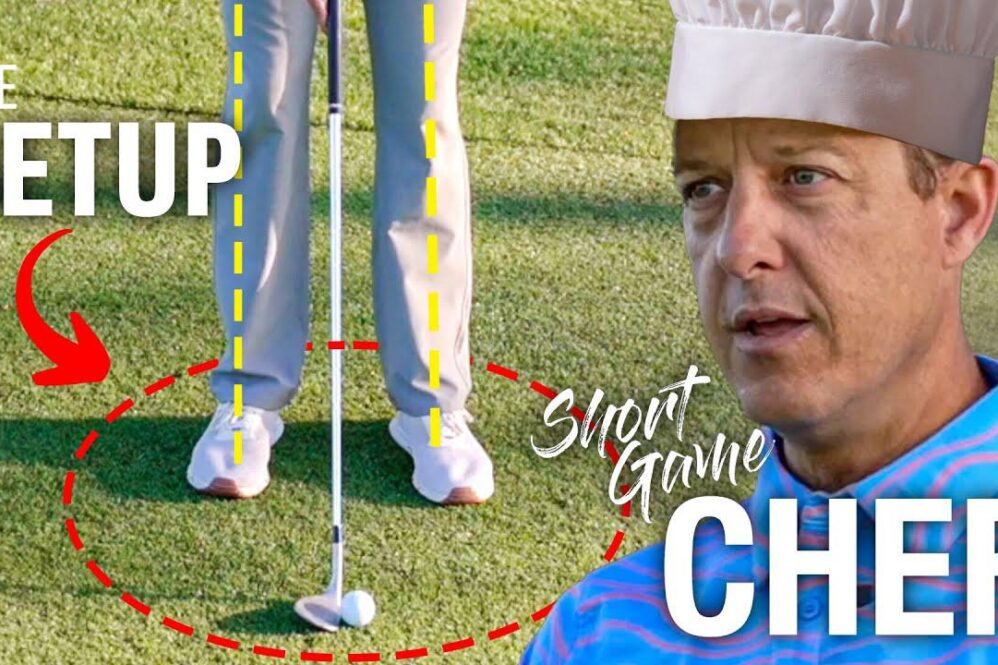
- Stance: Widen the stance slightly when moving from 50 to 125 yards, with the feet positioned directly under the hips or shoulders.
- Ball Position: Position the ball slightly forward of center to facilitate a neutral trajectory. Avoid placing it too far back, as this artificially lowers the flight path.
- Weight Distribution: Distribute the weight slightly forward of 50/50, creating a more aggressive attack angle for shots within this distance range.
Shaft Position and Club Face Alignment:
- Shaft Position: Maintain a neutral to slightly forward shaft position, depending on personal preference. This ensures optimal control and consistency.
- Club Face: Align the club face square at address. Opening the club face is only recommended for high, spinny shots within shorter distances (50-60 yards).
Understanding Optimal Stance and Weight Distribution
## Understanding Optimal Stance and Weight Distribution
An appropriate stance and balanced weight distribution are crucial for effective wedge performance. A slightly wider stance than for close-range shots provides stability and power. Position the ball slightly forward of center to avoid excessive low flight. Maintain a square clubface for optimal accuracy, except when seeking high-trajectory shots.
Regarding weight distribution, shift it slightly forward from the center to enhance downward force. This adjustment promotes a more aggressive attack angle, allowing for precise and controlled shots. A balanced foot position with slightly wider stance width helps generate optimum clubhead speed and trajectory, improving overall wedge performance.
Ball Positioning and Clubface Alignment
- For a precise wedge performance, position the ball slightly forward of the center. Avoid placing it too far back, as this can promote low ball flights.
- Maintain a square club face throughout the swing for optimal ball contact and trajectory. Only consider opening the face slightly for shots within 50-60 yards that require high spin or height.
| Ball Position | Clubface Alignment | Shaft Position | Weight Position |
|---|---|---|---|
| Slightly forward of center | Square | Neutral to slightly forward | Slightly forward |
Forward pressure and a neutral shaft angle play a critical role in optimizing wedge performance. When the weight is shifted slightly forward, it promotes a steeper angle of attack, ensuring solid contact and increased spin. A neutral shaft angle, where the shaft is neither tilted forward nor back, maintains a consistent clubface position throughout the swing. This allows for a more controlled release and increased accuracy.
In contrast to moving the ball position back to flight the ball low, which can be an artificial manipulation, maintaining a slightly forward ball position, a square clubface, and a neutral shaft angle allows for a more natural and repeatable setup. By practicing these key fundamentals, golfers can improve their wedge performance and consistently execute accurate, low-trajectory shots from 50 to 125 yards.
| Feature | Importance |
|---|---|
| Forward Pressure | Promotes steeper angle of attack, increased spin |
| Neutral Shaft Angle | Maintains consistent clubface position, increased accuracy |