
In a pivotal move, the PGA Tour has decided to discontinue the staggered start format for the tour Championship, opting instead for a classic, level playing field approach to crown it’s season champion. This adjustment is designed to simplify the finale of the FedEx Cup playoffs and enhance the clarity of competition among the elite golfers. The change aligns with ongoing initiatives to boost fan engagement and streamline tournament presentation.
How removing the Staggered Start Influences Player Tactics
The elimination of the staggered start format at the Tour Championship marks a important shift in how players will approach the season’s final event. Previously, players began with stroke advantages based on their season-long performance, which heavily influenced their strategic decisions. With all competitors now starting equally, players are expected to adopt more assertive tactics from the outset.
This new format removes the cushion that previously encouraged conservative play, pushing golfers to take calculated risks earlier in the tournament. Decisions regarding aggressive pin-seeking shots versus safer plays will become even more critical, as every stroke carries equal weight from the first tee.
Moreover, the pace and momentum of the tournament are likely to become more dynamic. Without staggered starts, leaderboard positions will fluctuate more frequently, requiring players to stay mentally agile and responsive to their rivals’ performances. This change emphasizes not only technical skill but also psychological endurance in the quest for the championship.
Top Players Weigh In on the Format Revision
The PGA Tour’s proclamation to scrap the staggered start has elicited a range of responses from leading golfers, reflecting diverse perspectives on the impact of this change.
- Rory McIlroy welcomed the move, highlighting that it restores the traditional excitement where every shot counts equally for all players.
- Jordan Spieth expressed reservations, noting that the previous format added a strategic depth that might be lost with the new setup.
- Justin Thomas took a balanced stance, emphasizing that the competitive spirit of the event will drive top performances regardless of format.
Golf commentators suggest that this adjustment could level the playing field, especially benefiting players who have struggled with consistency during the season. By focusing solely on performance in the final event, the Tour Championship may become more unpredictable and thrilling in future editions.
Enhancing Fan Engagement and Broadcast Appeal
The shift away from the staggered start format has sparked lively debate among fans and analysts. While the previous system aimed to build suspense by rewarding season-long excellence with a head start, it often left viewers feeling detached from the unfolding drama. The return to a traditional, equal-start format is intended to heighten competitiveness and draw a broader audience.
In an era where sports viewership faces stiff competition, the PGA Tour’s strategy to increase unpredictability could revitalize interest. When every player begins on equal footing, fans experience a shared tension that builds steadily from the first hole to the final putt, perhaps boosting live and broadcast engagement.
| Aspect | Previous Format | Current Format |
|---|---|---|
| Starting Advantage | Based on Season Performance | All Players Equal |
| Viewer Engagement | Mixed Feedback | Potentially Higher |
| competitive Balance | Uneven | More Balanced |
This evolution not only aims to improve the viewing experience but also signals the Tour’s commitment to adapting in a competitive sports market. By embracing formats that resonate with audiences, the PGA tour can strengthen fan loyalty and ensure its events remain must-watch spectacles.
suggestions for Future PGA Tour Format Innovations
Building on recent changes, the PGA Tour has a prime chance to further innovate its event structures to captivate fans and broaden player participation. One promising idea is the introduction of a tiered qualification system that integrates players from various circuits, including the LIV Golf series, thereby enriching the competitive field and increasing event prestige.
experimenting with shortened tournament durations could also appeal to modern audiences, particularly younger viewers with shorter attention spans. Transitioning from traditional four-day events to three- or two-day formats might heighten excitement and reduce player fatigue, potentially leading to higher-quality play.
Additionally, implementing a dynamic scoring model for flagship tournaments like the Tour Championship could maintain suspense throughout the event. By weighting scores based on season-long performance, the leaderboard would remain fluid, encouraging fans to stay engaged as standings shift in real time.
the PGA Tour’s removal of the staggered start format represents a strategic effort to enhance fairness and excitement in its season finale. This change promises a more captivating conclusion to the Tour, with all players competing on equal terms for the coveted title.

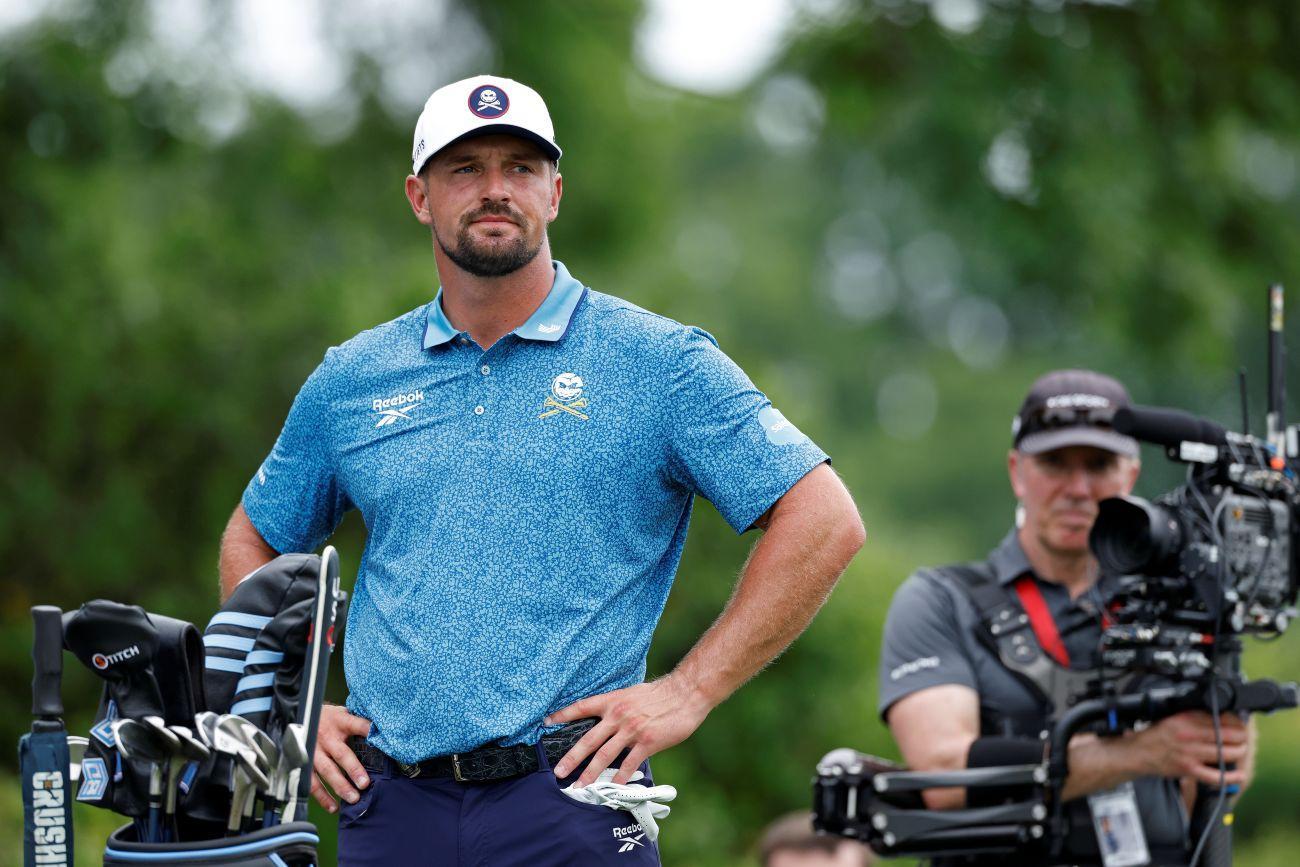
PGA Tour Ditches Staggered Start: Tour Championship Returns to Classic Format
Understanding the Shift from staggered Start to Classic Format
The PGA Tour’s recent decision to abandon the staggered start format for the Tour Championship marks a significant change in professional golf tournament structure. For the past few seasons, the staggered start – where players began with various stroke advantages based on their FedEx Cup standings – aimed to streamline competition and heighten suspense. Though, the classic format is making a comeback, signaling a return to traditional head-to-head competition.
What Was the Staggered Start Format?
The staggered start format, introduced to the Tour Championship in 2019, awarded players starting strokes based on their rankings heading into the event:
| Starting Position | Starting Strokes Advantage |
|---|---|
| 1st Place (FedEx Cup Leader) | −10 strokes |
| 2nd Place | −8 strokes |
| 3rd place | −7 strokes |
| 4th Place | −6 strokes |
| 5th Place | −5 strokes |
| 6th-10th Place | −4 to −1 strokes |
This innovative approach was designed to reward season-long consistency and place the FedEx Cup champion in an advantageous position entering the championship.
Why the PGA Tour Is Returning to Classic Format
While the staggered start brought some excitement and simplified who could win the FedEx Cup, it also invited criticism regarding its impact on the traditional feel of the Tour Championship as a pure golf competition. Here are key reasons behind reverting to the classic format:
- Fairness and Tradition: Players and fans alike valued the classic tee times and shot-for-shot competition that showcases skill without artificial scoring advantages.
- Enhanced Viewing Experience: The traditional format allows better real-time comparisons of golfers’ performance, making broadcast coverage more engaging.
- Improved Strategy: With everyone starting on even ground, strategy and course management play a larger role rather than relying on starting strokes.
- Player Feedback: Several top players expressed preference for returning to the original format for the integrity of the championship.
Classic Format Key Features
- All golfers start the tour Championship at even par (no strokes advantage)
- Standard tee times with groups playing throughout the day
- Leaderboard is determined purely by performance over the four rounds
- Emphasizes head-to-head competition and shot-making under pressure
Impact on Players and Fans
The switch back to a classic format presents several advantages and nuances that golfers and enthusiasts should embrace:
Benefits for players
- Equal Opportunity: Each player has an equal starting line, encouraging players to push for strong rounds based strictly on merit.
- Strategic Depth: players must plan their rounds with thoughtful course management without relying on a start cushion.
- Mental Challenge: The pressure to climb the leaderboard from scratch can enhance competitive spirit and resilience.
Benefits for Fans and Broadcasters
- Transparent Scoring: The classic format allows fans to easily follow each player’s progress, increasing engagement.
- Rivalries Rekindled: Head-to-head action against familiar competitors gives compelling storylines.
- Exciting Finishes: Leaders can be overtaken, keeping suspense until the final putt is made.
Past Context: Classic Format in Tour Championship History
The Tour championship has long been played with the traditional format until the FedEx Cup era introduced stroke-based starting advantages. By returning to this proven style, the Tour reconnects with its rich history and prestige while elevating competitive fairness and excitement.
| Year | Format | Notable champion |
|---|---|---|
| 2017 | Classic Format | Justin Thomas |
| 2019 | Staggered Start | Rory McIlroy |
| 2023 | Return to Classic | Pending |
Practical Tips for Golf Fans Watching the 2024 tour Championship
- stay Updated on Tee times: Know when your favourite players tee off to follow their rounds closely.
- Use live Leaderboards: Track the real-time standings which will now reflect actual stroke totals without adjustments.
- engage in social Media: Follow PGA Tour channels for expert commentary and behind-the-scenes coverage.
- Understand Course Challenges: Familiarize yourself with the host course’s layout and hazards to appreciate strategic shots.
Key Takeaways for Golf Enthusiasts
- The PGA Tour’s decision reinforces competitive integrity by allowing players to win based on pure performance.
- Fans can expect a more transparent and suspenseful tournament with dynamic leaderboard changes.
- The classic format restores tradition and strengthens the overall prestige of the Tour Championship title.
- Golf broadcasters will benefit from enhanced storytelling and easier coverage logistics.