TaylorMade today introduced teh Qi35 Teams Edition USA driver – a short-run take on the Qi35 platform that combines the company’s performance engineering with U.S.-themed cosmetics aimed at collectors and team-oriented players. Launched to precede the coming competitive season, the release blends the Qi35’s stability and forgiveness features with patriotic finishes and serialized units, creating an option for golfers who want proven performance with collectible provenance. TaylorMade has confirmed retail channels and limited dealer allocations through its online store and select shops, timing distribution to align with peak purchasing periods.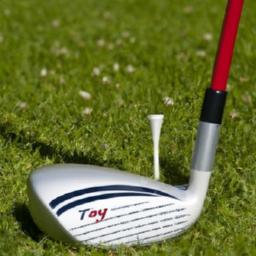
TaylorMade Qi35 Teams Edition USA: limited finish, familiar performance
The Qi35 Teams Edition USA arrives as a numbered, limited offering that pairs distinctive U.S.-inspired graphics with the underlying Qi35 performance platform. Beyond the livery,the real discussion for coaches and players remains how head geometry,shaft characteristics and the adjustable hosel interact with an individual’s mechanics and course circumstances. Keep in mind USGA limits: driver head volume cannot exceed 460cc and overall club length must be within 48 inches, so confirm loft-sleeve position and shaft length before using the Teams Edition in competition. When testing any new driver, start with objective baseline metrics – three-ball average carry, peak ball speed and lateral dispersion radius – to measure the effect of setup or equipment changes.
Unlocking the Qi35’s potential begins with a consistent address. Position the ball just inside the lead heel for driver shots, widen your stance slightly compared with iron setup (about shoulder width plus 1-2 inches), and set a spine tilt of roughly 3°-5° away from the target to encourage an upward attack. Use a smooth one-piece takeaway, hinge the wrists into roughly a 90° **** at the top to create lag, and start the downswing with the lower body rather than casting with the arms to promote a positive attack angle. Modern drivers typically benefit from a target attack angle in the +2° to +5° range, which often produces an ideal launch near 12°-15° depending on loft; verify these windows on a launch monitor and choose the Qi35 Teams Edition hosel setting that optimizes launch and spin for your swing speed.
Tuning launch and spin is where incremental adjustments matter most.Begin by chasing consistent contact and a square path before attempting to push spin lower; once you have a repeatable strike, refine ball speed and spin. Use the Qi35’s adjustability to alter loft in 1° steps and record spin-rate changes – a broad target for many players is 1,800-3,000 rpm to balance roll and control. As an illustration, a player producing 95-100 mph clubhead speed with a 10° launch and 3,800 rpm spin may see gains by adding 0.5°-1° of loft and encouraging slightly more forward shaft lean at impact to drop spin and increase carry. Slower swingers (70-85 mph) typically need more loft and a softer-tip shaft to boost launch and reduce the percentage of distance lost to excess spin.
Turn those technical adjustments into repeatable improvements with a structured practice plan. The routine below applies across ability levels and can be tracked with a launch monitor or simple on-range measurements:
- Address check: confirm ball position, shoulder tilt and a weight bias near 60% on the trail foot at setup; use a mirror or coach for verification.
- Tempo drill: employ a metronome or internal count (1-2) to build a 3:1 backswing-to-downswing rhythm that encourages proper sequencing.
- Centered-strike drill: apply impact tape or foot spray to the face and aim for roughly 80% of strikes inside the central face band during a session.
- Upward-strike drill: tee a ball about 0.5″ higher than normal and practice shallow divots or sweeping contact to reinforce an upward angle of attack.
Set measurable targets such as tightening your dispersion to within ±20 yards of the target or increasing ball speed by 2-4 mph over six weeks, then reassess loft, shaft or swing cues based on those results.
Translate technical gains into smarter course management. When winds pick up, use the Teams Edition’s adjustability to reduce launch and spin for a more penetrating flight, or choose a 3‑wood off the tee on narrow holes. On risk/reward holes, apply a simple decision rule: if a conservative tee shot meaningfully improves GIR chances and reduces bogey risk, favor accuracy over maximal distance. Combat recurring errors like casting, early extension, or an open face by rehearsing the drills above and intermittently checking impact location and ball flight on the range. Pair equipment tuning with a concise pre-shot routine – target, alignment, a single swing thought and a breathing cue – to maintain consistency when pressure rises. When practiced together, these technique, practice and strategy elements make the Qi35 Teams Edition USA a practical instrument for measurable scoring gains at every skill level.
Performance snapshot: speed, forgiveness and launch behavior
This analysis stays focused on Shop TaylorMade’s Qi35 Teams Edition USA driver and its expected effects on speed, forgiveness and launch. The head is designed to raise MOI and lower CG via refined shaping and internal mass placement, which supports stable launch conditions and preserves ball speed on off-center strikes. For players, the primary coaching point is to match these hardware traits with disciplined setup: position the ball just inside the left heel for a neutral-to-upward attack, tee so the ball’s equator is near crown level, and target a slightly positive angle of attack around +1° to +3° to make the most of the Qi35 face geometry for carry.
From a swing-mechanics perspective,instructors shoudl stress a compact,repeatable sequence that converts rotational power into clubhead velocity. Start with a controlled takeaway, keep a stable spine angle through the top and initiate the downswing with a deliberate hip turn while limiting lateral slide. Use measurable speed goals by level - beginners: 70-85 mph clubhead speed; intermediates: 85-100 mph; advanced: above 100 mph – and practice with a three-phase tempo progression: slow rhythm swings, 70% effort acceleration swings, then a small set of full-effort swings while preserving balance. the Qi35’s forgiving face rewards a focus on centered strikes – use impact-tape data or launch monitor traces to move contact toward the center and reduce sidespin.
Adjust launch and spin to suit conditions. The Teams Edition’s tuning allows loft and lie changes to chase specific launch windows – aim for about 10°-13° launch for medium swing speeds and slightly lower launches for faster players, while keeping spin generally in the 1,800-2,600 rpm zone to maximize roll without sacrificing carry. Lower-loft, lower-spin setups are useful on firm or windy courses to increase rollout; in soft or downwind scenarios, open the face or add loft to prioritize carry.When fairways are tight, favor settings that emphasize forgiveness and landing-zone predictability rather than distance to reduce three-putt and hazard exposure.
Instruction should include common fault correction and related drills. Typical issues are ball position too far back (leading to fat shots), casting that leaks speed, and an overly steep downswing that increases spin. Troubleshooting checkpoints include:
- Setup: verify ball position and weight distribution (balanced or slightly trail-foot biased).
- Swing: feel a slight forward shaft lean at impact and allow the hips to clear toward the target.
- Contact: use foot spray or impact tape to pinpoint strike location and adjust stance or tee height as needed.
Drill examples: a tee-line gate to encourage an inside-out path, half-swing tempo repetitions for sequencing, and launch-monitor lane sessions to keep 80% of drives within a targeted 20-yard cone.
Layer technique improvements into a season-long practice plan. Short-term targets might include adding 10-20 yards of carry or cutting miss distance to 15-20 yards left/right of center; track progress with a monitor and course notes. For mental resilience, rehearse a compact pre-shot routine and default to the most forgiving loft/lie in tournament settings, then progressively experiment with shot shapes and lower-spin setups as consistency rises. Aligning the Qi35 Teams Edition’s speed/forgiveness traits with disciplined setup, measurable drills and shrewd course management turns equipment gains into tangible scoring enhancement.
Design highlights: engineering changes and ball-flight impact
Recent driver development has emphasized CG placement, face architecture and aerodynamic refinement to craft predictable ball flight, and those themes are present in the Qi35 Teams Edition USA. A lower, deeper center of gravity (CG) combined with refined face contours tends to reduce spin and produce a more penetrating trajectory – traits that make fairways play longer but raise the premium on accuracy and trajectory control when wind or hazards come into play.If launch-monitor readings show a typical driver launch of 9°-11° with spin in the 2,200-2,800 rpm range, consider increasing attack angle or adding loft at address to recover carry.
To exploit a low-spin, high-MOI head, focus on setup and swing mechanics that favor the intended launch window. Recommended fundamentals include a ball position just inside the lead heel, tee height with roughly half the ball above the crown, and a stable stance about 1.5× shoulder width for balance.Aim for a modestly positive AoA (about +1° to +3°) to raise launch while lowering spin. Beginners should prioritize clean, sweeping contact by teeing higher and rehearsing a smooth motion; intermediate and advanced players should use a monitor to chase a smash factor near 1.45-1.55 and fine-tune shaft flex and loft accordingly. Common faults - hitting down on the ball or an open impact face - can be corrected with half-swing towel drills that encourage connection and a square face through impact.
Off the tee, the engineering shifts influence shot selection and short-game strategy. A driver that encourages rollout through lower spin will reward aggressive lines on firm, fast courses but can overrun small or elevated greens. Adopt situational play: on narrow doglegs or approaches into protected greens, opt for a 3‑wood or hybrid to prioritize carry and position. Transferable practice drills include:
- Driver/3‑wood corridor drill: alternate shots to a 150-180 yard corridor to learn when to prioritize carry versus rollout.
- wind-control test: hit ten balls into a 7-10 mph crosswind and record which loft/hose settings reduce curvature.
- Launch ladder: practice hitting five ascending launch windows (such as 9°, 10.5°, 12°, 13.5°, 15°) to learn tee-height and speed control for different pin positions.
Tailor practice to ability: beginners can aim for eight out of ten center-face strikes and ±10 yards carry consistency; intermediate/advanced players should use launch-monitor metrics (carry,total distance,launch,spin,lateral dispersion) to set targets. For many skilled players, reducing spin into the 1,800-2,200 rpm band with a 10°-12° launch will improve roll without losing stopping power. Recommended drills include weighted swing-speed sets,impact-tape sessions and metronome tempo work around 60-70 bpm.Range troubleshooting steps:
- Reassess ball position and tee height first if spin appears excessive.
- adjust shaft flex or loft sleeve by ±1°-2° if launch angles or curvature are off.
- Use alignment sticks and video to diagnose path errors if misses cluster left or right.
Include mental and environmental planning as part of the technical program so equipment advantages translate to lower scores. On windy days or hard fairways, trust a low-spin profile and aim for controlled aggression to let roll add yardage; when greens are small or receptive, prioritize carrying the target. Players with physical limitations can emphasize tempo and impact position over raw speed – gains in accuracy of just a few yards often beat sporadic long drives. Combining setup fundamentals, targeted drills and course judgment with the appropriate shaft and loft settings produces measurable improvements in carry, dispersion and scoring when practiced consistently.
Who benefits most: fitting advice and ideal player profiles
The Teams Edition is intended for a wide range of golfers,from those building consistent contact to low handicaps refining shot shapes. Recreational players with swing speeds around 70-95 mph should see forgiveness and higher launch by picking a slightly stronger loft (about 9°-10.5°) in a neutral face setting. Mid-handicap players (~95-105 mph) can exploit the head’s adjustability to tune launch and spin for a flatter trajectory,while low-handicap players who swing over 105 mph will benefit from lower-spin setups and a more forward CG to tighten dispersion. Always confirm USGA conformity for competitive play; reserve any non-conforming tweaks for practice only.
Pair setup basics with the driver’s tuning options. Start with a balanced address – feet shoulder-width, ball positioned 1-1.5 ball diameters forward of center and a modest spine tilt toward the target (~5°-8°). Progress through these checkpoints:
- Takeaway: keep the face square for the first 12-18 inches to stay on plane.
- Top of swing: preserve a wrist angle that keeps the face within ±10° of the target line.
- Downswing: lead with the lower body and shallow the shaft to create a positive or neutral attack angle between roughly -1° and +3°,depending on desired flight.
Use the adjustable hosel to tweak loft in 0.5°-1° steps; a slight closed face can promote draw bias while an open setting helps with hooks. Validate settings on a launch monitor – for many mid-handicappers, a target like 12°-15° launch with 1,800-2,600 rpm spin is a useful reference.
Short-game and course strategy remain pivotal. when you can reliably shape fairways with a tuned setting, shift focus to conservative hole planning: play to the widest landing zone and set up preferred approach distances. on the green, practice these drills:
- Putting 3-2-1 drill: three putts from 15 ft, two from 10 ft, one from 6 ft to build distance control.
- Chipping clock: place balls at 3, 6, 9 and 12 o’clock around a target to improve contact and landing spots.
- Bump-and-run: use a 7‑iron from 10-30 yards to understand different trajectories and how various lofts react on turf.
Scale targets up for competition or tighten margins for advanced practice; adapt driver settings to course conditions – lower-launch, lower-spin in firm/windy turf, higher-lofted settings when greens are receptive.
To convert practice to measurable gains,set clear benchmarks and timelines. Use a launch monitor weekly to track swing-speed gains of +2-5 mph within 6-8 weeks, reduce dispersion by roughly 50% with a consistent setup routine, and refine spin into the optimal window for your speed band. Sample session:
- Warm-up: dynamic mobility and ten half-swings emphasizing tempo.
- Impact-bag work: ten strikes focusing on forward shaft lean and compression.
- Range: 30 drives alternating preferred Teams Edition setting with one incremental change to identify repeatable launch conditions.
Beginners should measure progress by center-face contact and consistent initial direction; advanced players should track carry consistency, spin and shot-shape control. Weekly goals coudl include cutting three-putts by 30% in four weeks and boosting fairways hit by 15% over two months.
Troubleshoot common faults and maintain mental routines to sustain gains under pressure. Frequent problems include an open face at impact, early extension and reverse pivot; revisit setup checkpoints, use alignment aids to hold spine angle and perform the “pause at transition” drill to coordinate lower- and upper-body sequencing.Practical fixes:
- Open face: aim at an intermediate target to train a square release.
- Early extension: practice with a low-backboard to preserve hip hinge.
- Reverse pivot: mirror-feed slow-motion swings to normalize weight transfer.
Add a pre-shot routine with a visualized ball flight and a breathing trigger to reduce tension. For team formats, communicate your driver settings with partners – for instance, if you’ve dialed in a draw bias for narrow fairways, share that so teammates can plan accordingly. Together, these technical corrections, practice plans and on-course strategies form a clear path to scoring improvement with the Qi35 Teams Edition USA.
How to buy: release timing, pricing expectations and preorder tips
Limited-edition drivers generally follow a phased rollout: preorders typically open first through Shop TaylorMade and authorized fitters, then broader retail allocations follow. Expect special editions to sit in the premium driver price band – commonly in the range of $449-$599 – though taylormade will publish final MSRP at launch; subscribe to TaylorMade’s mailing list and retailer notifications to get early access alerts. Local pro shops and certified fitters frequently enough receive small allocations before large national chains, so checking with a trusted local fitter can improve your chances of securing a unit.For tight release windows, prioritize preordering on the brand’s site, save preferred specs and confirm shaft, loft and handedness to avoid shipping delays and returns.
Pair purchasing with a custom fitting. Book a session through TaylorMade’s fitter locator or an independent fitter to determine ideal loft, shaft flex and lie. Aim for a practical launch target – for many mid-to-high handicappers that’s about 12°-15° launch with 2,000-3,000 rpm spin; better players may seek lower launch and spin for shape control. Request demo heads and capture ball speed,carry and peak height on a TrackMan,GCQuad or similar device to build objective goals such as adding 10-25 yards of carry or trimming five-yard side dispersion over a practice cycle.
Work on technique after purchase. Reconfirm setup fundamentals – ball just inside the left heel for right-handers, spine tilt away from the target and a neutral-to-slightly-closed face for straighter launches – then progress through drills:
- Tempo set: 25 half-speed reps focusing on a stable lead wrist and smooth transition.
- Attack-angle drill: place a towel 6-8 inches behind the ball to encourage an upward strike and target a driver AoA of +1° to +3°.
- Face gate: align sticks near impact to train a square face at contact.
Beginners should build repeatable contact and balance; low handicappers can refine launch and dispersion by small tweaks to shaft torque and loft.
Course strategy will determine weather the Teams Edition becomes a scoring advantage. When you know your preferred fairway shape with a tuned driver, adopt a fairway-first approach on risk/reward holes and use a 3‑wood on tight, tree-lined drives. adjust tee height to manipulate trajectory – set the equator approximately 1/2 to 3/4 above the crown for softer landings or lower for a piercing wind-fighting flight. Shape shots by understanding face-to-path relationships (open face + out-to-in = fade; closed face + in-to-out = draw) and use adjustable settings to move CG for lower spin or added draw bias. Practice these setups on the range before tournament use.
When preordering, check return, warranty and fitting-exchange policies – a retailer offering a 30-day fitting exchange can be helpful if launch numbers don’t match expectations. After purchase, follow a 6-8 week plan with measurable checkpoints: track average carry, lateral dispersion and greens-in-regulation impact. If problems arise:
- Setup check: verify ball position and tee height if strikes are consistently high or low.
- Shaft swap: move to a stiffer or softer flex if hooks or slices persist.
- Weather adjustments: lower trajectory for headwinds and choke down or raise tee height with tailwinds.
Combine these technical routines with consistent mental planning – pre-shot visualization and a steady breathing pattern - to convert practice improvements into on-course scoring gains.
Real-world testing: instructor feedback and buying advice
Early tester groups and independent coaches reported that the Qi35 Teams Edition USA offered a dependable mix of forgiveness and stability that reduced lateral dispersion and made misses easier to recover. Instructors cited the driver’s perceived higher MOI and a low/neutral CG as contributors to slightly higher launch windows (frequently enough 10°-15° for many mid-handicappers) and mid-range spin that supports carry in damp or breezy conditions. Field testing emphasized repeatable strike location and controllable shot shape over headline distance numbers; several coaches noted that consistent impact location within a narrow face band led directly to fewer penalty strokes across 18 holes.
To translate equipment traits into performance gains, instructors recommend a compact, repeatable setup checklist: ball off the inside of your left heel, a spine tilt away from the target (practitioners often feel ~15°), and a relaxed trail wrist at address. Match shaft flex to swing speed – typical ranges: 85-95 mph = Regular, 95-105 mph = Stiff, and above 105 mph = X-Stiff – and consider low-launch shaft profiles for players who spin too much. Common swing issues observed during testing included early release (casting), an open face at impact and excessive lateral sway; effective corrective drills included:
- Impact-tape session: aim for center-to-high strikes and use alignment sticks to maintain head position through impact.
- Half-swing pause: pause at waist height on the downswing to feel sequencing and stop casting.
- Foot-together rotation: keeps rotation pure and minimizes sway,improving face control.
On-course request requires scenario-based strategy. In windy or crosswind conditions, lower tee height about 0.25-0.5 inches and consider choking down slightly to keep dispersion tight.When a par-5 features a fairway bunker as a preferred landing area,prioritize controlled carries and opt for a 3‑wood or hybrid on tight tee shots. Set course-management aims such as 90% fairways in play, carry variance within ±10 yards, and approach distances that leave preferred wedge yardages (for example 80-120 yards). Simulated practice can include fairway window targets at 220-260 yards and pressure-hole alternate-shot formats to rehearse conservative tee choices.
Scoring gains still hinge on short game and putting. Test-coaches stressed that tighter driving reduces scramble difficulty,but putting often determines the final score. Use lag-putt speed drills and aim to keep three-putts under 8%. Short-game work should include:
- 60-yard ladder: land pitches at 60, 45, 30 and 15 yards to develop trajectory and spin control.
- Three-club chipping: rotate through wedges, gap and sand to learn distance control from 20-80 feet.
- Gate-putt accuracy: narrow the entry window to sharpen face-roll precision.
Scale targets for ability and add pressure elements for advanced players. Mental prep – a single swing thought, visual line and breathing cue – reduces decision fatigue when adopting more aggressive tee strategies.
Instructors’ purchasing guidance is straightforward: demo the driver before committing and base the fit on launch/spin windows rather than headline distance. For many players the Qi35 suits those who want moderate-to-high launch with mid spin (roughly 1,800-3,000 rpm) and value dispersion as much as peak yardage. Workable players may prefer lower-launch shafts and tighter face settings; high-handicappers and seniors should lean toward higher-launch shafts and standard lofts for forgiveness. Confirm competition legality and insist on a TrackMan or gcquad session to record ball speed, smash factor, launch and spin – use those numbers to set improvement goals (for example, increase smash factor by 0.05 or drop spin by 200 rpm). the driver receives a conditional recommendation: when paired with a proper fit, shaft selection and a focused practice plan it can deliver measurable benefits; without fitting guidance, a different option may better match an individual player’s needs.
Q&A
Q&A: Shop TaylorMade’s Qi35 Teams Edition USA driver
What is the Qi35 Teams Edition USA driver?
- The Qi35 Teams Edition USA is a limited-edition version of TaylorMade’s Qi35 driver that combines the established Qi35 performance platform with U.S.-inspired cosmetic details aimed at collectors and patriotic buyers. Its principally a cosmetic,serialized update built on the same chassis as the standard Qi35.
What’s different from the standard Qi35?
– The Teams Edition’s main distinctions are visual: U.S.-themed paintwork, badges and a special headcover. The underlying geometry, weighting and face technology mirror the Qi35 unless TaylorMade specifies tuning differences.
who should consider this driver?
– TaylorMade markets the Teams Edition to golfers who want proven performance with a distinctive look: collectors, players wanting a statement head, and those who already prefer the Qi35’s forgiveness and launch characteristics. Core Qi35 technologies – a performance head tuned for ball speed and forgiveness, contemporary face metallurgy and internal shaping - are retained, along with standard features such as an adjustable hosel and a range of shaft options.
Is production limited?
– TaylorMade typically releases “Teams” or “Edition” models as limited runs, so availability is expected to be smaller than standard retail models. Check TaylorMade announcements at launch for exact production details and act quickly if you want one.
Where can I buy it?
– The Teams Edition will be sold through TaylorMade’s online store and authorized retailers, including select specialty shops and fitters. Availability will vary by region and inventory.
What about price?
– Special-edition drivers generally sit at or slightly above the brand’s standard driver price. Expect the Teams Edition to align with the Qi35’s premium segment; confirm MSRP at release via TaylorMade or authorized dealers.
Can I get custom fitting and specs?
– Yes. Special editions are usually available through regular fitting channels,including custom shafts,loft/lie adjustments and swing-weighting at authorized fitters or TaylorMade Performance Centers. Book a fitting to ensure your preferred shaft and loft are available.Is it legal for tournament play?
– TaylorMade’s retail drivers are produced to conform to USGA and R&A rules; the Teams Edition should conform unless otherwise stated. Competitive players should verify conformity on TaylorMade’s tech notes or governing-body lists if in doubt.
How does it stack up versus competitors?
– The Teams Edition competes on both emotion (collectibility/patriotic styling) and the Qi35’s performance attributes. Compare ball-speed, launch, spin and forgiveness claims through fittings or independent tests to find the best match.
Where will I find independent reviews?
– Expect hands-on reviews from golf media and forum reaction within days of release; community sites and builders will share shaft and fitting feedback after retail availability.
Warranty and returns?
– Special-edition drivers sold via TaylorMade and authorized dealers carry the same warranty and return terms as other TaylorMade drivers. Confirm dealer return windows before purchase,especially for limited-stock items.
Bottom line
– The Qi35 Teams Edition USA is a cosmetic, limited-run variation of TaylorMade’s Qi35 driver that offers the platform’s performance with USA-themed styling. If you’re interested, prioritize a demo and custom fitting and move quickly – limited editions often have brief availability windows.
TaylorMade’s Qi35 Teams Edition USA pairs the Qi35 performance architecture with a limited-edition, USA-flavored finish for players who want both looks and distance.It is indeed available through TaylorMade and select authorized retailers; check taylormade.com or your local pro shop for current specs and stock as supplies are likely to be constrained.

Unleash Your Patriotism on the Course with the Limited-Edition TaylorMade Qi35 Teams USA Driver
Show Your Colors: Design & patriotic Styling
The limited-edition TaylorMade Qi35 Teams USA driver delivers eye-catching Team USA styling designed for golfers who want to make a statement off the tee. Expect a bold red, white, and blue paint scheme, subtle flag accents, and custom headcover artwork that celebrates American competition and patriotism. While cosmetic upgrades don’t add yards, wearing a driver that reflects Team USA pride can boost confidence and presence on the tee – and confidence translates to better swings.
Design highlights (what to look for)
- Distinctive Teams USA colorway with national branding accents.
- Limited-production serial number or commemorative packaging for collectors.
- Premium headcover and possibly a custom shaft or grip option.
- Fit-for-performance aesthetics: alignment lines and crown graphics that aid setup.
Performance Expectations: What the Qi35 Platform Brings
The “Qi35″ platform has become synonymous with modern TaylorMade driver attributes: effective ball speed, stable MOI for forgiveness, and adjustability for launch and spin control. The Teams USA edition likely builds on those traits while adding a patriotic finish.
Key performance attributes to expect
- Forgiveness and MOI: A larger, higher-MOI profile to reduce dispersion on off-center hits.
- Ball speed and face performance: A precision-milled or forged face design aimed to maximize COR across the hitting area.
- Adjustability: A loft/lie sleeve and potential weight porting to fine-tune launch and spin for your swing.
- Aerodynamics: Crown shaping to reduce drag and improve clubhead speed for added distance.
Benefits and Practical Tips for Game Improvement
owning the Teams USA driver should be about both pride and performance. Here are the concrete benefits and how to take advantage of them.
benefits
- Visual confidence boost – a striking driver head can definitely help you commit to the shot.
- Improved tee-shot consistency from modern forgiveness features.
- Potential for greater distance through better ball speed and optimized launch.
- Collector and resale value for limited-edition releases.
Practical tips to maximize results
- Get a professional driver fitting. A limited-edition paint job is only cosmetic; loft, shaft flex, and launch conditions determine on-course performance.
- Practice a repeatable tee routine. Confidence from the driver’s look is greatest when paired with consistent setup and tempo.
- Use launch monitor data – track launch angle, spin, and ball speed to dial in the optimal loft and shaft.
- Work on a slight forward shaft lean at address for lower spin hits and longer roll-out where appropriate for the course.
Fitting Guide: How to Choose the Right Qi35 Teams USA Setup
Even limited-edition drivers need proper setup. Follow these fitting checkpoints to unlock the Qi35’s potential:
- Loft selection: Match your typical launch angle; higher lofts help slower swing speeds get the ball airborne with reduced spin.
- Shaft flex & weight: A shaft that fits your tempo will improve ball speed and directional control. Consider high-launch or low-launch shaft profiles depending on your needs.
- Adjustable settings: Use the hosel sleeve and any moveable weights to fine-tune draw/neutral/fade bias.
- Lie and face angle: slightly open for slice correction or closed for shot-shaping, but keep the setup consistent with your target line.
Fitting checklist
| Check | Goal |
|---|---|
| Launch angle | Max carry + controlled spin |
| Spin rate | Lower spin for roll on firm fairways |
| Shaft flex | Consistent clubhead speed & feel |
| Face angle | shot shape control (draw/neutral/fade) |
Training Drills & Shot Strategy with the Teams USA Driver
use these practice drills to translate the driver’s technology into lower scores:
- 1-2-3 Lag drill: Hit three drives, progressively increasing focus on lag in the downswing to feel how the driver head accelerates through impact.
- Tee Height Experiment: Move ball height up and down in 1/4″ intervals to find the launch that produces the best carry and spin for your setup.
- Alignment + Line Drill: Use a shaft on the ground to build consistent alignment; the Teams USA graphics may help you aim more precisely.
- Targeted Fairway Play: Practice hitting to diffrent parts of the fairway (left, middle, right) to control shape and trajectory rather than just distance.
On-Course Strategy: Play Smart, Play Patriotic
Showing patriotism isn’t just cosmetic – pair it with smart shot selection:
- On tight driving holes, prioritize placement over max distance; the Qi35’s forgiveness helps find fairways even on off-center hits.
- When pinched on approach, tee up a lower-spin, controlled drive to leave an easier wedge in.
- Use the adjustable settings to create a draw bias on courses with tree-lined fairways or a fade bias into strong wind conditions.
Maintenance, Care & Collectibility
Limited editions often come with collector value. Keep your Teams USA driver in top shape:
- Store the headcover on the driver between rounds to protect custom paintwork.
- Clean the face and crown with a soft cloth to avoid scratching the finish.
- Keep any paperwork, special serial numbers, or packaging for provenance – important for resale value.
Availability & Buying Tips (Limited-Edition Considerations)
Limited-edition drivers sell fast. Use these tactics to secure one:
- Sign up for TaylorMade newsletters or authorized dealer alerts to get pre-order notifications.
- Confirm authenticity – look for serial numbers, official packaging, and dealer receipts.
- Compare prices across reputable retailers; limited editions can fetch premiums on the secondary market, so decide whether you want to play it or collect it.
Player Profiles: Who Should Consider the Teams USA Qi35?
The limited-edition TaylorMade Qi35 Teams USA driver is ideal for:
- Golfers who want a performance driver with a patriotic visual identity.
- Players seeking a high-MOI, forgiving driver for improved tee-shot consistency.
- Collectors or fans of Team USA who value limited-release gear.
- Competitive amateurs looking for both feel and confidence from the tee box.
Swift compatibility note
If your a high swing-speed player, prioritize shafts and settings that control spin. If you’re a mid-to-low speed player, seek a higher launch shaft profile and loft to maximize carry.
FAQ – Fast Answers
Q: Is the Teams USA Qi35 just cosmetic?
A: The Teams USA edition primarily adds unique aesthetic elements. Performance comes from the Qi35 platform’s design and your chosen shaft and settings. Combine the cosmetic boost with a proper fitting to maximize results.
Q: Will the limited edition affect price?
A: Yes – initial retail pricing may be higher than a standard Qi35 due to limited numbers and special packaging. Secondary-market values can increase depending on demand.
Q: How should I protect the finish?
A: Use the supplied headcover, avoid abrasive cleaners, and store the club in a dry environment. If you plan to resell, preserve original packaging and documentation.
Meta & SEO Checklist (for Publishing)
- Meta title: Unleash Your Patriotism on the Course with the Limited-Edition TaylorMade Qi35 Teams USA Driver
- Meta description: Showcase Team USA style while gaining driver distance, forgiveness, and adjustability. Learn fitting tips, tech expectations, and on-course strategy.
- Primary keyword: TaylorMade Qi35 Teams USA driver
- Secondary keywords: limited-edition driver, patriotism golf gear, driver fitting, driver distance, forgiveness, tee shots
- Image alt text suggestions: “TaylorMade Qi35 Teams USA driver head”, “Teams USA driver headcover and packaging”, ”golfer teeing off with patriotic driver”
Use the content headings above as H1/H2/H3 tags on your WordPress post, add high-quality product images with descriptive alt text, and include internal links to related pages like driver fitting services, TaylorMade product pages, and driver drills. That approach will help search visibility while offering an informative, engaging article for golfers who want to combine patriotism with on-course performance.