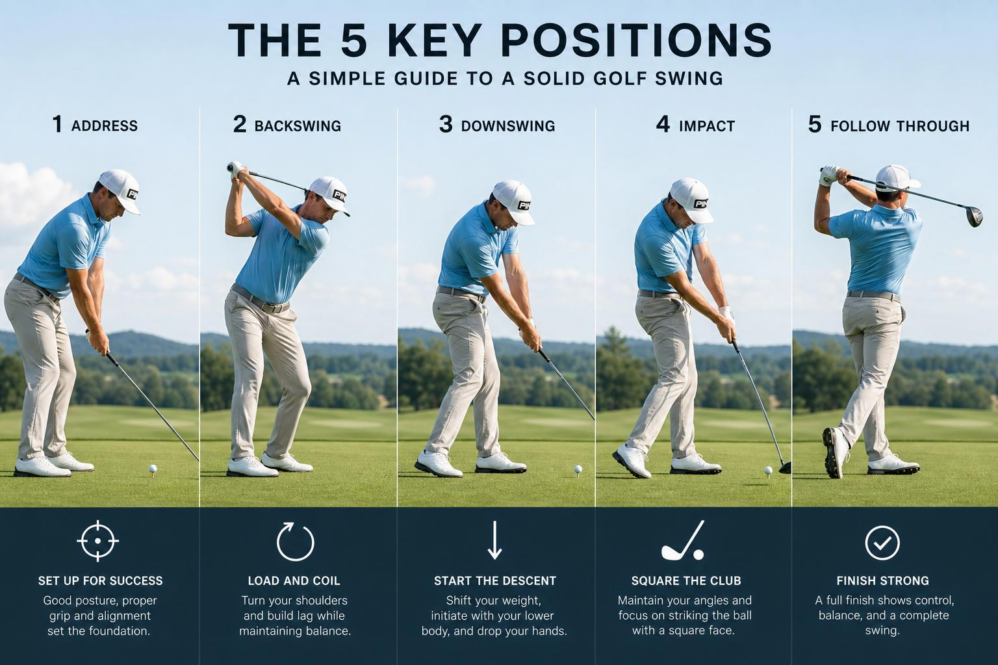
Start with Your Foundation Understanding the Key to a Balanced and Powerful Swing
Building a consistent and powerful golf swing begins with mastering your foundation, starting with your stance and posture. Proper alignment involves positioning your feet shoulder-width apart, with weight evenly distributed to promote balance throughout the swing. Your spine should be straight but tilted slightly forward from the hips around 20-25 degrees, which facilitates a natural shoulder turn and helps prevent early lifting or dipping during your backswing. Many beginners tend to either stand too upright or hunch over, both of which disrupt the swing plane and reduce power. Incorporating a mirror drill or video feedback can definitely help you self-correct posture, giving you greater control and rhythm before moving into more advanced mechanics.
As you develop your foundation, it’s crucial to understand the role of the grip and how it influences clubface control and shot shaping. Whether you prefer an overlapping, interlocking, or baseball grip, ensure your left hand (for right-handed players) grasps the club with a slight “V” formed between your thumb and forefinger pointing toward your right shoulder. The right hand should complement this positioning to create a unified grip pressure-firm but not tight-allowing the clubhead to release naturally thru impact. To improve muscle memory, practice the “clock drill”: hold the club outside the target line, then swing slowly back and through to a finish while maintaining grip integrity and wrist hinge. This drill enhances feel and timing, crucial for consistent distance and shot accuracy, especially when navigating tricky course conditions such as uneven lies or windy holes.
Once your setup and grip are dialed in, focusing on sequencing your swing with proper body rotation and weight transfer becomes essential for producing power without sacrificing balance. Initiate the takeaway with your shoulders turning away from the target while keeping your arms connected to your torso, avoiding early hand or wrist manipulation. During the downswing, transition your weight smoothly from your back foot to your front foot, aiming for approximately 70% weight on the lead leg at impact. Drills such as the “step-through” swing-where you step your trail foot forward at impact-can enhance this feeling of momentum and help eliminate common faults like casting or hanging back. Integrating these mechanics into practice routines with varied shot targets will build confidence and adaptability, allowing you to execute under pressure and justify adjustments based on course strategy, such as playing safe around hazards or attacking pin locations to lower scores consistently.
Finding Your Sweet spot Unlocking Precision and Control in Putting
Achieving consistency in putting begins with finding your sweet spot-the precise area on the putter face that delivers maximum energy transfer and roll control. Golfers should start by focusing on proper ball position and blade alignment.Position the ball slightly forward of center in your stance, approximately one to two inches inside your lead heel, to promote an upward strike that reduces skidding. At setup, ensure the putter face is square to the target line, using intermediate targets just a few feet beyond the hole for better alignment feedback. Practicing with impact tape or foot spray can help you visualize where the ball contacts the face; aim for consistent strikes within the sweet spot zone, generally a 1.5-inch area centered on the face’s geometric center. This precision fosters improved distance control by minimizing energy loss and unpredictable ball behavior,especially on faster greens.
Developing a smooth, repeatable stroke is the next critical step to unlocking control and precision on the greens. Start by establishing a pendulum-like motion primarily driven by the shoulders, allowing the wrists to remain firm but relaxed. The putter shaft should maintain an approximate angle of 65 to 70 degrees from the ground at address, promoting a natural arc in the swing path compatible with most green contours. For beginners, placing a tee or small object just outside the toe of the putter during practice can discourage excessive face rotation and off-center hits. Advanced players may benefit from integrating subtle face rotation techniques for deliberate shot-shaping around subtle breaks. Regular drills, such as the “gate drill” where two tees create a narrow path for the putter head, reinforce stroke alignment and tempo consistency.Over time, these practices lead to improved control over both line and pace, directly impacting overall scoring.
mental focus and environmental awareness significantly affect your ability to find and maintain the sweet spot under varied course conditions. Assess the green’s speed, grain direction, and slope prior to striking, adjusting your stroke length and speed accordingly. On brisk days with fast greens, a softer, more controlled touch often defends against overhitting, whereas slow or damp conditions may require a firmer strike. Incorporate a routine that includes a pre-putt visualization of the line and pace-mentally rehearsing the stroke before addressing the ball.Additionally, consider grip pressure as a modifiable factor; maintaining a light to moderate grip pressure around 3 to 5 pounds prevents tension that disrupts feel. For golfers struggling with nerves during pressure putts, breathing exercises combined with a consistent setup routine help maintain calm and focus.By harmonizing technical setup, precise mechanics, and sharp course management, you can truly unlock the sweet spot, resulting in enhanced accuracy, consistency, and lower scoring opportunities on the greens.
Driving with Confidence Strategies to Maximize Distance and Accuracy Every Time
Establishing a solid setup is the foundation for driving confidently and efficiently maximizing both distance and accuracy. Begin by focusing on your stance width, which should be slightly wider than shoulder-width apart to promote balance and stability throughout the swing. Position the ball just inside your front heel to facilitate an upward angle of attack, essential for driving the ball higher and farther. Maintaining a slight knee flex and keeping your spine tilted away from the target approximately 5 to 7 degrees encourages a more sweeping swing path, reducing the tendency to hit down on the ball, which compromises launch conditions. Checking alignment is critical-your feet, hips, and shoulders should be parallel to the target line to promote a square clubface impact. Incorporate a consistent pre-shot routine to synchronize your setup, grip pressure, and mental focus, helping to maintain composure under pressure and replicate optimal swing conditions on the course.
Refining swing mechanics is crucial for optimizing driving performance.Emphasize a smooth takeaway with the clubhead moving straight back from the ball, keeping the clubface square to the swing path, which reduces the likelihood of slicing or hooking shots. Transitioning into the backswing, ensure your lead shoulder turns under your chin while your weight shifts approximately 60% onto your trail leg, setting up proper coil and torque. The downswing should initiate with hip rotation toward the target, allowing kinetic energy to flow efficiently through the body and into the clubhead, promoting increased clubhead speed and thus greater distance. In practice, use drills like the “baseball swing” drill-swinging the driver with a shorter backswing focusing on rotation-to build muscle memory for maintaining balance and timing. For advanced players, video analysis can help identify subtle faults such as early release or casting, which dissipate power. developing an awareness of impact conditions, specifically angle of attack and club path, will help tailor adjustments for shot shaping and wind conditions encountered on the course.
Strategic course management ties everything together by helping golfers make smarter decisions off the tee to leverage their driving skills effectively. Start by analyzing hole layouts and environmental factors such as wind speed and direction-adjusting your target line accordingly is key to avoiding hazards like bunkers, water, and rough. As an example, on a dogleg right, consider aiming slightly left of the fairway to open up the next shot, rather than blindly trying to overpower the corner.Utilize driver alternatives like a 3-wood or hybrid on tighter holes where accuracy outweighs raw distance, which can maintain scoring opportunities by prioritizing position over length. Incorporate practice routines that simulate pressure situations, such as hitting from different tee box heights or windy days, to build confidence. remember, controlling trajectory by varying tee height and ball position can definitely help negotiate different course conditions and exploit beneficial rollouts on firm fairways. This holistic approach to driving-from setup through swing mechanics to tactical thinking-not only enhances your performance off the tee but also translates directly to lowering scores and enjoying more competitive rounds.