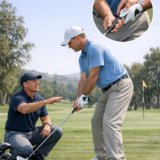
Mastering the Art of Golf Chipping: Essential Techniques for Success
Golf chipping is a vital component of the short game, enabling players to navigate tricky lies and approach the green with finesse. This guide breaks down essential techniques that can help golfers at any level enhance their chipping skills, focusing on club selection, stance, and green-reading abilities.
Understanding Club Selection for Effective Chipping
Choosing the right club is crucial for achieving accurate distance control in chipping. Each club has a unique loft angle that affects its trajectory and spin.
For most situations around the green, golfers typically opt for a pitching wedge, gap wedge, or sand wedge:
- Pitching Wedge: With a loft between 46-53 degrees, it provides moderate height and distance.
- Gap Wedge: Offering more loft (54-58 degrees), this club allows for higher shots with increased spin.
- Sand Wedge: Designed with even higher lofts (58-64 degrees), it’s ideal for challenging conditions like thick grass or bunkers.
When selecting your club, consider these factors:
- Distance to Target: Assess how far you need to chip to determine appropriate loft.
- Lie Condition: A ball in thick rough may require a higher-lofted club to lift it out effectively.
- Green Speed: Faster greens often necessitate lower-lofted clubs due to reduced roll.
The Importance of Clubhead Trajectory and Stance
The trajectory of your swing significantly impacts chipping success. A descending angle is generally preferred as it enhances control over the shot. Position your clubhead slightly behind the ball at address while maintaining a wider-than-shoulder-width stance for stability.
Key Points on Ball Positioning
Ball placement directly influences both impact quality and roll distance:
- For optimal impact, position the ball slightly forward in your stance—aligned with your lead foot’s inside edge—to achieve a clean strike.
| Ball Position | Impact | Roll |
|—|—|—|
| Slightly Forward | Steep descent; clean contact | Shorter controlled roll |
| Slightly Back | Less steep descent; potential fat shot | Longer aggressive roll |
Mechanics of Descent Angle in Chipping
Understanding how descent angle affects ball flight is essential:
- A steeper descent results in higher launch angles and more backspin—ideal for stopping quickly on greens.
- Conversely, shallower angles yield longer rolls but less control.
Factors Influencing Descent Angle
- Club Choice: Higher-lofted clubs create steeper descents compared to lower-lofted options.
- Swing Dynamics: The speed and arc shape during your swing affect how steeply you hit down on the ball.
- Ball Placement & Green Conditions: Adjustments based on where you place the ball relative to your feet can also modify descent angles significantly.
Executing an Effective Chipping Technique
To chip successfully requires executing precise movements:
- Maintain a light grip allowing fluid motion throughout your swing.
- Stand shoulder-width apart with balanced weight distribution before initiating movement.
- Use controlled backswing followed by an arced downswing aimed just before reaching low point in motion—keeping an open face at impact helps generate backspin.
Common Errors in Chipping Technique
| Error | Cause | Correction |
|—————–|—————————————–|—————————————-|
| Chunky Chip | Overexertion or excessive wrist action | Relax grip; focus on smooth swings |
| Skulled Chip | Hitting too low on face | Open face slightly; adjust swing arc |
| Topped Chip | Contact too high up | Close face slightly; adjust arc |
By refining these techniques through practice routines tailored towards improving consistency around greens, golfers can elevate their overall performance dramatically.
Enhancing Accuracy Through Distance Control
Mastery over distance control remains pivotal when approaching chips near holes:
Balancing technique involves understanding both equipment choice (e.g., sand vs pitching wedges) as well as reading slopes accurately—downhill chips will travel further than uphill ones due solely from gravity’s influence!
excelling at golf chipping demands attention across various elements—from mastering trajectories through proper stances all while honing keen observational skills regarding course conditions! By embracing these principles outlined here today alongside regular practice sessions focused specifically upon them will undoubtedly lead players toward greater success during playtime!

Unlock Your Short Game: The Ultimate Guide to Mastering Golf Chipping Techniques
Understanding the Basics of Golf Chipping
Golf chipping is crucial for lowering your scores and enhancing your short game. It is the art of getting the ball on the green quickly, allowing for a shorter putt. To master golf chipping, one must focus on technique, practice regularly, and have an understanding of the game.
Key Techniques for Effective Chipping
1. Club Selection
Choosing the right club can significantly affect your chipping performance. Here are common clubs used for chipping:
- Putter: Ideal for very short chips on flat surfaces.
- 9-iron or Pitching Wedge: Useful for higher chips that land softly on the green.
- Shorter Irons: Best for low, running chips that require more roll.
2. Chipping Stance
Your stance is fundamental in achieving consistency in chipping:
- Feet shoulder-width apart for balance.
- Weight distributed slightly forward (60-70% on the front foot).
- Open stance can help in aligning your shots more effectively.
3. Grip and Hand Position
The grip plays a crucial role in control. Here’s how to do it right:
- Light Grip Pressure: Avoid tension; hold the club lightly to maintain feel.
- Hands Ahead: Position your hands slightly ahead of the ball to promote downward strikes.
4. Swing Path
Understanding your swing path is essential for precise chips:
- Short Back Swing: A compact swing is preferable for chipping to maintain control.
- Follow Through: Allow your follow-through to dictate the shot’s distance.
5. Wrist Action
A controlled wrist action is vital in chipping:
- Keep your wrists firm during the backswing.
- Minimize excessive wrist movement during impact to maintain consistency.
Benefits of Mastering Chipping Techniques
Improving your chipping skills offers numerous benefits:
- Lower Scores: Effective chipping reduces the number of strokes taken on the green.
- Enhanced Confidence: Mastery of chipping instills confidence in your overall game.
- Better Course Management: Good chippers can plan shots strategically around the green.
Practical Tips for Better Chipping
Here are some practical tips to improve your chipping:
- Practice Regularly: Dedicate time to practice chipping regularly. Use different clubs and lies.
- Create a Routine: Establish a consistent pre-shot routine to enhance focus.
- Use Drills: Incorporate chipping drills like “one-hand chips” to develop feel and control.
Green Reading for Chipping Success
Understanding the green is essential for successful chips:
- Observe slopes and undulations to determine how the ball will roll.
- Consider grass conditions that may affect bounce and roll out.
Case Studies: Successful Chippers Analyze Their Game
| Golfer | Strokes Gained on Chipping | Key Technique |
|---|---|---|
| Professional Golfer A | +4.5 | Short Back Swing |
| Amateur Golfer B | +2.0 | Hand Position |
| Professional Golfer C | +5.0 | Green Reading |
Personal Experience: Learning Through Challenges
Throughout my golfing journey, I faced numerous challenges with chipping. Early on, my inconsistent swings led to frustration. By focusing on my stance and swing path, I gradually regained confidence. Through dedicated practice and applying the techniques mentioned, I noticed significant improvements, resulting in a more reliable short game.
Conclusion: Your Path to Becoming a Better Chipper
By honing your chipping skills, you unlock the potential to transform your game. Consistent practice, proper technique, and an understanding of the greens will lead to better scores and an overall enjoyable golfing experience.