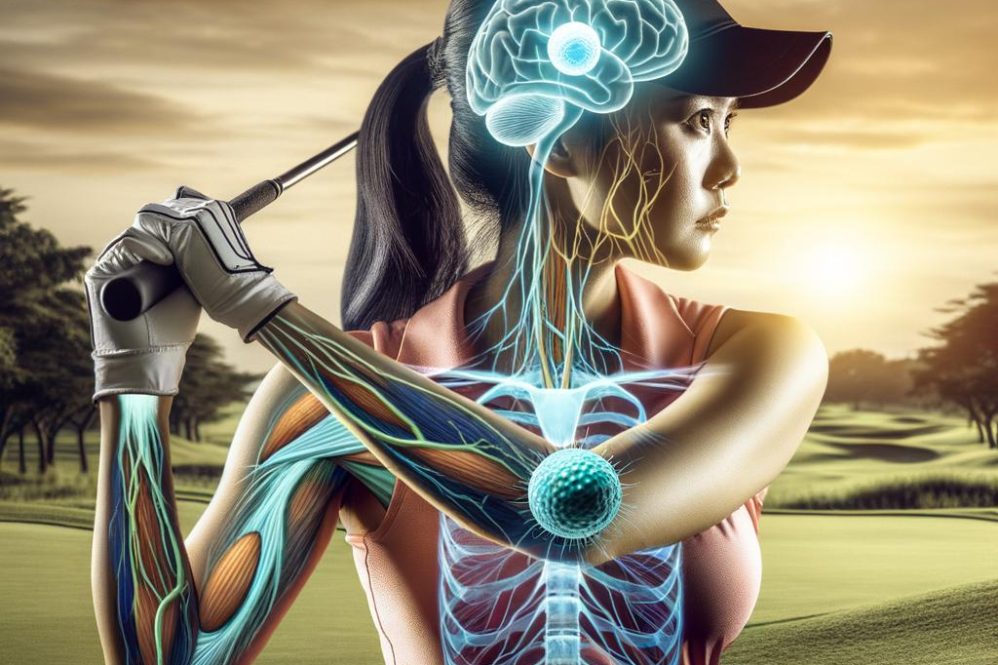
Elite performance in golf arises from the continuous interaction between mental processes and bodily systems. Framed by psychology as the empirical study of mind, behavior, and cognition [1][3], this piece explores how perception, focused attention, memory systems, and emotional regulation combine with musculoskeletal mechanics, motor control strategies, and conditioned physiology to produce the reliable excellence seen in the sport’s top performers. Treating these domains together moves description past storytelling and toward testable, evidence-based accounts of clutch play, efficient skill learning, and career-long durability.
Psychological contributors to top-level golf include making choices under uncertainty, sustaining attention in pressure moments, appraising and regulating stress, and cultivating mental structures that support purposeful practice and recovery. These processes shape club selection, risk tolerance, and split-second execution, and can be quantified through cognitive testing, observable behavior, and validated psychometrics. complementing the mental side, physiological constraints – efficient biomechanics, neuromuscular timing, postural control, versatility, and energy-system conditioning – establish the envelope within which cognitive tactics operate. High-resolution biomechanical measurement and clinical screening reveal how movement coordination and physical adaptations underpin accuracy, distance, and resilience to injury.
An integrated approach that combines lab experiments, on-course field studies, longitudinal career tracking, motion‑capture biomechanics, and physiological profiling offers a fuller explanation than any single method. By bringing together findings from these areas, the article seeks to explain how mental strategies and physical capacities interact, to identify measurable predictors of long-term elite performance, and to propose focused interventions that extend competitive longevity and improve tournament outcomes.
Neural foundations of elite golf motor control: applied insights and coaching recommendations
High-level golf movements are instantiated by coordinated activity across central and peripheral neural circuits: motor and premotor regions plan actions, the cerebellum adjusts timing and corrects errors, basal ganglia support habitual sequencing, and sensorimotor cortices integrate visual, vestibular, and proprioceptive feedback to refine internal models. In this context, ”neural” refers to the brain-and-nerve processes that convert perception into action - encoding expected outcomes, predicting sensory consequences, and adapting when errors occur. Behaviorally, these neural dynamics yield the hallmarks of elite swings: repeatable club paths, stable tempo, and rapid online compensation for disturbances. Small changes in rhythm or posture can thus produce measurable shifts in shot scatter as they alter the balance between feedforward planning and feedback correction.
translating neuroscience into practice points to concrete training targets.Top performers develop accurate internal representations and context-sensitive motor programs through varied,high-quality practice and iterative,error-driven refinement. Coaches should design sessions that build both accuracy and flexibility rather than relying on mechanical repetition alone.Core practice principles grounded in neural theory include:
- Practice variability: encourages internal models that generalize across changing conditions and course contexts.
- Timed, fading feedback: provides corrective signals that support adaptation while avoiding dependence on external cues.
- Intentional high-quality repetitions: foster chunked movement sequences and stable motor primitives within basal‑ganglia and cortical networks.
Learning-related plasticity also informs periodization. Distributed (spaced) practice enhances consolidation; alternating technical drills with full-swing, game-like sequences improves transfer; and guided mental rehearsal recruits overlapping neural pathways without physical load. Brief,intense neuromuscular sessions emphasizing power and stability should complement on-course work so peripheral capabilities align with central plans.Below is a concise mapping from neural process to observable marker and an associated training prescription.
| Neural Mechanism | Marker | Training Implication |
|---|---|---|
| Fidelity of internal models | Low outcome dispersion | Practice across varied lies and conditions |
| Error-driven adaptation | Fast trial-to-trial corrections | Provide augmented feedback then fade it |
| Motor sequencing and chunking | Lower cognitive monitoring | Drills that emphasize sequence consistency |
Emerging field tools (portable EEG, high-sample IMUs, surface EMG) can definitely help translate laboratory insights to coaching by capturing neural and muscular signatures of learning on the range and course. Multimodal monitoring enables individualized dose control, early detection of compensatory patterns, and tracking consolidation across sleep and recovery. Prioritizing practical endpoints – smaller dispersion under stress, reliable transfer across challenging lies, and retained gains after rest intervals – will make neural science actionable for golfers of all abilities.

Biomechanical drivers of the championship swing: evaluation methods and precise strength & mobility work
Elite outcomes in golf rest on a compact set of biomechanical laws: effective transfer of force from the ground through the body to the club, orderly segmental sequencing, and reproducible kinematic patterns. Practical indicators include controlled pelvic rotation, maintained thoracic coil, and a stable lead-side posture at impact. these factors are not stylistic preferences but measurable predictors of ball velocity, launch consistency, and lateral dispersion; thus training should emphasize repeatable metrics rather than trends in form alone. Measuring these variables shifts coaching from subjective judgment to evidence-informed adjustments.
High-quality assessment turns biomechanical reasoning into actionable diagnostics. A thorough screen integrates 3D motion capture for kinematics, force-plate analysis for ground reaction and timing, and sport-specific field tests to assess performance under load. Standardized snapshots – at setup, top of backswing, transition, and impact – enable session-to-session comparisons and help isolate weaknesses in sequencing or energy transfer.
- Rotational mobility assessment: seated and standing measures of thoracic and hip rotation in degrees.
- Single-leg force/time profiling: peak force and rate-of-force-development asymmetry using force platforms.
- Dynamic balance and fatigue tolerance: Y-balance tests and repeated-rotation endurance protocols.
- club-path and tempo metrics: radar and high‑speed video analyses to quantify consistency.
Interventions should be precise, progressively loaded, and tailored to identified impairments.Mobility work focuses on thoracic extension and hip rotation to preserve coil without compensatory lumbar movement; strength progressions stress unilateral hip and trunk stiffness, rotational power, and eccentric control of the trail side.Sample exercises include resisted pivot patterns, single‑leg Romanian deadlifts, and loaded rotational medicine‑ball throws with controlled periodization of load and velocity. The table below links common deficits to short, evidence-compatible interventions and measurable outcomes.
| Identified Deficit | Targeted Intervention | Outcome Metric |
|---|---|---|
| Restricted thoracic rotation | Thoracic mobility routines + band-assisted rotations | Degrees of thoracic rotation |
| Single-leg force asymmetry | Unilateral strength progressions & plyometrics | Peak force symmetry (%) |
| Breakdown of sequencing with fatigue | Fatigue-conditioned swing drills | Timing consistency of key kinematic events |
Cardiovascular and musculoskeletal conditioning for steady performance: periodization and recovery best practices
Reliable golf output depends on cardiovascular health as well as technical skill. Global public‑health data show hypertension is a major, widespread issue – the WHO estimated in recent years that roughly 1.28 billion adults aged 30-79 live with elevated blood pressure – underscoring the need for routine monitoring in middle‑aged competitors. Aerobic conditioning enhances stroke volume, autonomic balance, and metabolic resilience across multi‑day events; when combined with interval work it also shortens recovery between high‑effort segments such as long walks, practice blocks, and tournament rounds. Simple monitoring approaches – resting heart rate, heart‑rate variability (HRV) trends, and periodic blood‑pressure checks – align athlete care with population health guidance and help manage cardiovascular risk.
Musculoskeletal development must be specific, incremental, and integrated with swing mechanics. Programs that emphasize the posterior chain, hip and thoracic mobility, scapular stability, and eccentric control reduce injury risk and improve ground‑to‑club energy transfer.Resistance training should prioritize multi‑joint lifts (e.g., deadlifts), loaded carries, rotational medicine‑ball work, and single‑leg strength to preserve balance and continuity of force. Plyometric and deceleration exercises are introduced selectively during power phases to convert strength into speed, while ongoing mobility and neuromuscular activation sessions protect joints and preserve movement patterns under fatigue.
Long-term planning uses layered periodization: macrocycles set seasonal aims, mesocycles build targeted capacities, and microcycles manage acute load and recovery. A typical progression moves from a preparatory block (aerobic base and hypertrophy) to a power/competition block (force‑velocity work and skill preservation),finishing with a transition block (deload and reassessment). Coaches should combine objective load markers (session‑RPE, training volume, HRV) with athlete‑reported readiness to implement autoregulatory adjustments and smart tapering before peak events, minimizing fluctuations in performance while lowering overtraining risk.
Recovery is an active and measurable part of adaptation. Key elements include consistent, sufficient sleep, nutrient timing to support remodeling and glycogen replenishment, hydration strategies, and phase‑appropriate soft‑tissue interventions. Recovery choices should be individualized and phase‑appropriate: active recovery, sleep optimization, compression, and short cold immersion can all be useful, while long‑term blood‑pressure and cardiovascular care need to be prioritized for older athletes. Practical recommendations include:
- Sleep hygiene: consistent sleep-wake routines with 7-9 hours where possible.
- Nutrition timing: 20-40 g protein within 1-2 hours post‑session and carbohydrate matched to session demands.
- Autoregulation tools: daily HRV tracking, session‑RPE logs, and brief wellness questionnaires to steer load decisions.
- Soft‑tissue and mobility: focused myofascial release and thoracic/hip mobility sessions 2-3× per week.
| Phase | Primary focus | Typical duration |
|---|---|---|
| Preparatory | Aerobic base & strength/hypertrophy | 6-12 weeks |
| Competitive | Power,skill preservation & taper | 4-8 weeks |
| Transition | deload,recovery & reassessment | 2-4 weeks |
Cognitive control,attention regulation and high-pressure decision-making: mental skills training
Modern cognitive frameworks view skilled golf as the outcome of organized mental architectures that manage goal‑directed behavior,working memory,and selective attention. Performance depends on cognitive control – the capacity to suppress irrelevant thoughts, allocate processing to the shot at hand, and adapt strategies when the situation demands. Neurocognitive research indicates these abilities can be trained and interact with physiological arousal to influence execution quality in competition.
Applied mental training focuses on consistent routines and attentional anchors that reduce decision noise and conserve working memory. Key, evidence-supported methods include:
- Pre‑shot breathing: slow diaphragmatic breaths to lower sympathetic drive and narrow focus.
- Imagery and simulated rehearsal: multisensory mental practice of shot parameters and context to strengthen stimulus-response links.
- External cueing: concise visual or external focus triggers (such as, a target line) to prevent over‑monitoring of mechanics.
- Short mindfulness drills: brief exercises to enhance sustained attention and lessen intrusive worries.
decision quality tends to worsen when stress magnifies cognitive biases (e.g., fixating on a previous mistake or overweighting a single outcome). Countermeasures include pre‑commitment rules, decision checklists, and graded stress exposure drills that replicate tournament pressure while retaining informative feedback. The table below summarizes representative techniques and the cognitive targets they address:
| Technique | Primary Cognitive Target | Expected Outcome |
|---|---|---|
| Pre‑shot routine | Attentional gating | More consistent execution |
| Stress simulation | Decision resilience | Lower incidence of choking |
| Performance checklists | Bias mitigation | Faster, more accurate choices |
Mental skills ought to be periodized with technical and physical training: start with low‑pressure acquisition, introduce contextual variability, and culminate in high‑fidelity competitive simulations. Tracking objective indicators (attention task scores, HRV) alongside reflective debriefs accelerates the transfer from practice to competition. Together, these methods cultivate steadier attention, resilient decision processes, and performance reliability when it matters most.
Stress resilience and emotion regulation in elite competition: proven psychological approaches
Competition triggers a predictable physiological cascade – sympathetic arousal, higher heart rate, and activation of the HPA axis with cortisol release – all of which can alter sensorimotor function and cognitive capacity. Research and clinical reviews show that chronic or poorly managed stress undermines fine motor control, decision making, and long‑term health (including elevated cardiovascular risk). For elite golfers, acute arousal spikes often narrow attention and increase muscle co‑contraction, producing small but critical errors in putting and short game execution.
Effective regulation combines body‑focused and cognitive strategies. Techniques supported in the stress‑management literature include:
- Diaphragmatic breathing to lower sympathetic tone and steady motor output;
- Cognitive reappraisal to reinterpret threat signals and reduce unhelpful anxiety;
- Consistent pre‑shot routines and attentional anchors to stabilize focus and sensorimotor integration;
- Healthy lifestyle practices (sleep, nutrition, structured exercise) to blunt physiological reactivity and support recovery.
These approaches help preserve working memory and fine motor control during pressure situations and align with evidence‑based resilience strategies.
A growing body of randomized and quasi‑experimental studies supports specific therapeutic and training modalities for competitive performance. Cognitive‑behavioral techniques reduce catastrophic thinking and increase consistency; mindfulness programs adapted for sport enhance attentional control and emotional non‑reactivity; biofeedback and HRV training lower physiological reactivity and speed recovery after stress. In practice, integrated mental‑skills programs that combine these approaches show better retention and transfer to competition compared with single‑method interventions.
Implementing these findings at an elite level requires structured rollout, ongoing measurement, and interdisciplinary coordination. The table below presents typical interventions and expected short‑term outcomes over a season‑length program (12-16 weeks).
| Intervention | Timeframe | Primary outcome |
|---|---|---|
| HRV biofeedback | 6-8 weeks | Improved autonomic recovery |
| CBT‑based performance coaching | 8-12 weeks | Reduced catastrophic appraisal |
| Mindfulness & attention training | 12-16 weeks | Stronger focus under pressure |
Practical deployment should include:
- Baseline profiling of physiological reactivity and psychological vulnerabilities;
- Micro‑dosing of techniques into daily practice and simulated pressure situations;
- Objective outcome tracking (HRV trends, shot‑dispersion metrics) and iterative adjustment by the coaching team.
When delivered as a coordinated, evidence‑based package, these components increase resilience, stabilize emotional responses in competition, and support athlete health over the long term.
Bridging physiology and psychology with simulated competition: ensuring valid transfer to tournament play
Combining physiological monitoring and psychological training within realistic competitive simulations creates a powerful platform for producing real‑world transfer. High‑quality simulations mimic the affective and cognitive constraints of tournaments – time pressure, result salience, opponent dynamics, and environmental distractions - while also eliciting representative physiological signatures (raised heart rate, altered breathing, increased muscle tension). training that challenges cardiovascular,autonomic,and attentional systems at onc preserves the task dynamics athletes will meet in tournaments,making practiced routines and regulatory strategies more likely to generalize under true stress.
Methodologically, valid transfer depends on manipulating both fidelity and variability. Start with low‑stakes, high‑control drills that isolate technical elements while recording baseline physiology, then layer in competitive stressors (crowd noise, shot consequences, match scoring) and cognitive loading (dual tasks, strategic choices). Use objective physiological measures – HRV, respiration rate, short‑term EMG for muscle tension – alongside validated psychological scales (state anxiety measures, attention probes, decision latency tests) to confirm the simulation reproduces tournament states. Integrate biofeedback and guided imagery during arousal to rehearse regulatory responses under realistic conditions.
| Simulation Element | Physiological Marker | Psychological Target |
|---|---|---|
| Timed pressure putts | Heart rate ↑, HRV ↓ | Pre‑shot routine stability |
| Paired match play | Respiratory variability | Competitive decision‑making |
| Audio crowd overlay | Surface EMG (muscle tension) | Attentional control |
To secure genuine transfer, use a blended evaluation strategy that includes retention tests, near‑transfer (same task in a novel context), and far‑transfer (scoring in real tournament conditions).Repeat assessments across microcycles. Key checkpoints are: 1) verifying physiological responses in simulations match tournament benchmarks, 2) confirming consistent use of psychological strategies under heightened arousal, and 3) demonstrating preserved on‑course performance (e.g., shot dispersion, scoring averages) after simulation training. Implementation should be collaborative – coaches, sport psychologists, and physiologists co‑design stressors, monitor markers, and refine simulations so that practiced skills produce meaningful competitive gains.
- Progressive fidelity: advance from isolated drills to full match simulations over weeks.
- Objective gating: progress athletes onyl after key physiological and psychological targets are achieved.
- Representative variability: vary opponents, stakes, and external noise to prevent overfitting to a single scenario.
Monitoring adaptations: objective metrics and practical prescriptions for enduring development
Effective monitoring begins by defining performance operationally – not as raw scores alone but as the processes that generate them (movement repeatability, force request, decision latency).In golf, this means pairing on‑course results with mechanistic indicators to separate short‑term fluctuations from meaningful adaptation. Regular longitudinal sampling in standardized contexts reduces noise and allows practitioners to distinguish acute fatigue from lasting technique or capacity improvements.
Choose metrics for validity, reliability, and interpretability in the athlete’s ecological context. Core indicators include ball and clubhead kinetics (ball speed, smash factor, attack angle), temporal features (swing tempo, backswing‑to‑downswing ratio), and physiological readiness markers (HRV, simple strength/power tests). Reference every measure to an individualized baseline and record measurement error so that both statistical and clinical significance can be judged. A multimodal portfolio – biomechanical, physiological, and cognitive indices – provides the clearest picture of adaptation.
- Standardize testing conditions (club,ball,warm‑up,surroundings).
- Sample at an interval that reveals trends without overburdening the athlete (e.g., weekly or biweekly).
- Triangulate objective measures with athlete‑reported readiness and technique video analysis.
| Metric | Practical Target | Monitoring Cadence |
|---|---|---|
| Ball speed variability | <3% SD across 10 swings | Weekly |
| Swing tempo ratio | 2.5-3.0 (backswing:downswing) | Biweekly |
| HRV readiness | Within ±10% of individual baseline | Daily |
Interpreting trend data requires decision rules that translate metrics into action: if variability exceeds error bounds, reduce technical stress and prioritize recovery; if strength/power improves without technique loss, increase specificity and complexity. Use threshold‑based triggers informed by statistical process control combined with coach expertise rather than blunt, inflexible rules. Diligent documentation of interventions and outcomes creates a feedback loop that refines these triggers across seasons.
For long‑term progress, integrate micro‑dosed technical sessions, thoughtful periodized physical planning, and ongoing psychological skill work. Practical guidelines include planned variation between technical focus and performance simulations, recovery strategies shaped by readiness markers, and regular psychological monitoring (self‑efficacy scales, focus profiles). Above all, rely on individualized baselines and conservative progressions: objective metrics should guide but not replace the nuanced judgment of coach and athlete working in partnership toward enduring adaptation.
Q&A
Q: What do “psychology” and ”physiology” mean in golf performance research?
A: Here, “psychology” denotes the scientific inquiry of mental states, cognitive processes, and behaviors that influence on‑course performance – attention, decision making, stress responses, motivation, and learning strategies – consistent with standard disciplinary definitions [3][1]. “physiology” refers to the bodily systems that support golf skill: musculoskeletal mechanics,neuromuscular control,energy systems,sensory feedback (vision and proprioception),and the biological substrates of recovery and adaptation.
Q: Which psychological skills most reliably separate elite golfers from skilled amateurs?
A: Research and applied practice identify several key differentiators: superior attentional control and situational focus, effective arousal and anxiety regulation, reliable decision making under uncertainty, consistent pre‑shot routines, and adaptive emotion regulation. These capacities enable more consistent stroke execution and better strategic choices under pressure.
Q: How dose motor learning theory explain the consistency of legendary golfers?
A: Motor learning explains durable, transferable skill through repeated, variable practice that builds generalized motor programs and context‑sensitive adjustments. Deliberate practice, calibrated feedback (both intrinsic and augmented), and gradual automatization reduce cognitive load during execution, allowing elite players to maintain precision under competitive stress.
Q: What physiological traits matter most for elite golf?
A: Notable traits include optimal joint ranges (shoulder, thoracic spine, hips), coordinated segmental sequencing (proximal‑to‑distal angular momentum transfer), explosive strength and high rate‑of‑force development (especially hips and torso), muscular endurance across tournament play, and efficient recovery of energy systems.Sensory systems – especially visual acuity and vestibular/proprioceptive integration – also support consistent alignment and timing.
Q: How do psychological and physiological factors interact when pressure rises?
A: The relationship is bidirectional. Acute stress changes autonomic state and increases motor variability (for example, more muscle co‑contraction or shortened follow‑through), which can impair biomechanics. Conversely, solid physical preparation and stable movement patterns reduce cognitive load, making psychological strategies (routines, focus cues) more effective. Therefore, combined training that addresses both domains enhances resilience during pressure.Q: What assessment approaches best reveal the attributes of golf legends?
A: Multimodal assessment is essential: psychometrics for trait and state measures (confidence, anxiety, attentional control), ecological momentary assessment for in‑competition data, high‑fidelity biomechanics (3D motion capture, force plates), neuromuscular measures (EMG), and physiological monitoring (HRV, cortisol). Blending lab precision with on‑course ecological validity yields the most actionable insights.
Q: How does technology contribute to optimizing golf psychology and physiology?
A: Technology enables precise measurement, individualized feedback, and targeted interventions: launch monitors and motion capture quantify kinematics and ball flight; wearables and IMUs monitor load and recovery; eye‑tracking reveals gaze strategies; and digital platforms deliver cognitive training and biofeedback. Advanced analytics and machine learning can personalize practice and competition planning.
Q: How should researchers design studies on golf legends?
A: Strong designs use mixed methods and longitudinal tracking to capture learning over time. Randomized intervention trials complement observational and case‑study research with elite athletes. Balancing internal validity and ecological realism – for example,incorporating on‑course testing and competition stressors – is crucial.
Q: What are the principal limitations and biases in current literature?
A: Common issues include small samples of true elite athletes, publication bias toward striking case studies, cross‑sectional designs that limit causal inference, and scalable lab measures that may not translate to tournament conditions. larger, multi‑site longitudinal studies with transparent reporting are needed.
Q: What should coaches and sport psychologists take away?
A: Interventions should be personalized and interdisciplinary: combine biomechanical coaching with cognitive training (pre‑shot routines, attentional control, imagery), periodize physical development to support endurance and explosive sequencing, and use technology for objective monitoring.Emphasize practicing under representative pressure and decision‑making contexts to promote transfer.
Q: How does aging change the capabilities of golf legends, and how can performance be extended?
A: Aging tends to reduce maximal strength, joint range, reaction speed, and recovery capacity, but experience, strategic shot selection, and efficient biomechanics often compensate and preserve competitiveness. Maintenance involves targeted mobility and strength work, neuromuscular drills, optimized recovery, and psychological adaptations such as smarter course management.
Q: Are there ethical concerns around using technology or biological tools to enhance performance?
A: Yes. Ethical considerations include data privacy and informed consent for biometric monitoring,unequal access to performance tech that may widen resource gaps,and the risk of medical or pharmacological interventions crossing ethical or anti‑doping boundaries.Adherence to medical ethics and sport governance is essential.Q: Where should future research focus to deepen understanding of golf legends?
A: Future directions include interdisciplinary longitudinal cohorts combining genomics, neurophysiology, biomechanics, and psychological profiling; ecologically valid competition measurement; and advanced analytics to model individual trajectories.Translational trials testing scalable training and injury‑prevention programs will also be valuable.
Q: How can insights about golf legends inform youth development programs?
A: Translate findings into development pathways that emphasize long‑term athlete growth: progressive skill variability,decision‑making cognition,foundational physical conditioning (mobility,strength,power),and education in recovery and technology literacy. Prioritize adaptability and holistic well‑being over early specialization.
References (selected):
- Definitions and scope of psychology: Britannica; Psychology Today; SimplyPsychology [3][1][4].
– Applied summaries of core psychological constructs: Verywell Mind [2].
If you would like, I can: (a) expand any section into a concise literature review with citations, (b) produce practical assessment batteries for field use, or (c) draft an experimental protocol to evaluate a combined biomechanical and cognitive intervention.
elite golf skill is not purely a matter of mind or body but emerges from their interaction. Psychology – the scientific study of mental processes and behavior – explains resilience, attentional control, and decision‑making under pressure, while biomechanics and physiology describe the movement patterns, energy systems, and neuromuscular adaptations that enable repeatable precision. when these elements are integrated with data‑driven equipment fitting and strategic analytics,a fuller,actionable account of the sustained success of golf legends becomes available.
For practitioners, this integrated framework supports concurrent training that develops cognitive skills (stress inoculation, focus training, adaptive decision making) alongside individualized biomechanical refinement and equipment optimization. Interventions should be guided by objective measurement – motion capture, physiological monitoring, and performance analytics – so small, meaningful gains can be detected and practice prescriptions tailored across a player’s career.
For researchers, priorities include longitudinal, multimodal studies that map psychological states to biomechanical variability and competition outcomes; randomized trials of combined mental‑motor training; and translational work testing how analytics‑driven equipment changes interact with sensorimotor learning. Greater ecological validity, broader samples, and aging cohorts will improve generalizability and deepen theory.
In closing, advancing knowledge of golf legends depends on interdisciplinary collaboration that blends rigorous psychological theory, precise physiological measurement, and refined analytics. Such a synthesis clarifies mechanisms of elite performance and offers practical pathways to develop the next generation of resilient, technically proficient, and strategically savvy players.
The Champion’s Formula: Mental Mastery and biomechanics of Golf Legends
Tone: Scientific, applied – a practical, research-informed exploration of how elite golfers combine psychology and physiology to perform under pressure. This article is optimized for keywords like golf mental game, golf biomechanics, golf swing mechanics, stress management in golf, putting technique, green reading, shot shaping, and course management.
Why the dual-science matters for golf performance
Golf is a unique performance sport: success depends on precise, repeatable motor patterns executed in a variable, often stressful habitat.Two complementary systems determine outcomes:
- Cognitive system – attention, arousal regulation, decision-making, visualization, and pre-shot routine.
- Biomechanical system – posture, kinematic sequencing, clubhead path, launch conditions (launch angle, spin rate), and physical capacity (strength, mobility, endurance).
Elite golfers optimize both systems simultaneously. Improving swing mechanics without addressing choking, negative self-talk, or poor shot selection will bring limited gains. Conversely, elite psychology without reliable mechanics yields inconsistent results.
Core psychological skills used by top players
1. Pre-shot routine and cueing
Top performers use a consistent pre-shot routine to create a stable attentional focus,reduce decision noise,and automate execution. A robust routine contains:
- Visual evaluation (target line and wind)
- One or two physical cues (wrist set, breath)
- A committed trigger (step, waggle, or exhale) that initiates execution
2.Arousal regulation and breathing
Managing physiological arousal is critical on high-stakes shots. Techniques include box breathing,diaphragmatic breathing,progressive muscle relaxation between holes,and brief centering exercises that lower heart rate and narrow attention to relevant cues.
3. Imagery and visualization
Effective imagery replicates sensory detail and timing (seeing the ball flight, feeling the swing tempo). Visualization primes the motor system and can improve shot planning and confidence.
4. Decision-making and risk management
Smart course management is a cognitive skill. It integrates probability (penalty vs. reward), wind and lie assessment, and personal shot dispersion data. Elite players make conservative choices when variance is costly and attack when they have a statistical edge.
5. Self-talk and metacognition
Adaptive self-talk (instructional or motivational) and metacognitive awareness (recognizing unhelpful thoughts) help players switch focus and avoid rumination after a bad shot.
Biomechanical pillars of a reliable golf swing
1. Kinematic sequence and timing
Efficient energy transfer follows a proximal-to-distal sequence: pelvis rotates leading the thorax, arms follow, and the clubhead accelerates last. Consistent timing minimizes dispersion and maximizes repeatable ball speed.
2.Ground reaction force (GRF) and stability
Effective use of the ground creates leverage and rotational stability.Drills that emphasize lateral force transfer and stable foot pressure patterns improve consistency and distance.
3. Clubface control and path
Small changes to face angle and path create large differences in curvature and spin. Practicing deliberate face control at impact (impact tape, launch monitor feedback) reduces miss patterns.
4. Launch conditions and spin management
Optimizing launch angle, spin rate, and launch direction is critical for distance and control. Tour-caliber players adjust ball position, club selection, and attack angle to manage these variables.
5.Physical conditioning
Strength, rotational power, mobility (hips, thoracic spine, ankles), and endurance directly influence swing repeatability and injury resilience. functional training that mimics rotation and anti-rotation demands carries the best transfer to the course.
How psychology and biomechanics interact
The interaction is bidirectional:
- High anxiety alters kinematic sequencing and muscle tension, degrading mechanics.
- Reliable mechanics reduce cognitive load, allowing for better strategic thinking and stress tolerance.
Thus, integrated training – combining mental rehearsal with biomechanically sound movement patterns – produces the most robust improvements.
Practical training framework: integrate mind and body
- Assessment phase – Baseline psychological profiling (stress response, attentional style) and biomechanical analysis (video, launch monitor, mobility screening).
- Priority setting – Identify 1-2 cognitive skills and 2-3 mechanical variables to improve over a 6-8 week block.
- Deliberate practice – Short, focused sessions with clear feedback (video playback, launch monitor, coach cues). Use blocked practice early and interleave practice late for transfer.
- Contextual pressure drills – Add pressure (