
A newly opened par-3 course is rewriting short‑course expectations, pairing clever green complexes and optical tricks with fast play and family‑friendly design. Course officials say it’s deceptive bunkers, variable tee placements and whimsical landscaping create a compact, unpredictable test that rewards creativity as much as precision – and keeps players coming back for more.
Design that deceives the eye and forces smart club selection
Architects behind the new nine-hole par-3 described a deliberate visual sleight: raised aprons, tilted greens and deceptive forezones that shrink or swell from the tee. players and designers say the aim is clear – to test imagination as much as distance.
On opening weekend, competitors adjusted strategies hole by hole, swapping mid-irons for wedges when a slope masked a true yardage. **Club choice, not length, proved the matchmaker**, with smart selection turning potential bogeys into birdie opportunities.
Players must factor in more than wind and rangefinder numbers:
- false fronts that steal approach shots
- bunker rims that alter perceived carry
- micro-contours that feed balls away from pins
- changing tee angles that trick depth perception
Professionals said the course rewards tactical thinking over brute force.
The playing guide issued by the clubhouse pairs common yardages with suggested clubs in a speedy-reference table, forcing quick decisions under pressure:
| Yardage | Typical Club | Strategy |
|---|---|---|
| 80-100 | Gap Wedge | Trust flight, check slope |
| 110-140 | 9-8 Iron | Play for safe side |
| 150-170 | 6-7 Iron | Carry bunkers, land soft |
Reporters noted the atmosphere remains upbeat: amateurs laugh off clever traps while touring players nod in respect. The layout’s mix of misdirection and measurable reward has created a compact course that feels both mischievous and fair – a design that insists players think before they swing.
Greens and bunker complexes that demand precision and creativity
The new par‑3 layout opens with putting surfaces that play like miniature links: steep tiers, false fronts and narrow entryways that force precise approaches.**Architects say the contours are meant to reward touch over power**, transforming simple yardages into strategic puzzles for all skill levels.
Bunker placement is equally purposeful, with sand shaping that alternates between penal and strategic. Designers deliberately vary depths and lips so that recovery shots require imagination as much as technique. **Players and coaches** report that conventional bailout shots are often punished.
Key elements that define playability and demand creative shotmaking include:
- Tiered greens that funnel misjudged approaches into tricky slopes
- Low lips inviting creative blast shots
- Deep pot bunkers that change club selection from the fairway
- Cross‑bunkers that force alternative lines when the flag is tucked
| Hole | Green Feature | Bunker style |
|---|---|---|
| 3 | Split level with back shelf | Shallow run‑off |
| 7 | Fast, crowned plateau | Deep pot, steep lip |
| 12 | Small, angled target | Cross‑bunkers both sides |
since opening, local players and visiting amateurs have praised the course for turning short holes into tactical tests.**Coaches note** that the complex combinations of green speed, pin placement and sand demand repeated experimentation – and reward creativity more than brute force. The result is compact, media‑friendly golf that still challenges shotmakers.
Club choice and tee placement recommendations for steady scoring
Course officials and local pros surveyed this week say players should lean on reliable clubs rather than chasing distance on the compact layout. **Familiar yardage clubs**-pitching wedge through 6-iron-will cover the bulk of holes and lower scores when placed accurately.
setup choices matter: tees forward reduce risk,back tees present a birdie chance if the flag is short. Recommended placements by skill level include:
- Recreational: Forward (60-100 yd) – prioritize control.
- Club golfer: Middle (100-140 yd) – balance risk and reward.
- Low handicap/competitive: Back (140-190 yd) – attack pins with measured aggression.
Weather and green contours force club swaps. When the wind is in,add one club; when downwind,subtract one. **Elevation changes** frequently shave or add yardage on this course, so players are advised to pre-measure and play the number they trust.
| Yards | Typical Club |
|---|---|
| 60-100 | LW-PW |
| 100-140 | 9-7 iron |
| 140-190 | 6-4 iron |
Coaches on site emphasize conservative green approaches to ensure steady scoring: aim to leave uphill putts, favor the safe side of the green, and avoid heroic club choices on tucked pins. The consensus: **play to your strengths and let tee placement guide your risk**.
Family friendly layout and pace of play tips to maximize fun
Course managers and staff confirm the new par-3 layout was designed with families in mind: shorter yards, forgiving rough and visible sightlines that encourage steady movement and keep groups together without backlogs. Officials report average nine-hole rounds clocking under 90 minutes during off-peak hours.
To preserve flow, clubs advise staggered tee times and **limit groups to four players**, with families encouraged to book paired tee slots so children can play alongside an adult. On-site marshals will monitor signage and pace targets, intervening only to keep traffic moving.
Practical tips for family rounds:
- Use forward tees and kid-size clubs to speed play.
- Rotate drivers-one adult drives the cart, another helps retrieve balls.
- Keep pre-shot routines compact; two practice swings max.
- Schedule a mid-round snack break at the half-way seating area.
- Turn practice into a game-closest-to-pin contests for younger players.
Layout cues such as color-coded tees,short directional signs and clear hazard markers reduce confusion and idle time. Turf-friendly tee mats and family bays streamline transitions, while visible scoreboards and starter kiosks reinforce a steady pace without sacrificing fun.
Management recommends a simple etiquette brief before each round and posts suggested target times on the pro-shop board: **18 holes = 2-2.5 hours (family pace), 9 holes = 1-1.25 hours**. Early data show these measures cut wait times and increased return visits from families seeking an efficient, playful golf experience.
Maintenance and turf strategies that keep play lively and consistent
Grounds crews at the new par-3 opened this season are running a near-clinical program to preserve the course’s playful character while ensuring predictable roll and bounce. Inspectors log green speeds,soil moisture and recovery rates daily,and superintendent reports show a mix of conventional mowing with targeted rolling to hit tournament-ready numbers without dulling the course’s pace.
Key tactics on the schedule include aggressive surface management and conservative wear control. Crews prioritize:
- Short, frequent mowing to maintain uniform lies;
- Precision irrigation timed to avoid softening fairways before peak play;
- Spot aeration to relieve compaction without long closures.
These steps keep holes lively for players while preventing the “three-putt” surfaces that can ruin a par-3’s flow.
Planting choices and moisture plans are tailored for speed and recovery.
| Zone | Species | Mow Ht | Irrigation |
|---|---|---|---|
| Greens | Pure bentgrass | 3.5-4 mm | Light daily |
| Tees | Fine fescue | 8-12 mm | 3× week |
| Fairways | Ryegrass mix | 12-18 mm | 2× week |
Sensors drive irrigation cycles,cutting water use while preserving the firm conditions players expect.
player traffic is managed with short recovery windows and rotational rest for high-wear holes. Crews employ targeted overseeding and sand topdressing overnight, and use temporary tee rotations on event days to spread wear. The result: brighter turf color and quicker healing without compromising the course’s compact footprint.
Superintendents stress that measurable outcomes guide each choice: recorded green speeds,soil compaction indices and playability feedback form weekly briefs for club leadership. The approach balances spectacle with sustainability-lower water use, reduced chemical inputs and a playing surface that remains entertaining and consistent through the season.
Short game drills and practice routines that translate to on course success
Coaches and local players have adopted focused short-game routines this season, reporting measurable gains in stroke-saving. Practice sessions emphasizing trajectory control and green reading produced a noticeable uptick in up-and-down conversion at recent events, sources say.
Routine design favors simple, repeatable drills that mirror course situations. Popular selections include an angled-tarp chipping drill, a three-target bunker challenge and a ladder of putts for distance control. Key elements: consistency, variety and simulation.
Experts recommend structured blocks: warm-up, skill-focus, pressure reps. A typical 45-minute plan breaks into 10 minutes of dynamic warming,20 minutes of targeted chip-and-run work,and 15 minutes of competitive reps that force decision-making. Coaches highlight the value of practice under pressure to translate reps into rounds.
| Drill | Time | On-course benefit |
|---|---|---|
| Ladder Putts | 10-15m | Distance control |
| Three-Target Chip | 12-20m | Trajectory options |
| Bunker Sprint | 8-10m | Escape reliability |
Field reports indicate players who log focused short-game cycles lower their scores more reliably than those who rely on random practice. Coaches urge athletes to track progress, mix drills weekly and measure outcomes in rounds rather than practice-only metrics.
Q&A
The provided web search results were unrelated to the topic, so below is an original journalistic Q&A for the article “This new par-3 course isn’t what it truly seems – but it is indeed endlessly fun.”
Q: What is this new par-3 course?
A: It’s a compact, nine-hole par-3 course that opened recently, designed to deliver short, playful rounds with inventive shotmaking rather than long drives.
Q: Why does the headline say it “isn’t what it seems”?
A: At first glance it looks like a simple short course, but designers have layered optical tricks, variable green complexes and movable hazards to create strategic depth and surprise.
Q: Who designed the course?
A: A boutique team of course architects and landscape artists collaborated on the project to blend creative golf design with public-park accessibility.
Q: What makes it “endlessly fun”?
A: Frequent tee locations, multiple pin positions, quirky hazards and short recovery distances invite experimentation and quick, repeatable enjoyment for players of all levels.
Q: How long does a round take?
A: Most groups finish in 60-90 minutes, making it ideal for after-work play or family outings.
Q: Is it aimed at serious golfers or casual players?
A: Both. The layout rewards thoughtful shot choice for skilled players while remaining approachable and entertaining for beginners and juniors.
Q: What are the course specifications?
A: Holes range from about 60 to 160 yards,with undulating greens,risk-reward carries and alternate forward tees to change overall yardage and challenge.
Q: Are there any innovations or safety features?
A: Designers used clear sightlines, low-profile bunkers and buffers between holes to reduce errant shots into play areas, plus durable turf and movable elements for quick repairs.
Q: How accessible and affordable is it?
A: The course emphasizes accessibility: walk-on tee times, affordable green fees, rental clubs and programming for juniors and novice players.Q: Does it have broader community or sustainability aims?
A: Yes. The build uses recycled materials, drought-tolerant planting and public spaces that host events – positioning the course as both a sports amenity and community hub.
Q: What have early reactions been?
A: Players and local media praise its creativity and social atmosphere, noting that short length belies the tactical decisions each hole demands.
Q: How can people try it?
A: Booking and walk-up information are available through the course’s website and local municipal recreation channels; expect peak times on evenings and weekends.
The compact par‑3 layout’s deceptive holes and playful features deliver a brisk, accessible test that has already drawn attention from casual and serious golfers alike. Its emphasis on variety and fun reflects a broader shift toward shorter, more social formats – and suggests this bite‑sized design could become a model for future courses seeking to lure new and time‑pressed players.
This new par-3 course isn’t what it seems – but it is endlessly fun
This new par-3 course looks compact on paper, yet the layout, green complexes, and risk-reward bunkering create a full round of strategic golf. Whether you’re a short game aficionado, a beginner looking for amiable yardage, or an experienced player craving creative shot-making, this course delivers. Below we unpack the course design, play strategy, maintenance approach, and practical tips to get the most out of every tee time.
What makes this par-3 course different from a typical short course?
At first glance it’s a short course – mostly par-3s between 90-170 yards – but thoughtful golf course architecture shifts the focus from pure distance to strategy:
- Varied green complexes: multi-tiered putting greens, subtle false fronts, and severe fall-off areas that demand creative approaches and precise wedges.
- Multiple tee boxes: rotating tee positions alter yardage and angle, forcing a variety of clubs and shot shapes rather than repeating the same shot over and over.
- Risk-reward features: smartly placed bunkers, short water carries, and forced carries that present high-reward pin positions for brave players.
- Topography and routing: elevation changes and dogleg sightlines that make short yardages play dramatically different from one hole to the next.
- Playability for all: progressive teeing grounds and practice spaces that support families,juniors,and serious players simultaneously.
Design elements that pack punch into short yardage
Green complexes and putting challenges
Greens are the showpiece on a par-3-focused layout. Designers use contouring, multi-tiering, and run-off areas to create putting puzzles that reward skillful approaches and smart putting. Expect:
- Split-level greens that make 2-putts into challenging tasks.
- Subtle humps and crowns that funnel recovery shots into precise holes.
- Fast greens paired with protective bunkers to amplify the premium on approach accuracy.
Bunkering, hazards, and optical deception
Well-placed bunkers and water hazards force decisions. A small pond that shortens the visual landing area can make a 150-yard tee shot feel considerably harder. Designers often use optical deception – narrowing the perceived fairway or green with grass patterns or slopes – to create strategic tension without adding length.
Multiple tees and flexible yardages
Rotating tee boxes expand replay value. On any given day, a hole that played like a simple 120-yard shot from the front tees can become a demanding 155-yard test from the back tees.Good par-3 courses embrace this versatility,offering:
- Youth and forward tees for beginners and juniors.
- Intermediate tees that push different club choices.
- Championship tees for club events and low-handicap players.
Playing strategy: shot selection and course management
A par-3 course that’s “not what it seems” rewards thoughtful play more than brute force. Here’s how to approach it:
club selection and trajectory control
- Choose clubs based on total yardage and elevation change; uphill par-3s often play 10-20 yards longer.
- Control trajectory to either hold fast greens or use a running approach when the green slopes away.
- When in doubt, prioritize the front center of the putting surface to reduce 3-putt risk.
Short game importance
Expect to use wedges and putters frequently. A strong short game boosts scoring dramatically on a par-3 layout. Practice opportunities include:
- Pitching to tight pins with variable slope.
- Bunker escapes from tightly packed waste or pot bunkers.
- Lag putting from tiered greens to avoid nasty downhill returns.
Risk vs reward – reading the pressure
Many holes present tempting flag locations that require precision. Competitive players and scramble teams can take calculated risks to chase birdies,while casual rounds may favor conservative pin-seeking for pars and steady play.
who benefits most from this par-3 course?
- Beginners and families: Lower yardages and friendly routing make it a welcoming place to learn the game.
- Short game specialists: Players who love chips, pitches and putting will find endless practice scenarios.
- Busy golfers: Faster pace of play means you can enjoy nine or 12 holes in less than two hours.
- Local events and corporate outings: Compact routing and spectator-friendly holes are ideal for social golf formats like scramble or skins.
Practical tips: getting the most from a round
- Warm up on the practice green and short-game area for 15-20 minutes – greens are subtle and fast.
- Walk the hole when possible to read elevation and wind direction before you hit.
- Bring one extra wedge rather than a second long club; most shots are wedge- or short-iron based.
- Play different tees across multiple rounds to keep course management fresh.
- Use a rangefinder or GPS to dial in distances to multi-tiered greens and front edges.
Speedy hole-type comparison
| Hole Type | Typical Yardage | Challenge |
|---|---|---|
| tiny target green | 90-120 yd | Precision landing, tight pin |
| Elevated green | 130-160 yd | Club selection, carry |
| Blind tee shot | 100-150 yd | Landing zone management |
| Water carry | 120-160 yd | Psychological pressure |
case study: a nine-hole walkthrough
Below is a sample playthrough that illustrates how thoughtfully designed par-3 holes offer a complete golf experience.
- Hole 1 – Short intro (95 yd): A welcoming target green with a gentle slope. Great confidence builder and warm-up shot.
- Hole 2 – Pond carry (140 yd): A short water carry with a peninsula green; best approached with controlled mid-iron.
- Hole 3 – Elevated green (155 yd): Club up for elevation; pin tucked behind a false front.
- Hole 4 – Bunker gauntlet (120 yd): Pot bunkers guard both flanks – favor the center-left landing zone.
- Hole 5 – Multi-tier green (130 yd): Long putts and tier reading test your lag skills.
- Hole 6 – Dogleg angle (145 yd): Tee placement changes the angle; a draw or fade dictates landing strip.
- Hole 7 – Short risk hole (100 yd): Bold pin at the back offers birdie for the brave.
- Hole 8 – Wide target (120 yd): Scorable hole but with tricky green slopes to navigate.
- Hole 9 – Signature hole (160 yd): long short hole with crosswind and a false front – memorable finishing test.
Maintenance, sustainability, and course footprint
A compact par-3 layout often carries environmental advantages when designed intentionally:
- Smaller turf area: Less water consumption and reduced mowing footprint compared to full 18-hole courses.
- Native grasses and pollinator corridors: Integrating native plantings reduces irrigation needs and supports biodiversity.
- Efficient irrigation systems: Targeted sprinkler heads and soil moisture sensors optimize water use on tees and greens.
- Low-impact maintenance: Smaller equipment and reduced chemical reliance keep long-term operating costs down.
Designers balance playability and durability with breathable fescue areas, firm fairways, and wear-tolerant turf on high-traffic walking corridors. These strategies maintain consistent pace of play while protecting the turf from overuse.
Events, tournaments, and hospitality
Par-3 courses make exceptional venues for:
- Corporate scrambles and team-building days – short rounds and accessible scoring make them inclusive.
- Junior clinics and family golf days – short yardages encourage learning and fun.
- Twilight leagues and social competitions – fast play means more rounds in less time.
as a par-3 course is spectator friendly and compact, hole sponsorships and short-format tournaments (six-hole Shootouts, skins nights) are easy to stage and attractive to local communities.
First-hand experience: what players say
Feedback from early players often highlights these recurring themes:
- “It felt like a full round despite the yardage – lots of variety.”
- “Perfect for a quick 9 after work; great practice for my wedges.”
- “Challenging pins and tricky greens made me think about shots rather than just swinging hard.”
That mix of accessibility and challenge is why many clubs see par-3 courses as tools for membership growth, junior progress, and increased rounds per day.
SEO considerations for publishing this article
When you publish this piece on a site or WordPress blog, follow SEO best practices to maximize visibility (principles aligned with leading SEO guides):
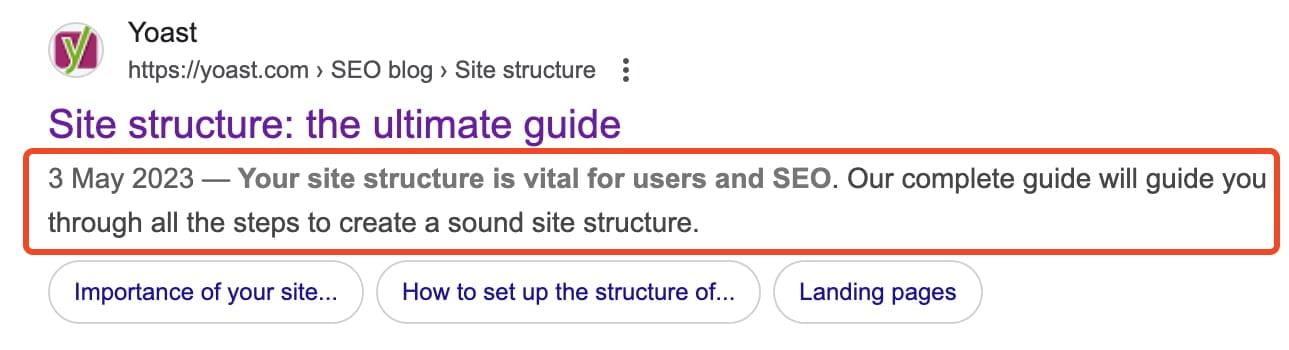
- Use a clear
<title>tag and meta description – keep the title under ~60 characters and description under ~160 characters. - include primary keywords naturally in H1/H2 (e.g., “par-3 course,” “short game,” “course design”).
- Use descriptive image alt text and compress images for faster page speed.
- Structure content with H2/H3 headings and include internal links to related pages (scorecard, tee time booking, lessons).
- Implement schema markup for articles and local business to improve SERP appearance and click-through rates.
For more on SEO fundamentals (meta tags,content structure,and technical optimization),see authoritative resources and guides like those from Moz for best practices when optimizing pages for search engines.
Quick checklist before you play
- Reserve a tee time during off-peak for a relaxed pace.
- Warm up on the short-game area for accurate wedge play.
- Pack a pleasant pair of walking shoes – many par-3 courses are designed to be walked.
- Bring a rangefinder or use the course’s GPS app for precise yardages to multi-tiered greens.