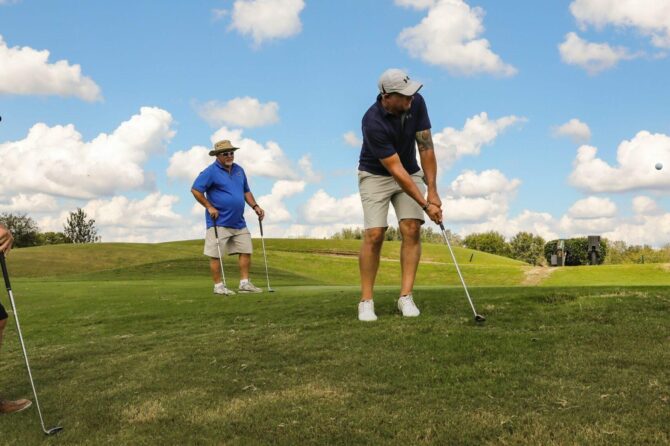
Novice golfers commonly exhibit a cluster of technical and motor-control deficiencies that limit shot consistency, increase injury risk, and impede efficient skill acquisition. This article synthesizes contemporary coaching practice and empirical findings to examine eight recurrent errors-grip, stance, alignment, swing mechanics, posture, ball position, tempo, and weight transfer-by mapping observable signs to underlying causal mechanisms (biomechanical constraints, perceptual errors, cognitive misconceptions, and ill-fitting equipment). Emphasis is placed on diagnostic criteria that enable instructors to distinguish compensatory habits from primary impairments, and on corrective strategies grounded in motor-learning theory, biomechanical principles, and evidence-based coaching methods.
For each error, the analysis proceeds in three stages: (1) operational definition and common diagnostic indicators; (2) etiological analysis linking the error to physical, perceptual, or instructional factors; and (3) a set of graded interventions comprising targeted drills, attentional cueing, practice design (including variability and feedback scheduling), and, where appropriate, equipment modification. The aim is to provide golf instructors, rehabilitation professionals, and serious recreational players wiht a pragmatic, research-informed toolbox to prioritize interventions, track progress objectively, and accelerate durable improvements in technique and performance.
Grip fundamentals and Corrective Interventions for Consistent Clubface Control
Effective clubface control originates in a set of reproducible hand and forearm relationships with the grip. Emphasize a neutral grip where the “V” shapes formed by thumb and forefinger of each hand point roughly toward the trail shoulder (for right-handers, up the right deltoid). Grip pressure should be intentionally light-approximately 3-5/10 on a perceived-pressure scale-to allow free wrist hinge and forearm rotation while maintaining club stability through impact. Distinguish between pressure applied by the lead hand (controls face angle) and the trail hand (provides power and stabilisation); over-dominance of the trail hand commonly produces face-closing or hooking errors.
biomechanically, clubface orientation at impact is primarily determined by forearm pronation/supination and the relative timing of wrist release. A grip that is too strong or too weak will bias the kinematic chain and demand compensatory body actions, increasing variability. Maintaining a consistent wrist set and allowing rotational motion of the forearms ensures the face returns in a square plane. Practitioners should thus monitor both static grip alignment and dynamic rotational patterns during slow-motion swings to isolate where face control deviations originate.
Corrective interventions should be progressive, objective, and simple to replicate. Useful drills include an emphasis on tactile cues and low-load repetitions:
- Coin-under-palm drill – place a coin beneath the lead palm to prevent excessive grip squeeze during the takeaway.
- Toe-down impact drill – short swings focused on feeling the lead wrist firm and face square at impact.
- Split-grip rotation - temporarily separate hands (2-3 inches) to train forearm rotation without wrist collapse.
- Alignment rod feed – use an alignment rod along the lead forearm to visualise and stabilise forearm-to-club relationships.
Each drill targets a single kinematic fault and should be practiced in short, focused blocks (3-5 minutes) with video or mirror feedback.
| Fault | Typical Symptom | Corrective Drill |
|---|---|---|
| Too strong grip | Hook/closed face | Split-grip rotation |
| Too weak grip | Slice/open face | Toe-down impact |
| Excessive squeeze | Loss of lag, inconsistent strikes | Coin-under-palm |
For skill acquisition, prescribe a 4-6 week microcycle: daily 10-15 minute grip maintenance, twice-weekly video review, and one on-course transfer session. Objective markers-ball flight consistency, impact tape location, and swing-speed-normalised dispersion-should guide progression. Emphasise retention by reducing conscious control gradually and reintroducing drills as part of a warm-up routine rather than permanent technical crutches.

Stance Posture and Balance as Biomechanical Foundations and Practical Adjustments
Effective swing mechanics originate from an intentional relationship between the golfer’s base of support and the body’s center of mass. A properly configured stance-typically near shoulder width for mid‑irons and slightly wider for longer clubs-creates a stable platform that permits torque generation without loss of balance.Critical spatial parameters include foot angle, heel‑to‑toe pressure distribution and the vertical projection of the center of mass over the mid‑foot. When any of these variables deviate, compensatory motions (early extension, sway, or lateral collapse) become probable; thus, micro‑adjustments to stance width and foot flare are essential to maintain an efficient kinetic chain.
Postural alignment is the skeleton upon which dynamic movement is layered. Maintain a **neutral spine** with a modest hip hinge rather than lumbar flexion or excessive arching; this preserves intervertebral mechanics and facilitates rotational freedom across the thorax and pelvis. The shoulders should be relaxed and level, with the chin clear of the chest to avoid restricted head motion. Practically, use the club shaft across the back to verify consistent spine angle at setup and during shallow rehearsals; consistent setup geometry correlates strongly with repeatable impact positions.
Balance is not static in a golf swing-it is a controlled transfer of weight coordinated with ground reaction forces and segmental sequencing. Novices frequently fixate on holding a static balance instead of managing dynamic equilibrium, which results in jerky weight shifts or premature weight transfer. Implement these targeted adjustments and drills to refine balance and proprioception:
- Mirror alignment – check shoulder and hip plane in slow motion.
- Pressure‑Pad Feedback – learn real‑time weight distribution (or use socks-on-tile to feel pressure).
- Single‑Leg Rotation Drill - improves pelvic control and late‑phase balance.
- Controlled Step Drill – rehearse rhythmic weight transfer without overswinging.
Each drill emphasizes sensory feedback and small corrective cues rather than wholesale overhauls, accelerating motor learning.
Use concise corrective cues in practice to translate biomechanical principles into reliable motor patterns. The table below summarizes frequent novice faults and succinct corrective cues for classroom or range application. After addressing the immediate fault, progress practice from slow, film‑assisted reps to tempo‑driven ball striking, and incorporate short, focused sessions to avoid fatigue‑related breakdowns. Maintain objective measures (video,pressure mats,or coach observation) to quantify improvement and ensure **consistency** over time.
| Common Fault | Corrective Cue |
|---|---|
| Too narrow/wide stance | Adjust to shoulder width; check balance |
| Spine collapse or over‑arch | Set neutral spine; hinge at hips |
| Early lateral sway | Feel weight over mid‑foot; lead leg brace |
Aligning Body and Target Diagnostics and Prescriptive Drills for Accurate Aim
Accurate aiming requires systematic separation of the three alignment elements: the **clubface**, the **feet/hips/shoulders line**, and the intended **target line**.Assessment should thus proceed from the smallest, most influential element (clubface) outward to the body lines. Use objective reference tools-alignment sticks, a floor mirror, and slow-motion video-to identify whether errors originate from an incorrect pre-shot clubface orientation, a consistent closed/open stance, or a rotational (shoulder) misalignment. In research-informed coaching, privileging clubface checks first yields faster reductions in directional dispersion than addressing body posture alone.
Perform the following rapid diagnostic checks before intervention to isolate the primary source of mis-aiming:
- Clubface-to-target check: place the club behind the ball and visually confirm the leading edge points to the intended target before setting your feet.
- Toe-line test: set a stick along the toe of the club and observe whether it is parallel to an alignment stick on the ground aimed at the target.
- Shoulder/hip line audit: use a mirror or overhead camera at address to see if the shoulder and hip lines are square, open, or closed relative to the target stick.
- Step-back consistency: repeat a 50% swing from a fixed address to isolate orientation from swing dynamics.
These checks separate perceptual aiming errors from motor-pattern errors and guide appropriate drill selection.
Prescriptive drills should be specific, low-complexity, and measurable.Use the Two-Stick Alignment Drill (one stick to represent the target line, one to align the clubface) to reprogram initial face aim; perform 5-10 reps focusing on face alignment only. The Feet-together, Step-in Drill builds whole-body alignment by starting with feet together, aligning the clubface, then stepping into the stance to preserve that aim-repeat in 3 sets of 10. For shoulder-line errors, the Mirror shoulder-Check Drill combined with slow half-swings creates proprioceptive feedback of torso orientation. Implement a targeted routine: 10 minutes daily, alternating drills, and record dispersion patterns every 3-5 sessions to quantify improvement.
Below is a concise matrix linking common misalignments to diagnostic signs and the most efficient corrective drill (practice dosage and simple progress metric included). Use this table as a clinical rapid-reference in lesson planning.
| Misalignment | Diagnostic Sign | Prescriptive Drill | Dosage / Metric |
|---|---|---|---|
| Open clubface | Ball starts right of target | Two-Stick Alignment | 10 min/day; start-line hits ≤ 10 yds off in 1 week |
| Closed stance | Consistent left starts | Feet-Together Step-In | 3×10 reps; alignment variance ↓ 50% in 2 wks |
| Rotated shoulders | Shoulder line not parallel to target stick | Mirror Shoulder-Check | 5-8 min pre-shot routine; posture error reduced on video |
Note: reassess using the same diagnostic checks after two weeks of focused practice to determine retention and to progress to dynamic integration drills.
Swing Plane and mechanics Identifying Faults and Structured Motor Learning Strategies
Accurate identification of swing-plane deviations requires systematic observation and quantification.Employing slow‑motion video from multiple angles and simple inertial sensors allows clinicians to parse the kinematic sequence and isolate whether faults originate from the upper body,lower body,or club-rather than inferring cause from ball flight alone. emphasize objective markers: shoulder tilt relative to the spine, plane angle at the top of the backswing, and the radius of the arc through impact. These metrics reduce diagnostic ambiguity and support targeted interventions grounded in motor control theory.
Common mechanical signatures are consistent and diagnostically useful. Early extension often presents as loss of spine angle through the downswing and is typically linked to weak hip stability or a premature lateral shift. Over‑the‑top manifests as a steep, out‑to‑in club path and frequently stems from improper sequencing or an absent lower‑body drive. Cast/flip near impact indicates poor wrist‑release timing and forearm deceleration.Use the following quick observational checklist to prioritize corrective strategy:
- Top‑of‑swing assessment: plane angle and wrist set
- Downswing transition: pelvis rotation vs.lateral slide
- Impact window: clubhead lag and shaft lean
- Follow‑through: continuation of intended plane and balance
Structured motor learning strategies accelerate durable change. Begin with an external focus cue (e.g., “swing the clubhead along the target line”) and short, blocked practice to establish the basic movement pattern, then progress to random and variable practice to promote adaptability. Integrate analogies for novices to reduce cognitive load, and adopt a constraints‑led approach by manipulating task or environmental constraints (club length, stance width, or lie). Provide delayed augmented feedback-summary or bandwidth‑style-so learners develop intrinsic error detection rather than dependency on continuous coach input.
Progressions should be measurable,incremental,and repeated with deliberate variability. The table below summarizes concise fault‑to‑drill mappings useful in practice planning:
| Fault | Visual Cue | Corrective Drill |
|---|---|---|
| Early Extension | Loss of spine angle | Hip hinge with broomstick drill |
| Over‑the‑Top | Out‑to‑in club path | Inside‑path gate drill |
| Casting/Flip | early release of lag | Pause at two‑thirds downswing |
Weight Transfer and tempo Kinematic Causes of Inefficient Power and drills to Improve Sequencing
Inefficient power in the golf swing is typically rooted in disrupted kinematic sequencing rather than raw strength. key biomechanical contributors include an incomplete **center-of-pressure (COP) shift** to the lead foot, prematurely initiated upper-body rotation, and attenuated ground-reaction force (GRF) generation.When the proximal (hips/torso) segment fails to accelerate before the distal (arms/club) segments, the classic proximal‑to‑distal sequence is lost and clubhead velocity suffers. Temporal disruptions-excessively fast or inconsistent tempo-further desynchronize segmental peak angular velocities, producing early release, steep attack angles, and thin or fat contact patterns.
A practical, evidence‑informed practice regimen emphasizes isolated sequencing drills that re‑establish timing and GRF usage. Recommended exercises include:
- Step Drill: Start with the trail foot slightly back and step into the shot on the downswing to cue weight transfer and hip initiation.
- Pump (Half‑swing) Drill: Rehearse stopping at transition and pumping the club to feel loosened hips and delayed arm acceleration.
- Feet‑Together Drill: Reduce base width to force synchronized rotation and balanced tempo.
- medicine‑Ball Rotational Throws: Train explosive proximal‑to‑distal sequencing without a club, reinforcing hip‑driven power delivery.
- Metronome or Audio Tempo Practice: Establish consistent backswing:downswing ratios (practically 2.5-3:1) and remove tempo variability.
coaching cues and practice structure should be explicit,measurable,and progressive. Use external cues such as “lead‑hip clears” and “step then rotate” while pairing them with objective feedback: slow‑motion video to inspect peak angular sequence, pressure‑mat data to monitor COP excursion, or launch monitor numbers for clubhead speed and attack angle. Begin drills at reduced intensity and increase speed only when correct timing is reproducible.Emphasize rhythm over force; consistent tempo allows GRF to build and transfer through the kinetic chain, producing more reliable power and contact.
| Common Fault | Kinematic Cause | corrective Drill |
|---|---|---|
| Early arm cast | Loss of hip‑to‑shoulder separation | Pump Drill |
| No weight shift | Insufficient COP migration and GRF | Step Drill |
| Tempo inconsistency | Irregular sequencing of angular velocities | metronome Practice |
Ball Position and Club Selection Evidence Based Guidelines for Distance Control and Trajectory Management
Ball placement and club selection exert systematic, measurable effects on launch conditions (launch angle, spin rate) and consequent distance outcomes. Empirical data from launch monitors and biomechanical analyses demonstrate that ball position alters the club-ball contact geometry: shifting the ball anteriorly relative to the stance tends to produce a more positive angle of attack and greater dynamic loft for long clubs, while a posterior ball position relative to the centerline tends to promote steeper descent angles and increased spin with shorter irons. These relationships are robust across typical swing archetypes and should be treated as part of a controlled variable set when optimizing distance control and shot trajectory.
practical alignment of ball position to club type can be summarized succinctly for novice application. Use the table below as a working guideline; values are expressed as relative stance landmarks and the typical trajectory effect observed when positions are used consistently during a repeatable swing.
| Club | Ball Position (stance landmark) | typical Effect on Trajectory |
|---|---|---|
| Driver | Off left heel | Higher launch, lower spin (more carry) |
| 3‑Wood / Hybrid | Forward of center | Mid launch, moderate spin |
| Irons (5-7) | Center to slightly forward | Controlled descent, predictable carry |
| Short irons / Wedges | Center to slightly back | Higher spin, steeper landing |
club selection must be integrated with ball position for intentional outcome management. For distance control, novices should prioritize the following evidence-informed principles: establish consistent carry gaps with each club through practice, match loft to conditions (use more loft into wind or for soft landing), and prefer predictable trajectories over attempting maximized distance on uncertain contact. Recommended pre-shot checks include:
- Confirming estimated carry vs. required carry for hazards or greens (Carry)
- Assessing wind direction and strength to choose a higher- or lower-trajectory option (Trajectory)
- Selecting a club that produces manageable spin for the green or landing surface (spin)
Implementable drills and coaching cues accelerate transfer from concept to performance. Use a simple progression: (1) practice with an intermediate tee height for long clubs while moving the ball incrementally forward/back to perceive changes in flight, (2) hit a cluster of shots with one club while varying only ball position to isolate its effect, and (3) maintain a pre-shot checklist-stance landmark, target alignment, selected club loft, and intended carry.Key coaching cues to emphasize are “sweep driver forward” for a forward ball and driver, and “back and compress” for wedges to encourage a centered strike. Regular measurement (rangefinder or launch monitor app) will convert subjective feel into objective adjustments and faster learning.
practice Design and Mental Skills Deliberate Practice Feedback Modalities and Routine Development to Enhance Performance and Enjoyment
Effective long‑term improvement requires adopting a practice framework that is both intentional and structured. The term ”deliberate” connotes careful, purposeful activity in which goals, error detection, and progressive challenge are explicitly designed (consistent with lexicographic definitions emphasizing careful, planned action). In golf, this translates to short, focused drills with measurable targets (e.g.,dispersion radius,percentage of successful putts),graded difficulty,and scheduled review points. Practitioners should articulate specific outcome and process goals for each session (e.g., “reduce open-face contact on 7‑iron by 50% using 3 drill variations”) so practice is measurable and amenable to evidence‑based adjustment.
Feedback selection and timing strongly affect motor learning. Different modalities serve distinct purposes; an effective program intentionally sequences them from high‑frequency, high‑detail feedback to reduced, summary feedback as learning progresses. Typical modalities include:
- intrinsic feedback – sensory details (feel, sound) and immediate self‑assessment.
- Augmented feedback – coach cues, KP/KR (knowledge of performance vs. knowledge of results), which should be faded to promote autonomy.
- Technological feedback – video, launch monitors, and wearable sensors that provide quantitative KP metrics (club path, face angle, ball speed).
where possible, pair immediate KP for technical correction with delayed KR summaries that support retention and strategic decision‑making.
Design practice contexts that balance repetition with variability and incorporate mental skill training. use mixed schedules (blocked → random) and part‑to‑whole progressions depending on the target skill, and embed mental routines such as pre‑shot imagery, cue words, and arousal checks.the table below offers a concise decision aid for common practice formats used with novice players:
| Format | When to Use | Primary Benefit |
|---|---|---|
| Blocked drills | Early acquisition, isolating mechanics | Rapid error correction |
| Random practice | Skill retention, transfer to play | Improved adaptability |
| Contextual drills | Simulated rounds, pressure tasks | Decision‑making under stress |
To maintain motivation and enhance enjoyment while pursuing performance gains, build routines that promote autonomy, competence, and relatedness. Offer choice within practice constraints (e.g., select between two drill progressions), set proximal performance metrics, and include periodic play‑oriented challenges to preserve intrinsic enjoyment. embed simple monitoring tools (practice log with brief KPIs, fortnightly video comparison) and a review ritual so feedback is actionable; over time this creates a self‑sustaining cycle of deliberate practice, adaptive feedback use, and resilient mental routines that support both improved scores and greater enjoyment of the game.
Q&A
Q1: What is the purpose of this Q&A and what scope does it cover?
A1: This Q&A synthesizes common biomechanical and behavioural errors observed in novice golfers, identifies probable causal factors, and provides evidence-informed corrective strategies aimed at improving performance and enjoyment. The focus is on eight principal error domains-grip, stance, posture, alignment, ball position, swing plane mechanics, weight transfer/rotation, and tempo/early release-integrating practical drills, motor‑learning principles, and assessment guidelines suitable for players and coaches.
Q2: How was the list of ”top eight” errors determined?
A2: The list is based on recurrent problems documented in coaching practice and in the applied literature on golf biomechanics and motor learning: faults that (a) frequently limit ball flight consistency, (b) are amenable to targeted practice, and (c) materially affect player enjoyment and confidence. These criteria prioritize high‑incidence, high‑impact errors typical of novices.
Q3: Error 1 – Poor or inconsistent grip. What causes it and how should it be corrected?
A3: Cause: Inadequate grip formation (too weak, too strong, or inconsistent pressure) typically derives from incorrect hand placement, poor understanding of neutral grip, or excessive tension. Consequence: Errant clubface orientation at impact, loss of control and distance.
Correction:
– Education: Demonstrate neutral grip landmarks (V shapes between thumb and forefinger pointing toward trail shoulder).
– Drill: Static grip check-take your address position and close eyes to note feel; repeat untill consistent.
– Pressure drill: Use a grip pressure target (light squeeze ~20-30% of maximum). hold a small ball or pressure sensor if available.
– Feedback: Video or coach verification at setup and during short swings.
Motor‑learning note: Use external focus cues (e.g., “feel the clubface square to the target”) rather than internal muscular instructions for better retention.Q4: Error 2 – Incorrect stance width and balance. Causes and remedies?
A4: Cause: stance too narrow or too wide for the club/shot, feet not loaded symmetrically, and lack of stable base lead to compensatory upper‑body movements.
Correction:
– Guideline: Stance width roughly shoulder‑width for irons, slightly wider for longer clubs. Ball of foot under load, slight knee flex, weight evenly distributed.
– Drill: Feet‑together to single‑leg progressions to train balance; alternate by hitting half‑swings with feet together, then wider stance.
– Measurement: Use alignment rod under toes to check parallel foot placement; practice on an even surface.- Cueing: ”Stable base, athletic posture, balanced finish.”
Q5: Error 3 – poor posture (upright or hunched spine angle). What are causes and corrections?
A5: Cause: Incorrect hip hinge or rounded back at address; stems from lack of mobility or misunderstanding of spine angle. Consequence: Restricted rotation, early lifting or casting, inconsistent bottom-of-swing.
Correction:
– Setup: Hinge at hips,maintain neutral spine,slight knee flex,chest forward; butt back.
– Drill: Wall‑hinge: stand with heels ~6-8 inches from a wall, hinge forward to touch the wall with your buttocks to feel hip hinge without rounding.
– Practice: Mirror checks, video, and incremental repetition of correct setup before full swings.
– coaching cue: “Chest over the ball, hinge at the hips, long spine.”
Q6: Error 4 – Misalignment (aiming errors).What causes misalignment and how to fix it?
A6: Cause: Visual misperception of target line, improper body alignment relative to target (feet, hips, shoulders closed/open).Consequence: Consistent directional misses despite technically acceptable swings.
Correction:
– Training aids: Use two alignment rods or clubs on the ground to create a target line and footline.
– Drill: ”Parallel‑to‑target” setup-place one rod pointing at the target and another parallel to it under your feet.
– Feedback: Pre‑shot routine that includes visualizing the target line and checking body alignment.
– Measurement: Record impact dispersion relative to intended target; assess whether miss is face‑ or path‑driven.
Q7: Error 5 – Incorrect ball position. Why does ball position matter and how to correct it?
A7: Cause: Ball too far forward/back relative to club length and swing type, often due to lack of understanding of ball position principles. Consequence: Fat or thin strikes, inconsistent trajectory.
Correction:
- Rules of thumb: Short irons – center to slightly forward of center; mid/long irons – slightly forward of center; driver – off the inside of the lead heel.
– Drill: Use a tee or marker to practice proper ball position with each club; make half‑swings and note where the club bottoms out relative to the ball.
– Feedback: Use impact tape or divot pattern to confirm low point relative to ball.
– Progression: Rehearse setup and short swings,then build to full swings preserving ball position.
Q8: Error 6 – Swing plane faults (over‑the‑top,too steep/flat). Causes and corrections?
A8: Cause: Poor sequencing, early wrist action, or attempts to “force” the ball cause the club to come from outside‑in (over‑the‑top) or too steep/flat an approach. Consequence: Slices, pulls, or thin/top shots.
Correction:
– Diagnostic: Video from down‑the‑line and face‑on to observe swing path and plane.
– drills:
– Inside‑path drill: Place an alignment rod angled into the target line to encourage an inside path.
– Half‑swing with gate: Use two tees forming a gate to practice a clubhead path that clears the gate on the downswing.
– Swing plane trainer (rod or dowel) for feel of correct plane.
– Sequencing: emphasize lower‑body initiation and delayed wrist release; practice slow to moderate tempo to ingrain sequence.
– Measurement: Monitor ball curvature and dispersion; use launch monitor if available for path/face data.
Q9: Error 7 – Insufficient weight transfer and poor rotation. Causes and corrections?
A9: Cause: Staying back on the trail foot, lateral sway, or excessive upper‑body casting prevents efficient energy transfer. Consequence: Loss of distance,inconsistent contact.correction:
– Concept: Shift weight from trail to lead foot through the downswing with concurrent thorax rotation over a stable lower body.
– Drills:
- Step drill: Start with feet close, step into the lead foot during the downswing to enhance transfer.- Lateral stability drill: Hit half‑swings while maintaining head/upper‑body stability, focusing on hip rotation.- Impact bag or short‑club punches to train compressive, forward weight at impact.
– Measurement: Observe finish position (balanced on lead foot) and ball speed/distance metrics.
Q10: Error 8 – Poor tempo and early release (casting). How to correct tempo and release issues?
A10: Cause: Rushed transition, tension, or attempting to “hit” the ball with the arms causes early release (casting) and poor timing. Consequence: Loss of lag, reduced clubhead speed at impact, inconsistent strikes.
Correction:
- Tempo training: Use a metronome or count (e.g., “One‑two” backswing to downswing) to stabilize timing; practice 3:1 rhythm drills if helpful (longer backswing cadence).
– Lag drills: Tee drill (feel keeping the wrist angle until late), towel under arms to promote connected swing, or impact bag to feel compression.
– Gradual progression: Start with slow controlled swings focusing on maintaining wrist set, then increase speed while preserving sequence.
– Motor learning: Incorporate variable and random practice to transfer tempo stability under different conditions.
Q11: What practice structure and motor‑learning principles are recommended for novices?
A11: Recommendations:
- Deliberate practice: Short, focused sessions (20-40 minutes) targeting one error at a time with clear goals.
– blocked to random progression: Begin with blocked practice (repetitions of the same drill) to acquire skill, then shift to random practice to promote retention and transfer.- Augmented feedback: Use intermittent external feedback (video, coach cues, launch monitor) rather than constant correction to foster self‑monitoring.
– Focus of attention: Prefer external focus cues (e.g., “swing the clubhead to the target”) over internal mechanics for superior performance and learning.
– Variability: Practice from different lies and clubs to enhance adaptability.
Q12: How should improvement be measured and what timelines are realistic?
A12: Measurement:
– Objective metrics: Ball dispersion (grouping), carry distance, clubhead speed, launch and face/path data (if available).
– Subjective metrics: Consistency of strike (divot pattern), confidence, and reduced frustration.Timeline:
– Foundation changes (grip, setup) frequently enough show measurable improvements in days to weeks with focused practice.
– Motor sequencing (tempo, rotation) typically requires several weeks to months of distributed practice for reliable transfer to the course.- Individual variation is substantial-progress depends on practice quality, frequency, physical limitations, and coaching.
Q13: When should a novice golfer seek professional coaching or physical evaluation?
A13: Seek a PGA/LPGA professional or qualified instructor when:
– Multiple faults persist despite targeted practice.- Technical corrections lead to pain or discomfort (consider a physiotherapist).
– The player desires accelerated progress and objective feedback (video analysis, launch monitor).
– Persistent performance plateaus or worsening patterns occur.
A physical or movement screening is advised if mobility, stability, or pain limits correct setup or swing execution.
Q14: What safety and equipment considerations should be noted?
A14: Safety:
– Warm up with dynamic mobility drills, light swings, and practice range routines to reduce injury risk.
– avoid excessive practice volume without progressive loading.
Equipment:
– Ensure clubs are an appropriate length and lie for the player’s size and swing; improper equipment can exacerbate errors.
– Use training aids that reinforce correct mechanics rather than promote harmful compensations.Q15: Can you summarize the practical coaching checklist for addressing these eight errors?
A15: Practical checklist:
1. Observe and document the primary miss pattern (direction, contact quality).
2. Check grip first-ensure neutral hand placement and relaxed pressure.
3. Check stance width and balance; correct posture and hip hinge.
4. Confirm alignment with target and ball position relative to club selection.
5. Use simple drills (alignment rods, impact bag, gate, half‑swings) focused on one error at a time.
6. Apply motor‑learning principles: short deliberate sessions, external focus cues, blocked-to-random progression.7. Use video or objective feedback intermittently to calibrate perception.8. Reassess metrics weekly and seek professional coaching if progress stalls.
Closing remark: Correcting novice errors is most effective when instruction is specific, practice is deliberate and progressive, and feedback is objective and appropriately timed. Combining biomechanical adjustments with modern motor‑learning strategies yields reliable improvements in both performance and enjoyment.
conclusion
This review has identified and analyzed the eight most common errors committed by novice golfers-relating to grip, stance, alignment, posture, swing plane, tempo, weight transfer, and clubface control-and synthesized evidence-based corrective strategies to address each. The collective findings indicate that these errors are not isolated problems but interdependent components of a novice’s motor pattern; targeted, incremental interventions that prioritize biomechanical fundamentals, perceptual feedback, and task-specific practice yield the most consistent improvements in both performance and player enjoyment.
For practitioners and instructors, the practical implications are clear: prioritize diagnostic assessment, use simple external cues and progressions to reframe faulty movement patterns, and incorporate constrained, variable, and deliberate practice modalities to promote transfer to on-course situations. For learners, structured feedback (preferably from a trained coach or validated video/tech tools), a focus on one or two corrective priorities at a time, and patience with staged progression will accelerate skill acquisition and reduce frustration.
From a research viewpoint, future studies should continue to quantify the relative impact of each error on performance metrics, investigate the efficacy of specific intervention sequences across different learner profiles, and evaluate long-term retention and transfer effects of coaching modalities commonly used in novice instruction. Multidisciplinary approaches combining biomechanics, motor learning, and psychology will be especially valuable in refining evidence-based coaching protocols.
In sum, understanding the common error patterns of novice golfers and applying systematic, evidence-informed corrections can substantially improve both short-term outcomes and long-term development. Emphasizing clear diagnostics, prioritized interventions, and principled practice offers the best pathway to enhanced performance and sustained enjoyment of the game.

Top Eight Errors Made by Novice Golfers and Evidence-Based Remedies
Below you’ll find practical, evidence-based fixes for the most common beginner golf mistakes. Each section includes why the error matters, an evidence-informed remedy, easy-to-follow drills, and coaching cues you can use on the range or course. Keywords like novice golfers, golf swing, grip, stance, alignment, posture, swing path, tempo, ball position, short game, golf drills, and beginner golf mistakes are used naturally throughout to help you find the right solutions quickly.
1. Weak or Inconsistent Grip
Why it matters
The grip is the only connection between you and the club. An inconsistent grip creates unpredictable face angles at impact, causing slices, hooks, and poor feel. For novice golfers, grip pressure and hand position are critical determinants of control and injury risk.
Evidence-based remedy
- adopt a neutral grip: V’s formed by thumb and forefinger point between your chin and right shoulder (for right-handed golfers).
- Use relaxed grip pressure: hold the club with about 4-5/10 tension-firm enough to control, soft enough to allow wrist hinge.
- Check grip consistency before every shot: set hands first, then address the ball.
Simple drills
- Grip tape drill: mark the position where your palms meet the grip, practice placing hands in the same spot 20 times.
- Soft hold drill: swing half-swing shots while focusing on keeping grip pressure constant (use a pressure sensor app or subjective feel).
Quick coaching cues
- “Hold the club like a bird – firm, not squeezing.”
- “Check the two V’s.”
2. Poor Stance and Base Stability
Why it matters
A weak or incorrect stance prevents efficient weight transfer, reduces power, and increases the likelihood of balance-related mishits. Novice golfers often stand either too narrow or too wide and fail to use their lower body effectively.
Evidence-based remedy
- Feet shoulder-width for mid-irons; slightly wider for driver; narrower for short clubs.
- Distribute weight about 50/50 between feet with a slight athletic flex in knees and ankles.
- engage core and glutes to create a stable base for rotation.
Drills
- Balance board or single-leg stance drill: practice slow swings to improve stability and proprioception.
- Footprint drill: set a tape mark for each foot to ensure consistent stance width.
Coaching cues
- “Push the ground away” (use legs to start the downswing).
- “Stable base, moving top” (keep feet grounded while torso rotates).
3. Incorrect Alignment
Why it matters
Misalignment leads to compensations in swing path and aim errors. Novice golfers frequently aim their body or clubface incorrectly,producing shots that drift left or right of intended targets.
Evidence-based remedy
- Use intermediate targets: pick a spot 2-3 feet in front of the ball on your intended line and align feet and shoulders parallel to that line.
- Check clubface first: set the clubface to the target, then square your body to the clubface.
Drills
- Alignment stick routine: place one stick along target line and another parallel to your feet to ingrain correct setup.
- Mirror check: use a small mirror or phone camera to confirm shoulder/hip alignment.
Coaching cues
- “Clubface first, feet second.”
- “Parallel rails” (visualize railroad tracks: one for feet, one for the target).
4. Slumped or Rigid Posture
Why it matters
Poor posture (either hunched over or too rigid) compromises shoulder turn, reduces power, and increases lower-back strain. Sound posture supports consistent swing mechanics and helps prevent injury.
Evidence-based remedy
- Set a neutral spine: slight bend at the hips with chest up and shoulders relaxed.
- Maintain a flexed knee and balanced head position-don’t lift or drop the head during the swing.
- Build mobility with simple thoracic and hip-opening exercises.
Drills
- Wall posture drill: stand with your back to a wall, feel shoulder blades and glutes lightly touching, then step forward and hold that posture while making slow swings.
- Chair hinge drill: sit back on an imaginary chair to find hip hinge and neutral lower back.
Coaching cues
- “Hinge at the hips.”
- “Chest proud, eyes on the ball.”
5. Flawed Swing Path (Over-the-Top or Inside-Out Extremes)
Why it matters
Swing path dictates ball flight. An over-the-top move produces slices and pulls; an extreme inside-out path creates hooks and pushes. Novice golfers often lack consistent plane awareness.
Evidence-based remedy
- Work toward a slightly inside-to-square-to-inside path for most full shots-this promotes a controlled draw or neutral ball flight.
- Emphasize proper takeaway and shoulder turn to establish a repeatable plane.
Drills
- Gate drill: place two tees or headcovers to create a narrow gate the club must pass through on takeaway and downswing.
- Slow-motion swings with video feedback: helps rehearse desired plane and sequence.
Coaching cues
- “Swing from inside” (feel the club drop slightly inside on the downswing).
- “Turn,don’t slide” (rotate hips and shoulders rather than lateral slide).
6. Poor Tempo and Timing
Why it matters
Tempo controls rhythm, sequence, and timing of the swing. Erratic tempo leads to loss of distance, inconsistent contact, and increased injury risk from rushed movement.
Evidence-based remedy
- Adopt a consistent 3:1 or 2:1 backswing-to-downswing tempo for many players (experiment to find what feels natural).
- Use metronome apps or count-out-loud rhythms to ingrain steady tempo.
Drills
- Metronome drill: set a metronome or app to a agreeable beat and synchronize backswing and downswing to beats.
- Pause at the top drill: make a half-second pause at the top to eliminate rushed transitions-works especially for slices.
Coaching cues
- “Smooth back, quick but controlled through.”
- “1-2-3 rhythm” (count “one” on takeaway, “two” at top, “three” at impact).
7. Incorrect Ball Position
Why it matters
Ball position influences angle of attack, contact quality, and trajectory. Novice golfers frequently enough place the ball too far forward or back, causing thin shots, fat shots, or unpredictable trajectory.
Evidence-based remedy
- Ball positioning guideline: driver-inside left heel; long irons-left of center; mid/short irons-center; wedges-slightly back of center.
- Adjust slightly for desired trajectory (forward for higher launch, back for lower trajectory).
Drills
- Line ball drill: lay a club on the ground parallel to your feet and use that reference to place the ball consistently.
- Impact tape drill: use impact tape or spray to see where on the clubface contact occurs and adjust ball position accordingly.
Coaching cues
- “Ball back for low, forward for high.”
- “Feel the club sweep under the ball” (for fairway woods and driver).
8. Neglecting the short Game (Chipping, Pitching, and Putting)
Why it matters
Most strokes are lost around the green. Novice golfers who don’t practice chipping, pitching, and putting leave easy shots on the course and have higher scores.
Evidence-based remedy
- Devote at least 50% of practice time to short game and putting if your goal is faster score improvement.
- Work on distance control, consistent setup, and read greens effectively.
Drills
- Landing zone drill: pick a small landing spot for pitches and practice getting the ball to roll out to a hole-sized target.
- Clock-putting drill: short putts from 1-3 feet in a circle to build confidence and stroke consistency.
Coaching cues
- “Hands ahead at impact” (for crisp contact on chips).
- “Eyes over line” (for consistent putting setup).
Practice Plan: Weekly Checklist for Novice Golfers
Consistency beats intensity. Below is a simple table you can paste into wordpress (uses a standard block table class) to guide a balanced weekly practice plan that targets each error area.
| Day | Main Focus | Drill (10-20 min) | Goal |
|---|---|---|---|
| Mon | Grip & Stance | Grip tape + footprint drill | Consistent setup |
| Tue | Alignment & Ball Position | Alignment sticks + line ball | Square aim |
| Wed | Short Game | Clock putting + landing zone | 3-putt reduction |
| Thu | Posture & Mobility | wall posture + hip hinge | Comfortable rotation |
| Fri | Swing Path & Tempo | Gate + metronome | Repeatable plane |
| Sat | On-course Play | 9 holes, focus on process | Transfer range skills |
| Sun | Recovery & Review | Video swing review (5-10 min) | Plan next week |
Benefits and Practical Tips
- Lower scores faster: targeting the eight fundamentals yields faster improvement than random practice.
- reduce injury risk: proper posture,grip pressure,and tempo reduce strain on the lower back,wrists,and shoulders.
- Practice smarter, not longer: short, focused sessions with a single goal beat long unfocused range visits.
- Use video and feedback: recording swings and using simple tools (alignment sticks,metronome apps) accelerates learning.
First-Hand Experience (Common Beginner Progression)
Many novice golfers report the following progression when they adopt these remedies: initial frustration (first 2-4 weeks) → improved contact and distance consistency (4-8 weeks) → measurable lower scores around 2-3 months with disciplined practice focused on the short game and setup. Stick to the plan, track one metric (e.g., fairways hit, greens in regulation, three-putts), and celebrate small wins.
Injury Prevention Tips
- Warm up dynamically (arm circles, hip openers) before full swings.
- Limit over-practice: fatigue increases sloppy mechanics and injury risk.
- Replace bad habits early with short corrective drills-it’s easier to fix small issues than entrenched patterns.
SEO & Training Keywords to Remember
Use these keywords to structure searches for drills, lessons, and video content: novice golfers, beginner golf tips, golf swing fundamentals, grip and stance, golf alignment drills, posture for golf, swing path correction, golf tempo drills, ball position guide, short game practice.
Useful Tools & Tech
- alignment sticks – cheap and effective for setup and swing path training.
- Metronome apps – great for tempo practice (many free options).
- Phone camera or golf swing app - instant visual feedback for rapid improvement.
- impact tape or spray - helps diagnose contact location on the face.
If you want, I can generate a printable one-page practice checklist, a personalized 4-week practice plan based on your current skill level, or short video cues you can follow on the range. Tell me which error you struggle with most and I’ll prioritize drills and a micro-plan specific to you.