
Golf performance is best understood as teh outcome of interacting physiological,biomechanical,and technical systems. Maximum clubhead velocity and consistent long drives emerge not only from refined technique but from the coordinated interplay of strength, joint mobility, neuromuscular timing, and postural control. Likewise, high-level putting depends on precise fine-motor control, steady balance, and consistent tempo-qualities that can be assessed, trained, and improved through focused conditioning. Viewing golf as a discipline that requires both explosive output and refined stability supports a training model that explicitly connects physical planning to scoring results.
This article distills modern biomechanical findings and evidence-based conditioning practices into a practical roadmap for increasing clubhead speed, stabilizing launch conditions, and producing repeatable putting strokes. Core performance drivers-rotational sequencing, hip-to-shoulder separation (X‑factor), effective use of ground reaction forces, rate of force application, and the shoulder-wrist interaction-are explored alongside the neuromuscular and structural capabilities that enable them. For putting, the focus shifts to postural steadiness, micro‑motor coordination, and tempo control as foundational elements of a reliable stroke.
A stepwise conditioning framework is provided that blends mobility work, strength and power advancement, proprioceptive/stability training, and golf‑specific plyometrics. Objective measurement tools-launch monitors, force platforms, handheld dynamometers, wearable inertial sensors, and standardized mobility/stability screens-are described for establishing baselines, monitoring adaptation, and tailoring programs. Injury-mitigation and load‑management principles are integrated so gains are durable across training phases.When biomechanical concepts are translated into measurable training prescriptions, coaches, fitness professionals, and players can align physical priorities with technical targets. using progressive, evidence‑driven progressions, validated metrics, and individualized periodization creates a pathway to more efficient swings, greater distance, and steadier putting-improving competitive potential while minimizing injury risk.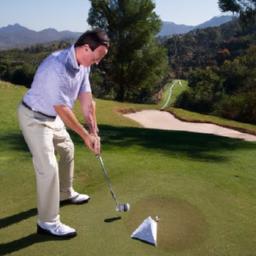
Foundational Biomechanics of the Golf Swing: Kinematic sequence, Joint Angle Optimization, and Muscle Activation Patterns
Efficient sequencing begins with a reproducible setup and a proximal‑to‑distal activation pattern that privileges the lower body and torso before the arms.At address, adopt a consistent posture-roughly 15°-20° of forward spine tilt, a substantial shoulder rotation near 80°-100° (many full male turns approach ~90°), and pelvic rotation around 40°-50°-which typically produces an X‑factor (shoulder minus hip separation) in the 30°-50° window for most players. This separation builds elastic load for release in the downswing. During transition and downswing,the preferred sequence is: (1) lateral compression and weight transfer into the trail leg to generate ground reaction force,(2) initiation of pelvis rotation toward the target,(3) subsequent thoracic rotation with a delayed arm drop,and (4) final wrist release and forearm supination through impact. Prioritize timing over raw speed in drills-use step-through patterns to feel early hip clearance and a towel‑under‑arms variation to encourage torso/arm unity-and quantify betterment with video or launch‑monitor metrics such as ball speed and impact location consistency. Typical faults include starting the downswing with the upper body or “casting” the club via early wrist release; remediate these by rehearsing controlled transitions where the hips lead by roughly 5°-10° before the shoulders accelerate and by practicing impact bag drills to preserve lag through impact.
Muscle recruitment for an effective swing follows a predictable chain and is amenable to training: the gluteus maximus, adductors, and quadriceps drive initial ground force and rotational torque; obliques and erector spinae transfer and amplify that torque through the core; and the lats, chest, forearms, and wrist flexors refine club path and face control into impact. Consequently, a complete golf fitness plan should pair mobility and motor‑control work with targeted strength and power development. A representative weekly microcycle could include: rotational medicine‑ball throws (3×8 per side) to ingrain explosive torso sequencing, single‑leg Romanian deadlifts (3×6-8) to develop unilateral posterior-chain strength and stability, and thoracic rotation mobility drills (2×30 seconds) to protect shoulder turn without compensatory lumbar extension. Add tempo practice-e.g., a 3:1 backswing‑to‑downswing rhythm using a metronome-to stabilize timing. Around the green, emphasize lead‑side pressure (commonly ~60% on the lead foot for chips and bunker exits) and controlled wrist tension to manage bounce and loft; practice progressive landing‑zone reps at 10, 20, and 30 yards and aim to reduce distance variance (target ~±5 yards for lob/pitch shots). Novices should first lock down balance and simple sequencing cues, while lower handicappers can refine angular velocity and release timing to shape ball flight and trajectory.
Convert biomechanical and fitness improvements into course choices and scoring by rehearsing in realistic, variable conditions and matching equipment to your body. Such as, in gusty or sodden conditions adopt a slightly narrower stance and firmer grip to keep the ball lower; on firm, links‑style turf use a shallower attack to promote additional roll. Equipment decisions-shaft flex, kick point, wedge bounce-should be validated on the course as well as the range. Build mental resilience with a concise pre‑shot routine and pressure scenarios (short‑game ladders or simulated matchplay) to tie technical execution to decision‑making. Practical targets could be: halving three‑putts in 8 weeks through structured green work, or increasing clubhead speed by 5-8% in 12 weeks via focused strength/power programming and sequencing drills. Troubleshooting checkpoints:
- Setup: verify ball position,toe alignment,and spine angle;
- Sequence: if your slice persists,ensure the pelvis initiates the downswing and the face isn’t opening on release;
- Short game: if bunker escapes are inconsistent,evaluate bounce usage and weight placement.
Applied consistently, these integrated principles and conditioning tasks create a clear route from technical refinement to lower scoring.
Progressive Training Protocols for Swing Consistency: Level‑Specific Drills, Load Management, and Objective Metrics
Start by deconstructing the full swing into reproducible checkpoints that carry over to both accuracy and distance. At setup,emphasize a neutral grip,roughly 10°-15° spine tilt toward the trail leg,and a balanced stance-about ~50/50 for irons and ~55/45 (lead/trail) for driver-to favor an upward driver attack. During the takeaway and backswing aim for ~80°-100° shoulder rotation relative to the pelvis and maintain wrist hinge so the lead wrist remains flat at the top, helping produce consistent lag and face control. Validate these positions using objective drills and feedback:
- Mirror‑to‑launch: rehearse slow takeaways in a mirror, then perform 10 dry swings and 10 live shots while recording shoulder‑turn angle and impact;
- Impact tape/contact mat: pursue a repeatable low‑center iron strike and a slightly upward driver contact, tracking carry variation within ~±5%;
- Rotation resistance: tubing turns, 3×8 controlled reps to enhance thoracic mobility and sequencing.
Monitor clubhead speed, smash factor, attack angle, dynamic loft, and lateral dispersion as measurable goals; aim for benchmarks such as smash factor ≥1.45 for driver and an impact face angle within ±3° for elite players, while giving beginners wider tolerances as they build repeatability.
Apply level‑specific practice templates and manage load so technical work, conditioning, and recovery are balanced. For beginners: prioritize fundamentals via short, high‑frequency reps-15-20 minutes of targeted drills (short swing to half swing) followed by 10 relaxed full swings, repeated twice in a session. Intermediates benefit from block/variable cycles: alternate 20‑rep focused blocks on a single target with 30‑minute simulated course segments to fuse decision‑making. Low‑handicappers should train precision under pressure-constrained practice with launch‑monitor benchmarks (e.g., keep carry within ±10 yards) and one weekly tournament simulation. Cap full‑speed swinging at about 150-200 quality swings per week, space sessions for neuromuscular recovery, and use RPE to scale intensity. Complement swings with golf‑specific conditioning: rotational power throws, single‑leg stability holds (30-60s), and thoracic mobility sets (3×10) to sustain kinematics and reduce injury risk.
Translate technical gains into better short‑game and putting outcomes. For putting, prioritize face alignment and consistent stroke length-use the gate drill for face path control and a 10×3‑ft make test to build pressure tolerance, targeting a three‑putt rate of ≤10% of rounds. For approaches, do variable landing‑zone work (40-80 yard wedge sessions) across different green speeds and wind scenarios to develop reliable gapping. On course, use simple routines:
- Pre‑round: 10 warm‑up swings, 5 short putts, 3 scoring wedges;
- Situational play: be conservative when wind > 15 mph or greens are firm-aim for the safest part of the green;
- Troubleshooting: if dispersion widens, inspect grip pressure and ball position; if hooks recur, check stance and lead‑arm extension.
layer mental tools-pre‑shot routines, visualization, concise focus cues-so techniques hold up under stress. Linking measurable technical targets (attack angle, face angle, carry dispersion) to purposeful, level‑appropriate drills and course rules converts practice into consistent scoring improvement.
Developing Rotational Power for Distance Driving: Strength, Mobility, and Transferable Plyometrics
Build a stable physical base for rotational power by improving thoracic mobility, hip internal/external rotation, and single‑leg strength. Aim for a practical shoulder turn near ~90° for male players and pelvic rotation around ~45° in the backswing,maintaining an X‑factor of roughly 20°-45° depending on versatility and skill-enough to load elastically without losing control. A three‑session weekly program with progressive resistance (cable woodchops, anti‑rotation Pallof presses, single‑leg RDLs) performed as 3×8-12 reps with deliberate tempo will cultivate the rotational strength and anti‑sway control needed to prevent early extension and sway. Watch for lateral sway, collapsing to the trail side, and neck tension; cue a stable spine angle, preserve ~20°-30° knee flex through the motion, and use slow full‑turn rehearsals with video feedback to sustain posture and sequencing.
Convert strength into power with plyometric progressions and transfer drills that prioritize rate of force development and correct segment timing. Progress from simple to complex:
- Kneeling med‑ball throws: isolate torso output before advancing to standing rotational chest passes;
- Step‑and‑throw: perform a short backswing, step toward the target, and explode-mimics weight transfer and lead‑side bracing;
- Reactive lower‑body drills: short bounds or low box drop‑jumps to train vertical and horizontal force application.
suggested parameters:
- Rotational med‑ball throws: 2-6 kg for beginners, 6-8+ kg for stronger players; 3-5 sets of 6-10 reps with full recovery;
- Step‑and‑throw: progressive exposure to increase specificity;
- Reactive drills: 3 sets of 5-8 reps.
Always include dynamic warm‑ups-thoracic rotations, hip CARs, ankle dorsiflexion-before high‑speed work. Use a launch monitor in transfer phases to track clubhead speed, ball speed, launch angle, and spin rate; a realistic short‑term aim for many players is a 2-4 mph clubhead‑speed gain over 6-8 weeks. Scale load and velocity for players with low‑back issues or limited hip motion by reducing med‑ball mass, increasing repetitions, and emphasizing technical fidelity.
Merge these physical gains with swing mechanics and equipment tuning to add distance while preserving scoring. Employ drills that mirror the kinematic chain: slow swings to rehearse hip clearance, impact‑bag repetitions to feel forward shaft lean and compression, and the step‑into‑drive drill to align lower‑body initiation with upper‑body release. Check setup essentials-ball position (inside left heel for many right‑handers), tee height (commonly half the ball above the crown for a penetrating driver flight), and shaft flex/loft based on launch data-and ensure any club modifications meet USGA/R&A rules. alternate short, high‑intensity power sessions focused on objective targets with accuracy and course‑management practice (driver‑only target work in crosswinds or on narrow fairways). Troubleshooting:
- Loss of distance with higher speed: inspect impact point, shaft lean, and spin-ideal launch ~9°-14° with moderate spin (~1,800-3,000 rpm) often yields optimal carry;
- Hooks/slices: analyze face‑to‑path at impact and sequence timing with video and impact tape;
- Balance decline: lower plyometric intensity and reinforce single‑leg stability.
Progressing strength and plyos into swing‑specific drills and aligning equipment and strategy lets golfers add measurable driving distance without sacrificing accuracy.
Precision Putting mechanics and Green Management: Stroke Consistency, Tempo Control, and Speed Adaptation
Create a repeatable putting motion by centering on a compact, pendulum‑style stroke that minimizes wrist hinge.Start with a stable setup: a shoulder‑width stance, ~10°-15° knee flex, and a spine tilt of approximately 20°-30° so the eyes sit over or just inside the ball for consistent sightlines. Position the hands slightly ahead of center (≈0.5-1.0 in) to promote forward roll and avoid hand lift during the stroke. Strengthen thoracic control and core stability-anti‑rotation planks and seated thoracic rotations help preserve a shoulder‑led stroke under fatigue. Establish tempo using a metronome around 60-72 bpm,targeting a forward‑stroke slightly longer than the backstroke (backswing:forward ratio ~1:1.3-1.5) to improve distance control. Common faults: if the ball skids, check for early wrist lift or excess putter loft; if putts miss left/right, re‑examine eye position and toe/heel weight balance. Useful practice checkpoints:
- Gate drill: for a square face path;
- Feet‑together: to reinforce shoulder‑driven pendulum motion;
- One‑hand drills: to isolate shoulder/arm motion.
Turn mechanical repeatability into reliable green management by combining slope reading, grain awareness, and speed adjustment. Record course Stimpmeter values when available (moderate to fast greens typically fall in the 8-12 ft range) and train to leave long lag putts about 12-18 inches past the hole as a consistent distance control benchmark. Use both visual high‑to‑low checks and quantitative systems such as AimPoint or the clock method; read from behind the ball and verify from the low side. Consider grain and wind: on dry greens with back‑to‑front grain shorten intended pace by ~10%-20%,while wet or slow surfaces usually require a corresponding increase. Match putter style to arc-face‑balanced for straight strokes, toe‑hang for arced strokes-and respect typical putter loft (~2°-4°) to encourage forward roll; avoid artificially delofting the face.Drills to refine speed reading:
- Ladder drill: make putts that end 2, 4, 6, and 8 feet past to calibrate stroke length vs. distance;
- Stimpmeter simulation: vary stroke length on a single line to mimic different speeds;
- AimPoint validation: test a few putts per slope to confirm the read and adjust accordingly.
Integrate stroke mechanics and green reading into a concise pre‑putt routine and on‑course plan to cut three‑putts and lower scores. Routine: read the putt, choose an intermediate aim point, visualize line and pace, take two short feel strokes, and commit-this workflow supports decisions under pressure and aligns with current rules allowing the flag to remain in the hole. Set measurable targets-a 50% reduction in three‑putts in six weeks or 70% conversion from inside 10 feet-and structure practice (e.g., 20 minutes ladder distance control + 10 minutes pressure putts from 6-10 feet, three times weekly). When facing uphill/downhill combinations or crosswinds, prioritize speed over exact line: take a larger aim offset and commit to a stroke that leaves the ball within your 12-18 inch backstop. Common fixes: if downhill deceleration occurs, use isometric wrist holds in practice; if you overestimate slope, decrease your read by about 10%-20% and trust the pace. Offer multiple learning modes-video review for visual learners, weighted training balls for kinesthetic learners, and logbook metrics for analytical players-so golfers from beginners to low handicaps can convert technique into reliable scoring outcomes.
Integrated Movement Assessment and Injury Prevention: Screening, Corrective Interventions, and Load Monitoring Strategies
Begin with a concise movement‑screening battery to identify mobility, stability, and neuromuscular deficits that commonly produce swing faults and injury. After a short general warm‑up (5-7 minutes of light aerobic work and dynamic mobility), run standardized tests such as single‑leg balance with eyes open (target ≥15 seconds without hip drop), thoracic rotation (~45° each way), and hip internal rotation (>~25° per side). Use simple tools (goniometer or smartphone inclinometer) for repeatable measures and record baselines. When restrictions appear,prescribe focused corrective work: thoracic extensions over a foam roller and band‑resisted seated rotations for T‑spine limits; progress from double‑leg glute bridges to unilateral RDLs for single‑leg deficits (8-12 reps); rotator‑cuff band sets (2-3 sets of 12-15) for reduced shoulder external rotation. Link these corrections to swing mechanics-early extension, for example, often traces to weak glutes and a poor hip hinge-retraining movement under low load before reintegrating into fuller swings.
After addressing baseline issues adopt a load‑monitoring system to prevent overuse while improving technical efficiency. Track weekly exposure by full‑swing reps, range minutes, and rounds played-many beginners can start at ~200-400 full‑swing reps per week, with advanced players increasing volume but obeying the 10% rule for increments. Combine objective tech tools (wearable sensors for swing counts and peak speed) with simple clinical measures (pain 0-10, session RPE) to guide progression. Use graded exposure: begin with tempo‑focused technique sessions and partial swings (e.g., 3×10 slow‑motion repetition), then progress to 3/4 and full swings, and finally introduce on‑course simulations. Example checkpoints:
- Activation: 2×15 banded lateral walks, 3×10 glute bridges;
- Power transfer: 3×8 med‑ball rotational throws at 60-80% effort;
- Tempo control: metronome‑led half‑to‑full swing sets at 3:1 backswing:downswing rhythm.
Avoid common errors-ramping volume too fast, skipping recovery, or returning to peak competition without fixing asymmetries-by scheduling rest, cross‑training (swimming/cycling for cardio without torsion), and reassessing every 4-6 weeks to maintain measurable targets (thoracic rotation, hip ROM, single‑leg hold time).
Translate screening and load findings into practical on‑course adjustments so physical preparation directly benefits scoring. Before play,run a 10-15 minute activation sequence: spine‑angle awareness drills (approximate forward tilt by club-~20° for driver),10 thoracic rotations,and two sets of 20‑meter accelerations in golf posture to prime sequencing. During rounds, adapt strategy to physical status-if fatigue or low‑back irritation appears, use lower‑compression shots (punch or 3/4 swings), pick more club to avoid forced carries, and favor bump‑and‑run or partial wedges around firm greens to reduce torque. provide multiple learning routes: video comparisons for visual learners, impact bag/weighted clubs for kinesthetic learners, and metronome drills for auditory learners. Add simple mental skills-short pre‑shot routine and diaphragmatic breathing-to regulate arousal under fatigue.Combining screening, corrective training, disciplined load management, and adaptive tactics helps golfers limit injury while improving swing mechanics, short‑game control, and scoring consistency.
Translating Practice to course Performance: Tactical Shot Selection,Pressure Simulation,and Quantifiable Outcomes
Smart on‑course decision‑making starts with a repeatable process linking distance,hazards,and green shape to a chosen club and intended ball flight. First, quantify the shot-use GPS or a laser rangefinder to capture carry to hazards and green edges-then apply environmental buffers (+10-20 yards for wet or into‑wind, −5-10 yards for firm/downwind lies). Use simple risk/reward rules: when the pin is guarded by danger, aim for the safest section of the green (e.g., the center third rather than the flag) and leave yourself inside your proven scoring zone (frequently enough ~50-70 yards for precise wedge shots). At address keep consistent setup cues-grip pressure 4-6/10, ~15-20° knee flex, small forward spine tilt (~5-7° toward lead hip for irons), and a weight bias of 55-60% on the lead foot at impact for a descending strike. Common tactical mistakes include picking a club for maximum distance instead of required carry, aiming straight at the flag instead of a safer target, and ignoring wind layers; correct these with routine yardage checks and practice partial‑swing yardage control. Key checkpoints:
- Setup checkpoints: ball position by club, consistent spine angle, square shoulders/hips, and appropriate grip pressure;
- Tactical rule: when a penalty area exists, prefer a carry that avoids the hazard by roughly 5-10% of its width rather than hugging the edge.
Practice under simulated pressure to ensure motor skills persist on the course. Begin sessions with a short fitness circuit-3-5 minutes dynamic warm‑up, a Pallof press (3×10 per side), and single‑leg balance holds (30-45s per leg)-to emulate physiological states encountered during rounds. Then layer pressure drills that are measurable and progressive: the one‑club challenge (play six holes with one club and track score changes), a putting ladder (make three in a row from 6, 10, 15 ft to advance), and scramble scenarios that require up‑and‑downs from outside 30 yards under penalty for failure. Scale difficulty by target size, retry allowances, or adding a fitness task-beginners repeat a 10‑yard wedge landing zone while low handicaps pursue a 10% reduction in three‑putts across eight practice sessions.After simulation, analyze objective KPIs to quantify gains.
- Pressure drills: putting ladder (6‑10‑15 ft),one‑club six‑hole test,scramble up‑and‑down drill;
- Fitness integration: Pallof press,med‑ball rotational throws (6-8 reps),single‑leg RDL (3×8 per leg).
Turn practice metrics into measurable scoring improvements by tracking targeted KPIs weekly-GIR%, scrambling%, putts per round, penalty strokes, and fairways hit (FIR) for longer hitters. Set realistic goals (e.g., +10% GIR, cut three‑putts by 50% in eight weeks) and use diagnostic checklists when progress stalls: record swings to spot casting or early extension and apply corrective drills like the impact bag (3×10 reps emphasizing forward shaft lean) or gate work to fix footwork and sway. Equipment should be deliberate: confirm wedge bounce (4-12°) suits turf, verify loft gaps (~4° between clubs), and match putter toe‑hang/face balance to stroke type. Add a short mental template (8-12 seconds pre‑shot with two deep breaths and a landing visualization) to steady decisions. By combining focused drills, measurable KPIs, and realistic course scenarios, players at every level can convert practice into repeatable course performance.
- Measurable goals: reduce three‑putts from 6 to 3 per round; increase GIR by 10% in 8 weeks; improve scrambling by 15%.
- Troubleshooting: video to detect casting/early extension, confirm loft/bounce, test changes with a 30‑ball protocol and track results.
Periodized Conditioning and Recovery for Peak golf Performance: Strength, Endurance, Flexibility, and Monitoring
structure training with periodization that sequences work‑capacity, strength‑endurance, and mobility across micro‑ and mesocycles so physical gains transfer reliably to the course. In an 8-12 week preparatory block prioritize multi‑planar strength and rotational power, organizing weeks around two strength days, two mobility/soft‑tissue days, and two skill days.Use progressive overload-adding ~2-5% load every 7-10 days or 1-2 reps per set. Core exercises: cable woodchops (3×8-12 per side), med‑ball rotational throws (3×6-8 explosive reps, 4-6 m target), and single‑leg RDLs (3×6-8) to develop posterior chain and transverse‑plane stability. Measure transfer with objective goals-e.g., a ~10% increase in med‑ball throw distance or single‑leg RDL symmetry within 10%-and reassess every four weeks with practical field tests.
Then convert physical improvements into technical refinement by pairing conditioning with deliberate practice. Confirm setup basics-neutral spine tilt (~10°-20°), ~90° shoulder turn for full right‑handers, and balanced weight distribution (slightly more weight forward for irons, slightly rearward for driver)-using alignment sticks and video.Use integrated drills to make conditioning golf‑specific:
- Tempo drill: 3:1 backswing:downswing rhythm on half and full swings to stabilize sequencing;
- power‑transfer drill: 6-8 standing med‑ball throws immediately followed by 6-8 driver swings at ~70% effort to harness post‑activation potentiation;
- Short‑game conditioning: 30 pitch‑and‑putt sequences under time pressure (60-90s) to build fatigue‑resistant feel and decision making.
Avoid overemphasizing maximal isolated strength or doing long static stretches before practice-both can harm repeatability and power.Prefer dynamic mobility and sport‑specific warm‑ups and target measurable progression: reduce shot dispersion on the range by 15-25% over 6-8 weeks while maintaining or increasing clubhead speed.
embed recovery and monitoring so players sustain peak output across rounds or competitions. Aim for nightly sleep of 7-9 hours, maintain hydration and appropriate carbohydrate intake to fuel repeated short efforts between shots, and use physiological monitoring-session RPE and HRV-to guide training. For instance, reduce high‑intensity work if HRV drops >10% from baseline or resting HR rises >5 bpm. On course, advise pacing and club choices when fatigue or weather increases demand-e.g., on an uphill par‑4 with gusts, choose a lower‑lofted club and a controlled 3/4 swing to preserve energy. Recovery tools:
- Active recovery: 20-30 minutes easy bike/walk + dynamic mobility (thoracic rotations, 2×1 minute per side);
- Soft‑tissue: 5-10 minutes foam rolling and glute activation (3×12 bridges);
- Contrast/compression: contrast showers or compression garments for travel or tournament density.
Include mental routines (breathing, pre‑shot checklist, short recovery walks) to support physiological readiness. Short‑term measurable aims might include cutting three‑putts by ~30% in eight weeks through combined mobility, putting drills, and recovery. With periodized conditioning plus targeted practice and on‑course strategy, golfers can achieve repeatable mechanics, stronger short‑game scoring, and sustainable tournament performance.
Q&A
Note: Search results returned unrelated references; below is a focused, self‑contained Q&A on “Unlock Peak Golf Fitness: Perfect Swing, Power Driving, Elite Putting.”
Q1: What defines “peak golf fitness”?
A1: Peak golf fitness is a systems approach combining biomechanical optimization of the swing and putting stroke with sport‑specific physical conditioning (mobility, strength, power, endurance), motor‑learning practices for skill acquisition, and pragmatic course strategy. It prioritizes measurable targets, progressive drills, and periodized plans that bridge practice to on‑course performance.
Q2: Which biomechanical concepts underpin an efficient full swing?
A2: Key elements include proximal‑to‑distal sequencing (pelvis → torso → upper torso → arms → club), controlled center‑of‑pressure shifts, preserved spine angle during rotation, appropriate hip‑shoulder separation (X‑factor) to store elastic energy, consistent swing plane delivery, and precise clubface control through impact. Together these reduce compensations and maximize energy transfer.
Q3: What physical traits most strongly influence swing quality?
A3: The most influential attributes are thoracic rotational mobility, hip mobility and stability, core strength and neuromuscular coordination, single‑leg balance and force‑transfer capacity, and lower‑body power for ground‑reaction force generation. flexibility, proprioception, and recovery capacity support sustained performance.
Q4: How does “power driving” differ biomechanically from general swing work?
A4: power driving emphasizes maximizing clubhead speed and optimizing launch while retaining acceptable dispersion. It demands higher lower‑body force output (vertical and horizontal), faster segmental sequencing, efficient elastic recoil, and launch‑monitor‑guided tuning of launch angle, spin rate, and smash factor to maximize distance without sacrificing control.Q5: What metrics should players and coaches monitor?
A5: Track clubhead speed, ball speed, smash factor, launch angle, spin rate, attack angle, carry/total distance, spin loft, dispersion (directional and distance variability), putting stroke rate/length, green‑speed control, and physiological indicators (vertical jump, single‑leg hop, rotational power).monitor baselines and trends over time.
Q6: How should launch‑monitor data inform training?
A6: Use launch monitor data to detect inefficiencies (low smash factor, excess spin), guide swing plane and face‑angle tweaks, quantify effects of strength/power programs, and set objective progress markers.Prioritize changes that demonstrably improve strokes gained or on‑course scoring.
Q7: Level‑specific training priorities?
A7:
– Beginners: Establish grip, posture, alignment, basic mobility, simple rhythm, short‑game contact, and a consistent routine-high reps, low complexity.
– Intermediates: Build rotational power, balance under load, weight transfer, refined short game and basic launch‑monitor feedback.
– Advanced: Fine‑tune sequencing, optimize launch parameters, implement periodized strength/power work, pressure practice, and analytics‑driven strategy.
Q8: Three evidence‑based sequencing drills?
A8:
1) Med‑ball rotational throws (chest or side passes) for proximal‑to‑distal sequencing;
2) Step‑and‑hit/step‑and‑throw to rehearse weight shift timing;
3) Lead‑arm only swings with impact tape to train stable connection and impact feel.
Q9: Drills to increase driving distance safely?
A9:
– Contrast‑power swings: alternate submaximal technical reps with maximal swings to develop speed without breaking mechanics;
– Load‑unload band swings: emphasize hip loading and explosive unloading;
– Overspeed training (reduced‑mass implements) applied progressively under supervision.Q10: How to structure putting practice for elite outcomes?
A10: Combine block work for stroke mechanics, random practice for read‑to‑stroke integration, target drills for ranges (3-15 ft), and pressure simulations (make X of Y). Include tempo and face‑alignment feedback and measure progress by strokes‑to‑hole and deviation from intended pace.
Q11: Which putting biomechanics matter most?
A11: Face angle at impact, face rotation during stroke, stroke path consistency, impact location on the face, and lower‑body stability. Distance control is driven by a pendulum‑like stroke length and consistent tempo.
Q12: How to improve green‑speed control?
A12: Use ladder and clock drills, record strokes‑to‑hole, measure mean absolute deviation from target distances, and use auditory cues (metronome) to calibrate tempo for different speeds.
Q13: How to seasonize a competitive golfer’s program?
A13: Apply periodization: off‑season for strength and imbalance correction, pre‑season for power and sport specificity, in‑season to maintain strength with lower volume/higher intensity and focus on recovery, and transition for active rest.
Q14: Role of neuromuscular conditioning in injury prevention?
A14: Improves joint stability, movement quality, and symmetry; programs should include balance work, eccentric control, dynamic stability, and hip/core endurance.
Q15: Recommended assessment battery?
A15: Movement screens (overhead squat, single‑leg squat, T‑spine rotation), strength/power tests (single‑leg CMJ, rotational med‑ball throw, isometric strength measures), golf metrics (clubhead speed, smash factor, launch/attack angles), and on‑course stats (strokes gained, dispersion, proximity‑to‑hole).Q16: benchmarks for advancing from intermediate to advanced?
A16: Examples include tour‑level relative clubhead speeds (men frequently enough near or above ~115 mph), elevated smash factor approaching equipment limits, consistent proximity‑to‑hole for approaches, improved strokes‑gained:putting, and lower shot dispersion.
Q17: How to apply motor‑learning principles?
A17: Use variable/contextual interference for transfer, distribute practice for complex skills, apply feedback strategically (more knowledge‑of‑results as competence grows), and use constraint‑based tasks to implicitly shape movement.
Q18: Equipment fitting considerations?
A18: Match club length, shaft flex/kick point, lie angle, and loft to a player’s posture, height, swing speed, and attack angle. Proper fitting optimizes launch and spin for the individual’s physical capacity.
Q19: How should on‑course strategy reflect fitness and technique?
A19: Play to strengths and avoid exposure to weaknesses; use dispersion stats for tee placement, choose clubs that match fatigue and conditions, and adopt conservative lines when environmental or physical factors increase variance.
Q20: How to quantify putting improvement beyond makes/misses?
A20: Use proximity‑to‑hole, stroke‑path/face‑angle metrics from stroke analyzers, tempo/length variability, and strokes‑gained:putting derived from on‑course data; track mean deviation from intended pace.
Q21: Role of recovery and nutrition?
A21: Adequate sleep, periodized rest, active recovery, and soft‑tissue care support adaptation. Nutrition should meet energy needs with appropriate carbohydrates and protein for repair; hydrate and manage electrolytes to sustain cognitive and motor performance.
Q22: How to use technology without dependency?
A22: Treat tech as an objective validation tool, not a crutch-blend data with feel and on‑course testing, and prioritize trend analysis over single data points. Practice periodically without metrics to ensure internalized cues transfer to competition.
Q23: Common errors that reduce power and accuracy and fixes?
A23: Early extension, excessive upper‑body rotation, lateral sway, casting, and poor sequencing.Correct with impact bag work, sequencing drills (step‑and‑hit, med‑ball throws), tempo control, and targeted strength/mobility work.
Q24: How to monitor progress and when to adjust training?
A24: Reassess every 4-8 weeks with physical tests and golf metrics; adjust when progress plateaus, competition requires tapering, or assessments reveal asymmetries needing correction.
Q25: Practical priorities for coaches and advanced recreational players?
A25: Target the most impactful biomechanical inefficiencies first, build rotational power progressively, maintain consistent putting tempo and pace, use objective metrics to inform choices, and apply periodized programming aligned to competition demands.
If you would like, I can:
– Produce a printable one‑page reference sheet from this Q&A.
– Draft a 12‑week sample training and practice plan for beginner, intermediate, and advanced golfers.
– Create specific progressive drill plans with sets, reps, loads, and coaching cues.
For the golf article – Unlock Peak Golf fitness: Perfect Swing, Power Driving, Elite Putting
achieving peak golf performance demands an integrated, evidence‑based approach that aligns biomechanical refinement, targeted conditioning, and pragmatic course strategy. By converting biomechanical principles into specific, measurable training objectives (joint sequencing, angular velocity profiles for driving, tempo‑consistent putting mechanics), coaches and players can implement progressive drills that produce stable motor patterns and measurable performance gains. These interventions are most effective when embedded in a periodized plan, tracked with objective tools (video kinematics, launch monitors, force plates, stroke analyzers), and adjusted to individual response and competitive schedules. When practitioners commit to a systematic, data‑driven process-operationalizing protocols, measuring outcomes, and refining plans-biomechanical gains translate into lower scores. Continued research should refine gym‑to‑course transfer and evaluate long‑term outcomes across player levels. For those serious about improvement, the path forward is clear: implement these protocols, quantify the results, and iterate to convert physical advantage into scoring advantage.

Golf Fitness Revolution: Boost Your Swing, Drive Farther, and Master Your Putting
Why golf fitness matters for every golfer
Modern golf is as much physical as it is technical. Golf fitness improves clubhead speed, balance, and repeatable mechanics that translate into longer drives, cleaner ball striking, and steadier putting. Whether you’re a beginner trying to break 90, a weekend player, or a competitive amateur, a focused golf fitness approach targeting mobility, strength, and sport-specific drills will produce measurable gains in consistency and scoring.
Key golf performance pillars (SEO keywords integrated)
- mobility & adaptability – shoulder, thoracic spine, hip mobility to enable full turn and a wider swing arc.
- Core stability & rotational power – transfer energy from ground to clubhead for increased clubhead speed and distance.
- Leg strength & balance – stable base for consistent contact and repeatable strikes.
- Movement pattern training & motor control – groove a consistent swing path and impact position.
- Putting-specific stability & touch – fine motor control, tempo, and green reading.
assessments: Baseline tests to measure progress
Before starting, track these metrics so you can quantify improvement:
- Clubhead speed (launch monitor) and driving distance
- Single-leg balance time (eyes open, seconds)
- Rotational range of motion (torso and hips, degrees)
- 40-yard sprint or stair-step power test (lower-body power proxy)
- Putting accuracy to 6, 12, 20 feet (make rate)
Warm-up & pre-round routine (to improve ball striking and reduce injury)
Dynamic warm-up (6-8 minutes)
- Controlled leg swings (front-to-back and side-to-side) – 10 each leg
- Thoracic rotations with club across shoulders – 10 each side
- Hip CARs (controlled articular rotations) or walking lunges with twist – 8-10 reps
- Band-resisted shoulder turns – 10 slow reps to activate scapular stabilizers
- 3-5 easy swings with a 7-iron progressing to driver focusing on tempo
Strength & power training for more distance
Workouts should emphasize rotational power, hip drive, and explosive lower-body force. Aim for 2-3 gym sessions per week for golfers with moderate experiance; beginners can start with 1-2 full-body strength sessions.
Sample exercises (build clubhead speed & stability)
- Romanian deadlifts – posterior chain and stability
- split squats / Bulgarian split squats – single-leg strength and balance
- Medicine ball rotational throws – direct transfer to golf swing rotational power
- Half-kneeling cable chops – anti-rotation and punch-through strength
- Power cleans or kettlebell swings (coached) – hip explosion for speed
rotational power drills (transfer to a bigger, repeatable swing)
Rotational training helps increase swing speed while preserving control. Perform these drills 2-3 times weekly:
- Medicine ball slam/throw focusing on rotary speed (2-4 sets of 6-8 reps)
- Golden fix: 90/90 step and rotate – simulate downswing sequencing (3-4 sets)
- Band-resisted full-speed swing pattern – 6-10 reps each side
Putting: stability, tempo, and green control
Putting is a mix of subtle strength, fine motor control, and practice structure. Fitness improves stroke repeatability through a stable setup and controlled tempo.
Putting-specific fitness work
- posterior chain activation – glute bridges to stabilize the pelvis through stroke
- Single-arm isometric holds at shoulder height – improves shoulder endurance and reduces yips risk
- Balance drills on a foam pad while stroking to train a steady platform
Putting drills to master distance control
- Gate drill (short putts) – improves face control and start line
- Lag putting ladder - place targets at 10,20,30 feet; hit 10 putts to each target focusing on landing zones
- Clock drill around hole (3,6,9,12 feet) – builds feel and confidence
Practice structure: integrate fitness and skill work
A typical week might look like this:
- 2 gym sessions (strength + rotational power)
- 2 on-course or range sessions with deliberate practice (impact focus)
- 3 short putting practice sessions (15-30 minutes each)
- Active recovery and mobility sessions
Sample 12-week golf fitness plan (short & practical)
| Week | Focus | Key Workouts |
|---|---|---|
| 1-4 | mobility & Foundation | Mobility flows,bodyweight strength,balance drills |
| 5-8 | Strength & Rotational Control | Weighted squats,RDLs,cable chops,med-ball throws |
| 9-12 | Power & Speed Transfer | Explosive lifts,full-speed swing drills,putting under pressure |
Measuring progress: what to track
- Clubhead speed and average driving distance
- Shot dispersion (fairways hit,greens in regulation)
- Putting stats: putts per round,3‑putt avoidance
- Physical tests repeated every 4 weeks: single-leg balance,torso rotation ROM,and simple power tests
Injury prevention & recovery protocols
Golfers ofen suffer from low-back,elbow,and shoulder issues. Prevention reduces time off-course:
- Daily mobility for hips and thoracic spine
- Prehab: rotator cuff strengthening and scapular stability
- Foam rolling and targeted soft-tissue work for glutes and hamstrings
- Structured rest: at least one full recovery day weekly
Putting psychology & pressure practice
Fitness helps maintain consistency, but putting is heavily psychological. Combine physical practice with pressure simulations:
- Make 10 in a row challenges with a small stake
- Timed drills to simulate tournament pressure
- Record make percentage and create small competitions with practice partners
Benefits and practical tips
- Improved swing speed frequently enough adds 5-15 yards in 8-12 weeks for committed golfers.
- Better mobility reduces swing compensations that cause mis-hits and slices.
- Putting-focused stability training leads to steadier hands and a more repeatable stroke.
- Practical tip: log practice, fitness sessions, and stats in a single journal or app – small wins add up.
case study: Weekend player to consistent mid-handicap
A 45-year-old weekend golfer added two weekly strength sessions and a focused putting routine over 10 weeks. Results:
- Clubhead speed +4.5 mph (measured on a launch monitor)
- Average driving distance +14 yards
- Putts per round decreased from 34 to 31
- Self-reported improvements in stamina and fewer late-round mistakes
First-hand experience tips from coaches
Golf coaches consistently recommend integrating fitness with skill practice rather than treating them separately. Short, high-quality sessions (30-45 minutes) focused on purposeful drills and progressive resistance training produce the best long-term outcomes.
Recommended equipment & apps
- Light resistance bands, medicine ball (4-10 kg depending on level), kettlebell
- Launch monitor or radar (even a smartphone app) to track clubhead speed and carry
- putting alignment aids and a putting mat for consistent reps
further reading & community resources
For gear discussions and community Q&A, see relevant golf forums and threads:
- Temu irons discussion – GolfWRX
- Denali Charcoal shaft in Callaway Elyte X – GolfWRX
- Golf ball brands & years – GolfWRX
- Custom putter thread – GolfWRX
Quick checklist before your next round
- Do a 6-8 minute dynamic warm-up on the range
- Hit 10 progressive swings moving from wedges to driver
- Spend 10-15 minutes on short putting ladder work
- Use one active recovery movement (light band or mobility) after your round
SEO keywords used naturally in this article
Golf fitness, golf swing, increase driving distance, putting stroke, core stability, mobility, rotational power, strength training, balance, clubhead speed, ball striking, course management, short game, putting drills, warm-up routine, fitness program, injury prevention.