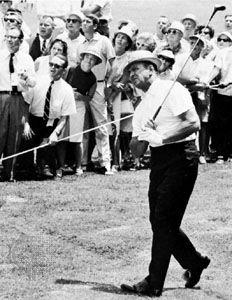
Optimising what you eat adn drink is a controllable factor that directly influences performance on the golf course beyond general fitness. Converging evidence from exercise science, sports nutrition and cognitive research shows that purposeful manipulation of macronutrient timing, fluid status, electrolyte balance and essential micronutrients can enhance neuromuscular coordination, sensorimotor accuracy and attentional control-each crucial to reliable swing mechanics, driving distance and delicate putting.Given golf’s mix of short explosive efforts, extended low-intensity movement and high-stakes decision moments, strategies that steady blood glucose, support excitation-contraction processes and maintain central nervous system function are particularly useful.
Below is a practical, evidence-informed set of eight nutrition approaches that translate physiology into usable interventions for golfers aiming to improve swing consistency, carry and putting performance. Each section links the underlying mechanism (for example, carbohydrate timing for endurance of neuromuscular function; hydration/electrolyte management for sustained motor recruitment; micronutrient adequacy for neurotransmission and muscle performance) with practitioner-friendly recommendations for training and competition. the goal is to equip coaches,clinicians and players with a reproducible,science-backed toolkit to make on-course gains through nutrition.
Nutritional Foundations for Golf Performance: Aligning energy Availability with Practice Load and Competition Demands
Matching daily energy intake to the specific demands of practice days and tournament play starts with a measurable plan for macronutrients and fluids. For most golfers, target a daily carbohydrate intake of 3-7 g·kg⁻¹·day⁻¹ depending on how much high-volume practice or multiple rounds you do (lower end for light technical work; upper end for heavy training or consecutive rounds), and aim for protein of 1.2-1.7 g·kg⁻¹·day⁻¹ to support repair and neuromuscular recovery. Before sessions, eat a meal 2-3 hours before play supplying about 1-3 g·kg⁻¹ of carbohydrate from easily digested foods (whole-grain porridge, toast, fruit) plus ~20-30 g protein; if time is tight, use a compact snack ~30-60 minutes beforehand. Hydration guidance includes consuming 500-700 ml of fluid 2-3 hours pre-tee and another 200-300 ml around 10-20 minutes before start, then adjusting for heat and sweat. For long rounds or hot conditions plan ~30-60 g carbohydrate per hour plus electrolyte replacement (for heavy sweating, roughly ~300-700 mg sodium per hour). Practically, keep a small fuel kit-bananas, energy gels, high-carb bars and a sodium-containing sports drink-and trial the exact items during practice rounds so you know they sit well and support consistent motor-learning.
Because fine motor control and neuromuscular sequencing underpin swing and short‑game quality,nutrition must be tied to technical training and measurable drills to avoid performance drops from fatigue. Signs of fatigue include reduced shoulder rotation, premature hip slide and declining clubhead speed-each alters launch and accuracy-so use timely fueling to protect sequencing. A practical practice framework for all levels includes:
- Warm-up baseline (10-15 min): mobility plus 20 slow half‑swings to establish feel; aim for a consistent impact position with appropriate shaft lean and a square face.
- Skill blocks (30-60 min): 3-5 sets of 10 reps focused on one element (tempo, path, low-point). Use a metronome for tempo (try a 3:1 backswing-to-downswing ratio) and track dispersion to a 20‑yard target radius for long clubs or 10 feet on the green for wedges.
- Fatigue‑resistance work (15-30 min): emulate late‑round stress by doing 2-3 extra 9‑iron swings after a 5‑minute rest; preserve contact quality and launch within ±2° of rested values.
When technique slips,apply focused fixes: for early extension,prioritise hip‑hinge drills and keep a fixed spine angle with a club across the shoulders; if tempo accelerates with tiredness,return to half‑swings to restore rhythm. Equipment choices-shaft flex and loft matched to swing speed and endurance-help ensure saved speed converts to distance (for example, aim for a driver launch angle ~10-14° with optimized spin). Use progress markers such as reducing dispersion, increasing sustained practice time by 20-30%, or targeting a specific clubhead‑speed gain over 6-8 weeks.
On competition days,convert training nutrition into a tactical,on‑course routine that supports clarity of thought,short‑game touch and recovery. Use a rehearsed pre‑shot routine that includes breath control to stabilise heart rate-this is especially valuable when low glycogen threatens concentration. Follow the tested fueling sequence: a substantial carbohydrate meal ~2-3 hours pre‑round, a light carbohydrate snack 30-60 minutes before tee, and scheduled in‑round fueling of 30-60 g carbs per hour (for example, a gel or small banana plus sips of sports drink every 30-45 minutes). Adapt for conditions: in wind or wet weather take shorter swings and more conservative clubs to save energy; in heat add electrolytes and extra fluid at the turn. If performance slips mid‑round:
- Check energy: if focus or tempo drops, take 2-3 minutes to regroup with a carb snack and controlled breathing.
- Modify strategy: when fatigue accumulates, favour safer targets and the center of the green to limit recovery shots and cognitive load.
- Recovery: within 60 minutes post‑round, consume 20-40 g protein plus carbohydrate to replenish glycogen and aid neuromuscular repair, and follow with light mobility work.
By directly linking feeding to technical objectives-preserving tempo, protecting feel inside 60 yards and maintaining decision quality-coaches and players can build repeatable routines that lower scores across course types. Testing these plans under a variety of conditions (different pars, wind, pace of play) develops both physiological resilience and the situational judgement needed to reduce handicaps over time.

Hydration and Electrolyte Strategies to sustain Cognitive Function, Fine Motor Control, and Shot Consistency
Start each competitive day with a clear fluid and snack routine to protect decision‑making and precise movement. Consume a mixed carbohydrate-protein snack 60-90 minutes before play (as an example, ~40-60 g carbohydrate with 10-15 g protein) to help maintain blood glucose over long rounds; aim for 500-600 ml (17-20 oz) of fluid 2-3 hours beforehand and another 200-300 ml (7-10 oz) 10-20 minutes prior to the first tee. For electrolytes, choose drinks that provide about 300-700 mg sodium per litre with modest potassium (~200-400 mg/L) to support nerve conduction and lower cramp risk during sustained walking and repeated swings. Practically, use a stepwise plan of pre‑round fuel, small sips between holes and a post‑round recovery drink with 15-25 g protein plus 30-50 g carbohydrate within ~45 minutes; these steps support sustained cognitive focus for green reading, reliable visual tracking for ball flight and the rapid micro‑adjustments needed for short‑game feel.
Bring hydration into practice to preserve fine motor control and consistent swings. dehydration tends to increase grip pressure and upset the wrist‑to‑forearm sequencing needed for repeatable clubface control; thus, monitor body mass change and aim to keep losses ≤2% during play by weighing before and after rounds. During walking practice sip 150-200 ml (5-7 oz) every 15-20 minutes and add electrolyte tablets when sweating heavily.From a mechanics standpoint, maintain a relaxed grip (~4-6/10 perceived tension) and consistent wrist set (many mid‑irons benefit from a ~90° wrist set at the top); if tension or early release appears, pause for fluids and repeat simple feel drills. Useful practice checkpoints include:
- Putting test: 30 consecutive putts from 6-8 ft with a sip of electrolyte drink between sets to assess stroke length and face control.
- Short‑game feel set: 20 wedge shots from 30-50 yards focusing on a steady wrist hinge and relaxed hands; compare distance dispersion before and after hydration.
- Range tempo drill: 10 half‑swings followed by 10 full swings using a metronome or count to preserve tempo; if tension rises, reset with a hydration and breathing break.
New golfers should use the simplified routines above to build body awareness; lower handicappers can fine‑tune electrolyte timing to match individual sweat losses and trial subtle equipment or spin‑control changes during hot‑weather events.
Apply hydration and electrolyte strategies to on‑course management and equipment choices to cut strokes in variable conditions. In high heat or humidity, add short hydration pauses between shots-use the pre‑shot routine as a cue to take 1-3 small sips while reassessing lie, wind and shot shape; this preserves short‑term memory for club choice and steady setup measures like stance width and ball position.Equipment adjustments to mitigate sweaty conditions include tackier glove/grip materials, a clean towel and glove powder, and considering a slightly lower‑compression ball if forearm stability is expected to decline.Set measurable targets such as reducing three‑putts by 20% over eight weeks or narrowing wedge distance dispersion to within ±6 yards from 70 yards. Run hydration‑controlled practice rounds-walk the course, follow your fluid plan and log outcomes-to validate improvements.If issues arise (creeping grip tension, distance control errors, poor reads), return to the basics: verify body mass ≤2% loss, replenish electrolytes, reintroduce calm breathing and redo targeted short drills to re‑stabilise fine motor control and shot consistency.
carbohydrate Timing and Quality for Sustained Power Output, Decision‑Making, and putting Precision
Available glucose is central to maintaining power and precise motor output in golf; carbohydrates are the primary substrate for intermittent, short‑to‑moderate bursts of effort such as walking 18 holes and repeating powerful swings. Schedule a pre‑round meal 2-3 hours before tee built mostly from complex carbohydrates (whole grains,fruit) with modest lean protein to provide steady glucose release and reduce large glycaemic swings; aim for roughly 45-75 g carbohydrate depending on body size and intensity (smaller players at the lower end,larger or competitive players at the higher). If time is constrained, use a small easily digested carb snack 30-60 minutes beforehand (banana or 20-30 g sports gel) to top up blood glucose without upsetting the stomach. Make pre‑round feeding a routine by rehearsing specific foods and timings during practice rounds, and pair carbohydrate choices with fluids and a little protein or fibre to blunt sharp blood‑sugar swings.
Because sequencing and short‑game finesse worsen with neuromuscular fatigue and glucose variability, adopt fueling patterns that preserve tempo and coordination.When energy is stable players can maintain the essential kinetic chain-ground force through the trail leg, ~90° shoulder turn for men and ~80° for women as general guides (adjust per coaching), and repeatable wrist hinge-so combine practice with fueling. Use these practice structures to quantify and protect power:
- Do three block sets of 10 full swings with 60-90 seconds rest between sets; take a small carbohydrate snack (~10-15 g) and water between sets to simulate on‑course refuelling and monitor clubhead‑speed consistency.
- Use a launch monitor to capture baseline clubhead speed for a given club and set a goal to limit speed drop to ≤5% across late‑round repetitions.
- Recreate course scenarios (wind, uphill lies) during practice and practice the swing/stance modifications-e.g., widen stance by 0.5-1 inch and reduce shoulder turn by 5-10° in strong breeze-while watching how energy management affects decision clarity.
This combined technical and nutritional approach helps beginners lock in reliable setup fundamentals (neutral grip, ball at mid‑stance for irons, slightly forward for woods) and lets better players tweak attack angle and spin when fatigue or else increases dispersion.
Putting and tactical decisions are sensitive to small blood‑glucose changes; targeted mid‑round fueling improves putting precision and choices under pressure. For maintenance, prefer small, frequent carbohydrate intakes such as a portion of energy bar (~15-25 g) or 150-250 ml of a carbohydrate sports drink every 4-6 holes depending on walking speed and weather; avoid excessive simple sugars that may trigger subsequent energy dips. practise these drills while varying fueling to learn personal responses:
- Putting‑under‑fatigue drill: make five 10‑ft putts, walk a short distance, consume a 15 g carbohydrate snack, then repeat-track make percentage to measure effect.
- 3‑shot course‑management drill: play three simulated holes with forced choices (aggressive vs conservative), alternate fueling timing and record score and club‑selection changes to train risk-reward decisions under different energy states.
- Troubleshooting: if hands feel jittery or you hit an energy dip, pair carbs with protein/electrolytes and slow intake; for GI upset, switch to lower‑fibre, fast‑digesting options and test them in practice rounds.
Account for weather and equipment factors-hot, humid conditions raise carbohydrate and fluid needs; carry snacks in a Rules‑compliant pocket or bag-and pursue measurable goals (for example, maintain putting make rate within ±5% of baseline across rounds) so nutritional tweaks lead to lower scores and smarter on‑course decisions.
Protein Intake and Periodized Amino Acid Strategies to Support Muscle Integrity, Swing Mechanics, and Recovery
Daily protein distribution and well‑timed intakes that match technical training and competition are central to maintaining muscle and neuromuscular readiness. Golfers doing regular strength and power work should target about 1.2-1.8 g/kg body mass per day, with 20-40 g high‑quality protein (~2.5-3 g leucine) per meal every 3-4 hours to maximise muscle protein synthesis. For example, a 75‑kg athlete should aim for ~90-135 g protein daily and include a pre‑round snack 60-90 minutes before tee (25-30 g whey or dairy protein plus a little carbohydrate) to help sustain swing endurance; follow with a post‑round protein dose within 30-60 minutes to speed recovery. Hydration and portable protein snacks (Top 8 nutrition tips: drink regularly, include electrolytes during long rounds, keep compact protein sources on the bag) help avoid late‑round power loss manifesting as collapsed posture, reduced ground reaction force and missed fairways. Also respect equipment legality and comfort-use correctly sized shafts and grips so strength gains transfer into consistent grip and release patterns without illegal anchoring.
Turning improved muscle integrity into better swings requires a staged plan that connects specific strength gains to kinematic sequence and shot outcomes.Prioritise unilateral lower‑body stability and rotational power to boost ground‑to‑club energy transfer: single‑leg Romanian deadlifts (3 × 6-8 reps), medicine‑ball rotational throws (3 × 8-10 each side) and resisted hip rotations that encourage a pelvis‑shoulder separation (X‑factor) around 40°-60° at the top. On the range, reinforce new physiology with impact‑bag drills to keep wrist lag (~30°-45° at transition) and tempo work (e.g., 4:2 backswing:downswing ratio) to preserve sequence under fatigue. Practice checkpoints include:
- Setup checks: neutral spine tilt, ~60% weight on the left foot at address for right‑handers, and ~6-9° shaft lean at impact with irons.
- drills: slow‑motion 3/4 swings with a pause at the top, medicine‑ball progressions into full swings, and left‑hand‑only short chips to refine face control.
- Troubleshooting: if the ball slices at higher speed check grip pressure and face rotation; if distance drops late,review protein timing and in‑round snacks to prevent glycogen dent.
Set measurable targets-such as a +2-4 mph clubhead‑speed gain in 8-12 weeks or cutting average putts by 0.5 via improved short‑game endurance-and use launch monitors and stat tracking to quantify progress.
Phase protein and amino‑acid intake with the training calendar. In the off‑season emphasise hypertrophy with slightly higher protein (towards 1.6-1.8 g/kg) and post‑workout essential amino acid intake to build torque capacity; shift to a pre‑season power block that combines explosive low‑rep work with leucine‑rich protein promptly before and after sessions to convert mass into rotational speed. During competition periods focus on maintenance protein and in‑round, easily digested protein-carbohydrate combinations plus electrolytes to sustain neuromuscular function over multi‑day events. Mentally, link nutrition with warm‑up cues-for instance, after a 10‑minute dynamic warm‑up and a 20-30 g protein snack, plan conservative tee shots and prioritise par saves when short‑game power is reduced. Tailor approaches by ability: beginners use simpler 20-30 g post‑practice protein habits and basic stability work; low handicappers implement advanced periodisation and strength‑to‑power conversion-making amino‑acid strategies actionable tools to improve mechanics, speed recovery and lower scores.
Micronutrient and Supplement Considerations for Neuromuscular Function, Visual Acuity, and Focus on the Green
Because reliable swing mechanics and delicate short‑game touch depend on neuromuscular control, attend to micronutrients and considered supplementation that support muscle contraction, nerve signalling and recovery. Key electrolytes-sodium, potassium and magnesium-and calcium regulate muscle activation and reduce cramp risk during long rounds, while ergogenic supplements like creatine help short‑duration power and adequate dietary protein (recreational players ~0.8-1.2 g/kg, higher for intense training) supports force production and between‑session recovery. Practically, better neuromuscular function shows as smoother transitions, stronger lag in the downswing and cleaner impact (aim for a modest forward shaft lean of ~5° with short irons and a full shoulder turn near 90° when appropriate). Pair nutritional support with biomechanics drills:
- Tempo metronome drill: use a 3:1 backswing‑to‑downswing rhythm at 60-72 bpm for weekly reps to lock timing and reduce jerky transitions.
- Medicine‑ball rotational throws: 3 sets of 10 to develop hip‑torso power twice weekly.
- Single‑leg balance (eyes open/closed): 3 × 30 s per leg to sharpen proprioception and impact face control.
Track improvements like a 2-4 mph rise in clubhead speed over 8-12 weeks or a 20-30% reduction in mishit dispersion,and consult a sports dietitian or physician before starting supplements to ensure safety and rule compliance.
Visual acuity and contrast sensitivity are essential for green reading,alignment and distance control; nutrients such as lutein and zeaxanthin (leafy greens,egg yolks),omega‑3 DHA and antioxidant vitamins (A,C,E) support macular health and rapid visual processing on the course. Improved visual processing helps you pick an exact aiming point (for instance, a small marker at 20-60 ft) and read subtle breaks and grain, enhancing aim and speed judgement. Equipment and setup tips include correct eyewear (polarised or prescription lenses), a high‑contrast ball in low light and a putting alignment routine that fixes the eyes on a point ~3-6 inches ahead of the ball to steady the stroke. Drills to translate nutrition to visual performance:
- Target‑pick drill: place tees or coins at 20, 40 and 60 ft and perform 50 first‑look alignment attempts-record successful first‑looks to measure gains.
- Still‑head putting drill: use video or a mirror to keep head movement under 1 cm across 30 strokes to improve eye-hand coordination.
- Contrast adaptation: practise in different light conditions and test perceived break changes with polarised sunglasses.
Combined with a diet rich in lutein/zeaxanthin and omega‑3s, these habits aim to raise mid‑range make rates (such as, increasing a 6‑ft make rate from roughly ~60% to about ~75% across 6-8 weeks of focused practice).
Cognitive focus and situational decision‑making at the green rely on steady blood glucose, hydration and micronutrients that support neurotransmission-B‑vitamins (B6, B12, folate), magnesium and careful use of caffeine are useful considerations. A moderate caffeine dose (for example, ~150-200 mg 30-60 minutes pre‑round) can sharpen reaction time while small, frequent carbohydrate snacks (banana plus a handful of nuts every 60-90 minutes) help prevent glucose dips that sap concentration. Turn these elements into on‑course routines: adopt a consistent 8-10 second pre‑shot routine and diaphragmatic breath cycle (inhale 4 s, hold 4 s, exhale 4 s) for putts inside 20 ft. To train mental and technical integration, try:
- Pressure 10‑ball putting drill: require 7/10 makes from a set distance (e.g., 10 ft) with small consequences for misses to rehearse focus under stress.
- Course‑management simulation: during practice, play alternate‑lie shots and consciously opt for conservative lines when attention or energy falters-track score differences versus aggressive choices.
- Troubleshooting checklist: if strokes feel rushed check hydration/electrolytes; if visual jumping occurs assess eye fatigue and try lutein‑rich snacks or a short rest.
Set measurable aims such as cutting three‑putts per round by 30% within two months. Remember supplementation is adjunct to sound technical practice-always verify safety and legality with a healthcare provider and relevant governing bodies.
Practical In‑Play Fueling: evidence‑based Snack Options and Timing to Maintain Drive Distance and Putting Consistency
Start with a deliberate pre‑round fuel and warm‑up sequence that primes both maximal clubhead speed for tee shots and soft touch for the green. Ideally eat a meal with about 1-2 g carbohydrate per kg body weight 2-3 hours before play (a 75‑kg player would therefore consume ~75-150 g carbohydrate), followed by a smaller carbohydrate snack of 20-40 g ~30-60 minutes before the first tee to stabilise blood glucose. Build the plate from complex carbs, lean protein and a small amount of fat (e.g., whole‑grain toast, egg whites, banana).During the on‑course warm‑up use a progressive swing routine: 10 minutes dynamic mobility, then 10-15 full swings increasing to 80-95% effort, finishing with 5-10 drives to set a baseline distance-this rehearses the kinetic chain (ground force → hip turn → shoulder turn → release) under similar metabolic conditions to the round and reduces the chance that poor fueling will show as lost distance or erratic tempo (tempo commonly ~3:1 backswing:downswing for controlled-power swings).
During play, schedule evidence‑based snacks to sustain both distance and putting touch: plan for roughly 20-30 g carbohydrate every 60-90 minutes in a 4-5 hour round, combined with small amounts of protein (5-10 g) to support neuromuscular steadiness. Portable, practical options geared to beginner preferences include:
- Banana + small handful of almonds (≈27 g carbs + 3-6 g protein/fat)
- Energy bar with ≈20-30 g carbs and 5-10 g protein
- Half turkey sandwich on whole grain (sustained carbs + lean protein)
- Greek yoghurt cup (if chilled) or a small cheese stick
Take snacks between holes or on the walk from green to tee to avoid interrupting your pre‑shot flow; finish chewing and swallow at least 90-120 seconds before any high‑precision shot. Translate these strategies into practice by recording baseline stats (mean carry across 10 drives,clubhead speed and make percentage from 5 ft),then repeat after a standard snack to confirm that your fueling preserves clubhead speed within ~3-5% of baseline and keeps putting success high (aim for >80% from 5 ft). A useful session is “snack then test”: consume the planned snack, wait 10-15 minutes, then do 10 drives and a 20‑putt test to evaluate impact on mechanics.
Manage fluids, electrolytes and situational tactics to avoid mid‑round declines in performance. Maintain a sipping rhythm of 150-250 mL water every 15-20 minutes and in hot or prolonged play supplement with a sports drink or electrolyte tablet supplying roughly 200-500 mg sodium per litre to protect muscle function and putting touch. Avoid heavy, high‑fat meals pre‑round that induce post‑prandial tiredness and pure sugar snacks that precipitate energy rebounds; instead favour mixed‑macronutrient snacks and trial them in practice. Equipment and setup choices (insulated cooler, snacks placed near the top of the bag for quick access, shoes that reduce fatigue) help sustain technique-less fatigue preserves hip rotation and spine angle through impact, which maintains direction and distance. Integrate a short cognitive reset after each snack (30-60 seconds breathing plus a 3‑ball putting routine) so your pre‑shot ritual remains stable and club selection or course management isn’t undermined by hunger or a sugar slump. Together, these measures create repeatable improvements that translate into lower scores through sustained power and consistent short‑game touch.
Recovery Nutrition and Monitoring Protocols to Enhance Adaptation, Reduce Fatigue, and Inform Individualised Nutrition Plans
Good recovery starts with a structured, evidence‑based refuelling plan plus simple physiological monitoring to guide personal adjustments.Immediately after a round, perform a targeted refuel: take 20-40 g carbohydrate together with 20-30 g high‑quality protein within 30-60 minutes to accelerate tissue repair and restore neuromuscular function; on long practice days consider 0.5-1.0 g·kg⁻¹ carbohydrate per hour for the first 2-4 hours. Rehydrate with 500-800 ml of a drink containing sodium (~300-700 mg) to replace sweat losses; use pre‑ and post‑round body mass changes to inform rehydration (loss >1.5% body mass indicates shortfall).For first‑time golfers,carry small easy‑to‑digest choices (banana with nut butter,yoghurt plus granola bar),choose a light carb meal 60-90 minutes pre‑round,limit heavy fats beforehand and use caffeine prudently (e.g., ~100 mg 30-60 minutes pre‑round) to help focus when appropriate. Monitor simple daily markers-RPE on a 1-10 scale, urine colour, morning body mass and sleep duration-to detect accumulating fatigue and adjust nutrition accordingly.
Use recovery markers to plan technical sessions that respect swing mechanics and short‑game learning. When recovery looks good (RPE ≤4, <1% body‑mass loss, >7 hours sleep), schedule higher‑load technical work focused on rotational sequencing and measurable goals such as increasing driver clubhead speed by +2-3 mph over six weeks using resisted overspeed sets. When signs of fatigue appear (RPE ≥6, >1.5% body‑mass loss, low HRV or poor sleep), prioritise low‑intensity, high‑repetition skill work that preserves form-short‑game routines and motor‑control drills-rather than full‑power swings. Structure sessions with clear checkpoints:
- Setup fundamentals: neutral grip, spine tilt ≈20-30°, ball midway between left heel and center for mid‑irons;
- Swing mechanics drills: half‑to‑full progression, pause‑at‑top for transition sequencing and impact‑bag work for low‑point control;
- Short‑game routine: 30‑minute wedge ladder (10, 20, 30 yards × 10 balls) emphasising landing zones and trajectory control.
Explain cues simply to beginners (“rotate shoulders, keep head steady”); for low handicappers refine attack angle (driver +1 to +3° for optimal launch) and spin via loft and ball position tweaks. Set measurable aims-halve three‑putts in 8 weeks or add 10 percentage points to greens‑in‑regulation-and revisit nutrition if performance stalls (such as, add a post‑practice protein shake or change carbohydrate timing).
Blend recovery‑aware nutrition into on‑course strategy and mental prep to support decision‑making in varying conditions. Before long practice days or tournaments, take ~300-500 kcal composed mostly of low‑glycaemic carbs 60-90 minutes prior, sip electrolyte‑containing fluids, and pack compact snacks (dried fruit, electrolyte chews, nut bars) to sustain glucose and cognition across 4-5 hour rounds. In windy or wet conditions that raise energy cost, increase mid‑round carbohydrate by an extra 15-30 g per hour and shorten shot‑selection ranges to conserve energy for precision shots-e.g., in crosswinds choose a club and a lower‑trajectory shot to reduce spin and dispersion, supported by consistent pre‑shot nutrition and breathing. Use simple triggers for in‑play adjustments: if RPE exceeds 6 or concentration falters (missed short putts), take a 60-90 second reset-hydrate, eat a 20-30 g carbohydrate snack and do two controlled breathing cycles-to restore optimal arousal. These integrated protocols enable individualised plans by skill and physiology, aid practice‑to‑competition transfer and reduce fatigue‑related scoring errors through aligned technical, tactical and nutritional actions.
Q&A
Note on sources: the web results supplied with this request did not include the original golf‑nutrition text; the Q&A below is an original, practice‑focused synthesis grounded in contemporary sports‑nutrition principles (macronutrient timing, hydration/electrolytes, micronutrients, ergogenic aids and recovery). consult a registered sports dietitian or medical professional for personalised guidance.
Q1. how does nutrition influence golf performance (swing, driving and putting)?
A1. Nutrition affects golf through three main pathways: (1) sustained energy availability to support concentration and movement across a 4-5+ hour round; (2) neuromuscular support-substrates and micronutrients that enable muscle contraction, coordination and power for driving and tempo control; and (3) cognitive processes-attention, precision and decision‑making-that underpin putting and course strategy. Targeted fueling, hydration and micronutrient optimisation reduce fatigue, stabilise motor control and sharpen focus.
Q2. What are the eight essential nutrition tips to “unlock” peak golf performance?
A2. 1) Pre‑round macronutrient timing to top up glycogen and steady blood glucose; 2) In‑round fueling to sustain carbohydrate supply; 3) Post‑round recovery nutrition (protein + carbohydrate); 4) Consistent hydration strategy; 5) Electrolyte management (sodium, potassium, magnesium); 6) Micronutrient support (vitamin D, iron, B‑vitamins, omega‑3s, magnesium); 7) Selective use of ergogenic aids (caffeine, dietary nitrate, creatine when appropriate); 8) Individualisation and periodisation according to body composition, GI tolerance, schedule and sleep.
Q3.How should a golfer structure pre‑round meals and timing?
A3. Eat a carbohydrate‑focused, moderate‑protein, low‑to‑moderate‑fat meal ~2-3 hours before tee to top up glycogen and limit GI issues. Aim for roughly 1-2 g carbohydrate/kg bodyweight in the 1-3 hours before long competition and include ~20-30 g protein to support neuromuscular function. if tee time is imminent, use a small, easily absorbed carb snack 30-60 minutes prior (toast with jam, banana, sports gel).
Q4. What is an evidence‑based in‑round fueling strategy?
A4. For multi‑hour rounds, consume easily digested carbohydrate to keep blood glucose and cognition steady. Practical targets are about 20-40 g carbohydrate per hour (adjust for walking vs riding and individual needs). Options include carbohydrate‑electrolyte drinks, bananas, bars/gels and rice cakes; sports drinks combine carbs with sodium to address fluid and salt loss simultaneously.
Q5. What hydration and electrolyte approach optimises performance?
A5. Start euhydrated and monitor urine colour and body mass. Sip fluids regularly during play and aim to keep body mass change within ~1-2% of baseline. In heavy sweat or hot conditions include sodium (sports drinks, electrolyte tablets, salted snacks) to aid fluid retention and lower hyponatremia risk. Potassium and magnesium support neuromuscular function-address dietary sources or consider supplements if deficiencies are suspected.
Q6. Which micronutrients matter most for golf?
A6. Priority nutrients include vitamin D (muscle and mood), iron (oxygen delivery and cognition, especially for menstruating athletes), B‑vitamins (energy metabolism), magnesium (neuromuscular excitability and sleep) and omega‑3s (inflammation and possible cognitive benefits). Test status when indicated and correct deficits under professional supervision.
Q7. are there safe ergogenic aids to improve driving power or putting focus?
A7. Caffeine (3-6 mg/kg 30-60 minutes pre‑play) can boost alertness and perceived effort; smaller doses may help fine motor control and reduce pre‑putt anxiety. Dietary nitrate (beetroot juice, ~6-12 mmol nitrate 2-3 hours pre‑activity) can improve efficiency in repeat efforts. Creatine (3-5 g/day) supports short explosive power and may help driving distance. Trial any aid in practice, assess tolerance and check anti‑doping rules where relevant.
Q8.What should a golfer eat immediately after a round to maximise recovery?
A8. Consume 20-40 g high‑quality protein (≈0.25-0.4 g/kg) with 0.5-1.0 g carbohydrate/kg within 30-60 minutes post‑round to support repair and glycogen replenishment. A whey shake (25-30 g) plus fruit or a sandwich is practical, followed by a balanced meal within 2-3 hours.
Q9. How does nutrition differ between putting performance and driving power?
A9. Putting depends on steady fine motor control and cognitive steadiness-prioritise small, steady carbohydrate intakes, hydration and possibly micro‑doses of caffeine. Driving power leans more on neuromuscular strength and explosive capacity-focus on chronic protein and strength strategies, consider creatine, and ensure acute pre‑round carbohydrate availability.
Q10. How should golfers manage body composition for performance?
A10. Aim to improve lean mass relative to fat while preserving adaptability and rotation.Use progressive resistance training and sufficient daily protein (1.6-2.2 g/kg) with appropriate calorie periods for muscle gain or gradual fat loss. Avoid extreme weight loss that harms strength, recovery or cognition.
Q11.Sample tournament‑day nutrition plan (morning tee):
– 3 hours pre: oatmeal with milk or yoghurt, banana and a spoon of nut butter (moderate protein + ~1-2 g/kg carbs).
– 30-60 minutes pre: small carb snack (toast with honey, half a banana) ± low‑dose caffeine if tolerated.
– During round: sip carbohydrate‑electrolyte drink + 1-2 small carb snacks per hour (banana, energy bar, gels); include salty snacks when sweating heavily.
- Post‑round (30-60 min): protein shake (~25-30 g whey) + fruit or sandwich.
– Dinner: balanced meal of lean protein, vegetables, complex carbs and healthy fats.
adjust portions for body size, sweat rate and duration of play.
Q12. how should female, older or vegetarian golfers adapt recommendations?
A12.Females: screen for iron deficiency and RED‑S; ensure calcium and vitamin D adequacy. Older golfers: emphasise distributed protein (≥20-30 g per meal), vitamin D and resistance work to preserve neuromuscular function. Vegetarians/vegans: ensure total protein and essential amino acids (combine legumes, grains, soy), supplement B12 and monitor iron and zinc.
Q13. How can a golfer measure whether a nutrition change helps performance?
A13. Track objective and subjective metrics: driving distance and accuracy,greens‑in‑regulation,putts per round,shot dispersion,perceived energy and focus,heart‑rate recovery,body mass/hydration. Test changes across several practice rounds before using them in competition.
Q14. Common nutrition mistakes that impair golf performance?
A14. Under‑fueling (early fatigue and loss of focus),poor hydration/electrolyte replacement,heavy pre‑round fat/fibre causing GI upset,excessive caffeine (anxiety,sleep disruption),and ignoring micronutrient shortfalls (iron,vitamin D). Avoid trying new foods or supplements on tournament day-trial in practice first.
Q15. Research gaps and evidence strength?
A15. Many recommendations come from broader sports‑nutrition evidence (endurance/power sports). High‑quality, golf‑specific trials are limited, so some extrapolation is necessary. Evidence for hydration, carbohydrate for prolonged activity, protein for recovery and ergogenic aids (caffeine, nitrate, creatine) is solid in general sport contexts; more golf‑focused research on fine motor and cognitive outcomes would be valuable.
Q16. practical next steps for competitive golfers?
A16. 1) Baseline assessment: review diet, body composition and targeted blood tests (iron, vitamin D) as indicated. 2) Create and trial a personalised fueling and hydration plan during practice rounds. 3) Combine strength & conditioning with nutrition to boost driving power. 4) Consult a sports dietitian for tailored periodisation, supplements and monitoring.
optimising nutritional practice is a clear, actionable route to enhance the neuromuscular control, sustained power and refined motor precision that underpin improved swing, driving and putting. The eight strategies above-targeted macronutrient timing, personalised hydration and electrolyte plans, micronutrient sufficiency, strategic ergogenic use and recovery‑focused feeding-support both the physical substrate (muscle function, energy availability, inflammation control) and the cognitive systems (attention, decision‑making, motor planning) required for better golf.
In practice, these recommendations work best when woven into a periodised plan: pre‑round fuel to stabilise blood glucose and sharpen attention; intra‑round hydration and electrolytes to prevent neuromuscular decline; and post‑round protein‑ and carbohydrate‑led recovery to speed repair and adaptation. Individual prescriptions depend on body size, sweat rate, playing duration, habitat, medical history and schedule. Baseline lab checks (vitamin D, iron) and collaboration with a credentialed sports dietitian or clinician will maximise safety, effectiveness and adherence.
Treat nutrition as a complementary pillar alongside technical coaching, strength & conditioning and psychological training. Ongoing application of current evidence,routine performance and wellbeing monitoring,and responsiveness to new research will help golfers and practitioners convert nutrition science into tangible on‑course improvements.

Fuel Your Game: 8 Nutrition Secrets for a Stronger Swing, Longer Drives & Sharper Putting
Use these eight nutrition strategies to sharpen mental focus, maximize clubhead speed, reduce fatigue across 18 holes and improve short-game steadiness.These tips blend sports nutrition science with practical on-course advice so you can translate food into better swings, longer drives and more confident putting.
1. Prioritize pre-round fueling: power the swing and stable putting
Why it matters
Your pre-round meal influences energy, reaction time and steadiness on the greens. Low blood sugar can reduce clubhead speed and increase nervousness during putting.
How to do it
- Eat a balanced meal 2-3 hours before tee time: moderate carbohydrate (40-60 g), lean protein (20-30 g) and healthy fats (10-15 g).
- If time is tight (30-60 minutes before), choose an easy-to-digest snack with 20-30 g carbs + 10-15 g protein (e.g., Greek yogurt + banana or a whole-grain bagel with nut butter).
Pre-round meal ideas
- Oatmeal with berries, a scoop of protein powder and chopped nuts
- Whole-grain toast, scrambled eggs and avocado
- Protein smoothie: milk or plant milk, banana, spinach, 1 scoop whey or plant protein
2. Time carbs for steady energy and cognitive sharpness
Why it matters
Golf is intermittent: bursts of explosive power (drives) with long low-intensity recovery (walking, wait time).Carbohydrate availability supports both neuromuscular power and mental focus late into a round.
How to do it
- Include a mix of low- and moderate-GI carbs pre-round to avoid spikes: whole grains, fruits and starchy vegetables.
- Top up with 20-40 g carbs every 3-6 holes (depending on intensity and personal needs) using simple, portable snacks.
On-course carb examples
- Banana, apple slices or orange segments
- Whole-grain energy bar (20-30 g carbs)
- Rice cakes with honey or jam
3.Never underestimate hydration + electrolytes: steady swing mechanics and putting steadiness
Why it matters
Even mild dehydration (1-2% body mass loss) lowers concentration, increases perceived effort, and reduces fine motor control-critical for putting and consistent swings.
How to do it
- Start well-hydrated: drink 400-600 mL (13-20 oz) in the 2-3 hours before play, then 150-250 mL every 15-20 minutes on-course depending on temperature.
- Include electrolytes (sodium, potassium, magnesium) when sweating heavily-use a sports drink, electrolyte tabs or salted snacks.
4. Use smart supplements to boost power, recovery and focus
Below is a short supplement guide relevant to golf performance.Always consult a healthcare professional before starting supplements.
| Supplement | Potential Golf Benefit | Typical Dose & Timing | Notes / Caution |
|---|---|---|---|
| Creatine monohydrate | Increases short‑term power & clubhead speed | 3-5 g/day (after loading if chosen) | Well-researched & safe for most adults |
| Caffeine | Improves alertness, shot focus; can boost driving distance | ~3 mg/kg 30-60 min pre-play (e.g., 200 mg) | Mindful of jitteriness; avoid late-day sleep disruption |
| Beetroot (nitrate) | May improve blood flow & endurance; supports steady power late in rounds | Concentrate/juice 2-3 hrs pre-play providing ~6-8 mmol nitrate | Timing matters; effects vary individually |
| Omega-3 (EPA/DHA) | Reduces inflammation; supports neuromuscular function | 1,000-2,000 mg/day | Choose high-quality, tested products |
| Vitamin D & Iron | Support energy, mood and muscular function | Dose per blood test; supplement only if low | Check labs before supplementing |
5. Post-round recovery: rebuild strength, limit soreness and prepare for the next round
Why it matters
Recovery nutrition supports muscle repair, reduces soreness and maintains swing mechanics for subsequent practice or rounds.
How to do it
- Aim for 20-40 g protein and 30-60 g carbs within 60 minutes after play (e.g., grilled chicken wrap + fruit, or a recovery smoothie with protein and oats).
- Include anti-inflammatory foods across the day: fatty fish, nuts, berries, leafy greens and turmeric.
6. Nourish the brain: steady nerves and improved putting under pressure
Why it matters
Putting requires fine motor control, steadiness and calm decision-making. Foods that support blood sugar stability and neurotransmitter synthesis help.
How to do it
- Include protein and healthy fat with snacks to avoid post-carb crashes that impair focus (e.g., apple + almond butter).
- Consider small doses of coffee or caffeine with L-theanine for calm alertness before clutch putts (research suggests L-theanine reduces caffeine jitteriness).
- Maintain steady blood glucose by spacing snacks every 3-4 holes if needed.
7. Anti-inflammatory nutrition for better recovery and consistent mobility
Why it matters
Inflammation can reduce range of motion, increase discomfort and subtly alter your swing plane. A diet rich in anti-inflammatory nutrients supports mobility and recovery from high-effort shots.
How to do it
- Prioritize: fatty fish (salmon,mackerel),colorful vegetables and fruits,nuts,seeds and whole grains.
- Limit excessive alcohol and high-sugar processed foods around competition-they impair sleep and recovery.
8. personalize with testing and tracking
Why it matters
Individual response to foods, hydration needs and supplements vary. Track what helps your swing speed, endurance and putting under pressure.
How to do it
- Keep a simple nutrition log on practice rounds: what you ate,hydration,perceived energy,driving distance and putting accuracy.
- consider blood tests (iron, vitamin D) and a body-composition or strength test to guide protein and calorie needs.
Practical on-course nutrition checklist
- Pre-round: balanced, carb-focused meal 2-3 hours before tee.
- Warm-up snack: light carb + small protein 30-60 minutes pre-play.
- Hydration: bring 1-2 L water plus electrolyte option (tabs, sports drink).
- snacks every 3-6 holes: bananas,bars,rice cakes,jerky or Greek yogurt (if you can keep chilled).
- Post-round recovery: protein + carbs within 60 minutes.
swift Snack Scorecard
| Snack | Carbs | protein | Why it’s good for golf |
|---|---|---|---|
| Banana + hand of almonds | 15-25 g | 5-7 g | Quick energy + satiety; potassium for cramp prevention |
| Greek yogurt + honey | 20-30 g | 12-15 g | Sustained energy and muscle support |
| Whole-grain bar + water | 25-35 g | 8-12 g | Convenient carb top-up between holes |
| Beetroot shot (concentrate) | 5-10 g | 0-1 g | May support steady power late in the round |
Training + nutrition synergy
Nutrition is most powerful when paired with golf-specific training. To convert calories into clubhead speed and drive distance:
- Prioritize strength training (posterior chain, rotational core) 2-3x/week and use creatine + protein to support adaptations.
- Practice explosive medicine-ball throws and speed work; consume a protein + carb blend after these sessions to maximize gains.
- Use periodized fueling: heavier carbs on training or tournament days, lighter intake on rest days.
First-hand example: how small changes moved the needle
A mid-handicap amateur tracked nutrition for six weeks: added a pre-round carb-rich meal,started 3-5 g/day creatine,used a 200 mg caffeine gum before the tee shot and ate a small carb+protein snack every 4 holes. Results: perceived energy improved through 18 holes, an average 6-8 yard increase on drives during practice sessions and fewer three-putts in pressure situations. Changes were gradual and required consistent hydration and sleep improvements to hold.
Practical dos & don’ts for golfers
Do
- Test your game-day nutrition during practice rounds-not on tournament day.
- Keep a small cooler or insulated bag for perishables.
- Prioritize sleep and stress management-nutrition effects are amplified when recovery is solid.
Don’t
- Overload on unfamiliar supplements on competition day.
- rely only on sugar-rich items-short-term boost but often followed by energy dips and shaky putting.
- Ignore individual differences-what works for one golfer may not fit another’s GI tolerance or caffeine sensitivity.
Safety note: The nutrition and supplement suggestions listed above are general. If you have medical conditions, are taking medications, are pregnant or have special dietary needs, consult your doctor or a registered dietitian before implementing new supplements or major changes in diet.