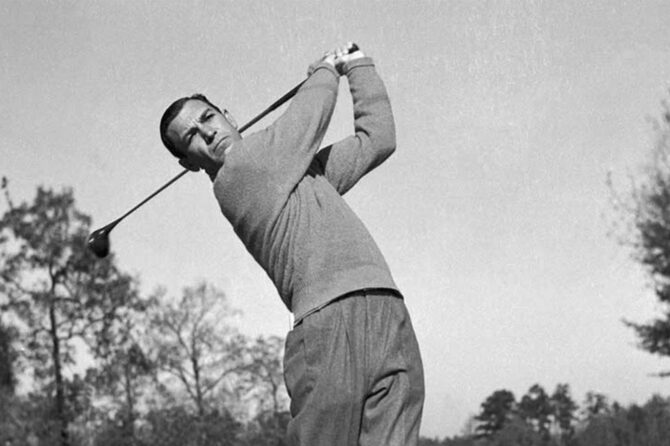
Optimizing nutritional habits is often overlooked when building the physical foundations for better golf performance. Beyond swing mechanics and practise hours, maintaining focus through a full 18‑hole loop, producing repeatable rotational power, and recovering between training sessions all rely on adequate fuel stores, fluid balance, and the vitamins/minerals that underpin nerve and muscle function.Contemporary clinical guidance and sports nutrition consensus emphasize a whole‑food dietary pattern combined with strategic timing of macronutrients and fluids to support endurance, power output, and recovery for recreational and competitive golfers alike.
This guide condenses current, evidence‑informed recommendations into eight actionable nutrition strategies specifically oriented to beginner golfers.Topics covered include daily macronutrient targets and peri‑round timing to maintain on‑course energy and adapt to training; protein plans to aid strength and repair; carbohydrate approaches for steady cognition and aerobic output; healthy fat choices for sustained energy and hormonal balance; hydration and electrolyte tactics to prevent performance‑limiting fluid loss; and key micronutrients (such as, iron, vitamin D, magnesium) that influence oxygen delivery, bone and muscle health, and fine motor control. Each suggestion includes the physiology behind it, clear practical steps for novices, and safety/individualization notes so you can fold these habits into practice routines and match play.

Macronutrient Distribution and Composition to Support Endurance, Strength and Power in Beginner Golfers
On‑course stamina is primarily a function of carbohydrate availability and fluid status. A practical daily macronutrient split to start from is roughly 45-55% carbohydrates, 20-25% protein and 25-30% fat, with per‑kilogram targets near 4-7 g carbohydrate/kg/day and about 1.2-1.6 g protein/kg/day for golfers who practice regularly and play rounds. For illustration,a 75 kg novice would aim for approximately 300-525 g of carbs and 90-120 g of protein daily depending on activity level and goals.Eat a pre‑round meal 2-3 hours before tee to supply ~1-2 g carbs/kg and ~0.25-0.4 g protein/kg to top up muscle glycogen and steady blood glucose. during play, plan simple carbohydrate sources delivering about 30-60 g carbs per hour and follow a hydration routine (for example, 500-750 mL fluid ~2 hours pre‑round and then ~150-250 mL every 15-20 minutes, adjusted for temperature and walking pace). Maintaining these fuel and fluid patterns helps preserve shoulder rotation range (commonly 80-100° for a full backswing in many players), limit shrinkage of the swing arc, and protect clubhead speed from declines tied to low glucose or dehydration.Portable on‑course choices that work well in practice include:
- Fresh fruit (banana or pear) plus a single‑serve nut butter packet (~25-30 g carbs)
- An energy or granola bar (~30-40 g carbs)
- A compact whole‑grain sandwich with 100-150 g lean protein for late‑round support
To increase driving distance and transfer strength to the swing, shift protein upward within recommended ranges and pair nutrition with a targeted resistance plan. A daily protein target of ~1.4-1.7 g/kg supports repair and force production when combined with 2-3 weekly strength sessions emphasizing hip‑driven and rotational movements: Romanian deadlifts, loaded carries, medicine‑ball rotational throws and plyometric jumps. Use strength set/rep schemes such as 3-5 sets of 3-6 reps for maximal strength and 4-6 sets of 3-8 reps for power‑specific throws/jumps. Separate heavy strength days from high‑volume technical work to avoid breaking swing rhythm; for instance,strength training in the morning followed by a 90-120 minute recovery break and a focused,short range session targeting tempo and impact. Short‑term, realistic objectives include improving a 1RM squat by 5-10% over 8-12 weeks and increasing peak clubhead speed by 2-4 mph while keeping dispersion constant. Drills to tie nutrition and training together:
- Medicine‑ball rotational throws – 3 sets of 6 per side, emphasizing hip initiation and weight transfer.
- Tempo practice - use a metronome to establish a 3:1 backswing:downswing rhythm to preserve timing under fatigue.
- Impact feedback – apply impact tape during “heavy” range days to confirm strike location remains consistent as speed rises.
Recovery nutrition and timing during rounds influence decision‑making and can reduce fatigue‑related penalty strokes. Post‑round, consume a carbohydrate+protein recovery option (such as, a shake with 20-30 g protein and ~0.8-1.2 g carbohydrate/kg) within 30-60 minutes to speed glycogen restoration and muscle repair, then follow with a balanced meal (whole grains, ~150 g lean protein, vegetables and an omega‑3 source) within two hours. Monitor critical micronutrients-iron (particularly for female players), vitamin D, calcium and electrolytes-and correct deficits through food first or targeted supplementation after testing. Modify on‑course snack choices by conditions: in hot,walking rounds favor quickly digestible carbs and extra electrolytes to maintain the cognitive clarity needed for club selection and green reads; in cooler weather,include slightly higher fat/protein snacks to help keep core temperature stable. Troubleshooting common problems:
- Mid‑round energy dip: take 30-40 g fast carbs and 200-300 mL electrolyte drink; review pre‑round meal timing.
- Late‑round loss of control: check hydration and carbohydrate intake; prioritize accuracy over power.
- Persistent soreness: increase protein toward the upper end of targets and schedule an eccentric‑focused session 48-72 hours after intense play.
Aligning macronutrient composition and timing with practice loads and conditioning helps golfers-from absolute beginners to lower handicappers-sustain technique,improve short‑game feel and make smarter in‑round decisions.
Pre‑Round Fueling and Meal Timing: How to Maximise Available Energy and Swing Consistency
Design a pre‑round fueling routine that matches golf’s intermittent, skill‑dependent nature. Ideally eat a complete meal 2-3 hours before tee time consisting of ~30-60 g of low‑to‑moderate glycemic carbs (oatmeal, whole‑grain toast, fruit), 15-25 g lean protein (Greek yogurt, egg whites), and a small amount of healthy fat to sustain fullness. Then, 30-60 minutes before the first tee, take a speedy‑acting carbohydrate snack (20-40 g carbs such as a sports gel, small sandwich or banana) to stabilise blood sugar and support early‑hole rotational power.Pair this with hydration-around 500-600 mL fluid 2-3 hours pre‑round plus 200-300 mL 10-20 minutes before tee-to optimise neuromuscular coordination; add a sodium‑containing sports drink when hot or when you expect to walk to preserve electrolyte balance. Practise these timings in rehearsal rounds to learn which specific foods and timing preserve your rotation and tempo under real conditions.
- Practice trial: repeat your planned pre‑round meal during two practice rounds and record driver carry distance,average proximity to the hole from approaches,and three‑putt frequency to see individual responses.
- Checkpoint: if you feel faint before a shot, consume ~15-30 g carbs promptly and reevaluate your protocol.
Use quick pre‑shot nutrition tactics to protect fine motor control for putting and short game. Small chewable carbohydrates or low‑dose caffeine (if you tolerate it) can sharpen attention just before delicate shots-avoid excess caffeine that produces jitteriness. When energy is adequate you should retain a stable lower body and a putting stroke rhythm near a 3:1 backswing:downswing ratio with minimal wrist action; deviations in tempo or increased hand use frequently enough signal low blood sugar or dehydration.Keep short‑game setup consistent: for lob/wedge shots maintain hands slightly ahead of the ball (~0.5-1.0 in) with a slightly open face; for chips use a narrower stance with about 60% weight on the led foot. Correct fatigue cues with focused drills:
- Beginner drill: 10 putts from 6 ft with a 5‑second pre‑shot routine that includes a 200 mL water sip to reinforce hydration ritual.
- Advanced drill: simulate a long day by performing 20 bodyweight squats before a 30‑ball wedge zone session to train touch under mild fatigue.
Integrate fueling into course management and equipment choices so nutrition supports decision consistency across 18 holes and changing conditions. For rounds expected to exceed three hours plan for ~30-60 g carbs per hour (bars, fruit, chews) to preserve cognitive function for club selection and hazard navigation-critical when choosing between a conservative 4‑iron or an aggressive 3‑wood into a tight landing zone. Carry a compact nutrition kit (electrolyte tablets,small protein snack,quick carbs) to adapt if you need to walk or face strong winds that raise exertion. Fatigue can change address alignment and grip tension; set measurable goals such as holding grip pressure at about 4-6/10 and keeping shoulder turn within ±5° of your practice baseline-use tape marks or warm‑up monitors to track. In pressure moments combine a short pre‑shot routine with a micro‑fuel intake (a sip of electrolyte fluid and a small carb bite) to stabilise arousal and support technical execution and smart strategy.
- Course kit checklist: compact carbohydrate source, electrolyte sachets, one small protein bar, travel bottle with volume markers.
- Management drill: play nine holes on a low‑glycemic pre‑round meal,then nine holes with scheduled hourly carbs; compare scoring,dispersion and decision errors to determine your best approach.
Hydration and Electrolyte Strategies for Mental Sharpness and Sustained Physical Output
Establishing proper fluid balance before tee‑off preserves attention and fine motor skills essential for consistent swing mechanics and dependable putting. Consume ~500 mL of fluid 2-3 hours before play to allow normal renal handling and avoid stomach discomfort, and top up with ~200-300 mL 10-20 minutes before address to support circulating volume. Water is the baseline choice for most players; moderate caffeine from coffee or low‑caffeine drinks can count toward overall intake when used sensibly. Even a 1-2% loss of body mass through dehydration is associated with lower force output and less reproducible impact positions, so practical pre‑round checks-body weight or simple thirst cues-are useful. Confirm gloves and grip tape are dry for predictable friction and include a small sip as part of your pre‑shot routine to maintain oral comfort and focus.
While on the course maintain both fluid and electrolyte intake to protect endurance during a walking 18‑hole round and preserve short‑game precision. Aiming for ~0.4-0.8 L per hour of a beverage containing sodium and potassium is sensible when rounds exceed two hours or when it’s hot. Alternate plain water with electrolyte options-diluted sports drinks or coconut water-to replace salts lost through sweat and support neuromuscular firing for steady putting and controlled shaping shots. If you’re prone to GI upset, dilute sports drinks to half strength or alternate sips of water with small amounts of coconut water. Situationally:
- If you must hit a long par‑4 into a headwind late in the round, account for a modest yardage loss tied to declining clubhead speed-back off aggressive yardage choices accordingly.
– If you require high precision for flop shots or long lag putts, prioritise electrolyte intake 30-45 minutes before to restore fine motor control.
Practice drills to make hydration routines habitual:
- Simulate a hot‑weather 18‑hole walk in training and measure pre/post body mass to estimate sweat loss.
- On the practice green, roll 20 putts from 6-10 ft after 45-60 minutes of walking with and without electrolyte intake to sense the difference in touch.
- On the range, perform 50 full swings after incremental fluid intake to monitor effects on clubhead speed and dispersion.
These exercises yield measurable targets (for example, keeping body‑mass loss <1% and mean putt deviation within a few inches) and help translate hydration choices into shot‑by‑shot execution.
After play, recovery hydration and nutrition complete the cycle and inform subsequent practice. Rehydrate with an electrolyte‑containing fluid within 30 minutes of finishing and pair it with 20-30 g carbohydrate plus 10-20 g protein to jumpstart glycogen replacement and repair. within 24 hours schedule a short technical block-such as a 30‑minute wedge control session with 50 shots from 60-100 yards and objective proximity recording-to verify whether neuromuscular control has returned to your baseline. Common errors include overdependence on high‑stimulant energy drinks that can upset the stomach or impair judgement and ignoring gradual fluid deficits over multi‑round events. Corrections: use the practice‑day weighing routine, adopt a sip‑every‑shot or sip‑every‑15-20‑minute habit depending on intensity, and adapt club selection (for example play safer into elevated or protected greens) based on monitored performance.connecting hydration planning to specific drills, equipment and course strategy helps golfers at every level keep cognitive clarity and physical endurance to lower scores.
Micronutrients That Support Muscle Function, Neuromuscular Control and Recovery
reliable swing mechanics are built on a foundation of nutrients that support muscle contraction, nerve conduction and efficient recovery. Practical translation of sports nutrition principles for new golfers includes consistent hydration, scheduled carbohydrate intake, electrolyte balance and timely protein. A useful on‑course rule of thumb is to consume 30-60 g carbohydrate 30-60 minutes before play and to drink roughly 500-600 mL fluid 2-3 hours pre‑tee plus 200-300 mL shortly before starting.Maintain sodium and potassium intake during long or hot sessions to reduce cramp risk and preserve proprioceptive accuracy; consider a sports drink or an electrolyte supplement when rounds exceed three to four hours or temperatures are high. Key micronutrients to monitor:
– Magnesium: supports muscle relaxation and energy transfer (ATP use).
– Calcium and vitamin D: vital for bone health and neuromuscular signalling.
– B vitamins: vital for energy metabolism and neural function.
Address these primarily via food and supplement only when testing indicates deficiency or under a clinician’s direction, especially if aiming to protect short‑term explosive power and fine touch at the green.
With that physiological readiness in place, translate nutrition into concrete swing improvements. When well fuelled and hydrated, players are better able to achieve repeatable setup positions: maintain a spine tilt near 10-15° at address, aim for shoulder rotation in the neighborhood of 80-100° for a full driver swing (with roughly 40-50° of hip turn), and target forward shaft lean of 5-10° at iron impact to compress the ball. Pair motor learning drills with nutrition timing to reinforce tempo and coordination:
- Tempo ladder – three sets of 10 swings with a metronome at a 3:1 backswing:downswing ratio; take a small 10-20 g carb snack between sets to sustain intensity.
- Balance holds – 30-45 second single‑leg holds with eyes closed (three reps per side) to sharpen proprioception after light activity.
- Impact bag/towel drill – 5-8 strikes focusing on forward shaft lean and low‑point control; rest and sip electrolytes between sets as needed.
Beginners should emphasise repetition and clear cues (e.g., “rotate shoulders, stabilise the lower body”), while more advanced players layer in speed and rotation targets to grow carry distance and accuracy. Track progress via measurable outcomes-for instance reducing approach shot dispersion by 10-15 yards or halving three‑putts in a month-and adjust nutrition timing to maintain motor performance throughout sessions.
Recovery and smart course management help preserve neuromuscular coordination over 18 holes and through multi‑round events. Immediately after play prioritise a 3:1 carbohydrate:protein recovery snack (such as, ~45 g carbs + 15 g protein within 30-60 minutes), followed by a full meal with lean protein, whole grains and potassium‑rich foods for next‑day readiness. Let your physiological state guide strategy-if heat or poor fuelling undermines fine motor skills late in a round, opt for conservative targets and lower‑lofted clubs into greens to reduce spin variability. Equipment tweaks-slightly larger grip diameter for hand fatigue or softer shaft flex to help timing-can aid feedback when tired, while mental tools (breath control, concise pre‑shot routines) preserve tempo. Practical checkpoints and corrections include:
- setup: feet shoulder‑width, ball position appropriate to club, spine angle within ~5° of practice baseline.
- Common corrections: early extension – practise with a towel under the trail hip; casting – use half‑swings focussing on wrist hinge.
- Recovery routine: light dynamic stretching, foam rolling for thoracic and hip rotators, and a protein‑forward meal for overnight repair.
Combining micronutrient awareness with solid setup, objective drills and adaptive course strategy helps players at all levels improve muscle function, coordination and recovery, translating into steadier swings, improved short‑game touch and lower scores over time.
Practical Snack and Fueling Protocols for Nine‑ and Eighteen‑Hole Play (Real‑World Tips)
What you eat and drink before and during play directly affects posture, swing mechanics and judgement-so plan fueling with the same care as tee placement and club selection. Aim to eat a balanced meal 2-3 hours before the first tee providing roughly 400-600 kcal with 45-80 g carbohydrate and 15-30 g protein to top up glycogen and stabilise blood glucose. Examples include a whole‑grain sandwich with lean protein and fruit or a bowl of oatmeal with milk and banana. Thirty to 45 minutes before play have a small, fast‑digesting snack (~100-150 kcal, 15-30 g carbs)-a banana or a 40 g energy bar-to sharpen focus for the opening holes without GI distress. These choices help preserve spine angle and a steady 3:1 tempo early in the round; many coaches track tempo variability with a metronome or launch monitor and aim to keep it within a few percent across the front nine.
On course, adopt a simple, repeatable protocol to avoid declines from fatigue and dehydration.For nine holes a single mid‑round snack (100-200 kcal) plus water generally suffices; for 18 holes plan to consume 15-30 g carbohydrate every 45-60 minutes plus electrolytes to support concentration and clubhead speed. Hydration targets might look like 500-600 mL two hours before play, 200-300 mL 15 minutes before tee, and then 150-250 mL every 30-45 minutes; in hot or windy conditions use a beverage containing approximately 200-500 mg sodium per litre to replace sweat losses. In real situations a quick 20-30 g carb source (dates, a small gel) and a 150 mL electrolyte drink 15-20 minutes before a critical late‑round shot can clarify thinking and reduce the tendency to over‑swing. Practice these game‑day behaviors with drills such as:
- Pre‑shot fueling rehearsal – practise pre‑tee snack timing during practice rounds to learn digestion timing.
- Fatigue simulation - play nine holes then immediately do a 20‑yard chipping ladder (5, 10, 15, 20 yds) to train short‑game mechanics under depleted glycogen.
- Hydration checkpoint – weigh yourself before and after rounds and aim to limit body‑mass loss to under ~2% with appropriate fluid replacement.
Integrate recovery and mental skills with equipment choices so nutrition enhances technique and course management. Post‑round, prioritise a 3:1 carbohydrate:protein snack within 30-60 minutes (e.g., 40-60 g carbs plus 15-25 g protein) to accelerate recovery ahead of follow‑up practice that targets measurable swing gains (increase hip rotation by 5-10° or reduce early release). pack lightweight, easy‑open snacks in a hip pocket or small cooler to avoid altering bag balance and to keep pace of play smooth. Avoid high‑fat or high‑fibre meals pre‑round that can provoke GI upset; don’t skip electrolytes on hot days or rely solely on caffeine for alertness. Use launch monitor checks every 4 weeks to monitor clubhead speed and dispersion, set tolerances (e.g., ≤10-15 yd increase in dispersion when playing in heat) and adapt fueling to preserve technical consistency and scoring.
Evidence‑Based Supplementation and Safety Guidance for New Golfers
Nutritional supplements can complement food‑first strategies when used carefully. Eat a balanced meal 2-3 hours pre‑round with 30-60 g carbs and moderate protein (as a notable example a whole‑grain sandwich with ~20-25 g protein). Drink 400-600 mL of water about 90-120 minutes beforehand and another 200-250 mL close to tee time.During play refuel with easily digested carbs (20-40 g every 45-60 minutes in typical conditions),increasing to 30-60 g/hour plus electrolyte replacement when temperatures rise above ~25°C (77°F). In hot conditions a sports beverage supplying roughly 300-700 mg sodium per hour may help maintain plasma volume and neuromuscular function.Safety recommendations:
- Choose third‑party tested supplements (NSF,Informed‑Sport).
- Avoid products with unknown stimulant blends; limit caffeine to 100-200 mg pre‑round depending on tolerance.
- consult healthcare providers before starting multivitamins, iron, creatine or other ergogenic aids if you have medical conditions or take medications.
Supplements with the best balance of evidence and practicality for golfers include creatine monohydrate (3-5 g/day) to support short‑term power growth when combined with training; moderate caffeine dosing to acutely boost alertness and possibly short‑term power (individual response varies); and dietary nitrate (beetroot) for modest improvements in exercise economy in some people. Always prioritise food, verify purity and consider competitive anti‑doping rules.
Proper warm‑up and technique work amplify the benefits of consistent fueling. Start practice with 5-10 minutes of dynamic mobility (leg swings, banded shoulder rotations, hip openers), then progress through a hitting sequence – wedges at 50-60% effort, mid‑irons 70-80%, then long clubs at 85-95% over 15-20 minutes – to groove tempo and timing. Check setup basics (stance width ~shoulder width for irons, 1.25-1.5× shoulder width for driver; ball centred for mid‑irons, slightly inside left heel for driver; knee flex ~15°; hands 0.5-1 in forward on irons) and translate nutrition‑supported endurance into technical gains with drills like:
- Impact bag – 3 sets of 10 impacts to reinforce forward shaft lean.
- Plane‑stick drill – 50 slow swings on plane progressing to full speed.
- Short‑game distance ladder – pitch/chip to 5, 10, 15, 20 yards; repeat until 80% land in the target circle.
Track targets such as increasing fairways hit by 10% in eight weeks, limiting three‑putts to ≤2 per round, or reducing 7‑iron dispersion by 10-15 yards, and adjust practice and fueling to support those aims.
Apply supplementation, recovery and tactical adjustments to convert training gains into lower scores. On cool, windy days expect carry distance to fall (roughly 2% less carry per 10°F / ~5.6°C decrease) and choose safer targets-aim for the center of greens, play for uphill putts, and rely on partial swings for recovery shots when fatigued. Build short‑game routines that hold up under fatigue: the clock‑face chipping drill or a 3‑putt avoidance sequence (3 ft, 8 ft, 20 ft with 80% two‑putt success) sharpen green reading under pressure. Post‑round recovery should include 20-30 g of quality protein within 30-60 minutes and electrolyte‑containing fluids to accelerate repair and maintain training frequency. Twice‑weekly strength and mobility sessions that emphasise hip rotation, thoracic extension and rotator cuff health reduce injury risk. Keep mental routines-pre‑shot process, breathing and realistic shot choices-consistent, and follow supplement safety guidance so nutrition, technique and tactics combine to produce consistent, measurable improvements.
Individualised Assessment, Monitoring and implementation to Sustain Long‑Term Gains
Start with an individualized baseline that connects biomechanics to on‑course outcomes: combine a physical screen, launch‑monitor metrics and statistical analysis to form a diagnostic map. Record clubhead speed, ball speed, dynamic loft, spin and attack angle over 3-6 shots to reduce variability; typical reference ranges: driver attack angle +1° to +3° for launch optimisation and iron attack angle −2° to −4° for compressive contact.Pair this with key performance stats-GIR, fairways hit, up‑and‑down percentage and putts per round-so technical adjustments can be linked to scoring. Assess mobility asymmetries (hip rotation ~45°, shoulder turn ~90°) and check equipment: loft/lie settings, shaft flex and grip size should match the player’s tempo and hand size. Keep a concise record card and baseline video (face‑on and down‑the‑line); retest every 4-6 weeks. Critically important setup and assessment checkpoints:
- Setup fundamentals: ball position (driver: inside left heel; short irons: centre/back), spine tilt (driver ~5-8° toward the target), weight bias (driver setup ~60% on back foot rolling toward target through impact).
- Top‑of‑swing: shoulder turn ~90°, wrist hinge consistent for reliable sequencing; impact with hands ~1-2 in ahead on irons.
- Short game baseline: correct wedge bounce for bunkers (8-12°), plan lob/height and measure average lag‑putt distance from 10-20 ft.
Translate the assessment into a stepwise plan emphasising transfer to scoring.Progress from slow, pattern‑based drills to speed and on‑course pressure work; such as use the “half‑turn to impact” progression to build rotation and consistent dynamic loft, then move to full swings with a target of ±2° consistency in attack angle on the launch monitor. For putting and the short game, rehearse scenarios that mimic course stressors-vary green speeds, create slopes and practice up‑and‑downs from different lies. Recommended practice checkpoints:
- Full‑swing drill: use impact tape and an alignment rod; take 10 focused swings and then one on‑course shot to measure transfer.
- Chipping: three balls from 20, 30 and 40 yards with different clubs to manage roll‑out and landing zones.
- Putting: 10 × 6‑ft putts under simulated pressure and 20 lag putts from 25-40 ft to reduce three‑putts.
- Course management: shape 7‑iron and 3‑wood to predefined targets accounting for wind and slope; prefer a club that leaves an uphill chip rather of risking a long sidehill putt.
Layer nutrition and energy management into the implementation plan: have a small carbohydrate snack 30-60 minutes before play (banana or bar),hydrate ~500 mL 1-2 hours pre‑round and sip ~150-250 mL every 30-45 minutes,adding electrolytes on hot days. After sessions, consume 20-30 g protein within 30-60 minutes to support recovery and maintain training capacity. These modest, evidence‑based protocols reduce fatigue‑related swing errors and preserve cognitive decision‑making during play.
To sustain progress adopt systematic monitoring, measurable goals and training periodisation. Set performance objectives (such as increase GIR by 10% in 12 weeks or halve three‑putts in 6 weeks), review weekly stats and monthly biomechanical metrics, and combine objective tools (launch monitor, GPS, shot‑tracking apps) with subjective inputs (RPE, sleep and nutrition logs) to detect plateaus. Troubleshooting actions:
- If accuracy drops: check grip pressure (light-moderate, ~3-5/10), alignment and tee height (driver tee roughly half the ball above crown for upward attack).
- If short‑game consistency declines: isolate contact via chip‑to‑pitch progressions and adapt wedge bounce for turf conditions (firmer turf -> lower bounce).
- If mental mistakes increase late: adopt a concise pre‑shot routine, a 4‑count breathing technique and simple contingency plans for common holes.
Include periodic stress tests that recreate tournament pressures-play mildly dehydrated or after a light snack-and measure whether technique holds; this builds resilience and decision‑making under stress. Tailor learning methods to individual preferences: kinesthetic learners emphasise feel drills and slow repetition, visual learners use split‑screen video comparisons, and players with mobility constraints adopt compensatory swing models with adjusted performance goals. In short,blend objective monitoring,targeted technical work,nutrition‑aware energy management and purposeful on‑course practice to turn short‑term gains into durable scoring improvements.
Q&A
Q1: What is the nutritional goal for beginner golfers aiming to “unlock peak swing performance”?
A1: The goal is to optimise the physiological systems that support golf-sustained focus for 4-5 hour rounds, repeatable rotational power, and efficient recovery-while maintaining overall health. Nutrition accomplishes this through adequate energy and macronutrient supply for play and training, fluid and electrolyte balance, micronutrients that support neuromuscular and bone health, and timely protein for tissue repair (core principles: energy balance, substrate availability, hydration, micronutrient sufficiency).
Q2: Which eight evidence‑based strategies should beginners prioritise?
A2: The eight core strategies summarised here are:
1) Set an appropriate macronutrient framework for training and play; 2) time carbohydrate intake to preserve blood glucose and delay fatigue; 3) Provide targeted protein for repair and strength with post‑session timing; 4) Include high‑quality fats for sustained energy and neuromuscular health; 5) Implement hydration plans with electrolyte attention; 6) Ensure intake of key micronutrients (vitamin D, calcium, magnesium, iron, B vitamins, omega‑3s); 7) consider selected, evidence‑backed supplements (creatine, caffeine, dietary nitrate) under medical oversight; 8) Individualise plans by body composition, sex, medical history and habitat.
Q3: How should macronutrients be distributed for a beginner?
A3: Practical starting points:
– Carbohydrate: becuase golf is prolonged low‑to‑moderate activity with intermittent power, aim for ~3-6 g/kg/day depending on overall activity and training load; concentrate carbs around rounds and intense sessions.
– Protein: target ~1.2-1.6 g/kg/day for general recovery, increasing toward 1.6-2.0 g/kg/day when pursuing strength gains; distribute 20-40 g high‑quality protein per meal and include a post‑exercise serving.
– Fat: aim for 20-35% of total energy, favouring monounsaturated and omega‑3 polyunsaturated fats to support cardiovascular and neuromuscular health.
Q4: Practical carbohydrate timing before, during and after?
A4:
– Pre‑round (1-4 hours): mixed meal with easily digestible carbs (1-4 g/kg depending on timing and tolerance). If short on time choose 30-60 g rapid carbs 15-60 minutes pre‑tee.- during play: 20-60 g carbs per hour for multi‑hour rounds via portable sources.
– post‑round (0-2 hours): 0.5-1.2 g/kg carbohydrate plus protein to support glycogen repletion and recovery.
Q5: How much protein and when?
A5: For strength and power goals in novice golfers, aim for roughly 1.2-2.0 g/kg/day depending on objectives. Spread protein across 3-4 meals (20-40 g each) and include a post‑exercise feed of ~20-40 g within two hours. Older beginners should target the upper end of per‑meal protein to offset anabolic resistance.
Q6: What hydration protocol is recommended?
A6: Hydration principles:
- Pre‑game: ~400-600 mL 2-3 hours before play,plus 150-300 mL close to tee if needed.
- During play: 150-350 mL every 15-30 minutes adjusted for sweat rate and conditions; replace 0.5-1.5 L/hour as required, watching for >2% body mass loss as a red flag.- Electrolytes: add sodium during long or hot rounds to support fluid retention and prevent hyponatraemia.
– Monitoring: use urine color and pre/post body mass as practical checks.
Q7: Which micronutrients matter most and why?
A7: Key nutrients include vitamin D (bone and muscle health), calcium (bone integrity), magnesium (muscle contraction and energy metabolism), iron (oxygen transport and cognition, especially important for menstruating players), B vitamins (energy metabolism), and omega‑3s (anti‑inflammatory support). Emphasise food sources and test/supplement as needed.
Q8: Which supplements show benefit and what cautions apply?
A8: Potentially useful supplements:
– Creatine monohydrate (3-5 g/day) for power and strength gains when training; safe for most, but check kidney health first.
– Caffeine (individualised dose) can improve alertness and short‑term power; time and tolerance matter.
– Dietary nitrate (e.g., beetroot) may modestly improve efficiency in some individuals.
Always prefer food first, verify product purity with third‑party testing and consult a clinician before starting supplements.
Q9: A simple meal/snack framework?
A9:
– Pre‑round (2-3 hours): mixed carb + protein + low fat (e.g.,oatmeal with banana and Greek yogurt).
– Short pre‑round (30-60 minutes): 30-60 g fast carbs (sports drink, fruit, toast with honey).
– during: quick carbs every 45-60 minutes (sports drink, bar, fruit).
– Post‑round (within 2 hours): 20-40 g protein + 0.5-1.0 g/kg carbs (chicken wrap with sweet potato or a smoothie).
Q10: How to individualise nutrition plans?
A10: tailor based on body mass/composition goals, sex (iron needs), age (protein needs), medical conditions, training load, climate and food preferences. Monitor body mass trends, perceived energy, sleep and on‑course cognition; consult a sports dietitian or physician when needed.
Q11: How to evaluate whether changes help performance?
A11: Use objective measures (clubhead speed, practice/round load, body composition, lab tests like iron/Vit D) and subjective measures (energy, concentration, soreness, sleep). Make one change at a time and allow several weeks to assess effects.
Q12: Safety concerns and when to consult a professional?
A12: Consult a clinician or registered dietitian before beginning high‑dose supplements or if you have chronic illness (kidney disease,diabetes,cardiovascular disease),are pregnant or breastfeeding,or experiance unexplained fatigue or GI problems. Competitive golfers should verify supplements for contaminants via third‑party certification.
References and further reading (general background)
– Nutrition.gov – practical sports nutrition resources.
– major clinical summaries and sports nutrition consensus statements (consult clinicians or registered sports dietitians for personalised plans).
concluding note: The recommendations above combine practical, evidence‑based nutrition strategies tailored to beginner golfers. Individual tolerance and response vary-prioritise whole foods,consistent hydration,and progressive strength work supported by adequate protein and calories.For performance‑critical or medically complex cases obtain a personalised plan from a sports dietitian. When applied together-macronutrient timing,individualised hydration,micronutrient attention and targeted training-these practices can reduce fatigue,enhance swing force production and speed recovery between sessions,supporting lasting improvements in swing performance and long‑term health.

Fuel Your Fairway: 8 Game-Changing Nutrition Tips Every New Golfer Needs
Why smart golf nutrition matters
Playing 18 holes demands more than swing mechanics – it requires steady energy, mental focus, and rapid physical recovery between shots. Thoughtful golf nutrition helps you keep your swing sharp from the first tee to the 18th green.Evidence-based nutrition basics (see resources from the Cleveland Clinic, CDC, and the Mayo Clinic) show that balanced carbs, protein, hydration, and micronutrients support endurance, concentration, and recovery.
Quick navigation
- 1.Prioritize carbohydrates for sustained energy
- 2. Hydrate like a pro – before, during, after
- 3. Optimize electrolytes on the course
- 4. Eat lean protein for repair and recovery
- 5. Load up on fruits and vegetables
- 6. Use caffeine strategically
- 7. Nail your pre-round meal strategy
- 8. Replenish after the round with carbs + protein
1. Prioritize carbohydrates for sustained energy
Carbohydrates are your primary on-course fuel. For new golfers working on consistency and endurance, aim to include quality carbs leading up to your round and during play for steady blood glucose and sustained mental focus.
Practical carb choices
- Complex carbs before a round: oatmeal, whole-grain toast, banana, or quinoa.
- On-course top-ups: energy bars with 20-30 g carbs, rice cakes, dried fruit (apricots, dates), or a small turkey sandwich on whole grain.
- Aim for ~30-60 g of carbohydrate per hour for long, highly active days or very warm weather when walking the course.
(Recommendations are general; adjust for body size and intensity.)
2.Hydrate like a pro – before, during, after
Hydration directly affects swing speed, coordination, and decision-making. Start hydrating the day before and drink water consistently during the round. Avoid relying only on thirst.
Hydration checklist
- Pre-round: 16-20 oz (about 500-600 mL) of water in the 2-3 hours before tee time.
- On-course: 6-12 oz (150-350 mL) every 15-20 minutes depending on temperature and exertion.
- Post-round: Replace fluids lost; weigh-ins for serious players help estimate fluid loss.
For practical hydration science, see the CDC’s healthy eating and hydration tips and the Cleveland Clinic’s guidance on basic nutrition and fluids.
3. Optimize electrolytes to maintain fluid balance
When you sweat – especially during hot days or long walks – you lose sodium,potassium,magnesium,and other electrolytes. Replacing electrolytes helps prevent cramps, lightheadedness, and declines in performance.
Electrolyte strategies
- For rounds under 90 minutes in mild weather: water + salty snack (nuts, pretzels) may suffice.
- For hot days, long walks, or multiple rounds: use electrolyte tablets, sports drinks lower in sugar, or coconut water paired with solid food.
- Keep a small bottle of electrolyte mix in your golf bag for easy access.
4. Include lean protein sources for repair and recovery
Protein supports muscle repair (especially if you’re doing strength training for better golf fitness), helps with satiety, and steadies blood sugar between carb intakes.
Protein tips
- Include 15-25 g protein in your pre-round or post-round meal: eggs, Greek yogurt, lean turkey, chicken, tofu, or a protein shake.
- On-course protein snack ideas: string cheese, beef jerky (low-sugar), Greek yogurt pouches, or a small nut butter packet.
- If you lift weights to improve swing power, distribute protein across meals (20-30 g every 3-4 hours).
5. Consume fruits and vegetables for micronutrient abundance
Vitamins, minerals, and antioxidants in fruits and vegetables support immune function, recovery, and energy metabolism – all helpful across golf season.
Easy ways to include produce
- Pack a small container of mixed berries, baby carrots, or apple slices with nut butter for the bag.
- Choose colorful salads or vegetable sides at the clubhouse after your round.
- Micronutrients like potassium (bananas, oranges) and vitamin C (bell peppers, berries) help with recovery and electrolyte balance.
6. Moderate caffeine for alertness and focus
Caffeine can sharpen focus and reduce perceived exertion – useful for tee shots and pressure putts. Though, use it strategically to avoid jitters, dehydration, or disrupted sleep.
caffeine best practices
- If you use coffee or tea, take it about 30-60 minutes before your round for peak alertness.
- Avoid excessive caffeine late in the day if you have an early morning tee time the next day.
- Test caffeine during practice, not tournament day – everyone’s tolerance varies.
7.follow a reliable pre-round meal strategy to fuel performance
The right pre-round meal stabilizes blood sugar,supports concentration,and prevents stomach discomfort while walking and swinging. Timing and composition matter.
Pre-round meal guidelines
- Eat a balanced meal 2-3 hours before tee time: complex carbs + lean protein + small amount of healthy fat (e.g., oatmeal with banana and Greek yogurt; whole-grain toast with eggs and avocado).
- If you need a quick mini-meal within 30-45 minutes of teeing off, choose something light and easily digestible: a banana and small yogurt or an energy bar with a 2:1 or 3:1 carb-to-protein ratio.
- Avoid heavy, greasy, or very high-fiber meals immediately before play to minimize GI upset.
8.Replenish post-game with carbohydrates and protein
After the round, recovery should begin within 30-60 minutes to restore glycogen and start muscle repair. A balanced post-round snack or meal accelerates recovery and prepares you for your next practice session.
Post-round recovery options
- Quick snack: chocolate milk (convenient carb + protein), a turkey sandwich, or a smoothie with fruit and protein powder.
- Full meal: grilled salmon or chicken with sweet potato and salad or a grain bowl with tofu, quinoa, and roasted vegetables.
- Rehydrate and replace electrolytes if you sweated heavily.
On-course snack table (quick reference)
| Snack | Why it works | Easy to pack |
|---|---|---|
| Banana | Carbs + potassium | Yes |
| Energy bar (20-30g carbs) | Sustained glucose | Yes |
| Trail mix (nuts + dried fruit) | Carbs + protein + healthy fats | Yes |
| Electrolyte drink sachet | Replace sodium & electrolytes | Yes |
| String cheese / Greek yogurt | Protein for recovery | Yes (cooler) |
Sample day: Fuel plan for a beginner walking 18 holes
This sample is a practical starting point – personalize portions to your size and energy needs.
- 2-3 hours before tee: bowl of oatmeal with banana, a spoon of nut butter, and a small Greek yogurt (carbs + protein).
- 30-45 minutes before tee (if needed): small energy bar or half a banana.
- On-course (every 45-60 minutes): 1 small snack (banana/energy bar + water or electrolyte drink).
- Post-round (within 60 minutes): smoothie with fruit, milk or milk choice, and protein powder, or turkey sandwich + salad.
Benefits & practical tips for implementing golf nutrition
Benefits you’ll notice
- More consistent energy across 18 holes and less late-round fade.
- Improved concentration on approach shots and putting.
- Faster recovery between rounds and practices.
- Better overall fitness gains when combined with strength and flexibility work.
practical tips
- Practice your pre-round meal and on-course snacks during practice rounds, not tournament day.
- Keep a small insulated cooler with water bottles and perishable snacks in your bag or cart.
- Log how different foods affect your energy and digestion to fine-tune your approach.
- if you have special dietary needs or medical conditions, consult a registered dietitian for personalized guidance (see resources from the Cleveland Clinic and Mayo Clinic).
Coach tips & first-hand experience
Golf coaches and players frequently enough share these field-tested nuggets:
- “A small, reliable snack every 45-60 minutes keeps me mentally sharp during late afternoon rounds.”
- “I switched from sugary gels to a banana + nut butter and felt less of a mid-round crash.”
- “Electrolyte tablets that dissolve in water are a game-changer on hot days when walking – no sticky bottles, easy swig.”
Further reading & trusted resources
- Cleveland Clinic – Nutrition
- CDC – Healthy Eating Tips
- Mayo Clinic - Nutrition Basics
- NutritionFacts.org – Evidence-based Nutrition
Keywords and SEO considerations
This article naturally incorporates high-value search terms for golfers seeking nutrition advice, such as “golf nutrition,” “pre-round meal,” “on-course snacks,” “hydration on the course,” “energy for 18 holes,” “post-round recovery,” and “golf performance.” Use these keywords in meta fields, headings, and internal links on your site to improve search visibility.
Suggested meta description (if you want an alternative)
Fuel Your Fairway with practical, evidence-based golf nutrition tips: pre-round meals, hydration strategies, electrolytes, carb + protein timing, and on-course snack ideas to keep you sharp for all 18 holes.
Note: This content provides general nutrition guidance. For medical or personalized dietary advice, consult a registered dietitian or healthcare professional.