
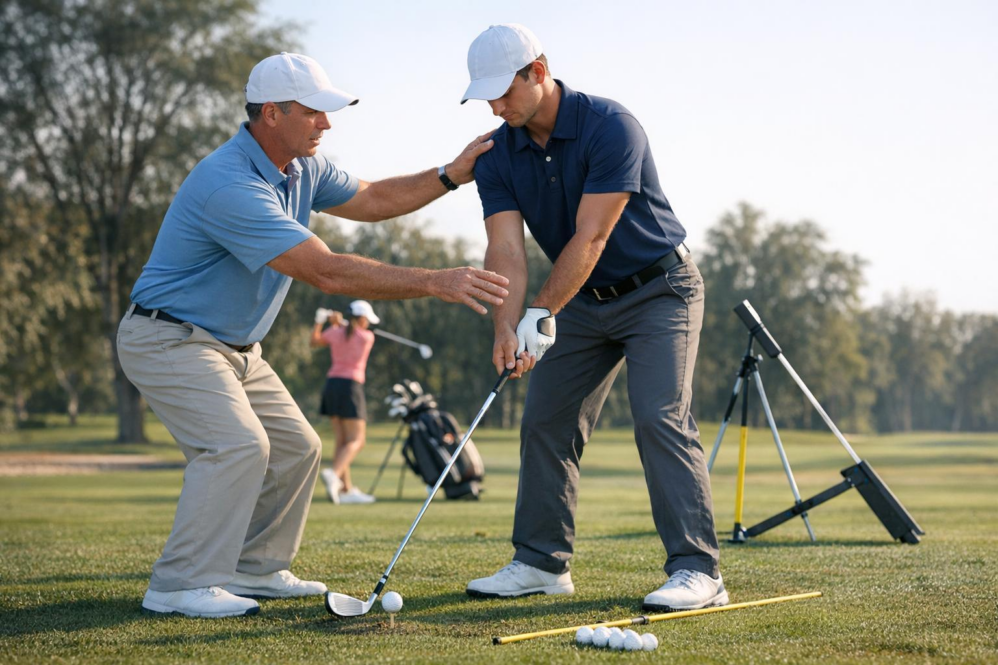
Unlock Your Body After the Round to Enhance Flexibility and Prevent Injury
After a rewarding round on the course, taking the time to properly unlock your body with targeted stretches is essential to maintaining flexibility and preventing injury, ensuring longevity in your golf journey. The golf swing demands a complex interplay of rotational power, balance, and precise sequencing – primarily engaging the hips, thoracic spine, shoulders, and wrists. to effectively restore range of motion, start with dynamic stretches such as hip openers and spinal rotations, holding each stretch at about 30 seconds per side. This helps dissipate built-up tension from repetitive torque during your swing and promotes blood flow to muscle groups heavily worked on the course. Particularly for golfers who leaned on aggressive shot shaping or fast tempos today, releasing tightness in the rear deltoid and forearm flexors can mitigate the risk of strains and encourage a quicker recovery for your next practice session or round.
Building on recovery fundamentals, integrating specific mobility routines designed around golf’s biomechanics elevates your post-round regimen from simple unwinding to an active restoration practice. Incorporate exercises such as the “thread the needle” for thoracic mobility and the “world’s greatest stretch” to concurrently open up your hip flexors, hamstrings, and calves – crucial muscle groups involved in proper weight transfer and follow-through. For beginners, holding each stretch gradually between 20 to 30 seconds at a gentle intensity fosters adaptation without risk of overextension.More seasoned players and low handicappers can deepen flexibility goals by progressing to loaded variations or incorporating stability tools like a foam roller to target fascial restrictions. This refined approach not only reduces soreness but also reinforces movement patterns critical for consistent setup fundamentals and balanced swing mechanics in future rounds.
translating post-round flexibility work into tangible gains on the course involves linking these physical practices to your mental and strategic approach. As fatigue wanes and mobility improves, golfers can better execute precision shots, particularly when navigating challenging greens or tight fairways where nuanced shot shaping and subtle green reading become pivotal. Make it a habit to reflect after each round on how your body felt during specific shots or course obstacles – noting if tightness limited your backswing arc or reduced your ability to make a smooth pivot. Systematically integrate post-round stretching with mindful breathing and visualization drills to enhance recovery on both physical and psychological fronts. Over time, this holistic routine supports not only injury prevention but also fosters the physical resilience and mental clarity needed to confidently manage course strategy and lower scores all season long.
Discover Targeted Stretches That Support Your Swing, Putting, and Driving
Proper flexibility and mobility are foundational to unlocking a consistent and powerful golf swing, making targeted stretching an essential part of any practice routine. Focusing on key areas like the thoracic spine, hips, and shoulders supports a fluid rotation through the swing arc, enhancing both driving distance and control. For example, a simple doorway chest stretch opens the shoulders and improves posture, which is critical during setup to maintain balance and proper spine angle. Incorporating hip flexor stretches like the kneeling lunge helps increase hip turn, directly impacting your backswing width and follow-through extension. These stretches not only increase range of motion but also reduce tension,leading to smoother transitions and more repeatable swing mechanics. Aim to hold each stretch for 20 to 30 seconds and repeat 2-3 times as part of your pre-round warm-up or post-round recovery to maintain flexibility throughout your season.
when it comes to putting and short game finesse, subtle nuances in muscle activation and restriction can seriously affect stroke stability and feel. Wrist and forearm stretches, such as gentle radial and ulnar deviations and finger flexor releases, enhance the delicate control required for consistent putting distance and direction. Similarly, gentle lateral spinal stretches assist with maintaining a stable yet relaxed posture over the ball, crucial for smooth pendulum-like putting strokes. Incorporate dynamic stretches like torso rotations before sessions, progressing to static holds after practice to promote muscle lengthening without compromising joint integrity. practicing these targeted stretches post-round can help reduce soreness from repetitive fine motor activity and improve recovery time, allowing for quicker turnover between practice and play days. For golfers of all skill levels, this approach fosters a repeatable setup and stroke path, yielding a more confident, deliberate short game under varying course conditions.
Advanced golfers often overlook the impact of muscular balance on driving power and control, which can be addressed through intentional stretching sequences that complement strength training and swing practice.Tight hamstrings and calves can restrict weight transfer and lead to early extension or loss of posture through the downswing, resulting in inconsistent contact and reduced ball speed. Incorporating hamstring stretches using a towel or band ensures you maintain near 90 degrees of knee extension with minimal hip flexion, which optimizes the hip hinge movement vital for a robust coil. Additionally, ankle mobility drills improve stability during the pivot and weight shift phase, directly influencing shot shaping capabilities and directional accuracy. Structured post-round routines combining these stretches with foam rolling and light isometric holds help golfers maintain muscular symmetry,reduce fatigue,and ultimately lower scores by enabling more precise,controlled swings across a variety of tee and fairway lies. Remember to adapt intensity and duration based on individual flexibility levels and consult a professional if persistent limitations arise.
Create a Personalized Post-Round Routine to Speed Up Recovery and Improve Performance
After completing a round, a well-structured post-round routine is essential to accelerate recovery and lay the foundation for continuous improvement. Begin with dynamic stretching focused on the key muscle groups used during the golf swing: hips, thoracic spine, shoulders, and wrists. Pay special attention to rotational flexibility, as maintaining approximately 45 to 60 degrees of torso rotation is crucial for generating power and control.Incorporating gentle mobility exercises such as torso twists, hip openers, and wrist flexion/extension stretches helps to reduce muscle stiffness and prevent injury. Additionally, include targeted soft tissue work using a foam roller or massage ball to alleviate tightness in the lower back and forearms, areas commonly stressed during play. This phase aids in flushing out lactic acid buildup and promotes quicker muscle repair.
Once the physical recovery begins, integrate a mental debriefing exercise to connect the round’s course management decisions with swing and short game execution. Reflect on specific shots or holes where strategy influenced scoring-such as choosing layup distances to avoid hazards or selecting the proper wedge loft for delicate approaches around the green. Use this reflection to identify mechanical adjustments or practice priorities. For example, if mishits stemmed from inconsistent swing plane or grip pressure, incorporate drills that focus on maintaining a 5 to 7 o’clock backswing position and applying a firm but relaxed grip. Practice routines might include clock drills for swing sequencing or green-side chipping exercises from varying lies to enhance touch and trajectory control. These targeted practices ensure the technical components closely align with on-course challenges, making practice more purposeful.
adapt your equipment check and hydration habits to complement recovery and planning for future rounds. Review the performance of clubs, especially your wedges and driver, noting any distance gaps or accuracy issues that might relate to swing mechanics or course strategy. Adjust loft and lie angles or experiment with shaft flex to refine ball flight trajectories that suit your shot shape and playing conditions, such as prevailing wind or firm greens. Post-round hydration with electrolyte-rich fluids and balanced nutrition supports endurance and cognitive clarity, enabling sharper decision-making in subsequent rounds.By combining structured stretching, strategic mental analysis, and equipment tuning, this personalized routine accelerates physical recovery while reinforcing technical growth and course strategy, making each subsequent round an opportunity for measurable improvement.


