Understanding the Power of Mental Focus in Your golf Swing
Developing mental focus begins by consciously engaging your mind throughout each phase of the golf swing. By practicing your swing in slow motion, you give yourself the unique opportunity to internalize the precise sequencing of your mechanics-from the takeaway through the transition and into the follow-through. This deliberate pace encourages heightened awareness of critical positions, such as maintaining a 45-degree shoulder turn at the top or achieving a consistent lag angle of approximately 90 degrees between your lead arm and shaft during the downswing. Slowing down also helps identify subtle flaws, like early wrist breakdown or sway in the lower body, which often go unnoticed at full speed. For beginners, this method builds a solid foundation by ingraining proper muscle memory and reinforcing the feel of balanced weight transfer, while advanced players can refine timing and rhythm-both vital to replicating quality ball striking under pressure. Additionally, slowing the swing sharpens the ability to focus inward, which translates effectively during course play, enabling golfers to block out distractions like wind, crowd noiseor competitive stress.
Integrating mental focus with strategic practise enhances both technical improvement and on-course decision making. For instance, after mastering slow-motion swings on the range, transition your practice to varying conditions such as uneven lies, gusty winds, or tight fairway corridors. This builds adaptability and mental resilience by simulating real-round challenges. Implementing drills such as visualization of accomplished shots before execution and adopting pre-shot routines that include deep breathing and targeted sighting further solidify concentration. It’s essential to understand that a focused mind guides your physical skills efficiently, allowing you to select optimal clubs-for example, choosing a 7-iron over an 8-iron when facing a headwind to maintain control-and to manage risk by playing smarter shots around hazards. By combining mindful slow-motion rehearsals with purposeful game-like scenarios, golfers can elevate their swing consistency, course managementand ultimately, lower scores.Common pitfalls like rushing setup or fixating on bad shots often break focus; counter thes by establishing consistent alignment checks and incorporating simple cue words such as “smooth” or “tempo” during the swing. This complete mental training fosters not just better technique, but a confident and composed approach to every shot.
How Slow Motion Practice Transforms Your Muscle Memory
when you practice your swing in slow motion,you’re not just reinforcing basic mechanics-you’re fundamentally reshaping how your muscle memory encodes the movement. Slowing down allows you to focus consciously on critical positions, such as maintaining a proper wrist hinge at approximately 90 degrees during the backswing and ensuring a square clubface at impact.This deliberate pace helps identify subtle flaws like early wrist release or over-rotation of the hips that might be missed at full speed. For beginners, this deliberate control builds a strong foundation by ingraining the correct tempo and body sequencing, while experienced golfers can fine-tune their technique to optimize power transfer and accuracy. Practicing slow-motion swings also encourages a steady tempo-typically a 3:1 ratio of backswing to downswing-that supports consistent contact and improves timing under pressure,a key advantage for course strategy during difficult lies or windy conditions.
Incorporating slow-motion practice into your routine cultivates not only technical proficiency but also mental resilience,enhancing your ability to remain calm and focused in real-play scenarios.By repeatedly simulating swings at reduced speed, you foster a heightened sense of body awareness and control, which translates to greater confidence when executing shots under stress. To build this skill, try these drills:
- Pause at the top of your backswing for 2-3 seconds to check your wrist angle and shoulder rotation;
- Slowly transition into the downswing emphasizing a smooth hip turn without losing balance;
- Repeat in a mirror or with video feedback to visually confirm positions and alignment.
These drills help isolate and correct common errors like casting or early extension, ultimately sharpening your short game touch and distance control. By mastering slow motion swing practice, you refine your technique steadily while building the mental discipline necessary to execute strategic shot selections-whether it’s dialing in a precise fade or managing course hazards smartly-to consistently lower your scores across all skill levels.
Step-by-Step Guide to Integrating Slow Motion Drills Into Your Routine
Integrating slow motion drills into your golf routine begins by focusing on the fundamental mechanics of your swing with deliberate control and attention to detail. Start by setting up with a proper stance width approximately shoulder-width apart and ensure your weight is balanced evenly between both feet. Employ slow motion to isolate critical swing components such as the takeaway, maintaining a clubhead path aligned with your target line within 5 degreesand achieving a full shoulder turn of around 90 degrees on the backswing. This intentional pacing allows you to feel the sequential hip rotation and wrist ****, building muscle memory with precise movements rather then speed. To avoid common mistakes like casting the club or an early release, use these drills to deliberately pause at key positions-like the top of the backswing and just before impact-strengthening your kinesthetic awareness. Practicing in slow motion also helps ingrain a smooth, connected transition to the downswing, which is vital for consistent ball striking and improved accuracy.
Beyond mechanics, slow motion drills provide considerable mental benefits crucial for course performance, particularly under pressure. when you reduce swing speed, your mind naturally focuses on rhythm, balanceand sequence, cultivating greater mental resilience and confidence in shot execution. Such as, when faced with challenging lies or windy conditions, recalling the tempo and feel developed in slow practice enables you to stay composed and adapt your strategy effectively. Incorporate drills such as the “Slow Half-Swing” where you swing at 50% speed, emphasizing a square clubface at impact to sharpen your short game precision. Beginners will find this approach promotes patience and control, while low handicappers can refine subtle adjustments like wrist hinge timing and weight transfer to optimize power and accuracy. To make this routine effective, dedicate 10-15 minutes per session to these drills during warm-ups or cooldowns, gradually increasing the speed as muscle memory solidifies. This mindful practice fosters not only technical improvements but reinforces course management skills, helping you make smarter decisions and lower your scores.
Tips for Staying Present and confident During Your Practice Sessions
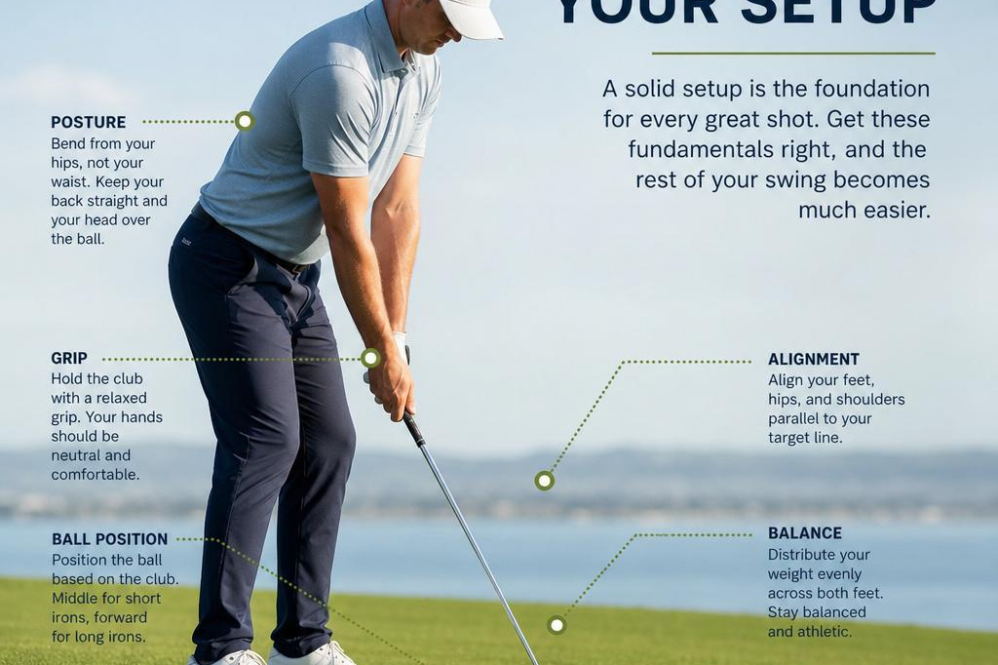
Maintaining a state of presence and confidence during practice sessions is crucial for translating technical improvements into consistent on-course performance. One effective method is to incorporate the slow motion swing drill, which fosters a deeper kinesthetic awareness of your swing mechanics and timing. By slowing your swing to roughly 50-60% of normal speed, you can isolate key positions such as the transition at the top and the impact posture, helping you feel the correct sequencing of your weight transfer and clubhead lag. This mindful approach enhances neural connection to muscle memory, reducing habitual errors like early release or over-rotation.Additionally, setting up a focused practice habitat-free from distractions-allows you to fully engage your attention. Use a checklist of setup fundamentals: feet shoulder-width apart, balanced weight distribution, a slightly flexed front kneeand a shaft lean of about 5 degrees forward at address. This creates a stable foundation that supports precision and trust during practice, building confidence that directly translates to competitive play.
To further solidify mental sharpness, combine your technical drills with simulated course scenarios that emphasize strategic shot-making under pressure. For example, practice executing controlled fades and draws by adjusting grip pressure and clubface alignment at setup, visualizing how these shots negotiate doglegs or avoid hazards on a real hole. Incorporate pre-shot routines that include deliberate breath control and visualization, anchoring focus to the target and intended ball flight.Regularly assess your practice outcomes by recording metrics such as ball spin rate, launch angleand dispersion patterns using launch monitor technology, aiming for consistent shot groupings within a 10-yard radius at 150 yards. These quantifiable goals encourage deliberate feedback loops, reinforcing confidence through measurable progress. Ultimately, blending mindful slow-motion swings with contextual course strategy sharpens both your mechanical skills and mental resilience, essential elements for lowering scores and mastering the subtle art of golf.