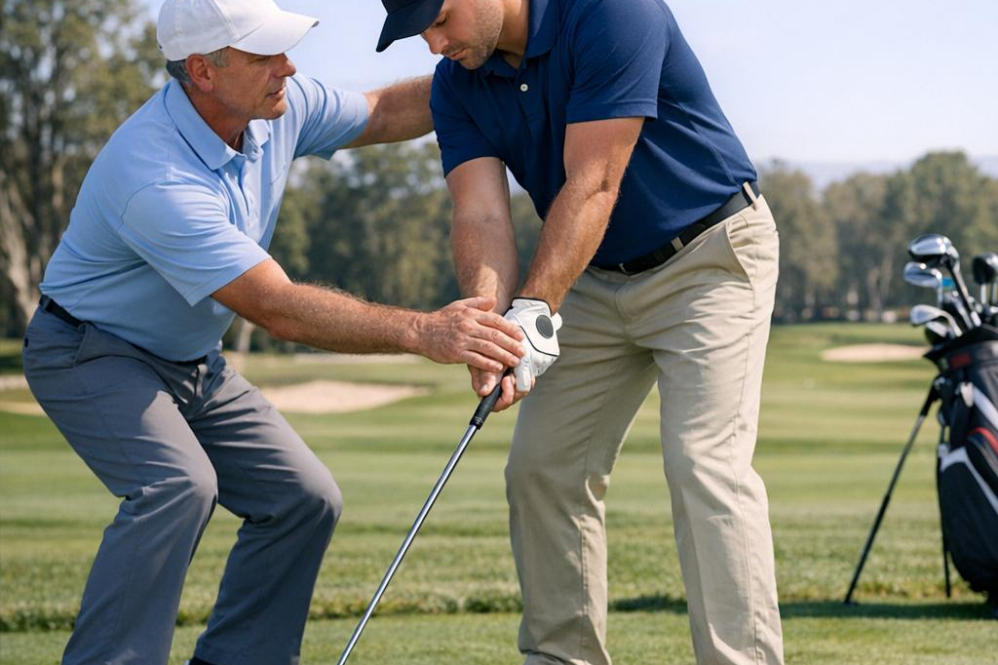
Unlock Your Best Swing by Choosing the Right Driver tailored to your style
Choosing the right driver is a foundational step to unlocking your best swing and maximizing distance off the tee. Begin by assessing your swing speed and launch conditions using a launch monitor or a fitting session with a professional. For players with swing speeds under 85 mph, selecting a driver with a higher loft angle, typically between 12° and 14°, helps promote optimal ball flight and reduces side spin. Conversely, golfers with faster swings often benefit from a lower loft, around 9° to 11°, to achieve a penetrating trajectory.Pay close attention to the driver’s shaft flex-too stiff and you’ll lose distance; too soft and you sacrifice control. Incorporating these biomechanical factors enables a setup that complements your natural swing arc and timing, laying a solid technical foundation for consistent ball striking and improved accuracy.
Beyond loft and shaft versatility, the driver’s head design and adjustability features play a pivotal role in course management strategy. Modern drivers often include movable weights and adjustable hosels to fine-tune ball flight, allowing you to correct common miss-hits like hooks or slices. Integrating this equipment knowledge with your swing mechanics, start setup by aligning your body and clubface to target lines that work with prevailing wind conditions and course layout. For example, a draw bias setting can definitely help strategically navigate doglegs or prevailing crosswinds, enhancing shot shaping options. Drills such as alternating tee shots from various tee boxes, focusing on swing path consistency and impact position, build practical adaptability. This approach ensures your driver not only fits your physical swing profile but also enhances your tactical decisions on the course.
To make measurable improvements, incorporate a practice routine emphasizing both technical precision and mental focus. Use target drills that encourage consistent center-face contact and monitor ball flight characteristics like launch angle and spin rate. tracking these metrics over time establishes tangible goals, such as reducing side spin by 500 rpm or increasing carry distance by 10 yards. Beginners can start with half swings focusing on tempo and impact feel,while experienced players refine release timing and shaft lean at impact. Remember, common errors such as an excessively steep attack angle or an open clubface at setup undermine driver effectiveness.Address these through video swing analysis and corrective drills like tee height adjustments or swing plane groove swings. Ultimately, aligning equipment choice with refined swing mechanics fosters confidence, enhances driving consistency, and lowers scores, illustrating a holistic path to mastering your long game.
Discover how Precision Putters Can Transform Your Short Game Confidence
Mastering the short game begins with a firm grasp of how precision putters can revolutionize your putting stroke and bolster your confidence on the greens. Central to this conversion is the equipment’s design-precision putters often feature a high moment of inertia (MOI), which reduces twisting on off-center strikes, ensuring more consistent distance control and accuracy. When addressing the ball, focus on a setup where your eyes sit directly over the ball or slightly inside the target line, fostering an upright shaft angle near 70 degrees to promote a smooth pendulum motion. Incorporate a midway practice drill by placing tees on both sides of your putter path to guide a straight-back, straight-through stroke, gradually improving your muscle memory and stroke path consistency. Whether you’re a beginner aiming to build reliable mechanics or a low handicapper seeking finesse, understanding how your precision putter’s weighting and face insert technology influence feel and roll is pivotal for achieving optimal green speeds and minimizing three-putts.
Integrating precision putters into your short game strategy also means adapting to various green conditions and break patterns. When reading greens, apply the principles of pelvic alignment and stance width, keeping your feet shoulder-width apart for balance while making subtle wrist hinge adjustments to match stimp readings. By engaging in drills such as ‘ladder putting,’ where you target progressively distant putts while maintaining a consistent stroke tempo, you develop a rhythmic cadence capable of compensating for slope and grain conditions. Furthermore, understanding the interaction between putter face angle at impact and the resulting ball roll allows you to intentionally manipulate ball spin and roll friction, enhancing your ability to navigate subtle undulations and varying grass textures on the course. Integrating these insights with your knowledge of green speeds-typically ranging from 8 to 12 feet on the stimp meter-equips you to make smarter stroke length and pace selections in tournament or casual play.
Beyond pure mechanics, the mental component of confidence when using a precision putter is a game-changer, especially under pressure. Develop a pre-shot routine that incorporates visualization, where you mentally rehearse the trajectory and feel of the putt, reinforcing neural pathways and reducing performance anxiety. Combine this with proper breathing techniques to maintain focus during crucial moments, such as playoff holes or tight scoring situations. On course, leverage your precision putter’s enhanced feedback qualities to quickly diagnose subtle misalignments or tempo inconsistencies, enabling on-the-spot adjustments that keep your stroke on line. to make continuous progress, track your strokes gained putting metric and set measurable improvement goals-aim for reducing putts per round by at least 0.5 through consistent practice and course request of these precision putter techniques. Ultimately, the synthesis of technical proficiency, strategic green reading, and psychological readiness facilitated by precision putters paves the way for a short game that inspires confidence and lowers your scores.
Essential Tips for Matching Your Golf Equipment to Course Conditions and Personal strengths
Understanding how your golf equipment interacts with varying course conditions and your unique physical strengths is vital for optimizing performance. Club selection should be tailored not only to the distance but also to factors like wind, firmness of the fairway, and elevation changes. Such as,when playing into a stiff headwind,opting for a lower-lofted club helps keep the ball flight more penetrating,reducing the chance of it ballooning and losing control. Conversely, softer turf conditions may call for clubs with more bounce angle, such as a sand wedge with 10-14 degrees of bounce, to prevent digging into the ground during chip shots. Golfers should regularly analyze these environmental variables and adjust their setup accordingly, experimenting during practice rounds to develop a confident feel for when equipment adjustments are necessary.
Matching equipment to personal biomechanics is just as essential as adapting to the course. When considering driver fitting, paying close attention to swing speed, attack angle, and release characteristics can dramatically affect ball launch monitor readings, such as spin rate and launch angle. As an example, players with a steep downward attack angle benefit from drivers offering a more neutral or slightly closed face to reduce slice tendencies, while a more sweeping swing path often pairs well with adjustable hosels that optimize loft and face angle. Additionally,shaft flex should correspond to your swing tempo-too stiff or too soft shafts can lead to inconsistent contact and errant shots.Incorporating swing analysis technology during a professional fitting session helps identify the ideal combination, translating into improved consistency and distance control across various lies and shots.
Integrating these equipment insights into your wider course management strategy enables smarter decision-making and scoring efficiency. Such as, knowing your reliable wedge distances in windy conditions allows you to confidently attack pins rather than settling for conservative layups, which can add needless strokes over 18 holes. Practice drills such as the “distance ladder”-where you hit shots to targets incrementally increased by 5 yards-help build precision and trust in your equipment responses.For golfers refining their short game, experimenting with different wedge grinds suited to your typical turf conditions can enhance shot versatility, from crisp pitch shots to delicate flop shots around the green. Ultimately, thoughtful equipment choices combined with detailed knowledge of how your body moves and reacts empowers you to execute course management plans that minimize errors and capitalize on scoring opportunities.