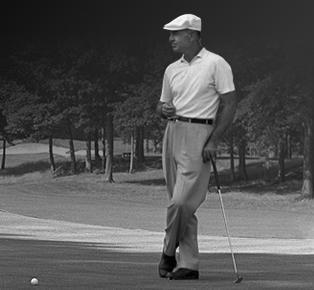
The Hold Finish Drill is a technique that can considerably enhance your golf game by improving your overall swing mechanics and consistency on the course. This drill involves holding your finish position for a few extra seconds after each shot to help you engage your core and lower body muscles, which are crucial for generating power and maintaining control over shorter club lengths like irons.
During windy conditions, it might feel more challenging to hold your finish due to wind resistance. However, maintaining that solid posture can actually reduce clubface twisting mid-swing. To get a better understanding of how body alignment affects ball flight, try incorporating small variations in practise, such as hitting shots with the wind and against it.
To effectively integrate this drill into your regular golf routine, set aside time to perform specific drills focusing on movement and balance required for holding your finish. One effective method involves using markers or cones to define optimal follow-through positions at varying distances from where you initially set up. As you practice swinging through these predefined points, pay attention to how different swings feel compared with those that do not fully extend past contact.
Feel The Release: Mastering The Art Of A Perfect Hold Finish In Your Backswing And Downswing
The art of the perfect hold finish in your backswing and downswing is a nuanced aspect of golf that can greatly enhance your overall swing mechanics and directly impact your scoring on the course. Developing this skill involves understanding how to maintain balance and control throughout your swing, ensuring you’re well-equipped for consistent performance under varying conditions.
Begin by focusing on your stance and grip at address. A stable base is crucial for a solid transfer of power from ground up. Hold the club with tension not in your hands but in your core.As you start your backswing, feel how your arms guide the club while your wrists hinge to initiate the movement. Think about the relationship between your shoulder turn and arm swing; they should complement each other without conflicting.
During the transition from backswing to downswing, it’s key to understand that the lead hand (left for right-handed golfers) acts like a counterbalance in generating clubhead speed-this is where mastering the hold finish comes into play. Maintain grip pressure consistent with your setup stance as you shift towards impact. Visualize compressing all body movement against the target line, ensuring no part of your swing accelerates ahead or lags behind this path.
To practice holding onto that critical finish position, set up several alignment sticks in front of your ball to mimic fairway markers.Begin hitting shots from different lie locations like tee box, bunkerand around the green while focusing on feeling a firm connection with the club at both backswing apex and just after impact.Notice how maintaining your grip pressure helps you sustain proper posture through the swing’s entirety.
By mastering this aspect of golf, you’ll notice improvements in accuracy off the tee as well as better control around the greens, directly benefiting your scoring average over time.Remember to observe players during tournaments; professionals frequently enough demonstrate a synchronized hold finish that allows them to maintain balance and power through their swing sequences. Drills like the alignment stick setup provide real-world scenarios where you can measure progress toward more consistent, powerful shots every round.
Drive With Confidence: Translating The Hold Finish Drill To Optimize Your Tee Shots
To drive with confidence from the tee, golfers frequently enough benefit from incorporating drills that focus on finishing positions as part of their practice routine. One such drill is known as the Hold Finish Drill,which emphasizes maintaining a balanced finish for each swing. This stance allows players to assess the quality and direction of their swing without instantly dropping into another posture or moving away from the ball.
Beginners can start by standing tall after hitting shots, ensuring they hold this position for a few seconds before walking up to their golf ball. This pause is essential as it forces you to concentrate on maintaining balance and form rather than immediately thinking about your next move. As you stand in this finish, observe the position of your feet, legs, body weight distribution, chest alignmentand arm extension-all key elements that influence power generation and accuracy.
For players working on their tee shots, consider setting up a simple tracking system to measure success with this drill. Record how many times you can complete a full swing without losing balance or posture during the hold phase. A good goal might be holding for three seconds after each swing at least 75% of the time over two rounds of golf practice sessions.
Moreover,integrating mental game aspects into your Hold Finish Technique is also crucial. While standing in the finish position, take a moment to review what went well with your recent shot and what you would like to improve on next. This reflection immediately after each swing can enhance muscle memory and reinforce positive habits going forward.
it’s important for golfers to adapt this drill according to different course conditions such as varying lies, wind directions, or tee box angles. On windy days, focus more intensely on balance and weight shift; in longer rough, concentrate on maintaining low spine angle and hip turn through impact. By practicing the Hold Finish Drill under various scenarios, you build versatility that translates into better performance across all kinds of golf courses.
The Secret Sauce: How The Hold Finish Drill Enhances Repetition And Reduces Miss-hits
The Hold Finish Drill is a cornerstone exercise for golf instructors aiming to enhance the foundation of their students’ swings.This technique helps players internalize proper swing mechanics by emphasizing on finishing positions that directly reflect how well a swing was executed. A common issue many golfers face is premature release or an incomplete follow-through, which can lead to inconsistencies and poor shot accuracy.
One key aspect of the Hold Finish Drill involves stabilizing the final position post-impact.Golfers should hold their finishing stance for at least two seconds after completing a swing to ensure that the body rotation fully completes around the ball’s trajectory path. This practice reinforces the correct movements throughout your swing, making it easier to replicate accurately both in practice and during play.
When explaining this drill, focus on how to align shoulder posture with respect to the target line effectively. A crucial detail is keeping your trailing shoulder beyond the ball position at impact. This keeps the club on a straighter path through impact and improves follow-through consistency-a vital step for reducing unneeded errors such as slicing or pulling shots.
Beginners may struggle to maintain balance or feel awkward in the final posture, but using mirrors can help them visually confirm correct alignment post-swing. For intermediate players looking to refine their techniques further,incorporating tempo drills-where swing speed is deliberately increased or decreased while still maintaining proper form-will challenge coordination and reinforce adherence to ideal finish shapes.
Beyond improving individual shots, the benefits of mastering this drill translate directly into strategic advantages on the course. When faced with challenging fairway lies where accuracy is paramount, having a reliable, repeatable swing increases confidence and leads to better shot placement. This can be particularly valuable when navigating courses with tight landing areas or on holes requiring precision off the tee.