Unlocking the Secrets Behind Lee Westwood’s Powerful and Consistent Drive
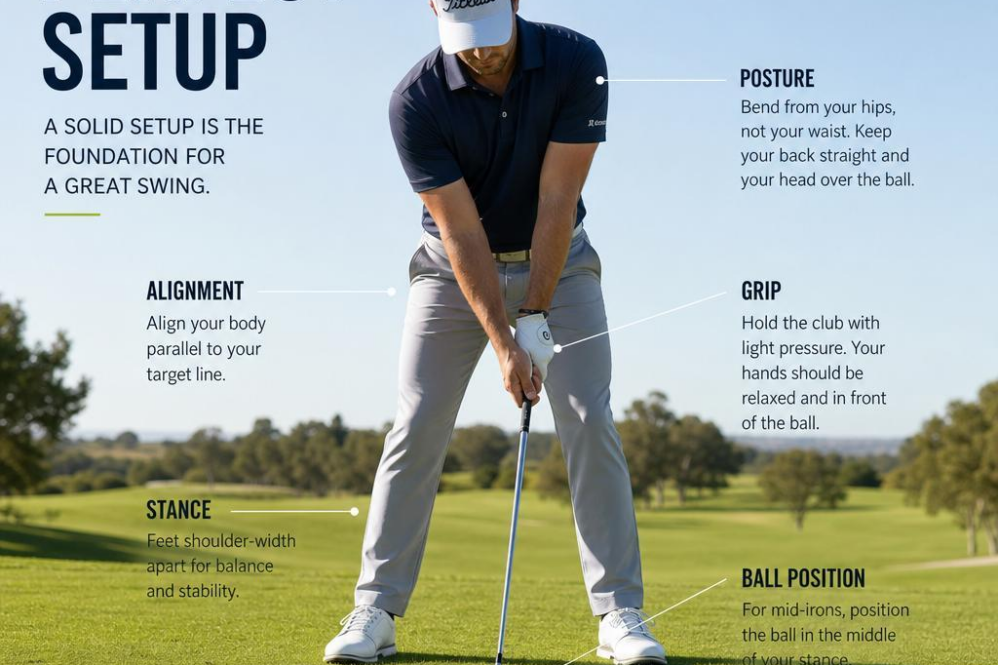
To develop a powerful and consistent drive like Lee Westwood, foundation setup and posture are paramount. Begin by aligning your feet shoulder-width apart, creating a stable base that supports a fluid swing. lee emphasizes a slight knee flex-around 20 degrees-and a balanced forward lean from the hips at approximately 15 degrees, which positions the upper body squarely over the ball. Ensure your grip pressure remains firm but relaxed to maintain clubhead control without tension. A clubface angle slightly open at address, combined with teeing the ball at a height that allows the driver’s sweet spot to strike just below the sphere’s equator, sets the stage for an ideal launch. Incorporating these setup fundamentals ensures consistent contact and optimal launch conditions, critical for maximizing distance and accuracy off the tee.
Moving into the swing mechanics, Westwood’s method highlights the importance of a smooth takeaway followed by a controlled transition into the downswing. Initiating the backswing with a one-piece takeaway encourages the arms and shoulders to move in unison, producing a wide swing arc that generates clubhead speed without sacrificing control. Maintaining a 90-degree angle at the lead wrist at the top of the backswing stores elastic energy, ready to be released during the downswing. The key instructional point is generating a powerful weight shift from the back foot to the front foot, alongside a hip rotation of approximately 45 degrees. This sequencing facilitates a dynamic ”coil and uncoil” action that optimizes kinetic chain efficiency. Consistent impact position-where the clubface meets the ball squarelyand the hands lead slightly to deloft the club-increases ball speed and spin control, essential for managing trajectory in varying wind conditions on the course.
Lastly, effective course strategy integrates technical skill with smart decision-making, a hallmark of Westwood’s teaching style.Selecting the appropriate driving club based on hole layout, wind directionand lie helps golfers avoid costly hazards and set up favorable approach shots. Lee often advocates practicing with multiple tee heights and ball positions to adapt launches for different fairway contours or weather conditions. Furthermore, incorporating drills that simulate pressure, such as hitting target fairway zones under time constraints, builds mental resilience and consistency. for all skill levels, setting measurable goals-like improving fairway hit percentage by 10% over six weeks-sharpens focus and tracks progress. By combining refined swing technique with thoughtful shot selection and mental readiness, golfers can unlock sustained power and control that translate directly into lower scoring and more enjoyable rounds.
How to Fine-Tune Your Putting Stroke for Precision and Confidence on the Green
Achieving a consistent, repeatable putting stroke begins with mastering your setup fundamentals. Start by positioning your eyes directly over the ball or slightly inside the target line, which helps align your stroke toward the intended break. Your feet should be shoulder-width apart with a slight knee flex, promoting stability and balance throughout the stroke. According to Lee Westwood’s insights, keeping the putter’s face square at address is critical; even a small open or closed face can cause the ball to veer off line. To facilitate a smooth pendulum motion, allow your shoulders to make the primary movement, keeping wrists firm but not tense. For beginners, a drill to develop this feel is to practice short putts without lifting your eyes, focusing purely on the stroke mechanics to ingrain muscle memory. More advanced players can use a mirror or alignment sticks to monitor face angle and path consistency. This foundational setup enables golfers of all levels to build confidence by creating a stable platform from which to execute precise strokes on varied green speeds and slopes.
Once your setup is sound, focus on the swing mechanics of the putting stroke for precision and control. The ideal putting stroke mimics a pendulum, emphasizing even backswing and follow-through lengths to promote a consistent roll. Westwood’s top teaching points highlight maintaining a putter face angle within 2-3 degrees through impact, which dramatically improves accuracy by minimizing sidespin. Use drills such as the “gate drill” - placing tees or headcovers just wider than the putter head to guide the stroke path – to refine your stroke and prevent common errors like an inside-out swing path or excessive wrist break.Incorporating a metronome or counting rhythm seconds (e.g., “one-two”) can also help regulate tempo, ensuring smooth acceleration through the ball rather than deceleration or decoupling. On-course, adapt stroke length and speed to green speed variables by visualizing the ball’s initial roll and final resting point, adjusting backswing accordingly. Practicing these mechanics under varied conditions enhances overall feel and builds the kind of confidence essential for pressure situations.
Translating mechanical improvements into lower scores requires nuanced readings of breaks and course management on the green. Lee Westwood emphasizes the importance of combining technical proficiency with savvy green reading, especially in tricky undulating conditions. Begin by assessing slope direction and severity through visual and tactile cues like ball roll tests or observing nearby putts.Then, factor in external elements such as wind and moisture, which can slow speed and exaggerate breaks. Use your improved stroke mechanics to confidently execute putts that match these conditions by purposefully aiming left or right of the hole and trusting the pace control developed in practice. To develop this intuitive feel, practice drills include “ladder putting,” where you progressively increase distance on putts while maintaining speed control and directionand “pressure putting,” where you simulate competitive conditions by aiming for specific targets or attempting consecutive makes under timed settings. by integrating these strategies, golfers not only sharpen their short game execution but also build mental resilience, both key to consistently lowering scores and enjoying the game.
Transform Your Game with Lee Westwood’s Simple Drills and Practical Tips
Starting with the fundamentals, Lee Westwood emphasizes the importance of a consistent setup to achieve a reliable swing. Maintain a neutral grip pressure,approximately 5-6 out of 10,to promote fluid wrist action and prevent tension during the swing. Position the ball slightly forward of center for full irons and around the front heel for drives, aligning your feet shoulder-width apart with a slight knee flex. to refine your swing plane, practice the “half-track drill” indoors or on the range: swing back to waist height while feeling the clubhead track parallel to the target line, which helps ingrain the proper angle of attack. This drill also aids in minimizing common faults such as over-the-top moves and slicing. Consistent repetition of these setup checkpoints will develop muscle memory, equipping golfers across skill levels to generate optimal clubhead speed and control.
Moving into the short game, Westwood’s approach to mastering putting and chipping hinges on developing a quiet lower body and rhythm-focused stroke. Start with a controlled pendulum putting stroke where the shoulders drive the movement, keeping wrists firm to minimize face rotation.Use alignment sticks or tee markers several feet in front to practice maintaining a straight putting path. For chipping, employ the “bump and run” technique on firm courses, landing the ball approximately 10-15 yards past the target to allow roll-out. Incorporate drills such as placing tees to simulate target zones and practicing varying trajectory control by adjusting ball position relative to your stance. Moreover, reading subtle green slopes and grain direction is essential when executing these shots under pressure. Lee Westwood’s lessons highlight that integrating these practices into a routine promotes feel and consistency, which directly translate to lower scores around the green.
Lastly,effective course management is pivotal in transforming your overall performance.westwood advocates thoughtfully selecting targets based on risk-reward analyses tailored to your strengths and weaknesses. Such as, on dogleg holes, focus on a conservative tee shot landing zone instead of aggressively cutting corners to reduce hazard exposure. Employing yardage books or GPS devices to capture exact distances to hazards, carriesand pin placements informs smarter club choices and shot shapes. Additionally,visualize each shot’s trajectory and runway considering wind speed and elevation changes,adjusting stance and ball position accordingly. Off-course preparation includes practicing scenarios such as punch shots beneath tree branches or bunker escapes with open-faced wedges, ensuring mental readiness for diverse challenges. By combining strategic thinking with precise execution, players at all levels can enhance scoring efficiency and develop a resilient, adaptable mindset consistent with top professional standards.