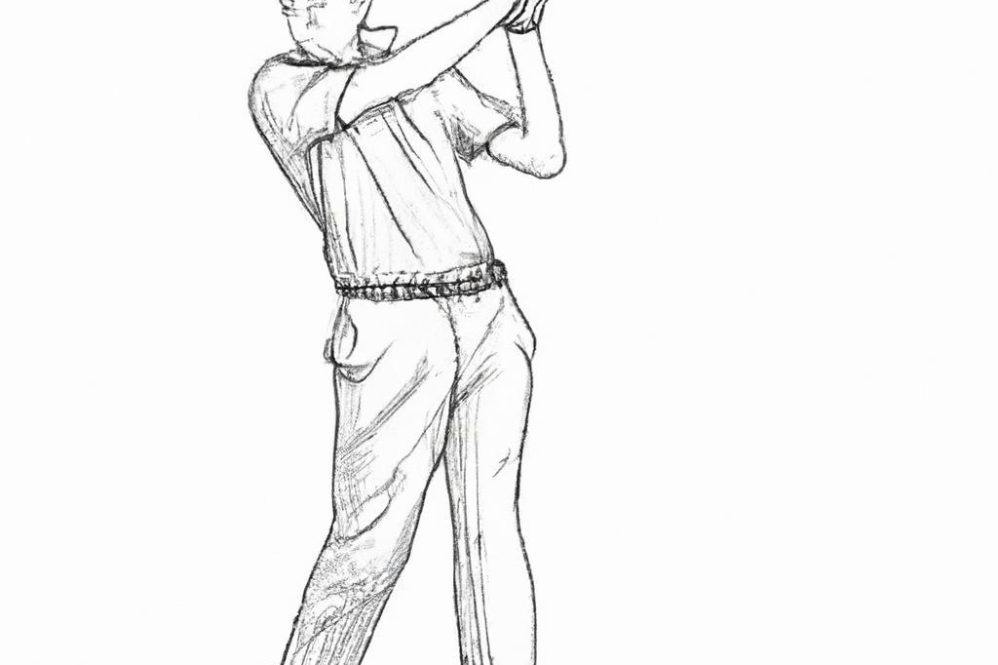
New to the game? While lessons and practice builds technique, what you put on your plate directly affects the stamina, strength, focus and recovery that underpin a reliable golf swing. This article, “Unlock Your Swing: Top 8 Nutrition Tips for First-Time Golfers,” translates evidence-based nutrition principles into practical strategies designed specifically for novice golfers – from macronutrient balance and meal timing to hydration protocols and targeted micronutrient support.
Nutrition is a foundational element of health and physical performance; global health authorities emphasize that a healthy diet supports energy, resilience and reduced risk of chronic disease. With that framework, the following tips focus on simple, actionable changes you can apply before, during and after practice rounds to help maintain steady energy, improve muscular endurance, sharpen concentration over 18 holes, and speed recovery between sessions. These recommendations are general; consider personal needs, medical conditions and professional guidance when tailoring them to your game.
fueling Fundamentals for First Time Golfers: Balancing Carbohydrates Proteins and Fats for sustained Energy
Fueling for a round of golf is, at its core, about supplying the energy systems needed to execute precise motor skills and sustain decision-making over several hours – simply put, fueling in the literal sense of providing fuel.Begin preparation with a pre-round meal consumed 2-3 hours before tee-off that emphasizes carbohydrates for immediate energy, moderate protein for satiety and muscle support, and modest healthy fats to slow digestion without inducing sluggishness. A practical guideline is to target 1-3 g carbohydrate per kg body weight in the 1-3 hours before play (e.g.,~70-210 g carbs for a 70 kg player depending on timing and intensity),plus ~500 ml water 2 hours before the round to start well-hydrated. For beginners, choose easily digested options (oatmeal with banana and a scoop of yogurt); for more experienced players aiming to maintain power, add a lean protein source (20-30 g) and keep high-fat foods minimal to avoid delayed gastric emptying that can disrupt setup and tempo.
During the round, maintain blood glucose and cognitive focus by consuming small, frequent carbohydrate-rich snacks every 60-90 minutes and including a protein-containing item at mid-round to blunt muscle breakdown and hunger. Good on-course choices are a banana or orange (~20-30 g carbs), a 25-30 g energy bar, or a sandwich with lean protein and whole-grain bread. Practice these snacks during a practice round to see how your stomach tolerates them under pressure and heat. Also remember hydration strategy: sip water or a low-calorie electrolyte beverage regularly (roughly 150-300 ml every 15-20 minutes when walking briskly or in heat) and consider drinks with sodium (sports drinks ~300-700 mg Na/L) when temperature or sweat rate is high. Apply these fueling patterns to course scenarios – for example, if you face a late-afternoon back nine with prevailing winds that will increase effort, shift to more frequent carbs earlier to preserve clubhead speed for long par-4s and par-5s.
Fatigue alters swing mechanics: tired golfers commonly lose posture,increase lateral sway,and reduce hip turn,each of which leads to inconsistent contact and loss of distance. To combat this, combine nutritional tactics with targeted drills that maintain technique under metabolic strain. Use the following practice drills and setup checkpoints to link fueling with durable mechanics:
- Tempo drill: metronome set to 60 bpm, use a 3:1 backswing-to-downswing rhythm to ingrain a repeatable tempo and preserve timing as energy wanes.
- Posture hold: with an alignment stick along the spine, practice a 30-second static address to train core endurance and spine angle (aim for 10-15° forward tilt) before hitting shots.
- Speed maintenance: measure clubhead speed on a launch monitor each hour of a simulated 18-hole session; aim to keep speed within ±5% of baseline by adjusting snack timing or carbohydrate type.
These drills help beginners develop consistent setup fundamentals (neutral grip, ball position: one ball forward of center for mid-irons, inside left heel for driver) while giving low handicappers tools to preserve repeatable kinematics late in a round.
Post-round recovery is where training adaptations and long-term power gains occur, so prioritize a recovery snack or meal within 30-60 minutes of finishing. Aim for approximately 0.3 g/kg protein (≈21 g for a 70 kg golfer) combined with carbohydrates at a roughly 3:1 or 4:1 carbohydrate-to-protein ratio to replenish muscle glycogen and support repair – for example, chocolate milk, a turkey sandwich with fruit, or a smoothie with 1 scoop whey, 1 banana, and 250 ml milk. Pair nutritional recovery with mobility work and a structured practice routine: short, focused sessions on the putting green or a 15-20 minute wedge-only routine the next day to reinforce motor patterns while the body recovers. For advanced players working on body composition,include strength sessions 48-72 hours post-round with protein spread evenly across meals (~20-30 g per sitting) to maximize muscle synthesis.
translate fueling into smarter course management and better scoring by recognizing how energy levels effect shot selection and mental resilience. When you notice decreased focus or missed targets late in a round, use simple mitigation strategies: switch to conservative club choices, favor positional play (aim for the fat side of the green) and shorten your pre-shot routine to steady breathing and alignment checks. Pack a compact on-course checklist to ensure consistency:
- hydro bottle with measured volume (e.g.,1 L to start) and electrolyte tabs;
- two easy-to-eat carbohydrate snacks (banana,bar) and one protein item (small nut pack or jerky);
- small first-aid/comfort items (blister tape,sunscreen) and a towel for heat management.
Integrate mental skills – use breathing and imagery in your pre-shot routine to counteract the distraction of mild hypoglycemia or dehydration – and set measurable goals such as maintaining greens-in-regulation percentage or clubhead speed targets. By aligning carbohydrate, protein, and fat timing with swing practice and course strategy, golfers at every level can build endurance, preserve technique under fatigue, and lower scores in a predictable, evidence-informed way.
Pre round meal Strategies to Maximize Focus Power and Steady Blood Sugar
Fueling properly before you walk onto the first tee directly impacts swing mechanics, decision-making, and fine motor control. For reliable energy and steady blood sugar, plan to eat a balanced meal about 2-3 hours before your tee time composed of 40-50 g of complex carbohydrates (oatmeal, whole-grain toast, sweet potato), 15-25 g of lean protein (Greek yogurt, eggs, turkey), and 10-15 g of healthy fat (avocado, nuts). in addition, drink ~500 mL of water during that period and consider an electrolyte beverage if it’s hot. This combination supports rotational power and neuromuscular control so you can maintain consistent clubhead speed and face control through the swing, reducing early-round dispersion that often comes from energy dips or dehydration.
Closer to the start,keep your intake light and targeted to preserve fine motor precision critical for putting and short game. About 30-60 minutes before the round, a small snack such as a banana with 1 tbsp nut butter or a 150 g portion of Greek yogurt stabilizes glucose without causing gastric discomfort. Then follow a short warm-up routine that integrates nutrition with technique: 5-7 minutes of dynamic mobility for the hips and thoracic spine, followed by 8-10 balls focusing on tempo and impact. Use a metronome or audible count to hit a 0.7-0.9 second backswing-to-downswing tempo for wedges and short irons. Practice drills:
- Gate drill for putter face control – place tees 1-2 cm outside the ball path to train square impact.
- Pause-at-top drill – pause 0.25-0.5 sec at transition to feel sequencing and reduce casting.
- Trajectory control – hit 8 shots with 3/4 swing to a fixed target to dial clubface and loft control.
These steps help ensure your pre-round nutrition translates to steady hands and reliable stroke mechanics.
during play, steady blood sugar supports smart course management and clearer shot selection under pressure. instead of waiting until you feel tired,eat small,low-GI snacks every 4-6 holes – options include mixed nuts (handful),an energy bar with at least 3-5 g fiber,or apple slices with peanut butter.Avoid large, greasy meals that slow proprioception or high-sugar items that produce a reactive crash. From a strategic standpoint, a stable energy state makes it easier to adhere to a pre-shot plan: such as, into a 150-yard headwind choose a lower-lofted club to keep trajectory down (punch 8-iron rather of 7-iron) and aim for center of green rather than the flag if energy is waning.Also note that under the Rules of Golf, carrying and consuming food and non-alcoholic drinks on the course is allowed; use this to maintain consistent fueling without disrupting play.
Meals affect more than endurance – they influence grip pressure, tempo, and how you respond to equipment. Heavy, fatty meals tend to increase sluggishness and tighten hands, which leads beginners to grip too tightly and produce a hooked shot; conversely, light carbohydrate + protein meals promote relaxed grip and better release. For practical, equipment-aware drills after a pre-round meal:
- Grip-pressure check – set a scale to 5-6/10 pressure using a foam ball and make 10 full swings, aiming for consistent impact sound.
- Driver width/rotation drill – establish a takeaway that moves the lead arm to create a full shoulder turn; target 45° at waist height on the backswing and 45-50° hip rotation through impact for efficient power transfer.
- Short-game repetition – 30 pitch shots from 30-60 yards focusing on landing zone and spin control to connect touch to feeling.
Set measurable goals such as improving fairway hit percentage by 5-10% or reducing 3-putts by 1-2 per round over a month, and adjust pre-round intake if you miss those targets because energy and concentration are tightly linked to nutrition.
integrate mental conditioning with your fueling strategy so nutrition reinforces routine and focus. Use a consistent pre-shot ritual that begins with two diaphragmatic breaths and a visualization of the shot shape – taking caffeine in moderation (~100 mg, about one cup of coffee) 30-60 minutes before can sharpen attention for many players, while others will benefit more from carb-focused snacks to avoid jitteriness. Cater approaches to learning styles: visual learners should use video feedback of swings during warm-up after eating; kinesthetic learners should perform 10 progressive swings with varying tempo to find the optimal feel. Practice plan example: two focused short-game sessions and one tempo/impact session per week, tracking:
- fairways hit (%)
- greens in regulation (%)
- putts per round
Adjust your pre-round meal components and timing based on these metrics and course conditions (heat, wind) to keep blood sugar steady and cognitive performance high – which in turn promotes better shot shaping, smarter course management, and lower scores.
Smart In Round Snack and Timing Recommendations to Prevent Energy Lows
Energy management on the course directly affects your ability to execute repeatable mechanics and make smart strategic decisions, so plan nutrition like you plan your tee times. begin by fueling pre-round with a balanced meal of complex carbohydrates and lean protein approximately 2-3 hours before teeing off and sip 500-750 ml of fluid in the two hours prior to the first tee to top up glycogen and hydration stores. In practice, test the meal in a practice round or range session so you know how specific foods affect digestion and focus; do not experiment with new foods on tournament day. Remember, consuming food on-course is permitted under the Rules of golf provided that it does not cause an unreasonable delay, so factor quick, tidy nutrition into your pace-of-play routine.
During the round,follow a timed fueling plan to avoid energy dips that degrade tempo and contact: eat a small,easily digested snack every 45-60 minutes and include a mix of carbohydrates and protein-aim for roughly 15-20 g protein per snack when practical. Practical, portable options include:
- banana + almond/peanut butter (quick carbs + healthy fat for sustained release)
- Mixed nuts + dried fruit (convenient, calorie-dense for walking players)
- Low-sugar energy bar with ~15-20 g protein for longer rounds
- Beef jerky or Greek yogurt pouch for savory protein needs
Also carry a small bottle of electrolyte drink or tablets to replace sodium and potassium lost in sweat-this helps maintain neuromuscular function so your hands and forearms feel stable through impact and putting strokes.
Physically, low energy shows up as a breakdown in setup and sequencing, so align your snack timing with technique checkpoints. For example, when you feel a mid-round dip, prioritize a short mobility routine and a focused swing-repetition warm-up before playing a risk shot: set up with 50/50 weight distribution at address, maintain a spine tilt that keeps the lead shoulder lower at impact, and ensure a weight shift to roughly 60-70% on the lead side through impact for full shots. To preserve these mechanics under fatigue, use these practice drills:
- Feet-together to full-swing progression (improves balance and tempo)
- Metronome tempo drill (3:1 backswing-to-downswing ratio) to stabilize sequencing
- Impact-bag or towel drill for solid contact awareness
- Clock-face wedge drill (short-swing control at 60-70% length to simulate tired short game)
These drills can be done in 5-10 minute blocks after a snack break to immediately translate nutritional recovery into technical quality.
Strategically, use nutrition to sharpen decision-making: when you anticipate fatigue late in a round, favor conservative lines and center-of-green targets to avoid risk-reward gambles that require peak concentration. For instance, if you normally hit a 7-iron 160 yd flush but notice dispersion widening by >10-15 yd late in a walk, plan to select a 6-iron or lay up short of hazards and except a two-putt strategy. Practice sessions should include simulated fatigue scenarios-walk a practice nine then hit a scoring-range session and log dispersion and putting stats-to build data-driven club-selection rules under tired conditions. This course-management approach reduces scoring variance and helps lower handicappers and beginners alike to make repeatable, low-risk plays when energy is compromised.
incorporate the mental routine around snacking to maintain focus and rhythm: use a specific breathing pattern (two seconds inhale, four seconds exhale) and a short pre-shot visualization after each snack so nutrition becomes a cue for resetting attention rather than a distraction. Test all snack timing and selections in at least three practice rounds before relying on them in competition, and where possible track objective measures-such as clubhead speed using a launch monitor or percentage of solid strikes-with the goal of keeping those values within ±5% of your rested baseline. For players with dietary restrictions or physical limitations, substitute equivalent macronutrient choices (e.g., plant-based protein, gluten-free bars) and focus on small, frequent intake and hydration to protect swing mechanics, short game touch, and course-management clarity throughout the round.
hydration protocols and Electrolyte Management for Optimal Concentration and Endurance
Proper pre-round preparation sets the foundation for consistent swing mechanics and sustained concentration. Begin by consuming 500-600 ml (17-20 oz) of fluid 2-3 hours before your tee time to allow renal clearance, and follow with 200-250 ml (7-8 oz) about 15-30 minutes before you start. Choose a beverage with electrolytes – aim for a sports drink containing a 4-8% carbohydrate concentration and roughly 300-600 mg sodium per liter – to preserve neuromuscular function and maintain clubhead speed during full swings. In practical terms, this improves shoulder turn and hip rotation by reducing stiffness and cramping risk, so you can maintain your intended swing plane and release. As a quick setup checkpoint, weigh yourself before the round and note urine colour (pale straw = well-hydrated); these simple measures inform whether your pre-round routine is adequate.
During play, integrate a timed sipping schedule into your pre-shot and between-shot routines to preserve fine motor control for short game and green reading.A reliable guideline is to sip 150-200 ml (5-7 oz) every 15-20 minutes, and take a small carbohydrate + protein snack (~150-200 kcal) every 4-6 holes on warm days. Use this hydration break to perform a micro-routine: alignment check, grip-pressure reset, and two deep diaphragmatic breaths – this reduces excessive grip tension that often ruins putting and delicate chips. Equipment-wise, carry an insulated bottle in your bag or cart to keep fluids cool (cold fluids slow gastric emptying slightly but improve comfort in heat). Avoid the common mistake of drinking plain water only; without electrolytes you risk cramping or hyponatremia in prolonged heat or heavy sweat conditions.
Turn hydration knowledge into measurable practice goals and drills so hydration becomes automatic on-course behavior. Track body-mass change with a simple scale: keep fluid loss to <2% of body mass during play – for example,a 75 kg player should avoid losing more than 1.5 kg. Use these drills and checkpoints to build habit and test endurance:
- Hydration Checkpoint Drill: Pre- and post-9-hole weigh-ins, record fluid intake, and adjust sip volumes to stay below the 2% loss threshold.
- Late-Round Putting Drill: After a 45-60 minute walk simulating 9 holes, perform 3×3 feet, 6×6 feet, and 9×9 feet putting sequences to simulate fatigue and practice maintaining tempo.
- Tempo/tempo-Endurance drill: Practice half-swings to full-swings maintaining a 3:1 backswing-to-downswing tempo while hydrating on schedule to observe how fluid status affects rhythm and ball speed.
These exercises link hydration to measurable swing characteristics (tempo, ball speed, dispersion) and identify fatigue-induced errors such as early extension or collapsing posture so you can apply targeted corrections (core stability, half-swing reps, and shorter club selections when tired).
Because hydration directly affects fine motor control and decision-making, apply specific hydration-related strategies to short game and putting. Before starting your putting routine, sip 100-150 ml to steady your hands and eyes; then warm up with a 10-15 minute putting progression that moves from 3-5 feet to 20-30 feet focusing on stroke length rather than grip force. Common mistake: tightened grip under dehydration causes skewed face angles and missed reads. Correct this by practicing a soft-grip drill – hold the putter with a measured pressure of about 4-5/10 on your subjective scale – and use a salty, carbohydrate-dense snack (e.g., pretzels or a sports bar) before the back nine in hot weather to replenish sodium and steady your touch. These small, timed interventions maintain green-reading acuity and distance control, which translate directly into lower three-putt rates and better up-and-down percentages.
incorporate hydration into course-management decisions and post-round recovery to maximize scoring and long-term improvement. In high heat, wind, or on long walking days, adjust strategy by: playing a more conservative tee shot to avoid long recovery lies, choosing clubs that reduce physical strain (e.g., 1-2 clubs more loft to shorten carry while preserving position), and accepting a higher-percentage play to preserve stamina for the short game. For recovery, rehydrate with 1.25-1.5 liters of fluid per kg of body mass lost and include 20-30 g of protein and 50-75 g of carbohydrates within 30-60 minutes after finishing to optimize muscle repair and glycogen replenishment. For different skill levels: beginners should follow the simple timed-sip schedule and snack guidance, while low-handicappers can fine-tune electrolyte concentration, sip frequency, and pre-shot micro-routines to squeeze marginal gains. Altogether, consistent hydration and electrolyte management improves stamina, maintains swing mechanics and short-game finesse, sharpens green reading, and preserves the cognitive clarity you need for intelligent course management and lower scores.
Post Round Recovery Nutrition Including Protein timing Carbohydrate Replenishment and Anti Inflammatory Choices
Immediately after finishing a round, focus first on restoring fluids and starting muscle repair so your next practice or tee time is productive. Within 30-60 minutes aim to consume a small recovery snack that contains both carbohydrates and protein – such as, a whey shake with a banana or Greek yogurt topped with berries and a handful of walnuts. Rehydrate by drinking 500-750 mL of fluid in the first 30 minutes if you sweat heavily, and consider an electrolyte beverage containing sodium (look for drinks with ~300-700 mg/L sodium) if you played in heat or lost more than 1 kg body mass. This immediate recovery window preserves rotational power and neuromuscular coordination so your swing mechanics (hip-shoulder separation, sequencing, and clubhead speed) are less likely to degrade from fatigue; in practice, you’ll notice more consistent impact positions and better feel around the greens when you re-fuel promptly.
Carbohydrate replenishment after 18 holes restores muscle glycogen used for repeated, low-intensity effort (walking, swinging, short-game repetitions), and it’s crucial for sustaining quality practice the next day. For most golfers, aim for 0.5 g carbohydrate/kg body weight within the first hour and then continue to refill at a moderate rate (roughly 0.5-1.0 g/kg over the next 3-4 hours) if you have another round or an intense practice planned. Choose real-food options that match course realities – bananas,dates,an energy bar with 25-40 g carbs,or a 250-500 mL sports drink – because simple carbs accelerate glycogen restoration while small amounts of fiber and protein blunt GI upset. Course strategy link: when glycogen is replenished, your distance control improves on long approach shots and your less likely to misjudge club selection late in the round due to reduced swing speed.
Protein timing directly affects tissue repair,recovery of small stabilizing muscles (core,rotator cuff),and maintenance of strength important for consistent ball striking. Target 20-40 g of high-quality protein within 30-60 minutes after play; whey or soy shakes are quick, while grilled chicken, a turkey sandwich, or cottage cheese are solid whole-food choices. The goal is to reach a leucine-rich threshold (about 2.5-3 g leucine, commonly met by ~20-25 g whey) to stimulate muscle protein synthesis. To translate this into the practice ground: include sessions that combine on-course simulation with short strength circuits (e.g., 3 × 8 single-leg Romanian deadlifts, 3 × 10 rotational med ball throws) and then use your post-session protein to accelerate recovery. Measurable practice goals might be to maintain your baseline clubhead speed within 2-3 mph across a simulated 18-hole test; if speed drops more, shorten practice intensity or increase recovery nutrition.
Anti-inflammatory choices speed recovery and reduce soreness so you can train technique more frequently with less interruption. Integrate foods and supplements with proven benefits: fatty fish (salmon, 3-4 oz), walnuts or flaxseed for omega-3s, tart cherry juice (approx. 8 oz) or a handful of berries for anthocyanins, and turmeric with black pepper in a post-round smoothie to enhance curcumin absorption. Also prioritize micronutrients such as iron (red meat, fortified cereals) and vitamin D (fatty fish, safe sun exposure, or supplement) for oxygen transport and energy.Avoid large amounts of alcohol and heavy, processed meals immediately post-round, as they impair glycogen resynthesis and sleep quality – both essential for learning technical swings and short-game feel. For golfers dealing with inflammation that alters setup or posture (e.g., tight hips changing address position), combine a targeted mobility routine with these nutritional choices to restore reliable setup fundamentals.
apply a simple,repeatable post-round routine so recovery becomes part of your game-improvement system. Step-by-step: rehydrate while walking off the 18th green; weigh yourself before/after play to estimate sweat loss and, if you lost ~1 kg, drink ~1.25 L of fluid over the next few hours; have a mixed snack with 20-30 g protein and 30-60 g carbs within 60 minutes; include an anti-inflammatory element (e.g., salmon dinner or tart cherry juice) within 2-3 hours. Use these practical drills and checks to link nutrition and technique:
- Fatigue Simulation Drill – play nine holes carrying clubs or using a weighted vest to practice swing mechanics under fatigue, then implement full recovery protocol and compare ball flight consistency.
- Tempo & Strength Combo – 10-minute metronome tempo drill (3:1 backswing to downswing) followed by core circuit; refuel immediately and track recovery heart rate and perceived exertion.
- Short-Game Recovery routine – after 18 holes, do 15 minutes of low-load chipping practice to maintain feel while consuming your recovery snack.
By following these steps and measuring outcomes (weight change,resting heart rate,clubhead speed,and feel around the greens),golfers from beginners to low handicappers can convert good nutrition into repeatable technical improvements,smarter course management,and faster skill acquisition.
Key Micronutrients for Bone Strength Muscle Function and Swing Stability with Practical food Sources
Good bone density and neuromuscular control are foundational to a repeatable, powerful golf swing, so prioritize key micronutrients alongside technical training. calcium (aim for approximately 1,000-1,300 mg/day), vitamin D (around 600-800 IU / 15-20 µg daily), and vitamin K (≈90-120 µg/day) support bone mineralization and joint integrity; magnesium (≈310-420 mg/day), potassium, and sodium regulate muscle contraction and balance electrolytes; while iron, zinc, and vitamin C assist oxygen delivery, tissue repair, and collagen synthesis needed for tendon health. In practical terms, build meals around proven food sources: dairy or fortified plant milks and yogurt, oily fish (salmon, sardines), leafy greens (kale, collards), nuts and seeds, citrus fruits, beans and lentils, and lean poultry. These foods align with basic fueling principles-timing a balanced meal 1-2 hours before play and using small carbohydrate/protein snacks 30-45 minutes pre-round improves endurance and steadiness through 18 holes.
Translate nutritional gains into better setup and lower-body stability by pairing targeted strength work with bone-supporting foods. Because the lower body and pelvis transfer energy in the kinematic sequence, strong bones and controlled eccentric contractions prevent early collapse on the downswing. Practice setup fundamentals with measured checkpoints: knee flex 15-25°, spine tilt ~20° from vertical, and an initial weight distribution of 55/45 trail/lead for irons (move to more forward for short irons). Use the following drills to reinforce stability while emphasizing nutrition-supported recovery:
- Step-and-hold: take your normal address, step toward the target with the lead foot and hold balance for 5 seconds to ingrain weight transfer and proprioception.
- Single-leg ball-strike: 3 sets of 8 swings per leg with a mid-iron to train balance; rest and refuel with an electrolyte snack between sets.
- Uneven-lie practice: simulate downhill/uphill lies and focus on hip clearance-eat a calcium/protein mini-meal post-session to support recovery.
These movements, when combined with consistent dietary calcium and vitamin D intake, reduce compensatory sway and help you maintain spine angle through impact.
For swing power and repeatable tempo, prioritize micronutrients that support muscle contraction and neuromuscular timing. Magnesium and potassium help maintain smooth, coordinated muscle firing needed for proper sequencing-takeaway, coil, and unwinding through the pelvis and shoulders. Implement strength and speed work 2-3 times per week with specific sets/reps: medicine ball rotational throws 3×8, single-arm cable wood-chops 3×10 each side, and tempo overspeed swings (60-70% effort) 2×10 to train timing without over-stressing tissues. Fuel these sessions with a carbohydrate-protein blend (~20-30 g protein) within 30-60 minutes after training to maximize muscle repair; include potassium-rich bananas or beans and magnesium from nuts to replenish electrolytes lost through sweat. On hot days or long matches, sip an electrolyte drink every 6-8 holes to prevent cramping and maintain tempo under fatigue.
Fine-motor control for the short game depends on intact tendon health, tactile feedback, and steady hand-eye coordination-areas where vitamin C (collagen synthesis), zinc (healing), and adequate iron (cognitive focus) matter. Structure short-game practice with measurable goals: 30 minutes chipping focusing on 3 landing zones, 20 lag-putts from 30-50 ft aiming to leave within 3 ft, and 50x bunker hits practicing open-face contact. Troubleshooting common mistakes: if you decelerate through chips, consciously maintain loft and accelerate through impact by rehearsing half-swings to a metronome at 60-70 bpm; if you grip too tight putts, practice with a towel under both armpits to promote connected motion and reduce tension. Snack strategies during practice-small, easily digested items such as yogurt with fruit or a nut butter sandwich-sustain fine motor steadiness without causing gastrointestinal sluggishness.
integrate nutrition into course strategy and recovery to preserve decision-making and swing quality through the round.Under windy or hot conditions, plan hole-by-hole hydration and electrolyte breaks and choose proactive clubs that reduce risk (such as, play a 3-iron rather of a driver into 20+ mph wind). After play, follow a recovery routine: 20-30 g protein plus carbohydrates within 60 minutes, magnesium-rich evening meal for sleep quality, and vitamin C-rich fruit to accelerate tissue repair. For different abilities, adapt the plan-beginners should emphasize consistency and steady fueling to learn feel, while low handicappers can fine-tune subtle timing and recovery for marginal gains. Use this checklist to make the plan actionable:
- Pre-round: balanced meal 1-2 hours out + small carbohydrate/protein snack 30-45 minutes prior
- On-course: electrolyte sip every 6-8 holes; portable potassium and protein snacks
- Practice: combine technical drills with targeted strength work 2-3×/week and immediate post-workout protein
- Recovery: magnesium in evening, vitamin C and zinc for tissue repair, and consistent sleep
By treating nutrition as part of your instruction plan-aligned with setup fundamentals, swing sequencing, short-game drills, and course management-you create a measurable, repeatable pathway to improved stability, power, and scoring. Apply one dietary adjustment at a time alongside a 4-6 week technical routine to track gains in balance, clubhead speed, and scoring consistency.
Practical Meal and snack Examples for a Typical Four Hour Round and Practice Session
Start your round or practice session with a simple, timed nutrition and warm-up routine that supports consistent mechanics and mental focus. Aim to eat a balanced meal 2-3 hours before you play – for example, oatmeal with banana and a small handful of almonds plus Greek yogurt – to provide slow-release carbohydrates and protein for sustained energy. Drink ~500 ml of water 60-90 minutes beforehand and top up with an electrolyte beverage 15-30 minutes before tee-off if it’s hot or you sweat heavily. From a technical perspective, avoid heavy fats that increase heart rate or make you sluggish, as even small changes in tempo or balance (as an example, a quicker-than-normal transition or shallow swing plane) will magnify under fatigue; thus your pre-round meal should help you maintain a consistent swing tempo and spine angle through the set of clubs. As a quick pre-shot routine, take two controlled breaths, rehearse the intended shot shape (fade or draw), and make one short practice swing focusing on connecting the hands and body – this ties nutrition, physical readiness, and mental routine into a single performance habit.
During a typical four-hour round, choose compact, easily digested snacks that stabilize blood sugar and preserve fine motor control for short game and green reading. Practical on-course choices include banana (quick carbs), energy bars with 20-30 g carbs, a small packet of almonds or mixed nuts (~15 g), and lean jerky for protein and sodium.Practice good course etiquette by keeping food out of the way of other players and avoiding eating on the putting green; instead, use mid-hole walk breaks or the short stop between holes to refuel. To maintain shot-shaping ability (low punch shots into wind or high flop shots to soft pins),eat small portions every 6-9 holes so you retain tactile feel in the hands and a stable core. Suggested in-bag snack list:
- Banana – 1 per 3-4 holes
- Compact energy bar (20-30 g carbs) – for sustained energy
- Handful of almonds (~15 nuts) – maintains steady glucose
- Electrolyte chew or drink – when temperatures exceed 25°C/77°F
These choices let you practice course management without long interruptions and support consistent decision-making on club selection, aiming points, and shot commitment.
For net practice sessions where you’ll do high-volume swing repetition and short-game drills, structure nutrition to support neuromuscular recovery and concentration. Consume small, carbohydrate-focused snacks every 60-90 minutes (e.g., a half-sandwich or a small smoothie), and plan a post-session recovery snack with 20-30 g protein within 30-60 minutes to aid muscle recovery and central nervous system reset.Then use measured practice sets to produce measurable improvements: for example, perform 3 sets of 10 half-swings focusing on maintaining a 45° backswing plane and consistent wrist hinge, followed by 2 sets of 15 full swings with a focus on releasing the club through impact. Include these repeatable drills:
- Alignment-rod drill: place two rods 6 inches outside ball path to enforce inside-out swing entry
- Impact bag or pause-at-impact drill for 5-10 reps to feel forward shaft lean
- Chipping ladder: 5 shots each at 10, 20, 30 yards, focusing on consistent landing spot
These routines-supported by proper fueling-help players of all levels maintain quality reps and avoid late-session breakdowns caused by low energy or poor focus.
Short-game sessions and putting practice are especially sensitive to blood-glucose swings and caffeine timing,so plan micro-nutrition and stimulant intake to coincide with high-concentration work. If you use caffeine, take a small dose (e.g., a single espresso or 50-75 mg caffeine) 20-30 minutes before an intense putting block to sharpen focus, but avoid large doses that create tremor or rhythm disruption. For stroke mechanics, practice a metronome-based putting drill where the backswing-to-forward-swing ratio is 1:2 and the pendulum length is controlled (e.g., 1.5-2 inches backswing for a 6-foot putt) to develop repeatable tempo and distance control. Setup checkpoints to monitor feel and consistency:
- Eyes over the ball or slightly inside line
- Shaft leaning slightly toward the target at impact (5-7°)
- Minimal wrist action and a rock-solid lower body
These cues, combined with small, steady snacks (such as a few grapes or a honey packet) between reps, preserve touch and support accurate green-reading and pace control.
tailor your food-and-practice strategy to skill level, course conditions, and weather to maximize scoring opportunities. Beginners should prioritize simple, routine-amiable options (e.g., a carb-rich snack and water) and basic drills-50 short chips and 50 putts per session with target accuracy goals-whereas low-handicap players can use tailored macros and timed nutrients to support advanced shot-making (e.g., sustaining peak concentration for shaping trajectories in wind).Set measurable improvement goals such as reducing three-putts by 30% in eight weeks through targeted putting reps, or cutting dispersion on approach shots by 15 yards through focused swing-plane drills and energy management. Be mindful of common mistakes-skipping meals leads to poor tempo, and over-caffeinating increases tension-and correct them with small, specific actions: hydrate consistently, eat a balanced mini-meal 2-3 hours pre-round, and schedule quick snacks every 3-4 holes. By integrating nutrition with purposeful practice,setup fundamentals,and on-course strategy,golfers of every level can produce consistent swings,sharper short games,and better scoring outcomes.
Safe supplement Guidance and Red Flags for Beginner Golfers
Start with the foundational principle that “food first, supplements second.” For most golfers, a balanced meal 2-3 hours before the round that includes complex carbohydrates, lean protein, and healthy fats will supply steady energy and support neuromuscular control. For hydration, aim for ~500-750 ml (17-25 oz) of fluid 2 hours before play and then sip ~150-250 ml (5-8 oz) every 15-20 minutes on the course; add a sports drink with electrolytes if you expect to be out >90 minutes or will sweat heavily. Integrate simple pre-round carbohydrate choices (e.g., a banana + whole-grain toast) to supply readily available glucose for concentration and clubhead speed, while avoiding high-fat or high-fiber meals that can cause GI upset. For beginners, practice this fueling routine during practice rounds so you can identify what keeps your tempo and short-game touch consistent without causing stomach trouble or jitteriness during play.
Certain supplements have evidence for safe, targeted use in golf, but dosing and timing matter. Consider low-dose caffeine for alertness and quicker reaction times-start with 50-100 mg (equivalent to ~half a cup of coffee) and never exceed 200 mg without medical advice; take it ~30-60 minutes pre-round to improve focus and clubhead speed without increasing anxiety. Beetroot juice (nitrate) can improve oxygen delivery and endurance when taken 2-3 hours before competition at doses roughly equivalent to 6-8 mmol nitrate (follow product labeling). Creatine monohydrate (3-5 g daily) is safe for most adults and can help preserve strength across a long round and during strength/swing training cycles. Always check for third-party testing (e.g., NSF, Informed-Sport) and remember that many proprietary blends contain undeclared stimulants-those are major red flags for both health and anti-doping compliance. Consult a sports dietitian or physician before starting any new supplement, especially if you have pre-existing conditions or are taking medications.
Translate nutrition and supplement strategy into practice routines and measurable goals so improvements are tangible. Such as, set a goal to maintain clubhead speed within ±5% across the back nine compared to the front nine; use a launch monitor during practice to benchmark fatigue effects. Pair on-course hydration/nutrition strategies with conditioning and swing-drill sessions:
- Tempo maintenance drill: hit 20 half-swings with a metronome set at 60 bpm to reinforce consistent transition timing as fatigue builds.
- Endurance circuit: three rounds of 10 medicine-ball rotational throws + 10 single-leg RDLs to build swing-specific power and reduce late-swing collapse.
- Short-game stamina drill: after a 20-minute cardio warm-up, perform a 15-minute putting sequence from 6-30 feet to simulate on-course tiredness and refine green reading under fatigue.
These drills reinforce how proper fueling keeps mechanics stable,reduces the tendency to cast or decelerate,and improves recoveries from poor shots.
Fine-motor control and course management-especially around the greens-are disproportionately affected by poor nutrition, dehydration, and stimulants. For putting, maintain grip pressure around 3-5 on a 1-10 scale (firm enough to control the putter, light enough to allow feel) and rehearse a three-part pre-putt routine: align, breathe, and visualize the line. When conditions change (wind, firmness), use a simple checklist at the ball: stance width, ball position (slightly forward of center for uphill putts, centered for flat), and confirmed target. If you notice heavier hands or inconsistent lag putts late in the round, that is often a sign to rehydrate and take a small carbohydrate snack (20-30 g) to restore fine motor steadiness rather than switching to a new putter or grip. In winds or on firm greens, prefer bump-and-run or low-spinning wedge shots to minimize misread risk-these options are less affected by small physiological disruptions.
be alert for clear red flags and document outcomes so you can make evidence-based decisions. Stop any supplement immediately if you experience palpitations, severe GI upset, dizziness, new sleep problems, or unexplained changes in mood or concentration. Watch for interactions with prescription medications (e.g., stimulants and blood pressure drugs) and avoid proprietary blends with vague ingredient lists. To evaluate whether a supplement helps your game, keep a 2-4 week log of intake, sleep quality, perceived exertion, and objective measures (putts per round, fairways hit, launch monitor readings). Seek third-party testing certification and professional guidance from a sports dietitian and your physician before prolonged use. Remember that the mental game-confidence in your routine and gradual, measurable progress-is as critically important as any pill: safe, consistent fueling combined with targeted practice will deliver the most reliable scoring improvements across skill levels.
Q&A
Q: Why does nutrition matter for a beginner golfer’s swing and putting?
A: Nutrition provides the fuel and substrates the nervous system and muscles need for coordinated movement, steady hands and sustained attention. Adequate energy and the right balance of macronutrients support muscle force and recovery for the swing; hydration and electrolytes preserve neuromuscular transmission and fine motor control for putting; micronutrients (vitamin D,magnesium,B‑vitamins,iron,etc.) support nerve conduction,cognition and endurance.A balanced diet also supports mood and concentration through the round. For general healthy‑diet guidance,see WHO and Mayo Clinic resources.
Q: Tip 1 – How should a first‑time golfer time carbohydrates to support energy and concentration?
A: Carbohydrates are the primary,quick fuel for moderate‑intensity intermittent exercise like golf. Practical timing:
– Pre‑round (1-4 hours): a mixed meal with 1-4 g/kg body weight of carbohydrate depending on timing and appetite (e.g., bowl of oatmeal with banana, toast with nut butter).- Near tee time (30-60 min): a small, easily digested carb snack (20-40 g) if needed – a banana, a granola bar or sports drink.
– During long rounds (>2-3 hours) or in heat: small carbohydrate intakes (15-30 g every 45-60 min) help maintain blood glucose and concentration.
effect on performance: stable blood glucose supports sustained attention for course management and fine motor control for putting.
Q: Tip 2 – What role does protein play and how much should novices aim for?
A: Protein supports muscle repair, neuromuscular function and recovery between practice sessions. Recommendations:
– Daily intake: aim for a balanced distribution of high‑quality protein across meals (roughly 1.2-1.7 g/kg/day for active individuals; adjust with a coach/dietitian).
– Post‑practice/round: consume ~20-30 g of high‑quality protein within 1-2 hours to support recovery (e.g., Greek yogurt, lean poultry, protein shake).Protein helps preserve strength that underpins swing mechanics and supports the repeated micro‑adjustments needed for precise putting.
Q: Tip 3 – Should beginners limit or include fats, and which types matter for cognition?
A: Include healthy fats for sustained energy, vitamin absorption and brain function:
– Prioritize monounsaturated and polyunsaturated fats (olive oil, nuts, seeds, avocado, oily fish).
– Omega‑3 fatty acids (EPA/DHA) have evidence for supporting cognition and may help motor control; include fatty fish or consider supplementation if intake is low.
Fats should be balanced with carbs and protein; avoid large high‑fat meals immediately before play (slower digestion can cause sluggishness).Q: Tip 4 – What is a practical hydration strategy for a round of golf?
A: Hydration preserves blood flow, muscle function and cognitive performance:
– Pre‑round: drink ~5-7 mL/kg body weight in the 2-3 hours before play and another 200-300 mL 20-30 minutes before tee time if needed.
– During play: aim to drink regularly (small sips every 15-30 minutes); monitor thirst and check body weight change – try to keep body mass loss <2%.
- Post‑round: rehydrate with water and carbohydrates/electrolytes if you lost significant sweat.
In hot conditions or for heavy sweaters, include electrolyte‑containing beverages rather than plain water alone.
Q: Tip 5 - When and why should golfers replace electrolytes (sodium, potassium, magnesium)?
A: Electrolytes are essential for nerve impulses and muscle contractions; imbalances can cause cramping, tremor or reduced fine motor control:
- For typical rounds, a balanced diet plus water is adequate.
- For long rounds in heat or when sweat loss is high, use sports drinks or electrolyte tablets to replace sodium and potassium. Magnesium and calcium intake via diet supports neuromuscular function; consider assessment if you have frequent cramps or weakness.
Practical: salty snacks, bananas, pickles, electrolyte sachets are useful on hot days.
Q: Tip 6 - Which micronutrients most affect neuromuscular control and putting accuracy?
A: Key micronutrients and their roles:
- Magnesium: nerve conduction, muscle relaxation - sources: nuts, seeds, whole grains, leafy greens.
- Calcium & vitamin D: muscle contraction, bone health - sources: dairy, fortified foods, sunlight (vitamin D).
- B‑vitamins (B6, B12, folate): energy metabolism and neurological function - sources: whole grains, lean meats, legumes.- Iron: oxygen delivery and cognitive function - important if fatigued or anemic.
Maintain a varied diet; test and treat deficiencies with a healthcare professional as deficits can impair coordination and concentration.
Q: Tip 7 - Can stimulants or supplements improve focus and putting performance?
A: Some substances can help but require caution:
- Caffeine (e.g., 75-200 mg) can enhance alertness and fine motor control when timed ~30-60 minutes before play; effects vary and can increase jitters in some players.
- Creatine and multi‑ingredient supplements have limited direct evidence for putting accuracy; creatine helps repeated power efforts (useful for practice).
- Use evidence‑based, third‑party tested supplements if chosen; avoid unregulated products. Consult a clinician before starting supplements.
Q: Tip 8 - What does a simple,evidence‑based day‑of golf meal plan look like for a first‑time golfer?
A: Practical sample (adjust to preferences/weight):
- 2-3 hours pre‑round: bowl of oatmeal with milk or yogurt,banana and a small handful of nuts (balanced carbs + protein + some fat).- 30-60 minutes pre‑round (if hungry): half a granola bar or a piece of fruit and water.
- During the round: small sips of water regularly; for rounds >2 hours or in heat add a sports drink or electrolyte tablet and a carb snack every 45-60 minutes (banana, energy chew, sandwich half).
– Post‑round (within 1-2 hours): 20-30 g protein + carbohydrate (chicken sandwich, yogurt + fruit, or protein shake with fruit) to support recovery.Keep meals familiar and well‑tolerated – avoid heavy, high‑fat or very high‑fiber meals right before play.
Further guidance and safety
– Individual needs vary by body size, sweat rate, health status and medication. For personalized plans, consult a registered dietitian or healthcare provider.
– for general healthy eating principles,see WHO and Mayo Clinic resources on balanced diets and nutrition.
If you’d like, I can convert these eight tips into a one‑page quick checklist, a sample grocery list, or a timed pre‑round routine tailored to male or female beginners.
In Summary
Putting nutrition at the center of your golf routine is a simple, high-impact way to improve endurance, strength, focus, and recovery as you learn the game. The eight tips covered in this article – from macronutrient balance and smart meal timing to hydration and targeted micronutrients – are grounded in evidence-based principles that support sustained energy, muscular function, and overall wellbeing. These strategies also align with global guidance on healthy diets and the prevention of malnutrition (see WHO resources on healthy diets and nutrition).
Start small: pick one or two changes to implement this week (for example,a balanced pre-round meal and a hydration plan),monitor how you feel on the course,and adjust from there. For persistent concerns,performance goals,or underlying health conditions,consult a registered dietitian or your healthcare provider to tailor recommendations to your individual needs.
Nutrition won’t replace practice or coaching,but combined with consistent training it can unlock measurable improvements in your swing,stamina,and recovery. Keep experimenting, stay informed, and enjoy the process of improving both your game and your health.