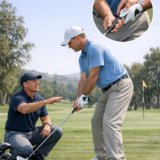
Mastering Golf in Windy Conditions
Do you find it challenging to maintain your golf performance when the wind picks up? If so, you’re not alone. In this article, we’ll explore effective strategies and technical adjustments that can help you manage your shots and keep your scores down even when faced with blustery conditions.
Understanding Wind Impact on Your Game
The wind can significantly alter the trajectory of your golf ball, making it essential to adapt your approach. Understanding how different wind directions affect ball flight is crucial for any golfer looking to improve their game under these conditions.
Key Techniques for Playing in the Wind
- Aim Strategically: When playing into a headwind, aim slightly left or right of your target to compensate for potential deviations caused by gusts.
- Tee Height Adjustment: Lowering your tee height can help reduce the impact of wind on the ball’s flight path. A more penetrating shot will cut through windy conditions more effectively.
- Selecting Appropriate Clubs: Choose clubs that allow for a lower trajectory; this helps minimize wind resistance and keeps the ball closer to its intended line.
The Importance of Ball Control
Your ability to control spin and trajectory becomes even more critical when playing in windy weather. Focus on hitting straighter shots with less backspin; this will enhance stability during flight and reduce susceptibility to crosswinds.
Practice Drills for Windy Days
Dedicating time to practice specific drills can greatly enhance your skills in adverse weather conditions. Consider incorporating these exercises into your routine:
- Straight Shot Drill: Practice hitting straight shots with various clubs while simulating windy scenarios at the driving range.
- Breeze Simulation: Use fans or practice outdoors on breezy days to get accustomed to adjusting swing mechanics based on wind strength and direction.
Additonal Resources for Improvement
If you’re eager for more insights from top instructors in golf, check out additional tips and drills available at
Titleist Instructional Resources.
YouTube Channel Subscription
Dive deeper into golfing techniques by subscribing to Titleist’s YouTube channel:
Subscribe Here!

Mastering the Elements: Expert Tips for Golfing in the Wind with Titleist
Understanding Wind Conditions
Before stepping onto the course, it’s crucial to assess the wind conditions. Wind can significantly affect your ball flight and distance. Here are key factors to consider:
- Wind Direction: Determine whether the wind is coming from behind, the front, or the sides.
- Wind Speed: Evaluate how strong the wind is—mild, moderate, or severe.
- Terrain Effects: Note how trees, hills, and buildings can alter wind patterns.
Adapting Your Swing for Windy Conditions
Adjusting your swing technique is essential when playing in the wind. Here are expert tips to enhance your performance:
1. Lower Your Trajectory
- A lower ball flight is less affected by the wind.
- Use a 1 or 2-iron to achieve a more penetrating shot.
2. Control Your Tempo
- Maintain a smooth and consistent tempo to enhance stability.
- Practice swinging with a slower speed to gain better control.
3. Club Selection
The right club can make a significant difference in windy conditions. Here’s a quick guide:
| Wind Condition | Recommended Club |
|---|---|
| Light Breeze | 7-iron |
| Moderate Wind | 5 or 6-iron |
| Strong Wind | 3 or 4-iron |
Using Titleist Equipment to Your Advantage
Titleist clubs can enhance your performance in windy conditions. Here’s how to make the most of them:
1. Titleist Drivers
Choose a driver with adjustable weights to optimize your ball flight. Lowering the loft can help reduce spin.
2. Titleist Irons
Forged irons, like the Titleist T-series, offer excellent feedback and control, crucial for windy shots.
3. Titleist Golf Balls
Look for balls designed for reduced spin. Titleist Pro V1 is excellent in windy conditions, providing distance and durability.
Practical Tips for Playing in the Wind
Here are practical strategies to help you play effectively in windy weather:
- Focus on Alignment: Align your body and aim for the target considering wind direction.
- Stay Low: Keep your body steady and low during the swing to maintain balance.
- Visualize Your Shot: Picture the flight path of your ball before hitting to enhance focus.
Case Studies: Lessons from the Pros
Learning from professionals can provide invaluable insights. Here are examples of top golfers adapting to windy conditions:
Case Study 1: Rory McIlroy
Rory McIlroy excels in windy conditions by employing a lower trajectory and consistently evaluating wind changes mid-swing.
Case Study 2: Phil Mickelson
Phil’s use of imagination and feel allows him to adjust his swing to create the desired shot shape, maximizing his performance in high winds.
First-Hand Experience: Playing a Round in Strong Winds
During a recent round, the winds reached up to 25 mph. By adjusting my swing and club selection, I successfully navigated the course:
- Used a lower lofted club on drives to keep the ball low.
- Maintained a steady tempo to avoid mishits.
- Used the landscape to navigate changes in wind direction.