Just days after the Ryder Cup, wounded service members are swapping ceremonial appearances for head-to-head golf in a patriotic match-play showcase that emphasizes recovery, teamwork and service. Organizers describe the event as a fusion of competitive golf, therapeutic activity and public recognition for those who have served.
LIV golfers granted a formal qualification route to the Open, creating a pathway for PGA tour defectors to compete at St Andrews and beyond. The decision redraws eligibility and could reshape major fields
With the R&A introducing a new qualifying channel that allows LIV competitors to reach The Open, instruction needs to evolve for the distinctive challenges of links golf at venues such as St Andrews. Links courses reward control of ball flight and clever use of ground play: keep the ball lower and work the contours. Shift ball position slightly toward the rear of your stance (roughly 1-1.5 inches back from neutral) for knock‑down approaches and set a mild 3-5 degree spine tilt toward the target to shallow the attack angle. Novices should begin with a half‑swing punch using a pitching wedge to gain confidence; better players can refine trajectory by altering wrist hinge and reducing effective loft (less open face). Moving practice from the range to the links benefits from a short checklist:
- Setup checkpoint: adopt a slightly narrower stance on firm turf, play the ball back for lower shots, and aim for 55-60% weight on the lead foot at impact.
- Club selection: carry 1-2 extra clubs in firm, windy conditions and prefer lower lofted options compared with parkland setups.
- Practice drill: execute 20 knock‑down chips from 40-80 yards with an emphasis on a controlled three‑quarter finish.
Swing mechanics must be repeatable yet flexible. Start with a consistent takeaway that keeps the hands and shaft on plane for the first 2-3 feet, then hinge wrists to about 90 degrees on full swings; for controlled low shots limit hinge to around 45-60 degrees. Coaches should teach a reliable sequence: hips initiate, torso rotates, then the arms and hands deliver the clubhead. A common flaw is early casting of the arms (loss of wrist angle) or an overly active lower body-correct with a simple drill: tuck a headcover beneath the lead armpit and make 30 slow reps without dropping it. For objective progress, target a 3-5 mph increase in clubhead speed over eight weeks via tempo and strength work while keeping strike consistency.
The short game frequently enough separates contenders from the pack. On firm, fast surfaces the bump‑and‑run is indispensable: use a 7‑ or 8‑iron, move the ball slightly back in your stance and hinge sparingly so the clubhead stays shallow through impact. For firm bunkers typical of historic links, open the face about 10-15 degrees, play the bounce and accelerate through the sand to prevent digging. Effective practice regimens include:
- 60‑ball circuit: 20 greenside chips (choose three distances), 20 bunker shots, 20 knock‑downs; record up‑and‑down success rates.
- Distance control drill: land lobbed shots onto towel targets at 15, 25, and 35 yards, altering loft and swing length to dial distances.
- Troubleshooting: if shots fat, bring the ball slightly forward and encourage a steeper descent; if you thin them, flatten the swing plane and increase wrist hinge.
Putting and green strategy must match championship speeds and variety. Adopt a shoulder‑driven pendulum stroke, limit wrist action and keep the face square through impact within about +/- 1-2 degrees for directional control. Use a clock‑face drill to calibrate distance: make 10 putts from the centre of circles at 6, 12 and 18 feet, trying to leave every return inside a 3‑foot ring. Read links greens by prioritizing tilt, then grain and always factor wind; when unsure, favour the lower side.Blend visual aids (alignment rods) and feel‑based work (eyes‑closed strokes) to lock in tempo for both visual and kinesthetic learners.
Bring course management and mental resilience-lessons often learned in intense match‑play settings such as patriotic competitions featuring wounded veterans-into your training-to-play routine. Under pressure,select high‑percentage options: avoid heroic,low‑odds recoveries and aim for safer portions of greens while leveraging the ground game when favorable. Set measurable round goals: hit two preferred fairway zones, keep to 12 putts or fewer, and target a 70% bunker save rate in practice. Pressure rehearsal drills include:
- Match‑play simulation: play alternate‑shot or short match formats with a partner and keep score to replicate match tension.
- Consequence drill: miss a short putt and complete 10 press‑ups or a timed breathing set to build composure and recovery skills.
- Adaptive wind practice: rehearse shots with a 30-50% reduction in swing length for severe gusts and practice clubbing up for roll‑out scenarios.
Ultimately,as eligibility pathways and tournament fields change,golfers at every level must sharpen fundamentals,expand short‑game options and refine strategic thinking for match‑play or major‑championship conditions. Coaches should convert these concepts into weekly practice blocks, quantifiable benchmarks and situational drills so players are ready-technically, tactically and mentally-when opportunities to compete at St Andrews or other majors arise.

Organizers prioritize veteran recovery with medical teams and adjusted match schedules
Coordination with medical staff and flexible scheduling promptly affect on‑course preparation and technique. Organizers are partnering with medical teams and veteran support groups to make competition safe and sustainable. Practically, this often means extending warm‑up windows by 10-20 minutes and staggering tee times for recovery checks; for coaches that translates into a progressive routine: 5-10 minutes of dynamic mobility (hip circles, thoracic rotations), then 10-15 minutes of targeted swings starting with wedges and concluding with controlled driver work. Adjusted schedules preserve competitive fairness while prioritizing wellbeing, so teams should confirm arrival times and medical protocols before on‑course sessions.
When recovery is a meaningful factor, modify swing mechanics to lower stress while keeping repeatability. For injured or convalescing players, shorten the backswing (limit shoulder turn to about 60°-70° rather than a full turn), restrict hip turn to 20°-30°, and promote a centered pressure shift of roughly 55% to 45% (rear-to-front) at setup to protect the lumbar spine. Implement scalable drills to rebuild technique and tolerance:
- Half‑swing clock drill: 50 reps at ~75% speed focusing on a consistent 9‑to‑3 arc.
- Impact bag drill: 30 slow impacts to groove forward shaft lean with short irons.
- One‑handed slow swings: three sets of 10 to reinforce sequencing and minimize compensatory movement.
These exercises can be tailored: beginners emphasise tempo and balance,intermediates add target alignment,and low handicappers integrate ball‑flight feedback to refine attack angle and launch.
When stamina or close scheduling is an issue, short‑game and around‑the‑green proficiency become critical; reliable wedge play and putting conserve strokes. For chip and pitch choices, match loft and bounce to the lie-on tight turf prefer a 56°-60° loft with low bounce, choke down 1 inch for added control and limit wrist hinge to 20°-30° on trajectory shots. In bunkers, open the face to create effective bounce and swing along your foot line with a steep, accelerating lower‑body motion to avoid fatting shots. Sample weekly routine (aim for three sessions):
- Lag putting set – 10 balls from 40-60 ft aiming to leave 70% inside 6 ft.
- 75‑yard wedge ladder – land markers at 20,30 and 40 yards to refine distance control.
- Bunker rhythm set – 20 swings from disturbed sand and 20 from smooth sand to build adaptability.
These drills develop dependable feel and help players turn pressured situations into pars rather than bogeys.
Course management must be explicit and data‑driven: when pairings are tightened or when weather and setup are testing, target the widest safe landing corridors and eliminate low‑percentage plays. As a notable example, on a 430‑yard par‑4 with a fairway bunker at 260 yards, aim to leave the tee shot inside a 220-240 yard corridor to create an advantageous second‑shot angle; when wind exceeds 12-15 mph into your face, consider adding one to two clubs and aim for the green’s center rather than hunting tucked pins. Pre‑shot checks should include:
- Stance width: shoulder‑width for mid‑irons, wider (about 1.25×-1.5×) for driver;
- Ball position: move one ball back for lower trajectories on windy days or one ball forward with driver to encourage an upward attack;
- Alignment: use an intermediate aim point to validate direction and avoid habitual bias.
These tactical choices reduce risk and save strokes in hole‑by‑hole match play formats.
Mental training and structured practice plans complete recovery‑focused instruction. Adopt a brief, repeatable pre‑shot routine – three deep breaths, visualize flight and landing, perform one final alignment check – and set measurable training objectives like improving Greens in Regulation by 10% over eight weeks or getting 60% of lag putts inside six feet. Offer multiple learning pathways: visual learners benefit from video feedback and target markers; kinesthetic learners from impact‑bag and feel drills; auditory learners from metronome work (try a 3:1 backswing‑to‑downswing rhythm).Partnering with VA programs and veteran services helps ensure accommodations and continuity of care so competitors can focus on technique and tactics rather than logistics-an approach that respects veterans’ resilience while safeguarding long‑term health and performance.
Venue accessibility upgrades and adaptive equipment funding recommended for safer play
Course managers and governing organizations increasingly recommend targeted infrastructure and equipment investments to make golf more inclusive and safer without sacrificing competitive standards. Based on onsite experience at veteran events,committees should consider measures such as widened tee platforms,ramped access to practice greens and dedicated single‑rider cart lanes. Key specifications include a minimum pathway width of 36 inches for mobility access and ramp gradients that follow a 1:12 ratio (≈8.33%) to align with common accessibility recommendations; these features reduce trip risks and create consistent footing for golfers using adaptive carts or prosthetics. Instructors can use upgraded practice zones as predictable environments to teach alignment,ball position and visual targeting so players of all abilities rehearse swings on stable surfaces.
Funding for adaptive equipment also enables technical swing adjustments that benefit all golfers. Start with setup checkpoints:
- Stance width: beginners ~shoulder‑width, advanced players experiment between 0.9-1.3× shoulder width to moderate rotation;
- Spine tilt: roughly 20-30° for iron shots and slightly more upright for short game;
- Ball position: shift 1-2 ball diameters inside the lead heel for short irons, and 2-3 forward for driver.
clinics supported by grants should introduce seated rotation drills and the alignment‑stick plane drill (set at about a 45° incline) to teach a repeatable arc for single‑arm or seated swings. Measure outcomes like clubhead speed, carry and dispersion before and after adaptive fitting, and set incremental targets such as a +3-5 mph clubhead speed increase or a 10-20 yard carry gain through grip, shaft or balance adjustments where applicable.
Practice areas for the short game should feature gentle gradients and accessible approaches so players with limited mobility can safely rehearse trajectory control, bunker exits and green reading.Coaches should teach a compact chipping motion and a controlled lob that uses bounce and loft deliberately: select wedges with a 10-14° bounce for soft turf and sand, and 4-6° for tight lies. Progressive drills include:
- Ladder chip drill at 10, 20, 30 feet to develop distance judgement;
- Bunker‑to‑green routine with practice swings landing at marked spots 1.5-2 yards ahead of the ball to learn entry angle;
- Putting pendulum drill emphasizing face rotation under 2° at impact for 8-12 footers.
Incorporate tactile markers and lowered curbs so players can practice stroke mechanics without risking balance-measures shown to increase confidence and reduce injury in fast‑turnaround matches.
course strategy and pace‑of‑play adaptations backed by targeted funding improve decision‑making under competitive conditions.Teach a three‑step pre‑shot routine: assess lie and slope, select landing zone, then execute an angle‑of‑attack matching the intended shot shape. For example, into a 10 mph headwind take one extra club (roughly +10-15 yards per club) and aim for a lower trajectory by moving the ball 0.5-1 inch back in the stance. When supporting players with mobility constraints-such as competitors in veteran match play-recommend conservative pin‑protection (aim for the middle of the green when the flag is tucked close to a slick fringe) to secure pars. Tournament committees can adopt local rules to allow certain adapted devices while maintaining fairness under R&A/USGA frameworks; coaches should brief competitors on any such provisions before play.
Funding must be linked to measurable coaching outcomes and ongoing education. Invest in adaptive carts, raised practice tees and staff training while pairing each upgrade with instructional metrics: for instance, aim to halve three‑putts in eight weeks through daily 20-30 minute putting sessions (ladder and distance control drills), or lift fairway accuracy from 55% to 70% by refining alignment and launch targets (driver launch angle 12-16°, spin 1,800-3,000 rpm). Post clear troubleshooting guidance at practice facilities and rehearse it in adaptive clinics:
- Adjust grip size if hand fatigue occurs;
- Shorten shaft by 1-2 inches for seated players to improve control;
- Use video playback to fix early extension or over‑rotation.
By combining venue upgrades, dedicated equipment support and step‑by‑step coaching, clubs can deliver safer play and measurable performance gains for golfers across the ability spectrum.
volunteer and staff training to handle emergencies and provide emotional support for competitors
Medical readiness starts with a core group of volunteers and staff holding certified first‑aid and CPR/AED credentials, coupled with golf‑specific scene‑management training. First responders should be proficient in delivering CPR compressions at 100-120/min,operating an AED and recognising heat illness,hypothermia,concussion and basic wound care. A clear, rehearsed protocol helps: secure the scene (halt play nearby and alert marshals), call emergency services via a dedicated radio channel and event medical staff, then stabilise the individual until professionals arrive. Place stocked kits-AEDs, trauma dressings, splints, blankets and oral rehydration-at strategic points such as the first tee, halfway house and scoring tent. Use veteran events held adjacent to major competitions as planning prompts: ensure alternate routing, ground‑level staging areas and trained volunteers able to move a competitor safely without exacerbating injuries.
Emotional‑support training should teach brief, evidence‑based interventions that restore focus and calm under pressure. volunteers need skills in active listening,short grounding exercises and neutral,task‑oriented language that helps players return to routine rather than offering technical advice. Teach a two‑minute support routine volunteers can lead: 4‑4‑4 breathing (inhale for 4s,hold 4s,exhale 4s),a quick three‑point stance check and a tempo cue of “1‑2” for backswing/downswing to re‑establish rhythm. For competitors with combat injuries or PTSD, train volunteers in trauma‑informed care: ask permission before contact, offer a quiet space and coordinate follow‑up with medical and mental‑health staff.Small practical accommodations can preserve performance and dignity during high‑visibility events.
On‑course assistance should focus on factual, safety‑first support that respects the Rules of Golf and competitive integrity. Volunteers may provide yardage‑to‑the‑pin (to the nearest yard), confirm hazard locations, report surface conditions (e.g., “front fringe is 6-8 feet from the pin”) and set wind flags, but must not give strategic shot advice or technical coaching unless explicitly requested and allowed. Train staff with a concise checklist of permitted help:
- Permissible: read the pin sheet,provide measured yardages,operate a rangefinder,adjust flags,assist with mobility aids.
- Prohibited: offer swing tips, recommend clubs or shot patterns, or instruct on strategy for the next stroke.
Also instruct volunteers in basic measurement: confirm horizontal yardage and, when wind is present, report direction and estimated speed in mph or as “light/medium/strong” to suit different players’ understanding.
Volunteers can deliver quick, rule‑compliant technical support to help a player regain composure and routine. If a competitor is shaken after a hole, staff can offer a brief setup checkpoint: ball position (putter: center of stance; wedge: slightly back ~1-2 inches), spine tilt (driver: ~8-12° toward target) and alignment using a rod placed parallel to the line. Provide short,measurable drills that fit into a 60-90 second window between shots:
- Gate drill for putting: place tees 1 inch outside the putter head,make 20 putts from 6 feet to reduce face alignment error to ±2°.
- Tempo drill for full swing: 10 swings with a metronome set to 60-80 bpm aiming for a 3:1 backswing‑to‑downswing ratio.
- Sand play cue: open the face 10-20°, enter the sand 1-2 inches behind the ball and accelerate through to get out and stop.
Interventions scale with ability: beginners focus on cleaner contact and squaring the face; low handicappers refine launch and spin control.
Volunteer and staff training should be scenario‑based, measurable and integrated with coaching resources so on‑field support translates into on‑course performance. Regularly run simulations for medical incidents, emotional crises and common competitive interruptions, and attach data‑driven objectives to each drill-for example, cut incident response time to under 3 minutes or achieve 90% competitor tempo recovery within two holes when assisted. Use after‑action reviews and performance metrics (fairways hit, GIR, three‑putt rate) to quantify intervention impact.Cross‑train volunteers with coaches so staff appreciate basic swing mechanics, loft‑spin relationships and course management rules, enabling them to facilitate recovery (not coach) and help competitors stay safe and competitive under pressure.
Community engagement initiatives to boost attendance and strengthen veteran rehabilitation programs
Golf can serve as both rehabilitation and sport in community programs aimed at increasing participation and supporting veterans. Organizers report that pairing instructional clinics with patriotic match‑play events boosts turnout and fosters meaningful competition-high‑profile, short‑notice matches frequently enough trigger increased local interest. To convert that momentum into regular attendance, programs should offer tiered schedules for beginners through low handicappers, provide adaptive gear and transport, and communicate clear outcomes such as improved mobility and measurable scoring targets. Treat each session as both rehabilitation and performance training: attendance drives social rehabilitation, and focused instruction delivers quantifiable golf betterment.
Begin clinics by reinforcing global setup fundamentals that accommodate different physical abilities. standard checkpoints:
- Stance width: shoulder‑width for irons, slightly wider for driver;
- Spine tilt: about 15° forward for full swings;
- Ball position: center for short irons, just inside the front heel for driver;
- Grip pressure: light to moderate-roughly 4-5/10 on a subjective scale.
Progressions vary by level: beginners work on a one‑piece takeaway and controlled wrist set; intermediate players increase shoulder turn toward 80-100° with hip rotation near 40-45°. Practical drills include alignment‑rod feeds, slow 3/4 swings to groove sequencing and a metronome tempo drill at 60-70 bpm. For veterans with limited rotation, prescribe seated rotation work and single‑arm reps to maintain motor patterns while respecting medical limits.
Prioritise the short game and putting where rapid scoring improvement is possible. Setup cues: the putter should meet the ball with a slight descending blow (most putters have 2-4° loft) and eyes positioned directly over or slightly inside the ball. Use a gate drill to square the face and a clock‑face chipping drill for distance control.For bunker exits, teach an open face and an entry point 1-2 inches behind the ball with a steeper attack; for chips use a higher‑loft wedge and a two‑to‑one rhythm (backswing:forward swing). Suggested practice items:
- 3‑foot putt ladder to build confidence and reduce 3‑putts;
- 7-15 yard chip ladder to tighten landing zones;
- Sand blast drill: ball inside foot, open face, accelerate through the sand.
Expected outcomes include shaving 1-2 putts per round in eight weeks and reducing up‑and‑down failures by about 25% within three months.
Course management and match‑play tactics are critical when clinics evolve into rehabilitation tournaments.teach players to map holes with layup distances, wind vectors and green slope diagrams-on a 350‑yard par‑4, recommend a cautious 3‑wood to 200-230 yards rather than an aggressive driver for 270+ yards unless the risk is justified. Situational drills include headwind tee shots (lower ball flight by 10-15 yards) and downhill putts (reduce backswing to 30-40% of the length used for a flat 10‑foot putt). For match play,pair mixed‑ability players and teach concession strategy,match psychology and pace‑of‑play etiquette to improve competitive readiness and social cohesion.
Turn community engagement into a repeatable rehab curriculum that tracks both health and handicap gains. Use a consistent session format-warm‑up 10 minutes, technical work 30 minutes, short game 20 minutes, on‑course scenarios 30 minutes, debrief 10 minutes-and monitor metrics like fairways hit %, GIR, putts per hole and self‑reported mobility/pain scores. Offer varied learning modes: hands‑on drills for kinesthetic learners, video analysis for visual learners and verbal cues for auditory learners. Boost turnout by aligning open clinics with patriotic match‑play dates, partnering with VA facilities and local clubs for transport, and training volunteers in adaptive coaching. Troubleshooting examples:
- Persistent slice: check grip rotation and ensure the clubface is square at impact;
- Three‑putts: prioritise lag putting and green‑reading practice;
- Limited rotation: add resistance‑band core work and seated swing repetitions.
Link measurable golf targets to rehabilitation milestones to increase participation, improve wellbeing and produce tangible on‑course results.
media strategy to highlight personal stories and attract patriotic sponsorships
To raise visibility and draw patriotic sponsors, storytelling should center genuine on‑course moments that combine resilience with clear instructional takeaways. Open each piece with a 30-60 second “teachable moment” clip that follows a player-such as a wounded veteran competing in match play soon after a major team event-executing a decisive shot under pressure. This format supplies emotional context and technical detail: viewers observe stance, ball position, club choice and result, followed by a brief explanation of the decision. always state measurable learning objectives (e.g., reduce three‑putts by 50% in six weeks) so recreational players can adopt the lessons and sponsors can track impact.
Embed step‑by‑step technical instruction within the narrative for accessibility across skill levels. Start with setup basics: neutral grip, shoulder‑width stance, 50/50 weight balance, and ball position one ball forward of center for a 7‑iron. Progress to checkpoints such as a 45° wrist hinge at the top, a shallow downswing plane and a square impact. Reinforcing drills might include:
- Mirror‑feed: 10 reps focusing on a 90° shoulder turn and 45° hip rotation.
- Slow‑motion impact: 40-60% speed, 20 reps observing clubface at contact.
- alignment‑stick plane drill: place a stick 5-6 inches outside the ball to groove the correct path.
Scale drills by ability: beginners use larger targets and slower tempos; low handicappers add tempo control and clubhead speed objectives.
Short‑game content should be scenario‑driven and practical for match play, especially during patriotic events where pressure is amplified. Teach a repeatable routine: read slope,pick an intermediate aim point 12-18 inches into the break,and visualise an 8-10 foot speed to carry the ball past the hole. Useful drills include:
- Gate‑putting for face control.
- distance ladder: five putts from 3, 6, 9, 12 and 20 feet focusing on consistent stroke length.
- 50‑yard pitch progression: use wedges between 46°-56° to cover 30, 40 and 50‑yard targets and refine trajectory and spin.
Address common mistakes-such as focusing only on slope while ignoring green speed-by performing a simple roll‑out test to measure pace before play.
Present course management and shot shaping as tactical stories that appeal to sponsors focused on teamwork and resilience. For instance, into a 15 mph wind on a 420‑yard par‑4, the prudent match‑play choice may be laying up to 120 yards from the green with a 7‑iron instead of battling a fairway bunker, leaving a higher‑percentage wedge.Explain shot shape mechanics: a controlled draw uses a slightly closed face, an inside‑out path and a modest deloft at impact; a fade uses a slightly open face, an outside‑in path and a softer release. Practice suggestions:
- Shot‑shaping ladder: hit three draws and three fades with the same club to feel path/face relationships.
- wind simulation: rehearse half‑shot layups into headwind and full shots with tailwind to learn carry vs rollout.
Include rule‑aware guidance (concessions, ground‑under‑repair relief, lateral hazard options) so players make smart, legal choices under pressure.
Design media that doubles as instruction-content that teaches while honouring service appeals to sponsors. Producers should include:
- Raw lesson clips: 15-60 second breakdowns of single technical points with annotated slow motion.
- Feature profiles: 2-3 minute narratives highlighting a competitor’s backstory and a signature tactical shot.
- Practice plan download: a six‑week progression with drills, measurable targets (e.g., “drop 2 strokes by reducing penalty shots from 3 to 1”), and weekly checkpoints.
Add accessibility elements (captions,clear angle diagrams) and sponsor metrics (engagement,lesson completions,conversions to local clinics). Finish with mental‑game tips-breathing, pre‑shot routines and quick visualization-to help players of all abilities perform when cameras and patriotic crowds are present.
Long term program advancement advised to integrate wounded vets into national match play circuits
Assessment and onboarding should begin with a structured baseline to shape individual long‑term plans: perform mobility and skill screens (grip strength, trunk rotation degrees, single‑leg balance), collect a round stat line (fairways hit, GIR, scrambling %, putts per round) and set clear, measurable objectives-for example, cut three‑putt frequency by 30% or raise driving accuracy to 60%+ within six months.For wounded veterans,coordinate early with tournament committees under the Rules of Golf to approve medically necessary club modifications or adaptive aids; remember that the anchoring ban still applies unless an exception is formally granted. From the assessment, prioritise skill areas (short game, tee placement, putting) to direct weekly microcycles and schedule testing checkpoints every 4-6 weeks to make progress tangible and transferable to match play.
Technique work should stress repeatable setup and efficient sequencing with straightforward cues. Start with consistent setup: ball position (center for short irons, one ball left of center for mid‑irons, just inside the left heel for driver), spine tilt of roughly 5°-10° toward the target for irons and slightly different for driver, and a balanced 55/45 (lead/trail) weight distribution at address. progress with drills that build sequencing and feel: alignment sticks to practice hip rotation, a slow three‑count swing (1: takeaway, 2: transition, 3: through) to ingrain timing, and video feedback to confirm a square clubface at impact. Correct common faults-casting, early extension, excessive lateral slide-with targeted exercises that preserve spine angle and a connected arm‑body relationship.
Daily emphasis on the short game and putting yields fast scoring returns in match play. Build a library of shots: bump‑and‑run with a 7‑iron from 10-30 yards, pitches with sand or gap wedges from 30-60 yards, and soft lob shots with a sand wedge for tight approaches. Key cues: strike the turf first with a slight forward shaft lean (about 1-2 inches ahead of the hands at impact) and use the club’s bounce to move through turf and sand. Putting work should include a 3‑putt prevention ladder (30, 20, 10 ft) and an inside‑6‑foot clock drill to build pressure resilience; focus on a stable stroke and minimal face rotation. Troubleshooting:
- Excessive wrist action: practice with a short‑arm putting gate.
- Inconsistent speed: perform 50 speed‑control reps from 20 ft to a 3‑foot circle.
- Poor bunker contact: open the face, widen stance and accelerate through the sand.
These exercises translate directly into saved holes in match play, where one conceded putt can change an outcome.
Course management training should turn practice into tactical decision‑making for match play.Teach players to map hole templates with target zones for tee shots (such as, favour the right side of a 430‑yard par‑4 when the left green is guarded by water at 250 yards) and to weigh risk versus reward using carry and hazard numbers. use scenarios inspired by veteran matches to rehearse choices: when to play to the center of the green to halve a hole, when to shape a 7‑iron fade 15-20 yards to avoid a bunker, and when to attack to pressure an opponent. Practice checkpoints:
- Pre‑shot routine under 30 seconds to maintain pace and focus.
- Club selection lists with yardage buffers (add +15 yards into wind, subtract 10 for firm turf).
- Planned bailout targets at explicit yardages to avoid match‑ending hazards.
These strategies teach veterans to think in terms of holes won rather than raw stroke totals-the essence of match play.
Build a durable, adaptive long‑term program that balances technique, fitness and mental training with clear timelines and measurable benchmarks. Structure training in mesocycles: an 8‑week block focused on mechanics (3-4 sessions/week), a 6‑week phase emphasising short game and pressure putting, and recurring match‑play simulations every 4-6 weeks. Target metrics might include a 2-4 stroke handicap reduction over six months, a 0.5-1.0 putt per round reduction and scrambling above 50%. Offer multiple learning routes-video analysis, kinesthetic drills and verbal cues-so participants with different needs progress. Integrate adaptive equipment and prosthetic fitting (shaft flex, grip diameter, lie angle) alongside physiotherapy for strength and core stability. Tie a simple mental routine to execution: breathe for 6 seconds before the shot, visualise the landing for 3 seconds, then commit-blending technical skill with the psychological readiness necessary to integrate wounded veterans into national match‑play circuits successfully.
Q&A
Q: What is the event?
A: A patriotic match‑play golf competition featuring wounded military veterans staged just days after the Ryder Cup, designed to showcase veterans’ resilience and celebrate national pride on the golf course.
Q: Who is competing?
A: The field comprises wounded, injured and ill service members and veterans, many participating in adaptive formats tailored to their needs.
Q: Why is it described as “patriotic”?
A: The term patriotic denotes devotion and support for one’s country; the event links competitive sport with honor, rehabilitation and public recognition of service and sacrifice.
Q: Who organizes the tournament?
A: Organisers commonly include veterans’ charities, adaptive‑sports nonprofits and regional or national golf bodies collaborating to combine outreach with prominent scheduling.Q: Why hold it so close to the Ryder Cup?
A: Scheduling near the Ryder Cup leverages increased interest in match play to enhance visibility, media coverage and fundraising, converting broader enthusiasm into support for veteran causes.Q: What is the format and public access?
A: The format follows match‑play traditions-head‑to‑head 18‑hole contests-with adaptive rules as needed; events frequently enough welcome spectators, volunteers and press to maximise engagement.
Q: What are the goals and impacts?
A: Objectives include rehabilitation through sport, raising awareness of veterans’ needs, fundraising for services and fostering camaraderie. The profile of such events can drive donations and long‑term programme growth.
Q: How can the public support or follow the event?
A: Attend in person, donate to partner veteran organisations, follow official social channels for updates, or volunteer with adaptive‑sport groups connected to the tournament.
When the final putts fell, the match provided a moving, patriotic complement to the Ryder Cup – a display of resilience, teamwork and national pride by wounded veterans. Organizers hope the event will inspire more initiatives like it and deepen public support for those who served.
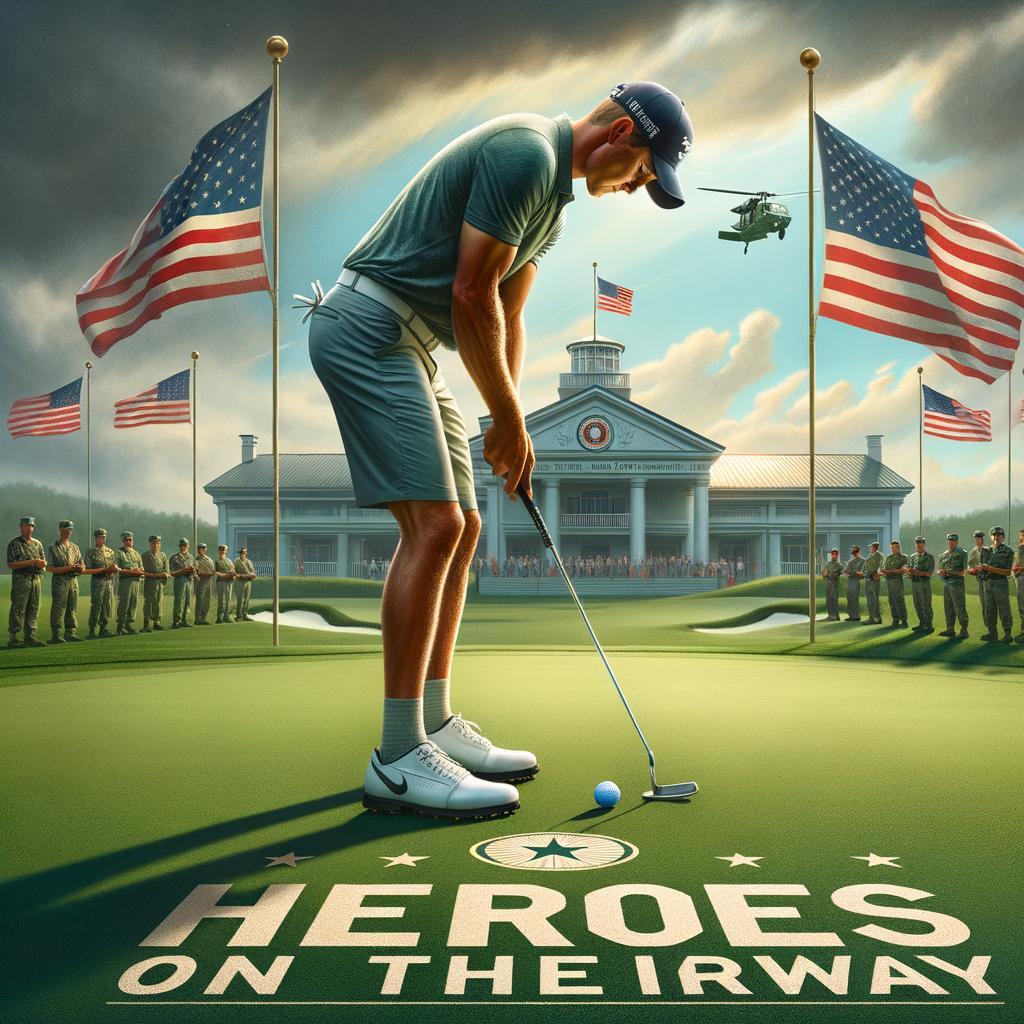
Heroes on the Fairway: Wounded Veterans Bring Patriotic Spirit to Post-Ryder Cup Match Play
What patriotic match play for wounded veterans looks like
Just days after marquee professional events such as the Ryder Cup, community golf courses and military-pleasant clubs often host patriotic match play events for wounded veterans.These gatherings combine competitive match play formats with a focus on camaraderie, rehabilitation and honoring service. Expect a mix of singles matches, fourball and foursomes, adaptive equipment stations, and ceremonies that highlight the contributions of veterans and volunteers.
SEO keywords to expect in this article
wounded veterans golf, patriotic match play, adaptive golf, veteran golf tournaments, post-Ryder Cup events, golf charity events, match play format, golf course accessibility, fundraising for veterans
Match play formats that work well for veteran events
Choosing the right match play format helps maximize participation and fun while keeping logistics simple. Popular formats include:
- Singles match play – One-on-one, hole-by-hole scoring. Great for short schedules and head-to-head competition.
- Fourball (better ball) – Teams of two; each player plays their ball, best score on the hole counts. Inclusive and lowers pressure on wounded golfers.
- Foursomes (alternate shot) – Two-person teams alternate shots.Encourages teamwork and adaptive strategy.
- Modified match play – Shortened holes, shot allowances, or net scoring to equalize differences in mobility, vision or prosthetics.
- Spectator-friendly shotgun pairs – Multiple matches start simultaneously so post-Ryder Cup crowds can watch several contests at once.
Why patriotic match play benefits wounded veterans
Golf is more than a game for veterans; it’s a therapeutic tool. Patriotic match play events offer:
- physical rehabilitation: gentle walking, modified swings and balance work built into gameplay.
- Mental health support: Golf promotes mindfulness,problem solving and social connection,wich are vital for PTSD and depression recovery.
- Social reintegration: Team formats,post-round dinners and ceremonies strengthen community bonds.
- Visibility for veteran causes: Events attract local media, sponsors and donors who want to support service members.
Adaptive golf equipment and course accommodations
To make patriotic match play accessible and cozy, host sites should provide or plan for:
- Adaptive clubs and grips: Oversized grips, one-handed clubs, and custom shafts for prosthetic or limited-mobility swings.
- Golf carts with modifications: Swivel seats, hand controls and ramp access.
- Shortened tee options: Forward tees reduce walking distance and club distance requirements.
- Portable benches and shade stations: For rest between holes.
- Accessible restrooms and pathways: Clear signage and smooth routes to tee boxes and greens.
Suggested event schedule (sample)
- 08:00 – Registration, adaptive demo stations, warm-up on the driving range
- 09:00 – Opening ceremony and moment of remembrance or national anthem
- 09:30 – Shotgun start for match play rounds
- 13:30 – Post-round scoring, awards for closest-to-pin, longest drive (adaptive categories)
- 14:00 – Lunch, speeches, sponsor recognition and fundraising presentation
- 15:00 – charity auction, raffles, and volunteer thank-you
Event checklist: Logistics, volunteers and medical support
| Item | Why it matters |
|---|---|
| Accessible registration desk | First point of contact; ensures smooth entry for participants |
| Medical support / EMT | Safety coverage for heat, falls, or medical events |
| Adaptive-fit station | Customizes grips/clubs on-site to individual needs |
| Volunteer marshals | Keeps play moving and assists mobility-impaired players |
| photography & media | Boosts visibility for sponsors and the cause |
Fundraising, sponsorship and community engagement
Patriotic match play is a natural fit for local fundraising and veteran-support charities. Consider these strategies to maximize donations and community reach:
- Title sponsor: Local businesses or brands connected to veteran hiring programs make strong headline partners.
- On-course fundraising: Closest-to-pin contests, mulligan sales and 50/50 raffles tailored for post-Ryder Cup crowds.
- Auction items: Signed memorabilia, pro lessons, or corporate experiences-great for online bidding during the event.
- Matching gifts: Encourage corporate donors to match individual contributions from participants and spectators.
- Storytelling: Share veteran stories (with consent) through videos, program booklets and social media to deepen donor connection.
Volunteer roles and training tips
Volunteers are essential. Provide a short orientation so everyone understands how to assist veterans respectfully and safely.
- Marshals: Keep group pace and help players navigate the course.
- Adaptive techs: Fit grips, adjust carts, and help with prosthetic club holds.
- Greeters: Coordinate transportation and direct participants to warm-up areas.
- On-course photographers: Capture moments for sponsors and social media.
Volunteer training checklist
- Respectful language and privacy: Ask before sharing a veteran’s story publicly.
- Basic first aid and emergency protocol.
- How to assist with adaptive equipment safely.
- Course pace-of-play procedures and etiquette guidance.
Scoring & handicapping adaptations for fair competition
To level the playing field and maximize enjoyment,adopt fair scoring adjustments:
- Net match play – Use USGA handicap strokes to equalize skill differences.
- Modified handicaps: Adjust handicap allowances for players using adaptive equipment or with limited mobility.
- Team pairings by ability: Pair higher-handicap players with lower-handicap partners in fourball for balanced matches.
- Short course options: Use par-3 loops or forward tees for shorter matches and faster play.
Case studies & best-practice examples
While specific organizations vary by region, successful veteran golf events share several common elements:
- partnerships with rehabilitation programs: Collaboration with VA hospitals, veteran service organizations and adaptive-sports groups ensures medical oversight and outreach.
- Pro involvement: Local pros offer clinics and putting demonstrations that raise excitement and legitimacy.
- media partnerships: Coverage from regional outlets attracts sponsors and increases community awareness.
- Long-term continuity: Annual scheduling-especially following large professional events like the Ryder Cup-creates a tradition that community members anticipate.
Practical tips for hosting a successful post-Ryder Cup patriotic match play
Keep things simple,safe and meaningful. Here are action-oriented tips event organizers can implement:
- Plan around pro calendars: Hosting within a few days after a major event captures inspired crowds and elevated media attention.
- Make inclusion explicit: Use advertising that highlights adaptive options and accessible facilities.
- Provide demo gear in advance: Allow veterans to test adaptive clubs at practice sessions to reduce anxiety on game day.
- offer flexible formats: Allow players to choose singles or team formats depending on stamina and preference.
- track and share outcomes: Publish results and human-interest stories promptly to extend sponsor ROI and encourage next-year sign-ups.
First-hand experiences: what participants often report
Veterans who participate in these events frequently describe similar benefits:
- Renewed confidence after accomplishing competitive goals on course
- Valuable social bonds with fellow service members and the local community
- Improved physical conditioning and pain-management through low-impact activity
- A sense of pride and patriotism amplified by post-Ryder Cup timing and ceremonies
Media and social strategy to amplify impact
To maximize coverage and fundraising success:
- Develop a media kit with event schedule, veteran bios (consent required), sponsor list and high-res imagery.
- Create a social hashtag tied to the event and post live updates during matches.
- Offer short video interviews with participants about what the event means to them-keep them candid, respectful and veteran-led.
- Share follow-up impact reports showing how funds raised supported rehabilitation,therapy or equipment purchases.
Sample sponsor benefits package (quick ideas)
- Logo on event signage, website and printed programs
- On-course branded stations (hydration, adaptive demo area)
- Complimentary team entries and VIP seating at ceremonies
- post-event analytics on attendance, media reach and funds raised
Quick resources for organizers and players
Look for local chapters of veteran service organizations, adaptive-sports groups and golf associations to source volunteers, training and equipment. Local golf pros and community foundations are often willing partners in making these events safe, fun and successful.