KAPALUA, Maui – New water-use restrictions aimed at conserving dwindling supplies are imperiling maintenance at the Kapalua golf course, officials and local businesses warn. Reduced irrigation has left grounds crews scrambling to preserve greens and fairways, casting doubt on upcoming events and threatening a key pillar of the island’s tourism economy. Researchers note this local squeeze mirrors broader challenges in water management and equitable access highlighted in recent studies.
Water restrictions put kapalua course turf and playability at immediate risk
New municipal irrigation limits announced this week have prompted urgent warnings from agronomy staff at Kapalua Resort: curtailed supply and reduced irrigation windows are already producing browning stress on finely tuned turf and altering playing conditions across the property.
Course managers flagged several immediate concerns, including changes to ball roll and shot firmness, and the risk of long-term sward decline if curbs persist. Key impacts cited by staff include:
- Greens: quicker firmness, increased ball-bounce variability
- Fairways: patching and reduced recovery from play
- Maintenance: lowered height of cut and shifted agronomy priorities
Data shared internally show prioritized areas and timelines:
| Area | Risk Level | Expected Impact (weeks) |
|---|---|---|
| Greens | High | 1-4 |
| Tees & Approaches | Moderate | 2-6 |
| Fairways | Moderate | 3-8 |
| Landscape & ornamentals | Low | 4-12 |
Officials say mitigation measures are being implemented immediately: prioritized micro‑irrigation to greens, recycled water trials, adjusted tournament schedules and tighter cart-path rules to limit wear. Resort agronomists are appealing to county water managers for targeted exemptions to protect championship surfaces while contingency plans for more intensive turf restoration are being developed, officials added.

Reduced supply exposes aging irrigation system and urgent upgrade needs
Water rationing this season has laid bare an irrigation network that has long run on stopgap repairs. With Plantation and Bay courses temporarily closed, operators say reduced inflows have exposed corroded mains, failing pumps and obsolete controls that can no longer sustain play without emergency measures.
Ground crews and engineers have identified immediate failure points:
- Rusted distribution pipes prone to leaks
- Antiquated pump stations with declining output
- Manual control valves lacking remote monitoring
Course staff warn these vulnerabilities raise the risk of prolonged closures if repairs are delayed.
A rapid assessment table prepared by maintenance teams summarizes short-term priorities and ballpark costs:
| Component | Condition | Estimated cost |
|---|---|---|
| Main distribution lines | Severe corrosion | $500K+ |
| Pump stations | Reduced capacity | $300K |
| Control systems | Obsolete | $150K |
Officials say funding must be prioritized now to avoid further risk to playability and the local tourism economy.Short-term emergency repairs and a phased upgrade to automated controls are recommended to stretch limited water allocations and prevent future closures, they added. Discussions with county agencies and potential grant sources are underway.
Parched fairways force transition to drought tolerant grasses and revised maintenance regimes
Kapalua’s superintendent confirmed the course is accelerating plans to replace thirsty turf as county water restrictions bite, pushing fairways toward grass varieties that demand less irrigation. Officials say the move responds to prolonged dry spells and regulatory limits on nonessential outdoor water use.
Course managers cite federal drought assessments showing widespread strain on supplies and agriculture, noting that long-term reductions in water availability force capital-intensive conversions. Transitioning fairways will involve staged replanting, soil remediation and revised irrigation infrastructure to conserve potable sources.
Planned maintenance shifts include:
- Precision irrigation: targeted zones and weather-based controllers to reduce run time
- Lower mowing heights: to reduce evapotranspiration and turf stress
- Soil conditioning: organic amendments and deep aeration to improve moisture retention
- Adaptive playability: revised rolling and ball-mark repairs to maintain standards with drier turf
| Grass | Relative water Need |
|---|---|
| Seashore paspalum | Low |
| Zoysia | Moderate |
| Bermuda (hybrids) | Moderate-High |
Supervisors warn the transition will reshape maintenance budgets and course playability for seasons to come, as Kapalua adapts to tighter water allocations and an increasingly arid climate.
Compromised drainage and soil health amplify long term recovery costs
Maintenance crews at Kapalua report increasingly visible failures in the course’s subsurface channels and culverts after even modest rains, leaving fairways sodden in places and parched in others. Engineers warn the aging drainage network is unable to redistribute water efficiently, accelerating turf decline and complicating routine maintenance under current irrigation limits.
Soil tests show rising compaction, depleted organic matter and localized salinity spikes where irrigation cycles have been shortened. Recovering healthy root zones will require more than resumed watering: remedial work must rebuild soil structure and biology to restore resilience. Key interventions cited by agronomists include:
- Deep aeration and subsoiling to relieve compaction
- Organic matter replenishment through compost and wetting agents
- drainage reconstruction to prevent future pooling
Short-term patching can stabilize playing surfaces, but specialists estimate complete rehabilitation will be costlier and take longer. A simple breakdown:
| Issue | Fix | Est. cost |
|---|---|---|
| Compaction | Deep aeration | $50k |
| Profile loss | Topdressing & compost | $200k |
| Drainage failure | Pipe replacement | $800k+ |
Officials caution that delayed capital work will drive up long-term expenses and threaten playability for high-profile events. Course managers and resort stakeholders are now weighing phased investments and stricter water-management strategies to protect turf health and the island’s golf economy. The consensus: targeted funding now could avert far larger bills later and safeguard Kapalua’s reputation as a premier coastal resort course.
Financial strain on resort operations prompts accelerated cost benefit review of restoration
Resort executives told trustees this week that tightening water allocations and rising operational costs have forced an expedited financial review of the proposed course restoration. Management said cash-flow pressures and dwindling reserve funds mean long‑planned capital projects must now clear a stricter cost‑benefit threshold.
Officials flagged several immediate drivers of the shortfall:
- Declining rounds played during drought-driven closures, reducing green fees.
- Escalating costs for irrigation retrofits and potable-water sourcing.
- Higher maintenance labor and contractor premiums amid supply-chain pressures.
These items, they said, materially change the economics of full-course restoration versus staged or scaled-back alternatives.
Options on the table were quantified in preliminary modelling:
| Option | Upfront | Annual savings | Payback |
|---|---|---|---|
| full turf restoration | $4.5M | $150k | 30 yrs |
| Phased irrigation upgrade | $1.2M | $400k | 3 yrs |
| Hybrid native landscaping | $800k | $200k | 4 yrs |
Board members noted the need to balance short-term savings with long-term brand and guest-experience risks.
Stakeholders – from resort finance, groundskeeping and the municipal water authority – were summoned to a special session next month to finalise recommendations. sources say a decision could include conditional approvals for lower‑cost measures pending confirmed water allocations and third‑party financing offers. The outcome will determine whether the course proceeds with full restoration, a staged plan, or a conservation-led redesign.
Regulators and community stakeholders seek transparent conservation and contingency planning
R&A grants LIV players a limited qualification route to The Open, outlining designated events and performance criteria to secure spots for next year’s Championship.
Regulators have pressed for immediate disclosure of water budgets and contingency triggers as kapalua faces escalating irrigation curbs. Officials from state water agencies and county planners called for a clear timeline for compliance reporting to assess operational risk to the course.
local residents and conservation groups demanded concrete commitments from course management, seeking binding measures rather than voluntary pledges. Key community asks include:
- Public hearings on allocation decisions
- Drought contingency plans with defined thresholds
- Transparent metering and annual usage reports
- Funding assurances for mitigation and habitat offsets
Officials outlined a shortlist of contingency options to reduce potable water reliance and protect coastal ecosystems. The table below summarizes proposed measures, accountable leads and target timelines for implementation.
| Measure | Lead | Timeline |
|---|---|---|
| Greywater recycling | Course Ops | 12-18 months |
| Native turf conversion | Environmental NGO | 6-24 months |
| Smart metering & audits | County Water Dept. | 3-9 months |
Regulators signalled that progress will be monitored through scheduled audits and public updates, with the promise of enforcement if plans are not delivered. Stakeholders say onyl a combination of technical fixes and clear accountability will ensure the course’s future while protecting community water needs.
Short and long term recommendations for water savings, infrastructure investment and phased reopening
Immediate conservation measures should be implemented to protect playing surfaces while shortages persist. Club managers are urged to reduce irrigation windows, prioritize greens and tees, and stagger watering to limit evaporation.
- Alternate-day irrigation for fairways
- Hand-watering only for stressed turf
- Suspend nonessential turf events and features
Targeted infrastructure investment is critical to build resilience. Short-term purchases-soil moisture probes, pressure regulators and retrofit nozzles-can cut waste now, while long-term projects such as rainwater capture, dedicated reclaimed-water pipelines and drought-tolerant turf conversion will lower dependence on potable supplies.
Phased reopening framework should be tied to measurable water metrics and public health guidance. Reopening phases must be transparent, data-driven and trigger-based, with clear limits on rounds and amenities as conditions change.
| Phase | Water Condition | Course Access |
|---|---|---|
| 1 – emergency | Severe shortage | Greens only; limited tees |
| 2 – Recovery | Moderate restriction | 9-hole rotation; cart limits |
| 3 – Normalized | sufficient supply | Full course, phased events |
Funding, governance and contingency planning will determine success. Pursue state and federal water resiliency grants, public-private partnerships, and a formal drought governance committee. Key actions:
- Establish a transparent reporting dashboard
- Create a trigger-based closure policy
- Engage community and tournament stakeholders
These steps will balance playability with long-term water stewardship.
As Kapalua confronts tightening water limits, local leaders and resort managers face tough choices balancing tourism, turf and community needs. Experts say the situation reflects wider challenges in water management and climate resilience that demand coordinated, sustainable solutions. With hearings and contingency plans expected in the coming weeks, the future of the storied course-and the local economy tied to it-hangs in the balance.
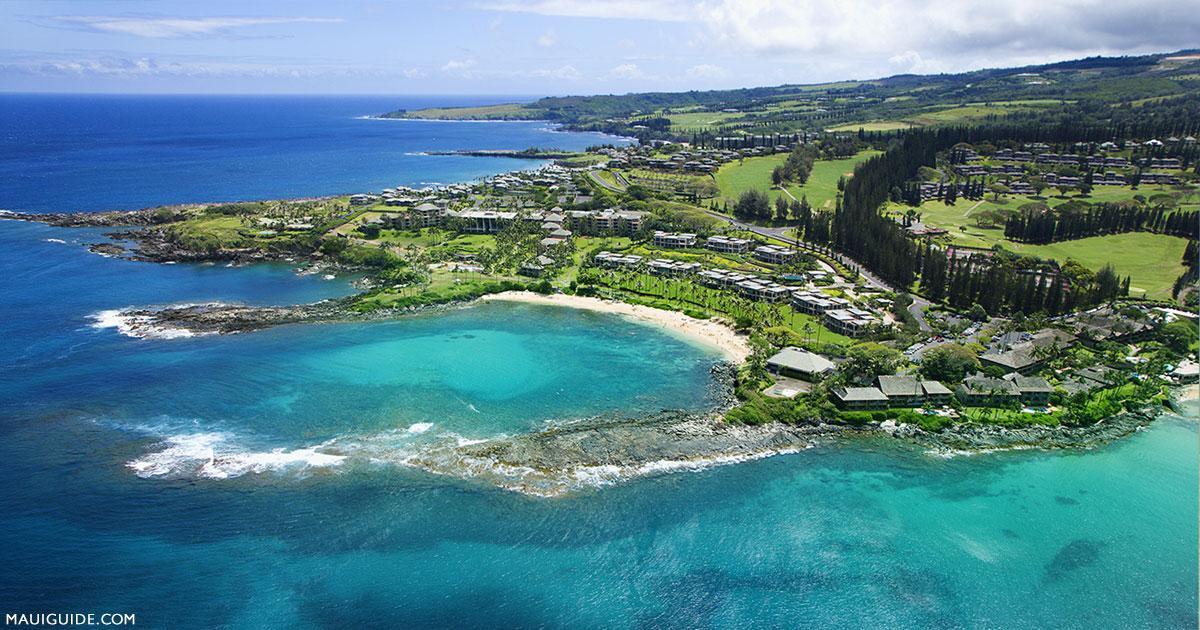
water restrictions putting Kapalua course at risk
What’s at stake for Kapalua and island golf
The Kapalua golf complex on maui is world-renowned for its championship course routing, ocean-view tees, and high-quality turf.Like many premium golf facilities globally, Kapalua depends on reliable water supplies to maintain playing conditions – healthy greens, consistent fairways, and presentation that supports tourism and tournament play. When municipal water restrictions, drought declarations, or supply disruptions occur, the risk is multi-dimensional: degraded turf health, slower pace of play, increased maintenance costs, and potential reputational or economic impacts for the resort and the local community.
Why water restrictions happen (and why islands are especially vulnerable)
- Drought and decreased rainfall – Extended dry seasons reduce natural recharge, increasing reliance on stored water and irrigation systems.
- Limited freshwater resources – Island aquifers and reservoir systems have finite capacity and can be stressed by population and tourism demand.
- Infrastructure damage – events such as wildfires, storms, or aging systems can interrupt deliveries and force emergency conservation measures.
- Regulatory action – Local authorities may impose mandatory restrictions to preserve drinking water, protect habitats, or meet public-health priorities.
- Competing water uses – Agriculture, households, and commercial users compete with golf for limited clean water; prioritization can shift quickly in crises.
Direct impacts on golf course condition and play
Water restrictions don’t just brown fairways – they affect playability, safety, and the long-term viability of the turfgrass ecosystem:
- Greens speed and firmness: Reduced irrigation can dry out root zones, leading to firmer, slower putting surfaces and increased ball bounce unpredictability.
- Fairway and tee quality: Thinner turf reduces ball roll, increases divots, and can change shot selection for players.
- Increased disease and stress: Stressed turf is more vulnerable to pests and fungal outbreaks when watering resumes irregularly.
- Maintenance constraints: Limitations may force shorter mowing heights to conserve water, less topdressing, and deferment of agronomic programs.
- Tournament risk: Inconsistent playing surfaces can jeopardize the course’s ability to host signature events – affecting tourism and revenue.
Environmental and economic ripple effects
Beyond turf health, restricted water use can lead to broader consequences:
- Tourism revenue impacts: Kapalua’s golf brand attracts visitors; poorer course conditions can lead to lower green fees and fewer bookings.
- Job and supplier impacts: Reduced operations can affect groundskeeping, pro shop, and local supplier income.
- Native habitat trade-offs: Unsustainable groundwater extraction can damage wetlands and native ecosystems that communities value.
- Community relationships: Perceived inequities in water allocation to high-profile facilities can lead to public backlash if residents face shortages.
Practical, proven strategies to reduce water use without losing playability
There’s no single fix, but smart integration of agronomy, irrigation tech, and course design adjustments can keep a resort-quality golf experience while cutting water use substantially.
Turf and cultural practices
- Switch to or integrate drought-tolerant turfgrass species and cultivars on parkland areas and roughs while maintaining premium turf on greens and selected tees.
- Adopt deficit irrigation scheduling for fairways and roughs – allow slight stress periods between deep irrigation cycles.
- Use wetting agents and soil conditioners to improve soil moisture distribution and reduce run-off.
- Adjust mowing heights and reduce mowing frequency on low-impact areas to reduce evapotranspiration stress.
Irrigation technology and smart water management
- Install soil moisture sensors, weather stations, and evapotranspiration (ET) controllers to tailor irrigation to real-time conditions.
- Upgrade to efficient heads, pressure-compensating drip for ornamentals, and precision sprinklers on turf where practical.
- Segment the irrigation system into fine zones so critical playing areas can be prioritized during restrictions.
Choice water sources and conservation
- Reuse treated wastewater (reclaimed water) for landscape irrigation where regulations allow.
- Develop on-site rainwater capture and storage systems for non-potable uses.
- Implement greywater systems from resort facilities for selected landscape irrigation.
- Work with municipalities on negotiated allocations that protect both potable supply and critical course infrastructure.
Course design and operational tweaks that maintain playability
- Temporary tees and hole routing: move tees forward or change hole routing to reduce the irrigated footprint during severe restrictions.
- Xeriscaping buffer zones: Replace high-water ornamentals with native, low-water plants around holes and cart paths.
- Reduced irrigated acreage: Deliberately transition peripheral fairways or roughs to low-maintenance grasses or native groundcover.
- Fairway cart path-only policies: Limit traffic damage to sensitive dormancy turf areas.
Dialog and stakeholder engagement
Transparent messaging is crucial when water restrictions affect a high-profile course. steps to manage expectations and preserve brand value include:
- Publicly share a water-savings plan that outlines agronomic steps and expected playing condition changes.
- Offer adjusted tee-time pricing or package upgrades when conditions differ from seasonal expectations.
- Coordinate with local government and utility agencies to align conservation targets and identify shared solutions such as reclaimed water pipelines.
Short case examples (lessons golf managers can use)
While each course has unique constraints, transferable lessons from other resorts and municipal courses show consistent results:
- Clubs that invested in reclaimed water and ET-based irrigation cut potable water use by 40-70% while keeping playable greens.
- Courses that phased in drought-tolerant grasses across roughs have reduced annual water demand with minimal negative feedback from members or guests.
- Facilities that engaged the community and explained water-use trade-offs avoided reputational damage and gained support for shared infrastructure upgrades.
Simple, golfer-facing tips during restricted conditions
- Manage expectations: expect firmer lies, slower greens, and more visible divots on fairways.
- Repair divots and ball marks conscientiously to help stressed turf recover faster.
- consider playing preferred lies or reduced yardage if course setup is adjusted to conserve water.
- Support the course’s public messaging – responsible golfers help turf managers succeed.
Water-saving options: at-a-glance table
| Measure | Typical Water Savings | Notes |
|---|---|---|
| Reclaimed wastewater use | 30-70% | Requires treatment and permits; excellent for landscape and fairway irrigation |
| ET sensors + smart controllers | 20-40% | Optimizes irrigation to turf needs; low disruption |
| drought-tolerant grasses | 10-50% | Best phased in; good for roughs and periphery |
| Rainwater harvesting | Variable | Supplemental source for non-potable use; dependent on rainfall |
Regulatory and research context
Water resource research emphasizes careful local assessment, monitoring, and integrated management. Journals such as MDPI’s Water present studies that highlight the complexity of water availability, demand allocation, and the importance of adaptive management frameworks. Those findings are directly relevant to coastal and island golf operations that must reconcile tourism and recreation with municipal and ecological water needs.
Implementation roadmap for Kapalua-style facilities
- Audit current water use: Meter every source, identify highest-use zones, and quantify daily demand.
- Set realistic reduction targets: Work with local authorities to agree on phased conservation goals tied to drought levels.
- Prioritize investments: Target high-impact, fast-return measures first (sensors, nozzle upgrades, reclaimed water hookups).
- Phase turf transitions: Pilot drought-tolerant grasses on lower-priority holes to evaluate performance before widescale conversion.
- Communicate: Share plans with guests, tournament partners, and the community to set expectations and build support.
Frequently asked questions (FAQ)
Will water restrictions completely close a resort golf course?
Closures are rare; most courses adapt by reducing irrigated areas, changing tee placements, and prioritizing greens and high-traffic holes. Permanent closure is typically a last resort unless water scarcity is severe and prolonged.
How long does it take for drought-tolerant grasses to establish?
Depends on species and local climate. Some varieties establish within one growing season; others may need two to three seasons for full maturity.Phased implementation minimizes play disruption.
Can reclaimed water affect turf or golfer experience?
properly treated reclaimed water is widely used on golf courses worldwide. It can require different nutrient management and corrosion-resistant irrigation materials but generally provides reliable irrigation without compromising playability.
Next steps for course managers and stakeholders
- Commission a rapid water-use and irrigation audit with a qualified turf and water consultant.
- Engage local utilities and regulators early to explore reclaimed water or priority allocations for tournament periods.
- Develop a public-facing water stewardship plan that explains actions and timelines to guests and the community.
- Monitor and publicly report progress – transparency builds trust and can unlock funding or partnership opportunities.
Facing water restrictions doesn’t have to mean sacrificing the Kapalua experience. With pragmatic, science-based conservation and community engagement, course managers can protect playing quality, support local water security, and position Kapalua as a leader in enduring golf course operations.