The Ryder Cup, golf’s biennial team showdown between Europe and the United States, pits two 12-player sides in three days of match play – foursomes, fourballs and singles – for continental bragging rights. The 2025 edition will follow that format and the article examines team selection, the schedule and the event’s all-time records and winners.
Note: ryder is also the name of a U.S. logistics and transportation company, unrelated to the golf competition.
Ryder Cup explained: format, scoring and what to expect in 2025
Match play, head-to-head: The biennial showdown brings 12-player U.S. and european teams together across three days and 28 matches. Formats rotate between foursomes, fourballs and singles to test partnerships and stamina.
- Fri: 4 fourballs (AM), 4 foursomes (PM)
- Sat: 4 fourballs (AM), 4 foursomes (PM)
- Sun: 12 singles
Scoring is simple and brutal: each match equals one point, a halved match gives 0.5 to each side. The first side to 14½ points claims victory; the defending team retains the Cup with 14 points. Captains’ pairings and order-of-play decisions are frequently enough decisive.
Looking to 2025, expect tight selection battles between automatic qualifiers and captain’s picks, with emphasis on chemistry for alternate-shot formats. Course set-up, team momentum and savvy pairings typically shape the weekend – but the singles on Sunday remain the ultimate decider.
First contested in 1927,the event has evolved into golf’s premier team spectacle: early U.S. dominance gave way to a sustained European surge in recent decades. Quick schedule snapshot:
| Session | Matches |
|---|---|
| Fri/Sat (each day) | 8 matches |
| Sun | 12 singles |
Team selection and captain picks: contenders,risky choices and selection recommendations
Automatic qualifiers will set the spine of both teams,but captains retain the power to reshape the roster. Recent form, match-play pedigree and course fit are emerging as decisive metrics; bookmakers list several late surges as making contender status tenuous. Experience matters, yet hot streaks from younger players force captains into uncomfortable choices.
When exercise of captain’s picks arrives, the shortlist typically mixes proven partners and wild-card mavericks. Analysts warn that picking solely on reputation risks benching in-form talent.Below are short tactical recommendations for selectors:
- Prioritise current form over legacy when spots are tight.
- Value match-play records – some stroke-makers struggle in alternate shot formats.
- Balance personalities to build pairings that communicate under pressure.
Pairings will likely define the week more than any single leaderboard finish; captains must weigh chemistry against individual scoring. The table highlights three archetypal captain-pick scenarios and their headline risk.
| Pick | Profile | Risk |
|---|---|---|
| Veteran Leader | Close-match experience | Form decline |
| Hot Rookie | Recent wins, bold play | Match-play inexperience |
| Course Specialist | Fits venue style | Narrow scoring range |
Selection recommendations coalesce around a simple playbook: blend steady hands with momentum-makers, slot specialists into favorable formats and avoid sentimental picks without recent evidence. Captains who balance data-driven metrics with on-course intuition will most likely assemble teams capable of converting tight sessions into decisive point swings.
Course and schedule analysis for 2025: conditions, key holes and tactical implications
Organizers anticipate firm, fast surfaces and afternoon sea-breeze gusts that will amplify scoring swings across match sessions. With play split into morning and afternoon blocks, early pairings frequently enough face calmer, softer conditions while afternoon matches confront firmer fairways and stronger crosswinds – a scheduling dynamic that could reshape captain selections and hole-by-hole tactics.
Several holes are likely to define sessions:
- Long par‑4s with narrow landing zones – penal for errant tee shots and fertile ground for momentum shifts in foursomes.
- Reachable par‑5s – prime birdie or eagle chances that will be hunted in fourballs and protected in alternate‑shot.
- Exposed long par‑3s – where wind variability will force clubbing gambles and two‑putt wins.
Captains will mark these as pivotal swing holes when plotting pairings and risk profiles.
Strategically, captains must balance bombers who can seize short par‑5s with accurate iron players suited to tight driving corridors. Foursomes will reward precision and temperament – one poor tee shot can ruin a hole – whereas fourballs incentivize aggressive, birdie‑seeking golf. Match‑play tactics will therefore oscillate: protect the lead with conservative lines, press when behind, and deploy hitters whose strengths match expected daily conditions.
Weather, tee‑time sequencing and recovery windows add another operational layer: swap options, morning practice insights and caddie reconnaissance can tilt marginal edges.The quick reference table below highlights ideal player traits against hole archetypes that matter most in the 2025 schedule.
| Hole Type | Ideal Trait | Tactical Use |
|---|---|---|
| Reachable par‑5 | Big hitter | Open aggressive pairings in fourballs |
| Narrow par‑4 | Accurate driver | Deploy in foursomes to avoid giveaways |
| Windy par‑3 | Calm iron play | Slot experienced closers in critical slots |
Pairings and matchplay strategy: how chemistry and form will shape outcomes
Captains will lean on chemistry as much as current form, pairing players whose temperaments and shot shapes dovetail rather than simply matching hot streaks. In pressurized foursomes and fourballs, predictable complements – a steady iron player with a long hitter, or a calm putter alongside an aggressive closer – often outperform two individual stars who lack rapport.
Matchplay tactics will shift with the format: foursomes reward precision and conservative strategy,while fourballs invite risk-taking when partners can bail each othre out. Teams are likely to prioritize combinations that produce early momentum and protect leads; captains will value pairs who communicate clearly and recover quickly from setbacks.
- Driver/Strategist – sets up scoring chances
- steady/Closer – avoids big numbers,closes holes
- Aggressive/Rescue – creates birdie opportunities,salvages pars
Teams will be selected with those archetypes in mind,and analytics will inform which duos fit course demands and anticipated pin placements.
A simple snapshot of pairing roles:
| Pair Type | Key Strength | Best Role |
|---|---|---|
| driver/Strategist | Distance + Course Management | Set-up in fourball |
| Steady/Closer | Consistency | Foursomes anchor |
| Aggressive/Rescue | risk/Recovery | momentum swing |
Ultimately, pairings that blend complementary skills and mutual trust can flip tight sessions. With captains wielding both data and intuition, chemistry and form together will be decisive in shaping who seizes control across the three-day showdown.
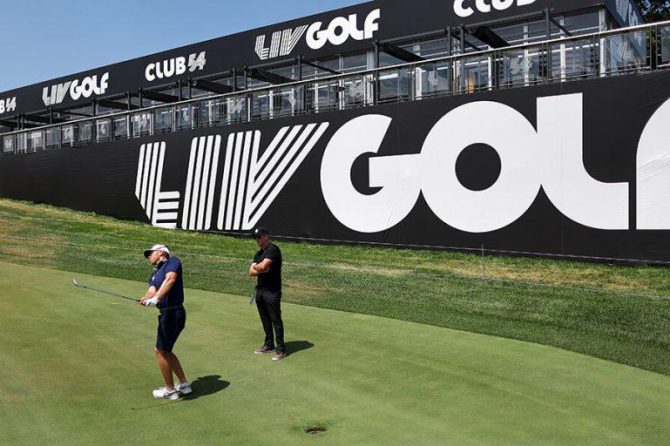
LIV integration and major access changes: impact on team composition and eligibility
Governing bodies have moved to create clearer qualification routes for players who previously competed outside traditional tours, widening the field for major championships and, by extension, international match play teams. The adjustment instantly expands the talent pool captains must monitor ahead of final picks.
Selection dynamics are shifting: captains now balance form across multiple circuits, travel schedules and match‑play experience. Team chemistry and pairing potential gain weight as automatic qualifiers increase in unpredictability, while late‑season form can vault previously overlooked contenders into contention.
Practical consequences are already evident. Teams face new tactical questions:
- How to value recent form versus historic ranking
- Whether to preserve more wildcard slots for strategic pairings
- Monitoring eligibility windows across different tours
Debates over points allocation and timing persist, but the consensus in the game room is that versatility will be rewarded.
| Aspect | Previously | Now |
|---|---|---|
| Eligibility pool | tour-centric | Broader, cross‑tour |
| Points recognition | Limited | More integrated |
| Selection impact | Predictable autos | Greater wildcard value |
Bottom line: squad building has become a more dynamic exercise, with captains and selectors adapting quickly to a more diverse and fluid talent landscape.
All-time winners and defining ryder Cup moments that shaped modern rivalry
The Ryder cup’s all-time ledger reads like two eras: an early period of American dominance followed by a dramatic European resurgence after 1979.That structural change transformed a bilateral contest into a modern rivalry defined by momentum swings and national pride.
Defining moments that reshaped the match include:
- 1979 – Inclusion of continental Europe, widening the talent pool and ending British isolation.
- 1985 – Europe’s Belfry breakthrough that proved the new format could topple the U.S.
- 2012 – The “miracle at Medinah,” a dramatic European comeback that redefined belief systems.
- 2016-2021 – Alternating emphatic wins underscoring that preparation and momentum now decide outcomes.
| Era | Dominant Narrative | Signature |
|---|---|---|
| Pre-1979 | U.S. superiority | Tradition and depth |
| Post-1979 | European resurgence | Team unity, continental stars |
| modern era | high volatility | Captains, strategy, home crowds |
These milestones did more than decide trophies; they changed strategy, selection and captaincy. Team chemistry, venue advantage and singular moments – from pivotal singles matches to audible crowd pressure – now shape outcomes as much as individual golf, making the Ryder Cup sport’s most unpredictable and theatrical team event.
Players to watch in 2025 and practical advice for captains on late additions
The 2025 edition features marquee names likely to shape the scoreboard. Watch for form players who combine major pedigree with match‑play savvy: Scottie Scheffler (consistency off the tee), rory McIlroy (big‑match experience), Viktor Hovland (putting in pressure), and Collin Morikawa (iron precision). These headline acts will anchor pairings and influence captain decisions throughout the week.
Beyond established stars,several rising talents could swing momentum. Emerging contenders such as Ludvig Aberg and Xander Schauffele – noted for hot streaks and team chemistry – merit close monitoring. Quick reference table for late‑call considerations:
| Player | Immediate Edge |
|---|---|
| Ludvig aberg | Upswing form, calm under pressure |
| Xander Schauffele | Versatile pairing options |
| Tommy Fleetwood | Match‑play experience |
Captains handling late additions should prioritize flexibility and fit. Practical steps:
- Assess pairing chemistry over raw ranking – one compatible partner can yield two points.
- Match the player to session (fourballs favour aggressors; foursomes reward steadiness).
- Maintain a concise contingency plan for travel, practice tee times and short‑notice medical checks.
Rapid communication with players and analytics teams ensures late changes enhance, not disrupt, the team dynamic.
What victory would mean for the United States and Europe and lessons for future campaigns
For the United States, a win would be framed as confirmation that the depth of PGA Tour talent and the U.S. team model remain elite. Beyond the trophy, victory would deliver a commercial lift – sponsorship renewals, stronger U.S. viewer numbers and momentum for Ryder Cup-era marketing – and reinforce the narrative that young American stars can translate individual success into match‑play results. Short-term: confidence, endorsements, and selection vindication.
Europe would cast a triumph as vindication of its team ethos and strategic captaincy choices. A win on home soil would highlight the value of cohesive pairings, home‑course advantage and a pipeline of adaptable players accustomed to links conditions. It would also sharpen Europe’s recruitment and growth arguments, giving captains a clearer blueprint for blending veterans with rising talent. Impact: pride, retention of fans and tactical continuity.
Campaigns on both sides would extract practical lessons.
- Selection: balance form with match‑play temperament.
- Pairings: chemistry can trump headline names.
- Preparation: course‑specific practice and data‑driven strategy matter.
- Leadership: captain decisions and communication shape momentum.
These takeaways will inform roster choices, captaincy appointments and preseason programming ahead of 2027 and beyond.
Beyond trophies, the outcome would reshape funding, media narratives and grassroots priorities.
| Team | Immediate | Lesson |
|---|---|---|
| United States | Ratings spike, sponsor wins | Depth + star management |
| Europe | Host advantage leveraged | Team cohesion pays off |
Federations will analyse these results to refine scheduling, invest in development programs and target future captains who can replicate successful formulas.
The Ryder Cup’s blend of match‑play intensity and national pride – contested in odd‑numbered years between 12‑player U.S.and European sides over five sessions across three days – ensures 2025 will be no different. As teams finalize lineups and the all‑time winners list frames the stakes, the contest promises fresh drama and another pivotal chapter in golf’s premier team rivalry.

What is the Ryder Cup? 2025 format, teams, all-time winners
Ryder Cup at a glance
The Ryder Cup is golf’s premier team match-play event, staged every two years between teams representing Europe and the United States. Unlike stroke-play tournaments on the PGA Tour or DP World Tour, the Ryder Cup is a head-to-head, match-play competition that emphasizes team strategy, pairings chemistry, and national/regional pride. The 2025 edition is set to take place at Bethpage Black (Farmingdale, New York), a demanding public championship course that has hosted major PGA Tour events and is known for its difficulty and dramatic moments.
2025 Ryder Cup format – how the matches are played
The Ryder Cup uses a three-day match-play format that has become familiar to golf fans worldwide. The total available points are 28; each match is worth one point and a tied match earns a half point for each side. The defending holder retains the cup if the match ends in a 14-14 tie, but to win outright a team must reach at least 14.5 points.
Match types
- Foursomes (alternate shot) – Two-player teams. Players alternate tee shots and alternate hitting the same ball. this format rewards teamwork, strategy, and complementary playing styles.
- Fourball (better ball) – Two-player teams. Each player plays their own ball; the better score of the two on each hole counts. This often produces low scoring and exciting risk/reward scenarios.
- Singles – One-on-one match play. The final-day singles matches determine the winner when total points are close.
Typical three-day schedule (28 points)
| Day | Morning | Afternoon | Total points |
|---|---|---|---|
| Friday | 4 foursomes matches | 4 fourball matches | 8 |
| Saturday | 4 foursomes matches | 4 fourball matches | 8 |
| Sunday | 12 singles matches | 12 | |
2025 team selection: how players make the Ryder Cup teams
Team selection is a mix of automatic qualification through points and strategic captain’s picks. In 2025 there were notable updates and ongoing debates about selection criteria, including the impact of LIV golfers and Open qualifying paths.
United States selection (2025)
For the 2025 U.S. team, half of the roster – six players – earned automatic Ryder Cup places through the U.S. points/qualification system. The remaining six spots are reserved for captain’s picks. That 6-and-6 split (six automatic qualifiers + six captain’s picks) gives the captain flexibility to choose experience, current form, or pairings specialists late in the season. Sources reporting on the 2025 selection specifically noted the first six automatic qualifiers were confirmed well before the final captain’s picks deadline.
Europe selection (2025)
Team Europe traditionally blends DP World Tour points and Official World Golf Ranking (OWGR)-based qualifiers with a block of captain’s picks.The DP World Tour (formerly the european Tour) sets the European points list; players can also secure automatic places via world ranking performance. The captain then fills the remaining slots with picks designed to balance youth and experience and optimize pairings in foursomes and fourball formats.
LIV golfers and The Open – relevance to Ryder Cup selection
In 2025, governing-body developments gave LIV golfers a clearer formal pathway to major championship qualification, including The Open. that news matters for Ryder Cup discussions because:
- Major results and Official World Golf Ranking points are critical to automatic qualification and captain consideration.
- Allowing LIV players to earn Open spots and OWGR points increases the pool of players eligible for Ryder Cup selection – especially for Europe if players compete on DP World Tour events or earn ranking points.
- Captains may weigh LIV form, match-play records, and course fit when making picks.
Captain’s picks: strategy and why they matter
Captain’s picks are often the most-talked-about part of team selection. Picks are used to:
- Round out team balance – pairing compatibility for foursomes and fourball.
- Reward recent form – hot players late in the season who may not have enough points to qualify automatically.
- Include experienced match-play veterans who thrive in team pressure.
Captains typically consider: recent stroke-play and match-play form, performance under pressure, key stats (driving, putting, approach), and whether players will gel with teammates in pair formats.
Key Ryder Cup terms every golf fan should know
- Match play: Scoring based on holes won, not total strokes.
- Foursomes: Alternate-shot format; teamwork crucial.
- Fourball: Better-ball format; often yields aggressive play.
- Captain’s pick: Non-automatic selection chosen by the team captain.
- Retaining the Cup: The defending team keeps the Cup on a 14-14 tie.
Recent Ryder Cup winners (high-level recap)
Below is a short, accurate list of recent Ryder Cup winners to give context on momentum and shifts in dominance over the past decade-plus.
| Year | Host | Winner |
|---|---|---|
| 2010 | Celtic manor (Wales) | Europe |
| 2012 | Medinah (USA) | Europe |
| 2014 | Gleneagles (Scotland) | Europe |
| 2016 | Hazeltine (USA) | USA |
| 2018 | Le Golf National (France) | Europe |
| 2021 | Whistling Straits (USA) | USA |
| 2023 | Marco Simone (Italy) | Europe |
All-time winners: big-picture summary
Historically, the United States dominated the early decades of Ryder Cup play, but since the inclusion of continental Europe in 1979 the balance has shifted dramatically and the contests have become fiercely competitive. Europe has enjoyed extended runs of success in recent decades,while the U.S. continues to produce world-class talent and occasional dominant teams. For the latest official all-time win totals and full year-by-year champions list, consult the Ryder Cup’s official site and major golf news outlets for updated, authoritative records.
What makes Bethpage Black a meaningful 2025 stage?
Bethpage Black is one of America’s most famous public courses and it presents a stern test: narrow fairways, thick rough, fast greens, and penal bunkering. For the Ryder Cup, course setup and pin locations become tactical tools – captains will consider which players’ games best fit Bethpage’s setup when finalizing picks. Expect a contest that will reward powerful drivers who can find the fairway and iron players who can hit precise approach shots into small targets.
Practical tips for fans and spectators
- Book tickets and accommodation early. Ryder Cup weekends sell out and the local demand is intense.
- Plan your walking route – courses like Bethpage have long, hilly walkways and limited shuttle options.
- Bring layers, sun protection, and a portable phone charger – you’ll be outdoors all day shooting photos and checking scores.
- Follow the match-play scoreboard closely – momentum swings quickly in foursomes and fourballs.
Fan takeaways: what to watch in 2025
- Which six U.S. players locked in automatic qualification – and who the U.S. captain chooses with six picks.
- Which European players secure automatic places through DP World Tour points or OWGR and which qualifying narratives include LIV players earning a route via majors or world ranking.
- Pairings strategy – expect captains to try unconventional duos in foursomes to create early momentum.
- How Bethpage Black’s setup influences scoring and match tactics – patience and short-game excellence will be vital.
Further reading and sources
For up-to-the-minute team announcements, automatic qualifiers, and captain’s picks, follow the official Ryder Cup website, DP World Tour (Europe) communications, and PGA Tour updates. Recent reporting on U.S.automatic qualifiers for 2025 and Bethpage Black hosting details are available from major golf outlets and confirmed press releases (see: Golfweek/USA Today coverage on the 2025 qualifiers).
SEO keywords included
This article integrates top golf keywords for search visibility: Ryder cup 2025, Ryder Cup format, Bethpage Black, foursomes, fourball, singles matches, Ryder cup teams, captain’s picks, match play golf, LIV golfers Open qualification, DP World Tour, Official World Golf Ranking, and Ryder Cup winners.
Want a printable cheatsheet?
If you’d like a compact printable Ryder Cup 2025 cheatsheet (match schedule, match types, points needed, and selection basics), reply and I’ll generate a tidy one-page PDF or printable HTML you can save to your phone.