
Introduction
The design of a golf course is a determinative factor in the character, challenge, and enjoyment of play. Beyond aesthetic considerations, layout decisions-ranging from hole routing and fairway shaping to bunkering and green-complex construction-mediate the strategic choices available to golfers and directly affect measurable playability outcomes such as scoring dispersion, shot-selection variety, and pace of play.Despite a substantial body of descriptive writing on individual courses and historical design movements, there remains a need for systematic, analytical approaches that translate design features into quantifiable effects on gameplay and player experience.
This article frames such inquiry through a rigorous, component-based analysis of golf course layouts. Drawing on the conceptual definition of “analyzing” as the systematic examination of a structure by separating it into constituent parts, the study develops an evaluative framework that isolates and interrelates key design elements (routing, hole geometry, hazard placement, green architecture, and environmental constraints) and links them to playability metrics (risk-reward balance, strategic decision complexity, and accessibility across skill levels). Methodologically, the research combines spatial and geometric analysis, shot-modeling simulations, and comparative case studies of emblematic courses to demonstrate how specific design choices influence tactical options, scoring variance, and overall player satisfaction.
By presenting both a theoretical taxonomy and applied analytical tools, the article aims to inform architects, turf managers, and researchers seeking to optimize course layouts for enhanced playability while maintaining ecological stewardship and broad accessibility. The resulting insights are intended to support evidence-based design interventions that preserve the strategic richness of golf while accommodating contemporary expectations for fairness, sustainability, and enjoyable play.
Strategic Hole Sequencing to Balance Competitive Challenge and Recreational Pace
Effective sequencing of holes determines whether a course tests strategic thinking or simply taxes endurance. By design, hole order influences decision-making patterns, risk-reward moments and cumulative difficulty across a round. In academic terms, and consistent with standard definitions of the term, strategic denotes the purposeful arrangement of elements to achieve specific outcomes – here, balancing competitive rigor with enjoyable pace for recreational players.Optimal sequencing therefore integrates topography, sight lines and shot variety to produce fluctuating cognitive and physical demands that remain within acceptable play windows.
Design principles that govern hole-to-hole transitions emphasize distribution of intensity rather than clustering of difficulty. Key considerations include:
- Alternating pressure: intersperse high-stakes holes (demanding precision) with recovery holes that allow scoring opportunities.
- Varied shot types: sequence to force different trajectory and club selections across consecutive holes.
- Terrain rhythm: use natural rises, valleys and water to modulate visual intimidation without prolonging slow plays.
- Spatial buffering: locate high-risk features where they cannot create persistent bottlenecks for groups following behind.
Maintaining recreational pace requires attention to routing efficiencies and operational realities. Short walking loops between greens and tees, clustered practice facilities near mid-round staging areas, and tees positioned to minimize blind shots all reduce delay. Course managers can plan for temporal variability by identifying and mitigating pinch points – narrow corridors, shared cart paths or proximity of tee shots to landing areas – that disproportionately slow play. Additionally, dynamic teeing options and clear on-course signage support disparate player abilities while preserving the intended competitive framework.
Different objectives call for distinct but compatible sequencing mechanisms; the following concise comparison summarizes common design choices for tournament versus everyday play:
| Design Focus | Competition | Recreation |
|---|---|---|
| Hole Order | Progressive escalation | Alternating intensity |
| Teeing Options | Championship tees emphasized | Multiple forward tees |
| Flow management | Strict pin placements | Pin positions favor speed |
sequencing should be validated with empirical metrics and iteration. Apply simulated round-time models, walk audits, and targeted player surveys to quantify pace and perceived fairness. Useful metrics include average hole time, variance in group completion times, and frequency of conflict at shared landing zones. A recommended process pairs metric-driven revisions with periodic tournament simulations to ensure the layout achieves both the competitive integrity demanded by elite play and the operational efficiency required for daily rounds.

Optimizing Tee Placement and Yardage Strategy to Accommodate Diverse Skill Levels
Effective tee configuration begins with a clear objective: to calibrate challenge without compromising fairness.Designers must conceptualize tees as instruments for “optimizing” play – that is, arranging yardage and angles so each demographic of golfer experiences a meaningful decision set. By varying tee distances and lateral offsets, architects can compress or expand the corridor of play, alter carry requirements over hazards, and modulate the risk-reward calculus so that both high- and low-handicap players encounter appropriately scaled strategic choices.
Quantifying yardage bands facilitates repeatable, evidence-based decisions about where to place tee markers. The table below summarizes a typical tiered approach that many modern courses adopt to accommodate broad skill distributions while preserving design intent.
| Tee | Yardage Range | Intended Player |
|---|---|---|
| Championship | 6500-7600 yd | Elite / Tournament |
| Member / Regular | 5600-6500 yd | Single- to mid-handicap |
| forward / Family | 4200-5600 yd | Beginners / Seniors |
Beyond raw distance, subtle alterations in tee placement reshape shot selection and strategic thinking. Effective tactics include:
- staggered tee angles that change the preferred line to green;
- variable tee widths to control aggression on the tee shot;
- temporary forward tees to accommodate daily or seasonal play mixes.
These measures enable designers to preserve a hole’s character while allowing players to self-select appropriate risk levels, enhancing both pace-of-play and enjoyment.
integrating yardage strategy with established metrics such as course rating and slope ensures equity across skill levels. Moving a tee forward by modest increments frequently enough reduces the differential in expected strokes disproportionately for higher handicaps, thus narrowing scoring variance. Conversely,strategic championship tees should increase the variety of shot-making without introducing arbitrary penalty elements; measured changes in angle and carry distance produce more meaningful difficulty than raw length alone.
Operational and ecological considerations must inform long-term tee management. Implementing modular teeing areas and durable forward tee surfaces reduces turf stress and maintenance cost, while adjustable yardage markers can respond to demographic shifts and tournament demands. from a sustainability outlook,optimizing placement also means minimizing earthmoving and preserving native vegetation corridors,thereby aligning playability goals with stewardship responsibilities. adaptive tee strategies therefore deliver both superior golfing experiences and resilient course ecosystems.
Bunkering Geometry and Placement to Influence Shot Selection and Risk Assessment
Bunkering geometry functions as a primary determinant of how golfers conceptualize and execute shots; depth, face angle, and the curvature of a bunker collectively define the range of recoverable options and thus the relative penalty for errant play. Deep-faced, narrow pot bunkers impose a substantially higher extraction cost than shallow, visually integrated hazards and therefore shift optimal strategy toward conservative shot selection. Conversely, broad crescent or swale bunkers that permit run-up approaches frequently enough encourage inventive shot-making and variable club choice. In design terms, geometry is less an isolated attribute than a modifier of risk-the same bunker shape will elicit different decisions when placed on a driving-line versus around a receptive green complex.
Placement within the hole’s geometry codifies the intended strategic narrative: whether a bunker is intended to be penal, strategic, or defensive depends on its relationship to tee angles, primary landing corridors, and the green’s preferred approach vectors. Properly sited bunkers can convert a single-line fairway into a multi-option corridor, forcing players to weigh distance against accuracy, or to choose between a longer, safer route and a shorter, riskier one. Designers use this interplay to calibrate hole difficulty without relying solely on length, thereby preserving playability across skill levels.
- Penal bunkers – placed to severely punish common miss tendencies; narrow, deep faces amplify cost.
- Strategic bunkers – located to influence club selection and route decision; often visible from the tee.
- Defensive bunkers – protect green edges or funnels and encourage conservative pin-seeking.
The measurable effects of bunker geometry on shot distribution can be summarized in simple comparative terms that are useful to both architects and course superintendents. Below is a concise reference table correlating three common bunker archetypes with typical placement and their strategic effect; these categories serve as a shorthand for predicting player behavior and assessing risk-reward balance.
| Geometry | Typical Placement | Strategic Effect |
|---|---|---|
| Crescent / Contoured | Along landing corridors | Shapes carry decisions; rewards aggressive lines |
| Pot / Deep | Around greens, at angle points | high penalty-reduces bailout options |
| Run-up / Fronting | Leading edges of greens | Encourages ground-game creativity; softens punishment |
Beyond physical metrics, bunkers influence the golfer’s psychological calculus: visibility, perceived depth, and the inevitability of sand recovery can each alter aggressive intent. Wind direction and prevailing shot shapes interact with bunker placement to create left- or right-biases that differentially penalize certain players. Well-conceived bunkering thus manipulates not only the geometry of shots but also the cognitive weighting of risk; the same hazard can feel insignificant in calm conditions and decisive in crosswinds, which designers must anticipate when modeling average play scenarios.
Maintenance considerations and playability trade-offs must inform final decisions on bunker geometry and siting. Deep pot bunkers may preserve strategic intent but increase maintenance burden and slow play; shallow face bunkers are easier to maintain and can be tuned by changing sand hardness or rake patterns. Recommended design practices include:
- Calibrate depth to intent – match extraction difficulty with the desired strategic penalty;
- Vary shapes across the course – avoid monotony and create a spectrum of decision-making moments;
- Integrate maintenance realities – ensure raking regimes and drainage support the intended playing characteristics.
Green Complex Design: contours,Cup Placement,and Recommendations for Accessibility
Contours on the putting surface function as the primary language of strategic intent: subtle rolls,multi‑tiered shelves,and cross‑slope gradients all inform shot selection,speed control,and putt reading. Well articulated grading distributes line and pace so that a single approach can produce multiple putting scenarios, promoting repeated engagement and learning. From an architectural perspective, contour complexity should be proportional to green size and hole yardage-small greens benefit from concise, readable rolls while larger complexes can sustain pronounced pockets and subtle back‑to‑front movement without overwhelming an average player.
Cup positioning is an orchestration of fairness, variety, and tournament functionality. Thoughtful daily rotation systems preserve turf health and enforce a diversity of challenge levels across rounds, while advanced placement strategies exploit micro‑contours to create risk‑reward choices.The simple matrix below summarizes common contour typologies and their typical playing and accessibility implications:
| Contour Type | Playing effect | Accessibility Consideration |
|---|---|---|
| Subtle roll | Encourages multiple-putt options | High – easy to read |
| Pronounced pocket | rewards precise approaches | Moderate – can trap slow balls |
| Tiered shelf | Creates distinct green zones | Lower – steep transitions require care |
Design recommendations for inclusive play prioritize predictability without sterilizing challenge. Key measures include:
- Approach slope control: maintain approach grades that allow safe, step‑free access for push carts and mobility devices;
- Gradual edge transitions: avoid abrupt convex edges that impede short‑game recovery for less‑able players;
- Clear routes and firm surfaces: provide firm, well‑drained walkways and mowing patterns that indicate the preferred line of play;
- Rotational pin maps: publish weekly cup placements to enable players to choose teeing strategies that suit their mobility and skill.
Operational factors mediate the relationship between design intent and daily playability. green speed,mowing height,and cup rotation together define how a contour plays on any given day; therefore,agronomic policies should be tightly coordinated with pin placement philosophy. For pace‑of‑play management, reserve the most severe pin locations for low‑traffic or championship days and deploy conservative holes during peak recreational play. Additionally, simple visual aids – such as subtle pathway edging or temporary stripes indicating slope direction – can accelerate reading and reduce indecision without altering the design.
Quantitative targets help translate principle into practice: aim for a maximum putting surface slope of approximately 3% in primary putting corridors, with collar slopes not exceeding 6% to facilitate approach settlement and recovery. Approaches designed for global access should target 1-2% gradients over a minimum 3‑m clear width; where steeper grades are unavoidable, include graded landings and safe step‑offs. In synthesis, optimal green complexes are those that marry measured contouring with disciplined cup management and explicit accessibility standards-thus yielding both memorable strategic moments and equitable play for a broad spectrum of golfers.
fairway Width, Rough Definition, and Vegetation Management to Reward Precision
The width of the landing corridor is a primary instrument in an architect’s toolkit for modulating strategic demand. Narrow corridors emphasize precision, converting a two- or three-shot hole into a sequence of targeted plays where club selection, wind reading, and trajectory control are decisive. Conversely, broader corridors reduce variance and reward aggression by lowering the penalty for errant drives. In academic terms, fairway width functions as a continuous parameter that shifts the expected value and variance of scoring outcomes; careful calibration allows a single hole to offer differentiated strategic options across skill cohorts without altering the macroscopic routing.
Defining the rough is equally consequential. Height, density, and the spatial patterning of rough collectively determine the degree of penalization for missing the landing area. Low-height, sparse rough encourages recovery and maintains pace of play, while high-density, interlocking rough enforces risk-reward decisions by elevating the cost of lateral misses. Designers should consider graded rough treatments-transitional ribbons, strategic strips flanking the primary corridor, and punitive zones near hazards-to accomplish nuanced behavioral outcomes: steer players toward preferred lines without resorting to artificial obstacles.
Practical prescriptions for deploying fairway and rough treatments include tactical combinations that balance challenge and accessibility. Recommended approaches often encompass:
- Variable corridor widths keyed to teeing grounds to preserve playability for higher handicaps.
- Selective rough islands that penalize only certain shot shapes or landing zones.
- Mowed patterns that visually guide choices while altering lie quality subtly.
- Buffer bands of native vegetation that protect the course ecosystem and provide visual definition.
These measures produce layered strategic demands, enabling one fairway to present multiple, context-dependent options.
A concise design reference clarifies implementation trade-offs for routing and maintenance.
| Play Tier | Fairway Width (yd) | Rough Height (in) |
|---|---|---|
| Championship | 30-40 | 2.5-3.5 |
| Member/Regular | 40-55 | 2.0-2.5 |
| Forward/high-Handicap | 55-75 | 1.0-2.0 |
The table demonstrates typical targets that align strategic intent with maintenance burden; narrower corridors and taller rough require more precise mowing patterns and higher turf-health oversight.
Vegetation management bridges strategic design and lasting stewardship. Using native grasses and shrub buffers reduces irrigation and chemical inputs while creating robust, defensible rough that supports local biodiversity. Visually, purposeful vegetative framing amplifies perceived corridor narrowness-affecting golfer psychology and shot selection-without increasing turf maintenance inside the playing corridor. From a maintenance planning perspective, the scheduling of periodic rough rotation, selective dethatching, and edge-definition mowing can preserve strategic intent over time and protect pace of play, producing durable, environmentally responsible layouts that reward precision rather than penalize unpredictably.
Water Features and Hazard Integration for Tactical Risk Reward Opportunities
Water features function as purposeful strategic instruments within the course architect’s toolkit, transforming static turf into dynamic decision nodes that modulate risk, reward and player psychology.When placed to define landing corridors or to guard the approach to a green, ponds and streams compel golfers to weigh carry distances, club selection and shot shape against the potential penalty of a misplayed shot. From an analytical perspective, the value of a water hazard is not merely in inducing a stroke penalty but in creating a measurable change in expected scoring distribution across different skill cohorts.
Effective integration adheres to several formal principles that govern tactical clarity and fairness: proper sightlines that communicate the hazard’s outcome, variable carry distances that reward precise execution, and provision of logically scaled bail-out options that maintain playability for higher handicaps. Designers commonly operationalize these principles through specific design moves, including offsetting water lines, tiered edges and staged out-of-bounds markers-each calibrated to the hole’s intended risk profile and strategic intent.
- Line-of-play clarity: ensure the visual cue clearly defines the mandated decision point.
- Scaled penalties: adjust hazard severity to match shot length and player ability.
- Bail-out geometry: provide option corridors that preserve strategic choice.
- Multi-flag variability: allow daily pin placements to alter the risk-reward calculus.
The interaction between water features and green complexes amplifies tactical nuance: a water-bordered approach green creates asymmetric pin sensitivity where front,left or right flags dramatically alter the optimal strategy. Wind, surface slope and run-off areas further condition the decision-what is a conservative lay-up under calm conditions may become an aggressive forced carry under a crosswind. By modeling these permutations with shot-probability overlays, architects and agronomists can quantify how often a given design will provoke aggressive versus conservative play and thereby tune features to achieve targeted pacing and scoring outcomes.
| Design Option | Tactical Effect |
|---|---|
| Narrow frontal pond | Promotes lay-up,rewards risk-takers on shorter daylies |
| Offset stream along drive corridor | Creates choice of angle-of-attack; favors shaping shots |
| Inset water adjacent to green | Increases pin sensitivity; demands precision on approach |
Long-term stewardship and ecological integration are essential to preserve tactical intent while meeting sustainability objectives. Constructed wetlands, marsh buffers and native riparian plantings can reduce maintenance intensity, enhance wildlife value and stabilize banks, all without diminishing strategic influence. Regular post-construction monitoring-tracking ball-in-water rates, pace-of-play impacts and maintenance costs-provides the empirical feedback loop necessary to refine hazard geometry so that water features remain robust tactical elements rather than unmanaged liabilities.
Routing, Topography, and Landscape Integration for Sustainability and play Flow
Thoughtful routing establishes the structural spine of a golf course, determining how players perceive distance, risk and reward across an 18‑hole sequence.By sequencing contrasting hole types-risk‑reward par 5s, strategic short par 4s and recovery par 3s-designers create a coherent narrative that promotes **strategic variety** while avoiding redundancy. Effective routes respect existing sightlines and arrival moments, positioning tees and greens to reveal challenges progressively and to encourage varied shot selection. When routing is aligned with natural drainage corridors and prevailing winds, the course achieves both operational efficiency and a richer tactical experience for golfers.
Topography functions as both a constraint and an asset; subtle elevation changes, natural ridgelines and depressions can be harnessed to create defensible green complexes, compelling approach angles and distinct playing zones. Minimizing radical re‑grading preserves soil profiles, reduces construction carbon footprint and maintains local hydrology-important components of responsible course progress. The relationship between slopes,sun exposure and soil variability also governs turf health and microhabitat creation,so **topographical sensitivity** is essential for long‑term maintenance and ecological resilience. Where intervention is necessary, targeted earthworks that augment existing landforms tend to deliver the greatest design and environmental returns.
Landscape integration extends beyond aesthetics to encompass biodiversity, stormwater management and the experiential quality of each hole. Native plant buffers,wildlife corridors and rain gardens not only support ecosystem services but also reinforce strategic play by defining fairways and penalizing poor shots. Practical measures include:
- Native buffers: reduce irrigation demand and create visual corridors;
- Contour swales: manage runoff and enhance wetlands;
- selective tree planting: protect viewsheds while shaping strategic lines of play.
These interventions must be planned in concert with routing and topography to avoid conflicting objectives and to maximize multifunctional landscape value.
Play flow and sustainability are mutually reinforcing when safety, pace and maintenance logistics inform design decisions. Clear routing reduces cross‑traffic, preserves pace of play and limits the footprint of service roads and cart paths; likewise, siting greens and tees to exploit natural drainage reduces reliance on intensive irrigation and turf inputs. Maintaining a coherent sequence of rest and exertion-alternating long and short holes,placing practice facilities sensibly-improves user experience while lowering operational burdens. In sum, **playability and stewardship** are best achieved through integrated planning that balances golfer experience with resource conservation.
| Element | Design Response | Sustainability Benefit |
|---|---|---|
| Natural ridge | Sited green with downhill approach | Reduced earthworks, improved drainage |
| Wetland corridor | Integrated buffer and cart path routing | Habitat protection, runoff filtering |
| Open plateau | long, strategic par 4 with wind exposure | Limits turf area, leverages native grasses |
Maintenance Planning and Adaptive Management to Preserve Long Term Playability
Long-term preservation of a course’s playable character depends on a deliberate program of maintenance planning that translates strategic design intent into operational practice. Establishing clear, measurable objectives – such as target green speeds, acceptable fairway coverage percentages, and maximum allowable erosion rates – creates a baseline against which adaptive responses can be judged. These objectives should be expressed quantitatively where possible, enabling cross-seasonal comparison and rigorous evaluation of how layout elements perform under changing environmental and use pressures.
Robust monitoring underpins effective adaptation. A targeted set of routine observations and instrumented measurements provides the empirical foundation for management decisions:
- Soil moisture and salinity profiling to inform irrigation scheduling and turf health diagnostics;
- Turf visual quality and coverage indices recorded at fixed sample points;
- Green speed and firmness readings to evaluate putting-surface consistency;
- Bunker depth and sand composition audits to detect compaction or loss;
- Irrigation system performance checks and runoff assessments after major events.
collectively, these data streams permit the translation of observed symptoms into specific cultural or infrastructural remedies.
An adaptive management framework formalizes how monitoring results trigger interventions.Define explicit decision thresholds (for example, a defined percent decline in turf coverage or a recurrent deviation in green speed) and couple them with preapproved treatment pathways – cultural response (aeration, overseeding), tactical adjustments (mowing height, spray windows), or capital works (drainage retrofit, green recontouring). Iterative review cycles, documented in a central maintenance plan, ensure that treatments are evaluated for efficacy and revised as new facts and technologies become available. Engagement with stakeholders – superintendent staff, course architects, and player representatives – secures alignment between ecological constraints and playability goals.
| Metric | Monitoring Frequency | Intervention Trigger |
|---|---|---|
| Soil moisture (%) | Weekly | < 12% at rootzone depth |
| Average green speed (ft) | Biweekly | ±0.5 ft from seasonal target |
| Bunker sand depth (cm) | monthly | Loss > 10% of designed depth |
These concise indicators facilitate prioritization of scarce resources, enabling tactical allocation of labor and capital to locations where playability or sustainability risk exceeds acceptable bounds.
Long-term resilience requires integrating ecological thinking into maintenance choices so that playability and sustainability are mutually reinforcing rather than adversarial. Practices that build soil organic matter, promote deep rooting and reduce chemical inputs enhance turf resilience while preserving the strategic subtleties intended by design. Transparent reporting of maintenance outcomes and adaptive decisions – presented in annual stewardship summaries – supports continuous enhancement and preserves the balance between challenge and accessibility that defines exemplary courses.
Q&A
Below is a scholarly Q&A for an article titled “Analyzing Golf Course Layouts for Enhanced Playability.” The format is question followed by a concise, academically oriented answer. Where relevant, brief methodological guidance and citations to definitional material on “analyze/analysing” are included.
Q1: What do we mean by “analyzing” a golf course layout in the context of playability?
A1: to analyze a golf course layout is to examine its physical, strategic, and experiential components in a systematic, methodical way in order to understand how design elements influence player decision‑making, performance, and satisfaction. This usage aligns with standard definitions of “analyze” as careful, methodical examination (see Vocabulary.com; Cambridge Dictionary). Note: “analyzing” (US) and “analysing” (UK) are spelling variants of the same verb (Sapling; WordReference).Q2: what are the principal dimensions of playability that a robust analysis should address?
A2: Key dimensions include: strategic clarity (are risk-reward options meaningful?), fairness across player abilities (scalable tees and shot values), variety of shot types required, pace of play implications, perceptual legibility (how well a hole communicates intended lines), safety, and ecological/maintenance feasibility. Each dimension should be operationalized with measurable indicators (see Q4-Q6).Q3: What site and physical factors must be considered during layout analysis?
A3: Topography, slope aspects, prevailing wind, hydrology and drainage, native vegetation and soils, daylight/sun angles, and existing infrastructure strongly constrain and enable design choices. These factors determine routing logic, optimal tee and green placement, hazard locations, and realistic maintenance regimes.
Q4: Which quantitative metrics are most useful to evaluate playability?
A4: Useful metrics include:
– Course rating and slope (USGA or equivalent) to measure relative difficulty.
– strokes‑gained or comparable shot‑value analytics derived from shot‑tracking systems to identify where holes add or subtract strokes relative to expected performance.
– Fairways hit,greens in regulation (GIR),and putting statistics for empirical evidence of challenge and forgiveness.
– Effective playing length variation across holes and tee boxes.
– Pace‑of‑play statistics (time per hole, bottleneck identification).
– Spatial metrics from GIS: distance distributions, sight‑lines, buffer zones around hazards, and AI/Monte Carlo shot simulations.
Q5: How should qualitative factors be assessed?
A5: Qualitative evaluation uses structured observation, expert design reviews, player interviews/surveys stratified by handicap, and controlled playtests. Observational protocols should capture strategic choices, confusion points (where players misread intended line), and perceived enjoyment/frustration. combine qualitative data with quantitative measures for triangulation.
Q6: What analytical methods and tools support rigorous layout analysis?
A6: A mixed methods toolkit is most effective:
– GIS and spatial analysis for routing, proximity, and sightline studies.
– Digital elevation models (DEMs) and LIDAR for topographic and drainage modeling.
– Shot simulation and Monte carlo models to forecast scoring distributions under different design variants.
– Shot‑tracking databases (ShotLink, TrackMan) to compute strokes‑gained and empirically validate difficulty.
– Visual simulation (3D modeling, VR) and scale physical mockups for perceptual studies.
– environmental assessment tools (water budgets, habitat models) for sustainability metrics.
Q7: How can designers balance challenge and accessibility across different player abilities?
A7: Balance through scalable teeing systems that change risk-reward calculus without altering intent; strategic hazard placement that penalizes poor execution but rewards smart play; widely variable green sizes/contours; and clear routing and signage. design for “multiple lines” where both conservative and aggressive strategies are viable and valued. Empirical testing across handicap strata can calibrate that balance.
Q8: What role do bunkers, water, and green complexes play in influencing strategic behavior?
A8: Bunkers and water act as strategic markers when placed to define preferred landing corridors and to create meaningful decisions (carry risk vs.layup). green complexes-size,contour,collection areas,and run‑offs-shape approach angles,club selection,and putting challenges. The most effective features create an ensemble where one element’s influence is amplified by others (e.g., a bunker protecting the correct approach line to a contoured green).
Q9: How should routing and hole sequencing be considered for overall flow and pace?
A9: Routing analysis must prioritize safety, efficient circulation, diversity of hole types (par mix, left/right bias), wind exposure variety, and logistical ease of movement for maintenance and spectators. Sequence holes to manage bottlenecks (e.g., greens near tees), vary exertion and strategic demands across the round, and enhance narrative flow-e.g., finishing the back nine with a distinct, memorable hole.
Q10: How do environmental sustainability concerns interact with playability analysis?
A10: Sustainability and playability should be co‑optimized. Water‑efficient turf selection, native buffers, stormwater capture, and irrigation zoning preserve resources and can enhance playability (stable playing surfaces, consistent fairway definition). Minimizing maintenance intensity in low‑strategic areas reduces cost and ecological footprint while concentrating high‑quality surfaces where strategic choices occur.Q11: What maintenance and operational considerations arise from layout choices?
A11: Layout decisions affect mowing patterns, bunker maintenance, irrigation complexity, and repair regimes.Designers should consider maintenance access, turf species match to microclimates, and durability of high‑traffic corridors. Lowering long‑term maintenance costs often improves playability by ensuring consistent condition across seasons.
Q12: Can you provide examples where analysis of layout explains iconic design outcomes?
A12: iconic courses often illustrate core principles:
– st andrews (old Course): wide fairways with strategic bunkering create multiple lines and emphasize strategy over forced precision.
– Pebble Beach: routing along the coast exposes wind variability-an environmental constraint turned into strategic richness.
– Pinehurst No. 2: greens and green surrounds (running slopes, pot bunkers) reward creativity and shot‑shaping, demonstrating how green complexes dominate play.
Analyzing these courses shows how constraints (site, climate, history) were leveraged to produce enduring playability.
Q13: How should designers validate recommended design changes or new layouts?
A13: Validation via iterative cycles: numerical simulation (shot and score distributions),3D visualizations and mockups,staged construction of prototype holes,structured playtests with representative player samples,and post‑implementation monitoring (performance and environmental metrics). Use pre‑/post‑intervention comparisons to evaluate impact.
Q14: what are common pitfalls in playability analysis?
A14: common errors include overreliance on a single metric (e.g.,slope only),ignoring diversity of player skill,underestimating environmental constraints,designing for professional performance only,and failing to validate assumptions with empirical playtesting. Another pitfall is conflating aesthetic drama with functional playability; dramatic features may reduce clarity of strategic options.
Q15: What research gaps and future directions should scholars pursue?
A15: Promising avenues:
– Integrating high‑resolution shot‑level data with psychophysical studies of perception and decision‑making.
– Longitudinal studies linking layout changes to play patterns and environmental outcomes.
– Machine‑learning models that predict player routing and club selection under variable conditions.
– Cross‑cultural studies on playability preferences and accessibility.
– Cost‑benefit frameworks that quantify tradeoffs among player experience, maintenance costs, and ecological outcomes.
Q16: What practical recommendations emerge for architects seeking to enhance playability?
A16: Practical guidance:
– Begin analysis with site constraints and player demographics.
– Define clear strategic intents for each hole and test whether physical features communicate those intents.
– Provide multiple safe and risky lines with differentiated rewards.
– Use scalable teeing and consider forward tee playability for growing golfer populations.
– Prioritize durability and low maintenance in high‑traffic zones.
– Integrate ecological best practices to ensure long‑term condition and player enjoyment.
– Validate through mixed‑methods testing and revise iteratively.
Concluding remark: Systematic analysis of golf course layouts combines physical site analysis, quantitative play metrics, qualitative user research, and environmental assessment. When these approaches are integrated, architects can design or retrofit courses that are strategically rich, accessible across skill levels, operationally sustainable, and experientially memorable.
References and further reading (selective):
– Definitions of “analyze/analyzing”: Vocabulary.com; cambridge Dictionary; WordReference; Sapling (for US/UK spelling variant guidance).
– empirical methods: shot‑tracking datasets (ShotLink, TrackMan), GIS and DEM analysis, environmental assessment protocols.
– Classic design literature and case studies (courses referenced above) for historical and practical context.
Insights and Conclusions
a systematic analysis of golf course layouts reveals that strategic interplay among hole routing,tee placement,bunker design,and green complexes fundamentally shapes playability,golfer decision-making,and the overall competitive and recreational experience. Thoughtful manipulation of visual cues, risk-reward opportunities, and choice architecture can produce layouts that both challenge skilled players and remain accessible to less experienced golfers, while careful attention to routing and hazard placement can preserve pace of play and enhance variety across a round. Integrating environmental and maintenance considerations into design decisions further ensures that courses remain sustainable and resilient without compromising strategic intent.
For practitioners, the implications are twofold: course architects should adopt evidence-informed design heuristics that prioritize strategic diversity and clear target definition, and operators should use iterative assessment-combining on-course observation, player feedback, and performance data-to refine routing, hazard calibration, and green conditioning.For researchers, there is a continuing need for empirical studies that quantify how specific design variables affect shot selection, scoring dispersion, and player enjoyment across different skill cohorts, as well as investigations into cost-effective sustainability measures that align agronomic resilience with strategic richness.
Ultimately, optimizing layout for enhanced playability requires a multidisciplinary, adaptive approach that balances aesthetic, strategic, environmental, and operational goals. By grounding design choices in both theoretical principles and empirical evaluation, architects and managers can create memorable, equitable, and enduring golf experiences that respond to the evolving expectations of the game.
Note on usage: this text employs American English spelling (e.g., “analyzing”/”analyze”) consistent with common regional conventions.
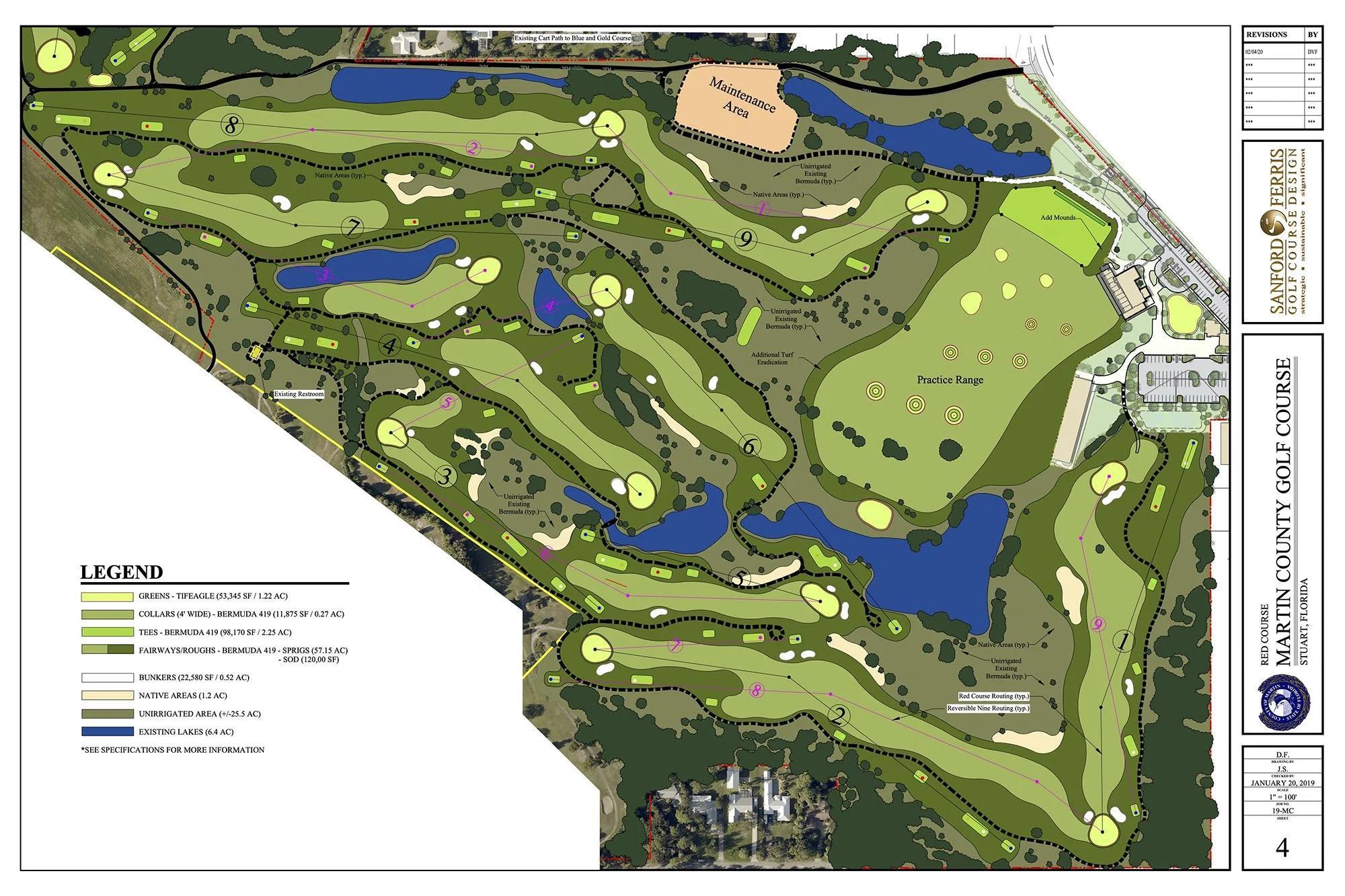
Analyzing Golf Course Layouts for Enhanced Playability
Why course layout analysis matters for playability and enjoyment
Analyzing a golf course layout is essential for architects, superintendents, club managers and players who want courses to offer fair challenge, variety and pace of play. Playability goes beyond raw difficulty: a playable golf course rewards good shots, presents meaningful choices, and adapts to different skill levels through smart tee placement, bunkering, green complexes and routing.
Key components to evaluate in any golf course layout
- Teeing grounds: Multiple tee boxes that scale yardage while preserving strategic options and sightlines.
- Fairway width and shaping: Strategic corridors that balance risk and reward depending on pin location.
- Bunkering and hazards: Location, depth and visibility of bunkers that influence shot selection and penalty severity.
- Green complexes: Size,contour,run-off areas and approaches that determine putting difficulty and shot choice.
- Routing and flow: The sequencing of holes, variety of directions and how pace of play is supported.
- Turfgrass, drainage and microclimate: Surfaces that hold up under stress and enable year-round playability.
- Sustainability and maintenance: Eco-conscious design that lowers inputs while preserving play quality.
Assessing hole strategy: what to look for on a hole-by-hole analysis
Break each hole down into the modern architecture “three shots” model: tee to fairway, approach to green, and putting. Evaluate how the layout shapes decisions at each stage:
tee shot considerations
- Is the tee shot visually framed so players can clearly identify target zones?
- Do multiple tee boxes preserve intended strategic options for different handicaps?
- Are fairway bunkers placed to create risk-reward decisions (short vs aggressive line)?
Approach shot and green approach
- How do run-ups and slopes affect where an approach should land?
- Are upslope/downslope approaches penalizing or intentional strategic devices?
- Does the green complex reward precise club selection and shot-shaping?
Putting surfaces and green design
- are contours consistent with the hole’s strategy (e.g., runaway slopes vs subtle tiers)?
- Does green size and pin rotation allow daily variety without creating unfair pins?
- How do fringe and collar designs funnel or repel errant shots?
Practical analysis tools and methods
Use a combination of on-site study, player data and mapping tools to gain objective insight:
- ShotLink / GPS data: Where available, use real shot pattern data to identify high-frequency miss zones.
- Aerial mapping & GIS: Contour overlays highlight drainage issues, elevation change and sightlines.
- Playing tests: Conduct rounds with target player groups (beginners, mid-handicappers, low handicaps) while recording trouble areas.
- Slope and turf surveys: Assess turf conditions and soil profiles to advise on maintenance and design adjustments.
Tip: Pair qualitative feedback from golfers with quantitative measures (average strokes to green, greens in regulation, putts per hole) to prioritize layout changes.
Balancing challenge and fairness: design strategies
A well-analyzed golf course strikes a balance between strategic difficulty and fairness. Key strategies include:
- Multiple risk corridors: Give players more than one viable line off the tee so creative play is rewarded.
- Variable bailouts: Provide bailout areas that are playable but penalize poor execution.
- Adaptive teeing: ensure every set of tees preserves the design intent and strategic choices.
- Dynamic bunkering: Use bunker placement to influence decision-making rather than simply punish.
Case studies: short examples of layout analysis and outcomes
Case study A – Recovering playability through tee re-positioning
Problem: A par-4 consistently yielded excessively high scores from the member tees due to forced carry over penal rough.
Solution: introduce an intermediate tee forward by 15-25 yards, open sightlines to fairway and reposition a bunker to re-create a strategic decision. result: Scoring dispersion tightened and pace of play improved.
Case study B – Bunker repositioning to restore strategic balance
Problem: A long par-5 was playing as a pure power hole, making the layup option irrelevant for most players.
Solution: Install a fairway bunker at a typical landing zone for long hitters and moved green-side bunkers to protect short approaches. Result: The hole now tests shot-making and club selection rather than just length.
Checklist for architects and club managers: How to conduct a layout audit
| Design element | Audit action | Desired outcome |
|---|---|---|
| Teeing areas | Measure sightlines & yardage gaps | Appropriate options for all handicaps |
| Fairways | Map width & trouble areas | Balanced risk-reward corridors |
| Bunkers | Check visibility & drainage | Strategic influence,low maintenance |
| Greens | Contour survey & pin rotation plan | Daily variety,fair pin positions |
| Routing | Assess wind directions & variety | Engaging sequence,steady pace |
enduring design considerations that improve playability
Sustainability and playability reinforce each other when thoughtfully integrated. Key considerations include:
- Native buffers and habitat: Define waste areas that are both ecologically valuable and visually captivating without randomly penalizing play.
- Water-smart routing: Place ponds and wetlands where they serve strategic and drainage roles.
- Right turf in the right place: Use drought-tolerant turf on non-play areas and premier turf where short game matters.
- Energy-efficient maintenance: Improve light and airflow to reduce disease pressure and maintenance inputs.
Practical tips to enhance playability on an existing course
- Rotate tee positions during the season to maintain yardage balance and protect key holes.
- Use green collar shaping to create more holding approaches rather than steep drop-offs that penalize slightly offline shots.
- Consider selective tree removal to restore intended sightlines and wind variability.
- Re-think bunker profiles: reduce depth and steep faces to lower recovery difficulty while keeping strategic placement.
- Implement a pin placement strategy that avoids daily unfair pins while preserving challenge.
Measuring success: data points to track after layout changes
To know whether an analysis and redesign worked, track these metrics over time:
- Average score by hole and tee set
- Percentage greens in regulation (GIR)
- Average putts per hole
- Ball-in-play miss distributions (left/right/long/short)
- Pace-of-play statistics (minutes per round, bottleneck holes)
First-hand experience: interview excerpt from a course architect
“When we analyze a layout, we always start with sightlines and the intended strategic decision for each shot. if the architecture is invisible the moment a player steps on the tee, we’ve lost an prospect. Good bunkering, sensible tees and green approaches that reflect the character of the routing – that’s what makes a course memorable and playable.”
SEO-friendly keywords and on-page optimization checklist
To ensure this article supports search visibility for “golf course layout” and related searches,include these practices on the web page:
- Primary keyword in H1 and meta title: “Analyzing Golf Course Layouts for Enhanced Playability”.
- Meta description containing “golf course layout”, “playability”, “bunkering” and “green complexes”.
- Use related long-tail keywords naturally: golf course design, hole strategy, tee placement, sustainable design for golf courses, course architecture.
- Internal links to pages about specific design services, case studies, and maintenance tips.
- Image alt text describing features (e.g., “aerial view of golf course routing showing fairway bunkers and green complex”).
Rapid takeaway checklist for on-site analysis
- Walk each tee to the green; validate intended strategy.
- Measure and record common miss zones and recovery routes.
- Confirm drainage and turf health on approaches and greens.
- Survey sightlines from tees and approaches.
- Gather player feedback from multiple skill levels and review shot data.