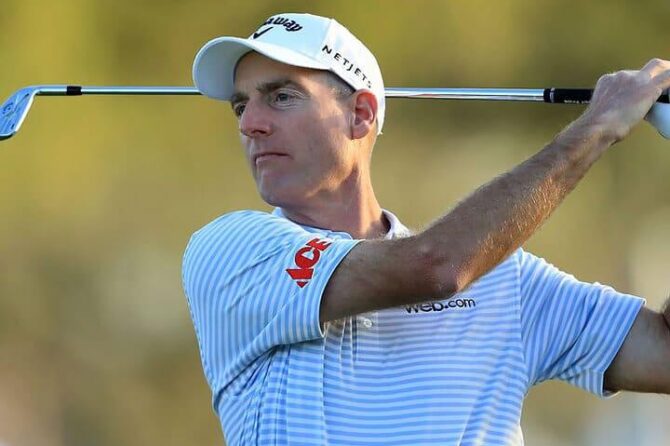
The study of human movement through biomechanical principles offers a rigorous framework for understanding how the follow-through phase of the golf swing contributes too shot precision. As an interdisciplinary field that applies mechanical laws to biological systems (Physio-Pedia; Stanford Biomechanics), biomechanics clarifies the interactions among kinematics (segmental motion), kinetics (forces and moments), and neuromuscular control that together determine clubhead path, face orientation, and ultimately ball trajectory. Framing the follow-through not merely as a stylistic finish but as an integral component of momentum transfer and movement sequencing highlights its role in stabilizing outcome variability and reducing late-stage compensations that degrade accuracy (Verywell Fit; DiscoverEngineering).
This article examines the follow-through through three complementary lenses: (1) kinematic sequencing of the upper and lower body that preserves desirable swing plane and club-face alignment; (2) kinetic contributions, including ground reaction forces and angular impulse, that drive efficient energy transfer and controlled deceleration; and (3) sensorimotor factors-balance, proprioception, and muscular activation patterns-that permit repeatable execution under competitive constraints. By integrating quantitative measurement approaches (e.g., motion capture, force plates, electromyography) with applied coaching strategies, the analysis aims to translate biomechanical insights into actionable interventions for practitioners seeking reproducible accuracy and reduced injury risk.
Rationale and objectives: Linking Follow-Through Biomechanics to Shot Precision and Consistency
Grounded in mechanical principles and motor control theory, the follow-through is conceptualized here as both a kinematic outcome and a functional regulator of pre-impact actions. Biomechanically,the terminal trajectory of the club and the coordinated deceleration of body segments encode facts about energy transfer,clubface orientation at impact,and the consistency of temporal sequencing. Variability in follow-through patterns frequently reflects upstream deviations in trunk rotation, arm extension, and wrist pronation – each of which influences launch angle, spin rate, and lateral dispersion. Framing the follow-through as an accessible, observable proxy for the preceding acceleration phase enables quantification of how small changes in segmental behavior translate into measurable changes in shot precision.
The study objectives are oriented toward measurable, testable outcomes that bridge laboratory biomechanics and on-course performance. key aims include:
- Quantify segmental contributions (pelvis,thorax,lead arm,wrists) to residual clubhead path and face angle during follow-through;
- Characterize timing and variability of intersegmental coordination and their relationship to shot dispersion;
- Identify neuromuscular strategies (agonist/antagonist activation patterns) associated with repeatable follow-throughs that predict higher accuracy.
Thes objectives prioritize effect sizes and practical thresholds that can inform coaching and wearable feedback design.
Operational metrics and a priori hypotheses guide the experimental approach. The primary dependent variables include clubhead speed at impact,face angle deviation,vertical and lateral launch angles,and radial dispersion at fixed carry distance. Secondary biomechanical measures comprise peak trunk angular velocity, maximum elbow extension, and wrist angular impulse during deceleration. The table below summarizes expected directional relationships between targeted follow-through features and precision outcomes:
| Follow-through Feature | Predicted Effect on Precision |
|---|---|
| Controlled trunk rotation (smooth deceleration) | reduced lateral dispersion |
| Full lead-arm extension | Improved consistency of launch angle |
| Timed wrist pronation | Stabilized face angle at impact |
the translational objective is to convert biomechanical insight into concise, evidence-based interventions for coaches and players. emphasis is placed on designing drills and biofeedback cues that target the identified kinematic signatures, and on establishing normative ranges for follow-through metrics across skill levels. Practical applications include:
- Coaching cues that prioritize segmental sequencing over isolated positional correction;
- Training protocols emphasizing eccentric control and proprioceptive timing to reduce shot-to-shot variability;
- Wearable feedback strategies that monitor trunk angular velocity or wrist pronation to provide real-time corrective prompts.
Collectively, these objectives link mechanistic understanding to measurable improvements in shot precision and repeatability.
Kinematic Chain and Segmental Sequencing: Quantifying Energy Transfer from Lower Limbs to Clubhead
The coordinated transfer of mechanical energy from the ground to the clubhead follows a proximate-to-distal cascade: lower-limb force generation, pelvic rotation, thoracic counter-rotation, upper-arm acceleration and finally wrist release.This sequence is best understood as a linked kinetic chain in which each segment’s angular momentum and net joint moment create the conditions for subsequent segments to accelerate. Quantitatively, effective sequencing produces a characteristic pattern of **time-to-peak angular velocity** across segments and a high proportion of clubhead kinetic energy attributable to proximal input rather than late-stage compensation.
Objective quantification requires measurement of segmental kinematics and kinetics to estimate intersegmental energy transfer and power flow. Common metrics used in research and coaching include:
- Peak angular velocity of pelvis, torso, upper arm and club
- Time delays (ms) between successive peak velocities – the temporal signature of sequencing
- Joint power contributions summed to estimate segmental energy delivery
- Ground reaction force impulse and its timing relative to hip rotation
These variables permit decomposition of total clubhead energy into segmental contributions and identification of inefficiencies such as early wrist release or proximal underdrive.
Below is an illustrative distribution of relative mechanical contribution to clubhead energy for an efficient swing. Values are indicative and useful for setting training targets or comparing individual swings via motion-analysis systems.
| Segment | Relative Contribution (%) |
|---|---|
| Lower limbs / GRF impulse | 20 |
| Pelvis & hip rotation | 25 |
| Thorax / trunk rotation | 30 |
| Shoulder & arms | 15 |
| Wrists & club release | 10 |
Researchers typically observe proximal-to-distal peak velocity offsets in the order of 20-60 ms between major successive segments in high-level performers; deviations from this window often coincide with reduced repeatability.
From a practical standpoint, interventions that enhance intersegmental sequencing focus on improving force application timing, increasing hip-to-shoulder separation, and refining controlled deceleration during follow-through.Tools such as force plates, wearable IMUs and high-speed motion capture can track the quantitative metrics above and feed back to the player and coach. Emphasize drills that cultivate **ground-force initiation**, **controlled pelvic rotation**, and **delayed wrist release** to maximize energy transfer and shot repeatability while maintaining postural balance through the follow-through.
Trunk Rotation Dynamics: Optimizing Pelvic-Shoulder Dissociation and Range of Motion for Accurate Launch Angles
The rotational behavior of the torso during the follow-through governs the final kinematic link between the golfer and the clubhead, directly influencing launch parameters and shot dispersion. Controlled axial rotation governs clubface orientation at and promptly after impact by modulating relative angular velocities between thorax and pelvis. From a biomechanical perspective,an effective follow-through is characterized less by maximal rotation and more by coordinated sequencing that preserves linear momentum transfer while minimizing late-stage corrective torques; excessive or insufficient post-impact rotation increases variability in face angle and elevates lateral dispersion.
Optimizing relative motion between the pelvis and the shoulders requires deliberate management of segmental dissociation and range of motion. Maintaining an appropriate separation allows the elastic recoil of the torso-mediated by oblique and transverse trunk tissues-to contribute to clubhead acceleration without inducing uncontrolled overspin. Empirical observation of skilled performers suggests a continuum in which a moderate pelvic lead followed by a smoothly progressing shoulder rotation yields the most consistent launch angles. Excessive dissociation may create unwanted torsional loads, whereas minimal dissociation reduces stored elastic energy and depresses launch consistency.
Practical kinematic targets and neuromuscular considerations can be summarized succinctly and implemented in training with specific cues. The following table presents qualitative ROM zones and their typical effects on launch behavior.Core stability and eccentric control of the trunk musculature (external obliques, multifidus, erector spinae) are critical to decelerate the torso after impact and to preserve face orientation. Motor control training that emphasizes pelvic initiation followed by timed shoulder rotation reduces compensatory wrist/forearm adjustments that commonly degrade accuracy.
- Cues: “Lead with the hips, finish with the chest,” “Maintain a stable spine angle through impact.”
- Drills: Slow-motion rotation sequencing, resisted band rotations emphasizing pelvis-first initiation, impact-targeted finish holds.
- Strength/Mobility: Pallof press progressions, single-leg Romanian deadlifts, thoracic rotation mobility work to increase controlled ROM without loss of stability.
| Rotation Profile | Suggested Trunk ROM (approx.) | typical Effect on Launch/Accuracy |
|---|---|---|
| Under-rotated | Low – limited thoracic turn | Lower launch variance but reduced energy transfer; tendency for pull or low trajectory |
| Optimized | Moderate – balanced pelvis/shoulder separation | Stable launch angle, high repeatability, optimized clubhead speed |
| Over-rotated | High – excessive differential rotation | Increased face-angle variability and lateral dispersion; elevated injury risk |
Upper Limb Mechanics and Clubface Control: Evidence-Based Guidelines for Arm Extension, Elbow Path, and Wrist Pronation
Upper-limb dynamics during the terminal phase of the swing critically determine clubface orientation at impact and the subsequent ball flight. Contemporary biomechanical analyses indicate that the coordinated interaction of **arm extension**, **elbow path**, and **wrist pronation** governs both the effective loft presented to the ball and the timing of face closure. The distal segments (forearm, hand) act as the final modulators of clubface angle, whereas proximal segments (humerus, scapulothoracic complex) provide the kinetic link and stability necessary for repeatable control. Precision is maximized when the release sequence preserves angular momentum while allowing fine-tuned adjustments of face angle in the last 20-40 ms before impact.
Empirical guidelines for functional ranges emphasize a balanced, non‑extreme strategy: maintain near‑full arm extension at impact without hyperextension of the lead elbow, enable a shallow, slightly descending elbow path for the trail arm to promote consistent strike, and execute a progressive pronation of the lead wrist through impact to square the face. Typical target windows observed in applied studies are informative: lead elbow angle at impact ~165°-175° (slight flex), trail elbow reducing flex through impact, and wrist pronation velocity timed to peak just after impact to avoid over‑closure. These states support maximal clubhead speed while minimizing undesired lateral face rotations that produce side spin.
- Cue – “Extend, don’t lock”: aim for full functional extension while avoiding rigid elbow lock that reduces shock absorption and variability control.
- Cue – “Sweep the arc”: encourage a controlled elbow path that travels on the intended swing plane to stabilize clubface approach angle.
- Cue – “Roll through impact”: use progressive pronation rather than an abrupt flip to square the face and manage side spin.
These practical cues can be drilled with impact bag work, mirror feedback, and slow‑motion over‑speed drills to ingrain neuromuscular timing consistent with the desired release mechanics.
Monitoring and training should rely on objective metrics and progressive adaptation. Use high‑speed video or inertial measurement units to quantify elbow angle, forearm rotation, and pronation velocity; couple these with launch monitor outputs (face angle at impact, lateral dispersion, spin axis) to close the loop between mechanics and performance. Implement staged interventions: (1) mobility and stability baseline, (2) motor patterning with reduced speed, (3) tempo restoration, and (4) load/speed-specific drills. Note the inter‑individual variability-some golfers may require modest deviations from textbook ranges to accommodate anthropometry-so prioritize outcome‑based adjustments (reduced dispersion and controlled spin) over rigid adherence to numeric targets.
| Parameter | Practical Target | Performance Effect |
|---|---|---|
| Lead elbow angle at impact | 165°-175° | Stable contact,shock absorption |
| Arm extension (functional) | Near full reach,no lock | Max clubhead speed,consistent strike |
| Wrist pronation timing | Progressive through impact | Square face,reduced slice/hook tendencies |
Lower Body Stability and Weight Transfer: Recommendations for Stance,Ground Reaction force Management,and Balance During Follow-Through
Optimal foot placement establishes the kinetic foundation for an effective stroke. Adopt a stance that is **moderately wider than shoulder width** (approximately 5-10% greater than comfortable standing width) to increase mediolateral stability while preserving rotational freedom. A slight toe-out orientation (3°-10°) on the lead foot facilitates hip external rotation during follow-through and helps direct the center of pressure (CoP) medially through impact. Monitor CoP progression using pressure mapping or simple barefoot trials: a controlled medial shift of CoP of ~20-30% of foot width from address to impact is consistent with efficient weight transfer without premature lateral collapse.
Ground reaction force (GRF) vectors must be managed so that vertical and horizontal components support clubhead acceleration and safe deceleration thereafter.Emphasize an anteriorly inclined GRF vector at impact to maintain launch angle while allowing the horizontal (mediolateral) GRF to redirect the center of mass toward the target. During the follow-through phase, the lead limb should act eccentrically to absorb residual rotational energy-this **eccentric braking** of the lower limb reduces unwanted pelvis overspin and improves repeatability. Avoid abrupt, concentric thrusts with the trail leg after impact, which introduce variability in clubface orientation and launch direction.
Maintain postural equilibrium by guiding the center of mass on a smooth forward-and-up trajectory through the ball and into the finish. A balanced finish typically finds the player on the lead leg with a slightly flexed knee, pelvis rotated toward the target, and eyes following the ball-this configuration reflects preserved vestibular and proprioceptive control. Incorporate targeted exercises to reinforce this pattern:
- Single-leg balance with club across shoulders – 30-60 s holds to improve static stability;
- Resisted lateral band push – trains mediolateral GRF control during weight transfer;
- Step-turn finishing drills – develop coordinated stepping and rotational timing.
Objective thresholds aid coaching and monitoring. The table below summarizes practical metric targets and their biomechanical rationale.
| Parameter | Target Range | Rationale |
|---|---|---|
| Stance width | +5-10% shoulder width | Balance vs. rotational freedom |
| CoP medial shift | ~20-30% foot width | Efficient weight transfer at impact |
| Peak lead-leg vertical GRF | 1.1-1.4 bodyweight | Supports launch without excessive compression |
| Rotation completion | pelvis 60-90° to target | indicates controlled follow-through |
Use these targets as guidelines for incremental changes-small, measurable adjustments to stance and GRF strategy produce the greatest improvements in shot consistency and biomechanical safety.
Neuromuscular Timing,Proprioception,and Motor Learning: Training Protocols and Drills to Reinforce Repeatable Follow-Through Patterns
Neuromuscular coordination during the follow-through is the product of precisely timed activation across trunk rotators,scapulothoracic stabilizers,elbow extensors,and wrist pronators. Effective training isolates and then reintegrates these muscle synergies so that the feedforward commands (pre-programmed motor output) and feedback corrections (sensory-driven adjustments) converge to produce a consistent terminal motion. Quantification of intersegmental timing-expressed as relative onset latencies and peak torque sequencing-provides objective targets for intervention and allows practitioners to move beyond subjective cues toward repeatable, measurable outcomes.
Rehabilitation and performance drills should prioritize proprioceptive acuity and temporal consistency. Representative drills include:
- Mirror-guided slow-motion swings – emphasize kinesthetic awareness of trunk rotation and arm extension while reducing velocity to train timing without ballistic noise.
- Eyes-closed finish holds – short-duration isometric holds at the follow-through to enhance internal models of limb position.
- Unstable-surface chipping – challenge somatosensory feedback by performing short swings from a balance board to reinforce automatic stabilizer recruitment.
- Band-resisted pronation sequences – progressive resistance for wrist and forearm control delivered at the end-range of the follow-through to consolidate terminal clubface orientation.
Motor learning principles should govern drill selection and progression: reduce augmented feedback over time, progress from blocked to random practice, and incorporate retention and transfer tests. The following compact table summarizes exemplar drills with primary training targets and simple progressions,formatted for WordPress-style display.
| Drill | Primary Target | Progression |
|---|---|---|
| Mirror-guided slow swings | Timing & segment sequencing | Increase tempo → add ball |
| Eyes-closed finish holds | Proprioception & end-range memory | Increase hold time → add reactive cue |
| Unstable-surface chipping | Sensorimotor integration | Stable → unstable → dual task |
| Band-resisted pronation | Wrist control & clubface stability | Light → moderate resistance |
Implementation should be periodized and measurable: allocate microcycles that target (1) sensory recalibration, (2) temporal sequence refinement, and (3) high-velocity transfer. Weekly focal points might include:
- Week 1-2: sensory mapping and low-velocity sequencing
- Week 3-4: resisted and perturbed environments to solidify automaticity
- Week 5-6: variable practice and competitive-context transfer
Objective monitoring (video kinematics, wearable inertial sensors, shot dispersion metrics) should be used to confirm retained improvements. When proprioceptive deficits or abnormal timing patterns persist, consider targeted neuromuscular assessment to rule out peripheral or central contributors and adapt the protocol accordingly.
Assessment, Technology, and Injury prevention: Objective Metrics, Wearable Feedback Integration, and Progressive Conditioning strategies
Objective assessment of the follow-through should prioritize quantifiable kinematic and kinetic markers that directly relate to shot dispersion and tissue load. Core metrics include **trunk angular velocity**,**lead-arm extension at impact**,**clubhead speed through the hitting zone**,and **ground reaction force (GRF) timing**. These variables can be captured with laboratory-grade motion capture, force plates, or validated field systems; interpreting them through the lens of biomechanics – the interdisciplinary study of movement and mechanical function in biological systems – allows practitioners to distinguish performance-limiting patterns from maladaptive, injury-prone mechanics.
Wearable technology enables translation of these objective markers into actionable, real‑time feedback that can be integrated into practice protocols. Commonly used sensors include inertial measurement units (IMUs), pressure-sensing insoles, and gyroscopic club sensors; when combined with smartphone apps or coaching platforms they provide immediate, prescriptive cues. Typical outputs from integrated wearable systems include:
- Clubhead speed – instantaneous and peak values for power profiling
- Pelvic and thoracic rotation – degrees and velocity to assess sequencing
- Weight transfer timing – pressure-shift onset and symmetry
- Wrist lag and release timing – relative angular relationships during follow-through
Injury prevention must be paired with progressive conditioning that targets the kinetic chain and tissue resilience. A practical, test-driven program emphasizes mobility, eccentric strength, and rotational power in a phased manner: restore range of motion, develop controlled force production, then apply sport-specific velocity. The table below summarizes a concise sample of conditioning elements with simple implementation guidance.
| Exercise | Primary Target | Suggested Frequency |
|---|---|---|
| Half-kneeling thoracic rotation | Thoracic mobility | 3×/week,3 sets × 8-10 reps |
| Single-leg Romanian deadlift | Posterior chain control | 2-3×/week,3 sets × 6-8 reps |
| Rotational medicine-ball throws | Rotational power & timing | 2×/week,4 sets × 6 reps |
To operationalize assessment and reduce injury risk,implement a cyclical monitoring framework: baseline testing (motion capture or validated wearables),individualized threshold setting,progressive overload aligned to the golfer’s tissue capacity,and periodic re-assessment.Use data-driven decision rules: pause high‑velocity loading if GRF asymmetry exceeds a set threshold, prioritize eccentric work when peak rotational velocities drop with pain, and employ low-latency haptic cues in practice to modify sequencing in real time. Consistent application of these principles yields measurable improvements in precision while minimizing cumulative tissue stress.
Q&A
Q: What is meant by the “follow-through” in the golf swing, and why is it relevant to shot precision?
A: The follow-through is the portion of the golf swing that occurs after ball impact and consists of continued rotation and deceleration of the body and club until the motion naturally terminates. Although the ball is already airborne at impact, the follow-through reflects the kinematic and kinetic conditions that were present at impact (segmental sequencing, clubface orientation, and angular velocities). Thus, it is a useful window into swing mechanics: consistent and biomechanically efficient follow-through patterns are strongly associated with repeatable impact conditions and, consequently, shot precision.
Q: How does the discipline of biomechanics frame analysis of the follow-through?
A: Biomechanics applies mechanical principles (kinematics and kinetics) to human movement to quantify how body segments, joints, muscles, and external forces interact. For the golf follow-through this involves 3D motion analysis of segment rotations and translations, measurement of joint torques and ground reaction forces, and assessment of neuromuscular activation patterns (EMG). the foundational concepts from biomechanics – such as proximal-to-distal sequencing, conservation of angular momentum, impulse, and torque generation – provide a framework to link movement patterns during follow-through with clubhead kinematics and ball flight outcomes (see general biomechanics references for context) [1-4].
Q: Which body segments and muscle groups are most influential during the follow-through?
A: The follow-through is dominated by coordinated activity of the trunk (axial rotation and extension), the lead and trail upper limbs (shoulder horizontal ad/abduction and elbow extension), and the forearm/wrist complex (pronation/supination and wrist flexion/extension). Key muscle groups include the trunk rotators and extensors (obliques, erector spinae), scapulothoracic stabilizers and shoulder muscles (deltoids, rotator cuff), elbow extensors (triceps), and forearm pronators/supinators. Hip musculature and lower-limb stabilizers (gluteals, quadriceps, hamstrings) provide the ground-reaction force platform that enables efficient energy transfer through the kinetic chain.
Q: What kinematic variables of the follow-through correlate with improved accuracy?
A: Empirical and theoretical work indicate several kinematic features that correlate with accuracy: (1) smooth and complete trunk rotation through the follow-through (indicating effective deceleration and consistent impact orientation), (2) controlled arm extension and stable lead-arm posture (reducing variability in clubhead path and face orientation), and (3) predictable wrist pronation timing and magnitude (which influences clubface rotation at and after impact).Consistency of these variables across repetitions (low intra-subject variability) is a strong predictor of shot precision.
Q: How do kinetic factors during the follow-through affect launch conditions?
A: Kinetic factors – joint torques, ground reaction forces (GRF), and intersegmental transfers of angular momentum - determine how energy is transmitted to the club at impact.Proper braking and eccentric control in the follow-through indicate that energy was efficiently and predictably delivered during the downswing and impact. Such as, appropriate GRF patterns and hip-shoulder torque interplay enable optimal clubhead speed and predictable launch angle; conversely, atypical force patterns or abrupt decelerations can perturb clubface orientation and increase dispersion.
Q: What is proximal-to-distal sequencing and why is it notable for the follow-through?
A: Proximal-to-distal sequencing describes the temporal ordering in which larger proximal segments (hips, trunk) achieve peak angular velocities before more distal segments (shoulder, elbow, wrist). This sequencing maximizes segmental velocity amplification and produces a predictable deceleration pattern during follow-through. Deviations from ideal sequencing (e.g., early wrist manipulation or late trunk rotation) generate variability in clubhead speed and face angle at impact, degrading accuracy.
Q: Which measurement technologies are recommended for rigorous follow-through analysis?
A: Robust analysis typically employs a combination of:
– 3D optical motion capture for precise segment kinematics,
– Inertial measurement units (IMUs) for field-based kinematics,
– Force plates to quantify GRF and center-of-pressure dynamics,
– Surface EMG to assess muscle activation timing and magnitude,
– High-speed video for qualitative review.
Laboratory-based optical systems provide the highest spatial-temporal resolution, while IMUs and high-speed cameras facilitate on-course or practice-range assessment with acceptable ecological validity.Q: How can coaches and players practically use biomechanical findings to enhance follow-through and accuracy?
A: Practical application should be individualized but may include:
– Emphasizing full and controlled trunk rotation through impact and into the follow-through to promote repeatable clubface orientation.
– Drills that reinforce proper lead-arm extension and stable wrist release timing (e.g., slow-motion overspeed swings, halting drills to feel correct deceleration points).
– Strength and mobility programs targeting thoracic rotation,hip mobility,core rotational strength,and forearm pronation control to support the desired kinematic patterns.
– Video or sensor-based feedback to detect asymmetries or timing errors and to monitor intra-swing variability.
– progressive transfer drills from slow, controlled swings to full-speed swings to maintain motor control under increased velocity demands.
Q: What specific training exercises support optimized trunk rotation, arm extension, and wrist pronation?
A: Examples include:
– Thoracic rotation mobility drills (e.g., seated thoracic twists with a dowel),
– Medicine-ball rotational throws to train explosive proximal-to-distal sequencing,
– Eccentric-focused core exercises (e.g., controlled cable Pallof press variations) for deceleration control,
– Forearm pronation/supination strength work with light resistance or tubing for controlled release,
– Lead-arm isometric holds and dynamic extension progressions to encourage extension stability through impact.
Programs should integrate neuromuscular control,power,and sport-specific tempo.
Q: Are there differences in follow-through biomechanics between skill levels?
A: Yes. skilled golfers tend to exhibit more consistent proximal-to-distal sequencing,lower intra-swing variability,and more effective use of ground reaction forces compared with less-skilled players. They generally demonstrate smoother deceleration patterns in the follow-through, indicating efficient energy transfer and controlled dissipation. Novices may rely more on distal segment manipulation (wrist/forearm) leading to greater dispersion.
Q: What are common injury concerns related to follow-through mechanics, and how can they be mitigated?
A: Suboptimal follow-through mechanics – such as abrupt trunk hyperextension, excessive lateral bending, or uncontrolled deceleration through the shoulder and elbow – can increase risk for low-back strain, shoulder impingement, and medial/lateral elbow stress. Mitigation strategies include improving thoracic mobility to reduce compensatory lumbar movement, strengthening scapular stabilizers, teaching controlled deceleration mechanics, and ensuring gradual training progression with adequate recovery.
Q: What are the main limitations of current biomechanical research on follow-through and precision?
A: Key limitations include:
- Laboratory-lab vs. on-course ecological validity: constrained testing environments may not replicate real play conditions,
– Small sample sizes and heterogeneity of participant skill levels in many studies,
- Cross-sectional designs that limit causal inference about training adaptations,
– Limited longitudinal intervention studies that connect specific follow-through modifications to long-term accuracy improvements.Addressing these limitations requires larger, longitudinal, and field-based studies using wearable sensor technology.
Q: How should future research proceed to better link follow-through biomechanics to shot precision?
A: Future directions include:
– Longitudinal intervention studies that manipulate specific follow-through variables and measure changes in accuracy and injury incidence,
– Integration of wearable sensors and machine-learning models to predict shot outcomes from follow-through signatures in ecologically valid settings,
- Individualized modeling (musculoskeletal simulation) to determine optimal follow-through strategies given a player’s anthropometrics and physical capacity,
– Larger-scale studies across varied skill and age groups to define normative ranges and actionable thresholds.
Q: What are the practical take-home messages for clinicians, coaches, and researchers?
A: Practical takeaways:
- The follow-through is an informative and functionally important phase that reflects the quality of impact mechanics; optimizing it supports shot precision.
– Emphasize consistent trunk rotation, controlled lead-arm extension, and predictable wrist pronation timing as targets for training.
- Use objective measurement tools where possible to monitor variability and progress.
– Combine technical coaching with strength, mobility, and neuromuscular training tailored to the individual.
– Researchers should prioritize ecologically valid, longitudinal work to translate biomechanical insights into reliable performance gains.
References and foundational reading
- General biomechanics overviews: Biology Insights – “Biomechanics: The Study of Movement in Living Organisms” [1]; Study.com – “biomechanics Definition,Principles & Examples” [2]; DiscoverEngineering – “Biomechanics of Human Movement” [3]; Verywell Fit – ”Understanding Biomechanics & Body Movement” [4].
– Applied analysis and practical recommendations were informed by recent biomechanical studies and applied-sport resources synthesizing kinematic,kinetic,and neuromuscular findings (see mainstream sport-biomechanics literature and practice-oriented reviews). For a recent applied report on follow-through optimization, see: “Biomechanical Optimization of the Golf Swing Follow-Through for Enhanced Accuracy” (Golf Lessons Channel) – https://golflessonschannel.com/biomechanical-optimization-of-the-golf-swing-follow-through-for-enhanced-accuracy/.
if useful, I can convert these Q&As into a short FAQ handout for coaches, a slide outline for a lecture, or suggest specific measurement protocols (marker sets, sensor placements, and outcome metrics) for a research study or applied assessment.
Conclusion
Grounded in the established discipline of biomechanics-the study of the mechanical laws that govern biological movement-this review has highlighted the centrality of the follow-through to golf shot accuracy and precision. Kinematic and kinetic principles reveal that the follow-through is not merely a cosmetic consequence of impact but an integral phase in which the kinetic chain completes energy transfer, stabilizes clubface orientation, and dissipates residual forces that or else introduce variability into ball flight. Consistent follow-through mechanics therefore contribute to reduced mid- and post-impact variability, improved repeatability of swing patterns, and a lower incidence of compensatory motions that can degrade accuracy.
Translationally,these insights argue for incorporating follow-through-specific objectives into coaching,training protocols,and equipment fitting-emphasizing coordinated proximal-to-distal sequencing,controlled deceleration,and full-body balance through the finish. Objective assessment using motion capture, force plates, and wearable sensors can help individualize interventions by identifying maladaptive patterns and quantifying improvements in movement consistency. attention to safe loading and appropriate adaptability and strength conditioning also mitigates injury risk while supporting precise motor control.
Future research should pursue longitudinal and intervention studies that combine high-fidelity biomechanical measurement with performance outcomes in diverse golfer populations, and further explore how individualized biofeedback and sensor-based coaching can accelerate transfer to on-course performance. by integrating biomechanical theory with applied coaching practice, the follow-through can be reframed from an aesthetic endpoint to a measurable, trainable determinant of golf precision.