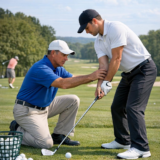
An accurate, repeatable swing is the product not only of biomechanics adn practice volume but also of finely tuned cognitive processes that govern perception, decision-making, and motor control. Cognition-broadly defined as the states and processes involved in knowing, including perception, recognition, and judgment (Britannica)-provides the informational substrate through which golfers interpret sensory feedback, select motor programs, and correct errors. From the outlook of cognitive psychology, these mental processes are structured and amenable to intervention, such that targeted practice regimes can reshape underlying representations and control strategies (SimplyPsychology).Slow-motion swing practice represents a deliberate manipulation of temporal dynamics that accentuates sensorimotor contingencies, increases attentional focus on kinematic and kinesthetic cues, and augments the salience of error signals available for learning. By slowing movement,practitioners create an environment in which conscious monitoring,working memory encoding,and the refinement of motor plans can operate with reduced temporal pressure-processes central to what is commonly referred to as cognitive engagement in skill acquisition (Merriam-Webster). This modulation of task demands is hypothesized to facilitate consolidation of procedural knowledge, enhance movement precision, and promote transfer to full-speed execution.
The following analysis synthesizes theoretical frameworks from cognition and motor learning with empirical findings on slow-motion practice to articulate the mechanisms by which temporal scaling influences attention, error-based learning, and neuroplastic adaptation. Implications for coaching, practice design, and future research directions are considered, with the aim of specifying how slow-motion protocols can be optimized to enhance both cognitive and performance outcomes in golf.
Neural Mechanisms Underlying Slow Motion Swing Practice and Implications for Motor Learning
Slow-motion practice amplifies the time available for afferent processing and high-level error detection,
Behaviorally this method shifts early learning from predominantly implicit, high-velocity exploration toward a phase in which explicit encoding and sequence chunking are dominant. Slower swings facilitate declarative encoding of kinematic landmarks (joint angles,timing cues) and support chunking of subcomponents into cohesive motor programs,a process associated with transitions from dorsolateral prefrontal engagement to more automatized striato-cortical circuits during consolidation. Sleep-dependent consolidation mechanisms then preferentially stabilize those chunked representations, improving retention and transfer to faster performance contexts.
At the network level, slow practice reduces stochastic motor output and accentuates feedback-driven corrections, promoting more reliable sensorimotor mappings. Key neural adaptations include:
- Increased sensory weighting: stronger somatosensory and proprioceptive integration in S1 and parietal areas.
- Enhanced cortico-cerebellar coupling: improved temporal prediction and error correction dynamics.
- Refined corticospinal excitability patterns: greater specificity of M1 representations for desired kinematics.
These mechanisms carry clear implications for practice design. Trainers should sequence slow-motion drills with graduated velocity scaling and spaced repetitions to harness both explicit encoding and procedural consolidation. The table below summarizes practical links between neural mechanisms and training prescriptions in a concise format, enabling direct translation into session plans.
| Neural Mechanism | Practical Implication |
|---|---|
| Enhanced error signaling (cerebellum) | Use slow, segmented swings to emphasize corrective feedback |
| Explicit encoding (PFC, premotor) | incorporate verbal cues and imagery during slow drills |
| Stabilized M1 representations | Progressively increase speed once form is consistent |

Enhancing Proprioception and Kinesthetic awareness Through Deliberate Slow Tempo Repetitions
Deliberate, slow-tempo repetitions reorganize the sensorimotor representation that underlies fluent movement by heightening the salience of sensory signals. Cognition-encompassing perception, attention and memory-acts as the substrate for this reorganization, allowing the nervous system to parse subtle discrepancies between intended and actual limb positions. When movements are executed at reduced velocity, there is an extended window for afferent feedback to be registered and used to update internal models, producing more accurate proprioceptive maps that guide subsequent motor commands.
At the neural and behavioral levels, the principal mechanisms include increased temporal resolution of sensory input, improved interoceptive discrimination and stronger movement-specific memory traces. Slow practice amplifies feedback from muscle spindles and joint receptors, which supports enhanced joint-angle discrimination and more consistent muscle activation patterns.Over repeated exposures, these changes translate into greater **kinesthetic awareness**, reduced variability in kinematic parameters, and more reliable feedforward predictions during normal-speed swings.
Practical implementation emphasizes intentionality and progressive complexity. Use short blocks of focused repetitions with immediate sensory-attention instructions-for example: 3-5 deliberately slow swings with a 2-3 second pause at the top of the backswing; mirror or video feedback to reinforce visual-proprioceptive integration; and occluded-vision trials (eyes closed or blindfolded) to challenge somatosensory reliance. Typical session structure can include:
- Calibration: slow isolated hip/shoulder rotations (5-8 reps)
- Integration: half-swing repetitions with pauses (6-10 reps)
- Transfer: controlled full swings at increased tempo (4-6 reps)
These elements prioritize sensory discrimination before speed, promoting durable sensorimotor recalibration.
Outcomes can be quantified and tracked to inform training adjustments. The table below summarizes practical metrics and expected directional change after a phase of slow-tempo training (4-6 weeks of incorporation into practice).
| Metric | Measurement | Expected Change |
|---|---|---|
| Joint-angle accuracy | Degrees error | Decrease |
| Timing variability | SD of phase durations (ms) | decrease |
| Sensory detection | Threshold tests | Enhancement |
| Transfer consistency | Shot dispersion | Reduction |
Together, these objective indices support the interpretation that slow-tempo repetitions enhance proprioceptive fidelity and kinesthetic awareness, thereby facilitating more precise, cognitively grounded motor performance.
Improving Movement Precision and Consistency by Integrating slow Motion Feedback Methods
Integrating deliberate, slowed practice with targeted feedback produces measurable improvements in motor precision by enhancing the athlete’s capacity for sensory discrimination and error correction. Experimental and theoretical frameworks from motor learning indicate that reducing movement speed increases the temporal window for proprioceptive and visual processing,permitting more accurate estimation of movement kinematics and the systematic updating of internal models.This process supports both explicit cognitive recalibration (verbalizable technique changes) and implicit refinement (subtle timing and force adjustments), thereby strengthening the mapping between intention and executed movement. Enhanced sensory sampling and repeated, focused error detection are central mechanisms that translate slow, feedback-rich practice into finer movement control.
Diffrent feedback modalities contribute complementary information and should be integrated deliberately to maximize consistency. Visual feedback (high-frame-rate playback and frame-by-frame comparison), auditory cues (metronomes and sonification of tempo deviations), and tactile/haptic signals (wearable vibration at key transition points) each support distinct aspects of movement correction. When combined with slowed execution, these modalities increase the salience of small deviations that normally escape detection at full speed. Typical methods include:
- Video annotation for spatial-temporal alignment.
- Auditory pacing to regulate rhythm and inter-segment timing.
- Haptic prompts to mark critical joint angles or sequencing events.
These interventions should be framed as diagnostic tools that guide self-monitoring rather than continuous crutches.
Progressive practice schedules that move from externally guided, slowed trials toward internally regulated, full-speed repetitions produce the greatest gains in consistency. Begin with high-frequency, low-intensity feedback during slow-motion blocks to establish a stable pattern of desirable kinematics; then implement a faded-feedback design that gradually reduces external cues while maintaining intermittent verification trials. Emphasize variability in context (different targets and environmental constraints) during later stages to promote robust generalization. Key instructional principles include distributed practice, brief frequent sessions, and the inclusion of retention and transfer tests to assess true learning rather than transient performance effects.
Practical prescription can be summarized in simple parameters that instructors can adapt to individual skill levels.Below is a compact reference for session design using slowed-feedback integration (WordPress table class applied for styling):
| Parameter | Entry Level | Advanced |
|---|---|---|
| Tempo (relative) | 30-40% of full speed | 60-80% of full speed |
| Block length | 6-10 reps | 10-20 reps |
| Feedback density | Continuous → faded | Intermittent verification |
When applied systematically, these structured slow-motion feedback routines foster more consistent motor execution, reduce trial-to-trial variability, and increase the probability of transfer to normal-speed performance and competitive contexts.
cognitive Load Management and Attentional Strategies During Slow Motion Swing Training
Slow, deliberate rehearsal of the golf swing functions as an experimental paradigm for examining and modulating the distribution of limited cognitive resources during complex motor tasks. by decelerating kinematics, practitioners can reduce temporal pressure and sensorimotor noise, allowing explicit processes-particularly working memory and attentional control-to interact with automatic motor programs. This interaction promotes chunking of movement phases, error-driven correction, and recalibration of internal models; each of these cognitive processes aligns with established definitions of cognition as the set of perception, memory, and executive functions that guide skilled behavior.
Applied attentional strategies used during decelerated practice target how those cognitive resources are allocated. Effective approaches include:
- External-focus cues: directing attention to the intended ball trajectory or target location to facilitate automaticity.
- Segmentation and chaining: isolating backswing, transition, and downswing to reduce simultaneous processing demands.
- Tempo control (metronome pacing): imposing a temporal scaffold to stabilize attentional timing and reduce variability.
- Pre-performance routines: standardizing cognitive set-up to minimize distractor-driven load fluctuations.
| strategy | Primary Mechanism | Expected Cognitive Outcome |
|---|---|---|
| External-focus cueing | Shifts control toward automatic sensorimotor loops | Reduced conscious interferencе; improved fluency |
| Segmentation | Limits simultaneous processing demands | Faster error correction; clearer motor chunks |
| Metronome pacing | Enforces temporal predictability | Lower variability; stabilized attentional timing |
Implementing these methods requires systematic modulation of task difficulty and regular monitoring of cognitive load. Adopt a graded progression-begin with isolated segments at very slow tempo, re-integrate phases, then increase speed-while using simple subjective scales (e.g., perceived mental effort) or structured instruments (e.g., NASA‑TLX) to quantify load.Prioritize distributed practice and brief, frequent sessions to support consolidation; minimize concurrent dual-task demands during early learning to protect attentional resources, then reintroduce contextual pressures for transfer once stability is achieved. Objective metrics such as kinematic variability and error rates provide complementary evidence of cognitive-offloading and emerging automaticity.
Designing Effective Slow Motion Practice Sessions with Progressions and Measurable Metrics
Structuring practice around incremental stages encourages both motor learning and higher-order cognitive processing. Begin with a deliberate segmentation of the swing-addressing setup, takeaway, transition, and impact-in extreme slow motion to allow conscious inspection of kinematic sequencing and proprioceptive cues. Progressions should move from isolated, attention-rich tasks (high cognitive load) to integrated, automated repetitions (reduced conscious control), facilitating the consolidation of motor programs and the transfer of explicit knowledge into implicit performance. Emphasize **variable attentional focus** during different stages (internal focus for technical refinement; external or outcome focus when integrating speed) to optimize cognitive control and performance adaptability.
Quantifying changes requires a mix of biomechanical, performance, and cognitive metrics. useful, tractable measures include:
- Tempo consistency: ratio of backswing to downswing time, expressed as coefficient of variation (CV).
- Spatial precision: impact dispersion (meters or yards) and clubface angle variability.
- cognitive load indicators: dual-task reaction time change or subjective workload ratings (e.g., NASA-TLX).
- Perceptual-motor fluency: number of error-free slow-motion reps before returning to normal speed.
Adopt a criteria-based progression rather than fixed time blocks: require learners to meet predetermined thresholds (e.g.,tempo CV ≤ 5% across three consecutive sets,or dispersion improvement ≥ 10%) before increasing speed or complexity. A typical microcycle might be 3-4 sessions per week with session structure of warm-up (10-15 minutes), focused slow-motion segmentation (20-30 minutes), integrated tempo ramping (10-15 minutes), and reflective journaling (5-10 minutes). Use **clear advancement criteria** so that progression is data-driven and reproducible; this supports both practitioner accountability and empirical evaluation of cognitive-motor gains.
Feedback modalities should combine quantitative and qualitative sources to reinforce learning: video analysis for kinematic insight, metronome or auditory pacing for tempo control, and launch monitor data for objective outcome feedback.Maintain a simple practice log (date, progression stage, key metrics, subjective workload) and extract summary statistics weekly (mean, standard deviation, percent change) to assess trends. Over time, these data permit the identification of plateaus, informed adjustments to progression complexity, and the demonstration of transfer from slow-motion refinement to on-course performance-thereby linking microstructural practice decisions to measurable cognitive and motor improvements.
Translating Slow Motion Gains to On Course Performance: Transfer, Retention, and Contextual Variability
Slow, deliberately paced repetitions recalibrate the internal models that guide club trajectories and timing, fostering more accurate sensorimotor predictions when speed is later reintroduced. By engaging perceptual and proprioceptive systems under reduced temporal pressure, practitioners generate richer kinesthetic encodings and strengthen the mapping between intended outcomes and bodily states. These cognitive changes-improved error detection,enhanced movement chunking,and clearer action-outcome associations-facilitate positive transfer as the athlete possesses a more precise representational template to scale up to full-velocity swings.Transfer is therefore less a matter of repeating force and more a reconfiguration of underlying control strategies.
Retention of benefits from slow-motion practice depends on how those representational changes are consolidated into procedural memory. Spaced sessions that alternate slow,explicit practice with opportunities to perform under near-game conditions promote the conversion of declarative knowledge about mechanics into automatized motor plans. Sleep-dependent consolidation and varied retrieval contexts both support longer-term retention; when slow-motion drills are embedded within a schedule that includes delayed, low-feedback tests, measurable maintenance of improved accuracy and consistency is more likely. In cognitive terms, these protocols reduce reliance on fragile, context-specific encodings and encourage robust, abstracted motor schemas.
Contextual variability is central to ensuring that gains are not brittle. Training exclusively in a single, decontextualized slow-motion environment risks creating representations that fail when ecological constraints change (wind, lie, pressure, visual cues). Practitioners should thus intentionally manipulate practice constraints to broaden the applicability of learned skills. Useful manipulations include:
- Progressive speed scaling – incrementally increase tempo while preserving key kinematic patterns
- Environmental variation - change stance, turf, and visual references
- Attentional shifts - alternate focus between outcome cues (target) and movement cues (swing path)
- Pressure simulation – introduce time limits or scoring to approximate competitive stress
these variations promote flexible retrieval and adaptation, both hallmarks of effective transfer.
To operationalize these principles in practice design, integrate slow-motion blocks with targeted full-speed trials and objective measurement. The following simple template illustrates a balanced microcycle that emphasizes transfer and retention while respecting contextual variability:
| Phase | Duration | Primary focus |
|---|---|---|
| Deliberate slow Reps | 10-15 min | Kinesthetic encoding |
| Progressive Speed | 5-10 min | Scaling dynamics |
| Contextual Drills | 10 min | Variability & decision-making |
| Full-Speed Tests | 5-10 min | Performance retrieval |
Pair these sessions with periodic retention checks (e.g., 1 week, 1 month) and tighten feedback as performance stabilizes; this creates an evidence-based pathway for converting slow-motion gains into reliable on-course improvement.
Practical Recommendations for Coaches and Players to Implement Evidence Based Slow Motion Protocols
Design practice blocks around principles of distributed practice and graduated complexity. Begin sessions with a brief motor warm-up, then introduce slow-motion repetitions in short, focused blocks (for example, 6-12 controlled swings per block) separated by rest or low-intensity activity. Aim for multiple short sessions per week rather than one long session to consolidate motor memory and attentional processes. Emphasize consistency of tempo using a metronome or cadence cueing and limit total slow-motion volume to prevent maladaptive rigidity; allow periods of normal-speed practice to preserve velocity-specific coordination.
instructional cues and feedback should prioritize intrinsic processing and perceptual awareness. Use a mix of delayed **knowledge of results (KR)** and immediate **knowledge of performance (KP)** sparingly; delayed KR (e.g., summary scores after a block) tends to foster error-detection and retention. Favor external and outcome-directed cues when appropriate, but include proprioceptive prompts to deepen body schema. practical coach prompts include:
- “Feel the weight transfer” - proprioceptive focus;
- “Trace the clubhead path” – visual-external mapping;
- “Pause at transition” – segmentation for chunking;
- “Describe the difference” – eliciting verbal reflection to promote metacognition.
Progression must be explicitly staged to assure transfer to competitive performance. Structure phases from isolated slow-motion segmentation to tempo scaling and finally to variable-speed integration. The following condensed progression table can be used as a template for planning microcycles and monitoring cognitive targets:
| Phase | Typical Duration | Primary Cognitive Target |
|---|---|---|
| Segmentation (slow, isolated) | 1-2 sessions | Body schema refinement |
| Integrated slow swings | 2-4 sessions | Attentional control & timing |
| Tempo scaling | 2-3 sessions | Motor scaling & coordination |
| Variable-speed transfer | Ongoing | Adaptive performance |
Assessment and individualization are essential for evidence-based practice.Combine objective measures (shot dispersion, launch data, swing kinematics) with qualitative indicators (athlete self-report, cognitive load during dual-task probes). Use video and simple sensors to track changes in movement smoothness and timing; implement periodic transfer tests at full speed to verify practical carryover. Adjust intensity and progression for age, injury history, and skill level, and include explicit check-ins that ask players to verbalize perceived changes in focus, confidence, and error awareness to close the coach-player feedback loop.
Q&A
Q1: How is the term “cognitive” defined in the context of motor skill practice such as golf swing training?
A1: In this context, “cognitive” refers to the mental processes that underlie perception, attention, memory, decision making, and conscious control of action. Standard lexical definitions describe cognitive as relating to conscious intellectual activity – thinking, reasoning, and remembering (Merriam‑Webster; Cambridge Dictionary) (see: merriam‑Webster; Cambridge Dictionary).Q2: What is slow‑motion swing practice?
A2: Slow‑motion swing practice is a deliberate training technique in which the golfer executes the full swing (or components of it) at a substantially reduced tempo relative to their normal playing speed. The reduction in speed is intended to enhance perception of body position,timing,and sequencing,and to increase opportunities for deliberate error detection and correction.
Q3: What are the principal cognitive mechanisms by which slow‑motion practice is hypothesized to improve skill?
A3: Key cognitive mechanisms include:
– Enhanced attentional focus and allocation (more time to notice critical kinematic events).
- Improved error detection and corrective processing (greater awareness of deviations from the intended movement).
– Strengthened sensorimotor integration and proprioceptive awareness (refined internal models of joint/club positions).
- Facilitation of cognitive encoding and chunking of movement phases (better segmentation and sequencing).
– Support for motor memory consolidation when combined with appropriate practice schedules.
Q4: How does slow‑motion practice affect motor learning stages (cognitive,associative,autonomous)?
A4: Slow‑motion practice is most useful during the cognitive and early associative stages because it supports explicit understanding of movement structure and sequencing. It can accelerate accurate encoding of movement patterns. However,prolonged exclusive reliance on slow,explicit practice can impede transition to automaticity (the autonomous stage); therefore,progression to full‑speed and variable practice is essential for retention and transfer.
Q5: Is there evidence that slow‑motion practice changes underlying neural processes?
A5: While direct golf‑specific neuroimaging trials are limited, principles from motor learning research indicate that focused, slowed practice increases cortical involvement in movement planning and can enhance sensorimotor representations in motor cortex, cerebellum, and related networks. These neural adaptations are consistent with improved motor control and accuracy when practice is deliberate and coupled with feedback.Q6: How does slow‑motion practice interact with attention and focus strategies?
A6: Slow practice increases the time available for both external (outcome‑oriented) and internal (body‑oriented) attentional monitoring. Clinically and experimentally, an external focus frequently enough yields superior performance and retention; though, short bouts of internally focused slow‑motion practice can be valuable for diagnostics and re‑learning specific mechanics. Best practice is a mixed approach: use internal/slow practice for correction, then shift to external focus and full speed for automatization.
Q7: For which golfers is slow‑motion practice most appropriate?
A7: Slow‑motion practice benefits multiple populations:
– Beginners, to learn sequencing and kinematic relationships.
– Intermediate players refining specific motor patterns.
- Rehabilitating athletes relearning movement after injury.
- Older golfers who benefit from increased proprioceptive feedback and reduced injury risk.
Elite players may also use slow practice selectively for technical troubleshooting, but should limit its use to avoid disrupting automatized skills.
Q8: What are recommended protocols (tempo, volume, frequency) for effective slow‑motion practice?
A8: Practical, evidence‑informed guidelines:
– Tempo: 25-50% of normal swing speed; emphasize smooth, continuous motion.
– Repetitions: short blocks of 5-12 slow reps focusing on a single target element (e.g., transition, wrist set).
– Sessions: 1-3 dedicated slow‑motion blocks per practice session, or 5-15 minutes total per day when used regularly.
- Frequency: 3-5 sessions per week during a focused technical phase.
– Progression: Begin with slow, deliberate practice + feedback; progress to increased speed, then to full‑speed under varied conditions.
Q9: What types of feedback should be used with slow‑motion practice?
A9: use multimodal feedback:
– Intrinsic feedback: self‑observation and proprioception.
– Augmented feedback: video playback with slow‑motion review, coach cues, and metronome timing.
– Objective metrics: launch monitor kinematics if available to correlate perceived vs. actual club/ball parameters.
Feedback should be timely but not excessive; incorporate periods of learner self‑assessment to promote internal error detection.
Q10: How should slow‑motion practice be integrated with other forms of practice for maximal transfer to play?
A10: Integrate across a phased programme:
1. Diagnostic slow‑motion → identify deficits.
2. Focused slow deliberate practice with feedback → encode correct patterns.
3. Accelerated drills (gradual speed increases) → transition toward natural timing.4. Full‑speed, variable practice (randomized targets, conditions) → build robustness and transfer to on‑course play.
Include representative practice contexts (pressure, fatigue) before applying changes in competition.
Q11: How can coaches and players measure cognitive and performance gains from slow‑motion practice?
A11: Use a combination of measures:
- Performance outcomes: accuracy,dispersion,consistency in full‑speed shots.
– Retention and transfer tests: performance after a delay and under differing conditions.
– Cognitive metrics: attention task performance or dual‑task interference (to assess automatization).- Kinematic and kinetic data: sequencing, clubhead speed, face angle, and timing metrics from video or launch monitors.
– Subjective reports: confidence, perceived control, and awareness of movement.
Q12: What are the limitations and potential risks of slow‑motion practice?
A12: Limitations/risks include:
– Overemphasis on explicit control that may hinder automaticity if used exclusively.
– reinforcement of incorrect mechanics if initial movement is flawed (slow practice magnifies errors).
– Possible boredom and reduced engagement if sessions lack variation.
These risks are mitigated by careful diagnosis, expert feedback, and planned progression to full‑speed and variable practice.
Q13: What gaps in research remain and what future studies are needed?
A13: Critically importent future directions:
– Randomized controlled trials comparing slow‑motion training to other interventions for retention and on‑course transfer.- Neurophysiological studies (EEG, fMRI) examining how slow practice alters motor network function in golfers.
- Longitudinal studies across skill levels and age groups to determine optimal dosages and progression schemes.
– Investigations of how slow‑motion practice interacts with attentional focus strategies and implicit learning paradigms.
Q14: What practical takeaways should practitioners and players remember?
A14: Key practical points:
– Slow‑motion practice is a valuable diagnostic and corrective tool that enhances attention, error detection, and sensorimotor encoding.
– Use it strategically and briefly within a broader practice plan that includes progression to full speed and varied contexts.
- Combine slow practice with appropriate feedback and objective measurement to ensure correct patterns are learned and retained.
– Monitor transfer to full‑speed performance and adjust practice emphasis to promote automatization and robust on‑course submission.
References and definitions
– Definitions of “cognitive”: Merriam‑Webster; Cambridge Dictionary.
(Additional motor learning and coaching principles are summarized from the motor learning literature and applied to golf practice.)
slow‑motion swing practice offers more than biomechanical refinement; it systematically engages core cognitive processes-attention, motor planning, working memory, and perceptual monitoring-that underpin skilled performance. By intentionally decelerating movement, golfers create a training environment that heightens error awareness, facilitates the encoding of precise motor patterns, and supports deliberate repetition, all of which are consistent with contemporary accounts of cognition as the set of processes involved in perceiving, remembering, and problem‑solving (see Britannica [2]; BerkeleyWellbeing [1]).This cognitive framing helps explain why slow‑motion practice can transfer to improved timing and consistency in full‑speed swings.
For practitioners and researchers, these observations recommend integrating slow‑motion drills as a targeted cognitive‑motor intervention rather than as an isolated physical exercise. Coaches should structure such practice with clear attentional goals, feedback protocols, and progressive complexity to maximize retention and transfer.future empirical work should quantify the relative contributions of attentional focus, memory consolidation, and perceptual recalibration to performance gains, and should evaluate optimal dosing and task variability across skill levels.
ultimately, appreciating slow‑motion swing practice through a cognitive lens both deepens theoretical understanding and enhances applied training. Grounded in foundational definitions of cognitive function and informed by motor learning principles, this approach offers a pragmatic pathway for refining technique and sustaining performance improvements in golf (see Merriam‑Webster [3]; Definitions.net [4]).
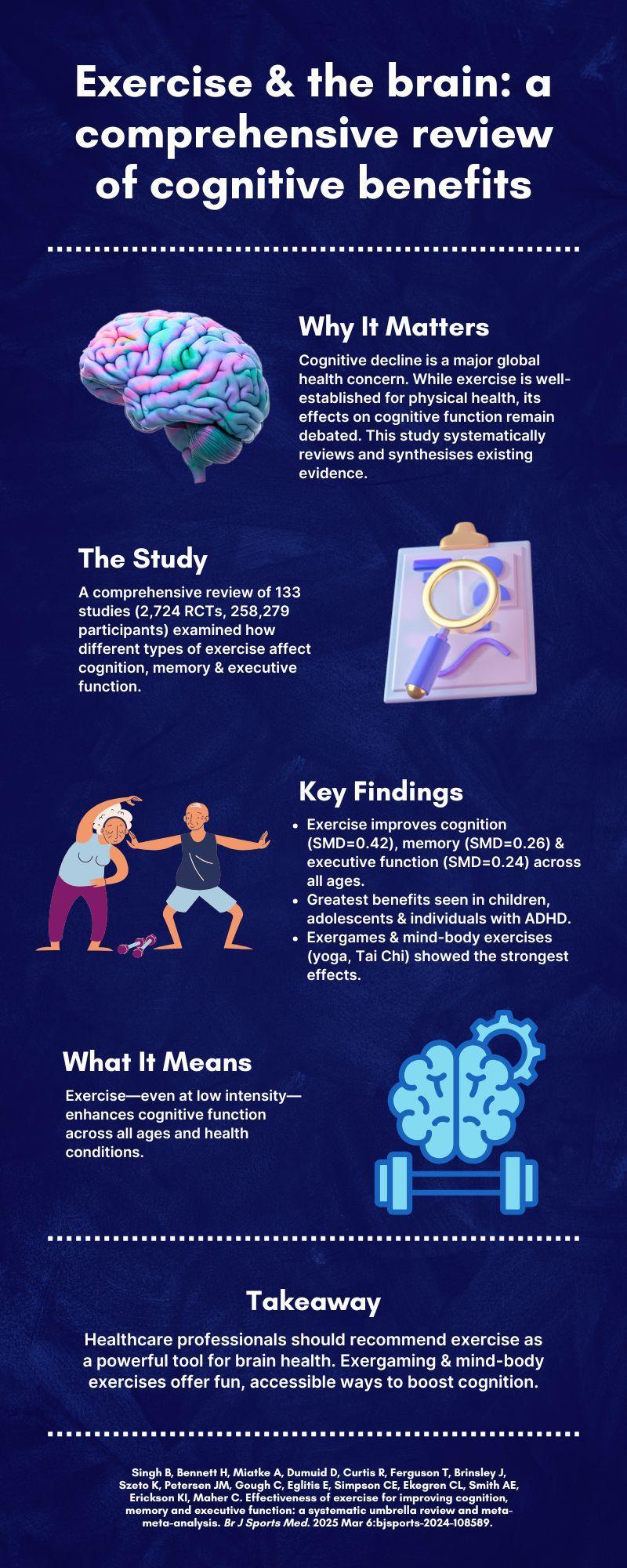
Cognitive Benefits of Slow-Motion Swing Practice
Why slow-motion swing practice matters for your golf game
Slow-motion swing practice is more than a feel-based drill – it’s a cognitive training method that strengthens the mind-body link behind every golf swing. By deliberately slowing the golf swing down, you expose the brain to clearer sensory feedback, sharpen attentional control, and speed up motor learning. These are cognitive processes-attention, perception, memory, and decision-making-that underlie consistent golf technique and improved shot precision. (For background, cognitive psychology defines cognition as the mental processes involved in perception, attention and memory.)
How slow-motion swings improve motor learning and swing mechanics
From a motor-learning viewpoint, slow-motion swing practice helps golfers:
- Enhance sensorimotor integration – Slowing the swing increases the quality of sensory input (proprioception, club-face awareness) that the brain uses to calibrate movement.
- build robust procedural memory – Repeating a controlled, slow swing helps encode the sequence of actions (muscle activation patterns) required for a reliable golf swing.
- Facilitate error detection and correction – At slower speeds it’s easier to spot misalignments and timing errors and consciously correct them in real time.
- Reinforce tempo and rhythm – Slow practice lets you feel ideal sequencing (backswing -> transition -> downswing -> impact -> follow-through) and then scale tempo up while preserving feel.
Core cognitive mechanisms engaged by slow-motion golf practice
Attention and focused awareness
Slow swings force a golfer to pay attention to specific parts of the movement: wrist set, hip turn, weight shift, and clubface orientation. Improved selective attention helps reduce performance variability under pressure and improves pre-shot routines.
Perception and proprioception
By exaggerating sensory feedback, you train the brain to better perceive body position and club alignment. Over time this improves proprioceptive accuracy - key for consistent contact and shot shaping.
Working memory and chunking
Slow practice allows you to break the swing down into manageable chunks (address → takeaway → top → transition → impact → finish) and store those chunks in working memory for more effective practice and later retrieval under speed.
Motor planning and procedural consolidation
Intentional slow reps promote stronger motor planning and the consolidation of procedural memory – the brain’s way of converting a practiced sequence into automatic skill that performs reliably under stress.
benefits of slow-motion swing practice (SEO-friendly highlights)
- Improved swing mechanics: better body sequencing, reduced early extension, cleaner contact.
- Greater shot precision: more consistent face angle at impact and tighter dispersion patterns.
- Stronger mental game: enhanced concentration, pre-shot routine stability, and confidence.
- faster learning transfer: quicker advancement when moving from the range to the course.
- Injury prevention: smoother transitions reduce jarring forces on lower back and hips.
Practical slow-motion swing drills for golfers
These slow-motion drills are designed for driving range sessions,short game work,and pre-round warm-ups. Use them in your practice plan 2-4 times per week to accelerate cognitive and motor gains.
1. The 5-Second Full-Swing Drill
Make a full golf swing where the backswing, transition, and follow-through each take roughly 5 seconds.Focus on feeling:
- Weight shift through the feet
- hip sequencing
- Clubface awareness at the top and at impact
2.Impact Pause Drill
Slow through the downswing and intentionally pause for 1-2 seconds at the moment your hands would reach impact. Use this pause to check clubface and hand position, then complete the swing normally. This improves impact awareness and precision.
3. Tempo Metronome Drill
Use a metronome app set to a slow beat. Sync takeaway to one beat, top at two, and impact around beats four to six. Train consistent tempo and rhythm to avoid rushed transitions.
4. Slow Putting Stroke with visual Focus
Perform slow-motion putting strokes while staring at a fixed point (e.g., the ball’s center). This reinforces a smooth stroke and attentional control, helping lower three-putt rates.
5. Chunked Swing Reps
Practice each chunk separately: 10 slow takeaways, 10 slow transitions, 10 slow follow-throughs. Then recombine them. Chunking reduces cognitive load and speeds up skill acquisition.
How to structure a slow-motion golf practice session
Use this simple session plan on the practice range or at home with a mirror.
- Warm-up (10 minutes): light mobility and short putts
- Slow-motion drills (20-30 minutes): pick 2-3 drills from above
- Feedback and reflection (10 minutes): video your swing or use a mirror
- Full-speed integration (10-20 minutes): hit shots at normal tempo while preserving learned feel
Sample drill comparison table (wordpress-styled)
| Drill | Focus | Recommended reps |
|---|---|---|
| 5-Second full-Swing | Sequencing & tempo | 8-12 reps |
| Impact Pause | impact awareness | 10-15 reps |
| slow Putting Stroke | Consistency & focus | 20-30 putts |
| Chunked Reps | Motor planning | 3-5 sets |
Using technology and feedback to accelerate cognitive gains
Combine slow-motion practice with simple tech and feedback methods:
- Video analysis: Slow-motion playback highlights sequencing and timing issues.
- Launch monitors: Look for tighter dispersion and improved face-angle control after slow practice.
- Wearables: Track tempo and hip rotation to confirm cognitive improvements are translating to biomechanics.
Case study: Translating slow-motion practice to lower scores
Consider a mid-handicap golfer whose driver dispersion was wide and who frequently mishit irons. After four weeks of targeted slow-motion practice (5-second full swings,impact pause,and chunked reps) practiced three times weekly:
- Driver dispersion tightened by 20% (measured on launch monitor)
- Average approach shots within 30 yards improved due to better impact awareness
- Reported improved confidence and calmer pre-shot routine
These results are consistent with what cognitive science predicts: better attention and procedural consolidation lead to more consistent performance on the course.
Common pitfalls and how to avoid them
- Over-slowing: Practice at a controlled speed – to slow and you may train unnatural mechanics. Use drills to scale back up to game speed.
- Lack of variety: Combine slow practice with normal-speed reps so the motor system learns to execute under realistic tempo.
- No feedback: Use video or a coach to ensure correct movement patterns are encoded.
First-hand tips from coaches and players
- “make slow practice purposeful – pick one aspect to feel each session.” – Teaching pro
- “Use a mirror or phone to confirm you’re not introducing compensations during the slow swing.” - Low-handicap player
- “Pair slow practice with mental imagery: rehearse the perfect shot in your mind at the same slow pace.” – Sports psychologist
How slow-motion practice ties into broader cognitive concepts
slow-motion swing practice leverages well-established cognitive processes described in cognitive psychology: attention, perception, memory encoding, and mental rehearsal. By deliberately increasing the clarity of sensory feedback during practice and allowing conscious attention to correct errors, golfers accelerate the transfer of those corrected patterns into automatic, high-performance movement sequences.For further reading on cognition and attention you can consult resources on cognitive psychology and cognition as defined by experts in the field.
Integrating slow-motion practice into your season plan
To get durable results, schedule slow-motion blocks during off-season and pre-season, then maintain shorter slow sessions during competitive stretches to re-calibrate tempo and impact feel. A balanced approach – alternating slow practice with on-course simulation – optimizes both cognitive learning and real-world performance.
Recommended reading and resources
- Introductory resources on cognitive processes and attention provide context for why slow-motion practice works (see cognitive psychology overviews).
- Video platforms and golf lesson sites with slow-motion breakdowns of pros’ swings.
- Metronome apps and wearable tempo trackers to quantify rhythm improvements.
Use slow-motion swing practice intentionally, track your progress with objective feedback, and combine it with normal-speed reps to reliably convert cognitive improvements into lower scores and better golf performance.