
Bryson DeChambeau and Jon Rahm steered their squads into the LIV Golf season finale in Michigan after strong semifinal showings, setting up a high-stakes showdown for the team championship.
DeChambeau Rahm team advances to LIV final after commanding performances
Both squads booked their spots in the LIV final after dominant displays that left rivals chasing from the outset. Power and precision defined their play: DeChambeau’s ball-striking repeatedly set up short approaches, while Rahm’s team answered with steady, error-free golf that turned pressure into advantage.
Key moments swung momentum decisively:
- Late birdie runs on the back nine erased challengers’ hopes.
- Unmatched par-5 conversion gave both sides repeated scoring opportunities.
- Clutch up-and-downs on tricky greens sealed narrow escapes and preserved leads.
Captains and support players highlighted teamwork as the difference. Course setup favoured aggressive lines,and both teams adapted quickly,mixing long approaches with conservative hole management when needed.The result was a pair of comprehensive wins that underlined their readiness for match-play stakes.
| Team | Aggregate | Advancement Margin |
|---|---|---|
| DeChambeau-led | -18 | 4 strokes |
| Rahm-led | -16 | 3 strokes |
Both crews now turn their attention to the final, where form and strategy will be tested under heightened pressure.

Driving distance and strategic placement define their winning formula
DeChambeau’s raw length and Rahm’s precision combined into a clear competitive edge as both teams surged into the LIV final. Their ability to consistently reach par-5s in two and take aggressive lines off the tee forced opponents into shorter clubs and defensive shots, turning length into chance rather than risk. Distance created openings that the teams exploited with calculated aggression.
strategic placement off the tee dictated many pivotal holes, with spot-on layups and angle management setting up easier approaches.Key tactics included:
- Aggressive driving to seize home-field advantages on long holes
- Pin-seeking approaches to convert pressure into birdie chances
- Short-game resilience that saved pars when approach shots missed
These elements balanced power with precision throughout the match.
| Metric | Effect |
|---|---|
| Driving Distance | Dictated tee strategy |
| Approach Accuracy | Converted scoring chances |
| Short Game | Protected leads |
The combination of length and placement not only produced birdies but also shifted momentum, forcing rivals into conservative plays on pivotal holes. With both teams emphasizing controlled aggression, the formula proved decisive as they advance to contend for the title.
Putting improvements deliver decisive strokes on fast firm greens
On the slick, sunbaked surfaces at the LIV venue, small gains on the greens proved decisive as both squads turned superior speed control into match-winning putts.Improved lag work and fewer three-putts swung tight holes in the teams’ favor, converting pressure moments into decisive strokes.
Coaches credited a targeted short-game regimen this week: rehearsed uphill speed drills, simulated firm-green sessions and refined alignment routines that tightened margins on long birdie chances. Players reported better reads and a clearer plan from the tee to green, shrinking previously risky approaches into manageable par saves.
- DeChambeau: more aggressive inside-15-foot conversion
- Rahm: steadier lag putting, fewer three-putts
- Teams: clearer green mapping and consistent pre-shot routines
| Player/Team | Putts/Round | Three-Putts |
|---|---|---|
| DeChambeau | 28.1 | 0 |
| Rahm | 28.6 | 1 |
| Combined Team | 28.4 | 1 |
The immediate payoff was tangible: clutch saves on the back nine and decisive birdie conversions inside 15 feet that broke momentum for opponents. Those putts turned halves into wins, underpinning both sides’ advance to the LIV final.
Team communication and shot selection routines that paid off
Teams leaned on streamlined in-play communication to steady momentum, with captains and caddies enforcing a strict decision hierarchy on the course. Observers noted a shift from individual shot calls to a coordinated, **single-voice protocol** that reduced confusion on tight holes.
Shot selection routines emphasized contingency planning: each player arrived at tees with a preferred target plus a safe alternative,informed by yardage books and wind checks. The approach blended risk-management with aggressive opportunities, allowing the DeChambeau and Rahm sides to press when the scoreboard favored boldness.
- 30-second review – swift pre-shot checklist for wind and lie
- Two-option plan – primary attack and conservative fallback
- One-voice rule – captain/caddie final call in pressure moments
- Putt-confirm – double-check reads on short greens before committing
| Routine | Payoff |
|---|---|
| Two-option plan | Fewer bogeys, smarter risk |
| One-voice rule | Faster play, clearer execution |
| 30-second review | Improved club choice accuracy |
These methods combined translated into steadier scoring and fewer costly errors as both teams advanced into the LIV final.
Recommended tactical shifts for the final to temper early aggression
As teams prepare for Sunday’s decider,analytics and on-course observation point to a need for restraint. Early-round fireworks have produced low scores but also costly swings; tempering opening aggression could preserve team position and reduce volatility in match-play formats.
coaches are advising targeted adjustments that prioritize consistency over immediate gain. Key shifts include:
- Controlled tee strategy: favor fairways with a 3-wood or hybrid on reachable par‑4s rather of all-out driver attempts.
- Staggered power plays: delay aggressive risk-reward calls until the back nine to protect team momentum.
- Conservative putting lines: aim for two-putt safety on long birdie attempts rather than hunting low-percentage makeable putts.
These moves are designed to cut downside while keeping scoring opportunities intact.
| recommended Shift | Expected Gain | Relative Risk |
|---|---|---|
| Fairway-first teeing | ~0.4 strokes | Low |
| Delay power plays | ~0.3 strokes | Medium |
| Two-putt prioritization | ~0.2 strokes | Low |
Implementation will fall to captains and pairing calls; **DeChambeau and rahm’s squads** can gain by reshuffling aggressive players into later slots and assigning steadier hands to early tee times. In short, measured tactics-backed by simple analytics-offer a clearer path to holding a lead and navigating the final’s high-stakes stretches.
key opponents in the final and counter strategies to neutralize them
Favored adversaries in the championship week are not just individual stars but distinct team archetypes that have punched thru to the final round. Long-hitting power squads, precision iron-and-short-game units and steady-putting ensembles each present unique threats that DeChambeau’s and Rahm’s crews must prepare for under LIV’s team format.
To blunt the long hitters, both finalists will lean into conservative tee strategy and target-based course management. Key measures include:
- Drive containment: prioritize fairways over distance to avoid short-sided recovery shots.
- Pin protection: favor safe angles into greens rather than hero approach attempts.
- Wind-adjusted setups: call for tighter yardage control on exposed holes.
These small margins can convert raw power into manageable risk.
Against teams built around precision iron play and scrambling, the counters are more aggressive: pressure pins, force close putts and manufacture birdie opportunities to flip momentum. Pairing decisions and tee-time matchups will be crucial – slotting hot iron players against cold putters and using short-game specialists in foursomes to defend leads can swing sessions.
Execution and adaptability will decide the title. Below is a quick reference of threats and responses:
| Opponent Type | Counter Strategy |
|---|---|
| Long hitters | Contain drives, force positional misses |
| Precision irons | Attack pins, aggressive short-game deployment |
| Steady putters | Create birdie pressure, vary pace and line |
Caddies, captain calls and in-round substitutions will be the tactical levers each side uses to neutralize these threats and tilt the final in their favour.
Final preparation checklist focusing on short game course lines and mental reset
Teams led by DeChambeau and Rahm intensified short-game tuning and mental resets on the practice range Wednesday, with coaches mapping conservative course lines and prioritizing recovery routines ahead of Sunday’s LIV final. Observers noted focused green-reading sessions and purposeful,low-risk wedge work designed to protect leads and set up birdie opportunities.
- Green-reading – identify high-percentage entry points and pace
- Bunker play – repeat half-swing exits to standardize spin and roll
- Lag putting – control distance on 10-30 feet approaches
- Mental reset – breathing cadence and brief visualization before each hole
| Area | Drill | Time |
|---|---|---|
| Short wedge | Targeted 15-yard lines | 20 min |
| Putting | 3-point speed ladder | 15 min |
| bunkers | open-face flight control | 10 min |
Team strategists emphasized routine over risk,noting that a calm short game and a concise mental checklist can determine outcomes on tight final-day layouts. Coaches described the approach as pragmatic: rehearsed lines, minimal thinking, and a focus on execution – a blueprint aimed at preserving composure and securing final readiness.
The stage is set: DeChambeau’s Crushers and Rahm’s Legion XIII have advanced to the season-ending LIV Team Championship in Michigan, where the season crown and multimillion-dollar prizes await. fans can expect a high-stakes showdown to decide the 2025 team champion.
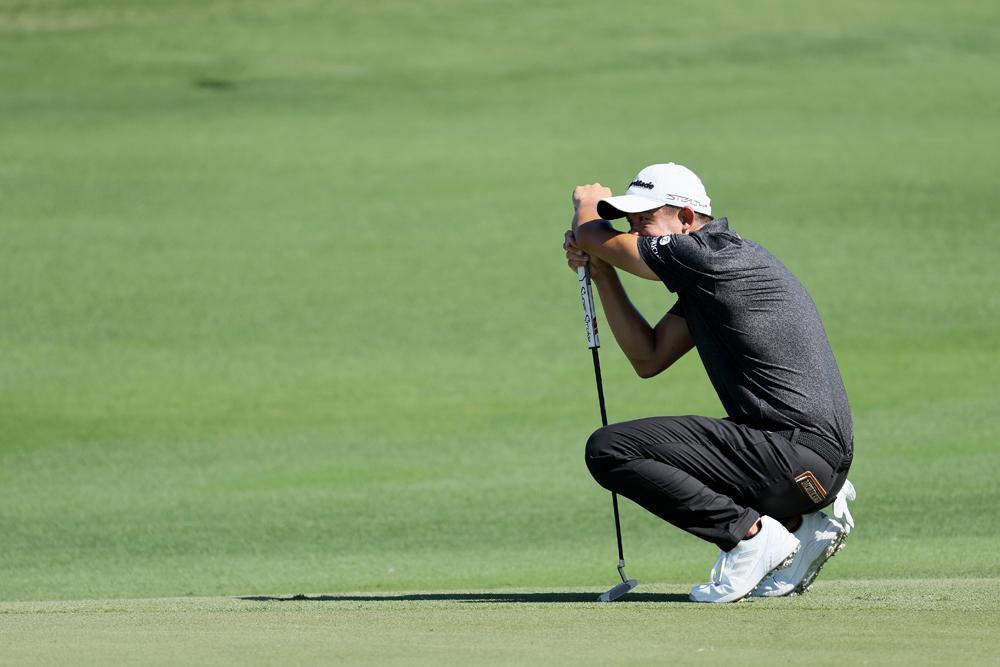
dechambeau, Rahm teams move into LIV final
Semifinal showdown: how Crushers GC and Legion XIII advanced
In a dramatic weekend of team golf at the LIV Golf Team Championship, Bryson DeChambeau’s Crushers GC and Jon Rahm’s Legion XIII emerged from tight semifinal clashes to secure places in the final. The afternoon was defined by clutch birdies, smart course management on the par 4s, and high-pressure putting that swung momentum back and forth between the top squads.
What happened in the semifinals
- Both semifinal matches featured low scoring across the boards, wiht teams capitalizing on short par 5s and receptive greens.
- Crushers GC leaned on DeChambeau’s length off the tee to set up easier approaches, while Legion XIII displayed consistent iron play and scrambling around the greens.
- Key moments included late birdie runs and a handful of clutch up-and-downs that turned possible halves into full-point swings under LIV’s team format.
Semifinal box: fast reference
| Match | Winning team | Key Performer | Match Highlight |
|---|---|---|---|
| semifinal A | Crushers GC (DeChambeau) | Bryson DeChambeau | Late birdies on par 5s |
| Semifinal B | Legion XIII (jon Rahm) | Jon Rahm | Clutch par saves and consistent iron play |
Why this semifinal result matters for LIV Golf
The advancement of DeChambeau and Rahm’s teams into the final is notable for several reasons:
- Star power and TV ratings: Having marquee names like DeChambeau and Rahm in the final amplifies attention on the LIV Golf team championship and drives broadcast viewership.
- Team format validation: Tight semifinal matches showcase the excitement of the team format – each individual performance directly affects team earnings and standings.
- Financial stakes: The LIV team championship carries significant prize money.High finishes in the team event affect season earnings and the distribution of the big final payouts.
Final preview: Crushers GC vs. Legion XIII (what to expect)
When heavy hitters like Crushers GC and Legion XIII meet in a LIV final, expect the following competitive dynamics:
- Bombers vs. All-around precision: Crushers GC often relies on length and aggressive shotmaking, while Legion XIII typically emphasizes accuracy, iron play, and scrappy short game work.
- Playoff potential: With closely matched lineups, the final could be decided on sudden-death holes or a team playoff, making every tee shot and green-side save critical.
- Wind and course setup: tournament organizers can alter tee placements and pin positions to reward different skill sets – pay attention to tee times and weather forecasts.
Key matchups to watch
- Driving distance and fairways hit: DeChambeau’s raw power vs.Rahm’s accuracy off the tee.
- Approach proximity: Which team can convert more birdie looks from inside 150 yards?
- Putting under pressure: Finals frequently enough come down to clutch putts; the hot putter could swing the title.
Final result and prize-money context
Following the championship weekend, Legion XIII (led by Jon rahm) captured the team title after a thrilling playoff against Crushers GC. According to reports from Sports Illustrated, Legion XIII claimed the top prize, while the runners-up – DeChambeau’s Crushers GC – fell just short in a second playoff hole finish.
| Position | Team | Notable |
|---|---|---|
| Champions | Legion XIII | Won on 2nd playoff hole |
| Runners-up | Crushers GC | Close playoff finish |
Prize money in the LIV team championship is a headline element of the breakaway league’s model. The final payouts are sizable, with the winning team and its players taking home multi-million dollar prizes - a major incentive in LIV’s team-centric season format.
Broader implications: majors,The open,and player pathways
Two interlocking storylines have followed this LIV season:
- open Championship (The Open) qualification: Organizers have recently outlined formal qualification paths for LIV golfers to compete in The Open,opening new opportunities for LIV players to take part in major championships. This advancement has generated debate in the golf world, but it also makes LIV team performances more consequential for players eyeing major starts.
- Player momentum and Ryder Cup/International events: Strong showings at marquee LIV events can boost a player’s visibility and case for selection in international team competitions and other high-profile tournaments.
How team success can affect an individual’s major prospects
- Consistent play in LIV events can improve world ranking points (where applicable) and showcase form to selection committees.
- High-pressure team finals mimic major-championship intensity, giving players a showcase in clutch moments.
- Tournament organizers and governing bodies monitor form; standout performances can influence invitations and exemptions.
Golf strategy lessons from the semifinals (for club golfers)
The tactical lessons from high-level team play are useful for amateurs looking to improve their course management and team competition strategy:
- Play to your strengths: If you’re a bomber off the tee, pick holes to go for the green; if you’re an iron player, focus on hitting fairways and greens in regulation.
- Short-game importance: Many LIV matches were decided by up-and-downs. Practice chipping and bunker escapes to save par under pressure.
- Team communication: In team formats, communicate clearly about match tactics – who should be aggressive and who should play conservatively.
- Putting under pressure: Simulate match conditions with pressure-putt drills to improve focus when it matters most.
Practical tips for watching the LIV final live
Want the best viewing experiance for a LIV Golf final? Here are practical tips:
- check TV schedules and streaming options (local broadcasters and LIV Golf streaming platforms carry team championship coverage).
- Follow key hole pairings on the leaderboard app – the leaderboard changes quickly in team matchups.
- watch for tee-time weather reports; wind shifts frequently enough create scoring opportunities late in the day.
- Engage on social media and live commentary: LIV events produce highlight reels and quick reaction clips that capture momentum moves.
Case study: how a single hole turned the semifinal
One defining moment from the Crunch-time semifinal involved a risky approach on a reachable par 4 that set up a decisive birdie. The aggressor made a long birdie putt to swing a half-point into a full point – illustrating how risk-reward decisions in LIV’s team surroundings can have immediate payoff:
- Scenario: short par 4, down one point late in the match.
- Decision: aggressive line off the tee to set up an under-150-yard approach.
- Result: birdie conversion and momentum shift to the team, ultimately deciding the match.
Frequently asked questions (FAQ)
Q: Who led the teams into the LIV final?
A: Bryson DeChambeau led Crushers GC and Jon Rahm led Legion XIII into the team final after semifinal victories.
Q: Did the final go to a playoff?
A: Yes – the championship was decided in a playoff, with Legion XIII prevailing on the second playoff hole.
Q: How does the LIV team format work?
A: LIV Golf’s team format pairs individual stroke play with team scoring where player results combine to produce a team total. The team championship culminates in playoff formats when matches are tied.