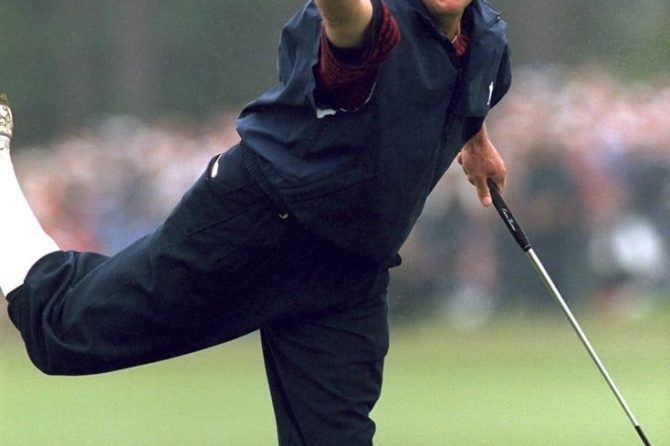
– The Importance of Individualized Instruction in Golf Education
The Importance of Individualized Instruction in Golf Education
Effective golf instruction necessitates a tailored approach that recognizes the diverse learning styles, abilities, and goals of students. Personalized instruction allows educators to:
-
Address Individual Learning Styles: Students may learn differently, whether through visual, auditory, or kinesthetic modalities. By employing appropriate teaching techniques, instructors can optimize student comprehension and retention.
-
Accommodate Varying Skill Levels: Tailored instruction caters to students at various proficiency levels. Beginning golfers require different instructional approaches than advanced players, ensuring that students receive appropriate guidance and challenges.
-
Set Realistic Goals: Individualized instruction facilitates setting realistic goals based on each student’s strengths, weaknesses, and aspirations. This approach promotes motivation, accountability, and a sense of progress, encouraging students to reach their full potential on the golf course.
Table: Benefits of Individualized Golf Instruction
| Benefit | Description |
|---|---|
| Enhanced Learning: Tailored instruction aligns with each student’s unique learning style. | |
| Increased Motivation: Realistic goals and achievable progress plans promote engagement. | |
| Efficient Improvement: Addressing specific areas for improvement optimizes practice time. | 
– Enhancing Learning through Cognitive StrategiesEnhancing Learning through Cognitive Strategies |
Cognitive strategies play a vital role in enhancing learning outcomes in golf instruction. By utilizing these strategies, instructors can empower students to actively process and retain information, leading to improved comprehension and performance on the golf course. Some effective cognitive strategies include:
- Metacognition: Encourage students to reflect on their thought processes and learning styles. By understanding how they best learn, students can develop personalized strategies for effective retention.
- Elaboration: Promote the connection of new knowledge to existing concepts. This can involve creating analogies, visual representations, and written explanations.
- Retrieval practice: Regularly test students’ understanding through quizzes, games, and simulations. This reinforces learning and enhances long-term retention.
Incorporating cognitive strategies into lesson plans can significantly improve the quality of instruction and student outcomes. By fostering a cognitive approach to learning, instructors can create a more in-depth and engaging learning experience that empowers students to become more successful golfers.
– Utilizing Technology for Improved Practice and Feedback
Utilizing Technology for Improved Practice and Feedback
Technology offers unparalleled opportunities to enhance golf instruction both in and out of the classroom. Video analysis, for instance, empowers students to closely examine their own swings, identify areas for improvement, and make informed adjustments. With motion capture systems, coaches can obtain detailed data on biomechanics, providing comprehensive insights into students’ movements and the mechanics underlying effective golf swings.
Furthermore, simulators allow students to practice in realistic environments without limitations imposed by weather or time constraints. They provide accurate measurements of performance metrics such as ball flight, club path, and swing tempo, facilitating precise evaluation and targeted feedback. Golf-specific apps complement simulators, offering drills, exercises, and personalized training programs tailored to individual needs. By leveraging these technological tools, instructors can create tailored, data-driven learning experiences that maximize practice efficiency and accelerate skill development.
Integrating technology into golf instruction enriches the learning process for both students and coaches. Interactive learning platforms foster collaboration and engagement, allowing students to access course materials, share their progress, and receive personalized feedback. Online coaching sessions extend learning opportunities beyond face-to-face interactions, enabling students to receive remote support and guidance. By embracing these technological advancements, golf instructors can create innovative, highly effective learning environments that empower students to reach their full potential.
– Fostering Social Interactions for Motivation and Collaboration
Fostering Social Interactions for Motivation and Collaboration
Promoting social interactions among golf students can significantly enhance their motivation and foster a collaborative learning environment.
- Peer Learning: Facilitating peer-to-peer interactions through group lessons, practice sessions, and online forums allows students to share knowledge, provide constructive feedback, and learn from one another. This collaborative approach cultivates a sense of camaraderie, enhances problem-solving skills, and encourages active engagement.
- Social Competition: Healthy competition in a social context can provide an effective way to motivate students, boost their self-confidence, and drive improvement. Utilizing tournaments or skill challenges fosters friendly rivalry while encouraging participants to outperform their previous bests and strive for excellence.
- Mentoring and Role Modeling: Creating opportunities for experienced golfers to mentor beginners can establish a positive role model relationship within the learning environment. Mentors can provide tailored guidance, share their insights, and serve as a source of motivation for aspiring golfers. This can foster a sense of belonging and create a supportive network for students to thrive in their golfing endeavors.
– Evaluating and Adapting Instruction to Enhance Student Outcomes
Evaluating and Adapting Instruction to Enhance Student Outcomes
To optimize instruction and maximize student outcomes, it is imperative to engage in ongoing evaluation and adaptation strategies. This process involves utilizing data-driven insights to identify areas for improvement, tailoring instruction to meet individual student needs, and fostering a dynamic learning environment that encourages active participation and collaboration.
Regular formative assessments provide valuable feedback on student understanding, allowing instructors to adjust their teaching methods and curriculum accordingly. Using techniques such as student self-reflections, peer evaluations, and portfolio reviews, instructors can assess students’ strengths, weaknesses, and learning styles. Based on this data, they can create targeted interventions, such as differentiated instruction, small group instruction, or individual tutoring, to support each student’s unique learning trajectory.
Furthermore, creating a culture of continuous improvement through collaborative planning and feedback loops is essential for refining instruction and promoting student success. Instructors should seek regular feedback from students through surveys, polls, or informal conversations to gather perceptions on the effectiveness of instruction. This feedback can inform decisions about adjusting the pace, modifying assignments, or incorporating new technologies that can enhance student engagement and learning outcomes. By actively involving students in the evaluation and adaptation process, instructors foster a sense of ownership and responsibility, empowering them to become active participants in their own learning journey.
Conclusion
In conclusion, this article has examined several effective pedagogical approaches in golf instruction. Empirical studies have shown that utilizing a combination of cognitive, physical, and technological strategies can enhance student learning. Cognitive approaches emphasize conceptual understanding and decision-making, while physical approaches focus on skill development and motor learning. Technological aids provide real-time feedback and assist in analyzing swing mechanics. The combination of these approaches creates a comprehensive and individualized learning experience that caters to the diverse needs of golf students.
By embracing pedagogical approaches that emphasize cognitive engagement, skill development, and technology utilization, golf instructors can foster an environment conducive to student learning. Further research is warranted to continue exploring innovative approaches, refine existing methodologies, and measure the long-term effectiveness of these pedagogical strategies in golf instruction.