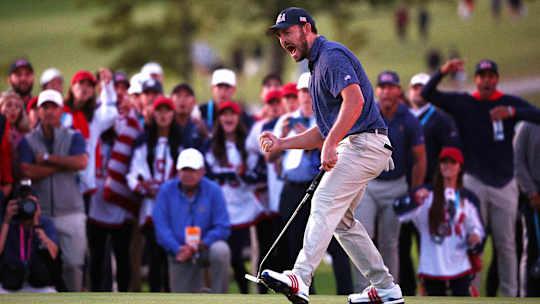
Ernie Els, a four-time major champion renowned for his exceptional technique and longevity, has dedicated himself to sharing his profound insights on the art of golf. Through his instructional approach, Els seeks to empower golfers of all skill levels to unlock their full potential and achieve their golfing aspirations. By delving into the intricacies of swing mechanics, course management, and mental game mastery, this article provides a comprehensive overview of Ernie Els’ instructional philosophy and its remarkable ability to elevate golfers’ performance.
The Ernie Els Holistic Swing Technique
Ernie Els’ Holistic Swing Technique is the foundation of his instructional approach to golf mastery. He believes that a golfer’s swing is not simply a series of mechanical movements, but rather a fluid and dynamic process that involves the entire body and mind. His technique emphasizes the importance of rhythm, balance, and tempo, as well as the proper sequencing of movements.
Els’ technique is built around three key principles:
The Whole-Body Approach: Els believes that the swing should involve the entire body, from the ground up. He teaches golfers to move their body in a coordinated and balanced way, using their legs, hips, shoulders, and arms in unison. This approach helps to create a powerful and consistent swing.
The Sequencing of Movements: Els teaches golfers to sequence their movements in a specific order. This order is designed to maximize power and accuracy. He emphasizes the importance of starting the downswing with the lower body, and then transitioning smoothly to the upper body. This sequencing helps to create a fluid and consistent swing.
* The Rhythm and Tempo: Els believes that rhythm and tempo are essential for a good golf swing. He teaches golfers to swing in a relaxed and fluid manner, with a consistent rhythm and tempo. This helps to create a repeatable and effective swing.
Els’ Holistic Swing Technique has helped him to become one of the most successful golfers in the world. It is a technique that can be used by golfers of all levels to improve their game.
Analyzing Ball Flight Patterns for Control and Precision
Monitoring ball flight patterns is a critical component of improving shot precision and control on the golf course. By analyzing the trajectory, distance, and spin of your shots, you can identify areas for improvement and gain a deeper understanding of your swing dynamics.
Using video analysis, launch monitors, or simply observing your shots on the range, you can collect data on ball flight characteristics such as:
- Carry distance
- Total distance
- Apex height
- Spin rate
- Launch angle
Analyzing this data helps you understand how your swing is influencing the ball’s trajectory and allows you to make adjustments.
| Shot Type | Optimal Ball Flight |
|---|---|
| Driver | High launch, low spin, long carry |
| Iron | Medium launch, medium spin, controlled distance |
| Wedge | Low launch, high spin, precise approach |
By comparing your ball flight patterns to ideal trajectories for different shot types, you can identify specific areas of focus for improvement. For example, if your driver shots are consistently lacking distance, you may need to increase clubhead speed or adjust your launch angle. Conversely, if your wedges are not providing enough spin, you might consider using a different club or changing your swing plane.
Advanced Course Management Strategies for Success
Ernie Els’ Instructional Approach to Golf Mastery
Els’ approach to golf instruction revolves around several key principles:
Visualizing Success: Encourage students to create a vivid mental image of themselves executing the perfect shot. Visualizing the desired outcome helps build confidence and reduce anxiety.
Progressive Learning: Break down complex skills into smaller, manageable steps. This allows students to gradually develop the necessary coordination and technique.
* Personalized Coaching: Tailor lessons to the individual needs and learning style of each student. Provide specific feedback and guidance based on their unique strengths and weaknesses.
Table: Ernie Els Coaching Philosophy
| Concept | Description |
|—|—|
| Goal Setting | Establish realistic and achievable goals to provide direction and motivation. |
| Mind-Body Connection | Emphasize the importance of developing both physical and mental aspects of the game. |
| Technological Analysis | Utilize technology such as video swing analysis to identify areas for improvement. |
By implementing these principles, Ernie Els fosters a supportive and individualized learning environment that empowers students to reach their golfing potential. His instructional approach has produced numerous successful golfers, including former World Number 1s Rory McIlroy and Lydia Ko.
The Mental Game in Ernie Els Approach to Golf
Ernie Els, the renowned South African golfer, emphasized the critical role of the mental game in achieving golf mastery. He believed that a strong mental game allowed golfers to overcome challenges, maintain focus, and perform consistently at a high level.
Positive Self-Talk and Visualization:
Els encouraged players to engage in positive self-talk to build confidence and reinforce their abilities. He also advocated for visualization, where golfers mentally rehearse successful shots and outcomes. This practice helped strengthen their mental preparedness and create a positive mindset on the course.
Emotional Control and Resilience:
Managing emotions is essential for success in golf. Els taught players to recognize and control negative emotions, such as frustration or fear. He emphasized resilience, encouraging golfers to learn from mistakes and approach setbacks as opportunities for growth. By maintaining emotional stability, players could stay composed under pressure and stay focused on executing their game plan.
Table: Ernie Els’ Mental Game Strategies
| Strategy | Description |
|—|—|
| Positive Self-Talk | Using self-affirming language to boost confidence and reinforce skills. |
| Visualization | Mentally rehearsing successful shots and outcomes to enhance preparedness and create a positive mindset. |
| Emotional Control | Managing negative emotions, such as frustration or fear, to maintain composure under pressure. |
| Resilience | Learning from mistakes and setbacks to develop a growth mindset and enhance performance. |
Step-by-Step Learning Guide for Mastering Ernie Els Techniques
Step-by-Step Guide to Mastering Ernie Els Techniques
Ernie Els is widely regarded as one of the greatest golfers of all time. His swing is renowned for its elegance, efficiency, and power. In this step-by-step guide, we will break down Els’s techniques into manageable steps, allowing you to emulate his mastery on the course.
Stance and Grip
Els emphasizes a wide, balanced stance that provides stability and balance. Keep your feet shoulder-width apart with your knees slightly bent. Grip the club with your left hand (for right-handed golfers) low and in the palm, and your right hand slightly higher with more of a finger grip. Your hands should form a “V” shape when you look down the shaft.
Backswing
Start by taking the club back at a smooth, steady pace. Keep your head down and maintain the natural curvature of your spine. Rotate your hips and shoulders while keeping your arms fairly straight. As you reach the top of your backswing, the club should be parallel to the ground and slightly inside the target line.
Conclusion
This article has provided an in-depth examination of Ernie Els’ instructional approach to golf mastery. It has explored the principles, philosophies, and techniques that he employs to help golfers of all levels improve their game. By emphasizing fundamentals, a holistic approach, and tailored instruction, Els has established a unique and effective method that has been embraced by numerous golfers around the world.
Els’ focus on developing sound swing mechanics, proper body motion, and mental fortitude has proven to be transformative for many players. His emphasis on understanding the individual needs of each student and creating customized lesson plans has allowed him to effectively address the specific challenges and strengths of his students. Furthermore, Els’ commitment to mentorship, community involvement, and promoting the values of the game has made him a respected and influential figure in the world of golf.
As golf continues to evolve, it is evident that Ernie Els’ instructional approach will continue to inspire and guide aspiring golfers in their pursuit of mastery. His dedication to excellence, his unwavering belief in the power of hard work, and his passion for the game serve as a testament to the enduring legacy he has created. By embracing his principles and teachings, golfers can unlock their full potential, enhance their enjoyment of the game, and achieve a level of proficiency that they may have once thought impossible.