Golf course design occupies a unique nexus between landscape architecture,sport strategy,and environmental stewardship. As a discipline, it synthesizes aesthetic, ecological, and tactical considerations to shape how golfers experience risk, reward, and decision-making across 18 distinct challenges. Contemporary designers must thus reconcile conventional concerns-such as routing, hole variety, bunker placement, and green complex articulation-with pressing imperatives in sustainability, maintenance efficiency, and equitable playability for a diverse range of skill levels. The resulting composition of form and function determines not only the character of individual holes but also the long-term resilience and social value of the facility.
This article frames golf course design around three interdependent domains: strategic intent, ecological and operational sustainability, and the quality of play. Strategic intent addresses how routing, hazard placement, and shaping influence shot selection, course management, and competitive dynamics. Sustainability encompasses site-sensitive routing, native habitat conservation, water and nutrient management, and maintenance regimes that minimize environmental footprint while preserving turf health. The quality of play considers accessibility, pace, and the psychological experience of golfers, seeking a balance between challenge and enjoyment that accommodates novice through elite competitors. Integrating these domains requires interdisciplinary methods-landform analysis, hydrological modelling, turf agronomy, and behavioral study-to produce layouts that are both memorable and practicable.
The aim of this article is to articulate design principles that harmonize strategic richness with environmental obligation and user-centered playability. Through theoretical discussion and analysis of emblematic course examples, we develop a framework for assessing design choices and propose practical guidelines for architects and operators committed to creating resilient, engaging golf environments.
Strategic Hole Routing and Risk and Reward Design to Promote Varied Shot Selection and Efficient Pace of Play
Strategic routing operates as the circulatory system of a course, organizing holes so that tactical decision-making is distributed across the round rather than concentrated in isolated clusters. Thoughtful sequencing-alternating long and short holes, left- and right-leaning challenges, and varying green orientations-encourages players to deploy a broader set of clubs and shot shapes. Equally important are sightlines and psychological framing: routing that reveals partial information about upcoming risk elements fosters pre-shot planning and varied club selection without resorting to artificial difficulty.
Design features that create meaningful choices must be calibrated to produce divergent outcomes: some options reward aggression, others prioritize safety.Common architectural devices include strategic bunkering, split fairways, intermediate water hazards, and variable teeing grounds. These elements should be placed to create three clear playing corridors-aggressive, conservative, and recovery-so golfers of differing skill levels can select paths that match their objectives and pace.
- Split fairways – encourage route choice and align with staging for different tee boxes
- Short par‑4s – present risk/reward opportunities that condense decision into a single shot
- Tees of varying angles – alter preferred lines and promote diverse shot shapes
- Strategic bailouts – preserve pace by providing obvious safe options
Pace management is an integral design criterion rather than an operational afterthought. Courses that tightly couple risk with clarity of consequence limit indecision and delay; conversely, ambiguous hazards or poorly signposted alternative lines produce backups. Designers can promote steady flow by ensuring recovery areas are accessible, by grouping holes to minimize crosswalks and marshal conflict points, and by embedding obvious visual cues (mown corridors, edging) that facilitate rapid read and execution. Efficiency of play therefore becomes a design objective balanced alongside strategic richness.
Practical submission of these principles can be summarized in concise typologies that link hole archetype to likely pace and required maintenance. The table below provides a simple heuristic for architects and superintendents when forecasting round duration and resource allocation:
| Hole Archetype | Strategic Aim | pace Impact |
|---|---|---|
| Split fairway par‑4 | Choice between risk and safe route | Neutral-clarity keeps flow |
| Short aggressive par‑4 | Reward bold play; create excitement | Slight increase-time for decision |
| Long risk‑reward par‑5 | Stage multi‑shot strategy | Higher-can slow if choices unclear |
Ultimately, a disciplined synthesis of routing, hazard placement, and pacing strategies yields holes that prompt varied shot selection while maintaining steady throughput. Designers should measure success against empirical metrics-average hole time, frequency of forced recovery shots, and distribution of club usage-to iteratively refine layouts. By treating strategic diversity and efficient play as co‑equal design objectives, architects can craft courses that are intellectually engaging, sustainable to operate, and enjoyable across skill spectra.
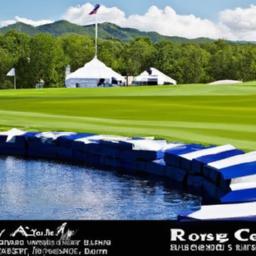
Bunkering and Hazard Placement: Balancing Visual Framing, Strategic challenge, and Equitable Recovery options with Placement Guidelines
Effective use of sand and other hazards operates at the intersection of perception and play. Thoughtful placement performs a dual function: it provides **visual framing** for the hole-guiding lines of sight, defining corridors, and reinforcing intended shot shapes-while concurrently communicating risk. Visual prominence should be calibrated so hazards read clearly from the tee and landing areas without coercing a single correct line; a well-framed hazard suggests options rather than mandates them,allowing golfers to interpret and choose based on their skill,club selection,and strategy.
Strategic challenge emerges when hazards create meaningful trade-offs that reward decision-making and execution. Rather than relying solely on penal depth or quantity, designers should use **positional threat**-angle to the green, depth relative to approach landing zones, and placement in relation to carry distances-to generate distinct shot values. This fosters a richer strategic palette: players can accept a tougher recovery in exchange for gaining distance or a better angle, or thay can play conservatively to preserve short-term scoring, thereby preserving the integrity of competitive and recreational play.
Equitable recovery options are essential to maintain fairness across the playing field.Hazards should not disproportionately punish a less skilled player for routine errors; instead, they should allow for **strategic and mechanical recovery**-bunkers with graded faces, varied rim heights, and adjacent run-up areas permit multiple escape strategies. Consideration of surrounding contours, sand texture, and green approach slopes produces recoveries that test skill without creating inevitabilities.Such calibrations also reduce the likelihood of penalties that are arbitrary rather than meaningful.
- Scale: Match hazard size to hole length and landing statistical dispersion.
- location: Prioritize angles that alter carry and roll outcomes rather than only blocking line of sight.
- Depth & Profile: Use varied faces and shelfing to differentiate tactical options.
- Visibility: Ensure hazards read from primary decision points (tee and fairway).
- Recovery Pathways: Provide graded exits, adjacent run-ups, or alternate bailout areas.
| Design Objective | Typical Implementation | Player Impact |
|---|---|---|
| Visual Framing | Frontal and peripheral bunkers | Guides aim, suggests strategy |
| Tactical Threat | Guarding angles to green | Forces risk-reward choices |
| Equitable Recovery | Graded faces, run-ups | Enables fair escape options |
Placement must also align with sustainability and pace-of-play objectives: concentrated bunker clusters increase maintenance demands and can slow play; dispersed, purpose-driven hazards that integrate native soils and low-maintenance profiles improve ecological performance. Designers should therefore balance aesthetic and strategic imperatives with ongoing upkeep realities-selecting sand types,drainage,and shapes that minimize erosion and help sustain intended strategic function over time,thereby preserving both challenge and playability.
Green Complex Design for Contour Integration, Speed Management, and Maintenance Protocols to Preserve Putting Integrity
Subtle elevation changes and targeted undulations are instruments of strategic intent: they compel players to choose trajectories, control spin and pace, and regard the green as a three-dimensional problem rather than a two-dimensional target. Thoughtful use of plateaus, swales and false fronts permits a single green to present multiple playing options depending on tee strategy and pin location. When contours are integrated with fairway geometry and bunkering, approach shots are rewarded for precision and penalized for indiscretion, creating a compositional whole in which the putting surface functions as the final, decisive element of the hole.
Managing surface speed is a design and agronomic partnership. Designers establish target speeds appropriate to the course’s intended play (e.g., daily-fee versus championship), while superintendents implement cultural practices to achieve and sustain those targets. Key variables include turf species selection, grade percentage, drainage capacity and surface firmness; collectively these determine how a ball reacts to slope and how consistent reads will be across the green. Explicit speed targets-measured and monitored with a Stimpmeter-allow pin placement rotation and maintenance operations to be scheduled to preserve playability and fairness.
Maintenance protocols must prioritize putting integrity without compromising sustainability. A concise set of culturally based practices provides predictable outcomes: mowing height and frequency to regulate canopy; topdressing and sand incorporation to manage surface smoothness and infiltration; and aeration regimes to control organic matter and root zone health. Complementary measures-such as moisture-based irrigation scheduling and integrated pest management-minimize chemical and water inputs while maintaining surface trueness. Typical best practices include:
- Daily: grooming/roll to manage short-term speed consistency.
- Weekly: verticutting and light topdressing where appropriate.
- Seasonal: planned aeration and selective overseeding to restore turf density.
- As needed: targeted repairs on high-wear approaches and hole rotation to distribute wear.
| Contour Intensity | Strategic Effect | Maintenance Implication | Suggested Stimp Range |
|---|---|---|---|
| Subtle | Encourages approach placement and subtle breaks | Lower topdressing; moderate rolling | 8-9 |
| Moderate | Creates visual challenge and multiple pin platforms | Regular sanding; targeted irrigation | 9-10 |
| Bold | generates dramatic reads and recovery risk | Increased repair cycles; erosion control | 10-11 |
Preserving the essence of putting requires a data-informed stewardship strategy that aligns design intent with practical maintenance limits. Regular surface testing (firmness, thatch depth, green speed), disciplined pin-placement policies and proactive traffic management sustain playability while reducing the need for corrective interventions. By calibrating agronomy to the architectural language of the greens and adopting sustainable inputs, courses can maintain consistent putting character across seasons and skill levels-ensuring that the test posed by the final green remains true to the original strategic vision.
Teeing Ground Diversity and Yardage Management to Support Inclusivity,Competitive Flexibility,and Player Progression
Thoughtful distribution of teeing areas elevates equitable play by offering a spectrum of **effective yardages** that correspond to physical ability,experience and competitive intent. Rather than a single “forward” or “back” option, contemporary design favors multiple tee complexes with defined yardage bands-each calibrated to preserve intended hole strategy while altering risk-reward calculations. Properly staggered tee placements maintain line-of-play variety,preserve strategic choices (club selection,forced carries,and angle of approach),and provide measurable parity across gender and age cohorts without diluting architectural intent.
Course adaptability for varying formats and events is achieved when teeing infrastructure supports rapid re‑routing of yardages and rating conversions. A modular tee system enables tournament organizers to create distinct competitive setups while the everyday golfer can select a challenge level that fosters improvement.Key operational advantages include:
- Access and inclusivity – more cozy first experiences for novices and recreational players.
- Competitive flexibility – simple transitions between member play, junior clinics and championship configurations.
- Player progression – clear stepping stones that encourage repeat play and skill development.
- Pace-of-play management – appropriately short-yardage options reduce time without sacrificing strategic depth.
| designation | Approx. Yardage | Intended Use |
|---|---|---|
| Forward | 4,200-4,800 | Beginners, juniors, leisure |
| Middle | 5,800-6,400 | Club play, development |
| Back | 6,600-7,200 | Advanced members |
| championship | 7,200-7,700+ | Tournament play |
Practical stewardship of multiple tee complexes requires integration of **maintenance efficiencies** and ecological sensitivity. Consolidated tee footprints, drought‑tolerant turf selection, and rotational use schedules reduce wear and resource consumption while preserving playability. Designers should also position auxiliary tees to allow sustainable irrigation and drainage zones, minimizing the need for excessive inputs and ensuring long‑term surface resilience without compromising strategic diversity.
For implementation, prioritize sightlines, signage, and safe circulation between teeing areas so players can make informed choices that reflect intent and ability. Use empirical yardage increments tied to club‑head distance distributions and local handicap demographics when setting bands. By combining modular construction, clear visual cues, and alignment to rating metrics (USGA course and slope methodology), architects can produce tee systems that are inclusive, competitively robust, and conducive to continuous player development.
Sustainable Turf and Water Management Strategies incorporating Native Species, soil Health Practices, and Irrigation Optimization
Contemporary course stewardship reframes maintenance through the lens of sustainability as both an objective and a process. UNESCO’s framing-distinguishing long‑term sustainability from the pathways of sustainable development-helps clarify that site‑level practices must be durable while embedded in continual improvement. Likewise, conventional definitions of sustainability emphasize the capacity to continue over time with minimal negative externalities. For golf courses this dual view requires strategies that reduce resource intensity while maintaining playability and aesthetic quality, balancing ecological function with operational feasibility.
Native species and habitat integration form the biological foundation of resource‑efficient turf systems. Selecting regionally adapted grasses, forbs, and riparian plants reduces irrigation and chemical inputs, enhances pollinator services, and increases resilience to pests and climatic variability.Design responses include creating graded roughs and nonplaying corridors that function as ecological buffers, and deploying species mixes that shift maintenance focus from monoculture turf to diverse, low‑input mosaics that still support strategic shotmaking.
- Seed mixes tailored to microclimate and soil type
- Transitional zones and pollinator corridors
- Reduced‑mow native meadows for roughs and outfields
- Phased conversion plans to minimize disruption
Healthy soils are central to reducing inputs and improving turf performance. Practices such as targeted aeration, incorporation of compost and biochar, regular soil testing, and the use of microbial amendments improve structure, water infiltration, and nutrient cycling.Reducing compaction through traffic management and designing root‑zone media with appropriate texture and organic matter content increases drought tolerance and can sequester carbon-linking agronomic goals with measurable ecosystem services.
Water optimization combines technology,plant selection,and operational policy. Evapotranspiration‑based scheduling, soil moisture sensors, and pressure‑regulated, multi‑zone irrigation systems allow precise application only where and when required. The use of reclaimed or stored stormwater, paired with drought‑tolerant turf selection and irrigation audits, reduces potable water reliance. Integrative irrigation strategies must be codified into course water budgets and maintenance protocols to deliver consistent savings without compromising play quality.
| Strategy | Typical Water savings | Practical note |
|---|---|---|
| ET‑based scheduling | 15-30% | Requires local whether data |
| Native roughs | 20-50% | Phased implementation advised |
| Reclaimed water use | Varies | Depends on regulatory context |
Long‑term success depends on rigorous monitoring and adaptive management. Establishing clear performance indicators-water use intensity, nutrient inputs, habitat area, and playability metrics-enables evidence‑based trade‑offs and continuous improvement. Economic and life‑cycle analyses, coupled with stakeholder engagement (members, regulators, ecologists), convert technical measures into actionable policy, ensuring that sustainability remains a measurable, integral component of course design and daily operations.
Routing Through Natural Ecosystems to Minimize Environmental Impact while Enhancing Playability and Landscape Cohesion
Sensitive routing begins with a disciplined response to the site’s intrinsic morphology: aligning holes to follow natural landforms and existing contour lines reduces cut-and-fill, preserves soil structure, and maintains pre‑existing hydrology. by minimizing earthworks and avoiding wholesale regrading, designers conserve the microtopographical variety that produces strategic shot values-false fronts, subtle hollows, and wind‑exposed ridges-while substantially lowering construction-related emissions and erosion risk. The academic literature supports this “land‑first” strategy as the most effective means to reconcile ecological integrity with coherent play sequencing.
Practical routing tactics translate ecological sensitivity into tangible golf architecture decisions. Place tees, fairways and greens within the natural tiers of the terrain; use existing tree lines and ridgelines to frame strategic sightlines; and exploit pre‑existing watercourses as both ecological assets and legitimate in‑play hazards. Key on‑site interventions typically include:
- Riparian buffers – maintain vegetated corridors of native species to protect stream function and create visual definition for holes.
- Low‑impact bridges and crossings – confine vehicular and cart movement to designed points to reduce habitat fragmentation.
- Conservative bunker placement – integrate bunkers into existing sandy outcrops or slopes to avoid importation of material and to fit the landscape.
Environmental performance is strengthened when routing is coordinated with explicit habitat and water‑management solutions. Designers increasingly deploy multifunctional features-bioswales, ephemeral wetlands, and native roughs-that both treat runoff and enrich biodiversity. The table below summarizes representative ecosystem elements and concise design responses that support both playability and conservation:
| Ecosystem Element | Design Response |
|---|---|
| Seasonal Stream | Set back tees; maintain buffer vegetation |
| Sandy ridge | Locate bunkers/tees to reduce excavation |
| Native Meadow | Convert rough to low‑mow habitat corridors |
Routing decisions must also advance playability and landscape cohesion. Thoughtful sequencing-alternating risk‑reward holes, varying par types, and preserving visual backdrops-creates cognitive and physical rhythms that enhance golfer engagement. Emphasizing strategic variety, visible targets, and coherent visual corridors strengthens wayfinding and upholds pace of play, while deliberate circulation planning improves walkability and reduces turf wear. The result is a course that reads as a unified landscape where ecological and sporting logics mutually reinforce one another.
long‑term success depends on cross‑disciplinary collaboration and ongoing measurement. Pre‑design ecological surveys inform routing choices; post‑construction monitoring (water use, erosion rates, native species richness) validates performance; and a commitment to adaptive management allows interventions-vegetation adjustments, drainage tuning-to be made as conditions dictate. Typical project metrics used to gauge outcomes include reduced irrigation demand,stabilized soil loss,and increased habitat connectivity-benchmarks that link stewardship outcomes to playing quality and lifecycle maintenance costs.
Integration of Digital Tools and Data Driven Analysis for Shot Value Assessment, Iterative Refinement, and Long Term Course Evolution
The adoption of advanced spatial and performance analytics has fundamentally reshaped how architects quantify and compare design alternatives.High-resolution LiDAR topography, multispectral drone imagery, GPS-based player tracking and launch-monitor datasets enable a granular decomposition of hole strategy into measurable components. When combined with climatological records and turf-health telemetry, these inputs permit precise estimations of expected strokes across alternate routings, converting qualitative intuition into reproducible shot value metrics that inform both macro routing decisions and micro green-complex detailing.
Analytical frameworks-ranging from probabilistic Monte Carlo simulations to Bayesian hierarchical models-translate raw observations into decision-ready outputs. These models simulate diverse player archetypes, wind regimes and pin placements to estimate risk-reward envelopes for each design variant. by embedding an iterative feedback loop (prototype → playtest → recalibrate),designers can refine hazard placement and landing-zone geometry with empirical evidence rather than anecdote,improving predictability of play outcomes and preserving strategic intent across skill levels.
- Design optimization: target landing corridors and visual lines informed by shot-dispersion heatmaps.
- Operational efficiency: prioritize maintenance resources using turf-stress and irrigation-demand models.
- Player experience: calibrate difficulty curves through simulated score distributions for representative golfers.
- Environmental stewardship: locate corridors and native buffers using habitat and hydrology overlays.
| Metric | Data Source | Design Action |
|---|---|---|
| Strokes Gained by approach | Shot-link / Launch monitors | Adjust green contours and bailout areas |
| Wind Variability Index | Long-term weather stations / LiDAR | Orient tee boxes and hazard exposure |
| Soil Moisture Variance | In-situ sensors / remote sensing | Inform turf-spec selection and drainage |
Over decadal horizons, digital ecosystems support adaptive course evolution: machine-learning algorithms detect emergent play patterns and deterioration trends, enabling prioritized reinvestment and progressive reconfiguration that respect historical character. Institutionalizing data governance-standardized data schemas, versioned digital twins and transparent stakeholder dashboards-ensures that iterative refinement remains evidence-based and democratically accountable. Ultimately, integrating analytics into the design lifecycle fosters resilient, play-rich landscapes that balance competitive challenge, recreational accessibility and ecological sustainability.
Stakeholder Collaboration and Governance Recommendations to Ensure Accessibility, Financial Resilience, and Community Engagement
Effective operation requires an integrated governance architecture that deliberately aligns public interest, commercial sustainability, and social inclusion. Establishing a multi-stakeholder board with statutory representation from municipal authorities,course operators,community organizations,accessibility advocates,and environmental experts creates legitimacy for strategic choices.this body should operate under clear charters that define delegated authorities, conflict‑of‑interest protocols, and decision‑making thresholds, ensuring decisions are defensible and responsive to evolving local needs.
Financial resilience is achieved through deliberate diversification and prudent fiscal governance. Recommended measures include:
- Diversified revenue streams-tiered green fees, events, F&B concessions, and facility rentals to reduce sensitivity to seasonal play;
- Reserve and endowment policies-establishing contingency funds to smooth cyclical shortfalls and finance urgent capital repairs;
- Performance‑linked budgeting-aligning maintenance standards to transparent KPIs that inform adaptive allocation of scarce resources.
Embedding accessibility and community engagement into core operational mandates requires concrete roles and deliverables. The following concise matrix clarifies expected contributions and enables accountability at the project level.
| Stakeholder | Primary Role | Key Deliverable |
|---|---|---|
| Municipality | policy & funding support | Access subsidies; transport link commitments |
| Course Operator | Day‑to‑day management | Inclusive programming; maintenance plans |
| Community Groups | Engagement & outreach | Participation pathways; volunteer coordination |
| Environmental NGO | Technical advice | Habitat management plans; monitoring protocols |
| Local Schools | Youth development | Curricula & junior golf initiatives |
Robust monitoring and transparent reporting form the backbone of accountability. Define a concise suite of KPIs-participation equity metrics, revenue diversity index, accessibility utilization rates, turf health indicators, and community satisfaction scores-and publish these on a regular cadence (quarterly operational reports, annual strategic reviews). Coupling public reporting with autonomous audits and stakeholder feedback loops enables adaptive management, ensuring governance structures evolve in response to performance evidence rather than inertia.
Practical implementation demands capacity building and sequenced interventions to limit disruption and demonstrate early wins. A recommended near‑term action set includes:
- Pilot inclusive programs (e.g., community green fee days, adaptive golf clinics) to test demand and operational protocols;
- governance capacity investments-training for board members on fiduciary duties, equity principles, and environmental stewardship;
- Funding roadmaps-pursue blended finance (grants, sponsorships, municipal seed funding) and establish transparent criteria for capital allocation.
Q&A
Below is a concise academic-style Q&A designed to accompany an article titled “Golf Course Design: Strategy, Sustainability, and Play.” The questions and answers focus on core design principles, strategic considerations, environmental sustainability, playability and pace, evaluation methods, and future directions in the discipline. The tone is professional and suitable for an academic readership.
1. What are the primary objectives of contemporary golf course design?
– Contemporary golf course design pursues multiple, interrelated objectives: create engaging and varied playing experiences; balance strategic challenge with accessibility for a range of skill levels; integrate aesthetics and landscape character; minimize long‑term maintenance burdens; and incorporate environmental stewardship. Successful designs reconcile player experience, economic viability, and ecological resilience.
2. How does hole layout influence strategic decision‑making on the course?
– Hole layout establishes the risk‑reward framework that governs shot selection. Tees, fairway width, landing zones, angles of approach, green placement, and hazards create choices for players (e.g., whether to carry a hazard, play conservatively to the safer side, or aim for a narrower target). Designers manipulate visual and geometric cues-angles, sightlines, slopes-to foreground strategic options rather than simply penalize poor shots.
3. What is the distinction between penal, strategic, and heroic design philosophies?
– Penal design punishes errant shots by limiting remedial options and imposing predictable penalties. Strategic design intentionally creates multiple routes to the hole-each with different risk/reward tradeoffs-so that skillful decisions are rewarded. Heroic design creates opportunities for highly aggressive shots that, if executed, produce large advantages. Many exemplary courses blend these approaches to vary psychological and tactical demands across the round.
4. How do green complexes affect putting strategy and approach play?
– Green complexes-green shape, contouring, firmness, run‑offs, bunkering and surrounding plantings-dictate approach angles and putting strategies. Complexes with subtle tiering and nuanced slopes favor precise distance control and strategic pin positioning; strongly contoured greens reward thoughtful placement and inventive short‑game solutions. Surrounding fringe and run‑offs alter the penalty for missing short or long, thereby influencing club selection and trajectory choices.5. What role do bunkers and water features play beyond aesthetics?
– Bunkers and water hazards serve strategic, psychological and functional roles: they define intended landing areas and approach corridors, reinforce visual lines and shot selection, create consequences for misjudgment, and manage turf irrigation/drainage when engineered integrally. Properly designed hazards should present meaningful choices without producing unfair or random penalties.
6. How should designers address variability in player ability through routing and hole variety?
– Designers should provide a diversity of hole lengths, angles, and strategic demands, and ensure multiple teeing options to scale difficulty. Routing should intersperse demanding and recovery holes, employ contrasting par‑3, par‑4, and par‑5 challenges, and present a mix of forced carries, positional holes, and strategic risk‑reward opportunities. This variety maintains engagement for low‑handicappers while offering accessible options for higher handicappers.
7. Which sustainability principles are most critical in modern golf course design?
– Critical sustainability principles include: water conservation (efficient irrigation, native/drought‑tolerant species), soil and turf management (site‑appropriate turf selection, soil amendments), integrated pest management (minimizing chemical reliance), habitat conservation and enhancement (native vegetation corridors, wetlands), stormwater management (bioswales, detention areas), and carbon footprint reduction (mowing regimes, equipment choices).Early collaboration with ecologists and hydrologists yields more sustainable outcomes.8. How can course architects minimize maintenance costs while preserving play quality?
– Strategies include: concentrating intensive turf (greens, tees, primary fairway corridors) and naturalizing secondary areas; selecting lower‑maintenance turfgrasses matched to climate; simplifying bunker and edge detail where appropriate; specifying efficient irrigation and zoned controls; and designing for mechanical access to reduce labor. Maintenance planning should be integrated into schematic design so aesthetic and play objectives align with long‑term operating budgets.
9. What are effective methods for integrating new courses into sensitive landscapes?
– Effective integration begins with rigorous site analysis-topography, soils, hydrology, vegetation, and wildlife patterns. Designers should follow the land’s natural contours (routing with the terrain), preserve ecological corridors and mature vegetation, minimize earthmoving, employ native plant palettes, and design stormwater and habitat features that enhance biodiversity. Regulatory compliance and community engagement are essential complements.
10. How does course design influence pace of play and player flow?
– Design elements that affect pace include hole length and complexity, walkability and routing, tee and green adjacency, hazard placement that causes frequent sifting/searching, and tee time spacing steadfast by course par and pin placements. Clear routing,well‑placed cart paths,effective signage,and fair green complexity (to avoid excessive three‑putts) can reduce delays. Designers should anticipate bottlenecks and provide sightlines to help maintain steady throughput.
11.What metrics and research methods are appropriate to evaluate a course’s strategic success and sustainability performance?
– Strategic success can be evaluated via shot‑link or GPS shot‑data analyses (dispersion patterns, landing zones, scoring distribution by hole), player surveys, and observational studies of decision points. Sustainability performance metrics include water use per hectare, chemical application rates, biodiversity indices (species richness), soil health measures, and energy/carbon accounting. Longitudinal monitoring is necessary to assess trends and adaptive management efficacy.
12. how do architects reconcile historical design traditions with contemporary expectations?
– Reconciliation involves respecting classic routing and strategic principles (e.g., utilization of natural features, variety, and strategic options) while updating agronomic practices, safety standards, and sustainability technologies. Sensitive restoration of historic features should be informed by archival research and contemporary play demands. Iterative stakeholder consultation-members, players, governing bodies-helps balance tradition with modern expectations.
13. What are common trade‑offs when prioritizing championship playability versus everyday accessibility?
– Trade‑offs include green speed and firmness (championship conditions favor faster, firmer surfaces that penalize inaccuracies, whereas everyday accessibility calls for more moderate speeds), bunkering severity, and overall course length. Designers can mitigate trade‑offs by providing multiple tee boxes, variable green run‑offs, and reversible or adjustable challenge features (e.g., strategic tee yardage, modular bunkers) that allow conditioning and setup to be tailored for specific events.
14. Which iconic courses provide instructive examples of the principles discussed,and why?
– Examples include:
– st Andrews (Old Course): exemplary routing that uses the natural links terrain,strategic options through wide fairways and shared greens,and a viable model for minimal intervention design.
– Pine Valley: dramatic use of landform and hazard variety to create complex strategic decisions and demanding short‑game tests.
– Augusta National: meticulous green complex design and emphasis on presentation and subtle strategic contours demonstrate how conditioning amplifies design intent.
These examples illustrate how site, routing, strategic intent, and maintenance philosophy interact to shape player experience.
15. What future trends should designers anticipate in golf course architecture?
– Anticipated trends include increased emphasis on climate‑adaptive design (drought‑resilient landscapes), multifunctional open spaces (community integration, alternative recreational uses), data‑driven design informed by player tracking and agronomic sensors, greater reliance on native ecosystems for cost and biodiversity benefits, and modular design approaches that facilitate scalability and adaptive reuse. Socioeconomic pressures will also drive more flexible design solutions that balance revenue generation with public amenity.
16. How should an academic study of golf course design be structured to contribute meaningful knowledge to the field?
– Rigorous academic studies should combine quantitative and qualitative methods: spatial analysis and GIS mapping of routing and landscape features; statistical analysis of play outcomes (scoring distributions, shot patterns); ecological monitoring (biodiversity, water use); and ethnographic work (player interviews, stakeholder analysis). comparative case studies and long‑term monitoring projects provide high‑value evidence for best practices. Peer review and transparent data sharing will strengthen the field’s knowledge base.
Note regarding search results and original article link:
– The web search results supplied with the query returned forum threads and unrelated items (equipment and rankings discussions) rather than material directly corresponding to the requested article. The Q&A above is prepared based on established academic and professional principles in golf course architecture and landscape‑sensitive design. If you would like, I can (a) produce an annotated bibliography of scholarly sources and design manuals, (b) tailor the Q&A to a specific course case study, or (c) adapt the Q&A into a teaching handout or exam questions. Which would you prefer?
Closing Remarks
effective golf course design emerges from the deliberate integration of strategic intent, ecological stewardship, and user-centered playability. Thoughtful manipulation of routing, hole composition, hazard placement, and green-complex architecture can produce a dynamic interplay of risk and reward that challenges players across skill levels while preserving the integrity of pace and enjoyment. Equally important is the adoption of sustainable practices-water-efficient turf management,native vegetation,habitat conservation,and resilient infrastructure-that reduce environmental impact and ensure long-term course viability.
Looking forward, architects and managers must embrace interdisciplinary collaboration, evidence-based design, and adaptive management to respond to evolving climatic, social, and economic conditions. Ongoing research into play metrics, ecosystem services, and lifecycle maintenance will help refine design principles and operational strategies. By prioritizing a balance between strategic complexity, accessibility, and environmental responsibility, the next generation of courses can offer memorable, equitable, and sustainable playing experiences for diverse communities of golfers.

Golf Course Design: Strategy, Sustainability, and Play
Core Principles of Golf Course Design
Great course architecture balances strategic thinking, visual appeal, and sustainable stewardship. Architects use routing, topography, bunkering, green complexes, and vegetation to create a variety of challenges that reward good shot-making and entertain players of all skill levels.
Routing and Hole Variety
- Routing: The sequence of holes should use natural landforms, protect sensitive areas, and create a memorable flow-alternating risk/reward holes, long and short tests, and left- and right-to-left challenges.
- Variety: mix par-3s, par-4s, and par-5s with differing lengths and angles. Variety maintains pace of play and keeps shot selection fascinating.
- Wind and Exposure: Harness wind and elevation to make similar yardages play differently, increasing strategic depth.
Strategic Bunkering and Hazards
Bunkers and hazards are not just punishment-they are directional and strategic tools.
- Place bunkers to influence shot selection and landing zones rather than simply fill visually empty space.
- Use fairway bunkers to create risk/reward choices off the tee; green-side bunkers should protect ideal angles into the green.
- Vary size,shape,and depth to test creativity: shallow,wide bunkers encourage precision; deep pot-style bunkers penalize errant shots.
Green Complexes and Putting Strategy
- Contours: subtle undulation influences approach strategies and short game creativity.
- Runoff Areas: Create recovery challenges and reward thoughtful approach placement.
- Hole Locations: A single green can host dozens of meaningful hole placements; design greens to accommodate multiple pins while still providing fair pace and good drainage.
Teeing Grounds, Fairways, and Playability
Multiple tee boxes broaden accessibility and control course rating and slope. Fairway shaping and width should reflect intended play strategy-tighter corridors for precision tests, generous corridors for recovery and enjoyment.
Sustainability in Course Architecture
Modern golf course design integrates environmental stewardship as a design requirement rather than an afterthought. Sustainable design not only reduces maintenance costs but also enhances ecosystem value and public perception.
Water Management and Irrigation
- Implement efficient irrigation systems (smart controllers, soil moisture sensors) to reduce water usage.
- Design landscapes to capture and reuse stormwater-strategically placed wetlands and detention basins can supply irrigation needs and create wildlife habitat.
- Specify drought-tolerant and native grasses in roughs and non-play areas to minimize turf irrigation.
Native Grasses, Habitat, and Biodiversity
Incorporating native vegetation reduces chemical inputs, supports pollinators, and improves site resilience.
- Use native grasses in naturalized roughs and buffer zones.
- Create wildlife corridors and preserve key habitat patches and trees during routing.
- Adopt integrated pest management (IPM) to reduce pesticide dependency.
Energy, Materials, and Certification
Consider low-energy maintenance practices (electric mowers, efficient pumps), recycled or locally-sourced construction materials, and seek industry sustainability certifications (e.g., Audubon Cooperative Sanctuary Program, GEO Certified).
How Design Shapes Strategy and Shot Selection
Course architecture is a language that prompts decisions. Understanding the relationship between design and player behavior helps architects create compelling holes.
Pennal vs. Strategic Design
- Penal design: Makes errors costly-a narrow fairway, deep rough, or small green. Suited for championship tests.
- Strategic design: Offers choices: risk the carry to shorten a hole or take a safer route. This produces diverse scoring outcomes and engages players mentally.
Angles of Approach and Staggered Elements
Tees, fairway contours, and bunker placement create preferred angles that reward planning. Use staggered trees, ridges, and runoffs to funnel the ball toward strategic targets or complicate recovery shots.
Risk/Reward Examples
- Short par-4 with a corner to cut: tempt the long hitter, but punish mis-hits with hazards.
- Par-5 reachable in two for the long hitter: creates drama and variety in scoring.
- Island or water carry into green complexes: forces mental calculation and golf course management under pressure.
Practical Tips for Architects, Superintendents, and Club Managers
- Start with the land: route to highlight existing topography, conserve mature trees, and avoid costly earthmoving.
- Prioritize drainage and soil health upfront-poor drainage undermines playability and increases maintenance.
- Design multiple tee options to accommodate juniors, seniors, and championship play while maintaining consistent strategic intent.
- Use native roughs and fescue to frame fairways-this creates visual definition and reduces maintenance inputs.
- Engage stakeholders early-members, local conservation groups, and governing bodies can influence and support sustainable solutions.
Rapid Reference Table: Design Element vs. Player Impact
| Design Element | Player Impact |
|---|---|
| Teeing Grounds | Controls shot-making choices & course length |
| Fairway Bunkers | Creates risk/reward off the tee |
| Green Contours | Influences putting difficulty & approach placement |
| Native Rough | Penalizes errant shots, lowers maintenance |
Case Studies: Design Lessons from Iconic Holes
Studying emblematic holes reveals repeatable principles. Below are simplified takeaways common to prosperous designs:
- Risk/Reward Par-5: A reachable par-5 invites aggressive play, but well-placed bunkers and water protect the green to keep scoring in check.
- Short Par-4 with a Corner: encourages creative tee shots and varied approaches; natural contours reward strategic positioning.
- Island/Coastal Holes: Use wind and exposure to make distances fluctuate-course routing should minimize environmental damage while maximizing drama.
maintenance & Playability: Balancing Cost and Experience
Sustainable maintenance practices can preserve playability while reducing operational costs.
- Define play areas: prioritize high-quality turf on greens, tees, and primary fairways; adopt more natural plantings elsewhere.
- Use predictive maintenance scheduling powered by soil sensors to reduce unnecessary irrigation and inputs.
- Train staff on sustainable turf techniques (mowing heights, aeration schedules, and organic amendments).
Firsthand Experience: Player-Focused Design Considerations
From the golfer’s viewpoint, the most enjoyable courses combine fairness, uncertainty, and reward. When designing with players in mind:
- Offer multiple strategic options on holes so players of different skill levels can make meaningful decisions.
- Ensure visibility of targets and strategic features-players should be able to visualize shot options.
- Manage pace of play through hole routing, tee placement, and clear hazard marking to reduce delays and confusion.
SEO Tips for Publishing Golf Course Design Content
When you publish articles, webpages, or blog posts about golf course design, follow these on-page SEO best practices:
- include the primary keyword phrase (e.g., “golf course design”) in the page title (H1), the meta title, and the meta description.
- Use related keywords naturally throughout the content: course architecture, bunkering strategy, green complexes, fairways, tee boxes, sustainability, water management.
- Break content into H2/H3 headings for readability and crawlability.
- Use descriptive alt text for images (e.g., “aerial routing showing fairway bunkers and green complex”).
- Internal link to related pages (scorecards, agronomy updates, membership info) and link to authoritative external resources.