
Golf performance arises from the integration of complex neuromuscular, musculoskeletal, and motor-control processes executed within a highly constrained technical task-the golf swing. Over the past two decades, technological advances in motion capture, force measurement, and physiological monitoring, together with a growing emphasis on athletic development in elite and recreational players alike, have shifted golf training from technique-only instruction toward multidimensional, evidence-based conditioning. This article synthesizes contemporary research from biomechanics,exercise physiology,and applied training science to clarify the physiological demands of golf,elucidate the biomechanical determinants of performance and injury,and translate these insights into pragmatic training and prevention strategies.
From a biomechanical perspective, swing efficiency and ball-striking performance are principally persistent by segmental sequencing, intersegmental coordination, and effective force transfer through the kinetic chain. Key measurable constructs include torso-pelvic separation (X-factor and X-factor stretch), angular velocities and accelerations of the trunk and hips, ground-reaction force generation, and clubhead speed at impact. Physiologically, golf places unique demands on strength, power, rotational mobility, postural control, and local muscular endurance; metabolic load is generally low but episodic high-power output is critical, particularly in driving and shot-making under fatigue. Training interventions that target maximal and rate-of-force development, rotational strength and mobility, neuromuscular control, and sport-specific motor learning have demonstrated potential to improve performance metrics and reduce injury risk when appropriately periodized and individualized.
Despite promising findings, the literature is characterized by methodological heterogeneity-varying participant skill levels, small sample sizes, and disparate outcome measures-limiting direct translation of some results into practice. Objective assessment tools (3D motion analysis, force platforms, electromyography, wearable inertial sensors) and standardized performance metrics enhance internal validity and enable more precise prescription of loading, technical modification, and rehabilitation. An integrated, multidisciplinary approach that aligns biomechanical analysis with physiologic profiling and progressive, evidence-based programming offers the best pathway to optimize performance while minimizing overuse and acute injuries.
This article reviews foundational and recent empirical work across these domains, evaluates the efficacy of common training modalities (resistance training, plyometrics, mobility and tissue-specific interventions, neuromotor and motor-learning approaches), and synthesizes practical recommendations for assessment, training design, and injury prevention for golfers across the skill and age spectrum. We conclude by identifying key gaps in knowledge and proposing directions for future research to strengthen the scientific basis for golf-specific conditioning.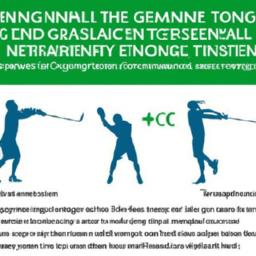
Kinematic Sequencing and Energy Transfer in the golf Swing: Assessment Techniques and Training Interventions
Segmental sequencing in the golf swing is the coordinated, proximal‑to‑distal activation of body segments that converts stored potential into clubhead speed.Efficient sequencing requires precise timing of pelvis rotation,trunk rotation,arm lag and wrist release so that angular velocity peaks cascade from hips → torso → arms → club. Biomechanically, this is described as a transfer of rotational energy through a kinetic chain where inter‑segmental torques and timing, rather than brute strength alone, determine ball speed and consistency. Emphasizing the temporal relationship between segments clarifies why two golfers with similar strength can produce very different outcomes when sequencing differs by as little as 20-30 milliseconds.
Assessment must combine kinematic and kinetic approaches to capture both motion and force. Common laboratory and field techniques include:
- 3D motion capture (marker or markerless) to quantify angular velocities and segment timing;
- Inertial measurement units (IMUs) for on‑course sequencing metrics and portability;
- force plates and pressure mats to record ground reaction forces and weight transfer;
- High‑speed video for qualitative sequencing checks and coaching feedback.
Triangulating these modalities improves diagnostic sensitivity: IMUs reveal on‑course behaviour, motion capture provides high‑resolution timing, and force measures quantify the dynamic drivers of rotation.
The following table summarizes concise, actionable metrics used to evaluate sequencing efficiency and energy transfer, suitable for both lab reporting and coach‑kind dashboards.
| Metric | What it indicates | Typical target |
|---|---|---|
| pelvis→Torso peak lag (ms) | Quality of proximal‑to‑distal timing | 20-40 ms |
| Peak angular velocity order | Correct cascade of segment velocities | Hips → Trunk → Arms → Club |
| Ground reaction impulse (N·s) | Contribution of lower body drive | Individualized; trending upward |
Interventions to optimize sequencing should be specific, progressive and measurable. Core components include:
- Neuromuscular drills (e.g.,med ball rotational throws) to reinforce correct timing and inter‑segmental coupling;
- Plyometric and reactive lower‑body work to increase rate of force development and improve ground force transfer;
- Rotational strength and eccentric control to manage deceleration forces and preserve lag through transition;
- Mobility sequencing (thoracic rotation,hip internal/external) to allow desired ranges without compensatory movements.
Progression should be criterion‑based (improvements in timing/velocity metrics) rather than solely time‑based.
From a measurement and program design standpoint, it is indeed essential to distinguish between kinematic descriptors (motion trajectories, velocities, timing) and dynamic quantities (forces, torques, impulses). in classical terms, kinematic analysis addresses “how segments move,” while dynamic analysis addresses “what forces produce that motion” – both are required to fully interpret energy transfer. Reliability, minimal detectable change and ecological validity (lab vs on‑course) must guide selection of tools, and training prescriptions should be validated by improvements in both biomechanical metrics and on‑course performance outcomes.
Rotational mobility and Thoracic spine Mechanics: Targeted Mobility Drills and Progressive Loading
Efficient golf rotation depends on coordinated motion around a relatively fixed longitudinal axis; in biomechanical terms, the thoracic spine is a primary contributor to angular displacement and segmental velocity during the swing. When thoracic axial rotation is limited, proximal segments (lumbar spine, hips, and shoulders) are forced into compensatory patterns that reduce energy transfer and increase tissue load. Clinicians and coaches should conceptualize thoracic mobility not as isolated versatility but as the capacity for controlled, high-velocity rotation integrated with breath, rib mechanics, and scapulothoracic position. Optimal thoracic mechanics thus balance segmental mobility, motor control, and the ability to tolerate rotational load.
Objective assessment guides targeted interventions: common markers of thoracic restriction include reduced seated rotation, asymmetrical rib flare, limited shoulder external rotation combined with scapular protraction, and spike in lumbar rotation during swing simulation. Recommended mobility drills focus on neurodynamic control and thoracic dissociation while preserving scapular stability. examples include:
- Quadruped Windmill – integrates pelvic stability with thoracic rotation.
- Foam-Roller Thoracic extensions with Rotation – restores sagittal and transverse plane motion.
- 90/90 Seated Rotations – isolates thoracic axial rotation without lumbar contribution.
- Band-Assisted Thoracic Dissociation – progressive external cueing for segmental control.
- Open-Book (Side-Lying) – low-load segmentation for early-stage mobility.
Each drill should be executed with emphasis on ribcage mechanics and breath timing to avoid lumbar substitution.
Progression from mobility to performance requires structured loading that respects tissue adaptation timelines. Begin with the phase of motor control and unloaded mobility, progress to loaded rotational strength and conclude with rate-of-force development (rotational power). A concise progression matrix clarifies translation to on-course demands:
| Phase | Focus | Example |
|---|---|---|
| Mobility | Segmental ROM, breathing | Open-book, foam roll |
| strength | Loaded control, anti-rotation | Landmine rotations, Pallof press |
| Power | Speed under control | Medicine-ball rotational throws |
Program variables should reflect the phase-specific goals: mobility work-short bouts, high quality, daily or every-other-day; strength-2-4 sets of 6-12 reps for rotationally loaded exercises, 2-3x/week; power-3-6 sets of 3-6 explosive reps, emphasis on intent and mechanics.Coaching cues should prioritize thoracic lead (“rotate through the chest”), ribcage orientation, and maintenance of neutral lumbar posture. Tempo control is critical: slow, controlled eccentric movement during strength phases and maximal intent in the concentric phase for power training.
Injury mitigation requires addressing adjacent segments: limited thoracic rotation frequently enough increases lumbar shear and shoulder impingement risk. Rehabilitation and performance plans must thus include scapular stability, hip mobility, and pelvic sequencing drills to ensure force is transferred through compliant, controlled segments. Monitor for pain-limited patterns and regress to unloaded dissociation drills when compensatory lumbar rotation or breath-hold patterns emerge. objective reassessment-ROM, rotational velocity, and quality of movement under load-should inform incremental increases in complexity and intensity to sustain gains and reduce re-injury risk.
Pelvic Stability and Hip Function: Strengthening Protocols to Enhance Power and Reduce Lumbar Stress
Functional rationale: The pelvis functions as the kinematic bridge that transmits force from the lower extremities into trunk rotation and ultimately the clubhead. When pelvic stability and hip mobility are optimised, energy flows through large hip musculature (gluteus maximus, medius) rather than being dissipated by compensatory lumbar motion. Conversely, inadequate control at the pelvis increases shear and repetitive rotational loading on the lumbar spine, degrading swing efficiency and elevating injury risk.
Primary targets for intervention: Effective protocols address both force production and positional control. Key targets include the hip extensors and abductors, hip external rotators, the deep trunk stabilisers (transverse abdominis, multifidus), and the pelvic floor complex. Clinically, pelvic dysfunction commonly presents with pain that can radiate into the back, hips or groin; this underscores the necessity of integrated training that restores coordinated motor control across these linked regions.
Progressive exercise framework: Implement a three-stage progression-activation, capacity, integration-with specific, measurable prescriptions. Example exercises include:
- Activation: glute bridge variations (including bridging with straight-leg raise), pelvic tilts, and pelvic-floor contractions (Kegel cueing) to restore recruitment patterns.
- Capacity: single-leg Romanian deadlifts, clamshells with resistance band, and banded lateral walks to build hip strength and frontal-plane control.
- Integration/Power: medicine-ball rotational throws, loaded hip hinges (kettlebell swings), and single-leg hops to transfer strength into high-velocity, golf-specific actions.
Prescribe intensity by sets/reps and sport-specific tempo: activation (2-3 sets × 10-15 reps), capacity (3-4 sets × 6-12 reps), integration (2-4 sets × 6-10 explosive reps).
Technique and coaching cues to protect the lumbar spine: emphasise a neutral pelvic alignment and a hip-dominant hinge during loading and rotation drills. Use intra-abdominal bracing rather than breath-holding, cue the athlete to initiate rotation from the hips not the lumbar segments, and maintain appropriate knee flexion on single-leg tasks to reduce anterior chain dominance. Incorporate low-back friendly regressions-such as the bridging with straight-leg raise-to reinforce trunk rigidity while permitting progressive limb challenge.
Sample exercise summary:
| Exercise | Primary Focus | Progression |
|---|---|---|
| Glute Bridge (with SLR) | Posterior chain activation, pelvic control | Band resistance → single-leg |
| Clamshell (band) | Hip external rotator strength | Higher resistance → side plank + abduction |
| Single-leg RDL | Hip-hinge control, balance | Bodyweight → load → tempo |
| Med-ball Rotational Throw | Power transfer through pelvis | Seated → standing → single-leg |
Monitor symptom response: persistent pelvic or radicular pain warrants clinical evaluation and may require modification of load, technique, or referral for medical assessment.
Shoulder Health and Scapular Control: Rehabilitation Principles and preventive Exercise Prescription
The shoulder complex in golf functions as a kinetic link between trunk rotation and clubhead velocity; consequently, optimal performance and injury prevention require precise scapulothoracic mechanics alongside glenohumeral integrity. Dysfunctional scapular positioning-characterized by excessive anterior tilt, downward rotation, or medial border prominence-alters rotator cuff length‑tension relationships, increases subacromial contact pressure, and degrades force transfer during the swing. Epidemiologic and clinical literature identify repetitive eccentric loading and microtrauma as key contributors to tendinopathy and impingement syndromes in golfers, reinforcing the need for targeted rehabilitation that prioritizes both mobility and dynamic stabilization.
Rehabilitation should follow a staged, criterion‑based model that emphasizes pain modulation, restoration of pain‑free range of motion, reestablishment of scapular motor control, and graduated loading of the rotator cuff and periscapular musculature.Core principles include: early neuromuscular re‑education (scapular indexing and timing), eccentric loading for tendinous resilience, and progressive sport‑specific conditioning that restores load tolerance in the deceleration and follow‑through phases. Objective assessment tools-scapular dyskinesis tests, handheld dynamometry for ER/IR ratios, and validated patient‑reported outcome measures-should guide progression and discharge decisions.
exercise selection must be biomechanically informed and reproducible. Prioritize low‑load, high‑quality movement before increasing intensity. Key targets are the serratus anterior for upward rotation and protraction control; the lower and middle trapezius for posterior tilt and retraction; and the external rotators for humeral head centering. Emphasize integrated drills that couple scapular control with trunk and hip engagement to mirror the kinetic chain demands of the golf swing.
- Serratus Wall Slides – pain‑free upward rotation with scapular protraction cueing.
- Prone Y/T/I raises – progressive loading for middle/lower trapezius recruitment.
- Banded external Rotation at 30° Abduction – strengthens rotator cuff in functional length.
- Closed‑Chain Serratus Push‑Ups – dynamic protraction under axial load to train deceleration control.
Return‑to‑play and prevention programming should be periodized within the golfer’s weekly workload: incorporate short scapular activation sequences into warm‑ups (2-3 sets of 8-12 reps), prescribe specific strengthening sessions 2-3 times per week with progressive resistance, and reassess every 4-6 weeks using strength ratios (ER/IR ≥ 0.66), pain numeric rating scales (≤2 with sport tasks), and qualitative scapular kinematics. The following concise table offers a practical phase‑based framework for clinicians and coaches to translate these principles into measurable checkpoints.
| Phase | Goal | Key Metric |
|---|---|---|
| Acute/Control | Pain reduction,ROM | Resting pain ≤3/10 |
| Re‑education | Scapular timing & motor control | Visible reduction in dyskinesis |
| Strengthen | Rotator cuff & periscapular load tolerance | ER/IR ratio ≥0.66 |
| Return to Swing | Sport‑specific tolerance & asymptomatic play | Pain ≤2 with full swing |
Neuromuscular Coordination and Motor Learning: Practice Structures to Improve Consistency and Adaptability
Skilled golf movement emerges from coordinated neural commands that sequence muscle activations, manage intersegmental dynamics, and adapt to ever-changing environmental constraints. Effective training targets not only muscular strength and range of motion but the neural processes that produce repeatable kinematic chains: timing, intermuscular coordination, and sensory reweighting. Emphasizing **temporal sequencing**, movement variability within task goals, and perception-action coupling accelerates acquisition of robust swing patterns that transfer across clubs, lies, and wind conditions.
Practice design should intentionally manipulate task, environment, and organism constraints to foster adaptable motor programs. Evidence-supported practice formats include:
- Blocked practice: repeated, low-variability reps to establish initial motor patterns and error reduction.
- Random/variable practice: interleaved tasks that promote contextual interference and retention.
- Constraint-lead approach: altering targets, equipment, or stance to guide self-association of efficient coordination.
- Differential learning: introducing systematic variability to enhance exploration and resilient control strategies.
Progressive periodization of these formats yields both short-term consistency and long-term adaptability. The following simple prescription synthesizes common objectives into actionable sessions:
| Practice Format | Primary Benefit | Typical Session Ratio |
|---|---|---|
| Blocked | Rapid error reduction; technical stability | 10-20% (early learning) |
| Random / variable | Retention, transfer across contexts | 50-70% (mid/late phases) |
| Constraint-led / Differential | Adaptive coordination, problem-solving | 20-40% (integrated throughout) |
Feedback and attentional strategies moderate how practice structures affect learning. Use **faded augmented feedback** (high initially, reduced over time) and prioritize knowledge of results for overall outcomes while employing selective knowledge of performance to correct persistent faults.Encourage an external focus (ball flight, target impact) to improve automaticity; incorporate dual-task and occlusion drills to cultivate robustness under competitive pressure. Mental imagery and action observation serve as low-load adjuncts to consolidate timing and sequencing without physical fatigue.
Objective monitoring closes the loop between neural adaptation and training prescription. Field-friendly tools (inertial sensors, launch monitors, video kinematics) track variability, tempo, and segmental sequencing, while specialized neuromuscular assessment (e.g., surface EMG, clinical neuromuscular screening available through institutional laboratories) can elucidate atypical activation patterns or pathologic contributors to poor coordination. Integrate regular objective checks into a performance dashboard to adjust practice structure, prevent overload, and ensure that gains in consistency do not come at the expense of adaptability.
Aerobic Capacity, Anaerobic Power, and Recovery: Conditioning Models for On‑Course Performance and Tournament Endurance
Aerobic endurance underpins prolonged on-course performance through maintenance of cognitive function, thermoregulation, and substrate delivery during multihour rounds. Empirical evidence indicates that improvements in VO2max and submaximal economy translate to reduced fatigue-related decrements in swing mechanics and decision‑making during the closing holes of tournament play.From a mechanistic perspective, enhanced capillary density and mitochondrial oxidative capacity delay the onset of peripheral fatigue, preserve postural control for repeated swings, and support faster recovery between moderate efforts such as walking between shots and short bursts of clubhead acceleration.
Complementary to aerobic conditioning, anaerobic power is critical for high‑velocity actions that define scoring opportunities: long drives, explosive pitch shots, and positional recovery. Development of phosphagen and glycolytic power improves the rate of force development and peak rotational velocity required for these discrete actions. Training emphases include short, high‑intensity efforts with long recoveries, plyometric loading targeted to the lower chain and trunk, and neuromuscular coordination drills that preserve swing kinematics under fatigue.
Contemporary conditioning models advocate an integrated approach that periodizes aerobic and anaerobic stimuli to mirror tournament demands.Effective microcycles combine steady‑state aerobic sessions for volume, interval training (e.g., 30/90s work:rest or repeated 60-90s high‑intensity efforts) to elevate anaerobic threshold, and power sessions (e.g., ballistic med‑ball throws, loaded rotational lifts) for rate of force development. Strength endurance work (moderate loads, 12-20 repetitions) is interleaved to maintain muscular resilience during multi‑round competitions while minimizing hypertrophic compromise to swing mechanics.
Recovery modalities are as integral as loading strategies; optimized recovery preserves training adaptations and reduces injury risk. Practically, this includes structured active recovery (low‑intensity aerobic work), periodized sleep extension during peak competition, targeted nutrition to replenish glycogen and support repair (timed carbohydrate‑protein ingestion), and autonomic monitoring (heart‑rate variability) to individualize load.Empirically supported adjuncts-contrast baths for localized inflammation, compression for venous return, and controlled cryotherapy-should be applied selectively within a monitored framework to avoid blunting desirable training signals.
Implementation requires simple, evidence‑based templates and objective monitoring.Below is a concise weekly example and a checklist of key session types to inform programming for a typical tournament preparatory week.
- Endurance session: 30-45 min steady state at 60-70% HRmax
- HIIT session: 6×60s high effort with 2-3 min active recovery
- Power session: 3-5 sets med‑ball rotational throws + speed deadlifts
- Recovery day: 20-30 min walk, mobility, sleep hygiene focus
| Day | Primary Focus | Example Session |
|---|---|---|
| Mon | Aerobic base | 40 min steady walk/jog (60% HRmax) |
| wed | HIIT & recovery | 6×60s efforts, 3 min active recovery |
| Fri | Power & mobility | Med‑ball throws + dynamic trunk work |
Periodization and Load Management for Golfers: Structuring Strength, Power, and Skill Phases
Effective long-term physical readiness for golf requires the intentional sequencing of training stimuli to develop *strength, power,* and *skill* without provoking maladaptive fatigue. Periodized models-whether linear, undulating, or block-provide a structured framework to manipulate volume, intensity, and specificity across macro-, meso-, and microcycles. When applied to golfers, this approach prioritizes tissue resilience and rotational force production early in a cycle, transitions to high-velocity transfer work, and culminates in low-volume, high-skill exposures timed for competition demands.
Block periodization, in particular, aligns well with the transfer hierarchy essential to golf performance. Typical blocks can be described as:
- Accumulation: Emphasis on general strength, hypertrophy, and movement quality to build a robust platform.
- Transmutation: Conversion of strength into rate-of-force development and rotational power via ballistic and loaded explosive work.
- Realization: Low-volume, high-skill integration with on-course simulation and tournament tapering to express prepared qualities.
Managing load within and between these blocks relies on systematic modulation of training variables and simple objective/subjective monitoring. Use progressive overload during accumulation, rapid but controlled intensity escalation during transmutation, and strategic volume reduction during realization. The table below illustrates a representative microcycle in a mid-preparation mesocycle, demonstrating concurrent emphasis while prioritizing one quality per week.
| Day | Strength | Power | Skill | Volume |
|---|---|---|---|---|
| Mon | Heavy compound | – | Short game drills | High |
| Wed | Moderate | Med-load ballistic | impact timing | Moderate |
| Fri | Light | Max velocity | On-course simulation | Low |
| Sun | Recovery | Mobility | Technique review | Very Low |
Deliberate recovery strategies and load management are non-negotiable to maintain chronic adaptations and reduce injury risk. Integrate scheduled deload weeks, quantify practice vs. gym load (e.g., session duration, RPE), and employ targeted prehabilitation for the lumbar spine, hips, and shoulders.For in-season athletes, favor undulating or maintenance-oriented models that reduce cumulative volume while preserving power and accuracy through frequent, low-fatigue technical sessions.
Practical implementation should be individualized: typical mesocycle lengths range from 3-6 weeks per block with a 1-2 week realization/taper before peak events. Prioritize assessment-driven progression,and adjust modality depending on competitive schedule,player age,and training history. Key operational principles include:
- Individualization: tailor block length and intensity to the athlete’s resilience and recovery capacity.
- Specificity: emphasize rotational power and rate-of-force development in proximity to competition.
- Monitoring: track training load, wellness scores, and shot-quality metrics to guide load adjustments.
Injury Risk Screening and Return to Play Criteria: Evidence-Based Assessment Tools and Clinical Decision Framework
A structured, evidence-based screening paradigm is essential to reduce injury risk and to guide safe return-to-play decisions for golfers across the lifespan. Contemporary models emphasize objective measurement over intuition: standardized history taking, targeted physical examination, validated patient‑reported outcome measures, and sport‑specific functional tests together create a reproducible risk profile. Integrating public health resources-such as NIAMS guidance on musculoskeletal disorders-supports clinicians in recognizing underlying pathology that may alter management (such as, bone‑related disease or growth‑plate vulnerability in younger athletes). Risk stratification should thus be explicit, reproducible, and documented to inform both training and clinical decisions.
Comprehensive screening begins with a systematic clinical algorithm that detects both common overuse syndromes and less frequent but high‑risk conditions. Key elements include:
- Detailed history: symptom onset, aggravating/relieving factors, prior injuries, and red flags for systemic bone disease.
- Red flag query: indicators of osteonecrosis, progressive neurological signs suggestive of spinal stenosis, and growth‑plate symptoms in adolescents.
- baseline PROMs: pain scales, function-specific questionnaires, and region‑specific disability indices to quantify change over time.
These components prioritize early detection of conditions that NIAMS identifies as requiring distinct management or referral pathways.
Objective assessment tools should be selected for reliability,validity,and sport relevance. Core domains include rotational range of motion, trunk and hip strength, single‑leg balance, and dynamic control during a simulated swing.Recommended instruments and tests include the Y‑Balance for lower‑extremity control, handheld dynamometry or isokinetic testing for strength symmetry, force‑plate metrics for weight‑shift and impulse, and high‑speed video/biomechanical analysis for kinematic deviations. Thresholds should be pre‑specified (e.g., limb symmetry index ≥ 90%, pain‑free active rotation within normative range) and interpreted within the clinical context rather than as absolute absolutes.
Clinical decision frameworks for return to play emphasize staged progression and objective gates for advancement. The three commonly adopted phases are: Clinical Recovery (resolution of alarming signs, controlled pain), Functional Restoration (restored strength, ROM, neuromuscular control), and Sport‑Specific Readiness (reproducible, pain‑free swing under progressive load). The table below summarizes exemplar criteria used to clear athletes for each phase.
| Domain | Objective Measure | Typical Pass Criterion |
|---|---|---|
| Strength | Isometric/Isokinetic test | LSI ≥ 90% |
| Balance/Control | Y‑Balance composite | Within normative age/gender range |
| Pain | Numeric Pain Rating | ≤ 2/10 at load |
| On‑Course Simulation | Progressive swing sets | No symptom provocation |
Operationalizing screening and RTP decisions requires multidisciplinary coordination,scheduled re‑screening,and obvious documentation. Coaches, physiotherapists, and sports physicians should align on objective thresholds, individualized progression plans, and contingency triggers (e.g., recurrent night pain, neurological change, or imaging‑confirmed bone pathology). Clinicians must also recognize conditions that warrant specialist referral-NIAMS resources on osteonecrosis, spinal stenosis, growth‑plate injuries, and broader muscle & bone diseases provide useful red‑flag criteria and management pathways. Ultimately, a data‑driven, phased approach reduces re‑injury risk while optimizing return timing and long‑term athlete health.
Q&A
Note: the supplied web search results returned unrelated forum links and did not provide scientific sources specific to golf biomechanics, physiology, or training.The following Q&A is therefore compiled from contemporary evidence-based principles in sports biomechanics and exercise physiology as they apply to golf,and is presented in an academic,professional style.Q1. What are the primary biomechanical determinants of golf performance?
A1. Primary biomechanical determinants include: coordinated segmental sequencing (the kinematic sequence: pelvis → torso → arms → club), rotational separation between pelvis and thorax (X-factor), effective use of ground reaction forces and lower-limb drive, appropriate clubhead centre-of-mass path and face orientation at impact, and minimization of energy leakage through inefficient joint motion. These determinants collectively influence clubhead speed, ball launch conditions, and shot consistency.
Q2. What is the kinematic sequence and why is it crucial?
A2. The kinematic sequence describes the timed peak angular velocities of body segments during the downswing: pelvis peaks first, followed by thorax, then upper arm/forearm, and finally the club. An optimal proximal-to-distal sequence maximizes transfer of angular momentum to the distal segments and ultimately to the clubhead, increasing velocity at impact while reducing compensatory loads on smaller structures.
Q3. how do ground reaction forces (GRFs) contribute to swing mechanics?
A3. GRFs provide the external force vectors that permit transfer of linear and rotational momentum from the lower body to the torso and club.Effective weight shift, push-off, and braking actions from the lead leg contribute to surge and rotational torque, augmenting clubhead speed. Force-timing synchronization with the kinematic sequence is critical for efficiency.
Q4. Which physiological attributes are most relevant to golf performance?
A4. Relevant attributes include muscular strength (especially rotational and lower‑body), power (rate of force development and rotational power), mobility and tissue compliance (thoracic rotation, hip internal/external rotation, shoulder ROM), postural and dynamic stability (single-leg balance, trunk control), and aerobic capacity for recovery over rounds and tournaments. neuromuscular coordination and reaction control are also important for consistency and adaptation.
Q5. Which energy systems does golf use?
A5. Golf primarily relies on the phosphagen (ATP-PCr) and anaerobic alactic systems for individual shots and swing efforts, given their short duration and high power. Over the course of a round, repeated short efforts and walking rely on aerobic metabolism for recovery between efforts and for overall endurance, making both anaerobic power and aerobic conditioning relevant.
Q6. What role does flexibility and mobility play, and where should clinicians and coaches focus?
A6. Mobility in the thoracic spine,hips (especially lead hip internal rotation and trail hip external rotation),shoulder girdle,and ankles is vital for achieving optimal swing positions (e.g., hip-shoulder separation) and for reducing compensatory motions that increase injury risk. Interventions should target joint-specific ROM deficits that limit the desired kinematic sequence while preserving or improving strength and stability through available ranges.
Q7. How should strength and power training be prioritized for golfers?
A7. Prioritize: 1) foundational multi-joint strength (squat/hip hinge, unilateral leg strength), 2) rotational strength and anti-rotation/core control (Pallof press variations, chops/lifts with progression), and 3) ballistic/power exercises that reflect golf’s force-velocity profile (medicine-ball rotational throws, cable/resisted rotational swings, loaded jump/plyometric work). Progressive overload, specificity (rotational plane emphasis), and emphasis on rate of force development are essential.
Q8. What evidence-based principles guide program design for golfers?
A8. Core principles: specificity (train force vectors and velocities relevant to the swing), progressive overload, periodization and tapering for competition, balance of strength/power/mobility/stability work, individualized load management, and incorporation of recovery strategies. Monitor objective performance metrics and subjective readiness to adjust training.
Q9. how can clinicians screen golfers to identify limitations and injury risk?
A9. Combine movement and physical screens: thoracic rotation (seated/standing),hip internal/external rotation,lead hip internal rotation with knee flexed,single-leg balance and hop tests,Y-Balance Test,overhead squat or other movement screens (e.g., Selective Functional Movement Assessment components), seated trunk rotation power or medicine-ball throw tests, and simple strength ratios (e.g., rotational asymmetry, single-leg strength symmetry). Pair with history taking focused on prior injuries, training load, and swing mechanics.
Q10. What are the most common injuries in golfers and their biomechanical contributors?
A10. Common injuries: low back pain, medial and lateral epicondylitis (golfer’s and tennis elbow), rotator cuff and shoulder impingement, wrist injuries, and knee problems. Biomechanical contributors include poor pelvic-thoracic sequencing (increased shear and torsional loading of lumbar spine), inadequate lower-limb contribution, excessive side-bend or lateral flexion during swing, limited hip or thoracic mobility leading to compensatory lumbar rotation, and rapid increases in practice volume or impact loads.
Q11. What are evidence-based strategies to reduce injury risk?
A11. Strategies: correct swing faults that create harmful loading patterns,improve thoracic and hip mobility to reduce lumbar compensation,build lower-limb strength and stability to facilitate force transfer,develop core control for anti-rotation and extension resistance,incorporate progressive warm-up and workload increases,use monitoring and periodization to avoid sudden load spikes,and address sport-specific conditioning deficits (e.g., eccentric control of trunk and shoulder decelerators).
Q12. How should a warm-up for golf be structured?
A12. Warm-up should: 1) progress from whole-body aerobic activation (5-8 min walking/light cycling) to dynamic mobility (thoracic rotations, hip openers), 2) include neuromuscular activation (glute bridges, single-leg balance, band-resisted swings), 3) incorporate progressive speeded movement patterns (submaximal swings, medicine-ball rotational throws), and 4) finish with practice-specific rehearsal (gradually increasing swing speed). Total duration 10-20 min, individualized.
Q13. What objective measures best track performance improvements from training?
A13. Key measures: clubhead speed and ball launch parameters (ball speed, spin, launch angle) obtained via launch monitor or radar; rotational power (medicine-ball throw distances or velocity); single-leg force/power output (jump tests, force-platform symmetry); mobility measures (thoracic rotation degrees, hip internal rotation); and functional tests (Y-Balance, time to stabilization). Use consistent testing conditions and track effect sizes over time.
Q14. What technological tools are most useful for biomechanical assessment in golf?
A14. High-utility tools: radar or photometric launch monitors for club/ball metrics; 3D motion capture and inertial measurement units (imus) for segment kinematics and kinematic sequencing; force plates for GRFs and timing; high-speed video for qualitative kinematic assessment; and isokinetic or dynamometry for strength profiling.Tool selection should consider validity, feasibility, and the question being asked.
Q15. how should training differ between competitive and recreational golfers?
A15. Competitive golfers require higher specificity, greater volume of power and speed work, structured periodization to peak for events, and more intensive monitoring. Recreational golfers benefit from balanced improvements in mobility, general strength, and moderate power training with emphasis on injury prevention and practicality. Both groups require individualized programming based on baseline assessments and goals.
Q16. What are practical programming recommendations for an 8‑week mesocycle aimed at increasing clubhead speed?
A16.Example structure (2-4 sessions/week):
– Weeks 1-2 (Foundations): 2 strength sessions (lower-body and posterior chain emphasis: squats, deadlifts variations, single-leg RDLs; core anti-rotation), 1 mobility/stability session, power drills with light med-ball throws (2-3 sets of 6-8), and aerobic maintenance.
– Weeks 3-5 (development): Increase load for strength (3-5 sets of 4-6 reps), introduce ballistic rotational med-ball throws (3-5 sets of 4-6), sprint/power lower-limb plyometrics, continued mobility work.
– Weeks 6-8 (Power/Transfer): Reduce strength volume, increase speed-focused power work (heavy-to-light contrast sets, Olympic lift derivatives if trained), high‑velocity rotational throws, on-course simulation, taper volume in final week before competition/prior testing.
In all phases progress specificity: resistive rotational exercises, unilateral leg strength, and integrate swing speed monitoring.
Q17. How should older golfers be managed differently?
A17. For older golfers, emphasize preservation of muscle mass and function (resistance training to counter sarcopenia), joint-friendly loading and progressive adaptation, mobility to maintain safe ranges, balance and fall-prevention exercises, and careful monitoring of comorbidities (cardiovascular clearance as needed). Use lower initial loads, longer recovery, and frequent reassessments.
Q18.what considerations apply to junior golfers?
A18. Prioritize movement competency, technique, and neuromuscular development over maximal loading. Strength training is safe when age-appropriate and supervised, emphasizing bodyweight and progressively loaded multi-joint lifts with high-quality technique. monitor growth-related changes and avoid specialization and excessive repetitive hitting that increase overuse injury risk.
Q19. Are there sex-specific considerations in golf fitness?
A19. Physiological sex differences (e.g., average absolute strength and power, pelvic anatomy) may influence training emphasis. Female golfers may benefit from targeted lower-body power development, trunk/shoulder stability, and bone health strategies. However, individual assessment is paramount; training principles remain the same-progressive, specific, and individualized.
Q20. How should return-to-play after injury be approached?
A20. Return-to-play should be criterion-based, not time-based. Criteria include resolution of pain with sport-specific movements, restoration of relevant ROM and strength (typically ≥90% limb symmetry where applicable), triumphant completion of progressive sport-specific loading and functional tests (e.g., repeated swings with increasing power, simulated play), and clinical clearance. Gradual reintegration into full practice with load monitoring is essential.
Q21. What are common misconceptions about golf fitness?
A21. Common misconceptions: (1) Flexibility alone will increase swing speed-strength and power are equally or more important; (2) Golf is low‑intensity and does not require structured conditioning-it requires power, endurance across a round, and injury prevention strategies; (3) Only the torso produces speed-effective transfer from lower limbs through coordinated sequencing is crucial.
Q22. What are key research gaps and future directions?
A22. Gaps include: longitudinal randomized trials comparing training modalities specific to golf performance, dose-response studies for rotational power training, sex- and age-specific normative values for biomechanical and physiological tests, and translational research linking specific biomechanical changes to injury incidence reduction. Improved field‑valid measurement tools for kinematic sequencing and loading in ecologically valid settings are also needed.
Q23. What are concise practical takeaways for coaches and clinicians?
A23. Assess deficits in mobility, strength, and sequencing; prioritize lower-limb strength and rotational power; use progressive, specific training that reflects the swing’s force-velocity demands; incorporate mobility and anti-rotation core control to protect the lumbar spine; use objective measures (clubhead speed, med-ball throws, single-leg tests) to track progress; and individualize training load and recovery.
If you would like, I can convert this Q&A into: 1) a shorter executive summary for clinicians, 2) a player-facing version with practical drills, or 3) a citation-backed literature review. Which do you prefer?
Closing Remarks
advancing golf performance and reducing injury risk requires an integrative approach that synthesizes biomechanical precision, physiological conditioning, and sport-specific training methodologies. Biomechanical analyses elucidate the movement patterns and segmental interactions that underlie efficient ball-striking and energy transfer; physiological profiling (aerobic, anaerobic, strength and power, flexibility, and neuromuscular control) clarifies the substrate on which those patterns depend; and evidence-based training-characterized by specificity, progressive overload, periodization, and individualized adaptation-translates insight into durable performance gains.
For practitioners, the implication is clear: assessments and interventions should be multidimensional, using validated screening tools (movement screens, strength/power tests, and workload monitoring) to inform tailored programs that balance performance enhancement with injury mitigation. Integration of technology (motion capture, force measurement, wearable sensors) and rigorous monitoring can improve precision, but must be interpreted within the broader clinical and coaching context.
Future research should prioritize longitudinal and intervention studies that evaluate transfer from laboratory-derived metrics to on-course outcomes,clarify dose-response relationships for golf-specific conditioning,and determine optimal strategies for different stages of the athlete lifecycle. Multicenter trials and consistent reporting standards will strengthen the evidence base and support translation into practice.
Ultimately,optimizing golf fitness is an iterative,interdisciplinary endeavor: sustained performance improvements and safer participation are most likely when biomechanical insight,physiological training principles,and pragmatic coaching coalesce within individualized,evidence-informed programs.