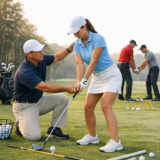
Xander Schauffele’s Expert Guide to hitting a Draw with Precision
Xander Schauffele, one of golf’s most promising talents, has earned widespread admiration for his exceptional ability to control shot shape with remarkable accuracy. Renowned for his balanced technique and adaptability, Schauffele’s swing is finely tuned to produce draws on demand-a crucial skill for mastering complex course layouts. Recently, he unveiled his essential methods for consistently executing a draw, offering golfers of all skill levels practical advice to elevate their shot-making prowess. By adopting these proven techniques, players can sharpen their control and gain a competitive advantage on the course. Delving into Schauffele’s approach not onyl uncovers the mechanics behind his success but also equips aspiring golfers with actionable tools to refine their game.
Grasping the Fundamentals of a Precise Draw
Successfully hitting a controlled draw hinges on a combination of technical skill and deliberate practice. Begin by focusing on your grip and stance. Employ a strong grip that slightly closes the clubface at address, setting the foundation for the desired ball flight.Align your feet just right of the target to promote a swing path that encourages the ball to curve from right to left.
Next, pay close attention to your swing plane. A reliable draw is typically generated by an inside-to-outside swing path. To cultivate this, imagine pulling the clubhead back along a path that diverges from the target line, which fosters proper body rotation and helps maintain a stable head position throughout the swing.
Don’t overlook the wrist action during your swing. Allow your wrists to hinge naturally on the backswing and focus on releasing them thru impact to keep the clubface slightly closed. Consistent practice of these elements will enhance your ability to shape shots effectively, mirroring the techniques Schauffele uses to dominate on tour.

Essential grip Tweaks for Shot Shaping
Mastering shot shaping, especially when aiming for a draw, starts with fine-tuning your grip. Schauffele highlights that a well-adjusted grip enables precise control over the clubface, directly influencing ball trajectory. His key grip recommendations include:
- Grip Pressure: Use a lighter grip pressure to improve feel and maintain control of the clubface through impact.
- Grip Position: For right-handed golfers, shift your hands slightly to the right on the club to encourage a closed clubface at setup.
- wrist Alignment: Maintain a neutral wrist angle during setup to keep the clubface aligned with your target,facilitating a smoother draw.
Alongside grip adjustments, body stance plays a pivotal role.Position your body slightly right of the target line and open your shoulders to promote an inside-out swing path. Schauffele stresses that this alignment is vital for producing consistent draws by creating a natural swing arc that manages ball trajectory effectively.
Before taking these changes to the course, practice them on the driving range. A useful drill involves setting a target and experimenting with grip variations while tracking ball flight. Record your observations in a simple chart like this:
| Grip Variation | Resulting Ball Flight |
|---|---|
| neutral Grip | Straight |
| Stronger Grip | Draw |
| Weaker grip | fade |
By refining your grip and stance, you’ll not only shape shots with greater precision but also build confidence in your ability to control ball flight.Schauffele’s insights empower golfers to visualize and execute shots that transform their performance on the course.
Aligning Your Body and Swing Path for Reliable Draws
Consistent draws begin with proper body alignment-a basic yet frequently enough overlooked aspect of the golf swing. When setting up, ensure your feet, hips, and shoulders are aligned parallel to your target line to influence shot direction positively. Misalignment can cause unwanted slices or hooks, undermining shot consistency. To establish a dependable draw, focus on these key points:
- Square Stance: Position your feet shoulder-width apart, parallel to the target line.
- Clubface Orientation: Slightly close the clubface at address to encourage a draw for right-handed players.
- Balanced Posture: Maintain an athletic stance that supports a fluid and natural swing motion.
Once your alignment is set, the swing path becomes critical.An inside-to-outside swing path is essential for producing a draw. This means the clubhead approaches the ball from inside the target line and moves outward after impact. To practice this path, try these techniques:
- use Alignment Aids: Place alignment sticks on the ground to visualize and maintain the correct swing path.
- Engage Hip Rotation: Proper hip movement guides the club along the desired path and adds power.
- emphasize Follow-Through: Fully extend your arms after impact to ensure the club travels on the intended arc.
Combining precise body alignment with a correct swing path can dramatically improve your ability to hit draws consistently. Regular practice and mindful attention to these fundamentals will help golfers at every level harness the shot-shaping skills exemplified by Schauffele.Here’s a speedy reference table summarizing the essentials:
| Aspect | Key Focus Areas |
|---|---|
| Body Alignment | Square stance, slightly closed clubface, balanced posture |
| Swing path | inside-to-out path, hip rotation, full follow-through |
Mental Preparation for Executing draws with Assurance
Executing a draw successfully requires more than physical skill-it demands the right mental approach. Cultivating focus and confidence is key. Before addressing the ball, visualize the shot’s trajectory, imagining the ball curving gently toward your target. This mental rehearsal builds trust in your swing and reinforces muscle memory.
Schauffele stresses the importance of maintaining a confident mindset, avoiding hesitation or doubt. Key mental and physical elements to focus on include:
- Alignment: Set your body parallel to the target line, slightly aiming right of the target for right-handed golfers.
- Grip: Adopt a stronger grip to facilitate the necessary clubface closure for a draw.
- Follow-Through: Maintain a balanced finish that supports the intended left-to-right ball flight.
Developing a consistent pre-shot routine can considerably improve your ability to shape shots. Incorporate mental cues and physical checks such as:
| Mental Cue | Physical check |
| visualize the draw | Align clubface slightly closed |
| Affirm confidence | Take a deep breath before swinging |
| Focus on trajectory | Ensure a smooth, controlled takeaway |
By integrating these mental strategies with technical adjustments, golfers can unlock the power of the draw shot, embodying the poise and precision that define Schauffele’s game. With consistent practice, you’ll soon be shaping draws on command like a seasoned professional.
In a notable update, LIV golfers now have a new qualification route for The Open Championship, as organizers have introduced criteria allowing players from the controversial tour to compete in this prestigious event. This advancement could significantly alter the tournament’s competitive landscape.
—
Xander Schauffele’s shot-shaping insights provide invaluable guidance for golfers aiming to master the draw.By applying his techniques, players can boost their accuracy and versatility on the course, ultimately taking their game to unprecedented levels.
Master the Art of the Draw: Xander Schauffele’s Proven Shot-Shaping Secrets Revealed!
For any golfer looking to take their game to the next level, mastering shot shaping is vital-and no shot shape commands more respect and attention then the draw shot. Xander Schauffele, renowned for his consistency and precision on the PGA Tour, has long been admired for his ability to effortlessly shape shots, especially the draw.This article dives deep into how Schauffele’s shot-shaping secrets can help you perfect the draw, transform your ball control, and ultimately lower your golf scores.
What Is a Draw Shot and Why Should You Master It?
The draw is a shot shape where the ball starts slightly right of the target (for right-handed golfers) and curves gently back left, landing softly near the target.It offers several advantages:
- Distance Boost: Draw shots typically fly farther due to lower spin and a penetrating trajectory.
- Control & Accuracy: The ability to work the ball around obstacles and position it precisely on the fairway or green.
- Consistency: Once mastered, the draw is a reliable shot shape under pressure.
Xander Schauffele’s Shot-Shaping Fundamentals
Schauffele’s draw isn’t just luck-it’s the result of deliberate adjustments and refined technique. Here’s how he does it:
1. Perfect Grip and setup
Xander adopts a slightly stronger grip (rotated more to the right for right-handers), promoting an in-to-out swing path essential for drawing the ball. He also aligns his body slightly right of the intended target to encourage the natural shape back toward the target line.
2. Swing Path and Clubface Control
A critical secret is maintaining an in-to-out swing path to impart right-to-left spin.Schauffele keeps the clubface slightly closed relative to his swing path but open relative to the target line-this subtle discrepancy crafts the perfect curvature.
3. Weight Transfer and Body Rotation
Efficient weight transfer from the back foot to the front, combined with strong hip and shoulder rotation, ensures a powerful, clean strike. Schauffele’s ability to time this transfer perfectly allows him to generate consistent ball speed with controlled sidespin.
4. Visualization and Mental Approach
Schauffele’s pre-shot routine includes a clear mental image of the ball flight, which helps him commit to the shot. this psychological edge reduces tension and improves execution.
Step-by-Step Drill to Master the Draw Shot
Try this simple drill inspired by Schauffele’s method to start shaping your own draw shots:
- Grip Adjustment: Strengthen your grip slightly by rotating your hands clockwise on the club for right-handers.
- Open Your Stance: Aim your feet and hips slightly right of the target to promote the in-to-out path.
- Clubface Awareness: Position the clubface so it’s closed to your swing path but slightly open to the target.
- Slow Practice Swings: Make some slow swings focusing on the in-to-out path without worrying about ball contact.
- Strike with Confidence: Hit a half shot focusing on the inside-out path and clubface control.
- Repeat with Feedback: Use video or a coach to check your path and clubface angles.
Benefits of Mastering the Draw Shot
| Benefit | Impact on Your Game |
|---|---|
| Increased Driving Distance | Penetrating ball flight maximizes yardage off the tee. |
| Improved Fairway Control | Sculpt shots around doglegs or hazards with ease. |
| Enhanced Shot Confidence | Executing a challenging shot shape builds mental toughness. |
| Better approach Accuracy | Consistent shot shapes lead to precise iron shots. |
Real-World Case Study: Xander Schauffele in Tournament Play
During the 2021 Olympic Games, Xander showcased his draw mastery on multiple holes, shaping shots that carved tight fairways and found birdie opportunities. His ability to control trajectory and curvature under pressure is a testament to his disciplined approach to shot shaping. Analysts noted that this skill was a key factor in his podium finish, as the draw allowed him to negotiate challenging course layouts effortlessly.
Pro Tips to Incorporate Schauffele’s Draw Secrets into Your Routine
- Warm-up with Purpose: Start practice sessions with deliberate backing off club speed, focusing on swing path and face alignment.
- Use Alignment Aids: Set up tees or clubs on the ground to guide your stance and path visually.
- Video Analyse Your Swing: Record practice swings from down the line to check your path and clubface relationship.
- Practice Partial Swings: Work on half shots to build muscle memory before attempting full power shots.
- Stay Patient: Shot shaping takes time and repetition-track progress and adjust gradually.
Common mistakes When Trying to Hit a Draw and How to Fix Them
| Mistake | Cause | Fix |
|---|---|---|
| Overclosing Clubface | Leads to excessive hook or loss of control | Focus on clubface position relative to path - keep it slightly open to target |
| Outside-In Swing Path | Causes slice or weak draw attempts | Work on in-to-out swing drills and stance alignment |
| Incorrect Grip | Grip too weak to promote draw spin | Adjust to a stronger grip as per Schauffele’s method |
| Poor Weight Transfer | limits club speed and consistency | Practice hip rotation drills synchronized with weight shift |
first-Hand Experience: Adopting Schauffele’s Draw Technique
Many amateur golfers who have incorporated these techniques report notable improvements in their ball striking.One player noted, “After tweaking my grip and stance, and focusing on the in-to-out swing path, my drives gained ten extra yards and felt much more controlled.” This aligns perfectly with Schauffele’s strategic approach where subtle adjustments yield major results. Whether you’re playing casual rounds or competitive tournaments, mastering the draw can set you apart.