Golf performance emerges from teh dynamic interplay of movement mechanics, physiological capacity, adn systematic training. Advances in biomechanical analysis have clarified the kinematic and kinetic determinants of an efficient golf swing, while physiological and motor-control research has delineated the relative contributions of strength, power, mobility, and endurance to shot distance, accuracy, and consistency (see [1], [2], [3]). At the same time,applied sports science – including psychology,nutrition,and data analytics – offers tools to translate laboratory findings into individualized,field-ready programs that both enhance performance and reduce injury risk (see [4]). Framing golf fitness as an integrative discipline acknowledges that improvements in swing quality and competitive outcomes depend as much on coordinated physical planning and recovery as on technical refinement.
This article synthesizes contemporary evidence from biomechanics, exercise physiology, and training science to develop a practical, evidence-based framework for integrative golf fitness. it examines biomechanical markers linked to superior swing mechanics, identifies physiological qualities moast predictive of performance, and reviews training principles – assessment, periodization, and specificity – that optimize transfer to on-course outcomes. Emphasis is placed on translating research into practice through objective assessment, individualized program design, and monitoring strategies that align technical coaching with conditioning. By bridging theory and submission, the goal is to provide practitioners and athletes with a coherent roadmap for improving performance, resilience, and longevity in golf.
Foundations of Golf Biomechanics: Kinematic Sequencing, Joint Loading and Assessment Techniques
Efficient transfer of mechanical energy in the golf swing follows a reproducible proximal-to-distal pattern: pelvis rotation initiates velocity transfer to the thorax, which in turn accelerates the upper limbs and club. This kinematic sequencing is characterized by temporally staggered peaks of angular velocity across segments and by coordinated intersegmental coupling that minimizes energy dissipation. Quantitatively, the magnitude and timing of segmental angular velocities, pelvis‑thorax separation (“X‑factor”), and the rate of increase in club angular velocity are primary biomechanical markers linked to ball speed and consistency. Emphasis should be placed not only on peak values but on the relative timing (phase relationships) that determines whether kinetic energy is transmitted or absorbed by intermediate segments.
Joint loading during high‑velocity swings imposes mixed loading patterns-compressive, shear and torsional-on the lumbar spine, glenohumeral complex, lead elbow and lead knee. The lumbar spine often experiences high compressive and anterior shear forces during transition and follow‑through, with eccentric control of trunk musculature mitigating impulsive loads. Shoulders are subjected to combined rotational torque and axial load during late cocking and acceleration; the lead elbow endures valgus and axial stresses especially in high‑speed players. Clinical implications include the need to distinguish between overload from poor sequencing versus deficits in local tissue capacity,sence training strategies differ for neuromuscular control deficits versus structural vulnerability.
Common assessment techniques integrate laboratory and field measures to capture both kinematics and tissue loading. Useful tools include 3D motion capture and inertial measurement units for sequencing and timing,force plates for ground reaction force profiles,surface EMG for activation patterns,and clinical screens for range of motion,strength and motor control. The table below summarizes pragmatic assessment modalities and the principal insights they provide.
| Assessment Tool | Primary Metric | clinical Insight |
|---|---|---|
| 3D Motion Capture / IMUs | Segment angular velocity & timing | Sequencing faults; late acceleration |
| Force plate | Ground reaction force vectors | Weight shift; force transfer deficits |
| EMG | Muscle activation timing | Neuromuscular sequencing; asymmetries |
| ROM & Strength Tests | Joint angles; torque outputs | Tissue capacity; mobility restrictions |
Translating assessment into training requires prioritized, measurable objectives: restore or amplify proximal drive, optimize temporal sequencing, and raise local tissue capacity to tolerate sport‑specific loads. Evidence‑based interventions pair neuromuscular re‑education (tempo drills, segmented isolation drills) with progressive overload (rotational medicine ball power, eccentric trunk work) and targeted mobility/strength prescriptions derived from assessment deficits. Use objective benchmarks-e.g., improved pelvis‑thorax peak separation timing, normalized force‑time ground reaction profiles, or increased rotational power output-as decision rules for progression and return‑to‑play, thereby linking biomechanics directly to periodized training outcomes.
Translating Biomechanics Into Practice: Swing Modification Strategies and drills to Improve Sequencing and power
Effective translation of kinematic principles into on-course enhancement requires targeted modifications that preserve the proximal‑to‑distal sequencing and enhance intersegmental energy transfer. Emphasize **pelvis rotation initiating the downswing**, controlled deceleration of the torso, and timely arm release to maximize clubhead velocity while minimizing shear at the lumbar spine. Small, repeatable changes-such as increasing pelvis‑shoulder separation at the top of the backswing and resisting early upper‑body unwinding-produce measurable gains in power as they lengthen the elastic storage phase and improve the timing of peak segmental angular velocities.
- Drill: Step‑through stride – reinforces lower‑body lead and corrects early arm cast.
- Drill: Medicine ball rotational throws – integrates force generation with proximal‑to‑distal sequencing.
- Drill: Pause‑and‑go at transition – trains delayed upper‑body release and improves timing.
Practical drills should be selected and progressed according to objective metrics and individual deficits. Use short, specific routines (6-12 reps, focus on quality) and embed them within warm‑ups and training sessions. The following compact reference provides a sample triage for drill selection based on the primary biomechanical target:
| Drill | Primary Target | Key Coaching Cue |
|---|---|---|
| Step‑through stride | Sequencing (lower‑body lead) | “Lead with hips, keep arms long” |
| Med‑ball rotational throw | Power & transfer | “Explode from core to hands” |
| Pause at transition | Timing & deceleration | “Hold, then rotate fast” |
Integrating these modifications into a training plan demands concurrent neuromuscular, mobility, and force‑development work. Monitor progress with simple field tests-clubhead speed, carry distance, and split‑time drills-and with laboratory measures where available (GRF peaks, pelvis‑torso angular velocity curves). Prioritize **movement quality before load**,periodize power sessions (e.g., contrast and ballistic days), and employ video feedback and sensor data to quantify sequencing improvements so that drill choices and intensities can be objectively adjusted for both performance enhancement and injury risk mitigation.
Physiological Determinants of Golf Performance: Strength, Power, Endurance and Energy System Development
Maximal and relative strength underpin the capacity to generate force against the ground and through the kinematic chain. Empirical evidence links improvements in trunk, hip and scapular stabilizer strength with increased clubhead speed and reduced compensatory movement patterns. From an applied perspective, strength development should prioritize multi-joint lifts (e.g., deadlift, squat, weighted hip hinge) and sport-specific anti-rotation exercises to enhance transferability; concomitant emphasis on eccentric control reduces overload risk during high-velocity swing decelerations. In clinical and programming terms, quantify progress with both absolute and body‑mass‑normalized metrics, as relative strength frequently better predicts on-course performance than absolute values alone.
Power and rate of force development determine how effectively stored and generated force is converted into clubhead velocity. Power training must be organized around intent and specificity: ballistic exercises (medicine ball throws, jump squats), high-velocity resisted swings, and brief, high-intensity sprints of the kinetic sequence promote improvements in intersegmental coordination and timing. Ground reaction force (GRF) sequencing and proximal-to-distal activation are critical-coaching and neuromuscular drills that reinforce rapid force transfer from lower limbs through the pelvis and thorax yield measurable gains in swing efficiency. Monitoring RFD and peak power in microcycles allows for objective load management and timely adjustments to reduce overreach.
Endurance and fatigue resistance modulate performance consistency across 18 holes and influence technical execution under cumulative load. Aerobic capacity supports recovery between maximal efforts (shots, practice swings, walking between holes) while localized muscular endurance in the posterior chain and forearms preserves swing mechanics late in a round. Training should therefore blend low‑intensity steady-state conditioning to raise oxidative capacity with higher‑intensity intervals that maintain neuromuscular readiness. Practical modalities include circuit sessions, tempo runs, and on-course simulation that mimic the temporal and metabolic demands of tournament play, complemented by targeted recovery strategies (active recovery, sleep optimization, nutritional periodization).
A concise synthesis of energy system contributions and practical prescriptions is presented below to guide periodized conditioning and session design.
| System | Primary Time Frame | Golf-Relevant Role |
|---|---|---|
| ATP-PCr | 0-10 s | Single maximal drive, short explosive sequences |
| Anaerobic Glycolysis | 10 s-2 min | Repeated high-effort practice clusters, intense short bouts |
| Oxidative | >2 min | Recovery between efforts, sustained on-course endurance |
- Training implications: use very short, maximal-effort work for ATP-PCr (e.g., 6-10 s sprints or throws), structured repeats with incomplete rest to build glycolytic tolerance, and continuous moderate efforts to enhance oxidative recovery capacity.
- Integrate cross‑modal prescriptions so power sessions are flanked by aerobic maintenance to preserve recovery kinetics and reduce injury risk.
Designing evidence Based Conditioning Programs: Periodization, Load Management and Progression models for Golfers
Annual and mesocycle planning must align biomechanical objectives with physiological readiness, translating swing mechanics into periodized training blocks. A typical continuum progresses from general preparatory work (strength-endurance, mobility, tissue capacity) to specific strength and power development, and finally to on-course skill integration and tapering. evidence supports sequencing high-volume, low-intensity work earlier in the macrocycle to build capacity, followed by concentrated phases of maximal strength and ballistic power nearer competition to maximize rate of force development and transfer to clubhead velocity.Individualization of phase length, volume and intensity is dictated by baseline testing, injury history and competitive schedule.
Load management integrates objective and subjective monitoring to reduce injury risk while enabling progressive overload. Autoregulation frameworks-using session RPE,weekly monotony/strain,and athlete-reported pain scales-allow day-to-day adjustments that preserve training quality.Recovery metrics such as heart-rate variability and sleep duration supplement perceptual measures, creating a multidimensional picture of readiness. Practitioners should adopt conservative acute:chronic workload ratios for novel high-intensity modalities (e.g., plyometrics) and emphasize gradual exposure when introducing rotational power drills.
- Session-RPE: practical, low-cost indicator of internal load.
- Jump/throw tests: objective markers of neuromuscular readiness and power adaptation.
- Mobility screens: ongoing checks to ensure swing kinematics remain achievable under load.
- Training strain/monotony: weekly metrics to flag accumulation of excessive load.
Progression models-linear, undulating and block periodization-each have roles depending on athlete level and calendar constraints. For golfers, a block approach often yields practical benefits: concentrated accumulation of tissue tolerance, followed by a concentrated strength block and then a concentrated power/transfer block to preserve specificity. The following simple table summarizes a concise three-phase template that can be scaled and individualized based on testing outcomes and competitive density.
| Phase | Primary Focus | Typical Intensity |
|---|---|---|
| Preparatory | Mobility, work capacity, injury prevention | RPE 3-6 / 40-60% 1RM |
| Strength/Power | Max strength, eccentric control, ballistic power | RPE 6-9 / 70-90% 1RM (strength); low-load ballistic |
| In-season / Peaking | Speed maintenance, technical transfer, tapering | RPE 3-7 / Reduced volume, high intensity bursts |
Implementation requires explicit progression rules and decision pathways: increase external load when 2-3 consecutive sessions meet target RPE and movement quality; deload or autoregulate when persistent fatigue or declining test scores occur. Emphasize multi-planar strength and eccentrically biased exercises for deceleration control, then re-introduce ballistic and reactive work with progressive density and reduced contact time. Clinically informed checkpoints-baseline strength tests, countermovement jump, medicine-ball rotational throw, and mobility screens-should guide return-to-load decisions; document outcomes and use them to justify modifications to frequency, intensity and exercise selection.
Integrating Mobility, Stability and Injury Prevention: Screening Protocols and Targeted Corrective Interventions
Assessment begins with a structured battery that couples sport-specific movement tasks with quantitative benchmarks. Employ objective measures such as **thoracic rotation (°), hip internal rotation (°), single-leg balance time (s),** and scapular upward rotation (°) alongside movement screens like a resisted rotation test and a single-leg Romanian deadlift. The compact table below illustrates a pragmatic screening subset used to triage interventions and prioritize deficits for golfers of varying competitive levels.
| Test | Primary Target | Practical Threshold |
|---|---|---|
| Thoracic Rotation (seated) | Rotational ROM | >40° each side |
| Hip IR (supine) | Lead hip mobility | >25° |
| single-leg Balance (eyes open) | Stability/endurance | >20 s |
Intervention planning follows a staged model: **restore requisite joint excursions,establish segmental stability,then integrate loaded rotational strength and speed.** Early-phase interventions emphasize passive and active mobility (thoracic extensions, hip capsule glides, scapular posterior tilt drills), progressing to neuromuscular control work (bird-dog, pallof press variations) and finally to power-specific drills (med-ball chops, rotational sled pushes). Typical modalities employed in the corrective sequence include:
- Manual therapy and instrument-assisted soft tissue mobilization
- Targeted mobility routines with end-range holds
- Isolated and integrated stability progressions
- Speed-strength and deceleration training with sport-specific orientations
Prescription parameters should be evidence-informed and individualized: **mobility work daily (10-20 minutes), stability drills 2-3×/week (2-4 sets, 8-20 reps), and progressive power sessions 1-2×/week.** Load progression adheres to the athlete’s ability to maintain technique and pain-free range - such as, begin with controlled tempo (3:1 eccentric:concentric) before introducing ballistic elements. Regular reassessment (4-8 weeks) using the initial screening metrics ensures that interventions are producing clinically meaningful change and informs load adjustments.
Return-to-play and risk-reduction criteria are pragmatic and measurable: **pain-free full swing mechanics, symmetry within 10% on bilateral ROM and strength tests, and task-specific endurance for repeated swings.** Integrate brief on-course or simulated-swing protocols as final-stage validation and maintain a prevention plan that includes warm-up mobility circuits, scapular stability maintenance, and periodic reassessment. This cyclical, data-driven approach optimizes both performance transfer and long-term tissue resilience.
Sport Psychology and Motor Learning in Golf: Attention Control, Stress Resilience and Neurocognitive Training Methods
contemporary instruction situates perceptual and attentional processes as co-determinants of movement pattern selection and execution. Empirical work on the *quiet-eye* phenomenon demonstrates that longer fixation durations instantly prior to stroke initiation are associated with improved clubface control and reduced variability; thus, integrating gaze-training with kinematic drills creates a mechanistic bridge between visual attention and segmental sequencing. Practically, coaches can use portable eye-tracking and high-speed video to quantify attentional windows and link them to swing phases, allowing biomechanical adjustments (e.g., tempo, wrist hinge timing) to be informed by documented changes in attentional strategy rather than by kinesthetic feel alone. Such an approach aligns with motor-learning principles emphasizing informational constraints and specificity of practice.
Resilience to competitive stress emerges from targeted psychophysiological training that preserves attentional focus under elevated arousal. Effective interventions emphasize adaptive regulation rather than suppression; evidence-based components include:
- Heart-rate variability biofeedback - trains autonomic adaptability and shortens recovery time between high-effort shots;
- Mindfulness-based attention training – improves present-moment focus and reduces ruminative thought during rounds;
- Pressure-simulated practice – uses consequence-laden drills to habituate stress responses and preserve movement economy;
- Pre-performance routines – standardizes cognitive and motor preparatory actions to stabilize execution under variance.
Embedding these methods within technical sessions ensures the transfer of coping strategies to on-course performance.
Neurocognitive training expands the toolkit for refining perceptual-motor coupling through structured cognitive load manipulation. Dual-task paradigms,perceptual-cognitive drills (e.g., occlusion training, dynamic depth discrimination), and VR-based situational simulations promote robust skill representations that generalize across environmental variability. When deployed judiciously-progressing from low to high cognitive load and from blocked to random practice-these methods enhance automatization and reduce reliance on conscious control, consistent with implicit learning models. Emerging neuromodulatory adjuncts (e.g., tDCS) show potential for accelerating consolidation in laboratory settings, but practical adoption requires rigorous safety protocols and replication before routine use in applied coaching.
For implementation, adopt a periodized, assessment-driven model that couples objective psychophysiological metrics with biomechanical markers: for example, track **quiet-eye duration**, **reaction time under dual-task**, and **HRV indices** alongside swing variability and clubhead speed. Individualize training emphases according to an athlete’s cognitive profile (e.g., tendency toward choking, attentional breadth) and physical capacities, and use short-cycle micro-assessments to guide progression. By treating cognitive skills as trainable physical resources and integrating them with mechanical conditioning, practitioners can create cohesive, testable interventions that improve both consistency and adaptability in competitive play.
Multidisciplinary Periodic Evaluation and Individualized Programming: case Examples and Implementation Guidelines for Coaches and Health Professionals
A structured, periodic multidisciplinary approach aligns the technical, physiological, and medical dimensions of performance into a single continuum of care. Core contributors typically include coaches, strength & conditioning specialists, sports physiotherapists, and performance scientists, each responsible for discrete but interoperable metrics (e.g., swing kinematics, force‑velocity profiling, pain and tissue status, autonomic recovery).Evaluation cycles should be deliberate and scheduled (e.g., baseline, post‑intervention, and maintenance checkpoints), with pre‑defined objective thresholds and qualitative notes to permit longitudinal trend analysis and rapid adjustment of interventions.
Two illustrative case vignettes highlight practical translation. Case A: a competitive amateur golfer presenting with recurrent low‑back pain and loss of swing consistency-assessment combined 2D/3D swing analysis, lumbar mobility screens, and eccentric hamstring strength testing; the individualized program prioritized load redistribution, targeted motor control drills, and progressive rotational strength work. Case B: a senior recreational player with declining clubhead speed and diminished power-assessment included countermovement jump, seated medicine‑ball rotational throws, and fatigue profiling; the program emphasized neuromuscular power development, short‑term velocity blocks, and recovery modulation. Key program elements included:
- Initial load management (2-4 weeks of taper/technique focus)
- Targeted corrective interventions (mobility, motor control)
- Performance blocks (power/speed emphasis)
Practical implementation is facilitated by explicit assessment-to-intervention mapping. The table below presents a concise template linking domain,metric and suggested periodicity for routine application by multidisciplinary teams.
| Domain | Key Metric | Frequency |
|---|---|---|
| biomechanics | Swing kinematics (video/markers) | Baseline / quarterly / event |
| Physiology | Strength & power tests | Baseline / monthly |
| Mobility & Tissue | Movement screens, pain scales | Baseline / biweekly |
| Recovery | HRV, sleep, subjective load | Weekly |
Successful deployment requires robust communication pathways and decision rules: establish a shared digital record (secure EMR or team platform), use predefined red flags that trigger immediate clinical review (e.g., new neurologic signs, escalating pain), and adopt simple progression algorithms (e.g., 10-20% load increments, velocity or pain‑informed regressions). Regular multidisciplinary case conferences (virtual or in‑person) should synthesize quantitative trends with qualitative coach observations to refine priorities. Emphasize reproducibility through standardized testing protocols, protect athlete data privacy, and embed a culture of iterative re‑evaluation so programs remain evidence‑based, individualized, and outcome‑driven.
Q&A
1) Question: What is meant by “integrative golf fitness” and how does it differ from customary golf conditioning?
Answer: Integrative golf fitness is an interdisciplinary approach that combines biomechanical analysis, exercise physiology, injury prevention, and sport-specific training to optimize golf performance and durability. Unlike traditional conditioning that may focus primarily on isolated strength or flexibility exercises, integrative golf fitness explicitly links movement pattern quality (biomechanics) with physiological adaptation (strength, power, endurance, recovery) and situates training within the context of the golf swing and on-course demands. This holistic,evidence-informed perspective is consistent with broader models of integrative health that emphasize individualized,multidisciplinary care (see NCCIH definition and institutional programs,e.g., Weill Cornell/NY‑Presbyterian) [see refs].
2) Question: What biomechanical principles are most relevant to the golf swing?
Answer: Key principles include the kinetic chain (proximal-to-distal sequencing), segmental angular velocity summation, ground reaction force utilization, center-of-mass control, intersegmental timing, and joint range-of-motion requirements (thoracic rotation, hip internal/external rotation, ankle mobility). Efficient transfer of energy from the lower limbs through the pelvis and trunk to the upper extremity and club is central to producing clubhead speed while minimizing deleterious loads on lumbar spine and shoulder complexes.
3) Question: Which physiological attributes most strongly influence golf performance?
answer: The principal physiological attributes are rotational power and rate of force development, lower- and upper-body strength (relative to body mass), core endurance and stability, hip and thoracic mobility, aerobic capacity for recovery across rounds, and neuromuscular coordination. Muscular endurance and resilience are also crucial for maintaining swing quality over 18 holes and across tournament play.
4) Question: How should assessments be structured in an integrative golf fitness program?
Answer: Assessments should be multimodal and sport-specific, including: objective biomechanical analysis (video capture, 3D motion capture if available), force/pressure measurements (force plates or in-shoe sensors), physical performance tests (rotational power tests, countermovement jump, isometric mid-thigh pull, single-leg balance), range-of-motion and mobility screens (thoracic rotation, hip rotation, ankle dorsiflexion), and clinical screens for injury risk (movement quality, pain provocation, past injury history). Baseline cardiovascular and body-composition measures can be added for conditioning prescription. Assessments should inform individualized goal-setting and periodic re-testing.
5) Question: Which objective metrics are most useful to track progress?
Answer: Useful metrics include clubhead speed, ball speed, smash factor, peak and average rotational velocity of pelvis and trunk, ground reaction force magnitudes and timing, rate of force development, rotational power output, range-of-motion improvements (degrees), strength metrics (1-3RM or reliable submaximal tests), and validated patient-reported outcome measures for pain and function. Monitoring training load (session RPE,duration,volume) is also important for fatigue management.
6) Question: What are evidence-based exercise modalities for integrating biomechanics and physiology?
Answer: Effective modalities include:
– Rotational power training (medicine ball throws, cable chops/lifts) emphasizing velocity and sequencing.
– Strength training targeting hip extensors, gluteal complex, quadriceps, posterior chain, and scapular stabilizers (squats, deadlifts, hip hinges, rows).
– Plyometrics and rate-of-force-development drills for explosive capability.
- Mobility and dynamic flexibility interventions for thoracic rotation, hip internal/external rotation, and ankle dorsiflexion.
– Core stability training emphasizing anti-rotation and anti-extension under load.- Balance and proprioceptive training (single-leg stability, perturbation drills).
These should be periodized and progressed with attention to transfer to swing mechanics.
7) Question: How does one periodize training for a golfer across a season?
Answer: Periodization should align with competitive schedules. Typical phases:
– Off-season (general preparation): focus on hypertrophy, foundational strength, mobility deficits, and correcting movement dysfunctions.
– Pre-season (specific preparation): shift toward power development,sport-specific strength,and high-velocity rotational work.
– In-season (competitive): maintain strength and power with reduced volume, prioritize recovery, and emphasize swing consistency and resiliency.
- transition (recovery): low-load activity, mobility work, and rehabilitation as needed.
Microcycle plans should manipulate intensity, volume, and frequency to prevent overtraining and allow technical work.
8) Question: How do biomechanical findings translate into training prescription?
Answer: Biomechanical assessments identify specific deficits (e.g., limited thoracic rotation, early arm release, insufficient hip rotation) which are then matched to targeted interventions. For example, limited thoracic rotation may prompt thoracic mobility drills, thoracic-strengthening with loaded rotary stability, and swing drills that promote sequencing. If pelvis-trunk separation is inadequate, training can emphasize pelvic dissociation, hip mobility, and explosive lower-body drives. Prescriptions should progress from isolated corrective work to integrated, loaded, high-velocity movements replicating swing demands.
9) Question: What strategies reduce injury risk in golfers?
answer: Strategies include extensive movement screening, corrective mobility and stability interventions, balanced strength development across agonist/antagonist groups, controlled progression of rotational loading, adequate recovery and load management, and individualized technique modifications to reduce excess lumbar shear and torsion. Education about symptoms, early reporting, and interdisciplinary coordination (coach, physiotherapist, strength coach) further mitigates risk.
10) Question: How should clinical and coaching teams collaborate in an integrative model?
Answer: Collaboration requires shared assessment data, common performance and health goals, and coordinated programming. Roles:
– Biomechanist/technician provides objective swing and force data.
– Strength and conditioning coach prescribes progressive physical training.
– Physiotherapist/athletic trainer manages injury prevention/rehab and clinical screening.- Coach integrates technical swing adjustments and practice structure.Regular communication, joint planning meetings, and unified metrics for progress ensure interventions are complementary and not conflicting.
11) Question: What monitoring approaches help balance performance gains with injury prevention?
Answer: Combine objective load monitoring (training volume, session RPE), physiological markers (heart rate variability, sleep quality), subjective measures (fatigue scores, soreness), and performance metrics (clubhead speed, movement quality). Use thresholds for acute:chronic workload ratios and adjust training when signs of maladaptation appear. Periodic biomechanical reassessment helps detect deteriorations in technique that may indicate fatigue or compensatory patterns.
12) Question: Are there age- or sex-specific considerations in golf fitness?
Answer: Yes. Older golfers typically require emphasis on joint mobility, balance training, and relative strength maintenance to preserve power and reduce fall/injury risk.sex-specific considerations include addressing differences in upper-body strength and rotational power, as well as tailoring load management and nutritional support. Individualized programming remains paramount as inter-individual variability frequently enough exceeds group trends.13) Question: What role does recovery and nutrition play in an integrative program?
Answer: Recovery strategies (sleep optimization, periodized rest, active recovery, manual therapy) and nutrition (adequate protein for muscle repair, energy availability, hydration) are essential for supporting physiological adaptation and reducing injury risk.Recovery planning should be integrated into periodization, with more aggressive recovery modalities during competition phases. Nutritional interventions should be evidence-based and individualized.
14) Question: How strong is the current evidence base linking fitness interventions to on-course performance?
Answer: Evidence supports relationships between rotational power, core stability, and clubhead speed, and some studies show improvements in swing metrics and distance with targeted training. Though,transfer to on-course performance (scoring) is multifactorial and can be influenced by skill,course management,and psychological factors. high-quality, long-term randomized trials connecting integrative fitness interventions to tournament outcomes are limited; thus, continued research is needed.
15) Question: What are practical steps for implementing an integrative program in a golf academy or club?
Answer: Practical steps:
– Establish baseline assessments (biomechanical, physiological, screening).
– Create multidisciplinary teams (coach, physiotherapist, strength coach).
– Set individualized, measurable goals tied to swing and health outcomes.
– Design periodized programs with progressive overload and sport-specific drills.
– Schedule regular reassessments and refine programming.- Educate athletes on self-management, recovery, and load monitoring.
- Use simple objective tools (high-speed video, portable force sensors) when advanced lab equipment is unavailable.
16) Question: Can technology replace clinical judgment in integrative golf fitness?
Answer: No. Technology (motion capture, force plates, wearable sensors) augments but does not replace clinical and coaching judgment.Data must be interpreted within the context of the athlete’s history, goals, symptoms, and observed movement quality. Effective integration requires experienced professionals who can translate metrics into meaningful intervention strategies.
17) Question: what are common pitfalls when integrating biomechanics and physiology?
Answer: Common pitfalls include overemphasis on a single metric (e.g., distance) at the expense of movement quality, insufficient communication among professionals, inadequate individualization, premature progression to high-load rotational tasks without foundational strength and mobility, and failing to monitor training load and recovery. Addressing these avoids counterproductive outcomes.
18) Question: What future directions should research in integrative golf fitness pursue?
Answer: Future research priorities include longitudinal randomized controlled trials evaluating integrated training models on both biomechanical metrics and on-course performance, studies on dose-response relationships for rotational training, sex- and age-specific intervention trials, and development of validated, field-ready monitoring tools that reliably predict injury risk and performance changes. Interdisciplinary translational research linking lab-based biomechanical findings with practical coaching interventions is also needed.
References and resources:
– Definitions and conceptual frameworks for integrative health: National Center for Complementary and Integrative Health (NCCIH) [see https://www.nccih.nih.gov/health/complementary-alternative-or-integrative-health-whats-in-a-name].
– Example institutional integrative health program emphasizing individualized, evidence-based approaches: Weill Cornell Medicine/NY‑Presbyterian Integrative Health and Wellbeing [see https://weillcornell.org/integrative-health-program].
If helpful,I can convert these Q&A items into a formatted FAQ for publication,provide sample assessment templates,or design a 12-week integrative training microcycle for a target golfer profile (e.g., amateur male, age 40-55 with limited thoracic rotation).
an integrative approach to golf fitness-one that coherently synthesizes biomechanical analysis, physiological profiling, and targeted training interventions-offers a robust framework for optimizing performance and mitigating injury risk. By aligning kinematic and kinetic insights with individualized strength, mobility, and energy-system conditioning, practitioners can design evidence-informed programs that address the multifactorial demands of the modern golf swing. Such programs should be periodized, responsive to athlete-specific capacity and injury history, and continually reassessed through objective performance and movement metrics.
Looking ahead, continued cross-disciplinary collaboration among biomechanists, exercise physiologists, clinicians, and coaches will be essential to refine best-practice models and translate laboratory findings into field-applicable protocols. Priority areas for research include longitudinal intervention trials, dose-response characterization of golf-specific strength and mobility work, and the development of predictive markers for injury and performance adaptation. Ultimately, adopting an integrative, whole-athlete perspective-consistent with broader integrative health frameworks-promises to advance both the science and practice of golf fitness, enhancing player longevity and competitive potential across levels of play.
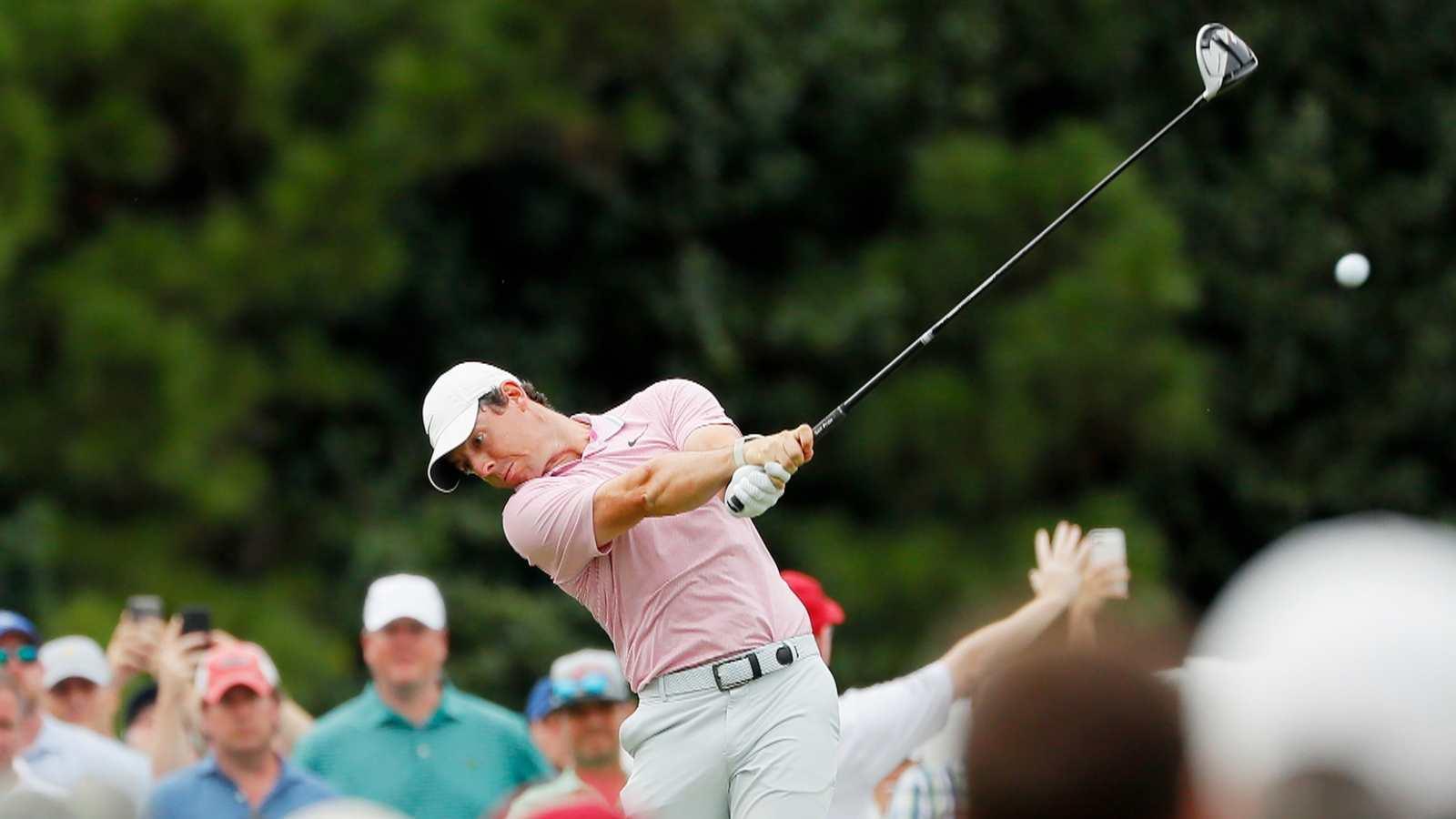
Integrative Golf Fitness: Biomechanics,Physiology,Training
What “Integrative” Means for golf Fitness
The term integrative-commonly defined as combining two or more things to make them more effective-applies perfectly to modern golf fitness (see Merriam-Webster/Cambridge definitions). Integrative golf fitness blends biomechanical analysis, physiological principles, strength & conditioning, motor control, and on-course skill work so golfers get measurable gains in clubhead speed, accuracy, and durability without sacrificing flexibility or rhythm.
Golf Biomechanics: the Engine of the Swing
Understanding biomechanics helps coaches and players convert physical training into on-course performance.Core biomechanical themes for the golf swing include:
- Kinematic sequence: efficient energy transfer begins at the ground, progresses through the hips and trunk, than through the arms to the clubhead. Efficient sequencing increases clubhead speed and reduces joint stress.
- Ground reaction forces (GRF): generating and timing GRF from the lead leg and back leg multiplies rotational power.
- Segmental separation (X-factor): relative rotation between pelvis and thorax creates elastic energy; both excessive and insufficient separation can reduce efficiency or increase injury risk.
- Club path and face control: small changes in swing plane, release timing, and wrist mechanics produce large changes in ball flight-training must prioritize consistency under fatigue.
Common Biomechanical Faults and Training Cues
- Overreliance on arms: “use your legs; lead with the hips” (promote lower-body initiation).
- Early extension: “Maintain flexion angles through impact” (strengthen posterior chain and core bracing).
- Poor sequencing: “Feel the rotation transfer from ground to torso to arms” (plyometrics and medicine-ball throws).
Physiology: Energy Systems, Muscle Function & Recovery for golf
Golf performance relies on neuromuscular power, muscular endurance, and efficient recovery. relevant physiological factors include:
- Neuromuscular power: fast-twitch recruitment for explosive drives and short, powerful rotational moves.
- muscular endurance: stabilizers (shoulder, scapula, core) that maintain swing mechanics over 18 holes.
- Aerobic capacity: low-to-moderate aerobic conditioning improves recovery between rounds/practice sessions and supports walking courses.
- Flexibility & mobility: joint range (thoracic rotation, hip internal/external rotation, ankle dorsiflexion) is critical for generating and transferring force.
- Recovery biology: sleep, nutrition, and targeted regeneration modalities (massage, mobility work) speed neuromuscular recovery necessary for consistent swing mechanics.
Training Principles That Transfer to the Golf Swing
To be effective, golf fitness must follow sport-science principles:
- specificity: train rotational power, anti-rotation stability, and single-leg mechanics that mirror golf demands.
- Progressive overload: gradually increase load, complexity, or velocity to stimulate adaptation without causing injury.
- Periodization: structure cycles (off-season strength, pre-season power, in-season maintenance) to peak at the right times.
- Transfer-focused exercises: prioritize exercises with strong biomechanical and neural similarity to the golf swing (e.g., medicine-ball rotational throws, rotational cable chops).
- movement quality first: achieve control and mobility before adding heavy load or high velocity.
Key Training Categories & Example Exercises
- Mobility: thoracic rotations, 90/90 hip switches, ankle dorsiflexion drills.
- Stability & Motor Control: pallof press, single-leg RDL with reach, dead-bug variations.
- Strength: Romanian deadlifts, split squats, chest-supported rows.
- Rotational Power: med-ball side throws, rotational medicine-ball slams, cable woodchops.
- Speed & Conditioning: short interval sprints, sled pushes for hip-drive feel, walk-based conditioning for on-course stamina.
| Training Focus | Example Exercise | Goal |
|---|---|---|
| Mobility | Thoracic rotations with band | Increase rotation range |
| Stability | Pallof press | Improve anti-rotation control |
| Strength | Single-leg Romanian deadlift | Build posterior chain strength |
| Power | Med-ball rotational throw | Enhance clubhead speed |
Designing a Golf-Specific Session: Sample Weekly Plan
Below is a simple 3-day-per-week framework that integrates mobility, strength, and power with on-course practice. Adjust volume based on player level and in-season demands.
- Day 1 – Strength + Mobility: Warm-up, mobility sequence, compound lifts (squats or split squats), posterior chain work, core stability.
- Day 2 – Power + Skill: Dynamic warm-up, med-ball rotational throws, plyometric hops, tempo-focused range session (emphasize swing sequencing).
- Day 3 – Maintenance + Conditioning: Single-leg work, upper-body pulling, short interval cardio or walking-based endurance, mobility cool-down.
Injury Prevention & Rehabilitation in Golf
Golfers commonly present with low back pain,shoulder issues,elbow tendinopathy (golfer’s or tennis elbow patterns),and wrist strain. An integrative approach blends screening, corrective exercise, and load management:
- Screening: movement screens (e.g.,TPI screen,joint-specific ROM tests) identify mobility and stability deficits.
- Corrective strategies: restore thoracic mobility, strengthen gluteal and core musculature, implement scapular stabilization drills.
- Load management: monitor swing volume during practice weeks; the total number of swings plus physical training determines cumulative load.
- Rehab example: for low-back pain-progress from pain-free mobility to anti-flexion core work, then to loaded rotational strength and re-integration into swing mechanics.
Monitoring Progress: Metrics That Matter
Track metrics that reflect both physical capacity and swing transfer:
- Clubhead speed & ball speed: direct indicator of power changes.
- Swing consistency: dispersion patterns, shot-shape control under fatigue.
- Mobility tests: thoracic rotation degrees, hip internal/external rotation symmetry.
- Strength & power tests: single-leg hop distance, 1-3 rep max (safely applied), medicine-ball rotational throw velocity.
- Subjective recovery & soreness scores: nightly sleep, energy, and soreness logs.
12-week Mesocycle Template (Integrative Focus)
| Phase | Weeks | Primary Focus |
|---|---|---|
| Foundational | 1-4 | Mobility, movement quality, basic strength |
| Build | 5-8 | Increase strength, unilateral control |
| Transfer | 9-12 | Max power, speed-strength, on-course skill blending |
Case Study: Translating Science to the Tee
player profile: amateur golfer, mid-40s, plays 2-3 times/week, complains of decreased drive distance and intermittent low-back tightness.
Intervention highlights (12 weeks):
- Weeks 1-4: Mobility emphasis (thoracic, hips), glute activation drills, education on swing volume limits.
- Weeks 5-8: Strength-focused (single-leg deadlift, split squats), progressive core anti-rotation work, monitored range sessions.
- Weeks 9-12: Power advancement (med-ball throws, kettlebell swings), simulated course pressure reps, swing-speed testing.
Outcomes: improved thoracic rotation by ~10°, single-leg stability improved, measured clubhead speed increased by ~3-5 mph, low-back symptoms significantly reduced.Note: individual results vary; proper screening and coach oversight are essential.
Practical Tips for On-Course and Practice integration
- Always perform a dynamic warm-up that addresses mobility and activation before range or tee shots.
- Limit heavy training and high-volume practice during tournament weeks-switch to maintenance loads and shorter practice sessions focusing on feel.
- Use med-ball and cable drills on off-course days to reinforce swing patterning without repetitive ball striking.
- Track swings during practice to avoid volumetric overload-consider a swings-per-session cap during heavy training phases.
- Prioritize sleep,protein intake (~0.8-1.2g/kg for recreational golfers; higher for intensive training), and hydration to support recovery and neuromuscular adaptation.
First-Hand session Outline: 45-60 Minute Integrative Golf Workout
- Dynamic warm-up (8-10 min): hip circles, banded pull-aparts, thoracic rotations.
- Mobility & activation (8 min): 90/90 hip drills, glute bridges, dead-bug variations.
- Strength block (15-20 min): single-leg RDL (3×6-8), split squat (3×8-10), chest-supported row (3×8).
- Power block (6-10 min): rotational med-ball throws (4×6 each side), mini-sprints/sled work (4 short reps).
- Golf skill integration (10-15 min): low-to-mid intensity range work focusing on sequencing; 10 quality swings, 40%-80% intensity, finish with 4 full-power swings.
- Cool-down & mobility (5 min): breathing, pec doorway stretch, thoracic foam roll.
SEO & On-Page Optimization Recommendations
- Use primary keywords in the title tag and meta description: “integrative golf fitness”,”golf biomechanics”,”golf training”.
- Include secondary keywords across subheadings: “golf swing mechanics”, “clubhead speed”, “injury prevention for golfers”.
- Structure content with H1 & H2 tags (as above), and use short paragraphs and bullet lists for readability.
- Optimize images with descriptive alt text (e.g., “med-ball rotational throw for golf power”).
- Link to authoritative resources (peer-reviewed studies, sports medicine journals) and internal pages like coaching services or training programs.
If you want, I can generate a printable 12-week program tailored to age, handicap, and available equipment, or create downloadable PDF warm-ups and mobility flows for your golf training sessions.