Golfers weighing whether to carry a fairway wood, hybrid or driving iron are facing a choice that can reshape their strategy from tee to green. Equipment manufacturers, clubfitters and teaching pros note that advances in head design and shaft technology have blurred traditional lines between clubs, making the right selection less about brand loyalty and more about individual swing characteristics, course conditions and shot preferences.The decision matters: each option delivers different launch angles, forgiveness and turf interaction, and the wrong pick can leave even a confident player struggling with distance control or awkward lies. For weekend players and competitors alike, the trade-offs between raw yardage, playability from the rough and trajectory control are now central to scoring strategy.
This piece lays out the strengths and limits of fairway woods, hybrids and driving irons, and explains how factors such as swing speed, typical course conditions and shot shape should guide your choice. Golfers will find practical guidance to match equipment to on-course needs,plus tips from coaches and fitters on testing clubs before committing.
Experts outline why fairway woods win on pure distance while hybrids deliver reliable contact for mid handicap players
Equipment specialists told reporters that fairway woods consistently outpace hybrids in raw yardage, citing larger clubheads, shallower face profiles and lower spin rates. **In testing**, fairway woods produced the longest carry numbers for players who can swing aggressively.
Coaches highlighted that hybrids outperform on contact reliability for mid-handicap players, thanks to a compact head and higher center of gravity that encourages cleaner strikes. **Players with inconsistent turf interaction** find hybrids easier to square at impact, reducing miss-hits.
When experts break down the trade-offs they point to a few clear themes:
- Distance: fairway woods
- Forgiveness/contact: hybrids
- Turf versatility: driving irons for wind and low shots
These patterns framed recent club-fitting data presented to regional fitting centers.
| Club | avg Carry | best Fit |
|---|---|---|
| 3-wood | 220-245 yds | Low-handicap, power |
| Hybrid (3H) | 200-220 yds | Mid-handicap, turf-first |
| Driving iron | 195-215 yds | Wind play, control |
Fitting experts recommended a pragmatic approach: **test at a launch monitor** and consider course conditions. Multiple sources in the industry urged mid-handicap players to prioritize reliable contact-ofen meaning a hybrid-while carrying a fairway wood for specific long-tee or par-5 scenarios.
New tests show driving irons suit lower handicap ball strikers seeking control and workability on windy days
New autonomous tests of modern irons and hybrid alternatives found driving irons deliver superior trajectory control and tighter dispersion for skilled ball strikers, particularly in gusty conditions where low, piercing shots matter most.
Testing by a panel of equipment analysts measured launch, spin and lateral dispersion across tour and high‑handicap swings. Driving irons consistently produced lower spin rates and steeper attack angles, translating into more predictable carry and roll on firm landing zones.
The profile that benefits most is clear: lower‑handicap players with repeatable ball striking who want to shape shots and fight the wind. Key advantages observed included:
- Workability: easier to curve the ball under pressure
- Control: tighter dispersion and landing predictability
- Penetrating ball flight: reduced susceptibility to gusts
When stacked against fairway woods and hybrids in head‑to‑head metrics, driving irons trade raw forgiveness for precision.
| Club | Control | Wind Suitability |
|---|---|---|
| Driving Iron | High | Excellent |
| Hybrid | Medium | Good |
| Fairway Wood | Lower | Variable |
Practical takeaway: fit a driving iron if you strike it clean and need workability in windy play; otherwise hybrids or fairway woods remain better for consistency and forgiveness.
Coaches recommend choosing a hybrid when you need forgiveness from the rough and a fairway wood when you need long carry off the tee
Coaches across the circuit report a clear pattern: when recovery from heavy turf is the priority, players are turning to the hybrid. Its **low center of gravity**, wider sole and compact head allow golfers to pop the ball cleanly from rough or tight lies, yielding higher launch and softer landings on greens. In short, instruction and data align - hybrids buy margin for error where the grass is thick and unpredictable.
Conversely, instructors say a fairway wood is the go-to when the objective is **maximum carry off the tee** without the volatility of a driver. longer shaft length, shallower face and optimized aerodynamics produce higher ball speed and longer flight with less spin than a hybrid. Coaches note fairway woods also excel on second shots where precision carry over hazards is the priority.
On-course decision-making follows a pragmatic checklist used by teaching pros and clubfitters:
- Thick rough or tight fairway rough: choose a hybrid for forgiveness.
- Open tee with hazards to carry: opt for a fairway wood to maximize carry distance.
- Firm, tight fairways or wind: consider a driving iron for lower trajectory and workability.
These are not absolutes but situational prescriptions coaches hand to students under pressure.
| Club | Primary Strength | Best Use |
|---|---|---|
| Hybrid | High forgiveness | From rough & recovery shots |
| Fairway Wood | Long carry | off tee or long approach |
| Driving Iron | Low trajectory/control | Tight fairways & windy days |
Coaching consensus also emphasizes testing and fitting. Rather than swapping clubs by feel alone, instructors recommend session-based trials to measure carry, dispersion and spin. **Fit to scenario** - hybrids for errant lies, fairway woods for carry-focused tee strategy, and driving irons when control trumps height – remains the headline advice from the coaching community.
club fitting industry urges players to evaluate launch spin and dispersion to match fairway woods hybrids or driving irons to your swing
Club-fitting specialists are urging golfers to prioritize measurable ball flight metrics when selecting between fairway woods, hybrids and driving irons, citing launch, spin and dispersion as decisive factors in equipment decisions. Industry sources say data-driven fittings are replacing gut instinct on retail floors and at tour-level testing days.
Technicians note that small differences in spin and launch can change carry and rollout significantly. A recent round of fitting sessions produced benchmark ranges for common options:
| Club Type | Launch Angle | Spin Rate (rpm) |
|---|---|---|
| Fairway Wood (3-5W) | 10°-16° | 2,200-3,500 |
| Hybrid (18°-24°) | 14°-20° | 2,800-4,500 |
| Driving Iron | 8°-13° | 1,800-3,000 |
Fitters recommend that players evaluate several variables during a session. key checkpoints reported by industry professionals include:
- Ball speed – to assess power and shaft selection
- Launch angle - to determine optimal loft and club choice
- Spin rate – to predict carry and stopping power
- Dispersion pattern – to match club forgiveness to player tendencies
- Shot shape consistency – to choose head design and lie angle
Brands and independent fitters are urging golfers to book data-driven sessions using launch monitors such as TrackMan or FlightScope and to test clubs side-by-side. The consistent message from the industry: bring your intent and swing, let numbers guide the choice, and prioritize the combination of launch, spin and dispersion that best fits your game rather than defaulting to a category name. Test, compare, and choose the tool that produces repeatable outcomes for your swing.
Course conditions and shot requirements determine selection with soft turf and tight lies favoring hybrids and firm fairways favoring fairway woods
Course footing and shot intent determine the best tool for the hole. Turf softness, lie quality and wind conditions alter launch and spin requirements, so players and caddies must weigh distance against control when choosing between a hybrid, fairway wood or driving iron.
On soft turf and tight lies,hybrids are emerging as the practical choice. Their wider sole and higher center of gravity allow players to clip the turf cleanly, producing higher launch and softer landings – crucial on receptive greens. Typical scenarios include:
- Heavy morning dew or rain-softened fairways
- Tight lies where ball sits down slightly
- Recovery shots from light rough aiming for precise approach
Conversely, firm fairways often reward fairway woods. The lower spin and shallower face promote sweep-and-roll trajectories that add distance through rollout; players who can time a smooth, sweeping strike will find fairway woods cover more ground and hold firmer surfaces less predictably.Choose a fairway wood when:
- Ground is dry and firm with expected rollout
- Longer carry with pronounced roll is preferred
- Shot requires forgiveness and maximum yardage from fairway
Driving irons retain a tactical role for low,piercing flight and wind play. When firm turf meets gusty conditions or tight fairways demand a penetrating ball flight, the driving iron offers control and predictability. Fast reference table for on-course decisions:
| Condition | Recommended Club | Why |
|---|---|---|
| Soft turf / tight lie | Hybrid | Higher launch, easier turf interaction |
| Firm, dry fairway | Fairway wood | Low spin, greater rollout |
| Windy / need control | Driving iron | Lower, penetrating flight |
Quick tactical checklist:
- Assess turf firmness and wind before picking a head.
- Prioritize hybrids for soft, receptive lies and recovery shots.
- lean to fairway woods on firm turf for extra roll and distance.
- Use driving irons when low trajectory and control trump carry.
These are the on-course variables professional caddies cite most often when advising club selection under varying surface conditions.
How to trial clubs on the course and range with practical drills and launch monitor targets to identify the best fit for your game
Testing clubs demands the same discipline as testing players: controlled conditions, repeatable targets and measurable outcomes. Use the range for repeatability and the course for realism – alternate between both in the same session and record every shot with a launch monitor. Focus your reporting on three metrics: carry distance, launch angle and spin rate, then add subjective notes on turf interaction and feel.
Run a set of practical drills that mirror real play. Try a 3-shot comparison (three balls with each candidate club to the same target), a punch/trajectory drill (half-swing, low-trajectory shots to test control), and a uphill/downhill lie test (two balls from each slope). Include an on-range routine list to keep data consistent:
- Warm-up baseline: 10 easy swings, record average carry.
- Repeatability block: 3×3 comparison to one flagged target.
- Control block: 5 low-trajectory shots at a closer target.
Set clear launch monitor windows before you start so results are comparable. Aim for narrow bands for each metric – for example, +/- 5 yards on carry, +/- 200 rpm on spin – and log total dispersion as well as mean numbers. Below is a compact reference table useful for field testing; use it as your target template when switching clubs mid-session:
| club | typical Carry | Launch | Use Case |
|---|---|---|---|
| Fairway wood | 220-260 yds | 10-14° | Tee/long par-4 |
| Hybrid | 180-210 yds | 12-16° | Long approach, soft lies |
| Driving iron | 190-230 yds | 8-11° | Wind, tight fairways |
Interpretation is where the story gets decided: prioritize consistency over peak distance. A club that produces slightly less top number but tighter dispersion and predictable spin will save more shots than one with occasional long bombs and wild misses. Record both objective numbers and subjective notes – turf interaction, confidence on the tee and how the ball behaves on firm greens – then rank clubs by reliability in conditions you actually play.
Finish with an on-course validation: play a stretch of holes with the shortlisted clubs and treat them as match play - two balls from the same lie, alternate clubs, compare scoring results. Use a short checklist to make the final call:
- Scoring impact: Which club reduced your strokes?
- Shot acceptance: Which club produced acceptable misses?
- Confidence: Which felt repeatable during pressure shots?
The club that passes the data test and the course test is the one you take to competition.
Q&A
Lead: Golfers weighing whether to carry a fairway wood, a hybrid or a driving iron face a common equipment crossroads that affects distance, trajectory and shot-making options. Below is a news-style Q&A that explains the differences, who benefits from each choice and how to decide what belongs in your bag.
Q: What is the basic difference between a fairway wood, a hybrid and a driving iron?
A: A fairway wood is a low-profile, large-headed long club traditionally used for tee shots and long approaches (3-wood, 5-wood). A hybrid (rescue club) blends wood and iron features with a compact head and higher launch ease to replace long irons. A driving iron is essentially a long iron built for lower, penetrating ball flight and more workability – often chosen by better players who want control from the tee and fairway.
Q: How do lofts and typical distances compare?
A: Typical lofts and rough distance guidance:
– 3-wood: ~13-16° – long distance, usually second only to the driver.
- 5-wood: ~17-19° – slightly shorter than a 3-wood, higher launch.
– Hybrids: ~16-27° (often replace 3-6 irons) - distances fall between the irons they replace and the woods.
– Driving irons: ~17-22° – similar loft to low irons but lower spin and flight than a hybrid of the same loft.
Distances vary by player ability and swing speed; hybrids are frequently enough shorter than equivalent fairway woods but longer than the iron they replace.
Q: Which club is most forgiving for average golfers?
A: Hybrid. Hybrids are designed for easy launch and forgiveness from a variety of lies (fairway, light rough, and even some bunkers). Fairway woods can be forgiving too, but their larger heads can be harder to strike consistently from tight fairway lies if you’re not confident. Driving irons are the least forgiving and typically suit skilled players.
Q: Who should prioritize a fairway wood?
A: players who need maximum distance on long approaches or from tee when precision is less critical. Good for golfers who can sweep the ball off the turf and who want a long-club option with lower spin and strong rollout. Also useful as a tee club on narrow holes where a driver is risky.
Q: Who should prioritize a hybrid?
A: Mid- to high-handicap golfers, players who struggle with long irons, and those who want a reliable, higher-launching club from a variety of lies. Hybrids are especially useful for replacing 3-5 irons and for players who prefer a simpler, more forgiving long-game setup.
Q: Who should choose a driving iron?
A: Low-handicap golfers and players who prioritize control,low spin and wind-piercing ball flight. Driving irons appeal to those who can make consistent center contact and want the feel and workability of an iron with added distance over a long iron.
Q: How does turf interaction and shot type factor into the decision?
A: Fairway woods have flatter soles and larger heads designed for sweeping the ball; they perform well off tees and longer fairway lies. Hybrids have rounded soles and lower centers of gravity that help them pop the ball up from thicker grass and challenging lies. Driving irons have thinner soles and a design for crisp turf contact; they perform best from tight lies or the tee.Q: What impact do these choices have in wind or on firm courses?
A: Driving irons produce a lower,more penetrating trajectory that helps in wind and on firm,fast fairways. Fairway woods and hybrids launch higher; fairway woods usually run more on firm turf, hybrids hold greens better due to higher spin for some players.
Q: Should you carry more than one type in your bag?
A: Yes – many golfers use a mix. Common set-ups: driver + 3-wood + hybrid(s) + mid/short irons, or driver + 3-wood + driving iron + mid/short irons.The right combination depends on distances between clubs, personal consistency, and course conditions.
Q: How should golfers test which is right for them?
A: Test on-course and on a launch monitor. Compare carry and total distance, dispersion, launch angle, spin rates, and ease from different lies. A professional club fitting or session with a coach provides data-driven guidance tailored to swing speed and tendencies.
Q: Any quick rules of thumb for selection?
A: – struggle with long irons? Try a hybrid.
– Need max distance from the fairway or tee? Consider a fairway wood.
- Want control and a low ball flight in wind? Consider a driving iron.
– If in doubt, get a fitting and test the clubs under real-course conditions.Q: What are the trade-offs to keep in mind?
A: Hybrids: very forgiving and versatile but can lack the roll of a fairway wood.Fairway woods: maximize distance but can be trickier from tight lies. Driving irons: best for control and low flight but demand consistent, precise strikes.
bottom line: there is no one-size-fits-all answer. Hybrids offer the broadest appeal for most recreational golfers as of their forgiveness and versatility, fairway woods excel when distance is the priority, and driving irons suit low-handicap players who want control and a lower trajectory. The best choice is the one that fills distance gaps in your bag and matches your ability and typical course conditions – confirmed by on-course testing or a professional fitting.
Note: Search results provided with the assignment were unrelated to golf; the above Q&A is based on current equipment knowledge and industry fitting practices.
Ultimately, the choice between a fairway wood, hybrid or driving iron comes down to swing profile, launch needs and course conditions. Golfers are advised to test options on launch monitors,consult a club fitter and weigh performance against budget. With technology blurring traditional lines,an evidence-based fitting remains the clearest path to lower scores and greater enjoyment on the course.
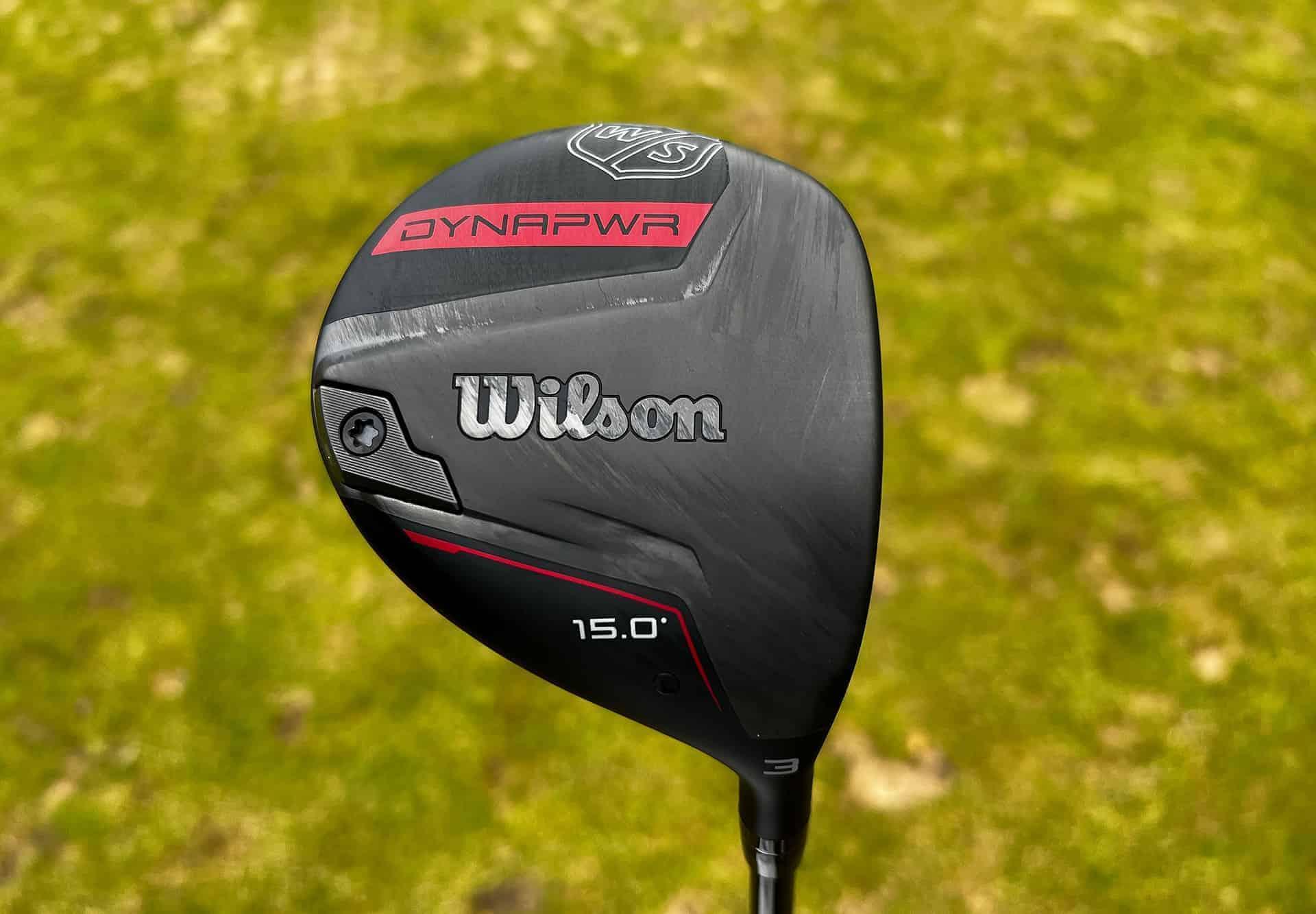
Is a fairway wood, hybrid or driving iron right for you? Here’s how to know
Quick snapshot: what each long-club does
- Fairway wood - Higher launch, longer carry, larger head, more forgiveness and more distance from the turf or tee. ideal for max distance and forgiveness on long par-3s, par-4s and second-shot approaches.
- Hybrid (rescue) – Combines iron-like control with wood-like forgiveness. Easier to hit out of rough and tight lies than long irons; good all-around replacement for 3-5 irons.
- Driving iron (utility iron) – Low,penetrating flight,less spin,and tight dispersion. Favored by stronger players or those who need a shot that fights wind or runs out on firm fairways.
Head-to-head comparison: forgiveness, launch, control and turf interaction
| Characteristic | Fairway Wood | Hybrid (Rescue) | Driving Iron |
|---|---|---|---|
| Typical lofts | 13°-18° (3W-5W) | 17°-26° (2H-5H) | 16°-22° (1I-3I equivalents) |
| Launch | High | Mid-to-high | Low-to-mid |
| Forgiveness (MOI) | High | Medium-high | Low-medium |
| Turf versatility | Great from tee & fairway; needs care in thick rough | Excellent from rough, fairway and tight lies | Best from tight lies and fairway; poor from deep rough |
| Shot-shaping / control | Moderate | Moderate-high | High |
| Ideal for | Distance-first players, mid-to-high handicaps | Most golfers seeking easier long-iron replacement | Low-handicaps, players who like workability |
How to decide: nine practical questions to ask
Answer these quickly and the right option will emerge.
- What is your swing speed? (Lower swing speeds often benefit from hybrids and woods; higher speeds can handle driving irons.)
- Do you need more carry or roll? (Woods = more carry; driving irons = more roll on firm fairways.)
- How often do you hit long shots from rough or tight lies? (Hybrids excel out of rough; driving irons prefer tight lies.)
- Do you struggle with consistency and forgiveness? (Choose a higher-MOI fairway wood or hybrid.)
- are you playing windy courses? (Lower trajectory from driving irons or low-spin fairway woods helps in wind.)
- How crucial is shot-shaping for you? (Driving irons give the best control; hybrids/woods allow less curvature.)
- Are you replacing a long iron? (Hybrids are the most common 3-5 iron replacement.)
- Do you intend to hit off a tee or only the turf? (Fairway woods are great off a tee; hybrids/driving irons are versatile.)
- Have you been fitted? (A proper fitting often clarifies the best head/shaft/loft combo.)
Player archetypes and recommended long-club choices
The High-Handicap Distance Seeker (Avg. golfer,moderate swing speed)
Needs: forgiveness,easier launch,confidence from the fairway.
- best choice: 5-wood or 3-wood with higher MOI, or a mid-hybrid depending on distance gaps.
- Why: A fairway wood gives consistent carry and forgiveness; a hybrid replaces a long iron for easier contact.
- Tip: Start with a 5-wood for easier launch than a 3-wood; consider a hybrid if you miss fat frequently enough.
The Mid-Handicap Strategist
Needs: versatility, predictable yardages, trouble-shooting in rough and tight lies.
- Best choice: Hybrid(s) paired with a mid 3-wood.
- Why: Hybrids offer consistent carry and playability; a 3-wood delivers length off the deck or tee when needed.
- Tip: Use a single or two hybrids (e.g., 3H & 4H) to cover gaps between long irons and fairway woods.
The Low-Handicap/Better Player
Needs: workability, low spin, penetrating ball flight for windy conditions.
- Best choice: Driving iron (1-3 iron) and a compact 3-wood or 2-wood for specific situations.
- Why: Driving irons provide tight dispersion and allow trajectory control; woods supply max distance when required.
- Tip: Many better players carry both a driving iron for accuracy and a low-spinning fairway wood for distance.
Fitting factors that matter (loft, shaft, length, lie and CG)
Getting the correct long-club is more than just head shape. Consider these:
- Loft – Don’t assume lofts across brands match. Ensure proper loft gaps (usually 10-14 yards between clubs).
- Shaft length - Longer shafts add distance but reduce control. Fairway woods are longer than hybrids or driving irons.
- Shaft flex & kick point – A softer flex and higher kick point helps lower-speed players launch the ball higher.
- Lie angle – Driving irons and hybrids need correct lie angles for consistent turf contact.
- Center of gravity (CG) – Lower/back CG promotes higher launch (woods/hybrids); forward/low CG produces tighter spin and lower flight (driving irons).
- MOI & forgiveness – Higher MOI in fairway woods and hybrid designs helps minimize mishits.
Short fitting checklist: what to do at the range or on a launch monitor
- Test the same loft across 3 club types (e.g., 18° wood, 18° hybrid, 18° driving iron) and compare carry, total distance, spin, launch angle and dispersion.
- Note turf interaction-how delicate or clunky the contact feels from fairway and rough.
- Check shot-to-shot consistency and where you miss (toe, heel, low face).
- Confirm feel and confidence-if you don’t trust the club, you won’t use it on course.
- Ask the fitter to optimize shaft length, flex and lie for your swing speed and angle of attack.
Practical drills to test fairway woods, hybrids and driving irons
Use these on the range to simulate course conditions and reveal which club suits your swing.
- Fairway-tee Drill: Hit a 3-5 shots each off a small tee with fairway woods and hybrids to see which launches best and feels most consistent.
- Downhill Lie Drill: place a ball on a slight downhill lie and hit with a hybrid and driving iron-note which stays more online.
- Wind Play Drill: Use a low-hoop target and try to hit knockdown shots with driving irons and low-center fairway woods-compare control and spin.
- Rough Recovery Drill: drop a ball in light rough and hit 8-10 shots with a hybrid and a driving iron to judge turf forgiveness.
Course management: when to use each club on the scorecard
- Use a fairway wood on long par-3s or reachable par-5 second shots when you want max carry and forgiveness.
- Use a hybrid as your go-to for long approach shots, long par-3s when tight lies are not guaranteed, and to replace a missed long iron.
- Use a driving iron for windy tee shots, tight fairway approaches with trouble nearby, or when you need roll on firm greens and run-out distance on fairways.
Common misconceptions (and the truth)
- “Hybrids are only for beginners.” – False. Many low-handicappers carry hybrids for consistent launch and spin control.
- “Driving irons are obsolete.” – False. Driving irons remain popular with better players who need low, piercing trajectories and precision.
- “Fairway woods are impossible from tight lies.” – Partly true: modern low-profile fairway woods and shallow-face designs are far easier from tight lies than older models, but hybrids/driving irons still often have the advantage.
Case studies: three real-player setups
Case A: Weekend Hacker (handicap ~22)
- Setup: 5-wood (18°), 4-hybrid (23°)
- Why it effectively works: 5-wood provides easy launch and distance; 4-hybrid replaces 4-iron for better contact from rough.
- result: fewer fat misses, improved GIR opportunities from 150-180 yards.
Case B: club-Level Competitor (handicap ~12)
- Setup: 3-wood (15°), 3-hybrid (19°), 3-iron driving iron (21°)
- Why it effectively works: Versatility-use wood for distance off tee, hybrid for full approach shots, driving iron for windy conditions.
- Result: Better scoring on windy days and more precise tee shots on tight par-4s.
Case C: Low-Handicap/Single Digit
- Setup: Low-spinning 3-wood, 2-iron driving iron (17°)
- Why it works: Emphasis on workability, control, and low spin to attack pins in all conditions.
- result: Improved shot-shaping, tighter dispersion, more predictable tee-to-green strategy.
Buying & setup tips - what to order or test next
- Bring swing-speed data or get a launch monitor session before buying. Carry vs total distance and spin rates will reveal real differences.
- Test the actual specs-don’t rely on stamped lofts; different brands vary.
- Consider adjustable fairway woods for loft and face-angle tweaks. Adjustable hosels let you fine-tune launch and draw/fade tendencies.
- For hybrids,choose a slightly stronger loft if you want added distance,or a more upright lie if you swing upright.
- Driving irons benefit from shorter shafts than fairway woods and often require a firmer shaft to control ball flight.
Frequently asked questions
Q: can I carry both a hybrid and a fairway wood in the bag?
A: Absolutely. That combo offers maximum versatility-use the wood for pure distance and the hybrid for playability from a variety of lies.
Q: Do hybrids reduce spin compared with long irons?
A: Generally, hybrids produce a bit more spin and higher launch than equivalent long irons, which helps carry hazards and stick greens.
Q: Should a slower swinger choose a fairway wood or hybrid?
A: Many slower swingers benefit from hybrids and higher-lofted fairway woods (like a 5-wood) because they promote higher launch and easier carry.
Final decision checklist (use on your phone at the course)
- Do I need carry or roll more? (carry → wood/hybrid; roll → driving iron)
- Is my lie usually tight, in the rough, or off a tee?
- Can I shape the shots I need with this club?
- Did the launch monitor numbers match what I need on course?
- Do I feel confident hitting this club under pressure?