
Introduction
Refining the match between golfer and gear-hereafter “equipment fit”-is a potent, often underutilized mechanism for measurable on‑course enhancement. Contemporary work in biomechanics and motor control shows that subtle mismatches in club length, lie, grip diameter, shaft stiffness, putter geometry, and driver head characteristics alter kinematic sequencing, muscle activation patterns, and sensorimotor coupling. Those shifts can systematically change swing shape, putting roll, and driving carry and dispersion. Yet many instruction programs relegate equipment to a secondary role,using generic setups that make technical corrections harder to stabilize under pressure.
This article consolidates current practice and scientific insights to contend that intentional, data‑driven fitting is more than ergonomic comfort-it is a performance multiplier for consistency and scoring. We first explain the mechanisms by which club and ball interface variables affect kinematics, energy transfer, and stroke reproducibility. We then propose an evidence‑based fitting workflow that combines biomechanical screening,launch‑monitor outputs,and player objectives to guide adjustments across full swing,putting,and driving. Practical,scalable protocols for implementing and measuring fit changes are provided for a range of skill levels,followed by implications for coaching,player development,and tactical choices on course.
By embedding equipment decisions inside a rigorous performance framework, coaches, clubfitters and committed players gain a systematic route to improve movement efficiency, reduce shot variability, and produce meaningful scoring gains.
Refining Club Length and Lie Angle to Synchronize Plane and Improve Impact
optimizing begins with understanding how shaft length and lie angle influence address posture and the swing plane. Within the USGA’s maximum club length of 48 inches and the 14‑club limit, modest, precise modifications can produce disproportionate benefits in strike consistency and direction control. in contemporary dynamic fittings it is routine to quantify shaft orientation at address relative to the ground and the intended swing plane using high‑speed video or a launch monitor; common fitting increments are 1/4‑inch for length and about 1° for lie angle. Length changes alter the swing radius and the relation between shaft plane and spine tilt; lie angle changes shift whether the sole meets turf on the toe, heel or center-both factors strongly influence sidespin and dispersion.
Start with reproducible setup mechanics that tie posture to plane. Adopt an athletic base with a modest forward spine tilt-typically in the 15°-25° range depending on stature and mobility-and set the hands so the iron shaft shows a slight forward lean. If a player’s address shaft plane mirrors the backswing plane (a single‑plane pattern), the club tends to return to a consistent dynamic lie at impact. Two‑plane players, who present a steeper shoulder plane, frequently enough benefit from trimmed length (typically 1/4-1/2 inch) to prevent high toe strikes. Move from these basics to objective checks: use impact tape and a lie board to log whether the sole contacts heel, toe or center, and collect a strike series of 20 consecutive shots for reliable patterns.
Use structured, measurable practice to address geometry and plane. Recommended diagnostics and drills:
- lie‑board series: hit 10-20 shots with impact tape on a lie board to reveal heel/toe tendencies.
- Single‑plane setup drill: lay a shaft on the target line and align the lead arm so the address shaft plane matches the shoulder plane; execute 10 slow swings holding that relationship.
- Gate/path drill: set two tees to form a gate and rehearse swinging through the intended plane to reduce inside‑out or outside‑in path errors.
- impact‑tape progression: record 10 shots with current specs, then 10 after a 1/4″ or 1° adjustment; compare center‑face percentage and lateral dispersion.
Set measurable targets-for instance,increase center‑face strikes on mid‑irons to 70-80% within six weeks or tighten approach dispersion by 10-15 yards to raise greens‑in‑regulation rates.
Many setup and equipment faults are predictable and solvable. If a right‑handed player’s drives consistently start left and impact tape shows toe contact, the lie is probably too upright-flatten the lie in 1° steps until strikes recentre. If shots start right with heel contact, the lie might potentially be too flat-upright by 1°-2° and re‑test. Other common issues include excessive spine‑tilt changes that alter effective lie during the swing and using overly long clubs that increase takeaway steepness and toe strikes; typically a 1/4‑inch length reduction improves low‑point control. Troubleshooting principles:
- Verify stance width and posture first-equipment should support, not replace, sound fundamentals.
- Measure dynamic lie at impact rather than static address lie-impact geometry drives ball flight.
- Make single, incremental changes and validate with 20-30 test shots before proceeding.
These steps help distinguish technique faults from equipment causes so changes are corrective rather than speculative.
fold optimized geometry into course tactics and mental routines. on windy or firm courses,aim for a more compact arc and slightly flatter lie to encourage a modest negative attack angle on irons (roughly -2° to -4° for many mid‑irons),promoting crisp turf interaction and consistent spin. Novices should pursue conservative edits (small length trims, 1° lie shifts) and prioritize impact‑feedback drills; better players should quantify effects using launch monitors and set scoring targets (such as, bring approach dispersion within 15 yards). Conduct a pre‑round equipment check-on soft turf a touch more upright lie may help hold greens; on hard/windy days a flatter lie and slightly shorter length aids lower, more penetrating flights. Combining precise fitting, disciplined practice, and situation‑specific course management produces measurable gains in plane alignment, contact quality, and scoring consistency.
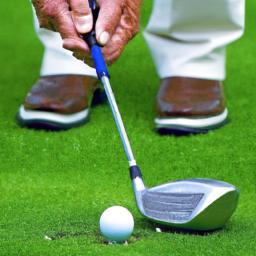
Choosing Shaft Flex, Mass and Torque to Match Swing Speed and Transition Pattern
Shaft choice should start with objective measures: primary among them is driver swing speed and an evaluation of the player’s transition dynamics (how they change direction at the top). A commonly used mapping for flex categories is: Ladies <75 mph, Senior 75-85 mph, Regular 85-95 mph, Stiff 95-105 mph, Extra‑Stiff >105 mph. Driver‑shaft masses typically range from 45-70 g: lighter shafts (45-55 g) assist lower‑speed players with clubhead acceleration, while heavier shafts (60-70 g) stabilise stronger players who need tighter dispersion. Torque (twist resistance) must be evaluated alongside flex: higher torque (~4.5-6.5°) provides more feel and can help slower swingers square the face, whereas lower torque (~2.0-3.5°) limits face rotation and benefits high‑speed players. These values serve as initial guidelines for an evidence‑driven fitting rather than immutable rules.
Assess the player’s backswing‑to‑downswing transition because it determines the shaft’s required stability and kick response. Players with a smooth, gradual transition-frequently enough approximating a 3:1 backswing:downswing tempo-usually do well with lighter, mid‑kick point shafts that promote launch and easier release. Aggressive transitions with rapid direction change place larger loads on the shaft; these players commonly need a stiffer butt section, modestly greater mass, and lower torque to control face rotation and timing. Observe dynamic shaft lean: a small forward shaft lean of 5°-8° is common; excessive forward shaft lean or a pronounced wrist dump often indicates a shaft‑player mismatch.
Match shaft choices to course and weather strategy. In strong winds select slightly heavier, lower‑kick shafts to produce a more penetrating flight and reduced drift; into a headwind or on soft greens prefer lighter, mid‑ or low‑kick shafts to increase launch and carry. Use adjustable heads judiciously-raising loft can offset a low kick point to increase carry, while moving weight forward typically lowers spin; ensure all components remain USGA/R&A conforming.
Convert measurements into practice by following a controlled fitting and training routine. Run launch‑monitor sessions varying flex, weight and torque; then validate findings on course. valuable drills and checkpoints include:
- tempo/metronome drill: use 60-80 bpm to develop a consistent 3:1 backswing:downswing rhythm and observe timing shifts across shaft weights.
- Weighted‑swing drill: 20 swings with a slightly heavier shaft or training club, then return to the test shaft to feel improved transition stability.
- Target dispersion test: 10 full shots to a fairway target and record lateral spread; aim for a 10-20 yard reduction after shaft changes where appropriate.
- Launch‑monitor comparison: track smash factor across shafts-gains of 0.02-0.05 are practically meaningful.
These procedures provide measurable evidence so both beginners and skilled players can see quantifiable benefits prior to committing to a shaft choice.
Common selection errors and refinement strategies link equipment to scoring and short‑game outcomes. A shaft that is too soft for a player with an aggressive transition frequently enough produces hooks, early release and high spin-address by moving to a stiffer flex, lower torque or slightly heavier mass (+~5-10 g). Conversely, an overly stiff shaft on a smooth, slower swinger can suppress launch and reduce distance-remedy with a softer flex or lower kick point. For short‑game feel, iron shaft mass (steel ~90-130 g, graphite ~60-115 g) affects touch around the green; prioritize consistent contact and tempo over marginal distance gains. Always pair equipment edits with technical work (tempo drills, lower‑body sequencing, spine‑angle maintenance) and mental readiness to convert mechanical reliability into lower scores.
Tailoring Grip Diameter, Surface and Pressure to Improve Release and Consistency
Begin by building a reproducible baseline for how grip size, surface, and pressure affect release timing and face control. Use a simple subjective pressure scale of 1-10 (where 1 is barely touching and 10 is a choke‑hold) alongside objective outcomes from a launch monitor or impact tape. For most full swings aim for grip pressure around 4-6 and for putting 2-3, values that limit tension while enabling decisive release. Initial protocol: record 10 shots with existing grips and pressure, note mean face angle, dispersion and spin, then change a single variable (size, texture or pressure) and repeat. This stepwise approach yields measurable goals-e.g., cut lateral dispersion by 10 yards or hold mean face angle within ±2° over a 4-8 week cycle.
Grip diameter affects forearm rotation and release sequencing: thicker grips reduce pronation/supination and delay release (useful for over‑releasers or hookers), while thinner grips increase tactile feedback and speed up release (preferred by players seeking feel).Manufacturer adjustments are usually in +1/32-+1/16 inch increments-use A/B testing on the range (20 shots per grip) to track shot shape and dispersion. Useful drills:
- Grip‑swap test: alternate grips every five shots to notice immediate differences.
- Impact‑bag press: press into an impact bag with each grip to sense hinge and release at contact.
- 12‑iron flight control: play 30‑yard controlled swings to evaluate release timing without full‑swing variability.
Texture choices (rubber, cord, hybrid) and tackiness control slippage and tactile input, especially in wet conditions-prefer cord or hybrid on dewy mornings and softer rubber on cool, dry days for improved feel. Grip mass (typically 45-60 g) alters the club’s balance and perceived release; overwraps or lighter replacement grips are simple interventions to fine‑tune diameter and swingweight. Troubleshooting checklist:
- Compare glove vs no‑glove performance to isolate tactile feedback.
- Monitor wear-smooth spots cause inconsistent release.
- Use tape under the grip for micro‑adjustments in 1/32‑inch steps.
Translate grip choices into a pressure and release protocol aligned with efficient swing mechanics. Aim for slight forward shaft lean at impact (~5°-10°) and a release sequence where the forearms and hands unwind after the lower body initiates rotation. A practical pressure progression: begin at 4-5/10 at address, maintain through takeaway, permit a small rise to 5-6/10 in transition to preserve connection, and return to 4-5/10 through impact to avoid jerky flips.Drills to solidify this sequence:
- Impact‑bag timing: simulate impact while cueing incremental pressure to feel correct release timing.
- Towel‑under‑arms: maintains torso connection and reduces independent hand action.
- one‑hand swings: alternate lead and trail‑hand swings to train balanced pressure distribution.
Embed these adjustments into on‑course tactics and practice plans so they translate to lower scores. For example, into‑the‑wind holes often demand a firmer grip (+1 on the 1-10 scale) and slightly de‑lofted clubs to control launch and spin; soft‑green approaches call for a gentler hold and fuller release to avoid coming up short. A sample 6-8 week protocol: week 2-stabilize grip pressure across 100 swings/session (3×/week); week 4-bring face‑angle variance within ±2° on 20‑shot tests; week 8-increase fairways hit and up‑and‑down percentage on par‑3s via short‑game release drills.Address common errors (excessive tension, trail‑hand dominance, overly large grips creating weak fades) using tactile, visual and objective feedback. This multimodal process ties grip customization to cleaner contact, steadier release and scoring improvement.
Driver Loft, spin and Head‑Mass Strategy Using Launch‑Monitor Data to Maximize Carry and Roll
Optimizing loft, spin and head weight requires repeatable measurement. Capture clubhead speed, ball speed, launch angle, spin rate, smash factor and carry/total distance with a launch monitor. Useful initial windows are: attack angle +2° to +4° (positive for driver), launch angle 10°-16° depending on speed, and spin 1,800-3,000 rpm depending on player and conditions. Begin with a 10‑shot baseline using your existing driver and average the data-work from means and standard deviations, not cherry‑picked best strikes.
Address the swing mechanics that control launch and spin. Spin is governed largely by spin loft (dynamic loft minus attack angle), face‑to‑path relationship and impact location. To reduce spin, move spin loft toward the 10°-14° sweet spot by lowering dynamic loft or increasing positive attack angle. Practical changes include teeing the ball slightly forward (inside left heel for right‑handers), tilting the spine marginally away from the target to encourage an upward strike, and widening stance to stabilise rotation. Centered face impacts-typically within ±5 mm of the face center-produce the best combination of ball speed and low spin. For novices use the simple cue to “hit up on the ball”; reserve advanced spin‑loft analysis for more experienced players with launch‑monitor feedback.
Equipment levers-loft selection and head‑mass placement-complement swing changes and need validation on the launch monitor. Adjustable drivers let you alter loft in 0.5°-1.0° steps and shift weights fore/aft to change the CG: forward mass lowers spin, rear mass raises MOI and typically increases launch and spin. Test each configuration with controlled 10‑shot blocks and compare mean carry and total distance, apex height and spin. Choose the setting that delivers the most effective distance for anticipated course conditions-firm fairways favor lower spin and more roll, soft/wet conditions favor higher carry. Ensure conformity with equipment rules prior to competitive use.
Turn fitting results into practice routines that lock in execution and transfer to the course:
- Center‑strike drill: use impact tape or foot powder and aim for ≥80% center‑face strikes in a 10‑shot set.
- Attack‑angle drill: place a tee 6-8 inches behind the ball and practice producing a 2°-4° upward blow; confirm on a launch monitor that launch increases and spin loft drops.
- Loft‑variation test: hit 10 balls at each loft setting (±1°) and chart spin/carry to identify the most productive loft for your speed.
- Weighted head tempo drill: use a slightly heavier training head or weighted trainer for 2-3 minutes to rehearse body‑driven sequencing, then resume with your driver to sense improved transfer.
These exercises scale from beginners-who should emphasize consistent contact and tee height cues-to skilled players layering attack‑angle and face‑path control with launch‑monitor data.
Apply measured carry and total‑distance numbers to course strategy. if your fitted driver returns 270 yd carry and 300 yd total in calm conditions,use those figures when selecting lines and targets. Remember weather effects: a 10-15 mph tailwind commonly lowers the necessary carry by roughly 10% while increasing roll; soft turf may cut roll by 20-40%, so favour a loft/weight set‑up that increases carry in those cases. Avoid common fitting pitfalls-adjusting loft in isolation, chasing lowest spin at the expense of ball speed, or abandoning repeatability. Revisit baseline tests and pre‑shot routines, and set short‑term metrics (e.g., 80% center strikes, smash factor within 0.02 of baseline) to ensure gains are durable.
putter Loft, Face Angle and Head Profile Matched to Stroke Style with Practical Adjustment Rules
Fitting a putter requires defining measurable parameters: putter loft (commonly 2°-4°), small face‑angle offsets (1°-3°) that affect initial start direction, and toe‑hang or face‑balance which predicts suitability for arc vs straight strokes. Measuring these values-loft degrees, face‑angle offset and toe‑hang-provides a technical basis for prescriptive fitting and targeted practice.
Match head geometry to the player’s natural stroke. Players with a straight‑back‑straight‑through stroke typically perform best with face‑balanced heads (toe‑hang near 0°),often found in mallet designs with higher MOI. Arc‑stroke players need toe‑hang in the 20°-45° range-the larger the arc, the more toe‑hang required to return the face to square. Blades and single‑bent hosel designs suit arced strokes, while larger mallets and double‑bend hosels aid straighter strokes. Account for shaft length and lie-longer putters can increase arc and may need toe‑hang compensation; shorter putters reduce arc and favour face balance.
Adapt loft and face angle to green speed and condition.On fast, firm greens lower loft toward 1.5°-2.5° to reduce early skid and encourage prompt forward roll; on soft or wet greens, raise loft into the 3.0°-4.5° band so the ball settles onto the face and achieves consistent topspin. Minute face‑angle tweaks (±1°-2°) can correct persistent start‑line misses-slightly closed to counter right‑to‑left starts, slightly open to counter left‑to‑right starts (for right‑handed players). Make such adjustments with a qualified fitter and remember clubs may not be altered during a stipulated round under the rules of Golf, so implement changes during a fitting session and validate on course.
Practice and calibration protocols to translate fitting into improved putting:
- Gate and mirror drill: set tees outside toe/heel to enforce a square face; perform 50 strokes focusing on consistent face contact.
- Pendulum arc drill: use an alignment rod for intended path and a metronome (60-72 bpm) to groove tempo and arc-5 sets of 30 putts.
- Launch/roll calibration: from 20 feet, aim to establish the first 6-8 feet of roll within 3-4 feet of travel; track lags and set weekly targets (e.g., 75% within 12 inches in four weeks).
- Situational green practice: rehearse uphill, downhill and sidehill putts, testing loft/putter combinations to observe differences in launch and roll.
Keep consistent setup checkpoints-ball slightly forward of center, hands ahead of the ball at address, eyes over or slightly inside the ball, and shoulder‑width stance-to reproduce intended face angle and attack.
Address common putting faults with targeted fixes and link equipment choices to scoring metrics. Typical errors include excessive wrist action (correct with chest‑stroke short‑arc drills), inconsistent face angle (use impact ink or a mirror), and the wrong putter for green conditions (retest live). Monitor objective outcomes-strokes gained: putting, 3‑putt frequency and make‑percentages from 3-6 ft-and aim to halve 3‑putts after an 8-12 week fitting plus drill program. For players with physical constraints, favour face‑balanced heads and shorter strokes; for elite players, pursue micro‑adjustments in loft (0.5° steps) and toe‑hang (≈10° steps) during professional fittings to extract small, repeatable gains. A deliberate putter choice based on expected green speed and firmness is a strategic asset in competitive play; pair it with a concise pre‑shot routine to stabilise the mental component.
Ball Selection and Compression Matching for Launch Conditions, Spin and Control
Ball selection is best approached by objectively aligning ball construction to a player’s swing profile and shot objectives. Classify driver speed broadly as slow <85 mph, medium 85-100 mph, and fast >100 mph.Match compression roughly as low ~60-80 for slower swings, mid ~80-95 for average speeds, and high >95 for very fast swingers so the ball deforms efficiently at impact. Set numeric launch and spin targets-e.g., driver launch ~10°-14° and spin ~1,800-3,000 rpm (lower in wind)-and for irons aim for spin loft in the 12°-16° window to produce predictable carry and stopping behavior. Using these anchors converts ball marketing claims into on‑course performance expectations.
Validate ball choices with a controlled launch‑monitor protocol: test 3 ball models × 10 swings each while holding swing mechanics, tee height and trajectory intent constant. Capture ball speed, launch angle, spin, and smash factor (a target of ≥1.45 for well‑struck drivers). Key checkpoints and drills:
- Setup checkpoints: ball position (inside left heel for driver; center to slightly forward for long irons), spine tilt, and a ~55/45 weight distribution for driver.
- Contact drills: tee‑to‑turf tempo for irons to promote descending strikes; one‑hand half‑swings to feel compression.
- Troubleshooting: if driver spin exceeds ~3,500 rpm, try a lower‑compression, lower‑spin ball or adjust to a more positive attack angle and reduced loft at impact.
This structured testing yields repeatable data to select a ball that balances distance and greenside control.
For approach and short‑game, prioritize cover chemistry and compression for spin and feel. Urethane covers afford higher wedge spin and softer feel (wedge spin often ranges from 4,000-9,000+ rpm depending on loft and surface), while ionomer/surlyn constructions trade some spin for durability and value. To increase approach spin focus on mechanics that raise spin loft: maintain or slightly raise dynamic loft while delivering a more negative angle of attack for irons (about -2° to -6°), strike the center of the face to avoid gear effect, and compress the ball through impact by maintaining forward shaft lean (~1-2 inches).Avoid assuming a very soft, multi‑layer ball will always help low‑speed players-distance penalties can occur-so match ball choice to demonstrated outcomes.
Let course and climate dictate ball choice. Below about 50°F / 10°C balls stiffen and lose carry-use lower‑compression balls to recoup distance. In windy conditions favour firmer, lower‑spin constructions off the tee to reduce drift; on receptive greens use urethane, higher‑spin models to hold approaches.Carrying two ball types-one distance‑oriented and one greens‑control model-allows tactical switching by hole if conditions vary and is permitted under the Rules of golf.
Implement a progressive practice plan linking measurable goals to technique and decision‑making. Short targets might include reducing average driver spin by 500 rpm or increasing wedge spin by 1,000 rpm for a given loft; verify progress weekly on a launch monitor and over a 9‑hole on‑course check. Skill‑specific routines:
- Beginners: compression‑feel drills-half shots to learn ball‑turf interaction and use softer balls to explore feel.
- Intermediate: three‑ball comparisons-track spin and carry across 10 swings to stabilise trajectory selection.
- Advanced: trajectory control-alter tee height and ball model to induce ±500 rpm driver spin changes for wind tuning.
Combine these technical drills with pre‑shot decision frameworks-wind correction, green firmness assessment and risk/reward calculations-to turn fitting gains into lower scores.
Combining Equipment Fit, biomechanical Assessment and Practice for Transferable Gains
Integrating fit with biomechanical analysis begins with a comprehensive baseline that blends static measurements and dynamic metrics. Record grip size, wrist‑to‑floor length and stance preferences, then capture dynamic data via launch monitor, pressure mat and high‑speed video. Core variables to log include attack angle (often between +1° and -2° for driver), launch angle (driver ~10°-13°), spin rate, clubhead speed and impact location.Concurrently screen thoracic rotation, hip and shoulder turn and ground reaction forces to evaluate whether the player’s motion can reproducibly generate the launch window the equipment is intended to create. This dual‑stream assessment clarifies whether to prioritise technical change, equipment modification, or a coordinated combination.
Translate assessment into concrete equipment and swing edits by considering interactions among shaft properties, loft/lie and head design. A shaft that is too stiff often decreases dynamic loft and launch; one that is too soft can boost spin and reduce directional control. Lie errors produce consistent left/right misses through persistent toe/heel impacts. Operationalise the process with a stepwise protocol: fit a provisional setup on the range, validate with impact tape and launch data, then iterate. Useful convergence drills:
- Impact‑tape series: 10 balls per shaft/head option to log contact location and spread.
- Attack‑angle test: 10 drivers and 10 six‑irons to characterise natural attack profile and inform shaft/loft choices.
- Lie‑board check: single‑iron swings to confirm sole contact pattern at impact.
These objective steps let you match biomechanical tendencies to equipment so technical changes transfer to more consistent on‑course ball flight.
Short‑game integration focuses on loft, bounce and player biomechanics to secure reliable distance and spin control. Wedge play depends on consistent low‑point control and shaft lean-target full wedge attack angles near -4° to -8° so the divot begins just beyond the ball. Blend blocked repetition for feel with randomised practice for transfer. Sample drills:
- Clock drill (pitch): targets at 10, 20 and 30 yards with 10 reps each to regulate landing spots.
- Gate chipping: narrow gate of tees to enforce consistent low‑point and face‑square impact.
- Spin control flights: identical 50‑yard shots with three face manipulations to experience spin differences.
Scale these exercises from contact‑focused beginner work to trajectory/spin control for low handicaps. also match wedge lofts to a clear gap sequence-roughly 6-8 yards between wedge lofts is a common target for fine scoring control around the green.
To secure on‑course transfer, combine equipment and biomechanics with scenario‑based club selection and shot planning. If a player’s 3‑wood launches low with excessive spin because of shaft choice, consider a hybrid swap or alter ball position/tee height to raise launch and reduce spin for the required carry. Practice simulated holes where the player must choose clubs based on wind, slope and landing area so decision‑making and execution are rehearsed together. Maintain a consistent pre‑shot routine, evaluate wind steadiness and favour conservative targets when pins are tucked-these habits close the loop between mechanical improvements and lower competitive risk.
Adopt a periodised practice plan that integrates biomechanical feedback, equipment checks and measurable targets so adaptations persist. Short‑term goals (2-4 weeks) might focus on one technical metric-center‑face impacts on 80% of shots or a 3-5 mph driver speed gain-while medium objectives (6-8 weeks) combine execution under pressure and tactical decision‑making. Use mixed feedback modalities: launch‑monitor numbers for objective metrics, video for kinematic cues and player feel for subjective validation.Common faults and targeted corrections:
- Early extension: wall‑tap or chair‑buttocks drills to maintain spine angle.
- Casting: towel‑under‑arms drills to promote connection and delayed release.
- excessive shoulder rotation: half‑swing rhythm drills to rebalance turn and rotation.
Include physical screening and mobility work-target roughly 40°-60° thoracic rotation and adequate hip mobility-to reduce injury risk and enable technical gains. With this integrated method, equipment and biomechanics align inside practice routines that produce repeatable on‑course improvements for golfers at every level.
Q&A
Note: The supplied web search results are unrelated to golf equipment fitting; the Q&A that follows is compiled from professional and applied fitting practice.Q1: What does “equipment fit” mean in golf and why is it important?
A1: Equipment fit is the process of aligning clubs and related gear (shafts, grips, putters, balls) with a player’s body dimensions, swing mechanics, tempo and performance aims. Well‑fitted equipment reduces compensatory motions, improves repeatability, increases energy transfer and optimises launch and spin. Collectively these effects enhance precision, distance and scoring by aligning mechanical demands with the player’s biomechanical capabilities.
Q2: Which biomechanical variables most strongly interact with equipment?
A2: Key variables include:
– Swing speed and tempo (guides shaft flex and weight);
– Kinematic sequencing and timing (influences path and face control);
– Joint range of motion-thoracic rotation, hip and shoulder turn, wrist mobility (informs length, lie and grip decisions);
– Ground reaction forces and weight shift (affects sole geometry and swingweight preferences);
– Putting stroke geometry (arc vs straight) and visual alignment dominance (influences putter head choice and toe‑hang).
Q3: How do club length and lie angle change shot mechanics?
A3: Length determines posture and the range of motion required-too long or short clubs force compensations that alter swing plane and low‑point. Lie angle changes the effective face angle at impact: an upright lie tends to produce leftward misses (for right‑handers), a flat lie tends to produce rightward misses. Correct length and lie reduce corrective motions and stabilise impact location and launch.
Q4: What impact does shaft selection have on launch, spin and feel?
A4: Shaft attributes that affect performance:
– Flex/stiffness: determines timing of peak deflection and thus dynamic loft/face orientation at impact; an ill‑matched flex harms launch and dispersion.
– Weight: heavier shafts stabilise high‑tempo swings; lighter shafts can increase clubhead speed for lower‑tempo players.
– Kick point: higher kick point tends to lower launch and spin; lower kick point increases launch.
– Torque: modifies perceived stability and face rotation.
Appropriate shaft selection synchronises player tempo and release with the desired ball‑flight profile.
Q5: How is a putter fitted to stroke type and alignment?
A5: Core putter fit elements:
– Toe‑hang / face balance: determines compatibility with arc vs straight strokes-face‑balanced for straight strokes, toe‑hang for arcing strokes.
- Length: sets posture and eye‑over‑target relationship.- Loft and lie: putter loft (~2-4°) and lie influence initial launch and shoulder alignment.
– Head shape and sightlines: match to the player’s aiming method.- Weighting: head mass and balance affect tempo and acceleration control.
Q6: What objective technologies are most useful in fitting?
A6: Recommended tools:
– Launch monitors for ball and club metrics (ball/club speed, launch, spin, smash, path, face angle);
– High‑speed video or 3D motion capture for kinematics;
– Pressure mats/force plates for balance and ground reaction patterns;
– Lie/length fitting rigs, shaft bending and torque measurement tools;
– Putter‑fitting rigs to quantify toe‑hang and face rotation.
Combine objective data with player feedback for robust prescriptions.
Q7: What are reasonable driver launch and spin targets?
A7: benchmarks vary by speed, but typical ranges:
– Launch angle: ~10°-14° for many players (adjust by speed and desired trajectory);
– Spin rate: ~1,500-3,000 rpm depending on speed and desired carry/roll balance;
– Smash factor: ~1.45-1.50 as a target for solid energy transfer.
Individual optimisation requires iterative testing rather than fixed targets.
Q8: how does fitting improve driving distance and accuracy?
A8: Fitting enhances energy transfer (higher smash), tunes launch and spin for optimal carry and roll, and aligns path/face tendencies to reduce dispersion. Proper shaft and head selection increase the frequency of center‑face impacts, raising effective distance and tightening lateral spread.
Q9: How should shaft stiffness match tempo and speed?
A9: Guidelines:
– High swing speed and aggressive transition players typically need stiffer, heavier shafts to control release and dynamic loft.
- Slower, smoother swingers usually benefit from more flexible, lighter shafts to improve launch and energy transfer.
Tempo is as important as peak speed-empirical launch‑monitor testing is essential.
Q10: What common fitting mistakes reduce performance?
A10: Frequent errors:
– Fitting only by swing speed without considering tempo or release pattern.
– Chasing maximum distance while ignoring dispersion and repeatability.
– Overlooking putter fit relative to stroke and eye position.
– Defaulting to stock lengths/lie for atypical postures.
– Failing to re‑evaluate after technique or physical changes.
Q11: When should a golfer be re‑fitted?
A11: Re‑fit annually for active players or whenever swing mechanics, speed, posture, significant weight change or injury/surgery occur. Re‑evaluate after changing ball models or following major coaching interventions that alter transition or plane.
Q12: How can coaches combine biomechanics and fitting in practice?
A12: Integration steps:
– Baseline measurement with current clubs (video + launch data).
– Define performance objectives (accuracy vs distance).
– Iterative testing-change one equipment variable at a time and re‑measure.- Prescriptive drills to reinforce the kinematic sequence for the chosen equipment.- A feedback loop of objective metrics and player feel to converge on configuration,then validate on course.
Q13: What drills help adaptation to new gear?
A13: Examples:
– Impact‑location work with tape to learn center‑face contact.- Metronome tempo drills to sync release timing with new shafts.
– Short‑game pressure routines to confirm equipment behaviour around greens.
– Alignment and roll drills for putting to ensure consistent launch and roll.
Q14: How should fitting differ for amateurs and elites?
A14: Amateurs: prioritise forgiveness, consistent contact and ease of play (moderate shaft weights and forgiving heads). Elites: optimise fine margins for spin/launch and workability, accepting narrower forgiveness if they reliably find the center of the face.Q15: How do you verify a putter choice is working?
A15: Use metrics:
– Start‑line dispersion and make percentage from key distances (3, 6, 10 ft).
– Launch direction and early roll characteristics from a putting lab or high‑speed video.
– On‑course pressure testing and subjective confidence measures.
A prosperous fit tightens start‑line dispersion and improves make rates.
Q16: What is an efficient full fitting workflow?
A16: Workflow:
1. Pre‑fit interview: goals, injury history, habitual miss patterns.
2. Baseline capture: swing video, speed and ball flight with current clubs.3. Physical screen: mobility, posture, balance and strength checks.
4. Iterative testing: try head/shaft/grip/length/lie while logging metrics.
5. Analysis and prescription: choose configuration that meets dispersion,distance and feel goals.6. Validation: simulated pressure or on‑course testing.
7. Follow‑up: recheck after acclimation (4-8 weeks or ~50-100 swings).
Q17: What can’t equipment fitting fix?
A17: Equipment cannot fully correct underlying biomechanical constraints-limited mobility,poor sequencing or chronic technique faults. Fitting reduces the consequences of such issues, but lasting precision usually requires coaching and physical conditioning alongside equipment optimisation.
Concluding remark: Equipment fitting is a systems‑based process-pair objective measurement,biomechanical insight and iterative validation. When aligned with a player’s movement patterns and goals, fitting yields measurable improvements in swing mechanics, putting consistency, driving distance and scoring reliability.
Future Outlook
Conclusion
Deliberate precision in equipment fitting is central to translating biomechanical intent into reproducible ball flight and better scores. When clubs are selected and adjusted to match a player’s body, swing dynamics and course strategy, measurable benefits follow: more consistent tee launches, steadier putting roll and tighter dispersion that reduces scoring variance.
In practice this requires an evidence‑based protocol: baseline biomechanical and performance assessments, objective launch‑monitor and putting‑stroke metrics, targeted edits to loft, lie, shaft characteristics, grip dimensions and putter geometry, plus iterative on‑course validation.Fit recommendations should be integrated with level‑appropriate drills and outcome‑focused practice so equipment changes produce durable behavioral adaptation rather than temporary gains.
Continued improvement depends on routine measurement and review. Set quantifiable targets (optimized launch, reduced lateral dispersion, fewer putts per round), document post‑fit changes, and re‑evaluate after swing or physical changes. Collaborating with certified fitters and coaches ensures equipment choices reinforce technical goals and course‑management strategy.
Mastering equipment fit offers a repeatable, data‑driven path to transform full swing, putting and driving performance. By fitting clubs to the player-rather than expecting the player to mould to stock gear-coaches and players can achieve meaningful improvements in consistency and scoring.

Unlock Your Best Golf: The Science of Perfect Club Fitting for Swing, Putting & Driving
Why Club Fitting Transforms Your Game
Club fitting moves you from guessing to precision. Rather of forcing your swing to match off-the-rack clubs, a custom fit tailors the golf club to your body, swing speed, and on-course goals. Proper club fitting improves accuracy, distance, consistency and confidence – all critical for lowering scores and enjoying the game more.
The Core Science of Club Fitting
Modern club fitting blends biomechanics, physics and data analytics. Key elements fitters measure and optimize include:
- Ball speed - how fast the ball leaves the clubface (linked to distance).
- Launch angle – the initial trajectory of the ball; critical for maximizing carry.
- Spin rate – affects carry, stopping power and roll.
- Smash factor – ball speed divided by clubhead speed; a measure of center-face contact efficiency.
- Shaft characteristics – flex, weight, torque and kick point influence timing and launch.
- Clubhead properties – center of gravity (CG), moment of inertia (MOI), and face design drive forgiveness and spin.
- Lie angle & length – determine direction and the consistency of strike patterns.
- Grip size & weight – change wrist action and control.
Launch Monitors & Data
Launch monitors (TrackMan, GCQuad, FlightScope) provide objective metrics to guide fitting. Typical data points used in fitting sessions:
- Club speed, ball speed, smash factor
- Launch angle and vertical launch
- Backspin and sidespin
- Carry distance, total distance, and spin loft
- Attack angle and dynamic loft
Step-by-Step Club Fitting Process
- Pre-fit interview: goals, typical miss, preferred ball flight, flexibility and arm length.
- Static measurements: height, wrist-to-floor, hand size, posture and dominant eye.
- Dynamic swing assessment: on launch monitor to capture ball and club data.
- Shaft testing: evaluate different flexes, weights and kick points.
- Loft/lie tuning: match loft and lie to launch and directional needs.
- On-course validation: hit shots from fairway and rough to confirm real-world performance.
- Putter fitting: test length, head shape, face insert, weight and loft with stroke analysis.
Driver Fitting: Maximize Distance Without Sacrificing Accuracy
Driver fitting focuses on optimizing launch and spin to maximize carry and roll while minimizing dispersion.
Key Driver Fit Components
- Loft: A higher loft can help slower swing speeds launch higher with optimal spin. Faster players often need less loft.
- Shaft flex and weight: Choose flex for your swing speed and tempo. Heavier shafts can stabilize faster swings; lighter shafts help increase clubhead speed for slower swings.
- Shaft torque & kick point: Affect feel and launch – low kick points can boost launch while high kick points lower it.
- Head CG and loft adjustability: Allow for tweaking draw/fade bias and spin characteristics.
- Length: Shorter drivers increase control; longer drivers can add distance but may reduce accuracy.
Driver Fitting Fast Reference Table
| Swing Speed (mph) | Suggested Shaft Flex | Starting Loft |
|---|---|---|
| Under 85 | Senior / Ladies | 10.5°-14° |
| 85-95 | Regular | 9.5°-12° |
| 95-105 | Stiff | 8.5°-11° |
| 105+ | X-Stiff | 7.5°-10° |
Iron Fitting: Consistent Launch, Spin & Turf Interaction
Irons should create predictable distance gaps and consistent dispersion. Fitting irons centers on shaft profile,clubhead design and lie angle.
Iron Fitting Considerations
- Shaft type: Steel for control and consistency; graphite for lighter weight and faster swing speeds for some players.
- Length & lie: Proper lie angle prevents left/right misses; matched length stabilizes contact and dispersion.
- Shaft weight & kick point: Affect trajectory and feel.
- Head shape: Game-improvement irons offer forgiveness; players’ irons provide workability.
- Loft gapping: Check carry gaps and adjust lofts to create consistent yardage intervals.
Putter Fitting: The Small Details That Cut Strokes
Putter fitting is frequently enough overlooked but can save multiple strokes per round.Small changes to loft, lie, length, head shape and weight dramatically affect putting consistency.
Putter Fit Checklist
- stroke type: Straight-back-straight-through vs slight arc. Determines head shape and toe hang.
- Length: Should allow repeatable posture and eye alignment; common lengths are 33″-35″.
- Loft: 2°-4° most common to get the ball rolling quickly on typical greens.
- Head weight & balance: Affects tempo and feel; heavier heads stabilize stroke for some players.
- Face insert & roll characteristics: Inserts can soften feel and affect roll; choose based on green speed and feel preference.
- Grip size: Larger grips can minimize wrist action and reduce short mis-hits.
How to Match putter to Stroke
- Straight stroke → Face-balanced mallet or blade
- Slight arc → toe-hang blade or small mallet designed for arc
- Fast greens → Moderate loft to keep ball on line; heavier head to control pace
Biomechanics & Swing Type: Fit to the Player, Not the Other Way Around
Fitting must incorporate the player’s movement patterns. A fitter who observes body rotation, hip speed and wrist hinge will choose shafts and club lengths that complement biomechanics, improving timing and contact. Such as, a late wrist release often aligns better with a shaft that has mid-to-high kick point and softer tip.
Practical Tips: What to Bring & Expect to Your Fitting
- bring your normal golf ball – the ball affects spin and launch.
- Wear agreeable golf shoes or sneakers for accurate stance and weight shift.
- Be honest about your misses and goals (distance vs accuracy,球 flight).
- Expect to hit 30-80 shots across drivers, irons and putters in a fitting session.
- Don’t commit to equipment on the spot – test on-course or request a demo set for play testing.
Common club Fitting Myths
- “Stiffer shaft always better if you swing hard” – Tempo and release matter, not just peak speed.
- “Longer club means more distance” – Longer clubs can reduce accuracy and lower smash factor if you lose consistency.
- “Putter fittings are only for pros” – Average golfers can shave strokes by matching putter to stroke type and green speeds.
Actionable Drills to Reinforce Your Fitting
Driver: contact & Center-Face Drill
- Place a strip of impact tape on the driver face. Hit 15 balls focusing on center-face contact and consistent balance through impact. Track smash factor – aim to improve it by 0.05-0.1 over a session.
Irons: Divot & Launch Drill
- Lay a towel a few inches behind the ball to ensure descending blow. Use launch monitor data to target a specific launch angle and spin rate for each iron.
Putter: One-Handed Gate Drill
- Create a narrow gate at the ball with tees.Practice slow, controlled strokes with your lead hand only to feel face angle control through impact. Repeat with both hands to build stability.
Case Study: From Slices to Straighter Drives in One Fit
Player A: 92 mph driver speed,consistent slice,blade-style irons off the rack.
- Findings: Open-face contact, excessive spin (3,000+ rpm), high launch but heavy sidespin.
- Intervention: Move to driver with adjustable hosel and draw bias, moderate shaft torque and slightly shorter length. Adjusted lie angle in long irons and increased shaft weight for consistency.
- Result: Reduced sidespin by ~35%, tighter dispersion, carry increased 12-18 yards due to better smash factor and reduced spin.
How to Validate a fit – On-Course Confirmation
After lab/track testing, play at least 9 holes with demo clubs.Evaluate:
- Shot dispersion vs previous clubs
- Fat/ thin contact frequency
- Distance consistency and gap control
- Comfort and confidence over every club
If more than two clubs feel worse on-course, return to the fitter for re-evaluation.
Fitting Checklist: What You’ll walk Away With
| Item | Recommended Outcome |
|---|---|
| driver loft | Optimized launch & spin |
| Shaft flex & weight | Improved timing & smash factor |
| Iron lie & length | Directionally true and consistent gaps |
| Putter length & head | Match stroke and green pace |
| Grip size | Better feel & reduced wrist rollover |
Practical Buying Tips & Warranties
- Always request a demo/trial period or temporary shaft before committing.
- Check manufacturer warranty and re-grip/re-shaft options.
- Buy the best-fitting specs you can afford – loft and lie changes are easier than replacing poorly fit shafts.
Final Fit Considerations for Different Skill Levels
- Beginners: Prioritize forgiveness and easy launch (game-improvement clubs, lighter shafts, higher lofts).
- Intermediate: Focus on consistent gapping, improved turf interaction and better shaft-matching.
- Advanced: fine-tune spin rates, launch windows and workability head shapes while balancing distance and dispersion.
Call to Action for Readers
Book a fitting with a certified fitter who uses launch-monitor data and on-course validation. Track the changes in your shot dispersion, carry, and scoring – the numbers will tell you if you’ve unlocked your best golf.