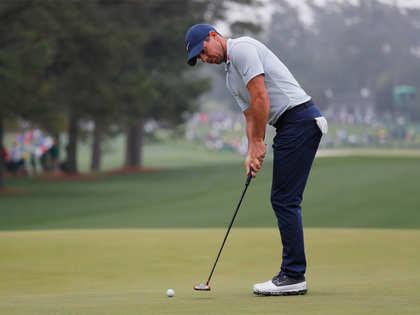
Master Golf Etiquette: Transform swing,Putting & Driving Habits
introduction
Golf blends athletic skill with social expectation: to play well you must refine your swing,putting and driving while observing behaviors that protect safety,speed up play and show consideration for others. Advances in biomechanics have clarified how coordinated joint timing, force transfer through the ground and neuromuscular control produce repeatable ball‑striking and reliable putting. equally vital-though less frequently enough studied-is how etiquette supports efficient practice and performance by enabling focused repetitions and cooperative on‑course behavior. This article merges up‑to‑date biomechanical guidance with practical etiquette to offer a unified plan for technical advancement and considerate play.
This piece has three aims. First, to extract the biomechanical essentials that reliably enhance swing mechanics, putting steadiness and driver control, and to translate them into easy‑to‑apply drills and coaching cues. Second, to define the etiquette behaviors that speed learning, improve group decision‑making and sustain positive course dynamics. Third, to lay out practice templates that combine technical work with etiquette habits so improvements made on the range transfer to recreational and competitive rounds.
Method: a translational stance-take scientific findings about movement and make them coachable, then embed those behaviors in etiquette-aware practice patterns (for example, pre‑shot checklists that respect pace of play, agreed approaches to shared putting surfaces, and simple safety checks at the tee). Situating technical coaching inside the social setting of the golf course aims to raise personal performance metrics while improving the experience for everyone in your group.
Below you will find concise reviews of the mechanics for swing, putting and driving; field‑tested drills and progressions; a compact etiquette guide; and ready-to-use practice sessions that combine technical and social considerations. The guidance is aimed at coaches,committed amateurs and researchers interested in applied biomechanics and behavior change in sport.
integrating Biomechanical Principles to optimize Golf Swing Efficiency
Start each session with a setup built on biomechanical consistency so every swing has the same baseline. Adopt a neutral athletic posture-slight knee flex about 15-25°, a modest lumbar tilt of roughly 5-8° away from the target for right‑handed golfers, and a shoulder plane that leaves the trail shoulder marginally lower at address. Ball position should follow the club: the driver near the left heel, long irons slightly forward of center, and short irons or tight lies at or near center; for putting, center the ball with your eyes a touch inside the target line. weight at setup is generally around 50/50 for iron shots, shifting to roughly 55/45 (back/lead) with the driver to encourage a positive attack angle. These objective cues let coaches and players spot deviations such as lateral sway, early extension or a flipped spine angle and correct them reliably.
Then layer in kinematic sequencing to produce efficient force transfer and dependable contact. Aim for a backswing that achieves approximately 80-100° of shoulder turn with hips rotating about 40-50°, creating an X‑factor (shoulder rotation minus hip rotation) in the order of 20-45°-enough torque for power without undue injury risk. During transition, emphasize lower‑body initiation (lead hip clearing), followed by torso unwinding and a controlled wrist release so the face squares at impact. To sharpen path and face control, include these drills:
- Alignment‑rod plane drill - place a rod on the target plane and swing to that plane to feel correct geometry.
- Towel‑connection drill – tuck a small towel beneath both armpits for 50 reps to reduce arm separation and prevent over‑the‑top moves.
- Impact bag – 30 compact strikes focusing on a forward shaft lean of about 5-8° on irons to teach compression.
Set measurable practice goals: shrink lateral dispersion to roughly ±10 yards at a 150‑yard target and aim for consistent attack angles (driver around +2° to +5° for lower handicaps; long irons roughly -2° to -6°).
The short game is where shots are saved, so teach repeatable contact models. For chips and pitches, stress a compact rotational motion, minimal wrist collapse and a hands‑ahead impact with forward shaft lean near 3-6° to produce crisp strikes. Use a variation of the clock drill around the green to train feel and distance control (e.g., 10 balls from each clock position to distances like 5, 10, 15 and 20 yards). Bunker technique requires an open stance, the clubface opened 1-2 grooves for most greenside shots and a steeper entry to take sand first; the feet‑together bunker drill encourages lower‑body stability. For putting, tie stroke length to distance (as a simple calibration, a small backstroke → equivalent forward roll equates roughly to 3 feet of roll per inch of stroke on many greens), keep eyes over or slightly inside the ball and target a tempo such as a 3:1 backswing:downswing ratio using a metronome. Fix common short‑game faults-scooping, flipping and inconsistent setup-using slow‑motion reps, video review and pressure simulations played out on the course.
Equipment and session structure should enable the biomechanical changes you’re coaching. Make sure clubs are fit for loft, lie, shaft flex and length: a wrong lie angle can bias direction by several degrees and an inappropriate shaft will sap repeatability and speed. Follow a weekly practice template that balances technique, power work and transfer:
- Warm‑up (10 min): dynamic mobility and short swings to establish rhythm and setup.
- Technique block (20-30 min): concentrated drills on one specific element with immediate feedback.
- Transfer/random practice (20-30 min): variable targets and simulated holes to build adaptability.
- Measurement: log clubhead speed, carry dispersion and center‑strike percentage using a launch monitor or impact tape.
Ambitions can be concrete and time‑bound-for example, increase clubhead speed by 3-5 mph in 8-12 weeks through coordinated strength work and improved sequencing, or raise greens‑in‑regulation by 5-10% via better iron compression and distance control.
Make sure biomechanical gains feed into course management, mental control and etiquette so improvements produce real scoring dividends. teach players to tailor shot selection to lie, wind and slope-as a notable example, into a crosswind from the left on a long par‑4, choose a lower‑trajectory 4‑iron or a controlled hybrid with a shortened swing rather of bailing out with driver; this reduces wind variance and keeps the ball in play. Build a compact pre‑shot routine that includes breath, visualization and a precise target line so the trained kinematic sequence can be reproduced under pressure.Integrate on‑course behaviors (repair ball marks, rake bunkers and avoid grounding the club in bunker sand per the Rules of Golf) and coach players to adopt ready‑golf where appropriate to preserve pace. For different learners and bodies offer a selection of approaches-video for visual learners,feel drills for kinesthetic players,and numeric metrics for analytic types-and finish sessions with a short on‑course plan: three holes to practice the new movement,one scoring hole to test under pressure,and post‑round notes to track transfer from practice to play.

Building a Reliable Pre‑Shot Routine to Improve Consistency and Decision‑making
An effective pre‑shot routine is repeatable, strategic and time‑efficient. Start by inspecting the lie, wind, slope and hazards, then choose the club and the target line. Define the shot objective-carry, roll or shape-and select a landing point plus an acceptable margin for error. A practical sequence is: assess → select club → visualize → rehearsal swing → final setup → execute. Recreational golfers can take 20-30 seconds for full shots; low‑handicappers and competitive players should tighten that to 10-15 seconds while preserving each cognitive step. Short verbal triggers (for example, “wind then commit”) help enforce ordering and reduce second‑guessing under stress.
After the cognitive checklist, lock in physical setup and swing checkpoints. Use an alignment rod or shaft on the ground to ensure the clubface is square to the target first, then align feet, hips and shoulders.Target a stance width about shoulder‑width for mid‑irons, slightly narrower for wedges, and roughly 1.5× shoulder‑width for the driver. Ball position should be center to slightly forward for short/mid irons, move one ball forward for long irons/hybrids and about two balls off the left heel for the driver. Keep a spine tilt around 20-30° from vertical with 15-20° knee flex for balance and aim for about 60/40 left/right weight distribution with longer clubs. These quantifiable setup cues cut down variability and provide a reference for practice comparisons.
Differentiate routines for putting, chipping and bunker play.For putting, focus on green reading and speed-visualize the start line and the first few feet of roll, then make a single practice stroke matching intended tempo. For chips and pitches, pick a landing spot and a roll‑out circle and rehearse a rhythm‑based half swing to match that landing. In bunkers, rehearse a wider base, an opened face and steeper practice swings. Before every shot follow these setup and etiquette reminders:
- Confirm line and yardage-use a yardage book or rangefinder if local rules allow;
- Do not unlawfully improve your lie or line-follow the Rules of Golf;
- Limit practice swings to keep your group moving,and always repair divots and ball marks.
These steps link technical execution with situational awareness and course stewardship.
Train the routine with drills and measurable targets so transfer to competition is dependable. progress from controlled repetition to pressure simulation with exercises such as:
- Alignment Gate Drill: place two clubs on the turf to create a gate and hit 30 shots with at least 80% of shots passing cleanly through;
- 10‑Ball Target Challenge: hit 10 balls to a 100‑yard target and record dispersion-aim to cut standard deviation by 20% over four weeks;
- 2‑Minute Putting Drill: simulate course timing-read, make a single practice stroke, set and putt within 10-12 seconds for short putts.
Typical errors include over‑rotation at setup, inconsistent ball position and abandoning the routine under stress; correct these with filmed setups, alignment aids and timed rehearsal of the full routine. Practice targets can include increasing GIR by 5-10% in 8 weeks or lowering three‑putts to under one per round by sharpening pace control and pre‑putt visualization.
Pair the physical routine with simple mental cues and practical adjustments for conditions. Use a breathing anchor (inhale/exhale) and a one‑word trigger (for example,“commit”) at the final setup to diminish cognitive clutter. Modify club selection and trajectory for weather and lie-into a stiff headwind add 10-20 yards to yardage and choose a lower flight with less spin in wet conditions to avoid plugging. Keep routines compact to respect pace of play and group flow, but never omit essential safety and alignment checks when a shot matters. By rehearsing a structured, measurable pre‑shot procedure that covers setup, swing mechanics, short‑game variants, drills and mental preparation, golfers at every level will gain steadier performance, surer decision‑making and smaller scoring variance over time.
Technical Adjustments to Improve Driving Accuracy and Distance Control
Start driving practice from a reproducible setup focused on alignment, balance and clean contact. For most right‑handed players place the ball about 1-2 ball diameters forward of center-roughly aligned with the left heel-to encourage a slightly upward attack. Tee height should expose the equator of the ball near the upper portion of the clubface (around 1.5 in / 38 mm). Adopt a roughly shoulder‑width stance, a slight spine tilt away from the target (~3-5°) and a relaxed grip pressure (~4-5/10).Respect teeing ground rules-keep the ball within the teeing area and repair any ground you disturb as part of proper etiquette. Use these setup checkpoints to build repeatability:
- alignment stick or club placed along the toes to confirm aim;
- Ball position aligned to the left heel for an upward strike;
- Weight balance around 55/45 toward the back foot at address, shifting forward at impact;
- Grip and wrist set to control face orientation.
Move from setup to sequencing with a focus on efficient energy transfer. keep the takeaway controlled so the clubhead stays slightly outside the hands for the first 1-2 feet, then create width through torso rotation-the top position ideally shows a wide arc with the lead wrist relatively flat and the shaft near parallel to the ground. Initiate the downswing with the lower body to store elastic energy and preserve lag; target a shallow, slightly upward attack angle of +2° to +4° with the driver to maximize carry. At impact prioritize center‑face contact and a strong smash factor (aim for about 1.45-1.50 for many amateurs). Typical faults and simple corrections:
- Early casting: use the towel‑under‑arm drill to keep forearm connection;
- Over‑rotation/face control loss: practice slow‑motion mirror checks to monitor face at the top;
- Too steep a downswing: put an alignment rod outside the trail hip to encourage an in‑to‑out shallower path.
When basic mechanics are stable, refine shape and trajectory by managing face‑to‑path relationships. Recall ball‑flight fundamentals: face angle sets initial direction and the relation of path to face controls curvature. To produce a controlled fade, open the face about 2-4° relative to the target and swing slightly out‑to‑in; to shape a draw, close the face by 2-4° and work on a neutral to slightly in‑to‑out path. Adjust ball position and loft to control launch-moving the ball a half‑ball back and de‑lofting ~1-2° helps punch shots into a headwind; moving it forward and increasing loft raises carry in calm conditions.Always choose the shot you can repeat under pressure-e.g., use a fade to thread a right‑to‑left dogleg or a lower punch to ride under gusty wind.
Fitting and equipment choices turn technical progress into consistent gains.Higher MOI heads reduce dispersion, and shaft flex/torque must match your swing speed and transition style: players swinging drivers in the 85-95 mph range often perform best with Regular or Stiff shaft options depending on tempo. Use launch monitor windows as fitting targets-typical ranges include launch angle 12-14°, spin 1800-3000 rpm, and a smash factor ≥ 1.45-then iterate loft and shaft specs accordingly. Ball selection also matters-lower‑spin balls tend to mitigate sidespin and straighten drives,whereas slightly higher‑spin balls can benefit players needing extra stopping power into greens. Base equipment decisions on objective fitting data combined with player feel.
Combine structured practice and mental training to convert technical improvements into fewer strokes. A weekly plan might mix a technical block (30 minutes of focused drills), speed/distance work (20 minutes with measured rest), and on‑course simulations (9 holes emphasizing target discipline).Useful drills and aims:
- gate drill with tees to ingrain path and face control (target: halve left/right misses in two weeks);
- Smash‑factor drill using a launch monitor (target: improve by 0.02-0.05 over several sessions);
- Tempo clock or metronome to stabilize a 3:1 backswing:downswing rhythm.
During practice and play use a clear decision rubric: pick the safest wide landing area rather than the longest carry, factor wind and pin placement, and shout “fore” when appropriate. By aligning technical targets, equipment fitting and situational strategy, players can expect steady, measurable progress in driving accuracy and distance control that translates to fewer strokes.
Putting Mechanics and advanced green‑Reading for a Dependable Short Game
Begin putting with a consistent setup that promotes forward roll. Use a stable stance roughly at shoulder‑width, position the ball center to slightly forward of center for a standard‑loft putter (most face lofts are around 2-4°), and place your eyes directly over or just inside the ball so the intended line is visible. Confirm this by plumb‑lining the putter shaft to see the ball under your eyes. keep grip pressure light (~3-4/10) to avoid wrist manipulation and set the putter face square with the shaft inline with the forearms to promote a shoulder‑driven stroke. Follow putting green etiquette: you may mark,lift and clean the ball but always replace it on the original mark and avoid stepping on another player’s line.
Develop a pendulum‑style stroke led by shoulder rotation with minimal wrist action. Aim for a near‑planar arc with under 10° of wrist hinge and no flick at impact. Tempo matters: use ~1:1 backswing:forward for short putts and slightly increase forward acceleration on longer attempts while preserving rhythm. To refine path and face control,practice:
- Setup checkpoints: eyes over ball,light grip,square face,relaxed shoulders;
- Stroke drills: shoulder pendulum,gate drills for path,and gentle impact taps to feel a square,accelerating roll.
These drills promote consistent contact and predictable roll.
Advanced green reading blends slope, speed and situational judgment. Start each read from the low side and walk the line to find the fall line and high point-the basic clues about how gravity will bend the putt. Factor in green speed (many courses test between 8-12 ft Stimpmeter), grain direction, mowing patterns, wind and moisture. A practical three‑step read is: (1) find the fall line/high point,(2) pick an aiming spot about 1-2 feet in front of the ball accounting for break,(3) choose a speed designed to leave a reasonable second putt if you miss. While reading avoid trampling someone else’s line and defer to faster play when multiple players are scanning a large green.
Practice with specific, measurable benchmarks-examples include making 70-80% of putts from 3 ft, converting 50% from 6-8 ft and reducing three‑putts to two or fewer per 18. Effective exercises:
- Clock drill: balls placed around the hole at 3 ft to build short‑range confidence;
- Ladder/Distance drill: putts from 5, 10, 15, 20 ft, scoring how many finish within a 3‑ft circle;
- Gate drill: two tees slightly wider than the putter head to ensure a straight path;
- Lag‑and‑stop drill: 30-50 ft putts aimed to leave a 3-6 ft target to cut three‑putts.
Simulate different green speeds and wind by changing surface or putting into damp grass. For players with physical limits consider alternative grips (claw, etc.) or longer‑shaft options, but remember that anchoring the putter to the body is prohibited under the modern Rules.
Integrate putting into overall course strategy and the mental game to reduce strokes around the greens. Decide when to attack the pin or play the safer line-on a 30-40 ft putt with tiers, prefer lagging to an uphill two‑putt rather than risking a long breaking make. Use a compact pre‑putt routine (about 5-7 seconds): visualize the line, feel the stroke and exhale to commit. Practice green etiquette-repair pitch marks, smooth spike scuffs and maintain pace of play-so the playing surface benefits everyone. with disciplined mechanics, validated reading methods and structured practice goals, players at all levels can lower short‑game losses and improve scoring consistency.
Designing Practice Protocols Emphasizing Deliberate Repetition and Objective Feedback
Deliberate practice prioritizes quality over quantity. Start each session with a 10-15 minute dynamic warm‑up (mobility and progressive swings), then follow focused blocks isolating specific skills. A practical allocation is 20 minutes for short game, 30-40 minutes for full‑swing mechanics, and finish with 15 minutes of putting. Use a block‑to‑random progression: begin with blocked practice to establish movement patterns,then transition to random or variable practice to enhance retention and transfer. Give every session measurable targets-e.g., make 30 quality wedge strikes with 70% solid contact or reduce 20‑yard driver dispersion to within 10 yards-and keep a practice log to track progress objectively.
To refine the full swing, return frequently enough to setup fundamentals and use immediate feedback. At address aim for a stance near shoulder width (16-18 in.), knees flexed roughly 12-15°, and a modest spine tilt (~5-10°) to permit a full shoulder turn; for irons place the ball slightly left of center and allow about 5° of forward shaft lean to compress through impact. incorporate tactile drills:
- Impact bag drill - half swings to feel a descending blow and compress turf 1-2 inches past the ball;
- Gate drill – tees or headcovers outside the path to prevent casting;
- One‑arm swings – slow reps per side to enhance sequencing between torso and arms.
Use video (high‑speed where possible) and alignment rods to confirm about 90° of shoulder rotation on full backswing; if you see early release or flipping, reintroduce the towel drill to restore forearm connection.
Short‑game work should vary by distance, lie and trajectory. Set wedges (typically 46-60°) with appropriate bounce (6-12° for softer turf; higher bounce for soft sand) and practice three core techniques: low chip (ball back 1-2 in., ~60-70% weight forward, minimal hinge), mid‑pitch (ball centered/slightly forward, three‑quarter swing, controlled hinge) and high flop (open face, shallower swing, weight forward).Putting practice should tie stroke length to distance-on many greens a 4-5 ft putt frequently enough needs a 6-8 in. stroke on slow surfaces-and use setup checkpoints:
- Eyes over or just inside the ball and putter shaft tilted 10-15° forward;
- Light grip pressure (~3-4/10);
- Gate and ladder drills to train face control and pace-50 putts at three distances with immediate scoring.
Scale drills to the player: novices emphasize contact and pace; better players refine distance control and subtle reading of grain and slope.
Turning practice into course performance requires simulating real scenarios and following the rules and etiquette. Always practice in permitted areas, repair divots and pitch marks and rake bunkers after use. When practicing sand shots, work from both tight and soft lies and rehearse explosion shots (open face, accelerate through sand). For tee practice aim at fairway windows (for example, avoid bunkers at 260-280 yards) rather than maximum yardage-this teaches tactical tee‑shot placement. Simulate recovery from the rough and create constrained holes where a layup club is required (e.g., leaving 110-120 yards to the pin). These exercises sharpen on‑course decision making and reinforce etiquette like keeping a quiet habitat and maintaining pace of play.
Embed objective feedback and progressive targets in every practice cycle. Use launch monitors to capture ball speed, clubhead speed, launch angle, spin and smash factor and set numeric aims (many amateurs benefit from a driver launch of 12-15° with consistent smash factor for efficient carry). Use impact tape to evaluate strike location, a yardage book to compare accuracy to target, and strokes‑gained approaches to identify the biggest scoring opportunities. For troubleshooting and long‑term planning, follow a simple workflow:
- Identify the weakest scoring area (e.g., putting or approaches) from round data;
- prescribe a focused micro‑cycle (4 weeks) with KPIs such as fewer than 2 three‑putts per round, a 5% GIR increase, or driver dispersion within ±10 yards;
- Validate progress with objective tools and subjective reports (confidence, handling pressure).
Also use mental rehearsal, breathing patterns and pre‑shot rituals; offer visual (video), kinesthetic (weighted implements) or auditory (counting rhythm) cues so practice is accessible and effective across skill levels.
Course Etiquette and Social Protocols to Preserve Pace, Safety and Mutual Respect
Keeping play flowing starts with efficient pre‑shot routines and situational awareness that protect safety and respect fellow players. adopt ready golf during casual rounds-while competition requires order, be ready to play when safe. as a guideline, aim for a pre‑shot process under 40 seconds for the first player and under 30 seconds for subsequent players in a group to keep tempo steady.before every shot check these essentials:
- Alignment: clubface square to the intended target line and body parallel to that line;
- Stance width: about shoulder‑width for mid‑irons and slightly wider for long clubs;
- Ball position: driver inside the lead heel,mid‑irons centered,short irons slightly back.
Consistent checkpoints make pace a performance asset instead of a nuisance.
Safety and respect are non‑negotiable. Call “Fore!” loudly and promptly if your ball may hit someone, and use clear projection so others can move. Follow cart path and local restrictions (many courses limit carts within ~30 yards of tees and greens), and when positioned on slopes stand on the high side of a swinging player. Repair pitch marks and divots quickly-mark and lift on the green with a marker, repair the mark by pushing turf inward toward the center within 5-10 seconds, and replace the ball. Rake bunkers after use and lay the rake outside the playing line or parallel to it to avoid inconveniencing the next player.
Etiquette supports mechanics: a pre‑shot routine that enforces setup consistency produces more repeatable swings and preserves pace. For swing fundamentals practice weight transfer from a neutral 50/50 address to about 60-70% on the trail foot at the top of the backswing and then to around ~70% on the lead foot at impact to promote compression. Maintain spine tilt of roughly 5-10° toward the trail side and a small forward shaft lean of 2-4° for mid‑irons to encourage a descending strike. Useful drills include:
- Alignment stick drill: one stick on the target line and one parallel to the feet to verify stance and swing path;
- Step‑through drill: half swings finishing with a step toward the target to rehearse weight transfer;
- Tempo metronome drill: use a 3:1 backswing:downswing rhythm to prevent deceleration and hold clubhead speed.
Set measurable aims-e.g., increase fairways hit by a personal target (+10% over six weeks) or halve fat shots-and validate with video or launch‑monitor data.
Quick, correct short‑game behavior sustains pace and lowers scores. On the green mark and replace your ball quickly,and limit time spent reading breaks to one player at a time while others prepare. Use the clock drill for pitching and chipping-targets at 3, 6, 9 and 12 o’clock to teach stroke lengths-and match stroke length to each clock position for consistency. In bunkers, open the face 2-4 grooves for softer landings and aim to enter the sand about 1-2 inches behind the ball to use bounce; practice the splash drill with 20-30 repetitions from a consistent sand depth. For putting practice focus on lag targets (e.g., leave within 6 feet) and use gate drills to square the face at impact-aim to reduce three‑putts by a measurable amount (for example, a 25% drop over eight weeks).
Fuse course management,situational adjustments and mental strategies into your social conduct to improve scoring and group harmony. Before each hole pick a plan favoring the bail‑out zone-the safest miss area-rather than risky lines when wind exceeds about 15 mph or hazards crowd landing zones; this reduces recovery shots and keeps play moving. run situational practice rounds where you intentionally play conservative targets on a subset of holes and track outcomes-record GIR, scrambling percentage and putts per hole to set objective goals. Offer coaching cues tailored to learners: video for visual types, feel drills for kinesthetic players and concise verbal prompts for auditory learners. maintain quiet during others’ swings,mark balls promptly and communicate pace decisions transparently-consistent etiquette and social protocols lead to measurable technical improvements and lower scores across ability levels.
Managing Psychological factors: Confidence, Pressure and On‑Course Decision Making
Anchor confidence with a repeatable pre‑shot routine that limits pressure‑driven variability. Reserve a brief visualisation and breathing phase-about 3-5 seconds-before addressing the ball: three deep breaths, choose an exact target (a blade of grass, a yardage marker or a slope), then perform a two‑step alignment check. At address use a shoulder‑width stance (~18-20 in), slight knee flex (~5-7°), and preserve spine tilt so the lead shoulder sits a bit higher for long clubs; for irons place the ball from centered for short irons to about 1-2 inches inside the lead heel for long irons/driver. Use this checklist to troubleshoot:
- Alignment stick parallel to the target line for feet and clubface;
- Grip pressure around 4-6/10 to allow release without tension;
- Balance check: feel ~50/50 weight before takeaway.
Rehearsed setup cues build procedural confidence and reduce decision paralysis; repeatability underpins pressure management.
Turn confidence into sound course decisions with explicit rules that limit downside and play to strengths. Keep a personal distance book-know carry and total yardages for each club within about ±5 yards-and choose clubs to avoid hazards rather than to chase pins. When a forced carry or narrow fairway appears, select a club that leaves a safe layup zone 10-20 yards short of the hazard instead of a low‑percentage aggressive line. Practise drills to build this knowledge:
- Range yardage ladder: targets at 50, 100, 150, 200 yards and record landing patterns for each club;
- Fairway‑finding challenge: play nine holes prioritizing keeping the ball in play over distance.
Also be familiar with Rules for hazards and relief (e.g., abnormal course conditions and penalty areas) so choices are both strategic and legal under pressure.
Pressure tends to expose short‑game and putting weaknesses, so pair mental tools with mechanical fixes.For chipping, adopt a narrower stance and a 60/40 forward‑weighted setup with the hands 1-2 cm ahead of the ball to encourage a descending blow. For pitching, rehearse a controlled wrist hinge with a consistent low point-use a clock‑face drill where backswing length (such as, 7 o’clock for a full pitch, 4 o’clock for a 30‑yard pitch) maps to distance. For pressured putting include one practice stroke with eyes closed to reinforce feel, then address with a tempo (recommendation: 3:1 backswing:downswing for longer putts).Common fixable problems:
- Chunked chips – shift weight forward and maintain hands ahead at impact;
- Over‑rotation on pitches – limit shoulder turn and lock lower‑body stability;
- Putts hit too hard or too soft – practise 6-12 ft lag putts to tune speed feel across different Stimpmeter ratings.
drills under simulated pressure help encode motor patterns that hold up when stakes rise.
Deliberately desensitise pressure by structuring practice into technical work, situation rehearsal and performance simulation with measurable aims. A weekly blueprint: 10-15 minutes warm‑up, 30-40 minutes short‑game (about 60% of total practice), and 20-30 minutes full‑swing and situational shots. Include targeted drills:
- Pressure ladder: make five consecutive 6‑ft putts with increasing difficulty-restart on a miss;
- Chip clock: eight balls in a circle from 10-30 yards to one hole, scoring proximity;
- Wind‑play range session: practice adjustments (7, 9, 11, 13 clubs) using half and three‑quarter swings.
Set measurable targets-reduce three‑putts by 50% in six weeks, raise GIR by 10% in eight weeks, or increase fairway accuracy by 15% in a month. Use launch monitors sparingly to confirm carry and launch,and only change loft/lie or shafts after consistent data supports the modification.
Etiquette and situational awareness support calm decision‑making under pressure. In windy or firm conditions favour shots that keep the ball below the hole to manage roll; when reading greens identify high points, grain and crowns-on many bentgrass greens the grain tends to run away from spectator areas, which affects break. When you face an critically important on‑course shot follow a six‑step commit sequence: visualise, select precise line and landing area, rehearse one tempo stroke, commit to the club, execute and move on. Simulate pressure in group formats (match play or competitive nets) to acclimatise to external stressors. adhere to etiquette-repair marks, rake bunkers and play ready golf-to keep pace and reduce avoidable distractions; those routines let technique, not anxiety, determine scoring.
Matching Equipment Selection and Maintenance to Skill Level and Performance Targets
Choose clubs and specs that align with both current ability and long‑term goals. Beginners benefit from forgiving gear: higher‑lofted drivers (about 10-12°), cavity‑back irons with perimeter weighting, and hybrids replacing long irons for consistent launch and spin. Intermediate players should pursue a fitted set-shaft flex guidelines roughly Regular (R) for 80-95 mph, Stiff (S) for 95-110 mph and Extra Stiff (X) above 110 mph-and maintain loft gaps of about 8-12 yards. Low handicappers who need workability often prefer muscle‑back or compact player’s cavity irons with tighter loft gaps (about 6-8 yards). Use launch‑monitor data to confirm each club’s carry and dispersion-targets such as driver carry dispersion under 15 yards and a 7‑iron carry variance under 10 yards can justify custom fitting.
Maintenance matters: worn or mismatched equipment undermines technique. regrip clubs every 40-60 rounds or sooner if tack drops, check lofts and lies annually or after impacts, and inspect wedge/iron grooves for rounding-replace when grooves no longer provide expected spin, notably on short shots where stopping power is vital. Store clubs dry, use headcovers for woods to prevent marks, and clean faces regularly during practice (observing course rules during play). For wedges monitor bounce angle and sole wear-higher bounce (10-14°) suits soft turf and bunker play, lower bounce (4-8°) works better on firm, tight surfaces. Proper maintenance preserves predictable ball flight so your technique, not equipment defects, controls outcomes.
Align your setup and mechanics to the clubs you use via repeatable checkpoints and drills.Start from consistent ball positions (driver 1.5-2″ inside left heel, mid‑irons center, wedges slightly back) and maintain grip pressure around 4-6/10, spine tilt ~5-8° for long clubs and a stance width matched to your swing plane. Monitor angle of attack: drivers often benefit from a slightly positive attack (+1-3°) for launch and carry, while irons usually need a negative attack (-4-8°) to compress the ball. Use practical drills:
- Impact bag to feel compression and preserve lag;
- Alignment rod plane to groove swing plane and path;
- Towel‑under‑armpit to maintain connection and prevent early separation.
These routines link equipment characteristics (shaft kick, clubhead CG) to body mechanics so clubs behave predictably under stress.
Short‑game and course strategy should reflect both club choices and surface conditions. For wedge play pick loft and bounce to match lies: soft, bunker‑rich turf favors higher bounce (10-14°) and open faces, while firm, links‑style surfaces call for lower bounce (4-8°) and narrower soles. Improve distance control with a ladder drill-five wedge shots to 30, 40, 50, 60 and 70 yards and record carry to establish yardage bands within about 8-10 yards. For putting match stroke length to distance-short putts under 10 ft rely on pendulum strokes with a square face, lag putting targets are speed based (leave the first putt within ~3 ft from 30 ft). Etiquette follows skill: always repair marks, rake bunkers and when penalties (water, OB) loom favor conservative targets. In windy or wet conditions practise punch shots and 3/4 swings to lower trajectory and reduce spin in wind drills.
Implement a structured practice plan with measurable goals, troubleshooting steps and mental routines to ensure equipment and technique evolve together. weekly goals might include tightening 7‑iron dispersion to ±10 yards or setting wedge gaps to 10±2 yards. Combine range work with on‑course simulations-play nine holes concentrating on conservative club selection and aiming for the wide side of greens. Troubleshooting common faults:
- Slice: check face angle at address, strengthen grip and practice an in‑to‑out path;
- Fat shots: shift the ball slightly back, shallow the shaft and use the impact bag to feel forward shaft lean;
- Inconsistent short‑game spin: inspect grooves, adjust loft choice and rehearse a half‑swing clock drill for contact consistency.
Rely on objective data (carry, launch, spin from a launch monitor) for incremental equipment changes rather than anecdote. Cultivate a concise pre‑shot routine to handle pressure and adapt coaching for visual, kinesthetic and analytical learners. Together, precise equipment selection and maintenance support technical development, smarter strategy and verifiable score gains.
Q&A
Below is a focused Q&A in professional language summarizing the article’s blend of biomechanics, short‑game technique, driving and etiquette to support effective practice and courteous play. (Note: the web search results supplied with the original request did not include golf‑specific sources; the Q&A draws on applied biomechanics, motor‑learning and established golf etiquette practice.)
Q1: What domains does this piece cover?
A1: Three interlocking areas: (1) biomechanical foundations of the full swing and driving (kinematics and sequencing for power and accuracy); (2) motor control and putting technique (alignment, tempo and distance control); and (3) on‑course etiquette paired with structured practice models that improve safety, pace and social interactions.The write‑up integrates evidence on movement with pragmatic course behavior.
Q2: How does biomechanical analysis improve the full swing?
A2: Biomechanics clarifies optimal proximal‑to‑distal activation, the best use of ground reaction forces and the timing of segments to create consistent clubhead speed and launch conditions. Key takeaways: initiate the downswing with lower‑body rotation and weight shift, preserve wrist angles to maintain lag, coordinate thorax and pelvis rotation to control path and keep a stable base to avoid compensations. These insights drive targeted drills and cueing to alter motor patterns.
Q3: Which mechanical faults are prioritized and how are they fixed?
A3: Typical faults include early extension, casting (loss of lag), overactive upper body leading to reverse pivot, and poor weight transfer. Recommended corrections: lower‑body initiation drills (step or pause drills), wrist‑angle retention drills (towel‑under‑armpits), posture awareness via mirror or video, and impact‑position training (impact bag, half swings). Progressions move from constrained practice to open, variable contexts to ensure transfer.
Q4: What motor‑learning principles inform practice design?
A4: Evidence‑based principles advocated are: deliberate practice with clear goals and feedback; variable practice to boost adaptability; blocked practice for acquisition followed by random practice for retention and transfer; judicious use of augmented feedback (video, launch metrics) to avoid dependency; and periodization of cognitive and physical load to prevent fatigue and support consolidation.
Q5: What putting mechanics are core?
A5: Core elements are a consistent setup (eyes over or just inside the ball), a shoulder‑driven pendulum stroke with minimal wrist action, a stable lower body, square face through impact and a steady tempo. These reduce variability in face angle and path-primary determinants of direction and distance control.
Q6: Which drills and feedback aid putting consistency?
A6: Useful drills include gate drills (path control), ladder/distance drills (speed control), tempo practice with metronome, alignment exercises with string or chalk and pressure simulations. Feedback via video and quantitative roll or launch metrics (when available) accelerates advancement.
Q7: How should golfers approach driving for accuracy and distance?
A7: Pursue launch‑condition optimization (launch angle and spin matched to swing speed), improve center‑face contact and control dispersion through consistent setup and sequencing. Emphasize forward ball position, correct tee height, lower‑body initiation and a controlled release. Fitting informed by launch‑monitor data aligns equipment to your biomechanics.
Q8: What is the role of equipment fitting?
A8: Proper fitting matches the player’s biomechanical outputs (speed, attack angle, spin) with club properties-shaft profile, loft and head design-to optimize launch and reduce dispersion.Poorly matched gear can magnify faults; fitting should use objective data plus player feel.
Q9: How should practice sessions be structured to produce measurable gains?
A9: A session should include warm‑up, a focused technical block, a variable/transfer block and a pressure/simulation block.Prefer short regular sessions with explicit metrics (e.g., reduce dispersion by X, increase putts made from 6-10 ft by Y%) and record results for longitudinal tracking.
Q10: Which etiquette rules matter most on course and practice facilities?
A10: Keep pace (use ready golf where appropriate), protect safety, repair marks and divots, rake bunkers, minimize noise/movement while others play, yield to faster groups and follow local cart/green rules.These norms preserve the course and social goodwill.
Q11: How do you balance focused practice with courteous use of shared facilities?
A11: Avoid hogging greens or bays, rotate stations when others wait, use mats when required, and schedule high‑intensity sessions (instructors or launch monitors) in private bays where possible to minimize disruption.Q12: What behaviors reduce interruptions to others?
A12: Stand still and silent while others address the ball, avoid moving in peripheral vision, don’t take distracting photos during a shot, and use yardage devices unobtrusively. Respect the group’s plan for order and pace.
Q13: How to integrate sports‑science assessments into coaching?
A13: Run baseline screens (mobility, strength, swing kinematics, putter‑face mapping), conduct periodic objective testing with launch monitors and high‑speed video, then design individualized plans targeting identified deficits and validating on‑course transfer.
Q14: What cognitive strategies support habit change?
A14: Use SMART goals, self‑monitoring (logs and metrics), implementation intentions (specific cues and plans), attentional anchors (pre‑shot routines) and graded exposure to pressure. Immediate, specific feedback and reflective practice support long‑term habit formation.
Q15: How to handle slow play or etiquette breaches by others?
A15: Start with polite in‑group interaction; if unresolved, involve course staff or marshals rather than escalate. Allow faster groups through when appropriate and model the behavior you want to see.
Q16: Are there quantifiable benchmarks for tracking progress?
A16: Yes-clubhead and ball speed, dispersion metrics, fairways hit, GIR, strokes‑gained splits, average putts per round and make percentages from set distances. Regular measurement enables evidence‑based evaluation.
Q17: How to reconcile technical change with consistent performance under competition?
A17: Phase changes: start with controlled practice off‑course,progress to variable practice and pressure simulations,and then integrate minimal‑cue on‑course work to preserve automaticity-following motor‑learning progressions aids retention under stress.
Q18: Practical takeaways for coaches?
A18: Conduct holistic assessments, build individualized periodized plans that blend biomechanics and motor‑learning, use objective tools prudently, teach etiquette and course management as core skills, and cultivate deliberate practice habits with clear feedback and KPIs.
Q19: What should amateurs prioritize first?
A19: Prioritize high‑return areas: short game and putting often yield the biggest handicapping gains, followed by course management and driving accuracy. Use round data to target the largest deficits.
Q20: What ethical/cultural notes about mastering etiquette?
A20: treat mastery as stewardship-care for fellow players, the course and the game’s traditions. Apply etiquette sensitively across cultures, communicate respectfully and promote inclusivity and safety.
Appendix: Note on supplied web search results
– The search results that accompanied the original brief did not include golf‑specific sources; they referred to unrelated material. The guidance above synthesizes applied biomechanics, motor‑learning and common golf etiquette practice rather than quoting external webpages.
If you’d like a printable practice plan, a set of coachable cue cards, or a condensed FAQ for players, those can be produced from the material above.
Concluding Remarks
Mastering golf etiquette alongside technical refinement of swing, putting and driving requires an integrated approach that blends movement science with considerate on‑course behavior. Measurable improvement comes through phased, deliberate practice-solid posture and kinematics, dependable putting routines, and targeted driving drills-each backed by clear metrics and reinforced by respectful conduct on the course. Social norms that protect pace of play and course condition amplify individual gains by preserving practice opportunities and fostering positive peer feedback.Future investigations should examine individualized biomechanical profiling, the long‑term adoption of etiquette behaviors, and how feedback technologies narrow the gap between practice and performance. Coaches and practitioners are encouraged to adopt evidence‑informed, ethically grounded practice plans that advance both player ability and the collective golfing experience.

Elevate Your Golf Game: Master Etiquette, Perfect Your Swing, and Sharpen Your putting & Driving Skills
Golf Etiquette: respect, Safety, and Pace of Play
Good golf etiquette is the backbone of any enjoyable round. From protecting the putting surface to maintaining pace of play, etiquette improves your experience and that of everyone around you. Use thes swift, actionable reminders every time you step on the tee box.
Essential Course Etiquette (Quick Checklist)
- repair ball marks on greens and replace divots on fairways promptly.
- keep practice swings behind the ball and be mindful of others’ lines on the green.
- Observe pace of play-be ready to hit when it’s your turn; allow faster groups to play through if needed.
- Keep carts and foot traffic off sensitive areas; follow cart path rules.
- Stay quiet and still while other players are addressing and hitting the ball.
- Rack bunkers and smooth sand after use; enter/exit bunkers from low sides.
Tip: A 30-second routine to repair and replace after each shot improves course condition and demonstrates respect-this small habit elevates your reputation as a courteous golfer.
Biomechanics for a Powerful, Repeatable Golf Swing
Power and consistency come from efficient biomechanics-alignment, posture, grip, sequencing, and balance. Think quality movement rather of just muscle. Here’s how to wire reliable mechanics into your swing.
Key Swing Elements & Coaching Cues
- Grip: Neutral to slightly strong. Pressure light to moderate-hold the club like you’re holding a tube of toothpaste without squeezing it out.
- Posture: Athletic spine tilt, soft knees, and hinge at the hips. Maintain a straight back to allow full shoulder turn.
- Alignment: Feet, hips, and shoulders parallel to target line. Use alignment rods during practice.
- Kinematic sequence: Ground → hips → torso → arms → club. Generate power from the ground up for efficient transfer of energy.
- Balance & Finish: Hold your finish for 2-3 seconds to confirm balance and control.
Drills to Improve Swing Mechanics
- Hip-turn drill: Place an alignment rod across your hips and practice rotating without swaying.
- Slow-motion 3/4 swings: Train sequencing and feel for the correct clubhead path.
- Impact bag: Short hits into a padded bag to groove forward shaft lean and compress the ball.
- One-arm swings: Left-arm only (or right for left-handers) to improve connection and wrist stability.
Putting: Combine Science with Feel
Putting demands a blend of green-reading, consistent setup, and a repeatable stroke. Small changes create big score improvements-focus on speed control, alignment, and a stable lower body.
Putting Fundamentals
- Setup: Eyes over or just inside the ball, narrow stance, light grip pressure, and minimal wrist action.
- Stroke: Pendulum motion from the shoulders with a quiet lower body. Aim for consistent tempo (count or metronome).
- Speed control: Practice long putts to calibrate distance-speed is often more important than perfect line.
- Green reading: Read high-to-low slopes, look for subtle breaks and combine visual inspection with pace judgment.
Putting Drills & Routine
- Gate drill: Place two tees slightly wider than your putter head and stroke through to ensure square face at impact.
- 3-2-1 drill for distance: Putt three balls from 20 ft, two from 15 ft, and one from 10 ft; focus on leaving second putts inside 3 feet.
- Clock drill: From 3 feet around the hole at 12 positions. Great for pressure putting and build confidence.
Driving: Accuracy + Distance Without Sacrificing Control
Driving is about striking a balance-maximize carry and roll while keeping the ball in play. A controlled swing with efficient sequencing produces both accuracy and distance.
Driver Setup & Swing Tips
- Ball position: Inside your front heel to promote an upward strike and optimize launch angle.
- Tee height: Half the ball above the top of the driver face-greater forgiveness and higher launch.
- Wider stance & athletic posture: For stability and greater coil.
- Turn, don’t sway: Create torque with a shoulder turn while maintaining head and spine angle.
- Release and extension: Allow the club to release naturally through impact to avoid slicing or hooking extremes.
Driving Drills
- tee drill: Tee up 3 balls; hit progressively longer swings focusing on consistent contact.
- Fairway target practice: Choose a fairway target and aim 70% accuracy to reward control over raw distance.
- Launch monitor feedback: Track ball speed, launch angle, and spin rate to dial in driver settings.
Structured Practice Frameworks for Measurable Improvement
Consistency comes from purposeful practice. Use this weekly framework to balance technical work, short game, and on-course simulation.
| Day | Focus | Time | Goal |
|---|---|---|---|
| Monday | Putting & short game | 60 min | Speed control & up-and-downs |
| wednesday | Swing mechanics (iron work) | 75 min | Solid contact and consistent ball flight |
| Friday | driving & course strategy | 60 min | Fairways & tee shot placement |
| Weekend | On-course play | 9-18 holes | Transfer practice to scoring |
Practice Session Structure (60-75 min)
- Warm-up (10 min): Dynamic mobility, short swings, and stretching to prep shoulders and hips.
- Technical block (20-30 min): One focused drill-hip turn, impact position, or putting gate.
- Repetition block (15-20 min): Hit 30-50 balls working on the learned cue with consistent feedback.
- On-course simulation (10-15 min): Play 3 holes or practice specific scenarios (bunker saves, approach shots).
Common Swing Faults, Causes & Fixes
Identify faults quickly and use targeted drills to fix them. Here are high-impact corrections for common issues.
| Fault | Likely Cause | Fix |
|---|---|---|
| Slices | Open clubface, outside-in path | Strengthen grip slightly; practice inside-to-out swing path with alignment stick |
| Hooks | Closed clubface, early release | Weaken grip slightly; delay release; drill with impact bag |
| Fat shots | early weight shift or poor posture | Focus on maintaining spine angle; use feet-together drill for balance |
| Thin shots | Raised body through impact | Drill with tee or coin under ball to encourage compression |
On-course Strategies & Course Management
Smart management saves strokes. Play percentages over hero shots: know when to attack a pin and when to leave yourself a manageable approach.
Smart Course Management Checklist
- Play to your strengths: prefer the side with the safest margin.
- Choose clubs that leave you with high-percentage approach shots.
- Account for wind and elevation-adjust aim and club selection conservatively.
- Plan the hole backward: identify your target zone on the green, then select the safe landing zone from the tee.
Metrics & Tracking: Measure What Matters
Use simple metrics to track improvement: fairways hit, greens in regulation (GIR), putts per round, up-and-down %, and scrambling. Data drives targeted practice.
- Key Performance Indicators (KPIs): GIR, driving accuracy, average putts, sand saves, scrambling %.
- How to track: Mobile apps, simple spreadsheet, or scorecard notes after each round.
- Review cadence: Monthly review of KPIs to adjust practice priorities.
Benefits & practical Tips
Adopting etiquette, biomechanical improvements, and a focused practice plan yields measurable benefits.
- Lower scores through better short game and smarter tee decisions.
- Increased consistency by building repeatable swing mechanics rooted in biomechanics.
- Faster rounds and happier playing partners by following golf course etiquette and pace-of-play habits.
- Reduced risk of injury with proper posture, mobility work, and balanced sequencing.
Practical Tips for Busy Players
- Micro-practice: 15 minutes of putting or 20 minutes of impact drills on practice days you’re short on time.
- Use pre-round warmups to rehearse your intended shot shapes and target lines-this primes your nervous system for competition.
- Keep a short checklist in your bag: alignment rod, a towel to repair divots, a small tool for ball marks, and a yardage device.
Case Study: 6-Week Turnaround (Example)
Player profile: Mid-handicap player (index 16) aiming to break 80 consistently. Focus areas: putting (speed control) and driver accuracy.
- Week 1-2: Putting routine and 3-2-1 drill plus gate drill-cut putts per round from 34 to 30.
- week 3-4: Driver tee drill and fairway target practice-fairways hit increased by 15%.
- Week 5-6: On-course scenario practice and KPI review-scrambling improved and four rounds under 80.
Frequently Asked Questions
How often should I practice to see real improvement?
Consistency beats volume. 3 purposeful sessions per week (45-75 minutes) with one on-course round yields measurable progress in 6-8 weeks.
Should I use launch monitor data?
Yes-if available. Track ball speed, launch angle, spin, and carry. Use data-driven adjustments for driver settings and shaft choices.
How do I avoid slow play while practicing mechanics?
Use range stations: warm up, drill for a defined number of reps, then hit a cluster of target-focused shots to simulate on-course pace.
Keywords integrated: golf etiquette, golf swing, putting, driving, golf tips, swing mechanics, putting stroke, driving accuracy, golf practice, green reading, grip, posture, balance, course management, pace of play, short game.