
Shaft flex-the frequency-dependent stiffness and the dynamic bending response of a golf shaft-is a central, frequently overlooked factor that shapes outcomes from the tee through approaches and even on the green. Rather than a simple categorical choice (e.g., regular, Stiff, Senior), shaft flex should be viewed as a continuous, multi-dimensional attribute that interacts with a player’s biomechanics, tempo, clubhead design and ball characteristics to influence launch angle, spin, energy transfer and stroke stability. This article presents a practical, evidence-informed framework for how individualized shaft flex affects launch and spin behavior and how systematic fitting can improve distance, accuracy and repeatability.From a biomechanical standpoint, the shaft governs the timing and magnitude of energy flow between the golfer and the clubhead. Properties such as longitudinal stiffness distribution, torque and kick point interact with swing speed, release timing and wrist mechanics to change dynamic loft at impact, effective clubhead speed and face orientation. Those changes are visible on launch monitors as variations in ball speed, launch angle, spin rate, smash factor and lateral dispersion, and they correlate with kinematic markers like tempo, transition acceleration and wrist‑release timing. In putting, shaft bending and torsional rigidity influence perceived feel, face rotation through the stroke and face consistency at impact-factors that translate into measurable differences in distance control and line reading.
A robust optimization process combines biomechanical profiling, laboratory measures and on‑course verification. Below we outline repeatable procedures to (1) quantify shaft characteristics with frequency (Hz/CPM) and stiffness profiling, (2) map individual swing mechanics and tempo using high‑speed video and inertial sensors, and (3) correlate those data with launch‑monitor outputs to find the shaft profile that yields target launch angles, acceptable spin windows and reduced dispersion for each player. For putters we describe tests that isolate torsional stiffness and bending response under typical stroke loads and how those metrics relate to backstroke/forward‑stroke symmetry and pace control.
bringing together materials mechanics, human movement science and sports measurement, this guide gives coaches, clubfitters and researchers a data-driven workflow for matching shaft flex to a player’s neuromuscular pattern and goals. The objective is not just to chase maximum distance, but to pair shaft characteristics with a player’s motor patterns to deliver repeatable, confidence‑building results across drives, full swings and putting. The sections that follow examine the mechanics, offer case examples, and provide a step‑by‑step fitting protocol with instrumentation, metrics, decision rules and validation methods.
How Shaft Flex Shapes Launch and Spin
Knowing how stiffness profile, kick point and torque interact with your swing is essential to controlling launch and spin. The shaft behaves like a timing device: during the downswing it stores elastic energy as it bends, then returns that energy through impact, altering effective loft and face orientation at contact and therefore launch angle and spin rate. If shaft flex is poorly matched to a player’s clubhead speed and tempo, dynamic loft becomes inconsistent, dispersion grows and spin varies unpredictably. Use practical swing‑speed groupings as a starting point-such as <70 mph (beginners), 70-95 mph (intermediate), 95-110 mph (advanced) and >110 mph (elite)-and match flex codes (L/A/R/S/X) to those bands while factoring in tempo and release patterns. Remember the role of kick point and torque: a higher kick point combined with low torque tends to produce a flatter,more penetrating trajectory with lower spin; a lower kick point and higher torque can raise launch and add spin.
From a flight‑physics viewpoint, shaft flex alters the timing of face closure and the effective loft at impact, directly affecting carry and spin. When testing drivers on a launch monitor, standardize ball position (forward, near the left heel for right‑handers), tee height to favor equatorial impact, and a consistent pre‑shot routine. Log ball speed, launch angle, spin rate and carry for each shaft. Typical driver benchmarks remain useful-many players find ideal driver spin in the 1,800-3,000 rpm band with launch between 10°-14° depending on speed-yet optimize for carry and dispersion, not absolute distance. To isolate cause and effect try these practical checks:
- Use impact tape or spray to verify center‑face contact.
- Compare two shafts of differing stiffness while holding tempo constant.
- Introduce ±1-2° incremental loft changes to explore loft-flex interactions.
These objective steps let you make data‑driven fit choices rather than relying on feel alone.
Recommendations must be individualized. Novices normally gain from slightly softer shafts and higher launch to increase carry and forgiveness as they build reliable impact mechanics. Recreational players need a balanced shaft that transfers energy efficiently without promoting a late, uncontrolled release-realistic targets include reducing spin by 200-500 rpm or adding 10-20 yards of carry through combined technique and equipment changes. Low‑handicap players typically prefer stiffer, lower‑torque shafts to control axis and shape shots; they should aim for a slightly positive driver attack angle (roughly +2° to +4°) to maximize carry. Common problems include excessive hand casting with an overly flexible shaft (fix with release‑control drills) and premature release with an over‑stiff shaft (fix with tempo and shaft‑loading exercises).
Putting shaft selection into course strategy is also significant. In windy or firm conditions prioritize lower launch and lower spin-achievable with stiffer shaft choices, higher kick points and modestly de‑lofted settings-to keep the ball beneath wind and encourage rollout. On soft courses or when clearing hazards, favor setups that generate more launch and reliable spin (softer flex, a touch more loft) to maximize carry. Practical applications include selecting equipment and settings that reduce spin by 300-600 rpm when you must carry rough into the wind. Always ensure any adjustments conform to USGA/R&A rules and are made before competition.
Adopt a structured four‑week plan to marry shaft choice with swing work and mental prep: week 1-capture baseline launch‑monitor metrics; week 2-trial two to three shaft candidates; week 3-apply tempo and release drills to synchronize the body with the chosen shaft (use a metronome with a 3:1 backswing:downswing ratio and half‑swing feel drills); week 4-validate performance on course across conditions and refine strategy. Provide learning pathways for different styles:
- Visual: high‑speed video to study release and dynamic loft.
- Kinesthetic: medicine‑ball rotational work to enforce sequencing and shaft loading.
- Analytical: structured launch‑monitor sessions with clear data logs.
When issues arise, frist check strike location, tempo consistency and basic setup-these frequently enough explain poor launch or spin more than shaft alone. Combining objective fitting, targeted drills and situational practice lets golfers use shaft flex knowledge to produce repeatable flight, smarter course management and lower scores.
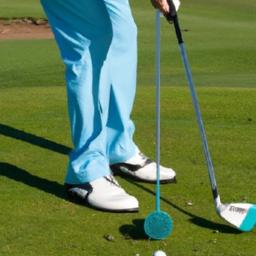
Shaft Stiffness, Tempo and the Kinematic Sequence
The interaction between shaft stiffness, swing tempo and the proximal‑to‑distal kinematic sequence underpins consistent driver performance. A softer shaft flex increases deflection and can delay release-producing a perceptible “kick” helpful for slower swingers-whereas a stiffer shaft resists bend and suits players with faster sequencing. Mechanically, the shaft is an elastic member inside the linked‑segment system (pelvis → thorax → arms → forearms → club) where the timing of peak angular velocities is more important than brute force. Fit the shaft to the player’s natural timing rather than expecting the shaft to correct a fundamentally poor sequence: mismatches frequently enough create inconsistent face angle and variable spin.
To match equipment to movement, quantify tempo and sequencing. Measure tempo with a metronome or impact monitor and aim for a practical ratio such as ~3:1 backswing:downswing (for example, ~0.6-0.9 s backswing and ~0.2-0.3 s downswing). seek an X‑factor (shoulder‑to‑hip separation) in the ~20°-40° range; extremes commonly produce timing breakdowns. In the downswing the pelvis should begin rotating before the thorax, creating lag in the arms and wrists. Use live launch‑monitor feedback-launch angle,spin rate,clubhead speed and dynamic loft-to confirm mechanical changes. Typical driver targets remain 10°-14° launch and 1,800-3,000 rpm spin, adjusted by speed and conditions; choose shaft flex so impact dispersion and spin stay within those windows.
Equipment must be integrated with instruction and strategy. For clubhead speeds under 85 mph, softer flexes (A/R) often improve launch and carry; between 85-95 mph regular flex is commonly appropriate, while 95-105 mph and above will often benefit from Stiff or X‑Stiff options. Assess torque and kick point too-lower kick points help raise launch for slower swingers; higher kick points add stability for faster players. And remember equipment conformity: ensure the driver and shaft meet USGA/R&A standards. On exposed links or firm turf,opt for lower launch/lower spin combinations; on soft turf,choose higher launch and spin to stop the ball sooner.
Practice and corrective drills translate this theory into reliable on‑course results.Proven drills include:
- Tempo Metronome Drill – use 60-70 bpm and count mentally to establish ~3:1 rhythm. goal: maintain backswing/downswing timing within ±0.05 s over 20 swings.
- Step‑Down Sequence Drill – start narrow, take a slow backswing, then step to a full stance and initiate downswing with the hips. Goal: feel hips lead thorax and improve centered contact.
- Lag/Towel Drill – tuck a towel under the trail armpit to preserve connection and forearm lag; perform ½-¾ swings. Goal: raise peak clubhead speed by 2-4 mph over 6-8 weeks by improving sequence.
- Shaft Sensitivity Test – on a net or monitor, hit controlled swings with two shafts and compare dispersion, spin and ball speed. Goal: choose the shaft that minimizes dispersion while keeping launch/spin in the target range.
Typical faults-early casting, premature hip rotation, or a shaft that magnifies face rotation-are corrected through sequence drills and objective shaft trialing.
Embed these technical improvements into course decision‑making and mental routines. For instance,on a dogleg right with prevailing wind,a slightly stiffer shaft and lower dynamic loft can help shape a controlled draw that runs on landing. low handicappers should refine sequencing to shape shots reliably while keeping center‑face contact; beginners should prioritize centering strikes and a steady tempo before shaping shots. Use situational practice (variable targets, windy days, firm/soft lies) and keep a weekly log of measurable metrics (clubhead speed, launch, spin, dispersion). Build a pre‑shot routine that cues the practiced tempo and sequence so technical gains transfer under pressure.
Quantifying Shaft Properties: Lab‑to‑Course Protocols
Start with a repeatable lab‑to‑course protocol that links shaft mechanical traits to driver outcomes. Required instruments include a calibrated launch monitor (e.g., TrackMan, FlightScope or GCQuad) for ball speed, launch and spin; a frequency analyzer for static shaft stiffness (CPM); and a dynamic bending capture system or high‑speed cameras and sensors to record shaft curvature and timing.Standardize conditions: same ball model and compression,fixed tee height,consistent grip and posture and a warm‑up of 10-12 swings. Also log environmental variables such as temperature and wind; these can alter flight and confound comparisons. Standardization creates a reliable baseline to translate mechanical numbers into coaching and fitting recommendations.
Implement a two‑stage testing approach: static frequency measurement followed by dynamic on‑impact assessment. In the static step clamp the butt and measure free‑vibration frequency-driver shafts commonly range roughly 200-320 CPM depending on length and construction (record frequencies after any trimming). For dynamic testing capture peak bend angle, bending profile and timing relative to impact using high‑speed video or sensor arrays; drivers frequently enough show peak tip deflection on the order of 6°-12° near impact, typically occurring 50-150 ms before contact. Capture clubhead speed, attack angle, dynamic loft and launch/spin concurrently.This combined dataset enables estimates of mechanical work stored in the shaft,energy transferred to the ball and how bend timing modifies effective loft and face angle at impact.
Interpret measurements in the context of player profiles and provide level‑specific guidance. Use swing‑speed bands to guide flex selection-novice: <85 mph (senior/A or softer regular); intermediate: 85-100 mph (regular to stiff); advanced: >100 mph (stiff to extra‑stiff). Correlate CPM and dynamic bend timing with on‑monitor metrics: for example, a slow‑tempo player showing excessive tip deflection and high launch/spin might potentially be best matched with a stiffer tip or higher kick point to reduce loft and spin. Conversely, an aggressive releaser with early shaft unloading and low launch may benefit from a softer mid‑section to regain stored energy and carry. Fit goals can include reducing carry standard deviation to 10 yards and lateral dispersion to about ±15 yards over 20 swings once the correct flex is chosen.
Verify fit with practical range drills and course scenarios:
- Tempo & release session: metronome 60-80 bpm to standardize transitions and observe bend timing on video;
- Carry consistency set: 20 driver shots to a fixed target, record carry and dispersion-aim for SD carry <10 yd;
- Wind‑shaping practice: rehearse low punch and high fade/draw to observe how shaft flex influences shot shape and spin in varying wind.
If a selected softer shaft increases peak height and spin in wind, play a lower‑lofted tee shot or test a stiffer shaft for windy holes. These drills suit beginners and provide refinement metrics for advanced players, linking shaft selection to course results.
Make shaft assessment iterative: 1) baseline swing/frequency scan, 2) impact launch‑monitor session, 3) controlled 9‑hole verification, and 4) reassessment after 6-12 weeks of practice. Beginners can replicate many elements with consumer monitors and simple frequency meters; elite players should add dynamic bending analysis and motion capture. Avoid common errors such as relying solely on static CPM, overemphasizing ball speed at the expense of dispersion, or neglecting setup control (grip, spine tilt, lie). Use a troubleshooting checklist:
- Setup: consistent ball position, neutral grip pressure and repeatable spine angle;
- Technique: slow transition to allow shaft loading if it unloads too early;
- Equipment: change shaft length or tip stiffness rather than only adjusting loft when dispersion or launch are off target.
Combining quantitative measurement with progressive drills and course practice enables level‑specific, measurable improvements in consistency and scoring.
From Shaft Metrics to Launch & Spin Targets
Shaft flex affects how energy is routed through the swing and thus how equipment metrics translate to on‑course outcomes. Flex categories (L/A/R/S/X) indicate typical bend behavior and frequency, but their effect depends on tempo, release timing and clubhead speed to alter dynamic loft, attack angle and, ultimately, launch and spin. A shaft that’s too soft for a fast‑tempo player can create excessive forward bend at impact (higher spin, closed face), while an overly stiff shaft can disrupt release and increase slice tendencies. Treat flex as a functional property that modifies effective face‑angle, impact loft and timing rather than as a single fixed value.
Set launch and spin targets using player metrics and evidence‑based ranges by clubhead speed.General driver targets: launch angle ~9°-16° and spin between 1,800-3,500 rpm, allowing higher spin at lower speeds.Example ranges (adjust per individual):
- 80-90 mph: aim for 13°-16° launch and 2,500-3,500 rpm spin;
- 95-105 mph: aim for 10°-13° launch and 2,000-2,800 rpm spin;
- 110+ mph: aim for 9°-11° launch and 1,800-2,200 rpm spin.
Track smash factor (ball speed ÷ clubhead speed) and target ≥1.45 with a driver; lower values suggest inefficient transfer or poor flex match.
Convert these targets into drills and setup cues. Maintain consistent fundamentals-ball at lead heel, slight spine tilt away from target, and moderate grip pressure (~6/10). Drills to encourage the right angle of attack and face control include:
- Headcover/tee‑behind drill – place a small object 1-2 in behind the ball to promote an upward attack;
- Impact tape – 10 shots to monitor center strikes and dispersion;
- Tempo metronome – 3:1 backswing:downswing to stabilize timing and shaft loading;
- Step‑in launch drill – a short step toward the target at transition to encourage weight shift and positive AoA.
Beginners should prioritize repeatable center contact and moderate positive AoA (+1° to +4°), while better players refine shaft selection and subtle swing changes to eke out launch/spin improvements.
equipment and course tactics must align with practice outputs. Evaluate shafts by measured frequency (Hz/CPM), torque and bend profile-higher frequency and lower torque typically reduce launch and twisting in the wind. If on‑monitor data shows ballooning spin in headwind, try a marginally stiffer shaft or a lower‑launch head. On soft, uphill or green‑tight courses favor a softer or lower‑kick point shaft to increase stopping power. Common problem fixes:
- If you’re hooking with high spin: check for an overly soft shaft, early release and too much forward shaft lean; consider firmer flex and delayed release drills.
- If you’re slicing with low launch: confirm the shaft isn’t too stiff and that hands aren’t passive; try a slightly softer tip or drills to increase forearm rotation.
Always validate changes on a launch monitor and in play across different conditions.
Create a measurable practice plan that links technical work to scoring. Within 6-8 monitored sessions aim to reduce spin variance to ±300 rpm, raise smash factor to ≥1.45 and tighten carry dispersion to within ±15 yards. A sample schedule: two technical sessions per week (50 tracked driver swings each focused on tempo and impact) and one on‑course session to rehearse tee selection and target strategy. Reinforce process‑oriented mental routines (setup, target, tempo) so gains hold under pressure.When drives become more predictable, approach shots and putting become simpler-improving scoring and course management.
Materials, Geometry and Taper: How Construction Alters Energy Transfer
Shaft material and layup geometry determine how energy flows from the hands to the head via properties such as modulus, damping, torsional stiffness and tip/butt stiffness gradients. Modern graphite shafts use high‑modulus carbon plies oriented to target specific bending and torsional behaviors; steel shafts rely on more uniform metal characteristics and often produce different feel. As energy transfer depends on how the shaft stores and releases elastic energy during the downswing, small changes in material or layup can shift launch and spin. Practically, a tip‑stiff profile tends to lower launch and reduce spin while an active tip or low kick point raises launch and can add perceived kick. Watch measurable attributes like torque (often ~2°-6°) and frequency/CPM, but treat these as indicators rather than deterministic rules.
Taper and geometry-parallel, continuously tapered or stepped-control how bending waves move along the shaft and how energy gets redistributed. A continuous taper can reduce localized tip stiffness and sometimes deliver higher effective ball speed for players who produce more dynamic loft, whereas a parallel tip or stiffer mid/butt section tends to stabilize the head for fast swingers seeking tighter dispersion. Players with clubhead speeds above ~100 mph and aggressive release often benefit from firmer tip sections to limit side‑spin; those under ~90 mph commonly gain launch and carry with softer‑tip, lower‑kick designs. To evaluate these effects:
- Use a launch monitor and log clubhead speed, ball speed, launch angle and spin across 10 shots per shaft.
- Compare smash factor and left-right dispersion; the correct shaft reduces lateral scatter and optimizes spin for carry.
- Under qualified supervision run tip‑trim/blend tests-remember trimming alters stiffness and must respect equipment rules.
Match shaft behavior to setup and intended attack angle. For drivers use a ball position forward of the left heel and a spine tilt that supports an upward attack angle of about +2° to +5° for most players seeking maximum carry; active tip shafts will amplify launch for the same motion. For irons maintain slight forward shaft lean and attack angles around -4° to -2°, where a firmer mid/butt section gives more consistent turf interaction. Common issues-wrong ball position, mismatched flex, or poor rotation-are corrected with targeted drills:
- Alignment rod along the lead arm on takeaway to reduce casting;
- Tee‑height and impact bag work to feel correct release for driver versus iron;
- Metronome practice (60-70 bpm) and cross‑shaft comparisons to isolate shaft effects.
Short game and approach control are influenced by shaft choice and taper. Wedges and short irons typically favor slightly heavier, stiffer shafts for predictable spin and distance control; on firm surfaces choose profiles that lower peak height and reduce spin, while on soft conditions a more active shaft that increases height and spin helps shots hold. Useful drills tying shaft response to scoring include:
- Pitch‑ladder: 40-60-80 yd pitches with incremental swings, recording carry and spin to build a personalized yardage chart;
- Bump‑and‑run tests on firm turf to learn how a stiffer midsection reduces unwanted spin and increases rollout predictability.
Always verify any modifications against Rules of Golf and ensure shafts remain conforming.
Start fittings with baseline metrics-average clubhead speed, target driver launch (~9°-14°) and preferred spin range (~1,800-3,000 rpm depending on conditions). Set measurable goals such as increasing smash factor by +0.03-0.05 or reducing dispersion radius by 5-10 yards over 6-8 weeks. Tailor approaches:
- Beginners: emphasize tempo and center contact; use more flexible, higher‑kick shafts for carry and forgiveness.
- Intermediates: use launch‑monitor tuning to optimize launch/spin and refine flex for windy play.
- Low handicappers: fine‑tune tip stiffness and tapers for workability and tight dispersion while rehearsing shot‑specific routines.
Couple equipment confidence with a steady pre‑shot routine-trust in a properly fitted shaft reduces tension and improves execution under pressure. This combined equipment, mechanics and mental approach converts shaft science into better scores and dependable on‑course performance.
Fitting Workflow and Range Validation for personalized Shaft Choice
Follow a structured, data‑driven fitting process from controlled measurement to real‑world validation. Begin by capturing baseline launch monitor metrics: clubhead speed, ball speed, smash factor, launch angle, spin rate and attack angle. Common clubhead speed categories are roughly <85 mph (slow),85-95 mph (moderate),95-105 mph (fast),and >105 mph (very fast). Typical driver launch windows are 12°-16° with spin ideally between 1,800-3,000 rpm, depending on the player. Next perform a static shaft check (frequency analyzer or manufacturer specs) to confirm flex category (L/A/R/S/X), torque (drivers often ~3-6°) and kick point. Document setup fundamentals and posture because these variables affect dynamic loft and timing.
Move to dynamic validation with controlled sets: 5-10 shots per shaft choice and at least 30-50 swings per session to account for fatigue and feel. For each set compute mean and standard deviation for carry,lateral dispersion,launch and spin. Key checks include whether a softer shaft is artificially increasing launch and spin for a late releaser or whether a stiffer shaft tightens dispersion for an aggressive releaser. Add a fatigue test-after 30 swings repeat a 5‑shot set; consistent metrics under fatigue suggest a durable match for rounds.
Use fitting outcomes to prescribe technique and practice. Beginners should focus on tempo control and consistent strike-metronome work and impact tape help. Intermediate players should progress load drills to maintain dynamic loft within ±2° of target and practice shaping to validate flex/kick point choices. Low handicappers must ensure a shaft sustains workability and dispersion across attack angles and should test under pressure conditions (e.g., target games) to confirm repeatability.
Speedy validation checks (repeat across days and conditions):
- Launch consistency: mean launch within target ±1.5°;
- Spin tolerance: mean spin within 200-400 rpm of the player goal;
- Dispersion: at least 50% of shots inside intended target width;
- Smash factor: within 0.02 of baseline (shows efficient energy transfer).
If a shaft increases carry but widens left/right misses, try a stiffer flex or lower torque. If smash factor improves but spin balloons,consider a higher kick point or stiffer tip to lower spin. On tight holes or into wind prioritize a shaft that reduces dispersion even with minor distance sacrifice; on reachable risk‑reward holes prefer a set‑up that improves carry and launch.
Integrate fittings into a longer‑term plan with measurable objectives: reduce driver dispersion by 10-15 yards, increase carry by 8-12 yards without exceeding optimal spin, or raise average smash factor to ≥1.45. Prescribe maintenance:
- Two weekly range sessions (30 min tempo/impact + 30 min target work);
- One on‑course simulation focused on tee selection and wind management;
- Monthly launch‑monitor re‑checks after notable swing changes.
Also invest in the mental game-consistent pre‑shot routines and decision checkpoints (club, target, margin) help convert equipment gains into lower scores. By combining measurement, validation and situational practice, individualized shaft selection becomes a tool for reliable shotmaking and sustained scoring improvements.
Putting: shaft Flex, Feel and stroke Mechanics
Applying shaft‑flex insights to putting starts with recognizing that flex provides timing and feedback as much as structure. As drivers’ shafts influence launch and spin timing, putter shaft bend characteristics affect face rotation, toe hang and perceived feel during the pendulum stroke. Typical putter specs-lofts near 3-4° and shaft lengths often 33-36 inches-are useful reference points; many putter shafts are also characterized by CPM or qualitative flex labels. Adopt a baseline tempo of about 2:1 backswing:follow‑through and use shaft flex to support stroke timing rather than to hide timing faults.
Integrate shaft flex into setup and stroke selection. For pendulum strokes maintain shoulder rotation and a stable wrist plane; set the hands slightly ahead of the ball (~1-2 inches) and match lie angle to posture (~70°-72° typical). Flexible shafts can induce extra toe rotation-helpful for arc strokes but problematic for straight‑back/straight‑through players. Adjustments:
- Face‑balanced head with a stiffer shaft for straight strokes;
- Moderately bendy shaft to preserve toe hang for arcing strokes;
- Confirm face rotation at impact (target ~3°-5° for straight strokes; a bit higher for strong arcs).
Treat putter shaft design as a technical choice. Material, shaft weight and counterbalancing change head moment of inertia and feel-heavier, counterbalanced shafts often stabilize the head and reduce unwanted face rotation; lighter graphite shafts give more tactile response but may accentuate toe‑drop. A 20-40 g change in shaft mass can materially alter tempo and stroke length. If putts on fast greens skid or spin due to late face rotation, move to a stiffer shaft or increase counterbalance to lower dynamic loft and reduce twist for crisper roll in firm conditions.
Practice specifically for how shaft flex influences start and roll:
- Metronome Pendulum Drill: 60-72 bpm, practice 2:1 tempo and note how different shafts change feel;
- Gate & Alignment Drill: tees outside the head; 30 strokes to keep the head square-if movement is excessive, test a stiffer shaft or more counterweight;
- Weighted‑Handle Drill: add 30-50 g at the grip to simulate counterbalance and assess consistency on lag putts from 20-40 ft.
Measurable goals: cut three‑putts by 50% in six weeks, start 90% of six‑footers within ±3° of the intended line, or leave 70% of 30‑foot lag attempts within 1.5 ft of the hole.
Troubleshoot and adapt to course conditions. Excessive wrist action typically responds to face‑balanced/stiffer shafts and wrist‑lock drills; late face rotation can be remedied with counterbalance and a shortened backswing; pace inconsistency improves with metronome and weighted‑handle work. Course implications: on fast, downhill greens use a stiffer or counterbalanced setup to lower dynamic loft; on slow greens a more flexible feel may help pace. Keep in mind the Rules of Golf: anchoring the putter is not allowed-so longer or counterbalanced putters should be used only with a legal, non‑anchored stroke. Provide multiple learning pathways: visual (ball‑start tape), kinesthetic (weighted shafts and tempo devices), and analytical (CPM data with a fitter), and track putts per round and one‑putt rates to quantify betterment.
Evidence‑Based Training, Equipment Choices and monitoring
Begin with a methodical baseline combining objective measures and observation: dual‑angle video at 120-240 fps and a launch monitor capturing ball speed, launch angle, spin, carry and dispersion. Set measurable targets-examples: increase driver ball speed by 3-6 mph, reduce 7‑iron dispersion to within a 20‑yard radius, or lower putts per round by 0.5-1.0 over 6-8 weeks. For beginners prioritize fundamentals (neutral grip, square shoulders, ball positions) and posture metrics (spine tilt ~20°-25°). For advanced players capture kinematic sequencing and peak rotational velocities to diagnose timing faults. Use this assessment to build a periodized plan alternating focused technical sessions with deliberate practice and on‑course request.
Progress mechanics with a motor‑learning approach: simplify first, then add variability. For path control use a gate drill (6-8 in gate) and for impact quality use an impact bag-aim for 0-2° dynamic loft change on irons. Stabilize tempo with a metronome (3:1 backswing:downswing).When working on driver integrate shaft flex principles: match flex to swing speed (<85 mph = L/Senior, 85-95 mph = R, 95-105 mph = S, >105 mph = X), factor torque and kick point, and measure outcomes-target driver launch ~10°-14° with spin near 1,500-3,000 rpm depending on the player. Include slow‑motion weighted swings and half‑swing compressions to improve sequencing and contact.
Short‑game training must be specific with measurable checkpoints. pitching: landing‑spot drills to land inside a 3-5 yd zone and control rollout; bunker play: consistent sand contact via 50‑ball cycles; putting: clock‑face and 3‑spot drills for stroke geometry and pressure simulation. Sample drills:
- Landing‑spot sequence: pitch to 20/30/40 yd, 10 reps each, track proximity;
- One‑handed chipping: 20 reps each side to build wrist stability;
- 3‑putt avoidance: from 30-60 ft, aim to lag inside 3 ft 8/10 times.
Correct common errors by returning to setup basics-lead weight for chips (~60%), shaft lean ~5-10° and a quiet lower body.
change equipment only as part of coaching and ensure conformity.Use A/B tests on a launch monitor-alter one variable at a time and measure differences over ~20 shots. Note that overly soft shafts often raise launch and spin (which can increase dispersion in wind), while too stiff shafts can suppress launch and reduce carry at moderate speeds. In link‑style, windy holes prescribe lower‑spin setups (stiffer shaft, 1-2° less loft) and practice low punch shots to maintain control. Setup checkpoints include correct iron lie (toe/heel wear), dynamic loft at impact (±2° target) and matching shaft flex to speed and release style. This structured fitting yields equipment choices that evolve with the golfer’s technique.
Implement ongoing performance monitoring tying data to decisions and mental skills. Track weekly metrics-mean ball speed, median carry, left/right dispersion, GIR% and average putts per hole-and set incremental goals (e.g.,reduce 7‑iron lateral dispersion 10% in four weeks). Train scenario practice (e.g., a 420‑yd par‑4 narrow fairway: rehearse a 3‑wood layup to 150-170 yd under simulated wind) and couple technique rehearsal with cognitive strategies (pre‑shot checklist, cue words, breathing) to manage arousal and perform under pressure. Troubleshooting:
- Excess driver spin: test lower torque, stiffer shaft and reduce dynamic loft by ~2°;
- Short‑game inconsistency: increase deliberate reps (150-200) on landing‑spot drills over two weeks;
- wider dispersion under pressure: introduce pressure practice and monitor kinematic changes.
Objective monitoring, equipment validation and situational practice let players make evidence‑based adjustments and convert technical gains into lower scores.
Q&A
Note on sources
– The brief web results supplied with the original request did not include references specific to golf shaft flex and thus the guidance here draws on contemporary club‑fitting, coaching and biomechanics practice. Numeric ranges and protocols use widely accepted, conservative conventions; individual manufacturers and players will vary.
Q&A: “Master Shaft Flex: Improve Driving, Full‑Swing & Putting”
style: Academic. Tone: Professional.
Q1. What is shaft flex in biomechanical and materials terms?
A1. Shaft flex refers to how a shaft bends and vibrates under load. Biomechanically it determines how inertia from the golfer’s motion and the head are transmitted through the shaft. Materially it depends on stiffness distribution (EI profile), torque, wall thickness, layup or metal properties and geometry. Both static bending stiffness and dynamic vibration/damping characteristics affect performance.
Q2. How does shaft flex influence launch conditions (launch angle, spin, ball speed)?
A2. Shaft flex affects:
– Face orientation and effective loft at impact via bending and torque‑induced rotation.
– The phasing between clubhead speed and face angle at impact, which can modestly alter efficiency and ball speed.
– Spin through changes in attack angle,face angle and gear‑effect from off‑center strikes. Proper flex tends to enable intended launch and spin; a poor match moves those metrics away from ideal (too soft → higher launch/spin; too stiff → lower launch/spin).
Q3. can shaft flex be measured? Which metrics matter?
A3.Yes. Useful metrics include:
– Frequency (CPM) from a static frequency analyzer (proxy for bending stiffness).
– EI profile (stiffness as a function of shaft length).
– Torque (degree twist).
– Dynamic measures from on‑club sensors: transient bending and vibration phase.
– Launch‑monitor outputs (club/ball speed, smash factor, launch angle, spin, dispersion) for practical comparison.
Q4. What fitting protocol yields repeatable outcomes?
A4. A robust approach:
1. Baseline: measure swing speed,tempo and attack angle with launch monitor/inertial sensors.
2. Static metrics: record CPM and torque for candidate shafts.
3. Dynamic trials: test 6-8 shaft options with the same head/loft/grip; capture 10-15 swings per shaft and discard outliers.
4. Evaluate primary metrics: carry, grouping, launch, spin and ball speed; secondary: subjective feel.
5. Iterate with small loft or tip stiffness changes as needed.
6. Validate chosen shaft across a wider sample and on course.
Q5. How to interpret shaft fit across skill and speed groups?
A5. Use swing speed, tempo and release pattern together:
– Slow/smooth players (seniors): typically benefit from more flexible, higher‑kick designs.
– Moderate speed players: Regular or slightly stiffer depending on release.
– Fast/late‑release players: Stiff/X‑stiff with firmer tip to control launch and dispersion.
These are guidelines-tempo and release can override speed bands.Q6. Are there quantitative speed‑to‑flex rules?
A6. Conventional ranges (approximate):
– ladies (L): <75 mph
- senior/A (A/L): 75-85 mph
- Regular (R): 85-95 mph
- Stiff (S): 95-105 mph
- X‑Stiff (X): >105 mph
Corroborate with launch‑monitor data rather than labels alone.Q7. Signs of incorrect flex?
A7. Soft shaft signs: excessive spin, ballooning trajectory, wide dispersion and a “floppy” feeling. Too stiff signs: low launch/spin, loss of distance despite speed, pushes for right‑handers who can’t load the shaft. High shot‑to‑shot variance also signals mismatch.
Q8.How does shaft profile matter beyond flex label?
A8. Tip, mid and butt stiffness shape bend/recovery behavior. Softer tips increase effective loft and spin; stiffer butts reduce fold and improve perceived stability. Identical flex labels from different makers can behave differently-measuring EI or testing on ball is essential.
Q9. How do head and shaft interact?
A9. Head inertia, CG location and face stiffness change sensitivity to shaft behavior.Low‑spin heads can amplify face‑angle deviations from shaft torque; high‑MOI heads may mask some effects but still respond to launch/spin changes. Fit head and shaft together.
Q10. Does flex matter for short irons/wedges?
A10. Influence lessens with shorter clubs, but flex still impacts feel and timing. For wedges,consistent strike is paramount; small changes in shaft profile can influence trajectory and spin on full shots.
Q11. What about putting?
A11. putter shaft flex has smaller effects on launch (putter loft dominates) but affects feel, vibration damping and stroke timing. Choose shaft only when timing/feel issues indicate it; prioritize length, loft and head balance.Q12. What target launch/spin should fitters aim for with drivers?
A12. individualize, but typical targets: launch ~10°-15° with spin tuned to speed (e.g., 1,800-2,800 rpm for many faster players). Model carry/total distance and dispersion when optimizing.
Q13. In‑shop and at‑home best practices?
A13.In shop: calibrated launch monitor, consistent ball model, 10-15 swings per shaft, compare medians and dispersion. At home: use trusted speed/ball‑speed sensors, simple frequency checks and video for feel context.
Q14. Common misconceptions?
A14. Flex is only about speed-no. Softer always equals more distance-no. Labels equal across brands-no. Putting is unaffected by shaft flex-not always.
Q15. How to quantify benefit of a shaft change?
A15. Use pre/post measures with adequate sample size (≥30 swings if feasible). Primary outcomes: mean carry, total distance and lateral dispersion. Report effect sizes and CIs to judge practical importance (e.g.,median carry improvement >3-5 yd with reduced dispersion).
Q16. practical takeaways
A16. Don’t pick shaft by label alone-use objective swing and launch data. Combine static (CPM/EI/torque) with dynamic (launch‑monitor) tests. fit head and shaft together and validate on course. Optimize for balanced distance and dispersion rather than absolute max carry. For putters prioritize balance and head design-change shaft only for timing/feel issues.
If you’d like, I can:
– Create a concise printable shaft‑fitting checklist;
– Draft an experimental protocol for comparing shafts (sample size, measures, stats);
– Produce an executive summary for coaches or a technical appendix of typical CPM ranges and measurement methods. Which would you prefer?
Summary
Note on sources: the brief web results supplied with the original request where not directly relevant to shaft flex; guidance here is derived from established club‑fitting, coaching and biomechanics practice used across the industry.
Conclusion
Shaft flex is a multifactorial determinant of on‑course performance with measurable effects on driving distance, swing dynamics and even putting feel.When assessed with launch‑monitor data, biomechanical measures and validated perceptual testing, shaft flex is not a single cure but a tunable parameter that interacts with tempo, clubhead kinematics and player skill. Practitioners should adopt evidence‑based fitting protocols that combine static and dynamic shaft metrics with launch data, level‑specific drills and on‑course validation. For researchers, longitudinal, randomized designs and predictive models that connect individual biomechanics to optimal shaft characteristics are valuable next steps. Advances in wearable sensors and machine‑learning personalization offer a practical path to adaptive shaft prescriptions as players’ techniques and capacities change.
A rigorous, measurement‑driven approach to shaft flex-blending laboratory metrics with pragmatic course testing-provides a clear route to meaningful gains in driving, swing repeatability and putting performance.

unlock your Best Golf: How Custom Shaft Flex Transforms Distance, accuracy & Consistency
Why shaft flex matters for driver performance
Choosing the correct shaft flex for your golf driver is one of the highest-leverage changes a player can make. Shaft flex affects how the clubhead is delivered to the ball, which in turn controls launch angle, spin rate, ball speed, and shot-to-shot consistency. A shaft that’s too stiff or too soft can cost you distance and accuracy-even if you have good technique.
Key golf keywords and metrics to track during a shaft fitting
- Clubhead speed (mph)
- Ball speed (mph)
- smash factor (ball speed / clubhead speed)
- Launch angle (degrees)
- Spin rate (rpm)
- Carry distance and total distance (yards)
- Shot dispersion / lateral consistency (yards or degrees)
- Tempo and transition (swing rhythm)
How shaft flex influences launch and spin
Simplified mechanics:
- Softer flex (more bend): often generates a higher launch and slightly higher spin when matched to a given swing speed and timing.For players with smooth tempo who release late, a softer tip or overall flex can definitely help square the face and increase launch angle.
- Stiffer flex: tends to dampen tip movement, producing lower launch and possibly less spin when struck on the center. Players with very speedy tempos and aggressive release frequently enough need stiffer shafts to avoid excessive hook or left misses.
- flex profile (tip-to-butt stiffness): affects feel, trajectory, and timing. A stiffer tip reduces dynamic loft, lowering launch and spin; a softer tip increases dynamic loft and spin.
Common shaft flex categories and recommended swing speed bands
These ranges are general guidelines. A proper fitting with a launch monitor always trumps rule-of-thumb numbers.
| Flex | Typical Clubhead Speed (Driver) | Expected Ball Flight |
|---|---|---|
| L (Ladies) | Under 70 mph | High launch, higher spin |
| A or M (Senior / Amateur) | 70-85 mph | Mid/high launch, forgiving |
| R (Regular) | 85-95 mph | Balanced launch and spin |
| S (Stiff) | 95-105 mph | Lower launch, lower spin |
| X (Extra Stiff) | Over 105 mph | Very low launch, lower spin |
Beyond flex: torque, kick point, and profile
Two players with identical flex letters can still see very different results because modern shafts vary by torque, kick point, and bending profile.
- Torque: measures how much the shaft twists under load.Higher torque feels softer and can reduce sidespin for slower swingers but may increase dispersion for faster swingers.
- Kick point / bend point: higher kick points (stiffer tip) create lower launch and less spin; low kick points (softer tip) produce higher launch and more spin.
- Profile: some shafts are designed to load in the butt,mid,or tip section-this “flex profile” affects feel,release timing,and shot shape.
How to interpret launch monitor data during a custom shaft flex fitting
When testing shafts, focus on the following performance markers:
- Ball speed and smash factor – increased ball speed and a consistent higher smash factor indicate efficient energy transfer and good shaft match.
- Launch angle and spin window – ideal driver launch is typically between ~10-14 degrees (varies by golfer); aim for a spin rate that keeps the ball in the carry/roll sweet spot (too high spin kills roll; too low can cause a digging low-trajectory).
- Dispersion – tighter grouping left-to-right and front-to-back shows the shaft is producing consistent face delivery and timing for your swing.
- Shot shape – if a shaft consistently produces undesirable curvature (push,slice,hook),a change in profile,tip stiffness,or torque may help correct face control.
Practical fitting workflow: step-by-step
- Warm up with your current driver to establish baseline numbers (clubhead speed, ball speed, launch, spin, dispersion).
- Test 3-5 shaft options that cover softer, similar, and stiffer models than your current shaft.Vary tip and mid profiles, not just flex letter.
- Make 10-20 good swings per shaft to account for variability. Record average metrics and dispersion patterns.
- Compare smash factor, average carry, and consistency. Prioritize a shaft that increases ball speed and tightens dispersion even if peak distance is similar.
- Check feel and confidence-performance and comfort both matter for on-course results.
Benefits of a properly matched custom shaft
- More consistent launch and spin, leading to predictable carry and roll
- Higher effective ball speed from improved energy transfer and timing
- Tighter dispersion and fewer big misses (lower scoring potential)
- Improved confidence in driver performance-players swing more freely when clubs feel matched
- Potential to unlock several extra yards without increasing swing speed
Case study: amateur golfer gains 18 yards and tighter dispersion
Player profile: 92 mph clubhead speed, inconsistent launch (9-13°) and high side spin averaging 3300 rpm.
- Baseline: 245 yd carry, high dispersion right-left, inconsistent smash factor (~1.39).
- Fitting adjustments: moved from an R-tip-heavy shaft to a mid-kick regular-flex with slightly lower torque and firmer tip section.
- Result: average carry increased to 263 yards, spin reduced to ~2600 rpm, smash factor improved to 1.46, and dispersion tightened by ~8 yards left-to-right.
Common fitting mistakes to avoid
- Relying only on flex letter (R, S) without testing profiles and torque.
- Judging by feel alone-feel can be deceptive. Always validate with numbers on a launch monitor.
- Testing only a few swings per shaft-small sample sizes hide variability.
- Ignoring shaft weight effects-heavier or lighter shafts change tempo and timing, impacting flex needs.
Practical tips for choosing the right shaft flex on a budget
- Start with swing speed and tempo: slower swing speeds and smooth tempos usually benefit from more flexible tips; faster swingers usually need stiffer tips.
- Borrow or demo shafts at your local golf shop or range-many retailers offer free or low-cost launch monitor sessions.
- Consider adjusting shaft weight if swing speed and tempo are inconsistent; a lighter shaft often increases swing speed but may reduce control.
- Replace the shaft before replacing head or club-shaft fit frequently enough yields biggest immediate gains.
First-hand experiance: what players notice when flex is correct
Players commonly report three tangible changes when they move to a correctly fitted shaft flex:
- Consistency: fewer “punch out” low shots and fewer huge slices/hooks.
- Distance: they see more reliable carry yards and frequently enough greater total distance without changing swing mechanics.
- Confidence: a matched shaft reduces the tendency to manipulate the swing to “compensate” for poor gear performance.
When to re-evaluate your shaft flex
- You’ve changed your swing speed (training, fitness gain, or injury recovery).
- Your shot shape or dispersion has drifted over months of play.
- New driver head technology with different center of gravity or face characteristics.
- Seasonal changes (temperature affects ball flight and feel-cold weather frequently enough highlights a need for different flex or weight).
Quick checklist before you buy a custom driver shaft
- Have a recent launch monitor session and baseline numbers.
- Test at least three shafts with the same head and lie angle.
- Compare average smash factor, launch, spin, and dispersion-not just peak numbers.
- Consider total system (head, shaft, grip) and how weight and length affect tempo and timing.
- Choose a reputable fitter who can interpret data and recommend shaft profiles, not just flex letters.
Simple glossary: quick shaft terms
- Flex: stiffness rating-L, A, R, S, X
- Torque: resistance to twisting
- Kick point: section where shaft bends most
- Profile: distribution of stiffness along the shaft
- SMASH FACTOR: ball speed divided by clubhead speed
If you’d like, I can create a personalized shaft-flex recommendation based on your clubhead speed, typical launch and spin numbers, and shot pattern-share your recent launch monitor data and I’ll analyse it for free.