PGA Legend Fred Couples’ Unconventional Chipping Technique
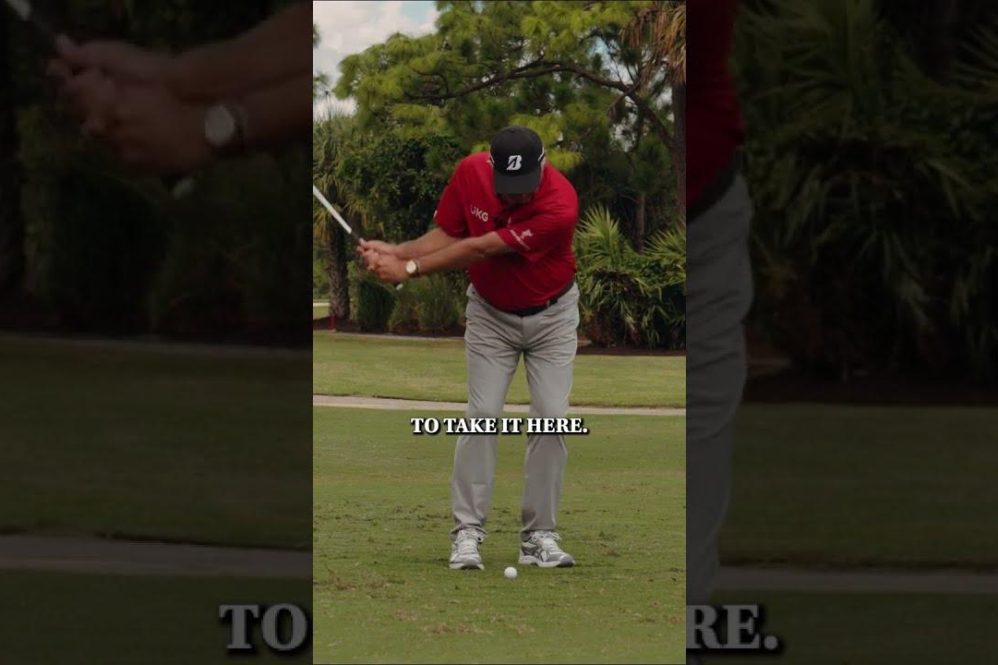
In a recent YouTube video, PGA legend Fred Couples discusses his unorthodox chipping technique, which he has employed throughout his illustrious career. Known for its fluidity and effectiveness, Couples’ chipping method has garnered both praise and criticism from the golfing community.
Through meticulous analysis of his technique, the video delves into the unique biomechanics and cognitive factors that enable Couples to consistently chip with precision and distance. We examine how his unconventional wrist action, loose swing, and short follow-through contribute to his remarkable success on the greens.
Whether you’re a seasoned golfer seeking to refine your technique or an aspiring player eager to learn from the masters, this video offers unparalleled insights into one of the most unconventional yet effective chipping techniques in the game of golf.
Flippy Wrist Movement: Understanding Fred Couples Unique Chipping Technique
Fred Couples’ unconventional chipping technique has intrigued golf enthusiasts for decades. Known for his “flippy wrists,” Couples defied traditional chipping mechanics, resulting in remarkable success on the greens. In this section, we delve into the intricacies of Couples’ unorthodox approach, exploring the underlying biomechanical and strategic factors that contributed to its effectiveness.
Couples’ “flippy wrists” refers to the pronounced wrist action he employed during his chipping motion. Instead of the conventional “hinging” motion that stabilizes the clubface, Couples allowed his wrists to rotate freely. This technique resulted in a unique “skipping” motion that imparted both height and spin on the ball, allowing it to land softly on the green and check quickly. Critics argued that this method was erratic and lacked consistency, but Couples’ impressive chipping statistics and tournament victories silenced their doubts.
Alternative Follow-Through: Couples Approach and Its Implications
PGA Legend Fred Couples’ unorthodox chipping technique, often referred to as the “Couples Approach,” stands apart from conventional methods due to its unique follow-through. Instead of the standard straight-line extension, Couples employs an exaggerated release that sees the clubhead loop back around towards his shoulder. This unconventional approach has sparked debate among golf enthusiasts and instructors, with some questioning its effectiveness while others extol its benefits.
Despite the skepticism, Couples’ success on the course, including his 15 PGA Tour victories, serves as a testament to the efficacy of his unorthodox follow-through. By releasing the clubhead in a looping motion, Couples imparts more spin on the ball, generating additional lift and enabling it to carry more distance. This technique also promotes accuracy by ensuring the clubface remains square throughout the impact zone.
Assessing Chipping Technique: Identifying Signs of Flippy Wrist
Flippy wrists are a common issue in golf, and they can lead to inconsistent ball striking and poor accuracy. There are a few key signs that you may have flippy wrists, including:
Excessive wrist flexion (bending) at the top of the backswing
A sudden release of the wrists at impact
A wristy follow-through that sends the clubface open
If you’re experiencing any of these issues, it’s important to take steps to correct your technique.
Benefits of Fixing Flippy Wrists
By fixing your flippy wrists, you can improve your accuracy and consistency. You’ll also be able to generate more power and spin on your shots.
Here are a few tips for fixing flippy wrists:
Strengthen your wrists. Do wrist curls and other exercises to strengthen the muscles in your wrists.
Practice keeping your wrists fixed throughout the swing. This will help you to maintain a more stable clubface.
Work on your follow-through. Make sure that you’re following through with a straight wrist angle to promote closure of the club head.
Analyzing the Impact: Advantages and Considerations of Couples Chipping Style
Advantages of Couples Chipping Style
- Control and Accuracy: The flippy-wristed technique allows for greater control over the clubface, resulting in more accurate shots.
- Distance: Couples’ long and loose swing generates significant power, enabling him to chip from longer distances.
- Consistency: The repetitive nature of the technique promotes consistency and reduces variability in shot outcomes.
Considerations of Couples Chipping Style
- Limited Backspin: The lack of follow-through can result in less backspin on the ball, which can affect its stopping power on the green.
- Suitability: The technique may not be suitable for all golfers, especially those with slower swing speeds or limited flexibility.
- Potential for Divots: The aggressive nature of the swing can lead to large divots, which can damage the greens.
Fred Couples’ unconventional chipping technique challenges traditional notions of swing mechanics. However, his remarkable success on the PGA Tour attests to the effectiveness of his unique approach. While aspiring golfers may not replicate Couples’ exact technique, understanding the principles behind his unconventional style can provide valuable insights into the art of chipping and inspire experimentation with different techniques to unlock their full potential on the greens.