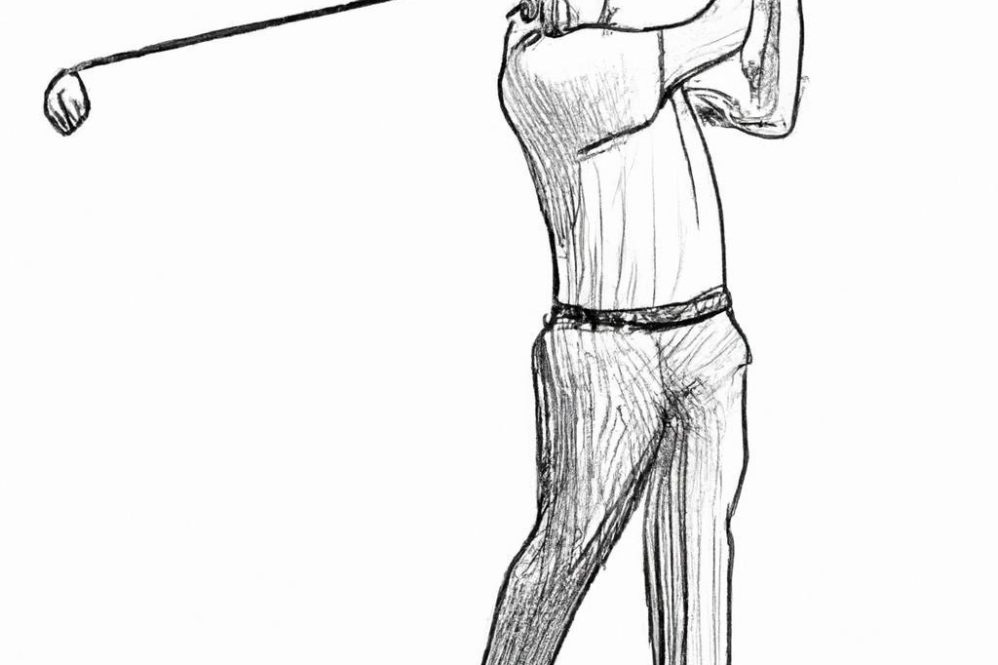
Raymond Floyd Golf Lesson: master Swing, Putting & Driving
Raymond Floyd is recognized as one of golf’s most complete competitors-an exacting technician whose career combined technical precision, tactical intelligence, and clutch short‑game play. This lesson distills Floyd’s integrated approach into practical, evidence‑based instruction that addresses the three pillars of scoring: the full swing, putting, and driving. Drawing on biomechanical principles, deliberate practice methods, and proven course‑management strategies, the program is designed to help players of all levels build reliable mechanics and lower their scores.
readers can expect a clear roadmap: the fundamentals that stabilize and simplify the swing; putting techniques that prioritize alignment, tempo, and green reading; and driving strategies that balance distance with control. Each section pairs concise technical explanation with targeted drills and on‑course tactics so you can translate practice into performance. Whether you’re refining your fundamentals or seeking smarter ways to manage par‑3s and par‑5s, this lesson offers professional, coachable guidance inspired by Raymond Floyd’s enduring principles.
Mastering raymond Floyd’s Swing Fundamentals: Grip,Stance,and Posture
begin with the hands: adopt a repeatable,neutral grip that promotes a square clubface thru impact. For most players this means a V formed by thumb and forefinger of each hand pointing toward the right shoulder (for right-handed players), with the lead hand showing two knuckles at address and the trail hand covering the grip without excessive overlap.Maintain grip pressure around 3-5 out of 10-firm enough to control the club but light enough to allow proper release-because Raymond Floyd emphasized soft hands and feel over a death grip.For different shot types, make small, deliberate adjustments: grip a half-size stronger for windy, low-trajectory shots and soften slightly for delicate flop or lob shots. To check consistency, use these setup checkpoints:
- club in the fingers, not the palm;
- lead wrist flat at address;
- V’s toward right shoulder (RH player) and equal pressure across three lower fingers.
These simple checks reduce wrist breakdown and encourage a compact, repeatable motion on the course.
Next, establish an athletic stance and spine angle that allow rotation without sway. Set your feet approximately shoulder-width apart for mid-irons, widen to ~1.25-1.5× shoulder width for driver, and narrow slightly for wedges. Hinge at the hips-never bend primarily from the waist-so the spine tilts forward about 15° and your knees have ~10-15° flex. Ball position should move progressively forward in the stance: back third of stance for short irons, center for mid-irons, and inside the front heel for the driver. Raymond Floyd’s approach stresses balance: at address aim for weight distribution about 50/50 with a slight forward bias at impact for irons (roughly 55% forward).use these setup checkpoints to troubleshoot common faults:
- if you sway, shorten your stance and focus on hip turn;
- if you top or fat the ball, check that your spine tilt and ball position are correct;
- if drives slice, ensure ball is not too far back and your shoulders are aligned.
With grip and posture established,sequence the swing to produce consistent contact and controlled ball flight. Start the takeaway with a one-piece motion-shoulders and arms moving together-for the first foot of the clubhead path; avoid early wrist hinge. Work toward a shoulder turn of approximately 80-90° on a full swing (varies by ability and versatility), and ensure the hips rotate about 45° to allow coil without sliding. At transition, feel a slight lateral weight shift to the lead side and a shallow downswing plane so the clubhead approaches the ball from slightly inside the target line. Floyd’s compact swing model rewards a controlled release: focus on maintaining a quiet lower body and letting the forearms and hands release late. Practice drills include:
- towel-under-armpit drill (keeps chest and arms connected);
- impact-bag or slow-motion impact drill (ingrain forward shaft lean and solid compression);
- alignment-stick along toe line to promote inside takeaway and shallow approach.
Common mistakes-over-rotation of the hips, casting the club with an early wrist flip, or lifting at impact-can be corrected by these drills and by recording measurable goals such as: reduce miss dispersion by 30% in 6 weeks or improve percentage of strikes in center of face to 75% through focused practice.
Short game and putting reflect the same fundamentals-contact, posture, and feel-scaled to touch shots. For chips and pitches, use a narrower stance, weight 60% on lead foot, and ball positioned back of center so the club bottoms out just after the ball to create crisp contact. On the greens emphasize a pendulum stroke with limited wrist hinge: eyes over the ball,shoulders rocking,and the putter face returning square through impact.Raymond Floyd prized the ability to control trajectory and spin to attack pins; in tournament play, favor leaving approach shots below the hole on sloping greens to feed the ball toward the cup. Try these practice routines:
- clock-drill around hole for varied-length putts (improves distance control);
- one-handed chipping for feel and soft hands;
- 3-club chipping challenge (limits club selection to sharpen creativity).
Set measurable targets such as making 30 consecutive three-foot putts or achieving a 60% up-and-down rate from 30 yards as benchmarks for improvement.
organize practice and on-course strategy to convert technique into lower scores. A weekly routine might be: 15 minutes warm-up and mobility, 30 minutes range focusing on targeted distances and trajectory control, 45 minutes short game (chips, pitches, bunker), and 15-20 minutes putting with pressure drills. track objective data-carry distance of each club,dispersion ellipse,and greens-in-regulation rate-and set progressive goals (for example,club carry variance ±5 yards and GIR increase by 10% in 8 weeks). Equipment checks matter: confirm correct grip size, shaft flex, and lie angle with a qualified fitter if persistent misses occur. In round play, apply Floyd-style course management: play to your strengths, favor conservative targets when hazards are in play, and always plan the next shot in relation to hole location and green slope. For mental readiness, use a consistent pre-shot routine, controlled breathing to calm tempo, and visualization of the intended ball flight. Troubleshooting on the course can be summarized:
- if you’re blocked: check alignment and ball position;
- if you’re slicing: strengthen grip slightly and shallow the plane;
- if you’re hooking: lighten grip pressure and delay release.
By combining Raymond Floyd’s emphasis on fundamentals with measurable practice and smart on-course decisions, golfers at every level can improve swing consistency, short-game performance, and ultimately lower scores.

Recreating Floyd’s Smooth Tempo and Transition for Consistent Ball Striking
Begin with a reproducible setup that primes a smooth tempo and effortless transition. Start by establishing neutral grip pressure (about a 4-5/10 on a relaxed 1-10 scale), a shoulder-width stance for mid‑irons, and a slight spine tilt of about 5-8° away from the target to encourage a shallow, sweeping arc.Place the ball position slightly forward for longer clubs and a touch back for short irons; for a right‑handed player a good rule is the ball opposite the left ear for driver and centered-left for mid‑irons. From this address, take a slow, connected takeaway-keep the clubhead low for the first 12-18 inches and hinge the wrists so that at the top there is approximately a 90° angle between the lead forearm and shaft. This setup creates the baseline conditions Floyd used to produce rhythmically consistent strikes and allows the clubface to return square through impact with minimal manipulation of the hands.
Transitioning from backswing to downswing is where rhythm becomes reproducible and where many golfers lose contact.Emulate Floyd’s emphasis on feel by practicing a targeted tempo ratio: 3:1 backswing-to-downswing (for example, three metronome beats back, one through). Maintain weight shift from ~60% trail side at the top to ~70% lead side at impact while keeping the hips and chest rotating smoothly rather than sliding. To preserve lag and resist casting, initiate the downswing with a subtle lateral hip turn-not an aggressive arm pull-and keep the lead wrist slightly bowed through impact to promote a square or slightly closed clubface for controlled fades and draws. In rule-guided play, remember that any practice or warm-up must be done away from the teeing ground during a round unless local rules permit or else, so keep on-course warm-ups brief and focused.
Next, use specific, repeatable drills to ingrain the tempo and transition. Practice with a metronome, an impact bag, and short‑swing to full‑swing progressions. Useful drills include:
- Metronome Drill: 3 beats back, 1 beat through-start with wedges and move to driver.
- Pause-at-Top Drill: pause 1 second at the top to feel the correct sequencing of hips then arms.
- Impact Bag Drill: hit short swings into an impact bag to learn forward shaft lean and proper impact compression.
- One‑Handed Swings: lead‑hand only to maintain the clubface path and trail‑hand only to learn release timing.
Set measurable goals: within a 20‑minute practice session,aim for 70-80% centered strikes on the impact bag and consistent tempo on the metronome for three consecutive clubs. Track progress by recording dispersion and strike location on the clubface using impact tape or a launch monitor.
apply the same tempo concepts to the short game and course management. On chips and pitches, shorten the backswing so the tempo ratio remains but the arc is smaller; this produces cleaner contact and better distance control. When approaching a tight par‑4 with a narrow landing zone,favor shot shapes and clubs that allow your preferred tempo-Floyd’s preference for a controlled fade can be an asset as it reduces reliance on big wrist manipulation and encourages a more stable transition. In windy conditions, move the ball slightly back in your stance and maintain the same tempo to produce a lower, penetrating ball flight; select a club one to two degrees stronger (or one club longer) if you need more carry, and commit to the chosen shot within your pre‑shot routine to avoid tempo disruption.
integrate the mental side to protect tempo under pressure. Develop a concise pre‑shot routine: visual target → practice swing at tempo → commit. Use cues like “smooth away, accelerate through” or a breathing pattern-inhale on alignment, exhale on the takeaway-to calm the nervous system and lock in Floyd’s rhythmic feel. For golfers with physical limitations, substitute full swings with three‑quarter or controlled releases to maintain tempo without strain. Track both technical and mental metrics: percentage of swings executed with the target tempo, shots within a chosen dispersion zone, and a simple confidence score after each round. By combining setup fundamentals, transition sequencing, targeted drills, and strategic course choices, players from beginner to low handicap can reproduce Floyd’s hallmark smooth tempo and achieve more consistent, tournament‑ready ball striking.
Clubface Control and Path Drills to Emulate Raymond Floyd’s Precision
Understanding the relationship between clubface orientation and swing path is the foundation of Raymond Floyd-style precision: the face largely sets the ball’s initial direction while the path shapes its curvature. Begin with a measurable target: aim to deliver the clubface within ±2° of square at impact and keep the swing path within ±3° of the intended target line for a neutral ball flight. In practical terms, that means if the face is 2° closed and the path is 2° inside-out, the shot will track nearly straight. Floyd emphasized repeatability and a compact swing, so prioritize small, consistent movements over dramatic compensations. This paragraph sets the technical benchmark you’ll use when practicing: face control for direction, path control for curvature, and measurable tolerances for progress tracking.
Start every practice session by dialing in your setup fundamentals; a repeatable address position simplifies face and path control. Use this checklist each time you step to the ball:
- grip: neutral to slightly strong – thumbs down the grip to promote a centered release and minimize excessive flip.
- Stance and alignment: shoulders square to target with feet parallel to the intended target line, using an alignment stick if needed.
- Ball position: tucked slightly forward for longer clubs, centered to slightly back for short irons to control dynamic loft.
- Posture & weight: athletic spine angle with ~60/40 weight forward at address to encourage proper shaft lean at impact.
These checkpoints reflect Floyd’s preference for a compact, controlled setup and provide immediate, observable items you can correct between shots.
Once setup is consistent, progress to targeted drills that train both face control and swing path. Integrate these practice drills into warmups and focused sessions:
- Gate drill (short irons): place two tees just wider than the clubhead at impact to force a square face and clean path through the ball.
- Alignment-stick path drill: lay a stick 3-6 inches outside the target line and practice a shallow inside-to-square path to replicate Floyd’s shallow takeaway and compact transition.
- Impact-bag or towel drill: hit into a padded bag to feel a square face and forward shaft lean at impact; hold impact for 1-2 seconds to ingrain sensation.
- Controlled-release swings: half-swings with a broomstick to feel the forearms rotate the face to square without excessive hand manipulation.
Progress by using launch monitors or smartphone video: record face angle and club path values, and set incremental goals like reducing face variance by 50% over four weeks.
Apply these technical gains to on-course scenarios to lower scores – which was central to Floyd’s lessons about playing smart and also well. For approach shots into a tucked pin on a firm green, intentionally present a slightly higher loft with a square-to-closed face and a neutral path to keep spin axis stable and reduce side-slope rolls. Conversely, in a stiff crosswind, close the face slightly and use a shorter backswing to produce a low, penetrating shot that lands with less side movement. Remember the Rules of Golf: when choosing lines or relief options, always play the ball as it lies unless relief is permitted – that affects how aggressively you shape shots around hazards. These situational prescriptions connect technical practice to course management and scoring.
build a practice routine and troubleshooting plan that fits all skill levels and adapts to physical ability.For beginners, focus on the basic drills above with 15-20 minutes per session devoted to face awareness; for intermediate players add launch-monitor feedback and tempo drills; low handicappers should incorporate pressure reps (e.g., 10 consecutive shots inside a 10-yard dispersion) and simulated match-play scenarios. Common faults and corrections include:
- Open face at impact – check grip strength and wrist hinge; use the impact-bag to feel closure.
- Outside-in path - exaggerate the shallow, one-piece takeaway and feel the weight shift to the front foot through impact.
- Over-release (flip) – practice half-swing controlled releases with a broomstick to train forearm rotation rather than wrist flip.
Also consider equipment: ensuring correct loft and lie, and checking face wear can remove inconsistencies. mental strategies – pre-shot routine, visualization of a target line, and small process-focused goals - will cement technical gains and make Raymond Floyd’s precision reproducible under pressure.
Short Game and Putting Techniques inspired by Raymond Floyd’s Stroke
Begin with a fundamentally sound setup that echoes Raymond Floyd’s hallmark of control and repeatability. For short-game swings adopt a narrower stance – feet 4-6 inches apart for chips and shoulder-width for pitches – and place your weight slightly forward with 55-65% weight on the lead foot. Make sure the ball position moves back in the stance for bump-and-runs and just forward of center for higher pitches; for putting the ball should be 1-2 inches forward of center with a small forward shaft lean. Keep the grip pressure light (about a 4-5/10 grip tension) to allow feel without excessive wrist action. In addition to alignment and ball position, pay attention to club selection: choose wedges by loft gaps (e.g., 50-52° gap, 54-56° sand, 58-60° lob) and match bounce to turf conditions (8-14° bounce for softer bunkers, less for tight lies). These setup checkpoints create the reproducible contact Floyd prized and immediately reduce thin shots and excessive spin.
Next, refine mechanics by isolating the two primary short-game motions: the hands-driven bump-and-run and the body-driven pitch. For chips and low runners use a limited wrist hinge (about 10-15°) and a short, quiet takeaway with the explosion of motion coming from a slight rotation of the shoulders and controlled forearm tilt.For pitches hinge the wrists more (about 20-30°) and accelerate through with a shallow arc; aim for a consistent impact position where the hands are 10-15° ahead of the clubhead at contact to de-loft the face slightly and compress the ball. Common mistakes include early wrist release (causing skulled shots) and an upright shaft at impact (creating fat shots). To correct these, practice impact-focused drills: place a towel 1-2 inches behind the ball to train forward shaft lean and strike the ball first, then the turf. Measurable goals: on the range,aim to have 80% of 50 chips land within a 10-yard circle and 70% of 30 pitches hold the first bounce target you select.
When playing from sand, thick rough, or varying turf, apply situational technique adjustments that Floyd used under pressure. In bunkers open the clubface and body slightly, set the ball forward in your stance, and use the club’s bounce to slide under the ball – the goal is to take sand, not to hit the ball. Keep 60-70% weight on the lead foot, accelerate through the sand and avoid decelerating at impact; a helpful cue is to aim to leave a two-inch pile of displaced sand beyond where the ball sat.In thick rough you’ll wont a steeper attack and frequently enough a stronger loft (less open face) to ensure the clubhead gets under the ball. Try these focused drills to build reliability:
- Splash drill (bunker): mark a line 2-3″ in front of the ball and practice hitting the sand on that line to create consistent explosion shots.
- Gate drill (chipping): place tees to create a narrow path for the clubhead to prevent inside-out scooping.
- Clock drill (pitching): set landing spots at 10, 20, 30 yards and repeat with the same swing length until you can hit each within a 3-yard radius.
These drills emphasize consistent contact and use measurable landing zones for clear progress tracking.
Putting,influenced strongly by Floyd’s compact,repeatable stroke,focuses on shoulders,tempo,and reading speed more than excessive hand manipulation. Adopt a pendulum motion with minimal wrist hinge and a backswing-to-follow-through ratio around 1:1.5 to control distance – use a metronome set to 60-70 BPM if needed to normalize tempo. Align the putter face square to the intended line; for green reading, take into account slope percentage and grain by visualizing a target that is one-third of the way to the hole on downhill putts to control speed and minimize break. Key setup numbers: eyes directly over or slightly inside the ball, hands 1-2 inches ahead, and a slight forward shaft lean of 2-4°. Practice drills with measurable outcomes include the ladder drill (make 3 from 6, 12, and 18 feet consecutively) and the 3-foot pressure drill (make 90% of 50 putts).Troubleshoot common errors like ”yanking” the putt by checking that shoulders - not hands – initiate the stroke.
integrate short-game and putting into course strategy and a structured practice routine to convert technique into lower scores. Build weekly sessions that mirror on-course situations: spend 30-45 minutes per practice on purposeful chipping (bump-and-run to 30 yards), 30 minutes on bunker and pitch execution (use the clock drill), and 30-45 minutes on putting with distance-control and pressure sets. For on-course decision-making, adopt Floyd’s conservative risk management: when the green is firm or wind is into you, opt for lower-trajectory shots that land short and run out; when pin is tucked and greens are receptive, use higher pitches with more spin. Set quantifiable performance targets such as improving up-and-down percentage by 10 points or reducing three-putts to less than one per round. Lastly, address the mental side by rehearsing a concise pre-shot routine and using visualization for intended landing zones; this pairing of technical consistency and course strategy will translate short-game proficiency into tangible scoring gains for beginners and low handicappers alike.
Driving with Purpose: Alignment, Launch Angle, and Targeted Ball Flight
Start every tee shot by aligning the clubface first, then your body. Set the clubface to the intended intermediate target (a spot on the fairway or a distant tree), then align feet, hips and shoulders parallel to that target line – this is the most reliable way to ensure face-to-path consistency. For driver setup, place the ball off the inside of your lead heel by about 1-2 inches (right-hander), and tee the ball so the ball’s equator is roughly level with the top edge of the clubface; this promotes an upward angle of attack. For irons move the ball progressively back in your stance (mid-stance for 6-iron, slightly forward for long irons) to produce a downward angle of attack. Raymond Floyd stressed a compact, purposeful setup and a single-minded target focus - in practice, aim the clubface, pick one intermediate target and then swing with that commitment to reduce alignment errors and technique drift.
Control launch by manipulating attack angle, loft and impact location. For most golfers the effective driver launch range is about 10-16° with spin in the 1,800-3,000 rpm window depending on swing speed; a positive angle of attack (+2° to +4°) with the driver often produces optimal launch. Conversely, irons need a negative attack angle (typically -4° to -8°) to compress the ball and achieve consistent spin. To change launch and spin on the practice tee: move the ball slightly forward to raise launch, tee higher to encourage a more upward strike, and experiment with a slight forward press at address to shallow the descent. Equipment matters: consider loft adjustments (+/- 1-2°), shaft flex and center-of-gravity placement when the launch numbers are consistently outside target ranges – use a launch monitor to measure and set precise targets.
Shape shots with a predictable face-to-path relationship and a repeatable swing plan. If you want a draw, shallow the path to be inside-out while keeping the face slightly closed to that path; for a fade, swing slightly outside-in while keeping the face slightly open to the path. Raymond Floyd’s lesson approach emphasizes a compact shoulder turn and consistent tempo so the body rotation drives the clubhead, not an over-the-top arm cast. Common faults include an open clubface at impact and an over-the-top downswing; correct these with focused drills: the gate drill (align two sticks to force the desired path), the towel-under-arm drill (maintain connection), and the half-swing pause-at-the-top drill (feel downswing sequencing). These drills reinforce face control and path – aim to produce the desired curvature on 7 out of 10 practice swings before taking the strategy onto the course.
Translate technical skills into smarter course strategy. use targeted ball flight deliberately: when facing a left-to-right dogleg with wind into your face, consider a lower-launching, penetrating fade to hold the fairway; when the hole bends left and hazards guard the corner, plan a conservative layup to the safe side and play the next shot to the pin. raymond Floyd taught playing percentage golf – pick the shot shape you can execute most reliably under pressure and leave the heroic shapes for when the risk/reward is clear. On windy days, lower your center of gravity and focus on keeping the ball flight penetrating; when firm fairways offer rollout, select a mid/high launch with controlled spin to maximize distance-in-play. Set measurable course goals like hitting 60-70% fairways and reducing penalty strokes by planning one safe miss location per hole.
Structure practice with measurable progressions and troubleshooting checkpoints. Implement a 4-week cycle: Week 1-setup and alignment drills (railroad tracks, clubface-first alignment) with 30 minutes daily; Week 2-launch control with launch monitor testing and tee-height adjustments (collect launch/spin data); Week 3-shot-shaping and path/face drills (gate, towel-under-arm) with on-course simulations; Week 4-integration under pressure and course management (play nine holes with predetermined targets). Use these practice checkpoints:
- Setup Check: clubface aimed at intermediate target before body alignment.
- Impact Check: forward shaft lean for irons, ball above mid-crown for driver.
- Path Check: feel inside-out or outside-in with impact tape feedback.
For different learning styles, pair visual feedback (video or alignment sticks) with kinesthetic drills (feet-together, impact bag) and mental rehearsal - adopt Floyd’s mantra to “commit to one target and swing” to reduce decision paralysis. Track progress with simple metrics (fairways hit, greens in regulation, average launch/spin) and adjust practice emphasis until improvements transfer to lower scores and more confident tee shots.
Biomechanical Cues and Practice Drills to Build Repeatable Consistency
begin with a repeatable setup: your foundation dictates the rest of the motion. adopt a balanced athletic posture with a slight knee flex and a forward hinge at the hips so the spine tilt is approximately 10-15° from vertical; aim for a shoulder turn of about 90° on a full backswing and a hip turn near 40-50° to create torque without loss of balance. Ball position should vary by club: driver off the inside of the left heel, mid‑irons in the center of the stance, and wedges slightly back of center to promote a steeper attack. For consistent setup checks, use the following checkpoints to ingrain the feel:
- Grip pressure: a 4-6 out of 10 tension-firm enough for control, soft enough to allow release.
- Alignment: shoulders, hips and feet parallel to the target line with the clubface square-use an alignment stick on the range.
- Posture: a neutral spine with chin up so rotation is free and unimpeded.
These simple measurements and checks, emphasized in Raymond Floyd’s lessons as “foundation first,” reduce variability and give every golfer from beginner to low‑handicap a reliable starting point.
Progress from setup into a biomechanically efficient swing by prioritizing rotation and weight transfer over arm-muscle manipulation. The primary cues are lead hip turn initiating the downswing, a centered but dynamic pressure shift from roughly 55% on the trail foot at the top to 60-70% on the lead foot at impact, and maintaining your spine tilt through impact so the low point is in front of the ball. For wrist and forearm control, practice a clock drill to feel a controlled hinge (approximately a 90° wrist set at the top) and then a smooth release. try these drills to build the motor pattern:
- Step drill: take a narrow step with the lead foot at the top, start the downswing with the lead hip and step back to normal-this promotes proper weight transfer.
- Towel‑under‑arm drill: place a towel under each armpit to maintain chest/arm connection through the swing-useful for beginners and advanced players who over‑release.
- mirror or video check: verify shoulder turn and spine angle; record weekly to measure progress.
These drills emphasize the same rhythm and rotation raymond Floyd taught: controlled coiling and uncoiling rather than muscling the ball.
Impact and short‑game biomechanics are where scoring happens, so practice measurable targets: compress the ball and strike the clubface within 1 cm of the sweet spot on at least 80% of practice swings. Use an impact bag and impact tape to get immediate feedback; aim for a slight forward shaft lean at impact with irons (promotes downward strike) and a near‑level to slightly upward attack with driver to promote launch. Typical attack-angle reference ranges are drivers +1° to +4° (positive), irons −2° to −6° (negative), and wedges −6° to −12° depending on loft and shot. Specific drills:
- Impact bag: feel the hands ahead of the ball and the clubhead compressing into a soft surface.
- One‑handed chip swings: strengthen lead‑hand control and ensure consistent low‑point control.
- Launch monitor sessions: set a baseline for smash factor, launch angle, and attack angle; track improvements in dispersion and carry distance.
Correct common mistakes-early extension, flipping at the ball, or over‑use of the hands-by returning to the setup and using the towel or impact bag until the correct sensations become automatic.
Putting and short‑game consistency depend on small, repeatable mechanics and excellent distance control. Adopt a putting stance with eyes approximately over the ball, minimal wrist hinge, and a pendulum stroke driven by the shoulders; keep the putter shaft lean such that the hands are slightly ahead of the head at address for firm contact. For distance control, use a backswing‑to‑distance rule: on medium‑speed greens (Stimpmeter ~9-11 ft), a 6‑inch backswing produces roughly a 6-8 foot roll with a mid‑length putter-measure and record this on practice greens. Practice drills include:
- Gate drill: improves face alignment and path for clean roll.
- Ladder drill: place tees at increasing distances to develop incremental backswing control and speed repeatability.
- Pressure drill (Raymond Floyd style): make 10 consecutive 3-5 footers for a point-if you miss one, start over; this simulates on‑course pressure and builds short‑range confidence.
Also practice trajectory control around the greens-bump‑and‑runs, controlled flop shots-so you have multiple low‑risk options depending on pin placement, wind, and lie.
structure practice and on‑course strategy around measurable outcomes and situational play. Build weekly micro‑cycles: two 45-60 minute short‑game sessions (50-100 shots per session with specific targets), one focused swing session with alignment and impact goals, one driver session for dispersion control, and at least one 9‑hole simulated round where you keep stats. Track key metrics-fairways hit,GIR,scrambling percentage,and putts per hole-and set incremental goals (such as,reduce three‑putts by 30% over eight weeks). Troubleshooting checklist:
- Too many hooks: check grip strength and clubface at address; consider slight weakening or regrip.
- Fat shots: ensure ball position is not too far back; rehearse impact bag and forward shaft lean.
- Poor distance control: use metronome tempo work and ladder drills to normalize backswing length to yardage.
Consider equipment fitting as part of the plan-shaft flex, loft, and lie can change your effective launch and dispersion-and always factor playing conditions (wind, firmness, pin location) into club selection. Above all,apply Raymond Floyd’s lesson mantra: practice with intent,manage the course conservatively when required,and maintain a calm pre‑shot routine to convert technical improvements into lower scores.
Course Management and Shot Selection Using Floyd’s Strategic Approach
Begin with a pre-shot framework that prioritizes positioning over heroic shot-making; Raymond Floyd famously advocated playing for pars by eliminating the largest mistakes. first, develop a reliable yardage routine: use rangefinder or GPS to mark carry and landing distances for every club (such as, 7‑iron = 150 ±5 yards, 9‑iron = 120 ±5 yards), then choose the club that keeps you in your comfort zone rather than simply trying to hit at the flag. Next, factor in wind, firmness of the fairway, and green contour: when the green is firm and the wind is into you, add +5 to +10 yards to your carry number; when it’s downwind, subtract 5-10 yards. apply the Rules of Golf appropriately on the course-if a ball is in a penalty area, remember you may play on under stroke‑and‑distance or take a one‑stroke penalty and take relief under the penalty area options-so always have a provisional ball in tough penalty situations to save strokes in case of a penalty drop decision.
Transitioning from planning to execution, shape shots by controlling clubface and swing path with clear setup cues. For a controlled fade, set the clubface 1-3° open relative to the intended swing path and place the ball slightly forward of center; for a draw, close the face by similar degrees and move the ball slightly back. Maintain a consistent spine angle and use a shallow to moderate inside‑out or outside‑in path depending on desired curvature: draw = inside‑out path, fade = outside‑in path. Use measurable setup checkpoints: weight distribution 60% front foot for lower penetrating shots,ball position change of ±1 ball width to adjust trajectory,and a wrist hinge of about 70-90° at the top for full swings to preserve tempo. As you practice shot shaping, work to hit targeted landing areas rather than flags-train with alignment rods and target windows of 10-15 yards wide to simulate real course windows and reduce risk.
short game mastery is essential to Floyd’s approach of saving pars and converting bogeys into merely dropped shots. On chips and pitches, favor a compact stroke with 60-70% weight on the lead foot, a slightly open clubface for soft landings when required, and a landing spot that allows roll: for a 30‑yard pitch, plan a landing 10-12 yards short of the hole so the ball can feed in on moderate slopes. For bunker play, match wedge bounce to sand conditions-use 8-10° bounce in firm sand and 12-14°+ in soft sand-and enter the sand with an open face and accelerated follow‑through to splash sand rather than digging. To reinforce these skills, set measurable goals: within six weeks, aim to leave 70% of chips within 5 feet from 20 yards and get 8 of 10 bunker saves from greenside practice, tracking progress with simple statistics.
Course management decisions must be situational and risk‑averse when appropriate; Floyd often chose routes that reduced variance and protected par.When facing a reachable par‑5 guarded by a narrow green or water, choose the conservative route: lay up to a yardage that leaves a preferred wedge (for many players 100-120 yards) rather than attempting to reach the green and risking a penalty. On doglegs with out‑of‑bounds (OB) or heavy rough, aim for a fairway landing zone 60-80 yards short of the corner to open the angle for a comfortable approach. Also, always plan an escape: for example, if the strategy requires leaving an approach into a severely sloped green, target the part of the green that feeds toward the hole rather than the flag-this reduces three‑putt probability. Use weather and course conditions actively: when greens are wet or slow, play to stickier zones and trust lower ball flight; when windy, favor lower trajectory shots and aim for half‑to‑three‑quarter swings to keep the ball under the wind.
implement a structured practice routine and troubleshooting checklist that translates strategic thinking into repeatable skills. Begin each practice session with a 10‑minute dynamic warm‑up, then follow a block practice plan:
- Range block: 30 balls focusing on one yardage window (e.g., 150 yards with 7‑iron) and try to land 70% inside a 10‑yard radius.
- Short game block: 30 chips/pitches from varied lies with a goal to leave 70% within 5 feet.
- putting block: 30 putts from 3-10 feet with a focus on speed and four‑out‑of‑six directional control.
Include troubleshooting steps for common mistakes:
- If shots hook: check for excessive inside path and close face-reduce wrist roll and aim for square face at impact.
- If shots push/slice: check alignment and grip tension-ensure shoulders are square and grip pressure is even (about 5-6/10).
- If chips fly too long: move ball back one ball width and increase forward press to lower trajectory and increase roll.
Offer multiple learning approaches-visual (video feedback), kinesthetic (impact tape, weighted clubs), and auditory (coach cues)-and emphasize mental routines: breathe, visualize the landing area, and commit to the selected plan. By practicing with measurable targets,refining setup fundamentals,and applying conservative,Raymond Floyd-inspired choices on the course,golfers of all levels will reduce mistakes,improve scoring,and play smarter golf.
Designing a Personalized Training Plan with Measurable Progress Metrics
Begin by establishing a precise baseline so every training decision is measurable and evidence-based. Use a launch monitor or radar for key metrics-clubhead speed, ball speed, carry distance, and side spin/launch angle-and complement that with on-course tests: 14-club distance chart, fairways-hit percentage from 14 tees, and a 9-hole putting audit (putts/round and 3-putt frequency). Raymond Floyd emphasized simple, repeatable fundamentals, so pair technology data with a filmed swing from face-on and down-the-line to quantify shoulder turn (aim for an initial shoulder coil near 80-100° for most players), hip rotation, and weight distribution at impact (target ~60/40 lead/trail for full shots). From these baselines set short-term metrics (4-6 weeks) such as reducing dispersion to a 15-20 yard radius with your driver, increasing GIR by 10%, or lowering putts/round by 1.0.
Next, construct a swing-improvement pathway that progresses from setup to impact with clear checkpoints and corrective drills.start with setup fundamentals: neutral grip,ball position (driver just inside left heel for right-handers,mid-ball for 7-iron),spine tilt of about 5-7° away from the target for longer clubs,and a shoulder plane parallel to the target line at address. Then sequence motion: takeaway (club and hands move as one), coiling the torso to achieve 90°-100° shoulder turn on full swings, controlled wrist hinge to ~90° at the top for tempo, and a shallow downswing with hip clearance to create a descending strike on irons. Use these practical drills and checkpoints to reinforce mechanics:
- Alignment-stick setup: practice two-stick alignment to groove path and aim.
- Impact-bag or short-hitting collision drill: promote forward shaft lean and compressing the ball.
- Pause-at-top 3-2-1 drill: pause for 1 second at the top, then swing down counting 3-2-1 to sync rotation and tempo.
Address common mistakes-over-the-top downswing corrected by a toe-up takeaway, and sway fixed by a narrower stance and lead-leg bracing drill-while offering alternatives for different bodies (reduced shoulder turn for limited-rotation players).
Then prioritize the short game and putting as the highest ROI area for scoring, integrating Raymond Floyd’s emphasis on wedge control and lag putting. For wedges, focus on consistent landing zones (pick a spot 10-15 yards short of the hole depending on green speed) and a repeatable hinge that controls spin and trajectory; target 10-20 ft of rollout for full wedge shots on firm greens. For chipping, use a narrow stance, weight slightly forward (~60% on lead foot), and a brushing stroke that utilizes the loft rather than scooping. For putting, establish a gate drill to square the putter face and a clock-face wedge drill to improve distance control. Measurable short-game goals include up-and-down rates (aim for 40%+ for mid-handicappers; 60%+ for low handicappers) and proximity-to-hole targets (e.g., wedges within 10 ft on approach shots). Practical submission: practice 50 wedge shots to 30, 40 and 60 yards with a landing-zone focus, then play a nine-hole scramble-only scenario on-course to translate control under pressure.
Next, integrate course strategy and rules knowledge so technical gains translate into better scoring. Use conservative, percentage-based decision-making: on a par-5 dogleg, for instance, choose to lay up to a comfortable wedge distance if the carry over water requires a >70% confidence execution; otherwise, play short and punch for position. Consider the Rules: account for penalty areas and free relief options, and maintain a legal set of no more than 14 clubs with proper loft and lie settings. Employ strategic checkpoints before every tee shot:
- Wind and lie assessment: adjust club selection by 1-2 clubs per 10-15 mph cross/headwind.
- Pin location and green slope: aim for the fat part of the green when pin is tucked.
- Risk/reward math: choose the option that reduces expected strokes, not just distance.
Incorporate Raymond Floyd-style course management-play to preferred angles, avoid forced carries when unnecessary, and always plan your next two shots to reduce scrambling frequency.
build a structured weekly training plan with measurable milestones and a feedback loop to ensure progress. Divide time into technique sessions (2×30-45 minutes/week on swing mechanics), short-game sessions (3×30 minutes/week focusing on proximity drills and up-and-downs), and on-course play (1-2 rounds/week emphasizing strategy and pressure reps). Use concrete practice prescriptions: 300-500 focused reps on a single swing thought per week, 100 short-game reps split between 0-20, 20-40, and 40-60 yards, and 50 putting reps at 6-12 feet with a gate. Track progress with objective KPIs-fairways hit %, GIR, putts/round, scramble rate, and specific shot-dispersion radius-and retest every 4-6 weeks. For different learning styles, offer visual feedback (video), kinesthetic drills (impact-bag), and auditory tempo tools (metronome). Address mental game by rehearsing a consistent pre-shot routine, using breathing cues to manage pressure, and setting process goals (e.g., “maintain tempo 3:1”) rather than outcome-only targets. This measurable, raymond Floyd-inspired approach ties swing, putting, and driving improvements directly to lower scores and greater on-course consistency.
Q&A
Note: the provided web search results refer to The Raymond Corporation (forklifts/material handling). They do not contain information about Raymond Floyd (the professional golfer). Below is a stand‑alone, professionally written Q&A based on the topic “Raymond Floyd Golf Lesson: Master Swing, Putting & Driving” (synthesizing biomechanical principles, course management, and targeted drills).
Q1: who was Raymond Floyd and what is characteristic about his golf technique?
A1: Raymond Floyd is a major‑championship professional known for a compact, repeatable swing, sharp short game, and conservative course management. His play emphasized control and precision over maximum power, with a focus on consistent setup, efficient sequencing, and excellent putting under pressure.
Q2: What are the primary goals of a “Raymond Floyd” style lesson?
A2: Primary goals are consistency (repeatable setup and motion), efficient kinetic sequencing (pelvis → torso → arms → club), improved distance control, better short game and putting performance, and smarter course management to reduce big numbers and lower scores.
Q3: what are the key components of an effective swing setup?
A3: Key elements: balanced athletic posture (slight knee bend, neutral spine tilt), proper ball position relative to club and shot, consistent grip pressure, square or slightly closed clubface at address, and clear alignment of feet, hips, and shoulders toward a target line.
Q4: What biomechanical principles underpin a consistent swing?
A4: Principles include stable lower-body foundation, paced hip rotation initiating the downswing, maintained spine angle, minimal lateral sway, and timing that allows transfer of stored rotational energy into the clubhead (efficient angular momentum transfer).
Q5: how does sequencing (kinetic chain) affect power and consistency?
A5: Correct sequencing-hips rotate first,followed by torso,arms,and finally the hands/clubs-creates smooth acceleration and stable impact. Poor sequencing (arms leading the motion) wastes energy and causes timing issues and inconsistent strikes.
Q6: What common swing faults did Floyd emphasize avoiding?
A6: Over‑extension at the top, excessive lateral movement, casting the club early on the downswing, and “hitting” rather than releasing through impact. Floyd’s remedy was often a compact motion with precise timing and balance.
Q7: What drills help develop a compact, on‑plane swing?
A7: - Alignment‑stick plane drill: place an alignment stick on the target plane and rehearse swings keeping the clubhead near the stick on the backswing and downswing.
– Pause‑at‑top drill: make half swings, pause briefly at the top to rehearse sequencing before downswing.- Feet‑together drill: promotes balance and controlled rotation.
– Impact bag or towel under the lead armpit: encourages connection and prevents casting.
Q8: How should amateurs think about driver swings compared with irons?
A8: Treat the driver like a controlled accelerating motion, not an all‑out throw. Maintain the same fundamentals-stable base, correct ball position, full shoulder turn but without over‑extension, and an aggressive but synchronized release. Prioritize launch and spin control over maximum swing speed.
Q9: What setup and technical points improve driving consistency?
A9: Slightly wider stance, ball positioned off the lead heel, more tilt to allow a sweeping angle of attack, balanced weight favoring the trail side at the top, and a smooth transition with hip lead to promote an upward strike and desirable launch conditions.
Q10: What drills specifically improve driving (distance + accuracy)?
A10: - Tee‑height experiments to find optimal launch.- step‑through drill: a small step toward target during downswing to feel hip rotation and weight shift.
– Sweep drill: hit half‑wedge swings with a driver to groove a shallow attack angle.
– Alignment and lane drills: aim to control swing path and face angle with markers.Q11: What are the fundamentals of effective putting in the raymond Floyd approach?
A11: A consistent setup with eyes over the line, quiet lower body, pendulum stroke from the shoulders, minimal wrist action, consistent ball position, and a reliable pre‑shot routine. Emphasis on pace control and hitting a target downhill past the hole rather than trying to stop the ball exactly at the cup.
Q12: Which putting drills yield quick, measurable improvement?
A12: – Gate drill: place two tees just wider than the putter head to ensure a square path and face.
- Ladder (distance) drill: putt to targets at 3, 6, 9, 12 feet to practice pace.
- Clock drill: helps with short‑range accuracy and confidence around the hole.
– Two‑ball drill: putt pairs to improve consistency and reduce deceleration.
Q13: How should one practice putting speed versus line?
A13: Split practice: 60% on speed control (long putts, ladder drill) and 40% on line accuracy (short putts, gate drill). Speed reduces three‑putts; line prevents misses left/right. Practice both under simulated pressure.
Q14: What short‑game practices reflect Floyd’s strengths?
A14: Emphasize bump-and-run control,high‑precision pitch stops,consistent bunker technique with a square face and aggressive acceleration,and scramble situations where course management dictates safer options to save pars.
Q15: How can golfers use course management strategies inspired by Floyd?
A15: Play to your strengths-aim for safe landing areas, prioritize avoiding hazards and long recovery shots, choose conservative targets when trouble looms, and be willing to lay up to leave preferred approach distances. Think shot value over heroics.
Q16: How should a practice session be structured to cover swing, putting, and driving efficiently?
A16: Example 60-90 minute session: 10-15 min dynamic warm‑up and short game (chips/bunker), 20-30 min irons and swing technique drills (quality over quantity), 15-20 min driver work focusing on path/launch, 10-15 min putting (speed + short putts). Finish with 5-10 pressure reps or a simulated on‑course scenario.
Q17: what metrics and tools are useful for tracking progress?
A17: Track fairways hit, greens in regulation, average putts per hole, up‑and‑down percentage, proximity to hole on approaches, clubhead speed, launch angle and spin (launch monitor), and video analysis for swing mechanics. Use objective data to prioritize practice.
Q18: when should a player consult a coach or fit equipment?
A18: Consult a coach if you see persistent misses or inconsistencies despite practice, or to get a structured plan. Club fitting is advised when you plateau in performance, or when clubs are more than a few years old-proper loft, lie, shaft flex, and length can considerably affect launch and dispersion.
Q19: How do mental and pre‑shot routines factor into Floyd’s methods?
A19: A concise routine that includes visualization, targeted alignment, and a feel rehearsal reduces pressure. Floyd favored a focused, disciplined routine to maintain calm decision‑making and execution, especially under tournament stress.
Q20: What safety and physical conditioning considerations support long‑term improvement?
A20: include mobility and stability work (hip rotation, thoracic mobility, core strength), rotator cuff and scapular stabilization, and lower‑body strength and balance exercises. Warm up before rounds and practice to prevent injury and promote consistent mechanics.Q21: What are simple first steps a weekend golfer should take after reading the article?
A21: 1) Record a short video of your swing and compare to the principles above. 2) Implement one swing drill and one putting drill for two weeks. 3) Track basic stats (fairways,GIR,putts) for a month to measure improvement and adjust practice priorities.
If you want, I can:
– Convert this into a printable drill plan or weekly practice schedule.
– Create video timestamps and checkpoints for filming your swing.- Provide a short list of recommended drills tailored to your handicap and strengths/weaknesses.
If you intended information about The Raymond Corporation (forklifts/material handling) rather, let me know and I will provide a focused Q&A on that subject.
Wrapping Up
If you meant Raymond Floyd (the golfer) – outro for the article:
Final thoughts
Raymond Floyd’s methods are a study in deliberate fundamentals: a balanced, repeatable swing, a calm, routine-driven approach to putting, and a controlled, purpose-driven philosophy for driving. By focusing on alignment, tempo, and impact for the full swing, adopting a consistent pre‑putt routine and speed control on the greens, and prioritizing accuracy and course management off the tee, golfers can convert practice into lower scores. Use the specific drills and practice structure outlined in this article, measure progress with video or simple statistics, and refine your plan with targeted lessons when needed. Above all, commit to patient, deliberate practice - the consistency Floyd achieved was built shot by shot. Apply these principles on the range and the course, and you’ll see steadier contact, sharper putting, and smarter decision‑making that together improve scoring.
If you meant Raymond Corporation (material handling) – brief alternative outro:
If your interest was in The Raymond Corporation and its material‑handling solutions, consult Raymond’s product and resource pages for comprehensive information on forklifts, batteries, chargers, and warehouse systems. For product details, case studies, and local support, visit raymondcorp.com/products and the Information & Resource Center. To explore solutions or request assistance, contact your local Raymond Solutions and Support Center via raymondcorp.com/contact-us.