
Wondering how to become a better putter? Read our five-step plan to help you achieve success on the greens.
– Perfecting the Grip and Stance for Enhanced Accuracy
Perfecting the Grip and Stance for Enhanced Accuracy
The grip and stance are fundamental elements of putting technique that significantly influence accuracy. Follow this five-step plan to optimize your grip and stance for improved putting performance:
- Grip: Hold the putter with a relaxed, comfortable grip. The most common grips are the overlapping grip, the interlocked grip, and the ten-finger grip. Choose the grip that feels most natural and provides the best control over the club.
- Alignment: Ensure your stance is aligned correctly by aligning the putter head, your body, and the target in a straight line. Use a mirror or a guide rod to check your alignment. Proper alignment ensures the putter travels directly towards the target, reducing the tendency for mishits.
- Shoulder Position: Position your shoulders parallel to the target line. Avoid leaning forward or backward, as this affects the stroke’s consistency and accuracy. Maintaining a balanced and relaxed shoulder position allows for a fluid and controlled swing.
- Eye Position: Keep your head steady and your eyes directly over the golf ball at address. Looking up or down at the ball leads to compromised accuracy. By focusing intently on the ball’s impact point, you increase your chances of hitting it squarely.
- Practice: Regular practice is crucial for developing a solid grip and stance. Practice putting in different conditions and from various distances to refine your technique and gain confidence in your setup.
By following these steps, you can establish a strong foundation for your putting technique, resulting in improved accuracy and enhanced putting performance on the greens.
– Swing Dynamics: The Art of Distance and Trajectory Control
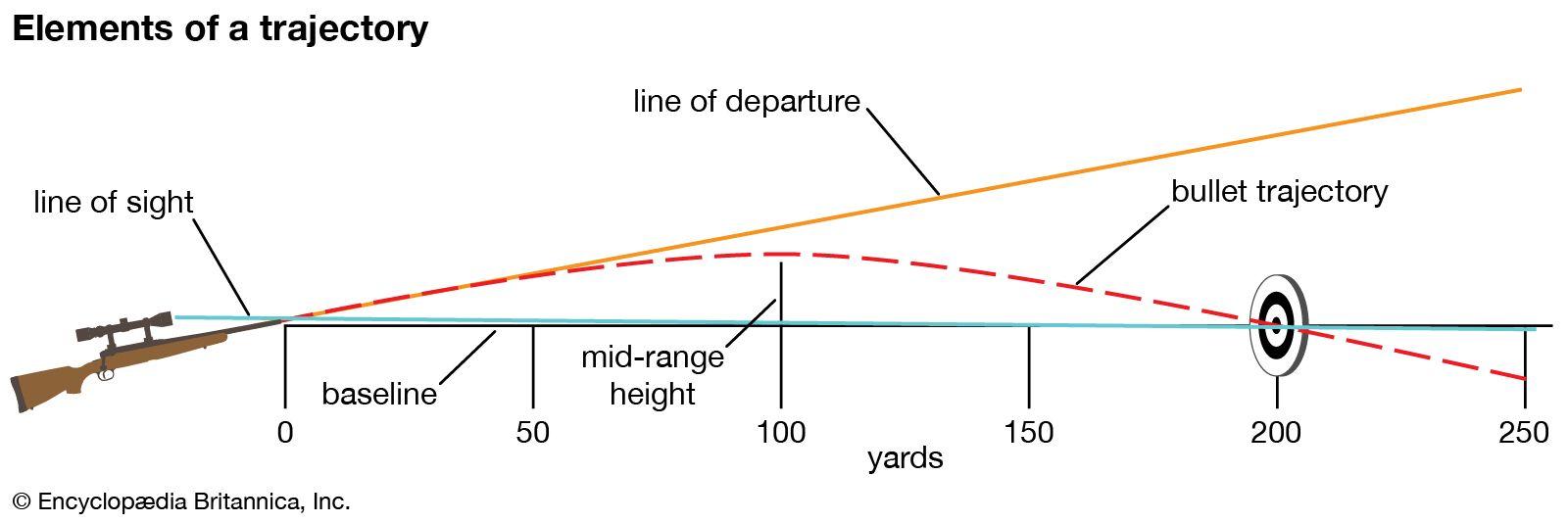
Swing Dynamics: The Art of Distance and Trajectory Control
Swing dynamics play a crucial role in distance and trajectory control. Here’s how to master this aspect of your swing:
- Define Your Swing Arc: Determine your natural swing arc by practicing without a ball. Focus on creating a smooth, fluid motion that allows your arms to swing freely. This arc will serve as the foundation for your desired distance and trajectory.
- Control Your Downswing Angle of Attack: The angle at which your club hits the ball greatly influences the trajectory. For higher shots, such as approach shots into the green, use a steeper downswing angle. For longer, flatter shots, opt for a shallower angle.
- Manipulate Clubhead Speed: Clubhead speed directly affects distance. To increase speed, focus on generating power from your core and hips. Swing through the ball with a fluid motion, avoiding any sudden jerks or hesitations.
- Influence Ball Backspin: Backspin is essential for controlling distance and trajectory, especially with wedges. To increase backspin, hit down on the ball slightly and brush through it with a downward strike. This technique creates topspin, which lifts the ball and provides extra control.
– Mastering Green Reading: Unlocking the Secrets of Slope and Break
Step 3: Understanding Slope and Break
The ability to read greens with severe slopes and breaks is a crucial skill in mastering the art of putting. To conquer this challenge, it’s essential to undergo a dedicated practice regimen. First and foremost, spend ample time meticulously inspecting the contours of the green from various angles. This comprehensive examination will provide you with an intricate understanding of the terrain and its subtle nuances.
Armed with this knowledge, embark on a series of practice sessions that specifically focus on perfecting your putting technique. During these sessions, experiment with hitting putts from different distances and with varying speeds. As you practice, pay meticulous attention to the way the ball reacts to the contour of the green. Monitor its speed and trajectory as it navigates the slopes and breaks. This cumulative experience will help you develop the intuitive ability to gauge the appropriate speed and line for your putts.
Remember, becoming a proficient green reader requires patience, persistence, and a willingness to experiment. As you continue to refine your technique and accumulate experience, you will achieve a profound understanding of the intricate relationship between slope, break, and the optimal putting line. With this newfound mastery, you will conquer the once-daunting challenge of severe greens with confidence and precision.
– Mental Focus and Shot Selection: The Key to Consistency on the Greens
Mental Focus and Shot Selection: The Key to Consistency on the Greens
For optimal putting performance, golfers must pay meticulous attention to their mental focus and shot selection. By following these steps, golfers can harness the power of their minds to achieve greater precision on the greens:
Develop a Pre-Shot Routine: Establish a consistent pre-shot routine that includes elements such as deep breathing, visualizing the successful putt, and making small, deliberate movements. This routine helps golfers stay focused and minimizes distractions.
Stay Present: In the moment of putting, golfers must remain focused on the present shot. They should avoid dwelling on past mistakes or anticipating future outcomes. By staying present, golfers can maintain a clear and focused mind, allowing them to execute the shot with greater accuracy.
Use Positive Self-Talk: Positive self-talk plays a vital role in boosting confidence and reducing anxiety on the greens. Golfers should replace negative thoughts with positive and empowering affirmations, such as ”I trust in my abilities” or “I can make this putt.”
Consider the Course: Before each shot, golfers should carefully consider the course layout, distance to the hole, and green conditions. This thoughtful analysis helps golfers select the appropriate shot to execute, taking into account factors such as wind speed and terrain.
Golfers looking to improve their putting game can follow a simple 5-step plan outlined in an article by golf analyst, Scott Fawcett. By adopting these practical tips and incorporating a holistic approach to putting, golfers can significantly enhance their accuracy, shot selection, and overall performance on the greens. The article provides valuable insights and strategies to help golfers master this crucial element of the game, leading to reduced scores and increased enjoyment on the course.