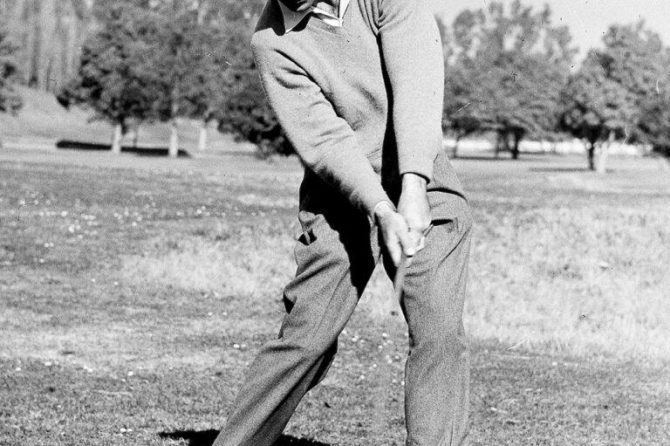
How Bobby Jones Created That Effortless Swing-and How To Apply It to Your Modern Driver
Bobby jones’ action appeared relaxed not as he was swinging lightly, but because every moving part worked together in harmony from the ground up. His motion began with a poised, athletic address: feet set about shoulder-width apart, weight balanced slightly toward the balls of the feet, and a driver setup that included roughly 10-15 degrees of spine tilt away from the target.paired with a neutral grip and supple arms, this posture let him stay behind the ball and send it high without forcing the strike. To translate that into your current driver swing, nail these setup keys first:
- Ball position: place the ball just inside your lead heel to promote a positive, upward angle of attack.
- Handle position: keep the grip end near your belt buckle or zipper rather than pressed forward, allowing the club to sweep the ball instead of chopping down.
- Shoulder alignment: set the lead shoulder slightly higher than the trail shoulder to set up a shallow, rounded swing arc.
From this address, start the club back with your torso rather of your hands. Picture your shirt buttons rotating over your trail thigh. This encourages a one-piece takeaway, keeps the club on plane, and keeps your wrists soft-very similar to the fluid move Jones made in his classic backswing.
Jones didn’t try to “hit at” the ball; he let the club “swing through” it, relying on rhythm and sequencing instead of raw effort. Modern high‑tech drivers reward that same concept with more speed and tighter dispersion.As you wind to the top, seek a shoulder turn of 80-100 degrees relative to the target line (depending on versatility) with the hips turning about 35-45 degrees. That relationship stores energy without stressing your back. In transition, feel the lower body initiate-pressure shifts into the lead heel before the club drops. Groove it with these drills:
- Step-through drill: Take your normal driver stance and begin your backswing. As you reach the top, step your lead foot toward the target and swing through. This emphasizes forward pressure shift, helps shallow the club, and promotes the free, unhurried release Jones displayed.
- Tempo count: Maintain a 3:1 rhythm-“one-two” up to the top, “three” through impact. Record your swing and make sure the downswing doesn’t outrun your backswing; the club should feel like its whipping through impact rather than being muscled.
When you step onto a tight tee box, keep this same tempo.Choose a very specific target (for instance, the right edge of a fairway bunker) and swing at only 80-85% effort. Many launch-monitor studies now show that golfers often hit their longest, straightest drives at sub‑max effort. You’ll see, as Jones did, that controllable speed and a reliable sequence routinely beat all‑out swings for both carry distance and accuracy.
Jones also knew that an “effortless” driver swing starts long before you reach the first tee. It’s built with focused practice and conservative‑smart course management. On the range, rotate between driver, wedges, and mid‑irons instead of pounding drivers for 30 minutes straight. That keeps you from becoming the “range star” who can’t take it to the course. Try structured practice such as:
- Fairway window drill: Choose two visual markers 15-20 yards apart and treat them as a fairway gate. Your goal is to hit three consecutive drives between them before switching clubs. Track your make‑rate-aim to progress from 4/10 to 7/10 over a month.
- Trajectory and wind practice: On windy practice days, hit a series of knock‑down drivers with a slightly shorter backswing and quieter hands, then follow with higher‑launch shots using a bit more spine tilt and a higher tee. This teaches you to adjust ball flight like Jones did in brutal Open Championship conditions.
Out on the course, make the driver serve your scoring strategy instead of your ego. On narrow fairways or when the crosswind is off the left, copy Jones’ patient approach: aim a touch right, slightly weaken the lead‑hand grip, and feel your body rotation keep the face a bit open through impact to produce a controlled fade. Newer players will score better by simply choosing the widest part of the fairway and swinging within themselves; advanced players can intentionally curve the ball to create ideal approach angles. For everyone, the mix of simple mechanics, purposeful practice, and smart decisions can turn your modern driver swing into something that looks-and feels-as smooth and trustworthy as Bobby Jones’ legendary motion.
Why His Classic Footwork And Tempo Still Tame Today’s Wild Tee Shots
Bobby Jones’ enduring footwork started with a fundamental anyone can imitate: a balanced, athletic stance and a smooth, unhurried tempo. Rather than “locking” his lower body, he let his feet and legs move just enough to support a natural weight shift while the upper body turned freely. At address, feel roughly 55% of your weight on the lead foot and 45% on the trail foot, knees relaxed and feet about shoulder‑width apart when using the driver. As the club moves back, allow a gradual move of pressure into the trail side-up to around 60-65% on the trail foot-without sliding laterally. This mirrors jones’ motion and quickly settles an erratic driver pattern created by an over‑active, “sliding” lower half. A simple checkpoint: the lead knee should move slightly toward the trail knee, not toward the target, while your head stays relatively centered. When you rehearse this in front of a mirror, look for rotational movement around your spine rather than side‑to‑side swaying, especially with the longer clubs you hit from the tee.
His timing is just as crucial as his footwork. Jones maintained a smooth 3:1 ratio-approximately three counts up, one count down, never snatching the club from the top. On the course, a snatched takeaway and a violent transition are leading causes of blocks, hooks, and high slices with the driver. To install Jones‑style rhythm, use these tempo drills on the range and before every round:
- “1-2-3, hit” drill: Say “1-2-3” during the backswing and “hit” as the club moves through the ball. Keep the cadence consistent for every club,from wedges to driver,to standardize your sequence.
- Feet-together swings: Make half‑speed swings with your feet nearly touching.This demands balance and encourages a flowing tempo instead of brute force.
- Wind and tight-fairway rehearsal: Before playing in a crosswind or on a narrow hole, take two deliberate, full practice swings and hold your finish for at least 3 seconds after impact. If you can’t balance in that finish, your transition is too rapid.
When your pace stabilizes, the clubface has time to square up naturally, which reduces side spin and straightens your drives. New golfers should emphasize consistency of rhythm ahead of distance gains, while better players can monitor dispersion-aim to keep 80% of tee shots inside a 20-25‑yard window-as evidence that tempo and lower‑body motion are working together.
Jones proved that sound footwork and steady rhythm help every area of the game, not just driving. In the short game, his quiet lower body and even pace under pressure provide a perfect model for modern golfers facing tight lies, bunkers, or touchy pitches over trouble. For a standard greenside pitch,narrow your stance slightly under shoulder width,place about 60% of your weight on the lead foot,and keep it there throughout the stroke while the arms and shoulders move the club. The same concepts apply to fairway woods and hybrids-clubs many amateurs fear. Minimize sway, maintain a smooth tempo, and always finish in balance. To build this into your on‑course strategy, choose the longest club you can swing in balance on demanding holes, even if that means 3‑wood or hybrid rather than driver. Then reinforce it with practice routines like:
- Three-club tempo ladder: Hit five balls each with a wedge, 7‑iron, and driver using the same cadence and holding your finish on every swing. Count how many land within your planned corridor.
- Footwork checkpoints: After every swing ask, “Was my weight on the lead foot at impact? Could I comfortably hold my finish?” If either answer is no, slow your transition and rehearse a shorter, more controlled swing.
- On-course scoring focus: Emulate Jones’ strategic mindset-when your swing feels off, pick clubs and lines that allow you to swing at 70-80% power with complete balance instead of chasing max distance. Many strokes are saved simply by staying in play more frequently enough, even if you’re a little farther from the hole.
By blending Jones’ classic lower‑body stability, rhythmic tempo, and sensible club choices, golfers of all skill levels can turn wild opening shots into predictable starts, toughen their short game when the pressure is on, and see measurable gains in fairways hit, up‑and‑down rates, and overall scoring average.
The Quiet Genius Of Jones on The Greens: Converting His Simple Putting Keys Into Your Routine
Bobby Jones’ brilliance with the putter began before the stroke ever started. His edge came from how he simplified the entire situation. Instead of obsessing over the minutiae of his stroke, he first read the putt as a complete picture-slope, grain, pace, and risk. To bring that clarity into your own routine, begin each putt from behind the ball on the target line, letting your eyes trace the intended path to the hole. Ask, “If this surface were totally flat, where would I aim?” Then ask, “How does the break adjust that spot?” Next, choose a precise intermediate target-a discolored patch or blade of grass 12-18 inches in front of the ball-and commit to rolling the ball over that point. This turns a complex long putt into a simple, short task, echoing Jones’ approach. For higher handicaps, this alone can slash three‑putts; for single‑digit players, it turns green‑reading into a consistent system that holds up on everything from slow municipal greens to firm championship venues.
Once you’ve created the picture, Jones’ mechanical keys are almost disarmingly straightforward: quiet lower body, rocking shoulders, and relaxed hands. Build a setup that lets the putter swing like a pendulum instead of being steered. Position the ball slightly forward of center with your eyes either just inside or directly over the ball-check by dropping a ball from the bridge of your nose and seeing if it lands on your addressed ball. Let your arms hang naturally, then hold the grip with only 3-4 out of 10 pressure so the head can swing freely. Imagine your shoulders moving at roughly the same pace you’d use strolling down the fairway; the putter should travel low and relatively straight for the first 6-8 inches. If you tend to stab at the ball or slow the putter through impact, use these checkpoints:
- Setup drill: On the practice green, lay a spare club on the ground parallel to your target line and set your toes 1-2 inches inside it. This encourages square alignment and reduces one of the biggest causes of pushed and pulled putts-poor aim.
- Gate drill: Place two tees just wider than the putter head, 1-2 inches in front of the ball. Hit putts without clipping either tee. This improves centered contact and start line,echoing Jones’ preference for solid strikes over fussy hand action.
- Tempo drill: Count ”one” on the backstroke and “two” on the forward stroke,keeping the stroke lengths roughly equal on putts inside 15 feet.This rhythm‑first approach is reliable in wind, on lightning‑fast greens, and during pressure putts because it keeps your motion tied to a simple internal beat.
Jones also recognized that putting becomes a true scoring weapon only when paired with smart targets and a calm mindset. He regularly aimed for sections of the green that left uphill putts, even if that meant avoiding a tucked flag.You can adopt this immediately. On holes with severe tiers or slopes,favor the portion of the green that leaves you putting into the incline; a steady 18‑footer uphill is often easier than a slick 8‑footer downhill. To weave his quiet genius into your entire game, use short, purposeful routines you can measure:
- Circle drill for performance tracking: Place 6-10 balls in a circle about 3 feet from the hole on a gentle slope. Your goal is to make at least 8 out of 10 before moving on.As your skill improves, expand the circle to 4 feet, then 5 feet, always recording your make‑rate so you can track progress over weeks instead of guessing.
- Lag-putt ladder: From 20,30,and 40 feet,roll putts with the only objective of finishing inside a 3‑foot “safe zone” around the cup. This recreates real‑course lag situations, cuts down three‑putts, and forces you to blend read and speed-exactly what made Jones so effective in major championships.
- Mental cue routine: Before every putt,pick a single,simple cue such as “smooth shoulders” or “roll it over the spot.” This keeps your thoughts from spiraling into mechanical overload and anchors your focus on one controllable task whether you’re saving bogey, chasing birdie, or defending a career round.
Blending Old‑School craft With New Tech To Practice Like Bobby And Lower Scores Fast
Imagine Bobby jones practicing alone on a quiet fairway with a hickory‑shafted club,a small pile of balls,and a sharp eye for angles-then overlay today’s technology on top of that same mindset. Start by developing an “old‑school” foundation in your setup and motion, and then use modern feedback tools to verify the feels your body is learning. In your full swing, build a classic Jones‑style sequence: athletic posture with weight centered over the arches of your feet, clubface aimed square, and a neutral grip where the “V” formed by thumb and index finger points between chin and trail shoulder (for right‑handers). As the club moves back, keep the lead arm relatively straight while the trail elbow folds naturally, creating about 80-90° of elbow bend at the top-no forced contortions. Now bring in tech: film swings from face‑on and down‑the‑line with your phone and check that your backswing plane roughly matches your address shaft angle and that your lead wrist isn’t dramatically cupped. A good checkpoint is to keep the lead wrist within about 10-15° of flat to control face angle. Blend feel with feedback by making a few swings with your eyes closed, focusing solely on rhythm like Jones, then checking the video to see whether the club stayed on essentially the same plane.
The short game is where Bobby Jones truly separated himself-and where the combination of classic technique and new data can drop your handicap fastest. Build a basic, reliable chipping motion using his narrow stance and quiet wrists, then refine distance control with a launch monitor, rangefinder, or phone app. Address the ball with 60-70% of your weight on the lead side, ball just back of center, and the handle slightly ahead of the clubhead to encourage a gentle downward strike. Keep the wrists soft but not floppy, moving the club with a putting‑like shoulder motion. To practice “the Bobby way” with modern help, create a structured short‑game station from 10-30 yards and track carry yardages with a distance tool while focusing on landing spots rather than the hole. Use these drills:
- Landing towel drill: Spread a towel 1-2 yards onto the green and hit 10 chips trying to land each ball on the towel. Measure how far they roll out and aim for a dispersion of within 3 feet for intermediate players and within 1-2 feet for low handicaps.
- one-club creativity drill: As Jones often did, play an entire short‑game session using only a 9‑iron or pitching wedge. Adjust ball position, face openness, and trajectory to learn bump‑and‑runs and low‑spinners from different lies, uphill and downhill.
- Common mistake check: If you’re hitting behind chips, record them in slow motion to see whether your weight drifts to the trail side or the hands flip past the clubhead. Fix it by rehearsing motions where your chest turns to face the target and your lead leg remains firm through impact.
On the course, blend Bobby Jones’ legendary course management with modern analytics so you choose smarter shots, not just prettier swings. Before each tee shot, unite his conservative‑aggressive philosophy with your GPS or yardage app: locate the largest safe landing zone first, then pick the club that leaves a full, confident approach-often 110-130 yards instead of a nervy half‑wedge from 60-70 yards. use shot‑tracking apps or wearable sensors to learn your real‑world dispersion (such as, your driver pattern may cover 40 yards of fairway). Only pull driver when the full width of that pattern still keeps you short of trouble-just as jones favored position over ego. On approach shots in wind or wet conditions, plan a “Jones‑style” shape-a gentle fade or draw-rather than chasing max yardage. Such as, to hit a soft 5-10‑yard fade, aim your body slightly left, set the clubface a fraction open to your stance, and make a committed swing along your body line.
set measurable goals that any golfer can use, such as hitting one more fairway and one more green per nine holes or limiting three‑putts to no more than one per round. After each round, review your choices-where you short‑sided yourself, where you ignored wind or slope-and pair those notes with your swing videos and stat summaries. Over time, this marriage of Jones‑era discipline and modern technology turns every practice session and every round into a focused lesson that steadily drives your scores lower.

Master Bobby Jones’ Classic Swing: Transform Your Driving and Putting

The Timeless Blueprint of the Bobby Jones Golf swing
Bobby jones’ swing is still studied by golf instructors and swing coaches nearly a century later.
Slow-motion film shows a motion that is simple, repeatable, and incredibly efficient.
While modern tour pros often use more athletic and aggressive moves, the Jones model is perfect for
amateurs who want a powerful, low‑stress golf swing that holds up under pressure.
Rather of chasing trendy positions, this approach focuses on:
- smooth rhythm and tempo
- Connected body and arm motion
- Stable lower body and balanced finish
- Soft, responsive hands for both driving and putting
Below you’ll learn how to apply these principles to your driver swing,
your iron play, and your putting stroke, using modern
club fitting, golf biomechanics, and smart practice habits.
Core Fundamentals of the Classic Bobby Jones Swing
1.Set Up Like a Champion
The classic swing starts with a classic golf setup. Jones looked relaxed but athletic, never rigid.
Use this checklist before every drive or iron shot:
- Posture: Bend from the hips, not the waist, with a neutral spine and light knee flex.
- Arm hang: Let your arms hang naturally from your shoulders; avoid reaching for the ball.
- Grip pressure: Hold the club as if it were a tube of toothpaste-you can move it without squeezing it.
- Ball position:
- Just inside the lead heel for the driver
- Gradually moving back toward center for mid and short irons
- Alignment: Feet, hips, and shoulders parallel to the target line, like railroad tracks.
A consistent setup is the easiest way to build a consistent swing path and clubface control, leading to
straighter drives, better contact, and tighter dispersion with every club in the bag.
2. Rhythmic takeaway and Backswing
Film of Bobby jones shows that nothing jerky happens in the first few feet of the swing.
He used a gentle one-piece takeaway: the clubhead, hands, and chest moved together.
To copy this in your own golf swing:
- Start the club back low and slow, keeping the clubhead outside your hands for the first 12-18 inches.
- Allow your trail knee to stay flexed while your hips rotate-not slide-away from the target.
- Let your lead shoulder move under your chin; this ensures a full shoulder turn even if you’re not super flexible.
A smooth takeaway helps you maintain balance,keep the club on plane,and build coil without tension-key ingredients for both power and accuracy.
3. Classic Transition: The Secret to Effortless power
Modern long‑drive swings can look violent at the top. Jones’ transition was the opposite-unhurried but powerful.
The lower body initiated the downswing while his arms and club “waited” a split second, creating lag.
To feel this same sequence:
- At the top, pause mentally for a fraction of a second-don’t rush.
- Gently bump your lead hip toward the target and let pressure shift into your lead foot.
- Allow your arms and hands to drop into the slot, staying close to your body.
- let the clubhead release naturally; don’t try to hit from the top.
This blend of soft arms and active hips produces higher clubhead speed with less effort,and it keeps the club on an inside‑to‑square path that reduces slices.
4. Balanced Finish for Driving and Iron Control
every great Bobby Jones swing ends in perfect balance, with the chest facing the target, trail foot on its toe, and the club over the lead shoulder.
Finishing well is more than a pose-it’s proof your swing had the right tempo and sequencing.
During practice, hold your finish until the ball lands. If you can’t, your swing is probably too quick, off-balance, or out of sync.
Slow down, shorten the backswing, and rebuild from ther.
How the Classic Swing Boosts Your Driving Distance
You don’t need a modern “X‑factor” swing or extreme shaft lean to hit long, straight drives.
By combining Jones-style motion with current driver technology and custom club fitting, you can gain distance without sacrificing control.
Optimize Your Driver for a Classic Swing
| Fitting Element | Classic swing Priority | On-Course Benefit |
|---|---|---|
| Loft | Slightly higher (10.5°-12.5°) | More carry distance and forgiveness |
| Shaft Flex | Match to smooth tempo | Centered contact, tighter dispersion |
| Shaft weight | Light-mid weight | Improved clubhead speed without strain |
| Length | slightly shorter if inconsistent | More fairways, better face control |
Pairing a smooth, rhythmic driver swing with the right loft and shaft characteristics creates an ideal launch angle and spin profile,
especially for golfers who aren’t trying to “swing out of thier shoes.”
Launch Conditions the Bobby jones Way
- Launch angle: Aim for 12°-16° depending on clubhead speed.
- spin rate: Moderate backspin (2200-3000 rpm for many amateurs) to keep the ball in the air but avoid ballooning.
- Angle of attack: Slightly up on the ball with the driver by teeing it higher and positioning it off the lead heel.
focusing on rhythm, center contact, and solid launch will often add more driving distance than simply trying to swing harder.
Classic Swing Principles for Iron Play and Wedge Control
Bobby Jones’ scoring ability also came from crisp iron shots and precise wedge distance control.
The same fundamentals that help your driver can tighten your iron dispersion.
Key Adjustments for Irons
- Ball first, then turf: Keep your weight slightly favoring the lead side at impact.
- Compact finish: Slightly shorter follow‑through promotes a penetrating flight.
- Shaft lean: Naturally created by turning through the ball without flipping the hands.
Practice hitting three-quarter shots with your 7‑iron and 9‑iron while maintaining the same smooth tempo as your full swing.
This is an excellent drill for distance control and solid contact across the set.
Translating Bobby Jones’ Feel to the Putting Green
Jones’ putting stroke was as famous as his full swing-soft hands,quite body,and a natural,pendulum-like motion.
Modern putters, green speeds, and putting grips may look different today, but the fundamentals of putting have changed very little.
Classic putting Setup and Alignment
- Eyes over or just inside the ball: This helps you see the line accurately.
- Light grip pressure: Let the putter head swing freely without tension.
- Shoulders as the engine: Keep wrists firm,moving the putter with a rocking motion of the shoulders.
- Square clubface: Use a line on the ball or putter to ensure you’re aimed correctly.
Choosing the Right Putter for a Classic Stroke
| Putter Style | Best For | Stroke Shape |
|---|---|---|
| Blade Putter | Traditionalists and feel players | Arc stroke with toe hang |
| Mallet Putter | Players wanting extra stability | Straighter back and through |
| Mid‑Malet | Balanced option | Soft arc or slight straight stroke |
Get a basic putter fitting if possible-lie angle, shaft length, and head shape all influence your ability
to aim the putter and control distance, especially on fast greens.
Bobby jones-Inspired Putting drills
- Gate Drill: Place two tees slightly wider than your putter head and stroke putts through the gate.
This trains a square, centered strike.
- One‑Handed Stroke: Hit short putts with only the trail hand to develop feel, then with only the lead hand to train control.
- Ladder Drill: Put tees at 3, 6, 9, and 12 feet. Putt a ball to stop near each tee, building distance control and green speed awareness.
Biomechanics: Why the Classic Swing Protects Your Body
Golf biomechanics research confirms many things Jones figured out by feel.
The classic swing emphasizes joint-friendly motion and efficient sequencing, which can reduce injury risk compared with overly violent modern swings.
Key Biomechanical Advantages
- Reduced shear on the lower back: More rotation, less lateral slide.
- Balanced weight shift: pressure moves from trail foot to lead foot without abrupt jolts.
- Moderate swing speed generated by technique: Power comes from timing and leverage, not brute force.
If you’ve had back, hip, or shoulder issues, adopting a smoother, Bobby-jones‑style golf swing
can keep you on the course longer while still improving your overall golf performance.
Equipment tuning for a Classic, High-Performance game
modern golf equipment can absolutely support a vintage-inspired motion.
With help from a professional club fitter or PGA instructor,you can dial in your driver,irons,wedges,and putter so they match your tempo and swing plane.
Essential Club Fitting Checklist
- Shaft flex and profile: Choose a profile (kick point, torque) that matches your tempo and transition.
- Lie angle: Proper lie ensures the clubhead contacts the turf evenly, reducing hooks and slices.
- Swing weight: Slightly heavier heads can enhance feel for players who prefer a classic tempo.
- grip size: Fit grip size to hand size and desired release pattern; too thick or too thin can hinder timing.
Think of your clubs as tools tailored to execute the Bobby Jones motion, not the other way around.
When the equipment fits, it becomes much easier to keep your swing smooth and repeatable.
Benefits and Practical Tips for Everyday Golfers
On‑Course Benefits of a Bobby Jones-Inspired Swing
- More fairways hit: A shallower,on‑plane path and square face produce straighter tee shots.
- Consistent contact: Better balance and tempo improve strike quality, even under pressure.
- Lower scores: Tighter dispersion with irons plus better distance control in putting leads to more pars and birdie chances.
- Less fatigue: A low‑stress, efficient golf swing lets you play more golf with fewer aches and pains.
Simple Practice Framework
| Practice Segment | Time | Focus |
|---|---|---|
| Warm‑Up | 10 mins | Stretching, half swings, tempo |
| Full Swing | 25 mins | Classic takeaway, balanced finish |
| Short Game | 15 mins | Wedge distance control |
| Putting | 20 mins | Gate and ladder drills, green reading |
Structure beats volume. Practicing with a plan-especially one rooted in the simple, rhythmic Bobby Jones swing-creates real improvement in much less time.
Case Study: How a classic Swing Transformed One Golfer’s Game
Consider a mid‑handicap player struggling with an over‑the‑top move, wild drives, and streaky putting.
Rather of chasing extra power, he committed to a Bobby Jones-style swing change:
- Shortened his backswing to maintain structure at the top.
- Focused on “low and slow” takeaway and a relaxed transition.
- Got fit for a slightly higher‑lofted driver and a heavier, more stable putter.
- Practiced classic putting drills three times per week.
Within a couple of months,he:
- Gained 12 yards of average driving distance through better contact and launch.
- Hit 20% more fairways by virtually eliminating his slice.
- Dropped his putts per round by nearly three strokes.
- Lowered his handicap by five shots while actually swinging easier.
His improvement didn’t come from chasing speed or reinventing his body; it came from honoring the fundamentals that made Bobby jones one of the most efficient ball strikers in history.
First‑Hand Experience: What It Feels Like to Swing the “Old School” Way
Golfers who adopt a classic swing frequently enough describe a few common sensations:
- Less effort, more motion: The body turns fully, but without strain or forced speed.
- Heavier, more connected club: The club feels like part of the body, not a separate object you’re trying to manipulate.
- Reliable shot pattern: The ball tends to start closer to the intended line, with curves that are predictable and small.
When these sensations show up alongside improved driving and putting results on the scorecard, you’ll know you’re capturing the spirit of Bobby Jones’ classic golf swing-updated with modern clubs, balls, and course conditions.