
Optimizing driver output goes beyond picking a low‑spin head or merely swinging harder; the shaft’s bending and twisting behavior is a dominant factor in how the player’s energy is conveyed to the ball and how launch characteristics are generated. The mechanical signature of a shaft-its longitudinal bending stiffness, torsional compliance, sectional stiffness profile and natural frequency-shapes the timing and magnitude of the clubhead’s release. That, in turn, changes dynamic loft, effective attack angle, face attitude at impact, and ultimately the launch angle and spin rate. Yet despite its decisive influence, many golfers treat shaft selection as an impression-based choice instead of an evidence-driven match between player biomechanics and equipment.This review merges biomechanical findings and ball‑flight research with hands‑on fitting practice to show how a tailored shaft flex affects driving distance, lateral control and repeatability.It explores how shaft properties interact with individual swing traits (tempo, transition timing, release point and swing plane) to change clubhead kinematics and impact conditions; summarizes measurable shaft characteristics (stiffness profile, kick point, torque, frequency) and how to evaluate them; and maps these variables to launch‑monitor outputs (ball speed, launch angle, spin rate, smash factor) used to model carry and rollout.
Evidence‑based fitting workflows are provided that convert lab measurements and field testing into concrete recommendations. These workflows combine objective tools (high‑speed motion capture, launch monitors, shaft‑frequency rigs) with structured swing assessment to identify shafts that maximize driving distance, control spin, and deliver consistent accuracy across different player types.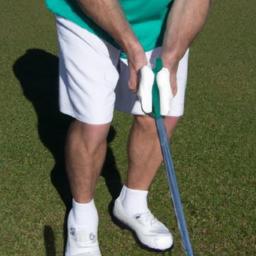
Core mechanics: How shaft behavior controls launch and spin
Grasping the interactions between shaft stiffness, clubhead motion and ball response is essential to managing launch angle and spin. In simple terms,shaft flex describes how resistant a shaft is to bending through the downswing and at impact; standard flex labels are L (ladies),A (senior/soft),R (regular),S (stiff), and X (extra stiff),which roughly correspond to swing‑speed brackets (as an example,players with driver head speeds under ~75 mph usually gain from softer profiles,whereas those exceeding ~95 mph often need stiffer shafts).More technically, shafts are defined by frequency (cpm), tip stiffness and torque: a more flexible tip or greater torque typically increases dynamic loft at impact – frequently enough by about 1-3° – and commonly raises spin by several hundred rpm depending on strike location. By contrast, a stiffer tip and low torque can lower dynamic loft and spin, producing a more penetrating trajectory. The player’s attack angle is a major modifier: a positive attack (e.g., +2° to +4° for many amateurs) amplifies the launch‑increasing effect of a soft shaft, while a steep downward attack can negate it. Consequently, objective measurement with a launch monitor-capturing ball speed, launch angle, spin rate and smash factor-is crucial to quantify how shaft flex changes performance for a particular swing.
Putting theory into practice means converting shaft attributes into reliable on‑course outcomes through methodical fitting and specific drills. In a fitting session, change shaft flex, tip profile and length in a controlled way while keeping loft and head constant; capture mean launch angle and spin from at least 10 strikes per setup to build confidence in the results. Across skill levels,use these practical checkpoints and training items to refine both equipment and technique:
- Setup checkpoints: driver ball just inside the left heel,neutral spine tilt,and a repeatable wrist set to preserve expected dynamic loft.
- Tempo drill: employ a metronome to stabilize transition and release timing (a 3:1 backswing:downswing ratio is a useful starting point for many amateurs; advanced players may work toward ~2:1 for smoother sequencing).
- Impact feedback drill: use face tape or impact spray to verify strike location; consider a shaft change if consistent toe or heel impacts push spin beyond target limits.
New players should emphasize center contact and a forgiving, mid‑launch shaft to build carry consistency (target ~12-14° launch with spin around 2,000-3,000 rpm), whereas better players can refine shaft choice to match their attack angle and reduce spin variability to tighten dispersion. Also remember equipment conformity: permanent shaft swaps and loft/length changes can affect USGA/R&A compliance.
Apply shaft logic to course tactics and periodized practice so equipment improvements translate to lower scores. In windy or firm conditions prefer lower‑launch, lower‑spin setups (stiffer tip, low torque) to keep the ball down and make rollout more predictable; on soft, wet courses opt for higher‑launch, higher‑spin combinations to ensure enough carry. Make these aims measurable: over a two‑week practice block, use a launch monitor to shrink launch‑angle SD to ±1.5° and spin SD to ±300 rpm, and measure lateral dispersion at a set carry distance (e.g., 200 yards), targeting a 20-30% reduction in sideways scatter. Typical errors include choosing a shaft purely from its label (leading to persistent curvature) or changing technique without validating shaft fit; fix these by blending mechanical adjustments (move the ball back to lower launch,shallow the attack to reduce spin) with equipment decisions made via testing.integrate simple mental cues-a concise pre‑shot routine and visualization of the desired flight-so the technical benefits of an optimized shaft actually show up on the course.
biomechanics: how tempo, release and shaft flex interact
Linking shaft properties to human motion requires a biomechanical viewpoint: biomechanics applies mechanical laws to body movement and is useful for diagnosing how shaft flex, swing tempo and release mechanics interrelate. Practically, flex category (L/A/R/S/X), tip stiffness, torque and kick point influence the timing of energy transfer during the downswing and at impact. A shaft that is too compliant for a player’s speed will overbend, raising dynamic loft and side spin; a shaft that’s too stiff can blunt lag and reduce ball speed. On the range, monitor three core launch‑monitor outputs to evaluate fit: launch angle (aim ~10°-14° for many drivers), spin rate (efficient window ~1,800-3,000 rpm), and smash factor (aim >1.45 for skilled drivers). Start equipment checks with:
- Grip & posture: neutral grip, slight forward shaft lean where appropriate, and spine tilt that supports a positive attack angle.
- Shaft spec trial: compare adjacent flexes (e.g., R vs S) under identical conditions to isolate flex effects.
- Tempo recording: log backswing:downswing ratio (many effective swings approximate a 3:1) using video or a metronome app.
These checks make the connection between motion, equipment and on‑course choices-e.g., for a firm, downwind tee shot a player may accept slightly lower launch and spin to gain roll and control.
tempo and release sequencing determine how the shaft stores and lets go of energy, so coaching should combine motor‑control drills with numeric targets. A steady tempo yields predictable shaft bend and consistent wrist/forearm release; an early “flip” produces a closed face, low launch and excess spin. Recommended drills and targets for coached progression:
- Metronome rhythm: practice a 3:1 backswing:downswing rhythm (count 1‑2‑3 on the backswing, 1 on the downswing) for 5-10 minutes to normalize timing.
- Lag & release partial swings: take 3⁄4 swings holding the wrist hinge until hands pass the thigh, then accelerate to feel shaft unload.
- Impact bag/tee drill: strike an impact bag or short‑tee shots to ingrain a square face and correct release; observe face rotation and divot patterns for feedback.
Technically, choose an attack angle that suits your speed: many long hitters sustain +2° to +6° to maximize carry while keeping smash factor high. Beginners should first build tempo and repeatable face‑square impacts; low handicappers can fine‑tune shaft selection (e.g., slightly stiffer on links courses to resist gusts) to preserve direction.
Combine technical work with quantified practice routines and course simulations to turn mechanical improvements into better scoring. Begin with a baseline fitting: record clubhead speed (novices ~60-80 mph, typical male ~85-95 mph, elite/low‑handicap ~100-115+ mph) and test shafts near the adjacent flex band; pick the shaft that offers the best balance of ball speed, launch and spin. A practical 6‑week plan:
- Weeks 1-2: tempo & release drills 4×/week, 15-20 minutes per session (metronome, half‑swing lag).
- Weeks 3-4: integrate full swings with launch‑monitor feedback 2×/week; set smash‑factor targets (improve by ~0.03-0.05).
- Weeks 5-6: situational play practice (wind, narrow fairways) to control trajectory-use a stiffer shaft or less loft when needed.
Address common issues-early release (remedied with delayed‑release half swings and impact bag), mismatched flex (retest adjacent options), and inconsistent tempo (use metronome sessions). Linking shaft choice, tempo training and release mechanics to measurable outcomes lets golfers at every level convert biomechanical insight into better shot selection and steadier scoring while keeping equipment rule compliance in mind.
Quantifying the impact: shaft stiffness, ball flight and dispersion
Knowing how shaft stiffness changes launch and dispersion numerically is key to purposeful fitting and practice. Shaft flex (L/A/R/S/X) interacts with swing speed, attack angle and release timing to affect dynamic loft, backspin, launch angle and lateral scatter. Such as, an overly soft shaft for a given swing may raise dynamic loft by roughly 0.5-2.5°, increase backspin by approximately +100 to +800 rpm, and commonly reduce carry by 5-20 yards as of higher spin and less efficient energy transfer; in contrast, a too‑stiff shaft can reduce dynamic loft by 0.5-2°,cut spin by 50-300 rpm,and-when matched to an assertive swing-tighten dispersion and increase rollout. As a practical rule, many players with driver head speeds of 85-95 mph start with a Regular flex, those at 95-105 mph with a Stiff, and players above 105 mph often consider Extra Stiff; however, these ranges should always be validated on a launch monitor. Other shaft traits-weight (≈45-75 g), torque (≈3°-6°), and kick point-also shape feel and launch and must be weighed alongside flex when pursuing better carry consistency and dispersion.
To make these relationships actionable, employ a stepwise fitting and practice protocol that marries swing mechanics with equipment checks. Start by verifying baseline launch‑monitor numbers: clubhead speed,ball speed,launch angle,spin rate,and smash factor (target 1.45-1.50 for solid drives).Then hit controlled sets with shafts of varying flex and mass and note the differences: the right flex will typically yield a consistent launch angle within your target window (many midspeed players: 10-14°) and a spin figure that supports optimal carry. Technique and setup drills to synchronize shaft behavior with your kinematic sequence include:
- Impact‑bag drill: teaches a stable release and correct shaft loading-perform at least 10 reps focusing on feeling shaft load in transition.
- Tee‑height drill: change tee height to modify launch and review spin; aim for repeatable launch/spin across five strikes.
- Tempo metronome: practice a 3:1 rhythm to better time releases when moving to firmer shafts.
Avoid choosing a shaft purely by feel; that can mask suboptimal spin or launch. Instead, record data and make gradual changes, pursuing targets such as cutting lateral dispersion by 10-15 yards or holding carry within ±5 yards across 10‑ball samples.
Extend shaft‑flex knowledge into strategy and advanced technique.On exposed links holes a stiffer profile that trims launch and spin helps preserve roll and reduces ballooning; on soft courses a softer or lower‑kick setup can maximize carry. To control shot shape and dispersion on tight landing zones,combine a slightly stiffer tip for directional control with an earlier face‑squaring in the downswing to minimize sidespin. Useful situational routines:
- Range simulations: alternate fairway tees and light rough to evaluate how flex affects turf interaction and launch.
- Wind practice: play three holes using different shafts/flexes to learn how launch and spin change yardage control.
- Tracking program: log launches weekly with a 6-8 week target (e.g.,reduce average lateral dispersion by 10 yards and tighten spin variance to ±150 rpm).
Combine these tactical drills with a confidence‑building pre‑shot routine: slower transitions typically benefit from softer, lighter shafts and tempo work, while powerful, fast transitions perform better with stiffer, heavier shafts and power‑sequence drills. Measured fitting data plus targeted practice and on‑course testing let golfers systematically use shaft stiffness to improve launch, reduce dispersion and lower scores.
Repeatable fitting protocol: motion analysis and launch‑monitor validation
Initiate fitting by establishing a stable baseline using a launch monitor and 2D/3D motion capture. Collect at least 10-12 committed driver swings from an unchanged setup (constant tee height, ball position and warm‑up) and log clubhead speed (mph), ball speed (mph), smash factor, launch angle (°), spin rate (rpm), carry, total distance and lateral dispersion.Simultaneously capture attack angle, backswing:downswing tempo ratio (target ≈ 3:1), timing of peak shaft bend and shaft lean at impact. Use clubhead speed as a starting map to flex candidates (<85 mph = L/A, 85-95 mph = Regular, 95-105 mph = Stiff, >105 mph = X‑Stiff) but let launch data-especially smash factor, launch angle (target ~10-14°) and spin rate (target ~1,800-3,000 rpm)-refine the final selection. Make sure all test shafts comply with equipment rules and that loft and head model are constant to isolate flex effects.
Then convert diagnostics into practice and on‑course prescriptions by trialing 2-3 shaft combinations (flex/weight/kickpoint) and observing their impact on measurable outcomes and shot shape. For higher peak launch and carry (e.g., over hazards or onto soft greens) prefer a slightly softer flex or lower kickpoint; for wind or firm surfaces favor a stiffer tip/higher kickpoint to suppress tip deflection, reduce spin, and tighten dispersion. During fittings use these drills and checks:
- Impact tape: verify center contact and record dispersion shifts with each shaft.
- Step‑in tempo drill (60-80 bpm): reinforce a 3:1 rhythm to limit late releases that exaggerate bend.
- Weighted‑shaft swings (10-20% heavier): train release timing and assess feel for slower swingers.
- Attack‑angle feedback: alter tee height to shift attack by ~+1-2° and observe launch/spin changes.
Set short‑term targets (4-8 weeks) such as raising smash factor by +0.02-0.05,cutting spin variance by ≥10%,and keeping 80% of drives within 20 yards of a target circle on the launch monitor. Address problems-late release that hooks on soft tips or early casting that flattens launch on stiff shafts-by using kinesthetic cues (lag vs release) coupled with immediate launch‑monitor feedback.
Incorporate player skill, learning preferences, physical constraints and course demands into the final suggestion and practice plan. for beginners,choose a shaft that yields consistent contact and reliable launch-accept slightly higher launch/spin if it produces confidence and more fairways-and use straightforward drills (impact bag,short swings with forward shaft lean).For intermediate and low‑handicap players focus on fine tuning: align tip stiffness and torque to achieve target launch/spin while maintaining shot‑shape control; confirm via motion analysis that peak shaft bend occurs in transition or early downswing and that recovery before impact is repeatable to avoid late‑bend dispersion. Offer multisensory learning (video, metronome, weighted drills) and tie equipment changes to scoring metrics (fairways hit, proximity from the tee, strokes gained off tee across ~10 rounds) to quantify benefit. Finalize the fit with a measured practice and on‑course validation plan to build confidence under pressure.
Fitting by profile: matching driver flex to swing and body
Start with objective assessment of swing and physical traits to align shaft flex with performance aims: use a launch monitor to capture swing speed, attack angle, ball speed, launch angle and spin rate. Rough swing‑speed bands provide useful starting points-Ladies <75 mph, Senior/A ≈75-85 mph, Regular ≈85-95 mph, Stiff ≈95-105 mph, X‑Stiff >105 mph-but temper them with tempo and release: a smooth tempo frequently enough benefits from a softer flex to maximize energy storage and release, while an aggressive, late‑release swinger typically requires greater stiffness to control face timing.Factor in rotational speed, wrist/forearm strength and mobility restrictions-players with weaker forearms or limited range often do better with a lighter, more compliant shaft to preserve speed and prevent early release.Ensure the chosen setup follows USGA rules and record baseline metrics so later changes can be evaluated by carry, dispersion and side spin.
Then apply targeted technique and fitting drills matched to the swing profile. For slow‑to‑moderate swingers who need more dynamic bend to raise launch and carry, emphasize lag and energy transfer drills:
- Towel lag drill: a towel under the lead armpit on 3‑quarter swings to maintain connection and promote wrist hinge-goal: feel shaft load before release.
- Tempo metronome: a 3:1 backswing:downswing rhythm (e.g., 60 bpm backswing) to stabilize timing for softer shafts.
- Medicine‑ball rotational throws: build hip‑shoulder separation and rotational power; track rotational velocity gains with wearables or video.
For high‑speed, aggressive swingers with dispersion issues, concentrate on face control and matching shaft stiffness:
- Half‑swing alignment: use half swings into an impact bag to train a square face while testing progressively stiffer shafts.
- Release‑timing work: use impact tape and narrow targets to encourage centered strikes and controlled spin-seek backspin reductions of ~200-500 rpm when appropriate.
Practice those drills while alternating shaft flex and loft options, and set short‑term goals like a +5-10 yard carry gain or a 10-15% reduction in side spin to boost fairway percentage.
Turn fitting and technique into course strategy,mental prep and a balanced weekly routine that includes the short game. when conditions shift-wind, firm fairways, tight landing zones-pick a shaft/loft combo that yields the required trajectory: e.g.,a slightly stiffer shaft with 1-2° less loft for penetrating flight on dry surfaces,or a softer shaft with extra loft for extra carry on wet turf. Before you play, run these checks on the range:
- Setup: ball slightly forward for a positive attack (+1° to +4°), spine tilt away from target, relaxed grip (4-6/10).
- Troubleshooting: hooks after switching to stiffer shafts often signal early release-slow the tempo; persistent slices with softer shafts may require evaluating kick point and shifting to a mid/high kick point to promote a more closed face.
Use pressure‑simulated practice (countdowns,matchplay) to build decision‑making and confidence; pair driver work with short‑game practice (30-60 minutes per session) so distance gains pay off on your scorecard. Measured practice plus smart on‑course adjustments let golfers of all levels optimize shaft flex for better carry, cleaner dispersion and more consistent scoring.
Physical training to support shaft selection and consistency
Align shaft choice with objective swing characteristics and setup fundamentals so conditioning directly enhances consistency. as a guideline match shaft flex to peak driver speed-Regular: ~85-95 mph,stiff: ~95-105 mph,X‑Stiff: >105 mph-and confirm targets with a launch monitor. Then verify that the resulting launch and spin align with the player’s goals (many amateurs aim for launch: 10°-14° and spin: 2,000-3,000 rpm).From here, address setup and swing mechanics that interact with shaft behavior: keep a neutral to slightly tilted spine (~5°-8° away from target), ball near the left heel and a positive angle of attack (+1° to +3°) for higher launch with a flexible shaft. For reproducible contact and tempo,follow these checks:
- Grip pressure: keep it light-about 3-5/10-to avoid tension that breaks timing;
- Ball height: tee so half the ball sits above the driver crown for an upward strike;
- Base & balance: shoulder‑width stance with ~60/40 weight toward the trail leg for transition stability.
Next, implement an 8-12 week conditioning plan that enhances rotational power, timing and muscular endurance-attributes that reduce mismatch between player and shaft. Include mobility (thoracic rotation >45° each side), strength (double‑ and single‑leg Romanian deadlifts, cable wood‑chops, 8-12 reps), and speed work (medicine‑ball rotational throws, controlled overspeed swings) to aim for controlled clubhead speed increases of 3-6 mph while preserving sequencing. Layer technical drills that reinforce shaft feel and timing:
- Weighted‑to‑light swings: 10 swings with a slightly heavier implement followed by 10 with the normal driver to encourage late release and lag;
- Metronome tempo: 3:1 takeaway:downswing rhythm at ~60 bpm to steady transition timing;
- Impact bag/tee work: 5 swings to an impact bag focusing on forward shaft lean and centered contact, then 10 tee swings concentrating on stable launch and minimal face rotation.
Beginners should aim for steady, repeatable movements and short‑term metrics (e.g., raise centered‑strike rate to 70% in six weeks); advanced players should refine launch/spin windows through incremental speed gains validated with a launch monitor.
Translate conditioning and equipment prep into on‑course tactics and execution that account for shaft properties and weather. A shaft too soft for your tempo can exaggerate curvature and increase dispersion in wind; one too stiff can under‑spin and fall short of desired carry.Use driver adjustability (loft ±1-2° where allowed) and practical corrections:
- Tee strategy: on tight doglegs tee lower and pick a firmer shaft/less loft for a penetrating ball flight;
- Wind play: into the wind reduce dynamic loft by 1-2° and accept a controlled fade; downwind, open the face slightly and use shaft kick to add carry;
- Troubleshooting: if hooks rise after a shaft change, check for early release and weak lead‑arm extension; if shots balloon, reassess flex, launch and wrist action at the top.
Combine these choices with a short pre‑shot routine and breathing technique to manage pressure; set measurable course targets such as cutting fairway dispersion by 20% over eight rounds and monitor with a launch monitor and shot‑tracking app so training, conditioning and shaft choice come together in consistent scoring gains.
Applied examples: turning setup, shaft selection and drills into distance and accuracy
Start from a repeatable posture and swing that favor a square face at impact and a slightly upward strike. For most right‑handers with a driver place the ball just inside the left heel, hands slightly ahead so the shaft leans toward the target-this promotes an upward strike and better launch. Maintain a spine tilt of ~6°-8° away from the target, a backswing shoulder turn of ~80°-100°, and a lower body that rotates rather than slides through impact.Aim for an attack angle near +2° to +4°,a launch window around 10°-14° for mixed carry/roll conditions,and a smash factor ≥1.48.Correct common faults with drills such as:
- Impact‑bag or headcover compression drills to feel full ball compression;
- Alignment‑stick under the lead arm to preserve connection and plane;
- Slow‑motion three‑step swings (half, hold, full tempo) to groove sequence and prevent casting.
These fundamentals foster center‑face contact and consistent launch metrics measurable on a launch monitor.
Equipment-especially shaft flex-determines whether those mechanics convert to repeatable distance. Choose a shaft whose dynamic properties match timing and speed: broadly, clubhead speeds ~80 mph frequently enough need a senior/ladies flex; 80-95 mph suits regular; 95-105 mph typically requires stiff; and speeds above 105 mph usually look to X‑stiff. Also weigh kick point, tip stiffness and torque since they alter delivered loft and spin-stiffer, low‑torque shafts generally reduce spin and tighten dispersion at higher speeds. Use launch‑monitor fitting to find the launch/spin window that maximizes carry for your loft (example target: 10°-14° launch with 1,800-2,800 rpm spin depending on conditions). Validate equipment with drills:
- Incremental speed test: step swing speed up in ~5% increments and log smash factor to identify optimal flex;
- Toe/heel impact drill: place small objects to encourage center hits and evaluate kickpoint response;
- Tempo/weighting: use a weighted club to improve transition timing for slower players.
Set measurable objectives-e.g., raise smash factor by 0.02-0.05 in 6-8 weeks or cut driver spin by 300 rpm-and iterate technique or gear as data indicates.
Integrate technique and gear into a risk‑aware course plan that minimizes penalty strokes while keeping scoring chances. Select tee placements and clubs pragmatically-remember you may tee from anywhere inside the teeing ground to reduce forced carries. Tailor ball flight to conditions: firm/downwind favors lower launch and rollout (ball slightly back, less loft); into wind or on soft greens increase loft for more carry. Simulate pressure in practice:
- Targeted fairway drill: play nine driving‑tee holes on the range and score fairways/hazards to replicate risk/reward;
- Wind adaptation: hit 10 balls in variable wind and record carry/dispersion to build a yardage chart;
- Pre‑shot checklist: alignment, single swing thought, visualized landing and commitment-repeat under stress.
Follow a weekly structure-~30% mechanics, 40% applied practice and 30% conditioning/short game-to turn measured setup and matched shaft/loft into consistent distance, tighter dispersion and lower scores across ability levels.
Q&A
Note on search results: the provided web results were unrelated to this topic and were therefore not used in composing the following Q&A.below is an original, research‑oriented Q&A for ”Unlock Driving Power: Master Shaft Flex for Optimal Driver Performance.”
Q1. What is “shaft flex” and which physical properties of a golf shaft determine it?
A1. Shaft flex denotes the shaft’s longitudinal bending stiffness (its compliance under load) as it is loaded and unloaded through the swing. Important physical determinants include bending stiffness distribution along the shaft, bend profile, torsional stiffness (torque), kick point (where maximum deflection occurs), mass (grams) and construction (composite layup or metal). These combined parameters define the shaft’s dynamic response to hand and clubhead forces.
Q2.How does shaft flex influence launch angle and spin rate?
A2. Shaft flex changes the timing of shaft bend and release relative to the clubhead in a player’s kinematic sequence.A more flexible shaft can permit later energy release, frequently enough increasing dynamic loft at impact and raising launch angle and spin. A stiffer shaft generally limits late loading, lowering dynamic loft and spin. The precise outcome depends on swing speed, release timing, attack angle and the player’s hand action.
Q3.What are the biomechanical mechanisms by which shaft flex alters swing mechanics?
A3. mechanically,shaft flex affects:
– Timing of shaft unload and clubhead lag,which influences face orientation at impact.
– Hand/forearm kinematics and wrist hinge/release timing, altering muscle activation patterns.
- Perceived and actual torque through the grip, impacting grip pressure and forearm tension.
– Minor changes in path and face rotation due to torsional compliance and bend profile.
these interactions change both vertical and horizontal clubhead motion at impact and thus the resulting ball flight.
Q4. Which ball‑flight and club metrics should be used to evaluate shaft flex effects?
A4. Core objective metrics:
– ball speed
– Clubhead speed
– Smash factor
– Launch angle
– Backspin rate
– Spin axis/sidespin
– Carry and total distance
– Lateral dispersion
Supplementary measures include impact location, face angle and path at impact, and shot‑to‑shot variability (standard deviation).
Q5. What is a repeatable fitting protocol to find an individualized optimal shaft flex?
A5. Recommended steps in a launch‑monitor fitting:
1. Warm up with 8-12 swings in the current setup.
2. Baseline: record 12-20 representative swings with current head/shaft; compute means and SDs.
3. Select trial shafts varying flex (±1-2 categories), mass (±5-15 g), torque and kick point while keeping head/loft identical.
4. Randomize the order and for each shaft capture 8-12 tracked full drives.
5.Analyze means, SDs and confidence intervals for carry and ball speed; compare using effect sizes or paired tests. Practical thresholds: ~3-5% ball‑speed change or 5-10 yards carry for relevance.
6. Validate the top shaft in range and on‑course conditions.7. document and recommend by primary player goal (distance,accuracy,consistency).
Q6. How many swings per shaft are adequate?
A6. Practically, 8-12 well‑struck swings per shaft balance reliability and player fatigue. Statistically, 15-20 swings per condition increase power to detect small differences; randomize order and remove mis‑hit outliers.
Q7. How should a fitter balance distance, accuracy and consistency?
A7.Prioritize according to the player’s goals:
– For distance: choose the shaft maximizing ball speed and placing launch/spin near the modeled optimum.
– For accuracy/consistency: favor shafts that minimize lateral dispersion and variability, even if peak distance is lower.
Explain trade‑offs quantitatively and let the player decide within objective constraints.
Q8.Are there general flex recommendations by clubhead speed?
A8. Typical tendencies:
- >105-110 mph: stiffer/X‑stiff shafts to control dynamic loft and spin.
– 90-105 mph: regular to stiff depending on tempo.
- <90 mph: regular, senior or ladies flexes to encourage more dynamic bend and launch.
use these as starting points and confirm with launch‑monitor testing.
Q9. how do shaft weight and torque interact with flex?
A9. Shaft weight affects tempo and inertia-heavier shafts can damp face rotation and reduce dispersion but may reduce clubhead speed. Torque controls twist under load: higher torque yields more face rotation and a softer feel, possibly increasing dispersion for late‑release players.Optimal setups balance flex,weight and torque to the player's kinematic sequence.
Q10.What role do bend profile and kick point play?
A10. Bend profile determines where the shaft bends and influences timing of dynamic loft change:
- Tip‑flexible/low kick point → higher launch and spin.
- Tip‑stiff/high kick point → lower launch and spin.
Butt‑stiff shafts alter feel and release timing. Choose a profile to move launch and spin into the desired window while matching player feel.
Q11. Can changing shaft flex improve mishit resilience and dispersion?
A11. Yes-matching shaft bend to release timing and tempo can stabilize face orientation and reduce variability in impact location, making mishits less severe. Empirical testing is necessary to quantify benefits.
Q12. How do attack angle and tee height interact with flex selection?
A12. Attack angle alters dynamic loft: a positive attack tends to raise launch and can lower spin. Steep negative attacks may need a more flexible or lower‑kick shaft to lift the ball; strong positive attacks may prefer stiffer shafts to avoid excess launch/spin. Tee height also modifies launch and interacts with shaft‑induced dynamic loft.
Q13. common misconceptions about shaft flex?
A13. Misbeliefs include:
- "Softer always gives more distance." Not always-softer shafts can add launch but also spin and dispersion, reducing total distance.
- "Faster swing always needs stiffer shafts." Often true but timing matters; some fast swingers do better with mid‑soft tips.
- "Flex categories are standardized." They vary by brand and model-objective testing is essential.
Q14. How should feel factor into the decision?
A14. Feel and confidence aid on‑course transfer. If two shafts yield similar objective metrics, choose the one that increases player confidence. However, meaningful objective differences should override subjective preference.
Q15. When should players re‑test shaft fit?
A15. Reassess after changes in swing speed, tempo, fitness, or significant hardware upgrades. Recreational players every 12-24 months is sensible; competitors may test more often.
Q16. How should fitters present results?
A16. Show objective metrics (means and SDs), graphical comparisons and a clear recommendation tied to the primary optimization goal. Quantify trade‑offs (e.g., "Shaft A gave +8 yards carry but +6 yards lateral SD versus Shaft B") and include an on‑course validation plan.
Q17. Ethical/practical considerations in commercial fittings?
A17. Avoid vendor bias, disclose incentives, provide objective testing and match recommendations to player goals. Blind or randomized testing reduces bias.
Q18.Success criteria after a shaft change?
A18. Look for:
- Maintained or increased ball speed (or smash factor) with acceptable launch/spin.
- higher mean carry/total distance without prohibitive lateral dispersion increases.
- Lower shot‑to‑shot variability.
- Player confidence and transferable on‑course performance.
Q19. How to quantify shaft flex effects in research?
A19.Recommended design:
- Stratify participants by speed/tempo.
- Use high‑speed motion capture, IMUs and force plates with launch monitors.
- Randomize shaft conditions and collect adequate trials.
- Analyze segmental angular velocities, timing of peak shaft bend/unload, face orientation at impact and ball‑flight outcomes using mixed models for within‑subject variation.
Q20.Summary recommendation for players and fitters?
A20. Adopt an evidence‑based, player‑centered approach: measure baseline, test a matrix of shafts under controlled, randomized conditions with a reliable launch monitor, prioritize metrics aligned to goals (distance, accuracy, consistency), and validate in play. Shaft flex is a powerful tuning parameter for launch and spin but must match an individual's tempo, timing and feel to unlock true performance gains.
If you want, I can:
- Create a printable checklist of the fitting protocol.
- Draft a lab methods section suitable for academic publication on shaft‑flex biomechanics.
- generate sample data tables and example graphs (e.g., launch vs. spin) to illustrate fitting outcomes.
shaft flex is a high‑leverage intervention: when selected using biomechanical profiling and objective ball‑flight data it can produce measurable improvements in driver distance,dispersion and consistency. Fitters, coaches and researchers who use a systematic, data‑driven fitting process will be best placed to convert shaft mechanics into verifiable on‑course performance gains.

Drive Farther & Straighter: How Custom Shaft Flex Transforms Your Game
Why shaft flex matters for your driver
Shaft flex is one of the most influential – but often overlooked - components in driver performance.The shaft controls how energy is transferred from your body to the clubhead, directly affecting swing tempo, clubhead speed, dynamic loft at impact, ball speed, spin rate, and ultimately distance and accuracy.Customizing shaft flex to your swing characteristics produces more consistent launch conditions and more repeatable ball flight than a one‑size‑fits‑all approach.
Key terms every golfer should know
- Shaft flex / stiffness: How much the shaft bends during the swing (L,A/Soft,R,S,X).
- Kick point (bend point): The location along the shaft where maximum bending occurs; affects launch angle.
- Torque: The shaft’s resistance to twisting; influences feel and face control.
- Dynamic loft: The effective loft at impact, affected by shaft bending and player hand action.
- Launch monitor metrics: Ball speed, launch angle, carry distance, spin rate, smash factor, spin axis.
How shaft flex affects ball speed, launch angle and shot consistency
Here’s how shaft flex interacts with critical driver metrics:
- Ball Speed – Proper flex improves energy transfer. A shaft too soft can cause timing issues and reduce clubhead speed through instability; too stiff can hamper load/unload mechanics and reduce effective whip.
- Launch Angle – Softer shafts (or lower kick points) often increase dynamic loft and launch angle; stiffer shafts or higher kick points create a lower launch angle. The correct match depends on your optimal launch window.
- Spin rate – shaft bend and release timing affect face orientation and dynamic loft at impact. Excessive spin often comes from late unlofting or contact high on the ball with the wrong flex.
- Shot Consistency - Consistent shaft behavior at impact yields repeatable launch conditions. Custom flex reduces dispersion left/right and up/down when matched to your swing tempo and speed.
Quick flex guide: Which flex for your swing speed?
| Flex | Typical Swing Speed (driver) | Typical Ball Flight |
|---|---|---|
| Senior (A) / Ladies (L) | Under 85 mph | Higher launch, more spin |
| Regular (R) | 85-95 mph | Balanced launch and control |
| Stiff (S) | 95-105 mph | Lower spin, penetrating ball flight |
| Extra Stiff (X) | 105+ mph | Low launch, low spin, control for very fast swings |
Note: Thes ranges are guidelines. Tempo, transition, release point and preferred trajectory all influence the best flex for you.
Custom fitting process – step-by-step
- Pre-fit checklist: Record your swing speed, preferred ball flight (draw/fade/neutral), shaft length preference, and any comfort issues (vibration, twisting).
- On-range warmup: Use your normal warm-up to get comfortable; don’t try radically different mechanics during the fit.
- Use a launch monitor: track ball speed, launch angle, spin rate, carry distance, smash factor and shot dispersion.
- Test multiple shafts: Try different flexes, weights, kick points and torque values while keeping loft and head constant.
- analyse trends: Look for consistent improvements in ball speed and tighter dispersion, not just a single long shot.
- Fine-tune: Adjust shaft length, grip size, and small loft changes to perfect launch conditions.
- On-course verification: Take the chosen setup to the course and validate performance outside the range.
Benefits of a custom shaft flex
- Improved ball speed and carry distance by matching shaft behavior to swing energy transfer.
- Better shot dispersion – more fairways hit and fewer big misses.
- Optimized launch and spin window for maximum carry and roll.
- Enhanced feel and confidence – a shaft that matches your tempo reduces shock and vibration.
- Long-term consistency – as your swing evolves, you can re-evaluate shaft characteristics rather than changing technique drastically.
Common fitting mistakes to avoid
- Choosing flex solely by age or gender – tempo and swing mechanics matter more than demographics.
- Relying on a single swing session without sufficient reps – fatigue and outlier swings skew data.
- Ignoring shaft weight and torque – they affect timing and face control as much as nominal flex.
- Assuming longer = farther – length increases dispersion if not paired with the right flex and control.
Real-world case studies (practical examples)
Case study 1 - Weekend hacker: gained 18 yards
Player profile: male, 42, regular swing speed ~92 mph, tendency to slice. Initial setup: stock stiff shaft, average carry 230 yards, high spin and fade.
- intervention: Fitted to a regular flex shaft with slightly lower torque and mid kick point.
- Result: Improved launch (+1.5°), reduced spin (~300 RPM), tighter dispersion. Average carry improved to 248 yards; more fairways hit due to neutralized fade.
Case study 2 – Aspiring competitive amateur: improved control
Player profile: Male, 28, swing speed 103-107 mph, player wanted more control without losing distance.
- Intervention: Upgraded to extra-stiff shaft with a higher kick point and heavier weight for stability.
- Result: Small drop in peak launch but meaningful reduction in side spin and left/right misses. Distance remained similar but consistency improved markedly.
Drills and checks to feel if your flex is right
Before booking a fitting, use these simple on-range checks to get a sense of your ideal flex:
- Tempo check: Record or time your backswing-to-impact tempo. Faster tempos usually need stiffer shafts.
- Downswing feel: If you “lag” and release late, a slightly softer shaft might add whip; if you cast early, a stiffer shaft can stabilize timing.
- flight test: Hit several balls with your driver. If shots are ballooning high with high spin, try a stiffer shaft or lower kick point. If shots are low and stabbing, try softer or lower weight.
- Two‑ball comparison: Hit a few with your current shaft and a few with a different flex (if available).Compare carry, dispersion and how the shaft feels through impact.
Shaft spec tradeoffs: weight, torque and kick point
When choosing custom shaft flex, consider these interacting variables:
- weight – Heavier shafts can provide more control and reduced twisting for faster swingers; lighter shafts can increase swing speed for players with slower tempos.
- Torque – Lower torque reduces twisting and can tighten dispersion; higher torque can feel smoother but may increase side spin for high-speed swings.
- Kick point – A low kick point promotes higher launch; a high kick point produces a lower, more penetrating ball flight. Match to your desired trajectory and the loft of your driver head.
Practical tips for an effective custom fitting experience
- Book a session with a qualified fitter who uses a launch monitor (TrackMan, FlightScope, Foresight).
- Bring your own driver head if you prefer (many fitters can swap shafts to different heads for testing).
- Don’t test too many variables at once - change one thing at a time (flex, then weight, then length).
- Record data and shots – photos or video help identify tempo changes that influence shaft choice.
- Validate on the course – range numbers are useful, but real-course performance matters most.
First-hand fitting checklist (what to bring)
- Current driver and any shafts you want to try
- Comfortable golf shoes and usual glove
- Notes on any injury or preference (grip feel, length)
- Questions prepared for the fitter (e.g.,”Can we test X vs Y flex with same head?”)
FAQ: Quick answers to common shaft-flex questions
Q: Will a softer shaft always add distance?
A: No. Softer shafts can add launch for slower swingers, but for mid-to-high swing speeds they often cause timing loss and less efficient energy transfer, reducing distance.
Q: Can shaft flex fix a slice or hook?
A: Not by itself. Shaft flex can influence face control and spin, reducing tendencies, but mechanics and face/club path remain primary. Use flex adjustments as part of a holistic fix.
Q: How often should I refit?
A: Refit when your swing speed or tempo changes significantly (training, aging, recovery from injury) or whenever you change driver head loft/shape. For most golfers, every 1-3 years is a reasonable cadence.
Next practical step
If you want to start gaining distance and tightening up your drives, schedule a driver fitting with a qualified fitter who uses a launch monitor and offers multiple shaft options. Bring your swing data if you have it, and focus on repeatable improvements in ball speed, launch angle and dispersion – not just a single long shot.A properly matched custom shaft flex is one of the most cost-effective upgrades to add measurable yards and control off the tee.