
Achieving more consistent driving, a smoother swing and steadier putting is as much about what you fuel your body with as how you practice your technique. This article synthesizes evidence-based nutrition strategies-including macronutrient timing,targeted hydration and electrolyte management,and attention to key micronutrients-that can support neuromuscular control,reaction time and cognitive focus for beginner golfers. Grounded in broad public-health guidance (WHO) and clinical nutrition principles (Mayo Clinic), the eight practical tips that follow are designed to be simple, adaptable and safe for most players, while recognizing individual needs and medical considerations. Whether you’re preparing for a practice session or managing energy across an 18-hole round, these recommendations aim to give you a reliable dietary framework to enhance on-course performance.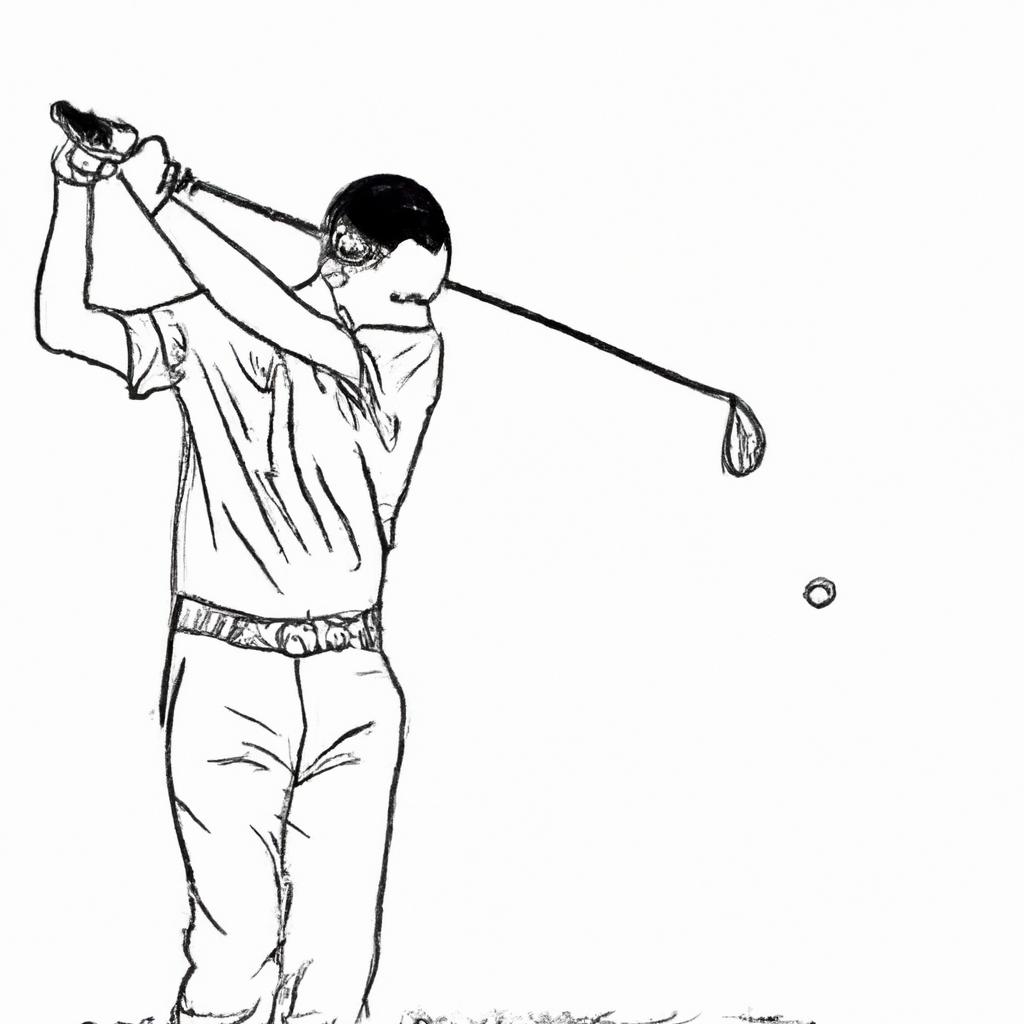
Optimizing pre round macronutrient timing for sustained drive distance and swing stability
Start with the physiological link between fuel and performance: sustained drive distance and swing stability require consistent neuromuscular power, fine motor control and postural endurance across 4+ hour rounds.Plan a primary pre-round meal 2-3 hours before tee-off that emphasizes complex carbohydrates and lean protein to top up glycogen stores and support muscle contraction - a practical target is 40-60 g of carbohydrate and 20-30 g of protein for most adult golfers. From the Top 8 Nutrition Tips for First Time Golfers, this meal should avoid heavy, high-fat or high-fiber items that slow digestion and can induce sluggishness. In addition, begin hydration early: ~500 ml (16-18 oz) of fluid about 2 hours prior and sip consistently thereafter. These foundation behaviors reduce mid-round energy dips that otherwise led to early extension, rounded posture and loss of clubhead speed late in the round.
Next, refine your immediate pre-shot fueling and stimulant plan to preserve both peak power and fine control. About 30-60 minutes before play take a small, easily digested carbohydrate snack (such as: a banana, 20-30 g sports gel or a half energy bar) to provide readily available glucose without upsetting the stomach. If you tolerate caffeine, 100-200 mg 30-60 minutes pre-round can improve alertness and reaction time but should be trialed during practice rounds first. Electrolyte replacement is meaningful in warm conditions: include a sports drink or electrolyte tablet when sweating heavily. As a rule, avoid large, fatty meals within 90 minutes of the first tee to minimize gastric discomfort that alters setup and swing tempo.
Translate nutrition into consistent mechanics by integrating a structured warm-up that aligns fuel availability with motor patterns. After your dynamic warm-up (leg swings, torso rotations, banded glute bridges for 5-8 minutes), perform a progressive hitting routine on the range:
- 10 slow half-swings focusing on maintaining a 10-15° spine tilt and balanced weight distribution (about 55% on the trail foot at address for the driver).
- 10 medium swings emphasizing full shoulder turn (~90° for men,~80° for many women) and a wrist hinge of 20-30°.
- 5 controlled full swings to target release and impact, followed by 3 max-effort drives to assess clubhead speed.
Use a launch monitor or radar as available to measure clubhead speed and ball speed; set measurable short-term targets such as +1-3 mph in clubhead speed or +5-10 yards of carry after dialing in nutrition and warm-up timing.
Apply pre-round fueling to short game consistency and on-course decision-making. When energy is steady, you maintain a repeatable pre-shot routine and better touch around the greens – essential for lag putting and controlled pitch shots. For example, if you notice increased grip tension or hurried tempo on the back nine, take a 10-minute refuel break with a small carbohydrate bite and 150-250 ml of fluid; than perform 5 wedge swings to restore feel. Course-management adjustments should reflect physical state: if energy is waning, opt for conservative lines, favor clubs that reduce the need for repeated maximum efforts, and choose targets that minimize risky recovery shots. Common mistakes to correct include early extension (often caused by fatigue) – fix with a simple drill of placing a headcover under the trail hip and making slow swings to maintain posture – and casting the wrists (fight this with short-to-long swing tempo work and a heavier warm-up shaft).
create a repeatable monitoring plan so you can optimize nutrition for your unique body and game. keep a simple log for 4-6 practice rounds tracking pre-round meal composition, timing, hydration, caffeine use and objective outcomes such as clubhead speed, dispersion (yards of lateral miss), and strokes gained: off-the-tee. Then iterate: if drives tighten but lose distance, increase complex carbs earlier in the window; if you feel bloated, reduce pre-round fat and fiber. Consider environmental modifiers: in hot weather increase electrolyte intake and split meals to avoid overloading the stomach; in cold weather add an extra carbohydrate snack to maintain core temperature and muscle power. Use the following troubleshooting checklist:
- Setup checkpoints: ball position (driver inside left heel), spine tilt (10-15°), weight bias (~55% trail).
- Practice drills: posture retention drill with headcover under trail hip; tempo drill with metronome at 60-70 bpm for half-to-full swings.
- If symptoms persist: consult a registered dietitian or coach and test changes during practice sessions, not tournament days.
By combining timed macronutrient strategies with targeted warm-up and swing work, golfers at every level can achieve more consistent drive distance and a stable, repeatable swing that improves scoring and course strategy.
Strategic in round carbohydrate and protein snacks to maintain neuromuscular control and recovery
Maintaining stable blood glucose and a steady supply of amino acids is essential for preserving neuromuscular control across an 18‑hole round. Plan a pre‑round meal 45-60 minutes before the first tee that supplies 40-60 g of carbohydrates and 15-20 g of protein (for example: one large banana + two slices wholegrain toast with 2 tbsp peanut butter). During play, aim for small, frequent snacks every 3-5 holes delivering about 15-25 g carbohydrates plus 5-10 g protein when possible to avoid blood sugar spikes and subsequent crashes. Practical, on‑course choices that align with the Top 8 Nutrition tips for First Time Golfers include energy gels or chews for swift carbs, compact protein bars, Greek yogurt cups, or trail mix in measured portions; test these options during practice rounds to determine digestion and tolerance. Strong hydration and electrolyte replacement should accompany snacks-start with ~500 mL (16-17 oz) of water 60 minutes before play and sip ~200-250 mL (7-9 oz) between holes, adding electrolytes in hot conditions to maintain neuromuscular firing patterns.
Fatigue alters swing mechanics: you will often see early extension, flattened swing plane, and decreased hip‑to‑shoulder sequencing as the round progresses. To counteract this, combine targeted nutrition with specific practice drills that reinforce correct motor patterns under fatigue. Use the following drills to train resilience and measure progress:
- Med‑ball rotational throws: 3 sets of 8 throws each side to train explosive torso rotation and mimic the rotational demands of the golf swing.
- Tempo maintenance drill: use a metronome set at a 3:1 backswing-to-downswing rhythm; record baseline clubhead speed and repeat after a 10‑minute jog to test drop in speed; aim to keep speed loss within ≤5%.
- Fatigue wedge drill: perform 20 bodyweight squats then hit 10 wedge shots, tracking distance dispersion; target a consistency of ±2 yards for 50-70 yard shots.
These exercises, paired with mid‑round carbohydrate/protein intake, preserve fast‑twitch fiber recruitment and timing so the hands and sequencing remain steady for full swings and approach shots.
Fine motor control is especially critical around the greens, where small neuromuscular lapses translate into missed putts and chips. Choose compact snacks that deliver a modest hit of carbohydrate + protein approximately 10-15 minutes before a stretch of short game play-examples: a small apple + 1 stick of string cheese (~15-20 g carbs, 6-8 g protein), or 1/2 cup Greek yogurt with berries. Then apply these situational practice routines on the course:
- After eating, perform a two‑minute putting routine focusing on stroke length (backswing = 25-35° shoulder turn on 6-8 ft putts) to re‑calibrate feel.
- Chipping under pressure drill: play three consecutive chips from 20-40 yards with a time limit of 15 seconds per shot to simulate tournament pacing; score retention should not drop more than one stroke relative to fresh practice.
In cool or windy conditions, increase carbohydrate frequency because shivering or increased metabolic rate accelerates glycogen use; in heat, add electrolytes to maintain neuromuscular function and avoid cramping.
Equipment choices and setup fundamentals interact with in‑round nutrition strategies. When energy declines, golfers commonly overgrip, shorten the takeaway, or allow the clubface to close-errors that are corrected by simple setup checkpoints and minor equipment tweaks.Before every shot, use this checklist:
- Grip pressure: keep it at a firm but relaxed 4-6/10 to avoid tension.
- Spine angle: maintain the same angle from address through the backswing to protect sequencing.
- Ball position: a half‑ball forward for a 7‑iron; a full ball forward for drivers to ensure consistent attack angle.
If you notice performance drop late in the round,implement tactical course management: shorten targets,aim for the fat side of the green,or select a lofted club to reduce miss‑distance. These adjustments preserve scoring potential while you refuel. remember: consuming food during play is allowed under the Rules of Golf, so carry measured servings and a small waste bag to keep pace of play.
Post‑round recovery and integration into practice are the final steps in a performance loop: consume 20-30 g of high‑quality protein plus 40-60 g of carbohydrates within 30-60 minutes to accelerate muscle repair and replenish glycogen stores (for larger athletes scale carbohydrates to ~1.0-1.2 g/kg body weight immediately after). Follow this with a 10‑minute cool‑down walk, foam rolling, and a targeted mobility sequence to address swing‑specific restrictions (hip internal rotation, thoracic extension). For weekly training,structure sessions to simulate on‑course nutrition by testing snack timing and content during long practice days or simulated rounds: this ensures no surprises during competition and improves decision‑making under pressure. use objective measures-clubhead speed, dispersion, and putting accuracy-to quantify the benefit of your nutrition plan and set achievable goals (for example, maintain ≤2% putt make rate drop after the 12th hole). By marrying precise fueling with technique work and course strategy, golfers of all levels create a reliable system that sustains neuromuscular control and enhances scoring consistency.
Hydration protocols and electrolyte balance to preserve fine motor control and cognitive focus
Proper fluid and electrolyte strategy is foundational to preserving the precise touch required for putting, chipping, and the small-muscle control in the short game. Begin with 500-600 ml of fluid 2-3 hours before your tee time and follow with 200-300 ml about 10-20 minutes before the first tee to top off blood volume without sloshing. During play, sip regularly-aim for 150-250 ml every 15-20 minutes-so you maintain steady hydration rather of chasing large volumes between shots. As the Mayo Clinic guidance on dehydration emphasizes, replacing lost fluids and electrolytes is the only effective treatment for dehydration; therefore, choose fluids that replace both water and key ions rather than relying on water alone.This steady intake preserves proprioception and fine-motor precision (wrist hinge, clubface control, and grip softness) that directly influence shot dispersion and putting feel.
Electrolyte balance-notably sodium, potassium, and magnesium-keeps nervous-system signaling and muscle contraction crisp, which translates to consistent tempo and repeatable impact positions. For rounds in heat or when sweating heavily, use a drink or tablet that supplies both sodium and potassium; check product labels and select a formulation intended for endurance activity rather than high-sugar sodas. Look for moderate sodium levels (hundreds of mg per liter) and potassium on the label, and personalize intake to sweat rate and round duration. If you have medical conditions or take prescription medications, consult a healthcare professional before using electrolyte supplements. In practice, maintaining electrolyte balance helps you hold the same light grip pressure and wrist release on a 6-iron swing as you do on a delicate 8-foot downhill putt.
Put these principles into on-course routines and practice sessions so they become automatic under pressure. equip your bag with an insulated 750-1000 ml bottle and a second 500 ml bottle of electrolyte solution; carry small, easy-to-eat snacks such as a banana or 200-250 kcal energy bar to stabilize blood sugar between holes. Transitioning from practice to play, establish hydration cues in your pre-shot routine: take a 2-3 sip cue at the top of the clock for every tee shot and after every three putts during a hole. Try these practical drills to incorporate hydration and nutrition into skill training:
- 30-putt clock drill: sip before each set of 10 to simulate controlled routine under fatigue.
- 50-wedge control set: after 25 swings,take a 1-2 minute hydration break,then complete the set keeping carry-distance variance under 10%.
- Heat-acclimation walk: do an 18-hole warmup walk with scheduled sips every 15 minutes to learn pacing on hot days.
These steps combine the Top 8 nutrition tip themes-small frequent bites, balanced snacks, and planned hydration timing-to support both physical and cognitive performance.
Hydration has measurable effects on mechanics and common swing faults. Dehydration often increases involuntary grip tension, which can produce suppressed loft at impact, thin shots, or early release (loss of lag). To correct this, monitor grip pressure with the aim of maintaining a consistent 4-5 out of 10 pressure throughout practice swings and shots; use a metronome set to a 3:1 backswing-to-downswing tempo for rhythm. Set specific, trackable goals such as: achieve 8/10 flush strikes with a 7-iron from 150 yards within a 10-yard dispersion during a fully-hydrated practice session, and repeat when slightly fatigued to confirm transferability. Troubleshooting checkpoints include:
- Check grip tension and reduce if hands feel rigid;
- Ensure shoulders remain level at address to prevent dip or sway linked to fatigue;
- Maintain consistent ball position and shaft lean, which are the first mechanics to deteriorate with poor hydration.
These measurable targets and checkpoints make it clear when hydration is a factor vs. a technical flaw.
hydration strategy is as much about the mental game and course management as it is about physiology.Cognitive fatigue impairs club selection, risk assessment, and green reading-so plan nutrition and electrolyte intake around expected decision-heavy moments (e.g.,before a risky par-5 layup or a long,tiered green). For many players, a small caffeine dose of 50-100 mg strategically in the back nine can sharpen focus, but balance this against diuretic effects and personal tolerance. After the round, prioritize recovery with 300-400 ml of electrolyte-containing fluid and a 3:1 carbohydrate-to-protein snack within 30-60 minutes to replenish glycogen and support neural recovery. Offer multiple approaches by ability level: beginners should prioritize consistent sipping and simple carbohydrate snacks to avoid energy crashes, while low handicappers can fine-tune sodium and caffeine timing to preserve peak decision-making during tournament play. Connecting these hydration protocols to measurable on-course outcomes-fewer three-putts, steadier iron dispersion, and improved decision-making-reinforces that proper fluid and electrolyte management is a repeatable performance tool, not an afterthought.
Micronutrients essential for neuromuscular function and concentration with food based recommendations
Neuromuscular control and sustained concentration are foundational to executing a repeatable golf swing and sinking key putts, and they depend heavily on a range of micronutrients. Key players include iron (oxygen delivery and fatigue resistance), B‑vitamins (energy metabolism and nerve signaling), magnesium and calcium (muscle contraction and relaxation), vitamin D (muscle function and bone health), and omega‑3 fatty acids (neural membrane health and inflammation control). From a food-first perspective choose: lean red meat or fortified cereals and lentils with a squeeze of citrus for iron absorption; oily fish, fortified milk or eggs for vitamin D and omega‑3s; low‑fat dairy, tofu, or leafy greens for calcium; and nuts, seeds, whole grains and legumes for magnesium and B‑vitamins.For population guidance and biomarker monitoring refer to authoritative resources such as WHO materials on micronutrient status when assessing broader deficiency risks.
To translate these nutrients into on-course performance, pair smart nutrition with targeted practice. Prior to a practice session or round eat a meal delivering 30-60 g of carbohydrates and 20-30 g of protein about 60-90 minutes before tee‑off to fuel both aerobic walking and explosive rotation. During long practice blocks sip fluids containing electrolytes (see next paragraph) and take small carbohydrate snacks every 4-6 holes in training to maintain blood glucose and consistent motor control. Practice drills that benefit from good neuromuscular function include rotational medicine‑ball throws to the target line and accelerating through impact with a weighted club for 8-10 reps. Use a metronome to ingrain tempo: aim for a 3:1 backswing to downswing rhythm (such as, count “1‑2‑3” on the backswing, “4” on the downswing) to develop consistent timing and reduce swing thoughts that disrupt concentration.
Short game and putting demand steady hands and focused attention; specific micronutrients and timing can preserve fine motor skills. Maintain steady blood glucose with slow‑release carbohydrate snacks (banana, whole‑grain cracker with nut butter, Greek yogurt) during play rather than high‑fat meals that delay gastric emptying. For acute alertness consider 100-200 mg caffeine (roughly one small coffee) taken 30-60 minutes before the round, but test this in practice as caffeine can increase jitteriness in some players. To avoid mid‑round fatigue that ruins tempo on approach shots and putts, carry compact snacks and electrolyte tablets (sodium‑containing sports drink providing ~300-700 mg Na per liter in hot conditions) and sip regularly. Short‑game drills you can pair with nutrition include:
- 50‑ball putting ladder (distances 3 ft → 25 ft) to train repetitive fine motor control while practicing breathing and pre‑shot routine
- 30‑minute bunker/green transition session focusing on loft and bounce control, repeated three times per week to convert strength and balance gains into reliable technique
- 1‑arm chipping drills (10 balls each arm) to expose and correct neuromuscular imbalances
Course management and environmental conditions change nutritional demands and should guide on‑course strategy. On hot days prioritize fluid and sodium replacement to prevent cramping and decision‑making errors; in cool, low‑sun periods be mindful of vitamin D status and plan weight‑bearing strength work that supports posture through sustained rounds. If you walk the course, expect an additional 300-600 kcal expenditure over 18 holes; plan a slightly larger carbohydrate and protein intake that day. Equipment choices interact with physical preparedness: as strength and neuromuscular power increase through proper nutrition and training you may progress to a slightly stiffer shaft or stronger lofts-measure changes with launch monitor sessions and aim for incremental clubhead speed gains (such as, a realistic goal is +1-3 mph of clubhead speed across 8-12 weeks of combined training and nutrition). common mistakes and corrections include:
- Keeping low steady energy - fix with a balanced pre‑round meal 60-90 minutes out and small carbs every 4-6 holes.
- Overreliance on sugary snacks – replace with mixed macronutrient options (fruit + nuts; yogurt + granola) to stabilize focus.
- Poor hydration leading to early loss of clubhead speed – adopt a routine of 500-750 mL 1-2 hours before play and ~150-250 mL every 15-20 minutes while walking.
implement a practical, measurable plan that fits all skill levels and learning styles. Beginners should prioritize consistency: a daily pattern of whole grains, lean protein, dairy or fortified plant milk, fruit, and greens will support steady practice sessions; set a 12‑week target such as reducing three‑putts per round by 30% while tracking fairways hit and short‑game up‑and‑down percentage. Intermediate and low handicappers should periodize nutrition around tournament weeks-focus on carbohydrate loading the day before play, maintain 3-5 g creatine per day if strength and short‑power gains are desired (after consulting a healthcare professional), and use targeted omega‑3 intake (about 1 g EPA+DHA daily) to manage inflammation and recovery. Always verify iron and vitamin D status with blood tests before supplementing, and work with a dietitian or physician to tailor intakes. Combine these dietary strategies with structured practice (tempo drills, distance control, situational play on the course) and mental‑game routines (breathing, visualization, pre‑shot checklist) to convert biochemical readiness into measurable scoring improvement and more enjoyable, focused rounds.
caffeine and ergogenic aids guidance for enhancing focus and putting precision
When using caffeine and other legal ergogenic aids to sharpen concentration and refine putting precision, understand the physiology and safe dosing first. Caffeine acts as a central nervous system stimulant that can increase alertness, reduce perceived fatigue, and sharpen visual focus, but it can also produce jitteriness or increased heart rate if overused.For many adults,an effective preparatory dose is in the range of 100-200 mg taken 30-60 minutes before practice or a round to coincide with peak plasma levels; total daily intake should generally stay below 400 mg/day for healthy adults (individual tolerance varies). Begin by experimenting in practice rounds – not competition – to calibrate how a given dose affects your hands, breathing, and fine motor control, and avoid late-day use that will disrupt sleep and recovery.
Translate increased alertness into putting precision by focusing on setup, stroke mechanics, and tempo. Start with a consistent setup: feet shoulder-width or slightly narrower, eyes directly over or just inside the ball, and the ball positioned under the left eye for right-handed players (mirror for lefties).Use a putting stroke that matches your putter type – a straight-back/straight-through stroke for face-balanced putters, or a slight arc for toe-hang models - and aim for a putter face square at impact with minimal wrist action. To control micro-movements that caffeine can exaggerate, implement a pre-putt routine of slow diaphragmatic breaths (inhale 3 counts, exhale 4 counts), a single low-pressure practice stroke, and then execute on the same tempo. If you notice increased tremor or over-speeding, reduce dose or combine with paced breathing and a softer grip pressure (target 5-6/10 grip tension) to regain feel.
Nutrition and hydration strategies from basic golf nutrition dovetail with ergogenic aid use and influence on-course decision-making. Before a round, favor a mixed-carbohydrate/protein meal to stabilize energy (such as, oatmeal with banana and Greek yogurt ~40-60 g carbs + 15-20 g protein) and sip a low-sugar electrolyte drink to maintain cognitive function and neuromuscular control. Between holes, use small carbohydrate snacks (a 20-30 g energy bar or a banana) to avoid blood-sugar dips that impair concentration, and avoid heavy meals that increase postprandial fatigue. In cool or windy conditions, be aware that caffeine’s thermogenic and vasoconstrictive effects may feel stronger; in heat, prioritize electrolytes to prevent cramping while using only moderate caffeine doses.
Improve measurable putting performance with targeted drills and practice structure that accommodate different skill levels and learning styles. Use the following unnumbered drill list as a template, with clear performance goals:
- Ladder Drill – place tees at 3, 6, and 9 feet; make 80% of 30 attempts at 3 ft, 60% of 30 at 6 ft, and track progress weekly.
- Gate Drill – use two tees just wider than the putter head to enforce square impact; perform 50 strokes focusing on center-face contact.
- Speed Control Drill – from 25-40 feet, aim to stop the ball within a 3-foot circle; record distance-out average over 20 balls.
- Heart-Rate/Tempo Drill – pair a metronome (e.g., 60-72 bpm) with your stroke to stabilize backstroke/forward stroke timing; breathe on every 4th beat.
For beginners, concentrate on alignment and repeatability; for mid- and low-handicappers, add pressure tests (money-ball format or simulated competition) and assess whether caffeine improves clutch-putt conversion. Always compare sessions with and without caffeine to determine net benefit to feel, touch, and decision-making.
integrate ergogenic strategy into overall course management and safe practice. Caffeine is not a substitute for fundamentals – green reading, pace management, and stroke mechanics remain primary – but it can be a tactical tool when used judiciously. For example, take a small dose before a back-nine stretch when fatigue typically sets in, and pair it with a pre-shot routine to prevent over-aggression on downhill, fast greens (adjust aim and speed for Stimp readings; e.g., play a slightly firmer stroke on a Stimp 11-12 green). Be aware of contraindications: younger players, pregnant women, and those with certain cardiovascular conditions should avoid or limit caffeine and consult a physician. Also note that caffeine is not a banned substance under typical golf governing bodies, but always check event rules and medical advisories before relying on any supplement. By combining measured ergogenic use, sound nutrition, purposeful practice drills, and conservative course strategy, golfers can enhance focus and putting precision while preserving consistency and scoring ability.
Meal plans and snack examples tailored for beginner golfers including timing portions and practical substitutions
Fueling properly before a round sets the foundation for repeatable swing mechanics and sound course management. Aim to eat a balanced meal 2-3 hours before tee time of roughly 400-600 kcal with 30-60 g of carbohydrates and 15-25 g of protein to maintain steady energy and support muscular control. For example, a bowl of oatmeal with a sliced banana and a tablespoon of nut butter or two slices of whole-grain toast with 2 eggs and spinach will support a full shoulder turn and stable posture – especially maintaining a small spine tilt of about 3-5° and keeping your hands just 1-2 inches ahead of the ball at address for iron shots. If you need practical substitutions: swap dairy-based yogurt for a plant-based option, or use a quinoa bowl rather of oats; the goal is complex carbs + moderate protein so your tempo and balance don’t degrade during your first 3-6 holes.
During play, prioritize small, frequent snacks and steady hydration to preserve decision-making and shot-shaping ability when wind, elevation or tight lies demand accurate club selection. Consume 150-250 ml of fluid every 30-45 minutes and consider an electrolyte beverage after nine holes in hot conditions. Plan portable snacks of ~150-250 kcal such as a ripe banana, 1 oz (28 g) mixed nuts, or a low-sugar energy bar; these prevent blood-sugar spikes that can tighten grip pressure or speed up tempo. To integrate this with course strategy: before a 150-yard approach into a green bunkered left, a well-timed snack 20-30 minutes prior helps you maintain a controlled half-to-three-quarter wedge swing and consistent loft control when you need to hit a precise trajectory into the wind.
For a mid-round meal (typically after 9 holes), choose a lighter, balanced option to avoid post-meal lethargy while replenishing glycogen for the back nine. A 300-500 kcal option like a grilled chicken wrap with mixed greens, or a chickpea and quinoa salad provides carbohydrates and lean protein without excess fat that would restrict hip rotation and follow-through. adjust for conditions: in heat,favor hydration and electrolytes with lighter carbs; in cold weather,include a warm source of complex carbohydrate to keep muscles loose. Then follow a short dynamic re-warm routine – 5-8 minutes of shoulder turns, hip mobility, and 10 gradual half-swings – to re-establish your setup fundamentals (alignment, ball position, and balanced weight distribution) and measurable goals such as increasing clubface control to reduce directional dispersion by 10-20% in the back nine.
Post-round recovery nutrition directly impacts how quickly you can reinforce improvements through practice: aim for 20-30 g of protein and 40-60 g of carbohydrates within the first hour after play to aid muscle repair and restore energy for short-game practice or the next session. A protein shake blended with fruit or a cup of Greek yogurt with honey and berries are practical examples. Then use focused drills that account for fatigue – for example, a fatigue-tolerant short-game set:
- Clock Chipping Drill: 12 balls in a clock pattern around the hole from 5-15 yards to improve distance control under tired conditions.
- Ladder Putting: make successive putts from 3, 6, 9, and 12 feet to train feel when your legs and core are depleted.
- Partial-Swing Tempo drill: 20 three-quarter swings with a metronome at a 3:1 backswing-to-downswing ratio to preserve rhythm.
These routines are valuable for beginners building habits and low-handicappers refining consistency.
be pragmatic about readiness and in-play adjustments: carry snacks in a small cooler to prevent spoilage, use disposable napkins or gloves to avoid sticky grips after eating, and keep portions controlled to avoid post-meal fatigue that causes common swing faults such as casting or early extension. Common mistakes include eating heavy, fatty meals that reduce hip mobility, and over-caffeinating which increases grip tension and increases chances of missing green-side targets. correct these by choosing lean proteins, complex carbs, and limiting caffeine to one small serving pre-round. For quick troubleshooting on the course, use this checklist:
- Hydration check: 500-750 ml before play + sip schedule adhered to.
- Snack timing: small carbohydrate every 45 minutes.
- Warm-up: 10-minute dynamic mobility before the back nine.
- Practice focus: 15-30 minutes of short-game work when slightly fatigued to build scoring resilience.
Adopting these nutritional and practice strategies will keep your swing mechanics,green reading,and course management decisions sharp from the first tee to the 18th green.
Monitoring energy hydration and performance with simple metrics and on course adjustments
Start by establishing simple, objective metrics you can use before and during a round to monitor energy and hydration: pre-round weight (weigh yourself before and after to estimate sweat loss), a quick urine-color check (pale straw = well-hydrated), a perceived exertion scale (Rate of Perceived Exertion, RPE, 1-10), and basic heart-rate monitoring with a watch if available. As a rule of thumb, aim to drink 400-600 ml of fluid in the 1-2 hours before teeing off and then sip about 150-250 ml every 20-30 minutes on the course; for rounds longer than 2 hours add an electrolyte tablet or sports drink to prevent sodium depletion.Integrate nutrition tips for first-time golfers by carrying easy-to-digest carbohydrates (for example, a banana or energy bar providing 20-40 g of carbs) to consume at the turn, and avoid large, fatty meals that can sap energy. check local competition rules before using electronic distance or performance devices, and keep the monitoring routine simple so it doesn’t disrupt your pre-shot routine.
Hydration and energy levels have direct, measurable effects on swing mechanics. When fatigued you’ll typically see reduced shoulder turn, decreased hip rotation and an increase in sway – commonly resulting in loss of clubhead speed and inconsistent strike. To protect technique,practice a three-quarter swing drill and a tempo drill with a target ratio of 3:1 for backswing to downswing (count “1-2-3,down”) to maintain rhythm under fatigue. Use these practice checkpoints:
- Setup fundamentals: ball position centered to 1 ball left of center for irons, weight slightly favoring lead foot about 55-60% for better strike control;
- Hip/shoulder turn: aim for ~45° hip and ~80-90° shoulder rotation in a full turn to preserve width;
- Drills: split-hand drill for tempo, step-through drill for balance, and 50-yard punch shots to simulate lower-energy controlled shots.
Beginners should focus on preserving balance and tempo while advanced players can use shot-shaping (fade/pull) with shorter arcs to reduce physical demand while keeping accuracy.
Course-management decisions should be adjusted proactively when metrics indicate reduced energy or rising fatigue. If your watch shows elevated HR or your RPE is >6, switch to a conservative game plan: favor higher-lofted clubs that stop quicker on greens, lay up short of hazards to force a wedge approach, or opt for a 3/4 swing to maintain accuracy. Quantify the adjustment by checking your average carry distances with the tracking app and program a conservative yardage reduction of 5-10% when tired – for example, if your 7-iron normally carries 150 yards, play it as if it carries 135-142 yards. Use these simple on-course rules:
- When into a strong wind or late in the round, add one club to preserve trajectory control;
- If feeling dehydrated, prioritize pars by aiming for the middle of the green rather than the pin;
- When uphill or with firm conditions, plan for runoff and choose more loft.
This approach keeps you within scoring range even when physical resources are limited.
Short game and putting suffer first as energy wanes, so adopt compact, repeatable motions and a shorter routine to preserve stroke quality. For chipping, maintain a stable setup with 60/40 weight favoring the front foot, narrow stance and minimal wrist action to keep strikes flush when tired. For putting, widen stance slightly, keep the lower body quiet and use a backswing/forward-swing length relationship to control distance consistently (for example, 12 inches backswing to 12 inches forward for ~20-footers). Practice these focused drills on the range and green:
- Gate drill for consistent low-point control (place tees just outside clubhead path);
- Pace ladder putting (from 3, 6, 9, 12 feet) to train distance control with limited physical exertion;
- 30-minute “turn simulation” practice where you practice 6-8 approach shots followed by scoring putts to simulate fatigue under real-course cadence).
These drills translate directly into lower scores because they emphasize repeatability over power.
treat monitoring and adjustment as part of your long-term improvement plan: log your pre/post-round weight, hydration notes, RPE, heart-rate trends, distance losses and score components (GIR, scrambling, putts).Set measurable goals such as improving scrambling by 10% or reducing three-putts by 0.5 per round by following the hydration and nutrition routine. For recovery and preparation between rounds, consume a small post-round recovery snack with 20-30 g of protein and 30-50 g of carbohydrates within 60 minutes to replenish glycogen and support muscle repair. Adapt approaches for different players – beginners may focus on simple hydration and routine building, while low handicappers can fine-tune electrolyte timing, carbohydrate dosing (30-60 g per hour during long play) and micro-adjustments to swing tempo. By linking objective metrics to specific technical and tactical responses, you create a practical feedback loop that improves consistency, shot selection and scoring over time.
Safe supplement use and when to consult a sports nutrition professional
Think of supplements as performance tools that support the technical work you do on the range and the course rather than as shortcuts to better mechanics. Start with the basics: drink 16-20 oz (450-600 ml) of fluid 60-90 minutes before a round and follow with 8-10 oz (240-300 ml) every 30-45 minutes while playing; consume 30-60 g of easily digestible carbohydrates per hour during long practice days or tournament rounds to maintain power and tempo; and take 20-30 g of high-quality protein within 60 minutes after heavy practice for recovery. Favor third‑party certified supplements (NSF Certified for Sport, Informed‑Sport) to avoid banned substances in competitive play, and avoid high‑fat or fiber‑heavy meals immediately before putting or stroking, since they can cause GI distress and disrupt fine motor control. Consult a medical professional before adding supplements if you are on prescription medication, pregnant, nursing, or have a diagnosed metabolic condition.
Fueling and hydration directly affect swing mechanics and consistency. When energy drops you will see characteristic technical breakdowns: collapsing posture, loss of hip rotation, early extension, and an open clubface at impact. To prevent this, structure practice and nutrition together: warm up with 10-15 minutes of dynamic mobility (thoracic rotation, glute activation), then hit a block of 50 controlled 7‑iron swings focusing on maintaining a consistent spine angle (approximately 30-35° from vertical) and a shoulder turn that approaches 90° relative to the target line on the top. Use this short checklist during practice drills:
- Grip pressure steady and repeatable (about 5-6/10 on a subjective scale)
- Weight distribution at address 60/40 (lead/trail) for long irons, shifting toward 70/30 at impact for power shots
- Measure carry distance variance and aim for ±5 yards consistency over 10 shots
These physical routines combined with mid‑session carbohydrate top‑ups (banana, energy gel or sports drink) will help keep tempo and clubhead speed stable throughout the session.
Fine motor control in the bunker, chipping and putting is particularly sensitive to glucose and hydration levels. Avoid large meals within 60 minutes of a putting practice or match; instead use small, steady energy sources such as a 150-200 kcal carbohydrate snack 30-45 minutes before tee time to promote steady hand-eye coordination.Practice drills that pair nutrition timing with skill work include:
- Short‑game ladder: chip from 30, 20, 10, 5 yards and stop within 3 feet of the hole for each distance
- Putting gate drill: five 3-6 ft putts through a 1.5-2 in gate to train stroke path and face control
- Lag putting: 10 putts from 30-50 ft, goal to leave within 3 feet on 80% of attempts
If you notice tremor, loss of grip feel, or inconsistent stroke timing late in a session, that is a signal to adjust on‑course fueling (electrolyte beverage or small carb snack) rather than altering setup or equipment mid‑round.
Course management and shot‑shaping decisions should reflect physical state and fueling strategy as much as yardage and wind. Such as, when walking and facing a long upwind par‑4 on hole 15 after 14 holes of play, favor a lower‑risk club that you can repeat under fatigue (e.g., a 3‑wood or 2‑iron/3‑hybrid) to leave a manageable approach rather than forcing driver into trouble. In tactical terms, use a playable target mentality: pick a bailout area that keeps your scorecard intact and accepts a 6-10 yard dispersion rather than trading for a high‑variance shot. Equipment considerations tie in here – dehydration and glycogen depletion lower grip strength and clubhead speed, so if you expect to walk 18 holes in hot weather, plan to:
- carry an electrolyte mix (sodium + potassium) to replace sweat losses
- choose a shaft flex and grip size that maintain feel even as hand moisture changes
- pre‑load with 200-300 kcal an hour before late afternoon tee times on tournament days
When planning tournament nutrition, consult a sports nutrition professional about supplement timing if you intend to use caffeine or nitrate sources, as dosing (typically 100-200 mg of caffeine) and timing (30-60 minutes pre‑round) are critical to avoid jitteriness and rules issues in elite competition.
know when to seek specialized help: persistent fatigue despite appropriate fueling, large unexpected weight changes, frequent GI upset with common sports foods, iron or vitamin D deficiency on bloodwork, or concerns about anti‑doping compliance all warrant a consultation with a sports nutrition professional or registered dietitian. A qualified practitioner will collect a training and food log, review supplements for third‑party certification, and order relevant labs (iron panel, vitamin D, B12, thyroid) before recommending a periodized plan – such as, prescribing a carbohydrate taper and pre‑round loading protocol for a championship weekend, plus a post‑round recovery routine of 20-30 g protein and 0.5-0.8 g/kg carbohydrate within an hour. For practical implementation, set measurable short‑term goals such as maintaining body mass within ±1-2% during multi‑day events, achieving ±5 yards carry consistency after a nutrition change, and reducing late‑round three‑putts by 30% over eight weeks through combined fueling and putting routines. safe supplement use is about evidence‑based dosing, certified products, and professional oversight when individualized medical or performance issues arise – all of which directly support repeatable mechanics, smarter course strategy, and lower scores.
Q&A
Q: what is the purpose of the article “unlock Driving, Swing & Putting: 8 Nutrition Tips for Beginners”?
A: The article provides eight practical, evidence-based nutrition strategies designed to help beginning golfers improve neuromuscular control, cognitive focus, and driving/putting performance. it translates nutrition science into actionable pre‑, during‑, and post‑round guidance that supports strength, motor control, reaction time, and sustained concentration.
Q: What are the eight nutrition strategies covered?
A: The eight strategies are:
1) Balanced macronutrient meals with appropriate carbohydrate and protein,
2) Macronutrient timing (pre-, during-, and post‑round),
3) On‑course fueling (portable carbohydrate and mixed snacks),
4) Hydration strategy (fluid volume and timing),
5) Electrolyte management (sodium, potassium, magnesium),
6) Caffeine and low‑risk stimulants for acute focus,
7) Key micronutrients for neuromuscular and cognitive function (vitamin D, B vitamins, iron, calcium, magnesium, omega‑3s),
8) Recovery nutrition to support repair and preparedness for the next session.
Q: How does nutrition actually affect swing, putting and driving?
A: Nutrition affects performance through three main pathways:
– Neuromuscular control: adequate protein, electrolytes and micronutrients support muscle contraction, coordination and motor learning.
– Cognitive focus and decision making: stable blood glucose, hydration, B‑vitamins and caffeine influence attention, reaction time and tactical choices.
– Physical power and endurance: carbohydrates, appropriate fat intake and recovery protein maintain energy, strength and recovery needed for consistent drives and long sessions on the course.
Q: What should a beginner eat before a round (macronutrient timing)?
A: Aim for a balanced meal 2-3 hours before tee time: moderate carbohydrate (45-60 g), lean protein (15-30 g), and a small amount of healthy fat. Example: bowl of oatmeal with banana and Greek yogurt; or whole‑grain toast with egg and fruit. If time is limited, choose a smaller carbohydrate‑dominant snack 30-60 minutes pre‑round (e.g., a banana and a small yogurt or sports bar with 20-30 g carbs).
Q: What are practical on‑course fueling tips?
A: Carry small,easy-to-eat carbohydrate sources and a protein option for longer rounds. Examples: bananas, dried fruit, energy chews/gels (20-30 g carbs per serving), whole grain crackers with nut butter, or a small protein snack (jerky, 10-15 g protein). For rounds longer than 2-3 hours, aim to consume 20-40 g of carbohydrate per hour to maintain blood glucose and mental sharpness.
Q: What hydration strategy should beginners follow?
A: Start well‑hydrated: drink 400-600 mL (about 13-20 oz) of fluid in the 2-3 hours before play and 150-250 mL (5-9 oz) 15-30 minutes before tee-off. During play, sip 150-250 mL every 15-30 minutes, adjusting for heat, sweat rate and duration. Post‑round, replace fluid losses by weighing yourself pre‑ and post‑round or matching urine color and volume.
Q: When are electrolytes necessary and which ones matter most?
A: Electrolytes-particularly sodium, potassium and magnesium-support nerve conduction and muscle contraction. In mild conditions or short rounds, a balanced meal and water are often adequate. Use electrolyte‑containing drinks or low‑dose electrolyte tablets when rounds are long (>2-3 hours), in hot/humid weather, or if you sweat heavily. Sodium helps retain fluid; potassium and magnesium support muscle and nerve function. Avoid excessive electrolyte supplementation unless you have documented deficits or heavy losses.
Q: How can caffeine be used safely to improve focus and performance?
A: Moderate caffeine (about 1.5-3 mg/kg body weight; e.g., 100-200 mg for many adults) taken 30-60 minutes before a round can enhance alertness, reaction time and perceived effort. Start at the low end to assess tolerance, avoid late‑day intake if it affects sleep, and do not combine high doses with dehydration.Beginners should test caffeine in practice, not for the first time during competition.Q: Which micronutrients are most relevant to golf performance?
A: Key micronutrients for neuromuscular and cognitive function include:
– Vitamin D: bone, muscle function and mood regulation.
– B‑vitamins (B1, B6, B12, folate): energy metabolism and nervous system health.
– Iron: oxygen delivery and cognitive function; especially important for athletes with low iron status.
– Magnesium and calcium: muscle contraction and relaxation.- Omega‑3 fatty acids (EPA/DHA): neuronal membrane health and possibly reaction time and inflammation modulation.
A balanced diet typically provides these; testing and targeted supplementation should follow clinical assessment when needed.
Q: Should beginners take supplements to improve their game?
A: Food-first is recommended. Supplements can be useful when dietary intake is insufficient (e.g.,vitamin D in low sun exposure,iron for confirmed deficiency,or omega‑3s if fish intake is very low). Avoid unproven “performance enhancers.” Consult a registered dietitian or physician before starting supplements, particularly for iron or multi‑ingredient performance products.
Q: What should recovery nutrition look like after a round or practice session?
A: Within 30-60 minutes post‑exercise, consume 20-30 g of high‑quality protein plus 30-60 g of carbohydrate to support muscle repair and glycogen repletion (example: chocolate milk, yogurt with fruit and granola, or a sandwich with lean protein). Rehydrate and include an electrolyte source if you lost substantial sweat. Adequate overall daily protein (1.2-1.8 g/kg body weight for active beginners) supports adaptation and strength gains.
Q: Can simple dietary changes improve putting accuracy?
A: Yes-small, consistent changes that stabilize blood glucose, hydration and attention can improve fine motor control needed for putting. Examples: avoid heavy, high‑fat meals immediately before putting-focused practice or competition (they can promote post‑meal drowsiness); favor steady carbohydrates and hydration; and use low, tested doses of caffeine to sharpen attention if tolerated.
Q: How should beginners personalize these strategies?
A: Personalize based on body size, sweat rate, schedule, tolerance and goals. Track simple metrics: energy levels, concentration during a round, urine color, and weight change before/after play to estimate fluid loss. Work with a sports dietitian for tailored macronutrient targets, food choices, and supplement decisions-especially if you have medical conditions or dietary restrictions.
Q: Are there safety or anti‑doping considerations beginners should know?
A: yes. Avoid high doses of stimulants and multi‑ingredient supplements that may contain banned substances. Use reputable brands,check ingredients,and consult anti‑doping resources if competing. For safety,don’t overconsume electrolytes or supplements,and seek medical advice before starting iron or high‑dose vitamin D.
Q: Quick practical checklist for a beginner’s game-day nutrition?
A: Before: balanced meal 2-3 hours out (carb + protein + small fat).Pre‑tee snack 30-60 minutes out if needed. During: sip fluids regularly, carry 20-40 g carbs/hour for long rounds, include an electrolyte source in hot conditions. Caffeine: test modest dose before play. After: protein + carbohydrate snack within 60 minutes, rehydrate, and eat a balanced meal later. Monitor how you feel and adjust.
Q: Where can beginners find reliable guidance on healthy diet principles?
A: International public health organizations (for example,the World Health Association) and accredited sports nutrition professionals provide reliable,evidence‑based advice. WHO emphasizes a healthy,balanced diet as foundational for health and functioning. For sport‑specific plans, consult a registered sports dietitian or qualified provider.If you’d like, I can convert these Q&As into a printable FAQ, provide sample meal and snack plans for a 3-4 hour round, or outline a 7‑day beginner meal plan tailored to your schedule and preferences.
Wrapping Up
Putting smart nutrition into practice can be one of the simplest, highest‑value improvements a beginning golfer makes.By combining sensible macronutrient timing around practice and rounds,consistent hydration with attention to electrolytes,and adequate intake of key micronutrients that support neuromuscular control and cognitive focus,you give your body and brain a reliable platform for better driving,swing mechanics and putting. Small,evidence‑based changes – a balanced pre‑round meal,strategic snacks and fluids during play,and recovery fueling afterward – add up to steadier energy,sharper concentration and more consistent motor control on the course.
These recommendations are grounded in general public‑health and sports‑nutrition principles (see resources from organizations such as the World Health Organization and clinical guidance on exercise nutrition),but individual needs vary. Monitor how different foods, timing and fluids affect your stamina, focus and shot quality; adjust gradually and prioritize whole foods, regular meals and proper sleep. If you have medical conditions, performance goals, or specific nutrient concerns (for example iron, vitamin D, or electrolyte needs), consult a registered dietitian or your healthcare provider for a personalized plan.
Take these tips onto the practice tee and the course: experiment, track what works, and refine your approach. With consistency and thoughtful nutrition, you’ll be better equipped to unlock improvements in driving distance, swing control and putting performance.