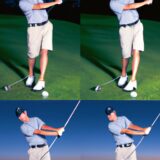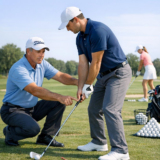
Golf performance is often explained in terms of physical power, mobility, or teh latest clubs, yet one of the most decisive influences on consistent ball striking is mental: the quality of your attention and the precision of your motor control. Slow-motion swing practice provides a structured, research-supported way to train both.By intentionally moving far more slowly than usual, golfers gain a “high-definition” view of their technique, making it easier to monitor form, spot errors, and apply specific corrections.
This deliberate, slowed-down work does more than polish swing mechanics. It directly activates neural circuits responsible for motor learning, focus, and proprioception, strengthening the link between what you intend to do and what your body actually does. Under pressure-when nerves, excessive swing thoughts, and ingrained compensations tend to hijack performance-players who have invested in slow-motion training are more likely to access a stable, automatic, and mentally grounded swing.
The sections below explain how slow-motion practice improves mental clarity, body awareness, and repeatable motion patterns. Drawing from motor learning research,sports psychology,and golf biomechanics,the article shows how this deceptively simple approach can turn routine practice into a cognitively rich training process that supports a more consistent,confident,and reliable golf swing.
Understanding the Cognitive and Neuromuscular benefits of Slow-Motion Practice
Slow-motion practice strengthens the brain-body connection by allowing golfers to consciously trace every segment of the swing-from the takeaway, to the top, through impact, and into the finish.Working at roughly 25-40% of normal swing speed gives the motor cortex and cerebellum extra time to encode correct movement sequences, reducing the tendency to rely on quick compensations that show up at full speed. For example, a golfer training to maintain a 45-60° shoulder turn relative to the target line at the top can use slow motion to sense the proper chain of motion-clubhead-hands-arms-torso-hips-without sacrificing balance or posture. This controlled pace also trains the stabilizing muscles of the feet, hips, and core, leading to better dynamic balance, which is especially valuable from sidehill lies, soggy turf, or in gusty wind. Simultaneously occurring, slow-motion rehearsal functions like a mindfulness drill: it teaches the player to keep attention on a single key cue (such as a flat, neutral lead wrist) rather of bouncing between multiple swing thoughts.
On a practical level, slow-motion work is a low-stress “laboratory” for improving technique in the full swing, short game, and putting. Golfers of all abilities can insert short, targeted slow-motion intervals into their usual routines to lock in feels before striking balls. To illustrate, a player trying to fix an over-the-top move that produces a slice can repeatedly rehearse a downswing in which the trail elbow stays close to the ribcage and the club approaches from inside the target line, wiht the clubface checked as square to slightly closed (1-2°) to the path. In the short game, slow motion is ideal for matching backswing length to carry distance on stock chips and pitches, promoting a shallow strike with the shaft leaning gently toward the target at impact.To make slow-motion practice consistent instead of random, golfers can weave in segments such as:
- Pre-shot rehearsals: Take 1-2 slow-motion swings before each full-speed range shot to reinforce plane, tempo, and balance.
- Mirror drills at home: Complete 10-15 slow-motion swings while watching posture (spine tilt of about 30-35° from vertical), arm-body connection, and grip pressure (around 4 out of 10 in firmness).
- Short-game micro-movements: Perform slow, partial swings that emphasize crisp contact and precise low-point control-especially helpful from tight lies or into-the-grain chip shots.
Psychologically, slow-motion practice conditions golfers to downshift their arousal levels under pressure and carry technical clarity into on-course strategy and scoring. Repeatedly rehearsing a smooth, unhurried motion teaches the player to regulate breathing and stay composed before demanding shots, such as a long fairway wood into a narrow par-5 or a delicate downhill chip on slick greens.This calmer internal state influences decision-making: a low-handicap golfer might use one slow-motion rehearsal to confirm a controlled lay-up swing on a par 5, while a newer player can use it to feel a compact, reliable hybrid swing instead of forcing a tough long iron. To extract maximum value, golfers should tie slow-motion practice to clear, trackable outcomes, for example:
- Full swing: Cut down on fat and thin shots by improving strike quality; monitor using impact tape or launch monitor low-point data (aim for ball-first contact with low point 1-3 inches ahead of the ball with irons).
- Short game: Standardize distance control by pairing three slow-motion rehearsal swings with one normal-speed shot, then chart average carry numbers for different backswing lengths.
- Putting: Use slow-motion strokes to ingrain a straight-back-straight-through or slight-arc stroke, focusing on a 1:2 ratio of backstroke-to-through-stroke and a quiet head, then verify the stroke with a chalk line or putting mirror.
When golfers intentionally blend this mental calm with detailed neuromuscular control, slow-motion practice becomes a powerful connector between range work and real scoring improvements.
deconstructing swing Mechanics Frame by Frame for Precise Technical Refinement
Breaking the golf swing down frame by frame starts with a careful look at setup, alignment, and initial movement, since these early positions heavily influence everything that follows. At address,a neutral athletic posture with about 25-35 degrees of forward spine tilt,light knee flex,and weight centered over the balls of the feet promotes both stability and unrestricted rotation. from down the line, the shaft should generally bisect the back and point in the vicinity of the belt line; from face-on, the lead arm and shaft should form a straight line, with the hands slightly ahead of the ball on iron shots. In slow-motion or frame-by-frame review, golfers should verify that the first few inches of takeaway keep the clubhead outside the hands, the clubface roughly square to the arc, and the lead shoulder moving under the chin rather than the hands lifting alone. To internalize these checkpoints,golfers can use slow-motion practice tailored to their level:
- Beginner: Pause when the club reaches hip height to confirm a flat lead wrist,club parallel to the target line,and weight still 55-60% on the trail side.
- Intermediate: At lead arm parallel, ensure the trail knee maintains its flex and the pelvis has rotated about 30-40 degrees without a big lateral slide.
- Low handicap: Concentrate on synchronizing upper and lower body so the trail hip works back and around instead of thrusting toward the ball, preserving posture and balance.
As you move through the sequence, the top-of-backswing, transition, and impact snapshots reveal many of the most significant refinements for both full swings and wedge play. At the top, a functional position will typically show the lead arm at or just below shoulder height, the club roughly parallel to the target line, and about 80% of pressure loaded into the inside of the trail foot without the trail leg collapsing. In transition, frame-by-frame analysis should confirm that the lower body starts first with a subtle shift of pressure toward the lead side and a small hip rotation toward the target, while the upper body stays “quiet” for a moment, establishing a ground-up sequence. For wedges and short-game motions, the same ideas apply at smaller scales: a moderate amount of wrist hinge, reduced lower-body movement, and a consistent low point ahead of the ball are easy to see in slow-motion video. Productive practice might include:
- Slow-motion impact drill: Swing at 20-30% speed and freeze at impact to check for forward shaft lean (approximately 8-12 degrees with irons), hands ahead of the clubhead, and 70-80% of weight on the lead side.
- Pitching frame drill: On 30-50-yard wedges, capture three positions-club parallel in the backswing, impact, club parallel through-and confirm that the clubhead stays low to the ground while the chest continues to rotate so the hands don’t “flip” past the body.
- Common error check: If video reveals early extension (hips driving toward the ball), rehearse swings where the belt buckle stays back and turns, and the glutes maintain light contact with a chair or bag placed behind you.
By relying on objective video evidence, players can track improvements through more solid contact, tighter shot dispersion, and reduced average distance from the hole on approach and pitch shots-all of which translate directly to better scoring.
Linking frame-by-frame technical refinement with course management and mental skills helps golfers carry range progress into actual rounds. Slow-motion practice develops sharper body awareness and a calmer, process-centered mindset, both of which reduce tension on narrow tee shots, quick greens, and in difficult weather. On the course, players can mentally “scroll” through their crucial frames-setup, lead arm parallel, impact-using brief slow rehearsal swings that mirror the checkpoints used in practice. This is particularly helpful when choosing conservative targets or executing specialty shots, such as a knock-down into a crosswind or a soft bunker shot from firm sand, where subtle setup tweaks (as an example, opening the clubface 10-15 degrees or shifting the ball half a ball forward or back) are easier to manage when the motion has been carefully trained in slow motion. To systematize this transfer, golfers can adopt routines like:
- Pre-shot visualization and slow-motion rehearsal: Visualize the ball flight, then make a rehearsal swing at about 50% speed, focusing on a single cue (like a stable head or balanced finish) instead of multiple technical thoughts.
- On-course feedback loop: After each shot,quickly review whether you executed your key frame checkpoints (setup,transition,finish) and adjust the intention for the next shot based on process,not emotion.
- Scoring-oriented goals: Track fairways hit, greens in regulation, and up-and-down percentage, and connect any gains to the specific frame-by-frame changes you’ve been rehearsing.
By combining slow-motion analysis,targeted drills,and deliberate routines on the course,golfers at all levels can align mechanics,strategy,and mental discipline,leading to more consistent performance and improved scores.
Applying motor Learning Principles to Build consistent, Repeatable Movement patterns
Modern motor learning research shows that a consistent, repeatable golf swing is built on high-quality, specific repetitions rather than simply hitting more balls. The objective is a motion that holds up under pressure, from imperfect lies, and in changing weather. To achieve this, practice should progress from slow, simplified actions toward increasingly complex, full-speed swings. For instance, a player might begin with half swings where the lead arm stops around 9 o’clock and the shaft at about 45° above horizontal, concentrating on a neutral grip, square clubface, and stable lower body. Slow-motion practice-moving the club at roughly 25-40% of normal speed-sharpens awareness of the clubhead, improves balance, and reinforces proper sequencing in which the hips lead the downswing, followed by torso, arms, and finally club. This controlled tempo also unlocks the mental benefits of slow practice: lower tension, clearer visualization of ball flight, and the ability to adjust mid-practice instead of reacting only to ball flight.
To make these movement patterns durable in both full swing and short game, practice should blend blocked and random structures. Early in a training phase, blocked practice-repeating one specific move or club-is best for establishing the new pattern. For example, with a 7-iron a golfer might work on full-swing mechanics using this focus:
- Setup checkpoints: Feet roughly shoulder-width apart; for irons, the ball about 1.5-2 ball widths inside the lead heel; for the driver, spine tilted 5-10° away from the target; and 55% of weight on the lead side with wedges to encourage a downward strike.
- Slow-motion swing series: Take 10 swings without a ball focusing on clubface orientation at waist height, then 10 swings with just a tee, then 10 with a ball-each time keeping the same tempo and holding the finish for at least 2-3 seconds to train balance.
- Common mistake correction: To address casting or early release, feel the trail elbow staying closer to the ribs on the downswing and maintain a ~90° angle between lead arm and shaft until the hands reach hip height.
As skill improves,move to random practice that resembles real-course variability: alternate wedge,mid-iron,and driver while changing targets and lies. Layer in course-management decisions, such as aiming for the ”fat” side of the green or clubbing up into a headwind. This teaches the golfer to repeat not just the motion, but the right motion for the situation.
The short game and putting are particularly responsive to motor learning strategies that merge technical precision with mental steadiness. For putting, use slow-motion rehearsals to ingrain a pendulum stroke with minimal face rotation, maintaining backstroke and through-stroke that are roughly symmetrical for mid-range putts (2-4 meters). Useful drills include:
- Gate drill for face control: Place two tees slightly wider than the putter head and another pair slightly wider than the ball. Make slow-motion strokes through the “gates” without touching the tees to stabilize path and impact location.
- Distance ladder: Putt from 3, 6, 9, and 12 feet, keeping tempo identical and adjusting only stroke length; record how many putts stop within 45 cm (18 inches) of the hole to monitor lag putting.
- Chip-and-pitch variance practice: Alternate between lower, running chips and higher, softer pitches from multiple lies, keeping 60-70% of weight on the lead side and hands slightly ahead of the ball at address to avoid scooping.
Throughout every phase, players should pair slow-motion rehearsals with a consistent pre-shot routine that includes a steady breathing pattern and clear target visualization. This links the physical blueprint to a calm, reliable mental state so that in pressure moments-like a tight tee shot with out-of-bounds right or a slippery downhill chip-the golfer can lean on both ingrained mechanics and a trained mind. Over time, this integrated motor learning approach reduces strike variability, tightens dispersion patterns, and converts directly into lower scores via fewer penalties, more greens in regulation, and improved scrambling.
Designing Structured Slow-Motion Practice Sessions for Driving, Iron Play and putting
Well-designed slow-motion sessions start with driving and iron play, where the main goal is to embed a repeatable kinematic sequence from address to finish. Begin by standardizing setup: with the driver, place the ball inside the lead heel and tilt the spine roughly 5-10° away from the target; with a mid-iron, position the ball 2-3 cm inside center with a more neutral spine angle. At 25-50% of normal speed, emphasize grip pressure of about 3-4 out of 10, a stable lower body, and a clubface that remains square to the arc during the takeaway. Pause at key points-shaft parallel to the ground, lead arm parallel, and the top of the backswing-to check joint angles, such as a roughly 45° shoulder turn versus 30° hip turn in a full swing. This methodical pace not only improves positional awareness but also reinforces the mental benefits of slow motion, including reduced anxiety, sharper body awareness, and the prospect to visualize accomplished drives and iron shots without worrying about outcome.
To make these sessions measurable, use drill blocks that cycle between slow-motion rehearsals and normal-speed shots while tracking simple statistics like contact quality, start line, and dispersion. A sample range structure might look like:
- Block 1 – Driving (mechanics first): Perform 5 slow-motion practice swings (no ball) emphasizing a balanced finish with 90% of weight on the lead foot and chest facing the target,then hit 3 balls at about 70% speed,recording fairway hit percentage and start-line tendency (left vs.right).
- Block 2 – Iron Play (contact-focused): Make 4 slow-motion swings emphasizing shaft lean of 5-10° toward the target at impact and a downward strike, then hit 4 balls, noting how many produce ball-first contact and stay within a 10-yard left-right window to a chosen target.
- Block 3 – Course simulation: Recreate typical on-course situations (ball above feet, slight downslope, into the wind). First, rehearse the adjusted motion in slow motion-such as a shorter backswing with more clubface control into the wind-then hit shots at normal speed while imagining a specific hole you frequently enough play. This links course management decisions (like choosing more club into a headwind or aiming to a safer portion of the fairway) with the composed mindset built through slow-motion practice.
For putting and the short game, structured slow-motion training refines both stroke mechanics and mental toughness. Start with basic setup references: position the eyes either over the ball or 1-2 cm inside the target line, lean the putter slightly toward the target (1-2° of forward shaft lean), and favor the lead foot with 55-60% of weight. Using slow motion,trace a pendulum stroke that keeps the face square to the path for at least 5-8 cm before and after impact,emphasizing a still lower body and repeatable tempo. To build a stroke that remains solid on the course, incorporate drills like:
- Gate Drill: Set two tees just outside the putter head and make slow-motion strokes through the gate; then progress to full speed, counting consecutive clean passes.
- Distance Ladder: Putt in slow motion to markers at 3, 6, and 9 feet, maintaining identical rhythm and proportional stroke length while tracking how many putts stop within a 30 cm “circle of tolerance” around the hole.
- Mental Rehearsal Routine: Before each putt, visualize the ball’s roll and commit to a starting line, then make one slow-motion rehearsal stroke.This anchors a pre-shot routine that lowers heart rate, tightens focus, and keeps attention on execution rather than the score, leading to more controlled putting in competitive rounds.
Integrating Mental rehearsal and Attentional Control into Slow-Motion Drills
Integrating mental rehearsal into slow-motion practice begins even before the club moves. Establish a neutral, athletic address, and then layer in mental detail. From a square stance, place the ball slightly forward of center for irons and inside the lead heel for the driver, with wedges played with approximately 55-60% of weight on the lead side to promote a descending strike. As you settle into your grip and posture, use attentional control by narrowing focus to one or two simple sensations-such as light grip pressure (3 out of 10) and a steady spine angle. Before beginning the slow-motion swing, mentally “walk through” the hole you’re simulating: picture fairway width, wind direction, and ideal starting line (e.g.,”over the left edge of the 150 marker with a gentle fade”). Then, at 10-25% of normal speed, rehearse not only the motion, but the entire pre-shot routine-selecting a club, aligning to the target, and committing to the shot-so that mental imagery and physical movement sync up. This strengthens the neural pathways for a consistent routine, helping both beginners learning fundamentals and advanced players fine-tune shot patterns under pressure.
When applying slow-motion drills to full swing and short game, pair each segment of the motion with a focused mental cue and a tactical purpose.for example, during a slow-motion backswing with a mid-iron, maintain about a 90° bend in the trail elbow at the top and a clubface that matches the lead forearm, while internally picturing a specific ball flight, such as a soft 5-yard draw to a tucked back-left pin. Structure this practice by alternating between internal and external focus: in one set, attend to the feeling of pressure into the inside of the trail foot; in the next, concentrate on an external reference, like swinging through an imaginary “gate” 1-2 yards in front of the ball. For the short game, alter your mental script to match different lies and green conditions, imagining a firm, down-grain green with 3-4 yards of rollout or a soft, into-the-grain lie needing more loft and spin. To tie this directly to scoring,use slow motion to rehearse specific ”must-save” situations,like preserving par from tight lies or hitting a low punch under the wind. key slow-motion elements include:
- Setup checkpoints: Square clubface, slight weight favoring the lead side with wedges, ball position matched to the desired height.
- Tempo rehearsal: Count “1-2-3″ in the backswing and “4” at impact to train a smooth, repeatable rhythm.
- Trajectory planning: Feel a shorter, more abbreviated finish for a lower, wind-cheating shot, and a higher, full finish for maximum carry.
To fully leverage the mental benefits of slow motion, build drills that bridge range work and real-course performance, especially under changing conditions like wind, uneven lies, or tournament pressure. Begin with block practice-repeating the same slow-motion move-to correct common faults such as early extension, casting, or decelerating chips.Then advance to random, scenario-based slow motion, where every rehearsal involves a new target and intention. An effective routine for golfers at all levels might be:
- 3 slow-motion swings without a ball, eyes fixed on a spot on the ground, mentally tracing the ball’s start line and curve.
- 1 slow-motion “live” swing with a ball, maintaining the same internal cue (for example, “smooth weight shift to the lead heel by impact”) and external target focus.
- Immediate feedback check: Confirm club path, face angle, and strike location with alignment rods or impact tape.
Advanced players can raise the stakes by visualizing the closing stretch of their home course and assigning “score consequences” to each shot. Beginners can keep it simpler by rehearsing only setup and takeaway in slow motion, aiming for repeated solid strikes off a tee set ½ inch above the ground. Over time, weaving together mental rehearsal, focused attention, and slow-motion technique yields measurable gains in fairways hit, greens in regulation, and up-and-down percentage, translating clear mechanics and composure into lower scores.
using Feedback Tools and Performance Metrics to Objectively Track Swing Improvements
Making the most of modern feedback tools starts with capturing baseline performance metrics for your full swing, wedges, and putting. Launch monitors and swing analyzers can provide data on clubhead speed, attack angle, face-to-path relationship, and spin rate, while high-speed video (120 fps or higher) lets you evaluate key swing positions such as shaft angle at the top (commonly 90-110° relative to the left forearm in a neutral full swing) and hip rotation at impact (often 30-45° open for skilled players). As a starting point for full-swing assessment,track three numbers per club: carry distance dispersion (yards),start-line accuracy (yards left/right),and face angle at impact (degrees open/closed). Less experienced golfers may initially focus on reducing heel-to-toe strike inconsistency using impact tape or foot spray,while better players can optimize dynamic loft and spin windows to control trajectory in different winds and course conditions. To reinforce the mental benefits of slow motion, combine this technology with slow-motion rehearsals on camera, exaggerating correct positions at 25-50% speed before hitting full shots.
turning numbers into betterment requires organizing practice around clear, measurable targets and drills that blend external feedback with mental and tempo control. For example, use a launch monitor or shot-tracking app to set goals like reducing 7-iron dispersion from 25 yards to 15 yards in four weeks or raising fairways hit from 40% to 55% by nudging driver face-to-path closer to 0° or a predictable fade/draw bias. During range sessions, alternate full-speed swings with slow-motion swings where you consciously monitor balance, grip pressure, and clubface direction, then check your feels against video or swing-sensor data. Support this work with focused drills such as:
- Impact pattern drill: Mark the clubface, hit 10 balls, and aim to keep all strikes inside a 1.5-2 cm circle; after each session, review the pattern and rehearse corrections in slow motion.
- Tempo and rhythm drill: Use a metronome (for example, a 3:1 backswing-to-downswing ratio) or a tempo app, starting with slow-motion swings and gradually quickening while preserving the same timing.
- Short game proximity drill: Track average leave distance from 20-, 30-, and 40-yard pitches; work to reduce average from roughly 20 feet to 12 feet, checking on video that your wrist angles and low point stay consistent.
This structured feedback approach reduces guesswork, supports a calm, task-focused mindset, and builds resilience by clearly showing progress even when scores briefly lag behind mechanical changes.
On the course, meaningful metrics extend beyond swing mechanics to capture course management, choice-making, and mental toughness. Use a shot-tracking system or detailed scorecard to log miss tendencies (short/long,left/right),up-and-down rates,and three-putt frequency from different distances.Then design practice sessions that mirror these patterns with built-in feedback and slow-motion elements. Such as, if data reveal frequent short-siding, add a drill where you hit 10 chips from a tight lie to a downhill flag, measuring average leave distance and counting how many finish within 6 feet while occasionally rehearsing slow-motion swings to reinforce proper shaft lean, weight distribution (60-70% on lead foot), and loft control. In windy conditions, practice knock-down shots on a launch monitor, targeting launch angles of 12-15° with mid-irons and seeing how consistently you keep trajectory under a chosen height. To support different learning styles and body types,blend visual feedback (video and shot traces),kinesthetic feedback (holding balanced finishes,slow-motion rehearsals),and quantitative feedback (strokes-gained stats,dispersion charts). Over time, this integrated system ties technical upgrades to smarter choices-laying up to preferred yardages, choosing higher-percentage targets-and to a steadier, process-driven mindset, which together lead to lower scores and more predictable performance in competition.
Transferring slow-Motion Mastery to Full-Speed Execution Under Competitive pressure
turning deliberate slow-motion practice into confident full-speed swings requires a clear bridge between technical awareness and
Once a dependable motion is in place, introduce pressure simulations that resemble competition, while preserving the composed focus cultivated in slow motion. For long game practice, use a routine that flows smoothly from slow rehearsal to full-speed shot: take one slow-motion rehearsal swing, exaggerating positions like fully loading into the trail hip at the top and presenting a square face at impact, then step into address, square the clubface first, set stance width (commonly shoulder-width for irons and slightly wider for driver), and swing at full speed using the same tempo count (e.g., “1-2-3” back, “4” through). Under tournament-like pressure-for example, a tight tee shot or a must-convert up-and-down-apply the same pattern to chips, pitches, and putts: perform a slow-motion rehearsal emphasizing solid contact, stable low point, and face control, then hit the shot at a normal pace. This disciplined switch from slow to full speed anchors attention on the process and reduces anxiety, while also supporting meticulous, rules-compliant behavior (such as careful marking and replacing of the ball on the green before beginning your routine).
To maximize learning across different skill levels, use targeted drills that blend slow-motion expertise with measurable objectives in realistic on-course scenarios. As an example,in range and short-game sessions,use this structure:
- Slow-to-Full Swing Drill: For each club,hit sets of 5 balls: 2 in pronounced slow motion (no more than 50% speed,prioritizing centered contact),2 at 75% speed,and 1 at full speed. Track center-face strikes with impact tape or foot spray and aim to raise your percentage of centered hits by 10-15% over a two-week block.
- Pressure Putting ladder: From 3, 6, and 9 feet, make one slow-motion rehearsal focusing on a square putter face and stable lower body, then hit one full-speed putt. Create a ladder where you must hole 3 in a row at each distance before moving back,simulating the stress of needing every putt to drop.
- Course-Management Transfer Game: On the course or simulator, before each demanding shot (e.g., crosswind approaches, tight pins), visualize your slow-motion model, perform one slow rehearsal, then choose a conservative target (center of the green, or widest part of the fairway). Track fairways hit, greens in regulation, and three-putt avoidance to measure how well slow-motion discipline is carrying over to scoring.
by combining this stepwise progression with suitable equipment (shaft flex matched to swing speed, putter length suited to posture) and thoughtful adjustments for conditions (more club into a headwind, softer hands from wet rough), golfers from beginners to low handicappers can reliably turn slow-motion precision into full-speed, competition-ready performance that drives scores downward.
Q&A
**Q1: What is slow-motion golf practice, and how does it differ from regular-speed practice?**
Slow-motion golf practice is the intentional execution of the golf swing, putting stroke, or driving motion at a much slower pace-often about 25-50% of typical tempo. At first, the goal is not distance or even perfect contact, but heightened awareness of body positions, sequencing, and balance throughout the motion.
Unlike regular-speed practice, where momentum and ingrained habits can conceal flaws, slow-motion work removes “autopilot.” At reduced speed, golfers can:
– Break the swing into precise segments (takeaway, transition, impact, release).
– Notice and feel joint angles, weight shifts, and clubface orientation.
- Introduce or reinforce mechanical changes without worrying about immediate performance metrics like distance or trajectory.
In short,slow-motion practice emphasizes accurate motor learning and conscious control instead of outcome-based repetition alone.
—
**Q2: How does slow-motion practice contribute to mental clarity on the golf course?**
Slow-motion practice supports mental clarity by simplifying what your mind has to manage and by improving the quality of attention. through repeated slow rehearsal, the brain learns to:
– Filter out non-essential stimuli (noise, hazards, score, outside distractions).
– Focus on a small number of high-value cues (balance, rhythm, one technical checkpoint).
– Associate the motion with a calm,methodical mental state.
Over time,your “mental script” becomes simpler and more consistent. This reduces indecision, cuts down on last-second swing thoughts, and lets you trust a well-rehearsed pattern instead of scrambling for fixes-key ingredients of mental clarity and composure under pressure.
—
**Q3: what role does proprioception play in slow-motion swing training?**
Proprioception-your internal sense of where your body is in space-is central to repeatable swing mechanics. Slow-motion practice heightens proprioceptive feedback because it:
– Increases the time you spend in each position (such as the top of the backswing or early downswing), making subtle sensations of joint alignment and muscle tension more noticeable.
- Makes deviations from your intended motion easier to detect; errors that are invisible at full speed become feelable and observable when slowed down.- Encourages integration of visual, vestibular, and tactile information, building a more stable sense of balance and orientation.
Enhanced proprioception helps golfers self-correct more effectively and maintain their motion even when conditions (lie, wind, nerves) change.
—
**Q4: How does slow-motion practice reinforce motor patterns and skill retention?**
Slow-motion practice targets the neural foundations of skill acquisition. By moving deliberately, the golfer:
– Lowers “noise” in the motor system, prioritizing precision over speed.
– Helps the brain encode a stable motor program with the correct sequence and timing, without last-moment compensations.
– Promotes deeper storage in long-term procedural memory through repeated,high-quality trials.
from a motor learning standpoint,accurate slow repetitions are superior to large volumes of fast repetitions that reinforce flaws. Over weeks and months, the slow-motion pattern becomes a template your nervous system uses during normal-speed swings, improving retention and transfer to real play.
—
**Q5: In what way does slow-motion training support cognitive rehearsal and visualization?**
Slow-motion work provides a clear physical scaffold for mental imagery. As the golfer moves in slow time:
– They can together visualize the intended ball flight, curvature, and landing zone.
– They connect internal imagery (what they “see” and “feel” mentally) with external movement cues (club position, body angles).
– They rehearse a consistent mental storyline along with a consistent physical motion.This pairing of physical and cognitive rehearsal tightens the link between intention and execution, helping golfers build a reliable “pre-shot movie” they can replay under pressure to enhance confidence and performance.
—
**Q6: How does slow-motion practice influence decision-making and course management?**
Although slow-motion practice’s primary focus is mechanics and focus, it indirectly improves decision-making and course management by:
– Reducing performance anxiety, which often leads to rushed or overly cautious decisions.
– Providing a dependable swing so shots can be chosen for strategic reasons rather than fear of a breakdown.
– Freeing mental bandwidth to evaluate risk-reward tradeoffs, since fewer resources are tied up in technical worries.
When players aren’t constantly asking, “How do I swing?” they can better answer, “What’s the smart shot here?” That shift supports smarter club selection, safer target lines, and greater scoring consistency.
—
**Q7: Can slow-motion practice improve putting performance and green reading?**
Yes. When applied to putting, slow-motion practice can raise both stroke quality and green-reading effectiveness:
– **Stroke mechanics:** Slowing the stroke helps you see and feel putter path (arc vs. straight), face angle, and tempo more clearly. It also encourages a stable head, steady grip pressure, and coordinated shoulder motion.
– **Distance control:** Practicing partial strokes in slow motion improves your feel for how different stroke lengths and tempos affect roll distance.
– **Integration with green reading:** As you rehearse slowly while picturing the ball rolling on your chosen line, you reinforce the connection between read, aim, and stroke.
This combination usually leads to fewer three-putts, better lag putting, and more confidence on short putts.
—
**Q8: Does slow-motion driving practice translate effectively to full-speed tee shots?**
When structured correctly, slow-motion work can transfer very effectively to full-speed drives. The key is preserving the same sequence and relative timing as speed increases. This is supported by:
– Defining a few core checkpoints (e.g.,complete shoulder turn,ground-up transition,stable lead wrist at impact).
– Consistently executing those checkpoints in slow motion before gradually increasing speed.
– alternating slow-motion and full-speed swings in the same practice session so the body learns to scale tempo while maintaining structure.
The outcome is often a driver swing that feels more organized and stable, reducing big misses off the tee.
—
**Q9: how can slow-motion practice be structured within a typical training session?**
A practical session structure could be:
1. **Warm-up (10-15 minutes):**
- Light mobility and dynamic stretching.
– 10-15 slow-motion swings without a ball, focusing on posture and balance.
2.**Technical block (20-30 minutes):**
– Choose one or two priorities (e.g., clubface control, hip rotation).
- Alternate 3-5 slow-motion swings with 2-3 full-speed swings, using video, mirror, or coach feedback.
3. **Putting and short game (15-20 minutes):**
– Slow-motion rehearsals of putting stroke or chipping motion.
– Gradually increase speed while retaining the same movement pattern.
4. **Transfer to play (10-15 minutes):**
– Simulate course scenarios and use a brief slow-motion rehearsal before each “on-course” full-speed shot or putt.
This integrated structure ensures slow-motion work stays tied to actual playing demands instead of becoming an isolated drill.
—
**Q10: Are there risks or limitations associated with slow-motion training?**
Slow-motion practice is generally beneficial, but there are potential pitfalls:
– **Over-analysis:** Focusing excessively on details can cause paralysis by analysis, especially for highly analytical players.
– **Rehearsing poor mechanics:** If the motion is incorrect, slow practice can ingrain bad habits more deeply. quality control is critical.
– **Lack of speed adaptation:** Slow motion alone doesn’t fully train the timing and coordination needed at impact speed; it must be complemented with normal-speed play.
To avoid these issues, golfers should work from clear technical priorities, use regular external feedback, and deliberately transition from slow to normal tempo.
—
**Q11: How does slow-motion practice interact with emotional regulation and stress response?**
Slow-motion work can act as a form of “movement-based” emotional regulation. The deliberate tempo naturally encourages:
- Slower, deeper breathing and reduced physical arousal.
– A more reflective, less reactive mental stance.- A sense of control and predictability over your motion.
Repeatedly pairing this calm state with swinging or putting conditions you to associate golf execution with emotional steadiness. On the course, a brief slow-motion rehearsal can help you reset after a bad shot or during stressful moments, stabilizing performance when stakes are high.
—
**Q12: For which skill levels is slow-motion practice most appropriate?**
Slow-motion practice is valuable at every level, but its emphasis changes:
– **Beginners:** It helps build basic mechanics, balance, and a small set of simple movement cues before adding speed and power.- **Intermediate players:** it’s a practical tool for refining mechanics, consolidating changes, and reducing variability, especially during swing adjustments.
– **Advanced and elite players:** It is used selectively to fine-tune details, maintain feel, and support mental routines without disrupting a well-established motion.
Across all levels,the core principle is the same: use slow motion to improve awareness and precision,then integrate those gains into realistic,full-speed practice.—
**Q13: How can players measure the effectiveness of their slow-motion practice?**
Effectiveness can be evaluated with both objective and subjective indicators:
– **Objective metrics:**
– Tighter shot dispersion (less left-right and long-short spread).
- Improved putting stats (putts per round,three-putt rate).
- Higher fairway and green-in-regulation percentages, particularly in pressure situations.
– **Subjective metrics:**
– Clearer, more stable focus before and during shots.
– Fewer conflicting swing thoughts.
– A stronger sense of control and predictability over ball flight.
Tracking these elements over time-ideally with a practice journal-shows whether slow-motion work is actually translating into better performance and greater mental clarity on the course.
Slow-motion practice offers a powerful, evidence-based pathway to better mental clarity and technical precision in golf.By intentionally moving at reduced speed, players can refine movement patterns, sharpen proprioceptive awareness, and engage in more accurate cognitive rehearsal. This approach not only stabilizes swing mechanics but also enhances attentional control, emotional regulation, and strategic thinking under pressure.
When slow-motion work becomes a consistent part of regular training-rather than an occasional drill-it strengthens the mind-body connection in a systematic way. Over time, golfers become more composed, more confident, and more adaptable to different course conditions. Ultimately, mastering your swing in slow motion is not just a mechanical exercise; it is a structured mental discipline that underpins consistent performance and a more deliberate, focused approach to the game.

Unlock Laser-Focused Golf: Master Your Swing and Mind With Slow-Motion Practice
why Slow-Motion Golf Practice Works So Powerfully
Slow-motion practice has become a go-to method for elite golf coaches, tour pros, and serious amateurs who want to build a consistent golf swing and a calm, focused golf mind. By exaggerating “slow” in your practice, you give your body and brain the time they need to:
- Feel the correct swing positions from takeaway to follow-through
- Reprogram bad habits and faulty swing patterns
- Train your golf brain to stay present and process movement calmly
- Develop reliable tempo for irons, driver, short game, and putting
Instead of beating hundreds of balls at full speed, slow-motion golf turns your practice into a laboratory where you can dissect movement, engrain good mechanics, and build laser-focused attention on every shot.
Core Principles of slow-Motion golf training
1. Move Slower Than Feels Pleasant
Most golfers think they’re moving “slow” when they’re really only a bit under full speed. For genuine slow-motion training, aim for:
- 25-40% of your normal swing speed
- Deliberate pauses at key checkpoints (halfway back, top, impact, finish)
- No ball at first so you can focus completely on motion
The goal is not to hit a perfect golf shot; it’s to build a perfect movement pattern that will later support a better golf swing at full speed.
2. clear, Simple Swing Intent
Slow-motion golf works best when each drill has a single focus. Such as:
- “Maintain spine angle through impact”
- “Keep the clubface square to the target line through the hitting zone”
- “Shift weight smoothly into lead side before impact”
Pick one technical priority per practice segment and stick with it. This sharpens your concentration and prevents mental overload.
3.Mind-Body Connection Over Outcome
In slow motion, distance doesn’t matter. Ball flight doesn’t matter. Sound doesn’t matter. Your only job is to:
- Notice how positions feel, not just how they look
- Link visual cues (mirror, video) with body sensations
- Build a repeatable, reliable golf swing that you can trust under pressure
This is where slow-motion practice starts to overlap with mindful golf and performance psychology.
How Slow Motion Rebuilds Your Golf Swing Mechanics
Slow-Motion Setup and Alignment Check
Before working on the swing itself,use slow motion to refine your setup. Small errors at address multiply during the swing. Try this routine:
- Take your stance in front of a mirror or camera
- Slowly check:
- Clubface square to target line
- Feet, knees, hips, and shoulders parallel to target line
- Balanced posture: slight knee flex, neutral spine, arms hanging naturally
- Hold the address position for 5-10 seconds to memorize the feel
- Repeat 5-10 times with different clubs (wedge, mid-iron, driver)
This simple slow-motion golf drill reduces alignment errors that destroy driving accuracy and iron consistency.
Slow-Motion Backswing for Better Coil and Plane
Many swing faults start in the backswing. Use slow motion to train a connected, on-plane takeaway and full coil:
- Without a ball, swing the club back to waist high in extreme slow motion
- Pause and check:
- Clubhead in line with hands (no “inside” snatch or outside takeaway)
- Club shaft roughly parallel to target line
- Lead arm connected to chest
- Continue slowly to the top, feeling:
- Upper body turning against stable lower body
- Lead shoulder under your chin
- Weight favoring inside of the trail foot
- Return to address in slow motion and repeat
By repeating this slow-motion backswing, you build a more reliable swing plane and improve ball striking when you return to full speed.
Slow-Motion Downswing and Impact Training
The downswing happens too fast to consciously control at full speed. that’s why slow-motion golf is so valuable here:
- From the top of the backswing, slowly start down by:
- Shifting pressure into your lead foot
- Letting hips start the motion, not the hands
- Keeping your back to the target a fraction longer
- Pause at the “delivery position” (hands hip high, club shaft about parallel to ground)
- Check:
- Hands slightly in front of the clubhead
- Club on or slightly inside the target line
- Chest still slightly closed to the target
- Continue in slow motion through impact, feeling:
- Hands leading the clubhead (especially with irons)
- Solid contact with the ball first, then turf (for irons and wedges)
Repeat this sequence, then gradually add a ball. Start at very low speed and increase only when the motion feels automatic.
Slow-Motion practice for Driving Accuracy
Building a Reliable Driver Swing With Slow Motion
Your driver swing doesn’t have to be violent to be powerful.Slow-motion driver drills train a balanced, centered swing that maximizes distance and accuracy:
- Focus on width: Use slow motion to feel a wide takeaway and a full extension through the ball.
- Balance check: After each slow-motion driver swing, hold your finish for 3-5 seconds. If you can’t hold it, your real-speed swing is likely out of balance too.
- Tempo training: Count ”1-2-3″ in your head: “1” to halfway back, “2” to the top, “3” to impact. Practicing this cadence in slow motion develops a smoother, repeatable rhythm.
Slow-Motion Alignment Drill for the Tee Box
Better tee shots often start with better alignment. Try this slow-motion routine when practicing with your driver:
- Place an alignment stick or club on the ground parallel to your target line
- Set up in slow motion, checking:
- Ball position off your lead heel
- Shoulders square or slightly closed
- Spine tilted slightly away from the target
- Make three slow-motion rehearsals focusing on:
- Sweeping the ball off the tee
- Staying behind the ball with your head and chest
- On the fourth swing, hit a real shot with the same tempo cue
This method connects slow-motion rehearsal with real tee shots, building confidence in your driver swing.
Slow-Motion Putting to Sharpen Feel and Focus
Why Slow-Motion Putting Builds Consistency
On the greens, slow-motion putting improves:
- Face control through impact
- Stroke path (inside-square-inside)
- Tempo and distance control
- Mental calmness over short and mid-range putts
Becuase the putting stroke is already small, slowing it down intensifies your awareness of every movement.
Slow-Motion Short-Putt Drill
- Set up 3-4 balls at 3 feet around the hole
- For each ball:
- Make a slow-motion rehearsal stroke, taking 3-4 seconds back and through
- Focus on:
- Solid strike from the center of the putter face
- Stable lead wrist and quiet lower body
- Then putt the ball with a slightly quicker, but still smooth, motion
This putting drill builds confidence under pressure and reduces yips-like jerks in your stroke.
Lag Putting With Slow Motion
For long putts, slow motion helps you fine-tune pace:
- Take one or two ultra-slow rehearsal strokes that match the length you think you need
- Feel the smooth acceleration, not a hit
- Step in and roll the putt, keeping the same rhythm you felt in slow motion
Over time, this approach develops an intuitive feel for distance control, cutting down 3-putts and improving your overall golf score.
Integrating Mindfulness and Mental game Into Slow-Motion Golf
Breathing and Focus Cues
Slow-motion practice naturally pairs with mental training.Use it to stabilize your mind under pressure:
- Breath cue: Inhale on the slow backswing, exhale gently on the downswing.
- Single word trigger: Think “smooth” or “through” during the swing rather of mechanical thoughts.
- Present focus: Notice the weight in your feet, the grip pressure, and the sound of the club rather than worrying about results.
These habits carry directly into tournament rounds and pressure situations.
Reprogramming Negative Swing Thoughts
If you struggle with swing anxiety-like fear of slicing your driver or chunking wedges-slow-motion practice can help:
- Identify the fear-based thought (e.g., “Don’t hit it right”)
- Replace it with a positive, motion-based cue (e.g., “Finish balanced, chest to target”)
- Rehearse that cue in multiple slow-motion swings
- Then hit a few real shots maintaining the same cue
Consistency in this approach gradually rewires your mental patterns and boosts confidence.
sample Slow-Motion Golf Practice plan
Use this example structure to add slow-motion drills into your weekly golf training.
| segment | Time | Focus |
|---|---|---|
| Warm-Up | 10 min | Slow-motion setup, posture, grip checks |
| Irons | 20 min | Slow-motion backswing & impact drills, then 50-75% speed |
| Driver | 15 min | Slow-motion tempo + alignment, then normal drives |
| Short Game | 15 min | Slow-motion pitch & chip technique |
| Putting | 20 min | Slow-motion short putts + lag putting routine |
Benefits of Slow-Motion Practice for Different Skill Levels
| Golfer Type | Key Benefit | Best Slow-Motion Focus |
|---|---|---|
| Beginner | Builds solid fundamentals | Setup, grip, simple half swings |
| Intermediate | Fixes recurring swing faults | Plane, weight shift, face control |
| Advanced | Sharpens precision under pressure | Tempo, impact, mental focus cues |
Practical Tips to Get the Most From Slow-Motion Golf
Use Video to Bridge feel and Real
What you feel isn’t always what you’re doing. Combine slow-motion swings with video feedback:
- Record from down-the-line and face-on
- Compare your positions to a model swing or your coach’s guidelines
- Notice where “correct” feels unusual or awkward-those are the areas to reinforce
Periodic video checks prevent you from slow-motion training the wrong pattern.
Mix Reps: No-Ball, Half-Speed, Then Full Shot
A simple and effective sequence:
- 3-5 no-ball slow-motion swings (full focus on movement)
- 2-3 half-speed swings with a ball (shape and contact, not distance)
- 1-2 full-speed swings (trust your training and just swing)
This “ladder” approach bridges the gap between slow-motion learning and full-speed performance.
Focus on Quality Over Quantity
With slow motion, every swing counts. A few guidelines:
- Stop when concentration fades; sloppy slow-motion reps are harmful
- Keep total slow-motion segments to 10-15 minutes each to maintain focus
- Rest briefly between sets to reset your mind and body
Real-World Case Study: From Inconsistent to Confident
Imagine a mid-handicap golfer who struggles with inconsistent ball striking and occasional slices with the driver. Their practice routine is mostly rapid-fire range sessions with little structure.
They adopt a slow-motion golf plan:
- Twice a week, 30-45 minutes of structured slow-motion practice
- One key focus: improving downswing path from the inside
- Regular video checks once a week
Within 4-6 weeks, common outcomes include:
- cleaner contact with irons, more greens in regulation
- Fewer “big miss” drives, more fairways hit
- Improved tempo, leading to better distance control and smoother rhythm
- A calmer mind on the course, thanks to rehearsed focus cues
They haven’t changed clubs, strength, or flexibility dramatically-but by mastering their swing and mind through slow-motion practice, their handicap begins to drop.
First-hand Style Experience: How Slow Motion Feels
At first, slow-motion practice will likely feel strange:
- Your normal quick rehearsal swings may suddenly feel rushed and jerky
- Correct positions may feel exaggerated or even “wrong” compared to your habits
- Holding balance in a long, slow finish can reveal hidden stability issues
Over time, those unfamiliar correct positions become your new normal. The “laser-focused” state you build on the range-quiet mind,clear intention,smooth movement-starts to appear on the golf course when you need it most.
Key Takeaways for Laser-Focused Golf With Slow-Motion Practice
- Use slow-motion golf to engrain proper mechanics and eliminate bad habits
- Focus on one simple technical or mental cue per practice block
- Blend slow-motion drills with video, half-speed shots, and full-speed swings
- Apply slow motion to all areas: driver, irons, wedges, and putting
- Leverage breathing and focus cues to strengthen your mental game
with consistent slow-motion practice built into your weekly routine, you can master both your swing and your mind, leading to a more consistent, confident, and truly laser-focused golf game.